

Gillman Barracks reminds us why Singapore still needs an arts cluster
It may be living on borrowed time, but its current exhibitions are excellent

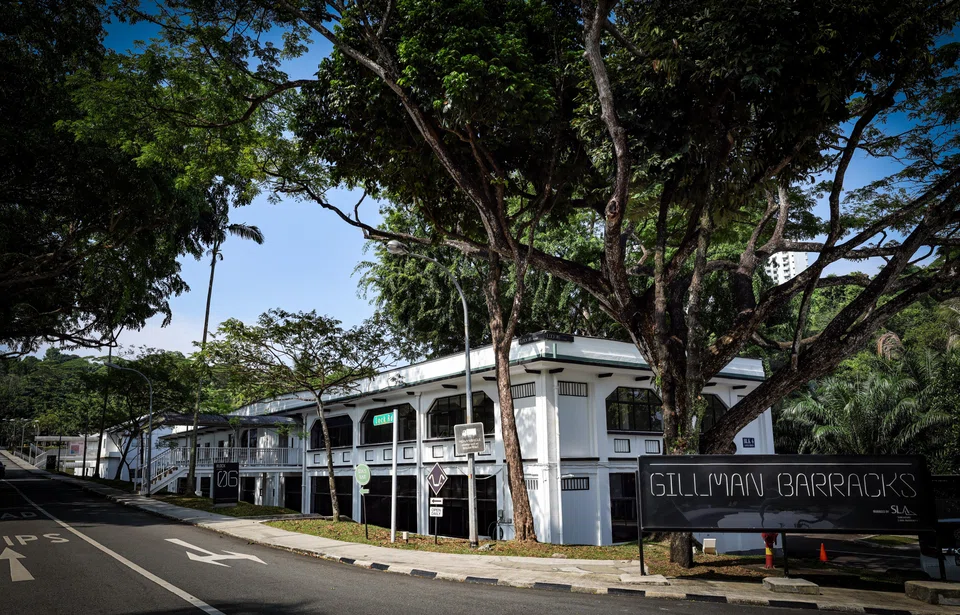
[SINGAPORE] A lot has been written lately about the fate of Gillman Barracks.
Since plans were revealed in July to turn the 40-hectare site into a housing estate, much of the debate has centred on its greenery, the amount of forest that will disappear and what that would mean for biodiversity.
The outcry has been loud enough for the government to say it will revise its plans to retain more green spaces.
Far less has been said about something else Singapore stands to lose: Gillman Barracks’ outsized role in the country’s still-young contemporary art market.
If there were ever any doubt about the value of having galleries clustered together in a 6.4 hectare enclave – rather than scattered across the country – Singapore Gallery Month (SGM) provides a fairly devastating answer.
For this event between mid-August and mid-September, Gillman’s galleries have mounted some of the strongest shows in the country – strange, beautiful, cerebral, funny and occasionally unnerving exhibitions that make a compelling case for why an arts cluster still matters.
Walk from one gallery to the next and something happens that is difficult to replicate elsewhere – how one show builds on another, and how opinions and comparisons are shaped and informed.
There is enough good work here, in enough different registers, to reward just about anyone.
Where to start
A good place to begin is Fost Gallery at Block 1 Lock Road, where six artists turn familiar Singaporean objects and spaces – from CCTV cameras to manicured gardens – into a sharp study of how we live, watch and organise ourselves.
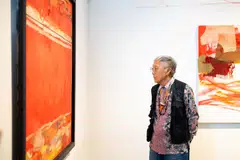
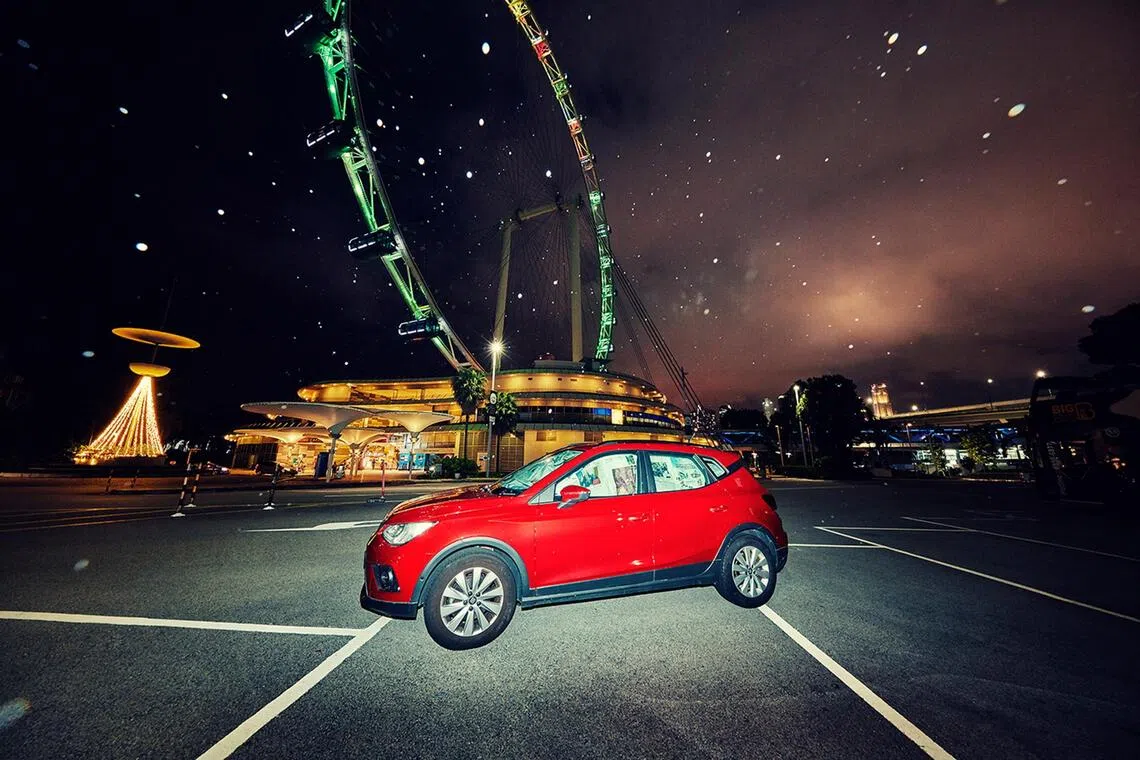
Urban planning, surveillance and even the humble portable fan become ways of probing Singaporean life – and the tension between what is controlled and allowed to grow wild.
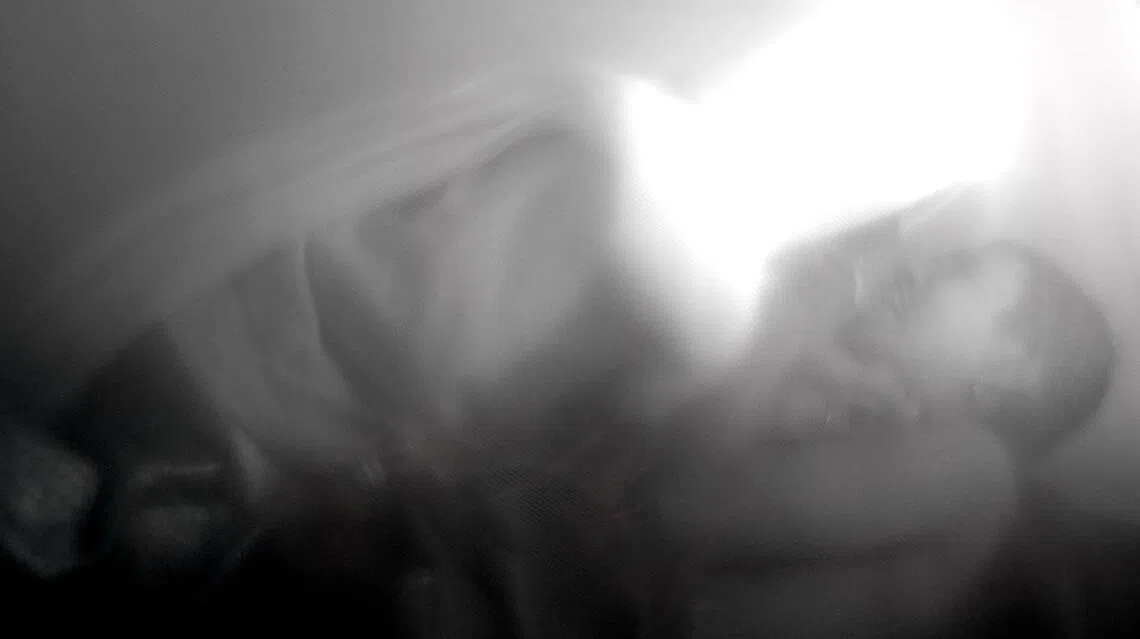
After Fost, turn right towards ShanghArt at Block 9, where Thai filmmaker Taiki Sakpisit’s moving images, photographs and surround sound transform the gallery into a haunted mental landscape. Grief, political memory, folklore and dread bleed into one another with increasing intensity.
Then head up the gentle incline towards Mizuma and The Columns. At Mizuma, Budi Agung Kuswara washes histories of colonialism and technology in rich cyanotype blue, while The Columns brings together six Korean women abstractionists working in ink, charcoal, oil and handmade paper.
Make a U-turn towards Ota Fine Arts, where Tsuyoshi Hisakado’s hypnotic, five-channel video-and-sound installation and delicate paper works explore the tension between our attempts to measure and master the world and nature’s less-predictable forces.
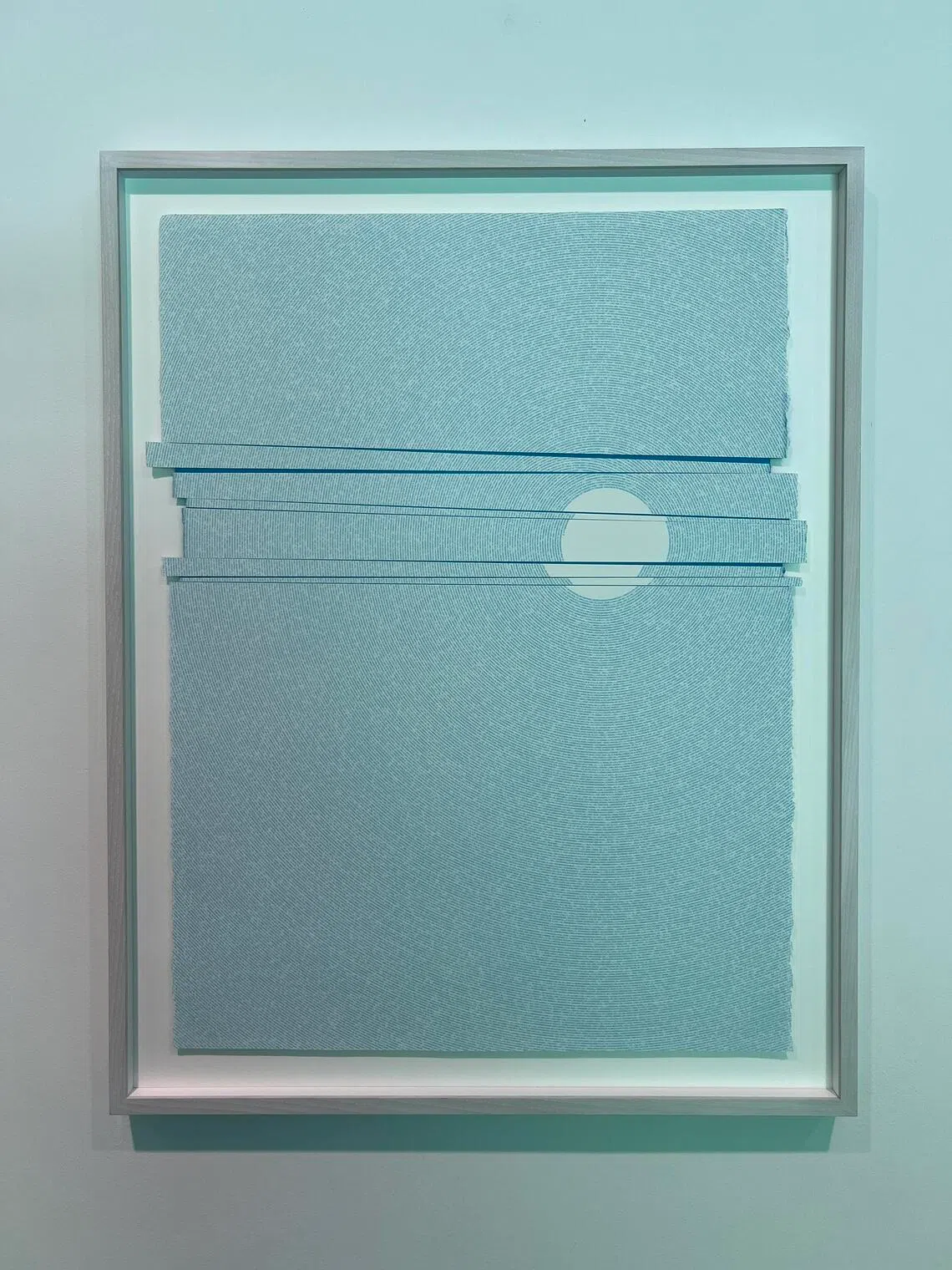
Across the road at Sundaram Tagore, Indian artist Neha Vedpathak turns hand-plucked Japanese paper into intricate, almost lace-like wall reliefs.
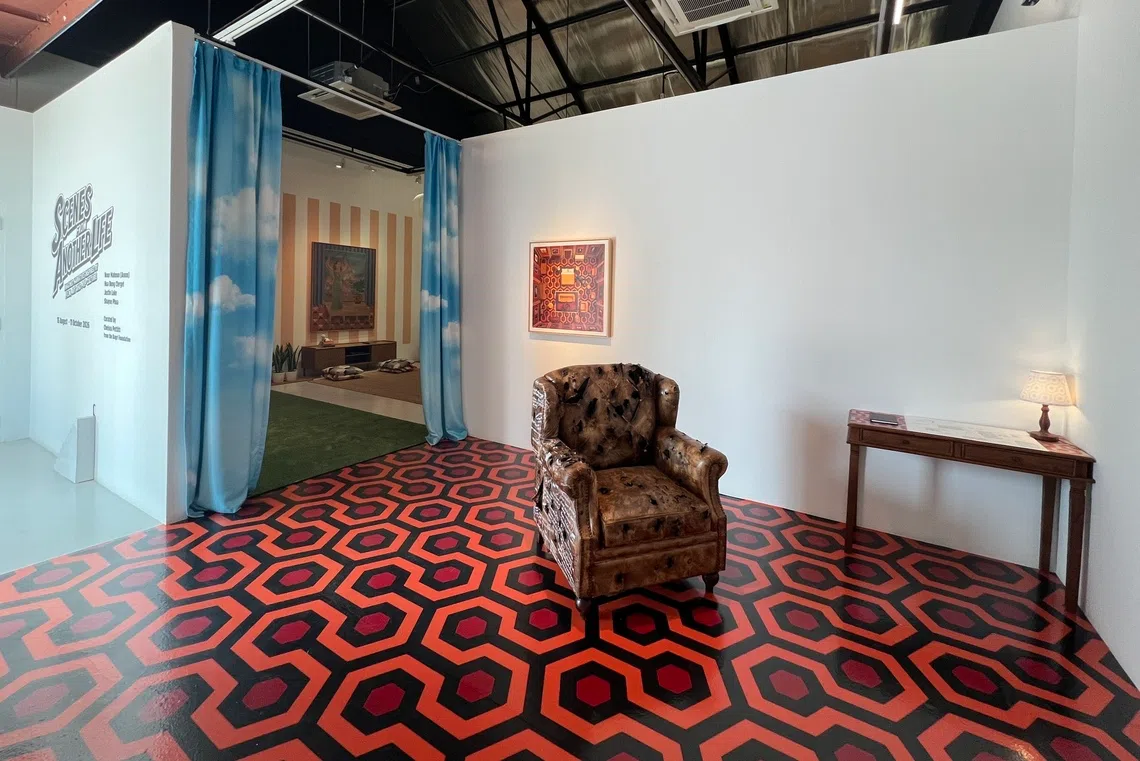
At the far end of Gillman Barracks, Yeo Workshop transforms its gallery into a series of imagined scenes drawn from film, art and pop culture, with works by Noor Mahnun, Hoa Dung Clerget, Justin Loke and Shayne Phua.
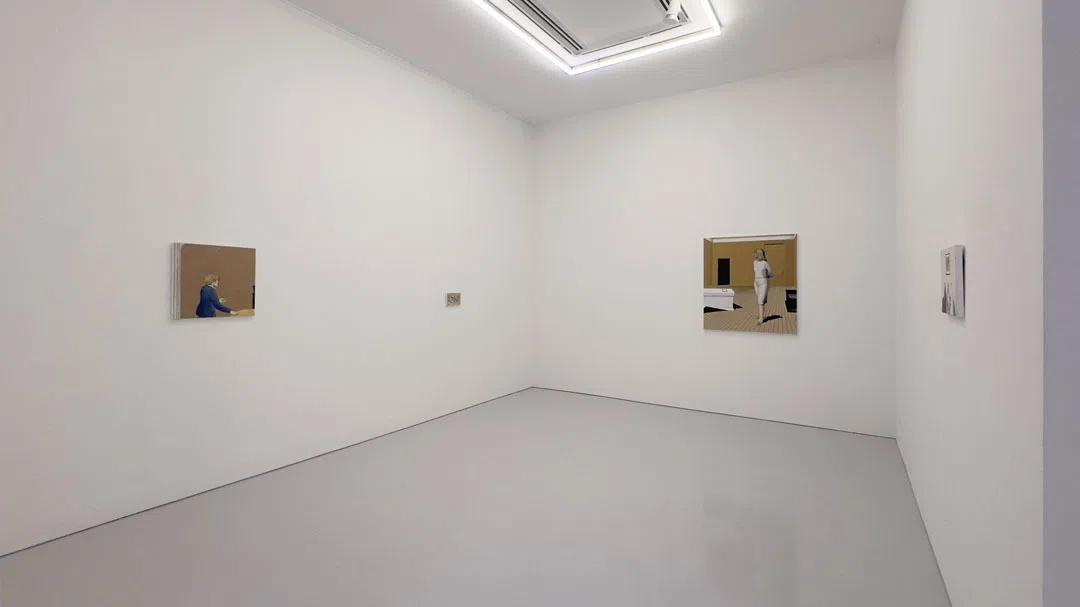
Next door at Richard Koh Fine Art, Greg Burak’s softly coloured paintings unfold like fragments of a dream.
Away from Gillman
Gillman aside, there are equally incredible shows across the island.
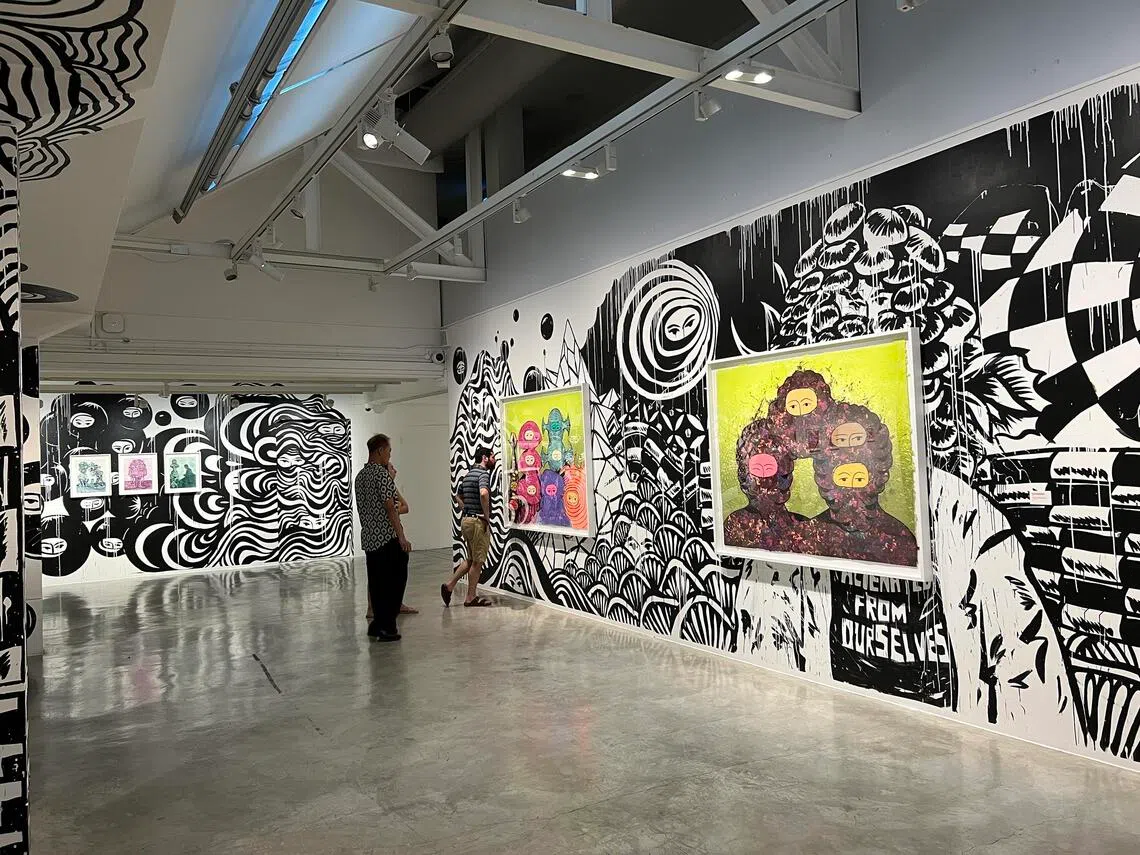
At STPI in Robertson Quay, Eko Nugroho’s exuberant show features masked mutants and cyborgs in mokulito, screenprint, flocking, embossing and handmade paper. Chilli crabs, smartphones and manicured greenery feed a bright, funny and slightly unsettling satire of Singapore’s hyperconnected life.
Tanjong Pagar Distripark deserves its own afternoon.
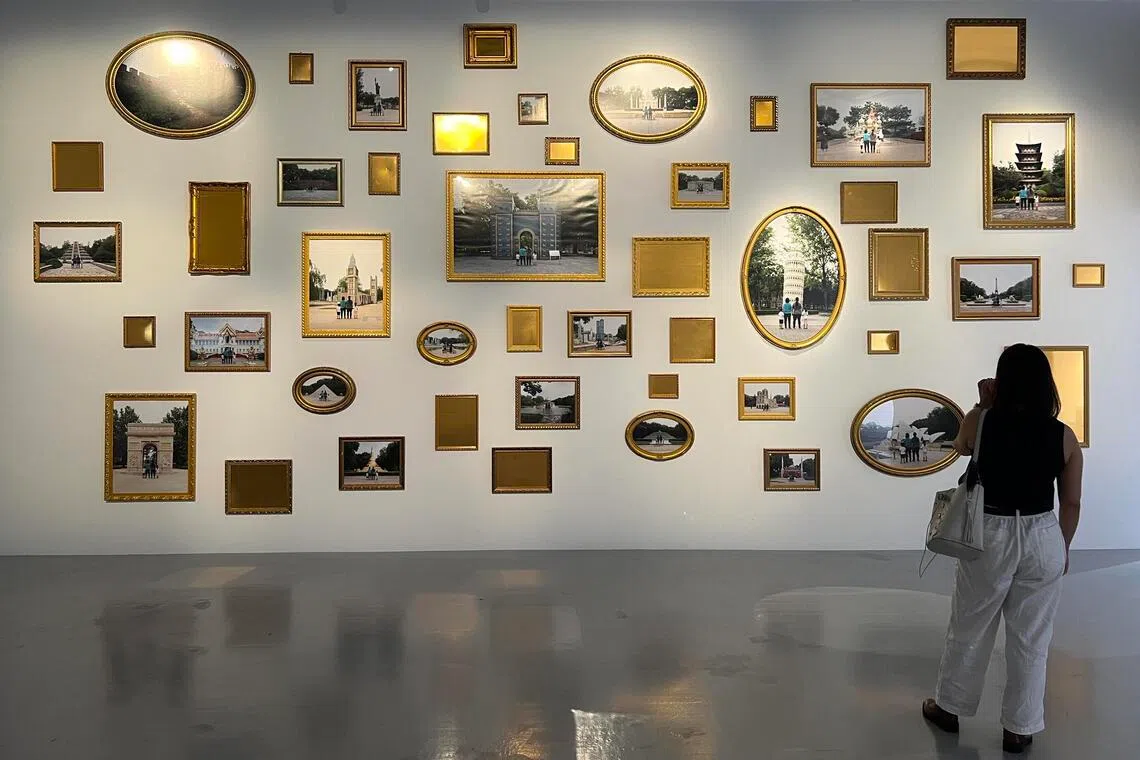
At Whitestone Gallery’s exceptional show, married artist couple Chow and Lin pair up with another married couple, Wang Ruobing and Sai, to explore how intimate partnerships can become a lens for larger questions of economics, society and the environment.
Within the same building, Prestige Gallery’s exhibition of Asia-Pacific artists turns the act of washing, clearing and maintaining the status quo into questions of power and control.
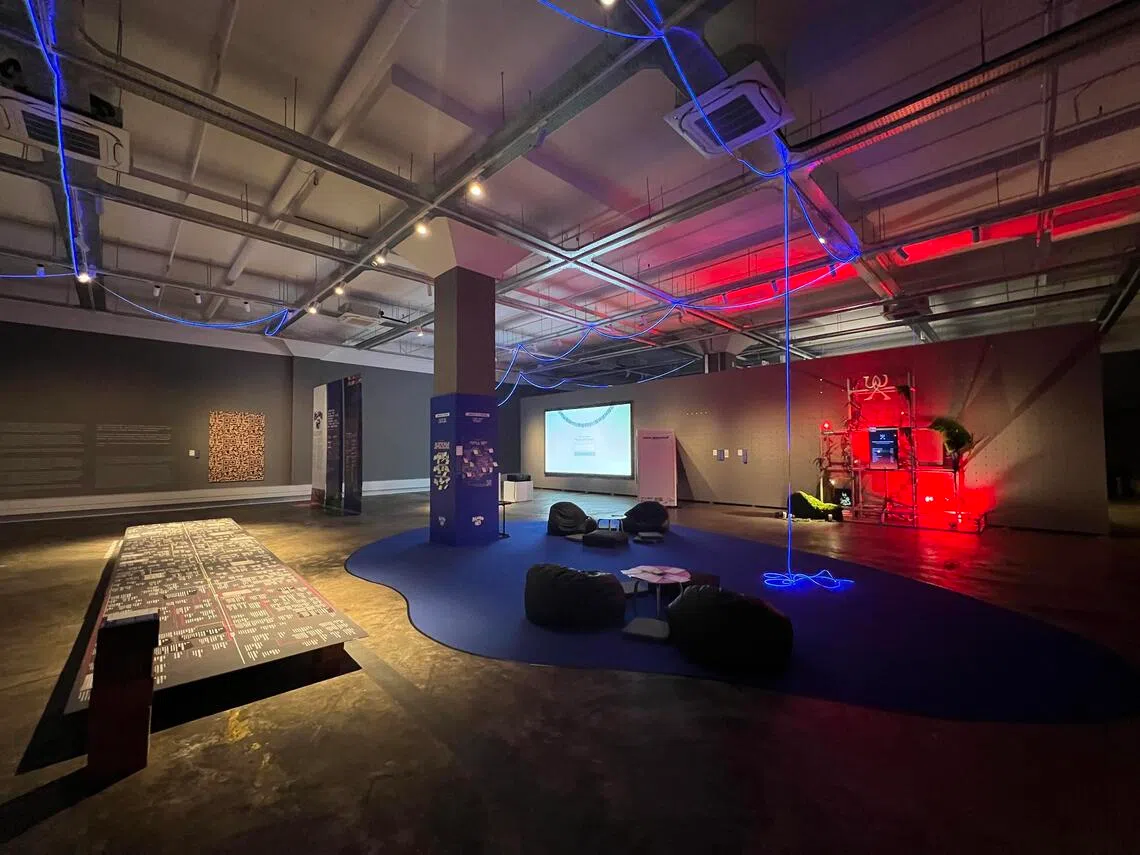
Next door, Padimai Art & Tech Studio’s Islands In The Net – not technically on SGM’s official gallery roster – feels very much part of the conversation, with its web-based works, archives and interactive projects tracing how artificial intelligence, data extraction and digital networks are reshaping life in South-east Asia.
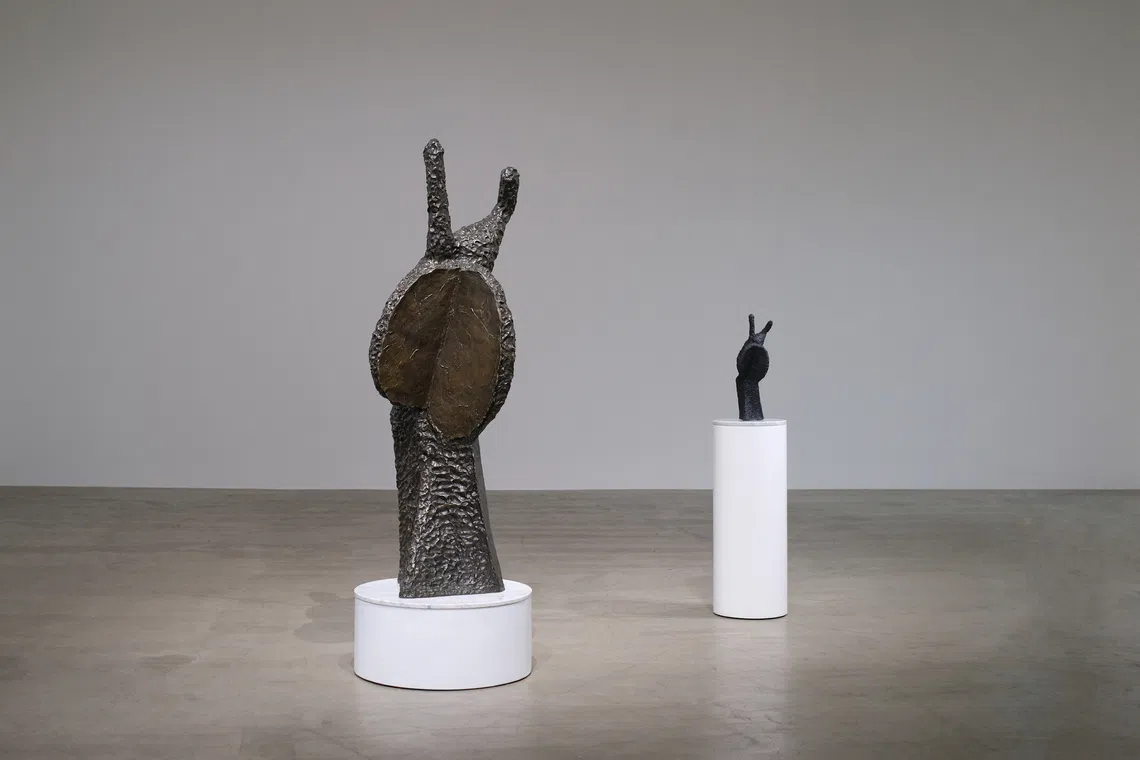
A couple of doors down, Gajah Gallery supplies a historical counterweight. Latiff Mohidin: Lines to Form unveils the Malaysian modernist’s first bronze work, a cast sculpture from his seminal Pago Pago series, alongside works on paper spanning several major series.
Over in the Bras Basah-Bugis district, the relatively new gallery Kwai Fung Hin has a fine retrospective of Chinese artist Xue Song, whose canvases are deliberately burnt to rebuild Chinese landscape painting tradition out of its own remains.
A short distance away, Artcommune’s non-selling Roots & Resonance show looks back through post-independence Singapore painting.
You don’t have to admire everything. Galleries are great because they let you discover what you like and don’t like. The point of SGM is to make that process of looking a lot less intimidating and a lot more fun.
Singapore Gallery Month is on till mid-September, but many exhibitions run beyond that. Visit agas.org.sg/sgm/
Decoding Asia newsletter: your guide to navigating Asia in a new global order. Sign up here to get Decoding Asia newsletter. Delivered to your inbox. Free.
Copyright SPH Media. All rights reserved.
TRENDING NOW

Once staunchly pro-China, Malaysian Chinese businesses are now distancing themselves from Beijing

Looking beyond looming CEO succession, should UOB potentially pursue a transformative merger?

Could stablecoins be the future of money?

Grab CEO’s wife Chloe Tong on life with Anthony Tan and finding her purpose

