Pangdemonium’s closure raises questions about theatre’s survival in Singapore
Rising production costs, artist burnout and administrative burdens are testing practitioners’ resilience

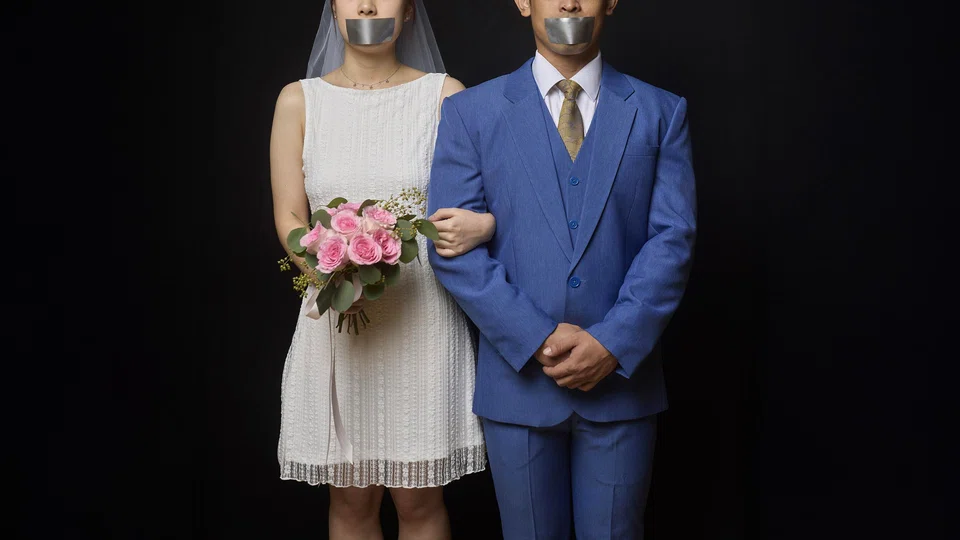
[SINGAPORE] Theatre company Pangdemonium’s decision to exit the scene by the end of 2026 prompted an outpouring of tributes on social media from fellow practitioners, audiences and former collaborators, many of whom credit it with shaping their relationship with theatre – either as artists or as theatregoers.
In their exit statement, co-founders Adrian and Tracie Pang cite a mix of rising production costs, funding challenges and a shifting cultural landscape as pressures facing theatre-makers today.
Although the Pangs insist that their decision was “purely personal” and not financial, their statement also acknowledges how sustaining a theatre practice has become increasingly difficult in the post-pandemic years, as online entertainment proliferated and audience habits changed.
In an interview with The Business Times, Adrian Pang is candid about the economics: “Between 2010 and now, the cost of putting on a musical or play has doubled. The biggest jump came post-pandemic – raw materials, construction, manpower costs across technicians, cast, creatives and staff (due to the cost of living), and marketing in an increasingly competitive market.”

Corporate support, he adds, has also thinned.
“While personal donors have been steadfast, we have seen a decline in corporate support. Two corporates – DBS and AlfaTech – have stood by us. But we have seen no new corporate support since the pandemic. Broadly speaking, there seems to be a shift in corporate giving that does not incorporate the arts.”
The pandemic’s impact went beyond finances. “During those dark years, we lost many freelance practitioners, because it was simply not feasible to make a living in the arts,” he notes. “It’ll take years to repair the damage.”
The cost of staying afloat
For many in the theatre community, the announcement came first as a surprise, followed by a more unsettling question: Who might be next to leave?
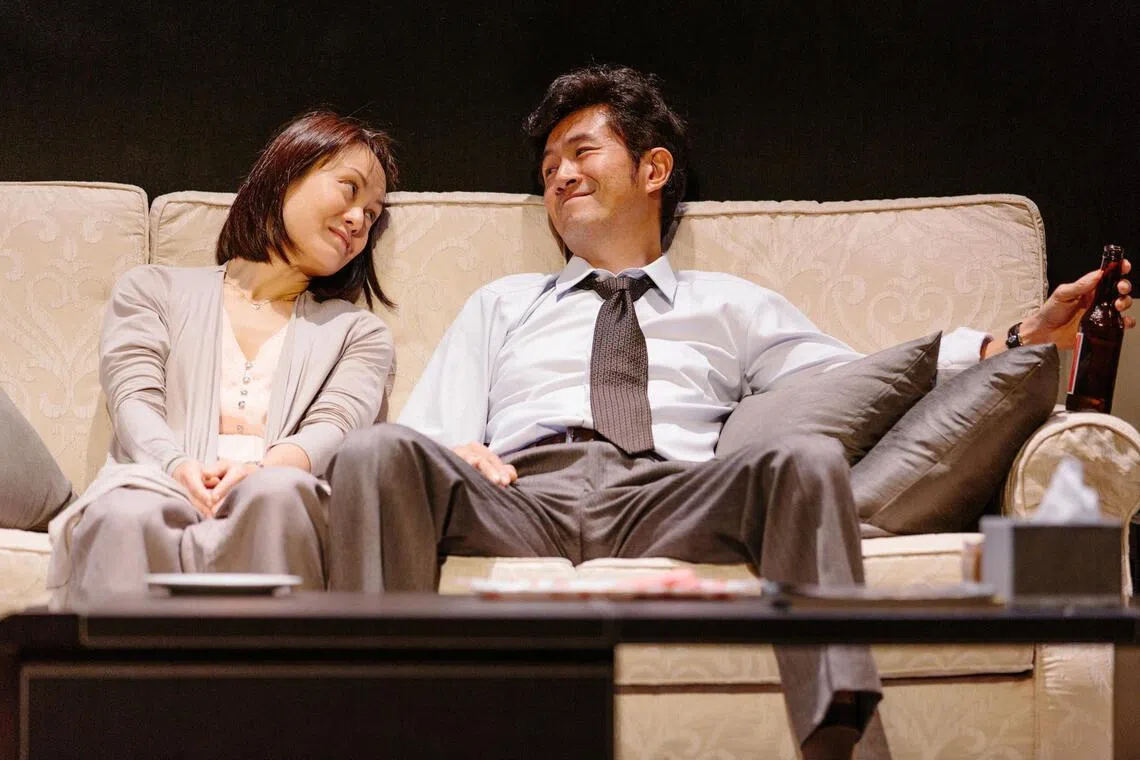
Pangdemonium is widely regarded as one of Singapore’s most commercially and critically successful companies, responsible for staging some of the biggest crowd-pullers over the years.

And though the arts have never been an easy livelihood globally – with many companies operating on thin margins – the departure of a company of Pangdemonium’s stature has sharpened anxieties about how resilient the sector really is, if at all.
“The fact that this can happen to an established company like Pangdemonium obviously scares me a little,” says Krish Natarajan, a 30-year-old writer-director best known for his Crack The Case immersive theatre series. “If even they don’t see themselves continuing, what chance do younger companies have?”
Others worry that the issue goes deeper than funding, pointing instead to the lack of succession planning in the arts scene.
“If other founders of Singapore’s major arts companies step back, does that mean their companies have to fold too?” asks one practitioner, declining to be named.
“What happens to all those years of government investment into their programmes? What happens to the institutional memory, audiences and artistic ecosystems built up over decades?”
Kok Heng Leun, a long-time theatre-maker and former Nominated Member of Parliament, thinks the episode exposes systemic fragilities that go beyond any single company. He describes Singapore’s theatre ecosystem as “vulnerable”, where the conditions for long-term sustainability have become increasingly difficult to secure.
“The scene has more variety now, with productions of very different scales,” he says. “But the inflationary pressures faced by large and mid-scale productions are no joke… You often don’t know if a current production will generate enough income to plan the next one – let alone think about long-term sustainability.”
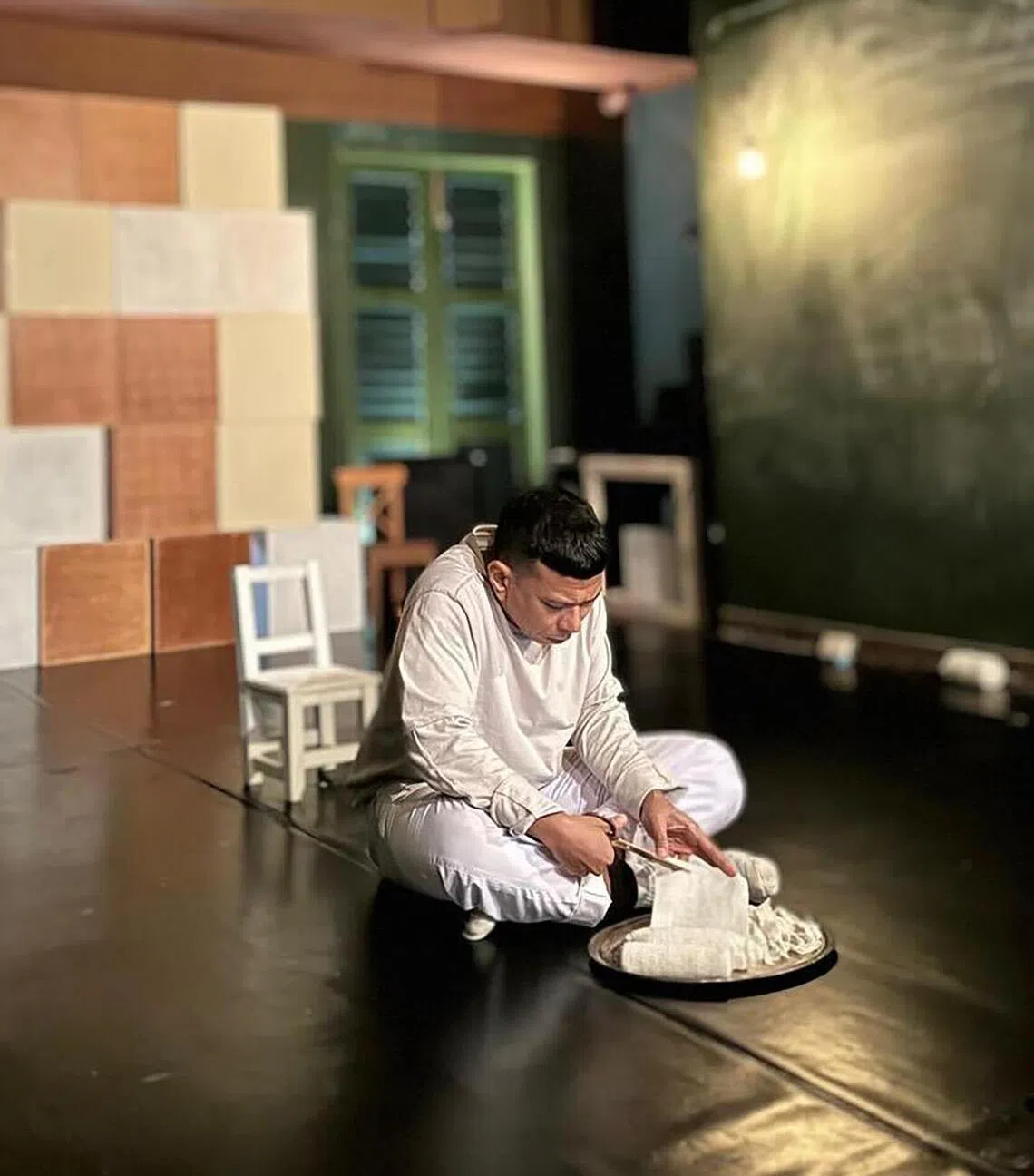
Kok is currently staging 6 Microlectures On Genocide, a one-actor production starring Rizman Putra that responds to the killings in Gaza.
Despite strong reviews, the show is mounted at The Drama Box’s shophouse venue, which seats just 20 people per performance. After each show, Kok appeals directly to the audience for donations to keep the production going.
Over at Malay theatre company Teater Ekamatra, the struggle is just as acute.
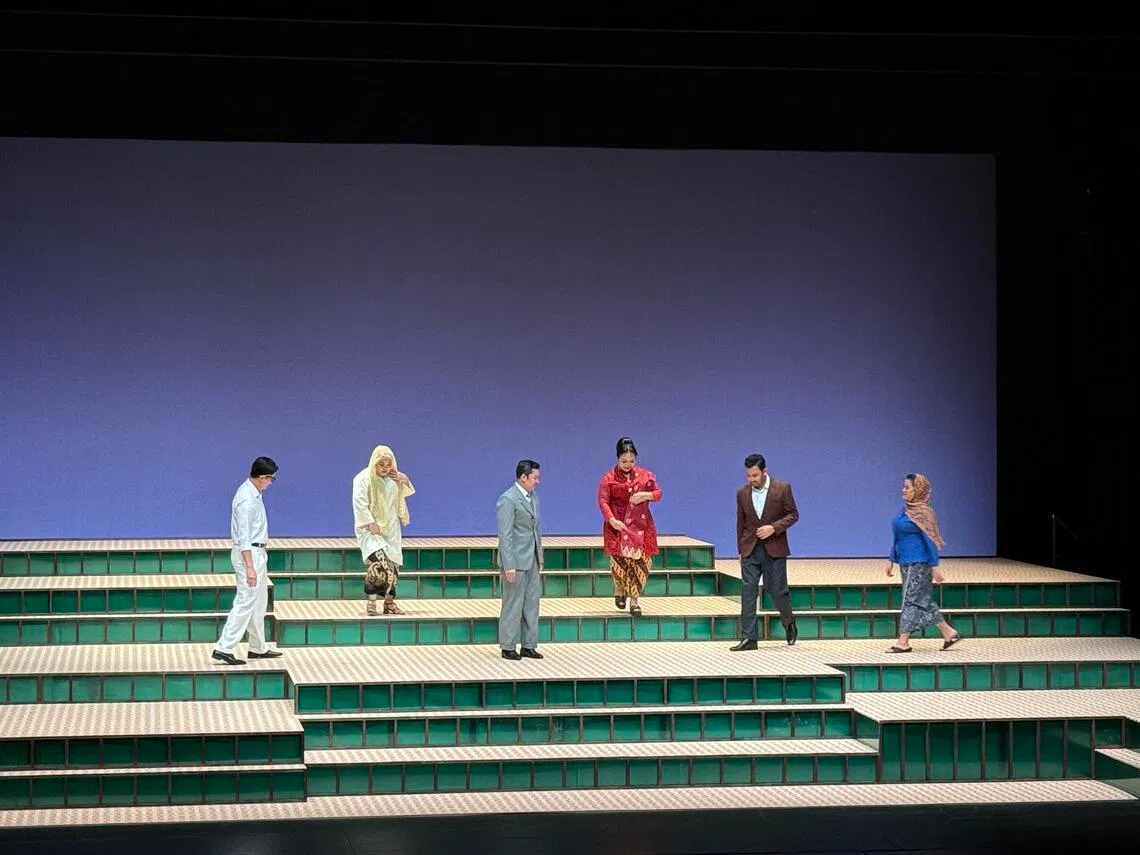
Artistic director Shaza Ishak notes that interest in minority voices has grown in recent years, driven by wider conversations around race, identity and representation. Several of the company’s recent productions – including Yusof, centred on Singapore’s first president Yusof Ishak – sold out major venues, suggesting that audiences are there.
Yet, survival is a slog. Until recently, the company operated out of her own apartment for five years. “We’ve been in survival mode for so long, we don’t even realise the personal sacrifices we’re making just to keep things going,” she says.
Like many companies, Ekamatra has had to scale back its output. “The immediate response to inflationary pressures has been to do less,” notes Shaza. “But for a company committed to platforming minority artists, this feels like failure – because we can’t support as many artists as we would like to.”
Rethinking scale and form
At the Singapore International Festival of Arts (Sifa), organised by Arts House Group and commissioned by the National Arts Council (NAC), festival director Chong Tze Chien is keenly aware of these pressures.
One way the festival continues to support the sector is by commissioning local groups to develop new works.
At the same time, Chong acknowledges that audience behaviour has shifted in ways that are hard to reverse. “Technology has shortened our attention spans,” he points out. “For people to sit through something longer than 10 minutes in an enclosed space is now a huge investment.”
In response, Sifa has recalibrated its programming – commissioning “shorter” works in non-traditional venues, including installation-based pieces that are more “Instagrammable”, Chong says. The aim is not to pander, but to meet audiences where they are and lower the threshold for engagement.
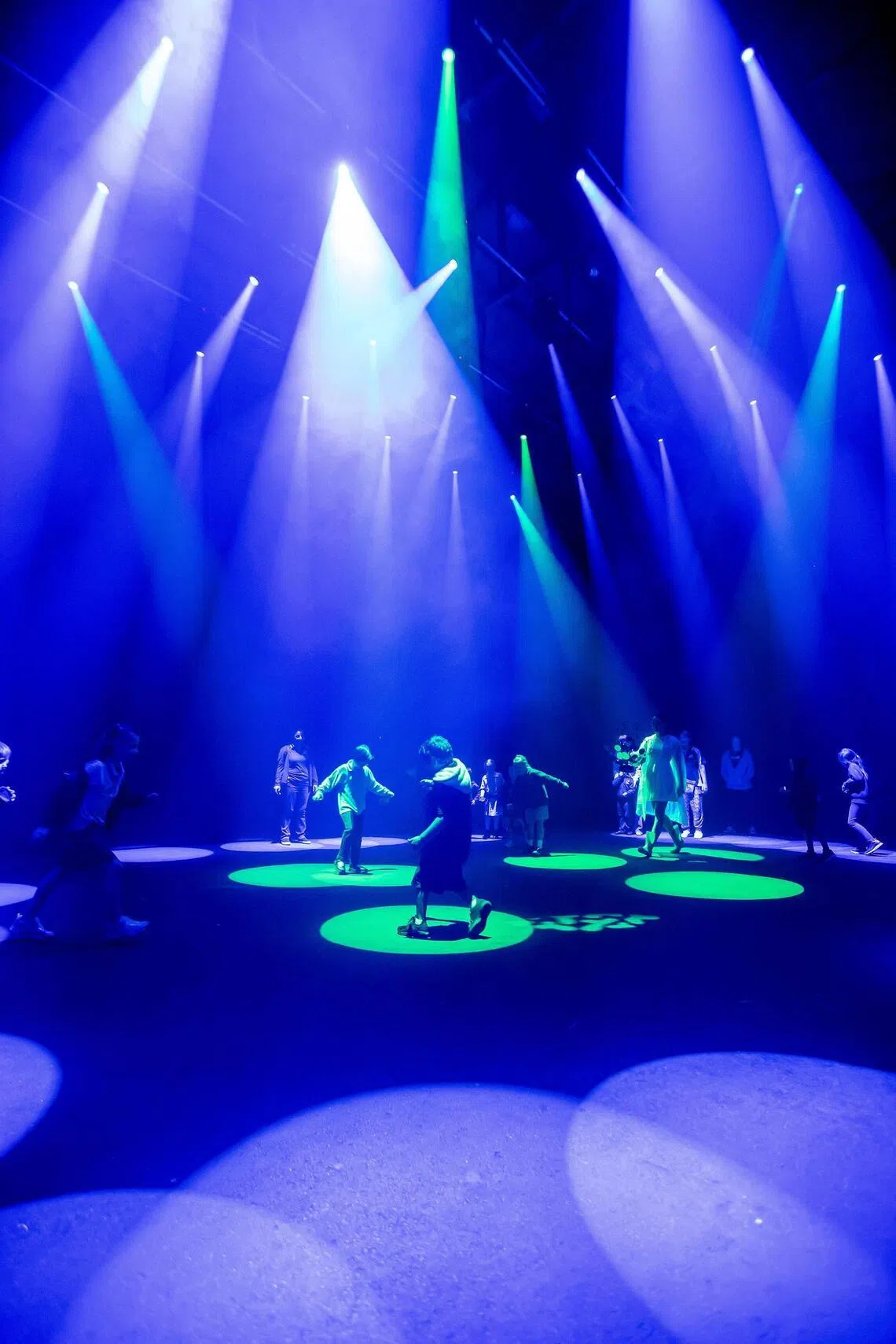
For more traditional audiences, the festival continues to programme ambitious long-form works – such as a nearly three-hour drama set in a fashion house, as well as bold reimaginings of theatre classics Hedda Gabler and Hamlet.
Chong is candid about the country’s structural limits. “Singapore is a very small market,” he says. “As a festival, we’re always looking for ways to extend the shelf life of Singapore work through international collaborations, where possible.”
Arts practitioners remain broadly grateful for the funding from NAC. They acknowledge that public funding has been crucial in allowing the sector to maintain a baseline of stability – even if conditions have grown tougher since 2020 when the pandemic struck.
But Kok argues that the nature of that support has grown more onerous. “There’s far more auditing and many more conditions now; it feels closer to investment funding, with an expectation of returns.”
The pressure to demonstrate “impact” is particularly fraught, he adds. “Impact implies change, but how do you measure potential change through a single production, especially when that change may be internal, emotional, or not even consciously recognised?”
Still, theatre-makers across generations say their impulse to tell stories has not disappeared – only changed shape.
For Natarajan, that faith lies in proximity and specificity. “If I’m telling stories rooted here – about our lives, our anxieties, our humour – I believe they’ll find an audience,” he says. “They may not look like what theatre used to be. But that doesn’t mean theatre is disappearing.”
The stories will hopefully continue, though the cost of telling them has never been higher.
Decoding Asia newsletter: your guide to navigating Asia in a new global order. Sign up here to get Decoding Asia newsletter. Delivered to your inbox. Free.
Copyright SPH Media. All rights reserved.