Is stamp collecting enjoying an analogue revival or are its best days over?
Helping keep the pastime alive is 170-year-old UK dealer Stanley Gibbons, which returns with a live auction
[SINGAPORE] Many baby boomers and Generation Xers remember collecting stamps as kids – cutting off the corner of incoming mail and soaking them in water to separate stamps from envelopes, before drying and carefully slotting the pieces into albums.
Those days have become a distant memory for the older generation, and certainly a quaint and unfamiliar activity for today’s digitally-savvy children.
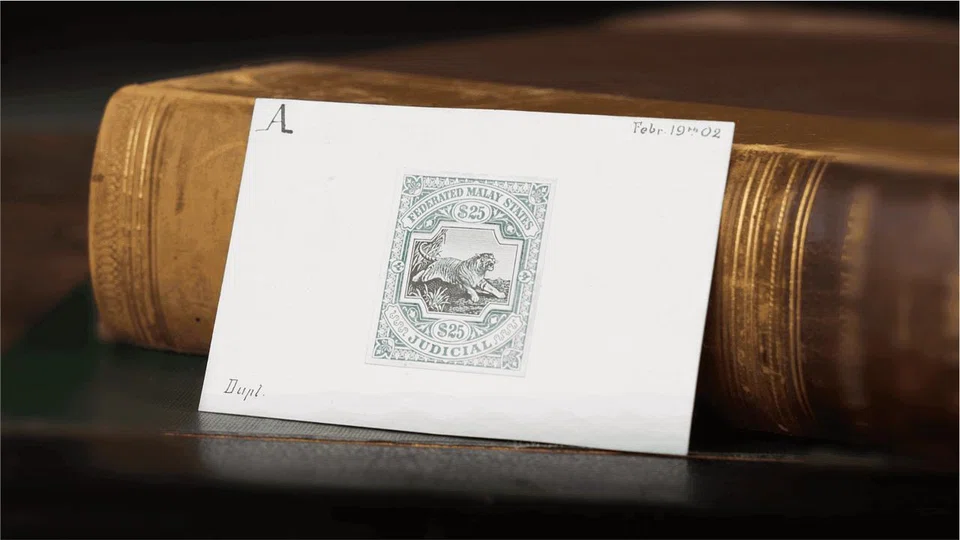
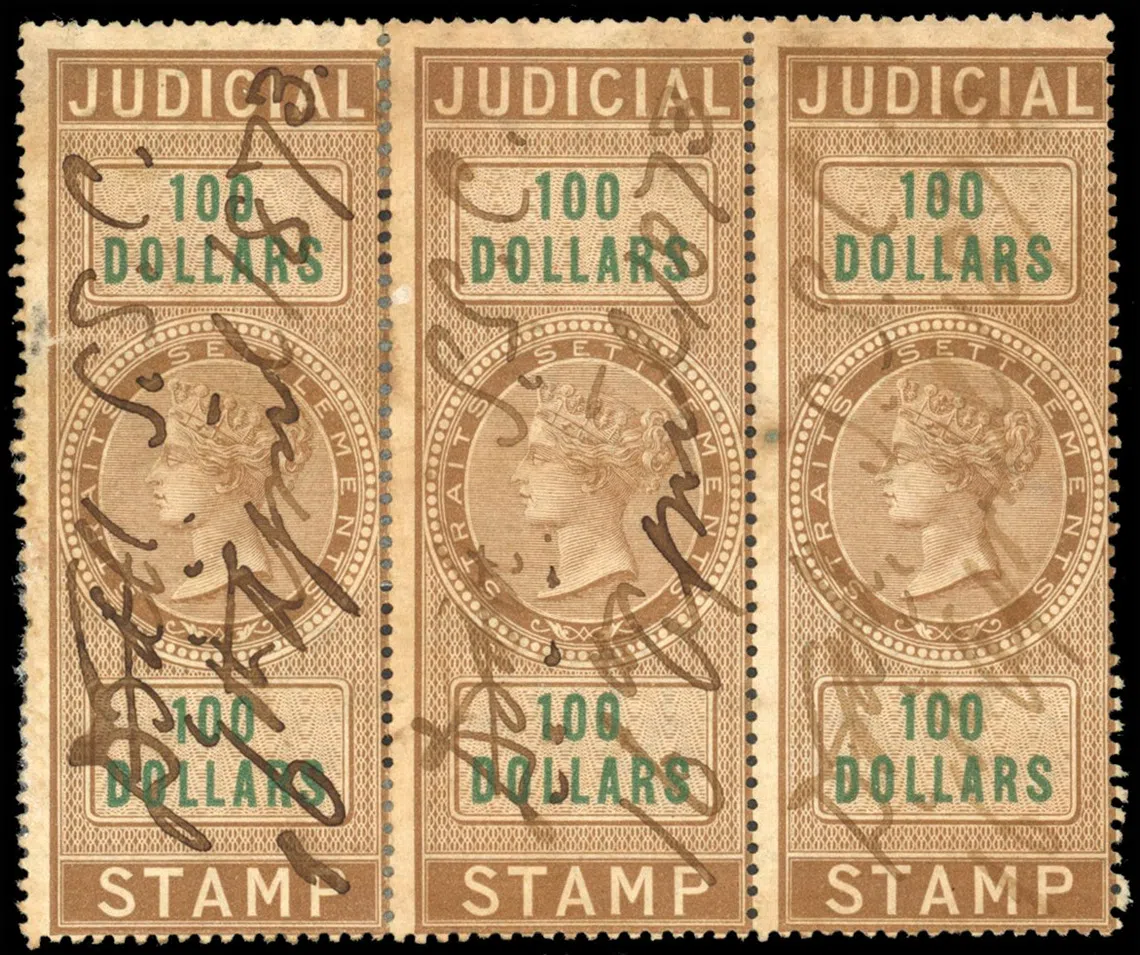
That, however, is not stopping the 170-year-old Stanley Gibbons from making a return to Singapore with an office and inaugural philatelic live auction, The Orchard Road Collection of Malaya Revenues, on Oct 29.
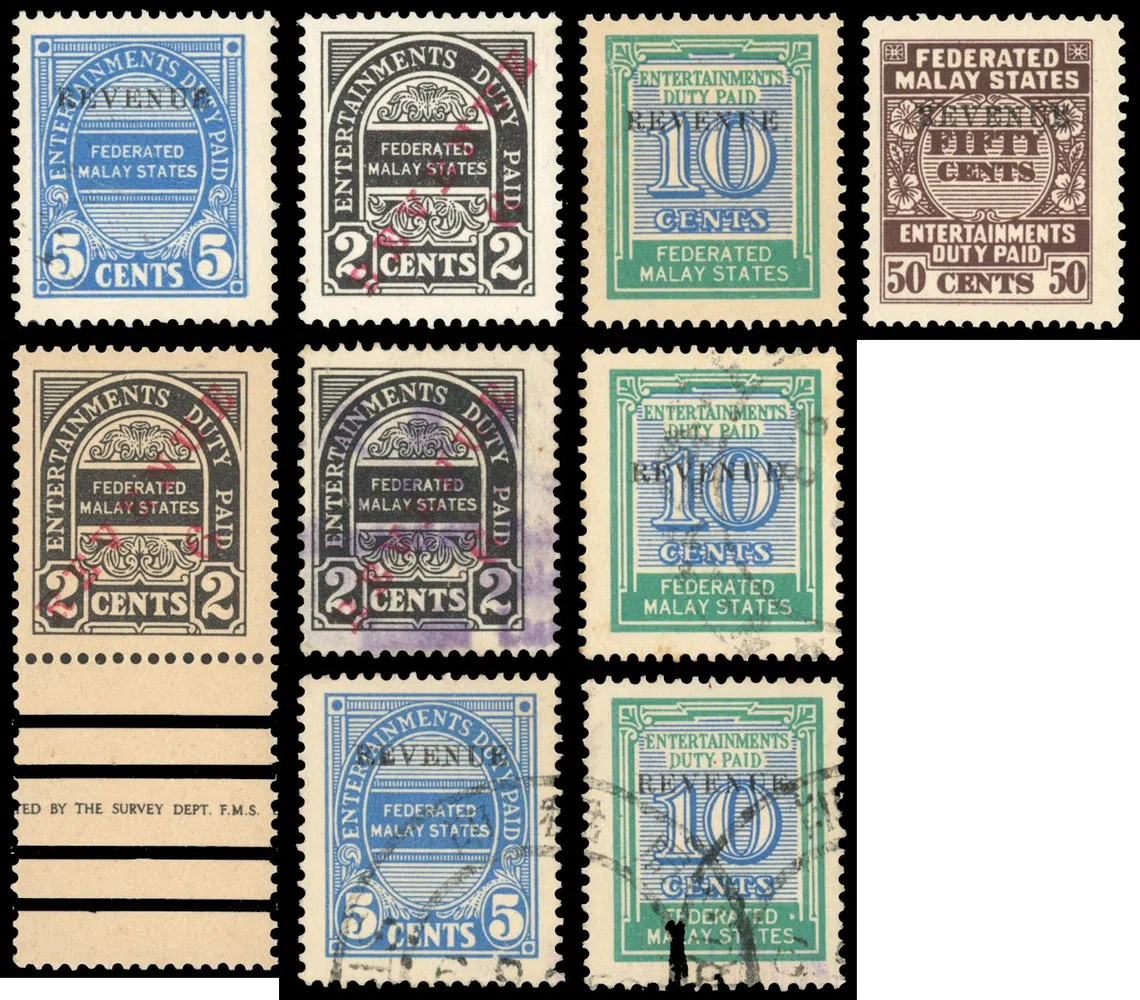
The British rare-stamp dealer and philatelic publisher used to have a presence in Singapore in the mid-80s, and again in 2013. The world’s oldest stamp business is also planning to hold direct community engagements with collectors here, starting January 2027.
Iain Murphy, its CEO, says the time is right to have its regional outpost in Singapore, with the country’s robust regulatory framework and thriving ecosystem for luxury and alternative assets.
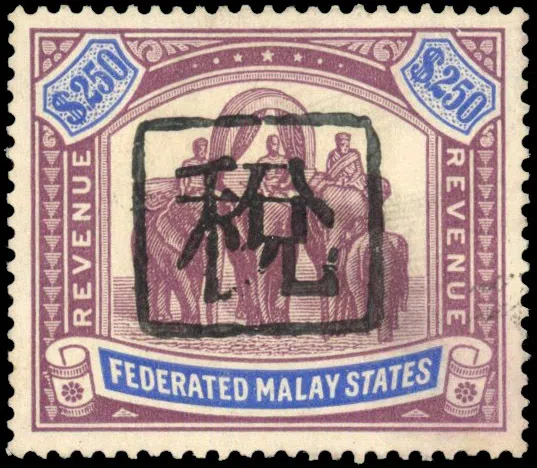
“We’ve always had very strong relationships in Asia, and Singapore is a fantastic place for us to build on those relationships and also move our business in the more modern categories,” he says, noting that Malaysian, Chinese and Indian stamps are very sought after.
“It makes sense for us to have a permanent presence here, to help collectors with the buying and selling of their collections.”
He also cites a specialist 2026 stamp-collecting market study by Coherent Market Insights, which shows that the Asia-Pacific is forecast to grow the fastest.
It estimates the global stamp market – including stamps, albums, storage supplies, auction/dealer services, publications, events and memberships – to be worth US$3.99 billion in 2026, with the region making up 20.3 per cent of the share.
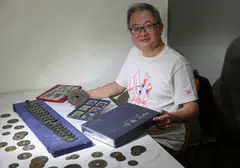
An analogue hobby
Incorporating a nation’s socio-political development with art, stamps are a window into a country’s rich history, with much to be gleaned behind each little piece.
Stamp collecting trains patience, and philately – the study and appreciation of postage stamps, postmarks, postal stationery and postal history – also imparts skills in self-directed learning for the young.
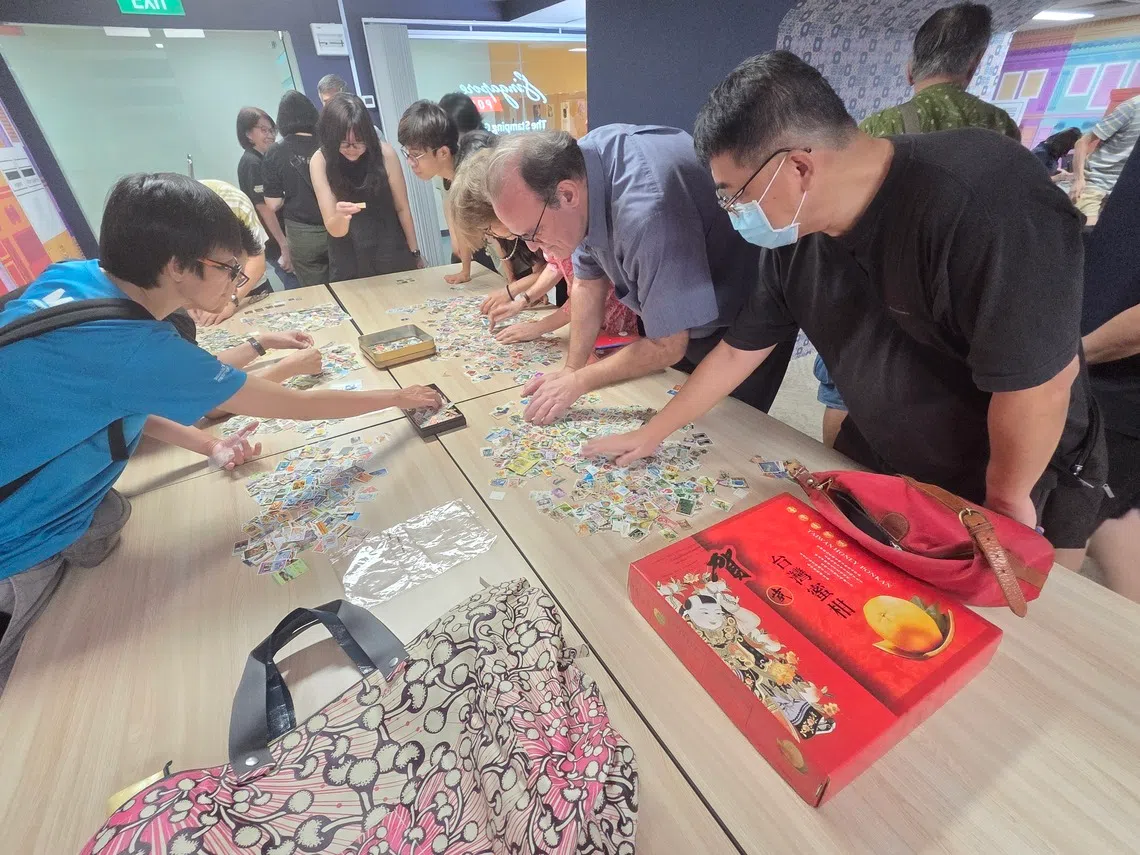
The pastime involves many levels, says Victor Lau, honorary secretary of the Singapore Stamp Club (SSC), the most active and oldest of its kind here. Formed in 1940, it meets twice a month and has more than 100 members aged from their 20s to 80s.
“Most people associate stamp collecting with putting them in an album, which is a hobby at the beginner’s level,” he says. From there, one can climb the ladder right up to an advanced level, where personal collections are exhibited and awarded points by international juries.

While many are happy with a basic collection, joining a club will give them a more diverse perspective on stamp collecting.
“Interactions with other collectors will open your eyes to other aspects, such as exposure to history and things you can study from a philatelic point of view, like nature and so on,” says Lau.
Like many others his age, the 59-year-old started collecting stamps as a schoolboy in the 70s and 80s, when there were many stamp clubs.
He moved on to collecting covers – an addressed envelope or postcard that bears postage stamps, postmarks and postal service markings – to track the history of Singapore’s post-war postal service.
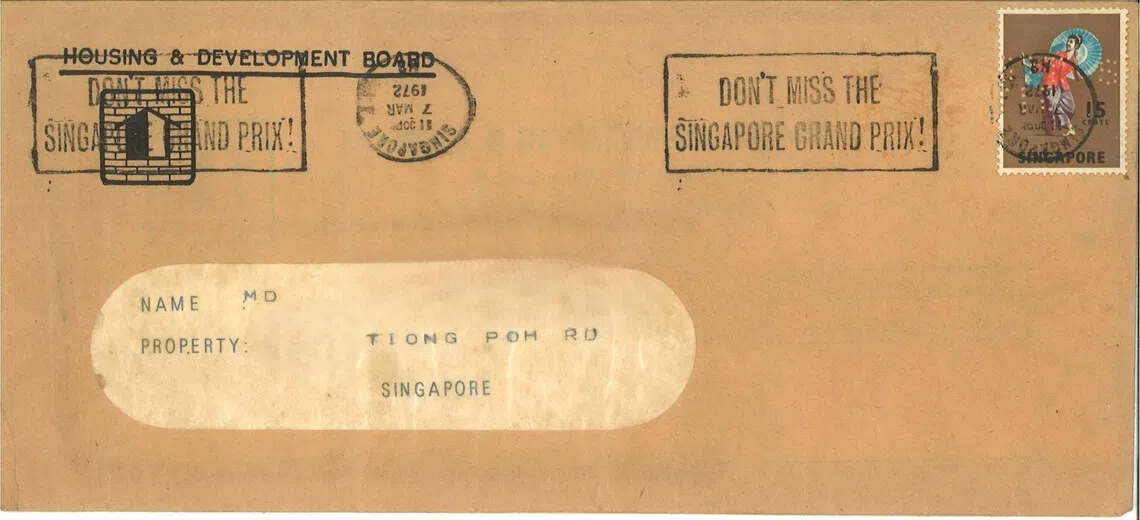
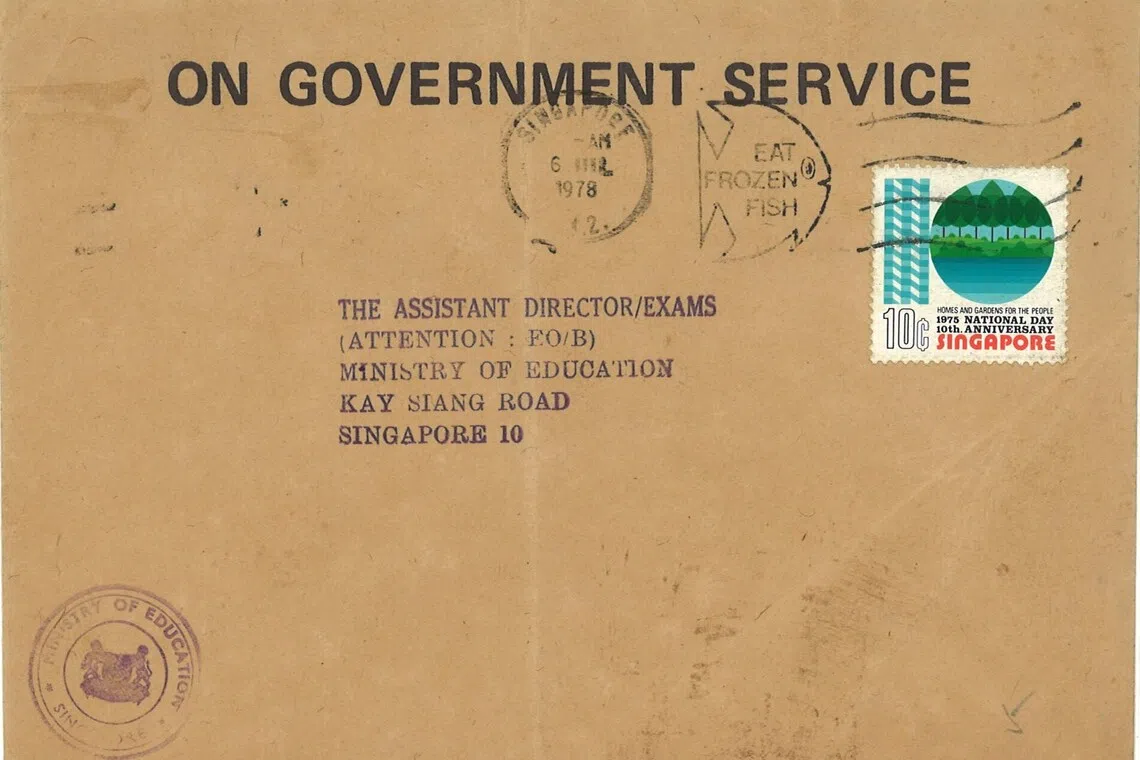
For example, he has 1970s covers carrying the following slogan postmarks: “Don’t Miss The Singapore Grand Prix” during the pre-Formula 1 era, and “Eat Frozen Fish” when the nation was experiencing a period of high inflation.
Today, he estimates his “modest” collection of covers may be worth anything between S$50,000 and S$100,000.
For actress Kimberly Chia, her stamp collection is an intergenerational one handed down from her mother and grandmother. It includes those from the 1980s to 1990s, as well as one particularly meaningful one issued in 1995 – the year she was born – in conjunction with the first World Stamp Exhibition held here.
“In a world where so much of our lives is digital, I find value in having something tangible to hold on to,” she says. “Sometimes, an item’s greatest worth isn’t its rarity or price, but the memories it carries and the generations it connects.”
There is fresh interest in stamps from the emergence of snail mail clubs – an analogue reaction to digital fatigue – and websites such as PostCrossing, which connects people who want to send and receive postcards “from random people around the world”.
Started in 2005 by a Portuguese software engineer who loves receiving “real mail”, PostCrossing currently has more than 800,000 members from 208 countries, with nearly 89 million postcards exchanged.
Meanwhile, Singapore Post (SingPost) has launched several initiatives to preserve postal history, engage youth and revive public interest in philately.
Earlier this year, it started the Young Philatelists School Programme to reignite student curiosity in history, geography and culture through stamp collecting; it was piloted at Sengkang Green Primary School as a co-curricular activity.
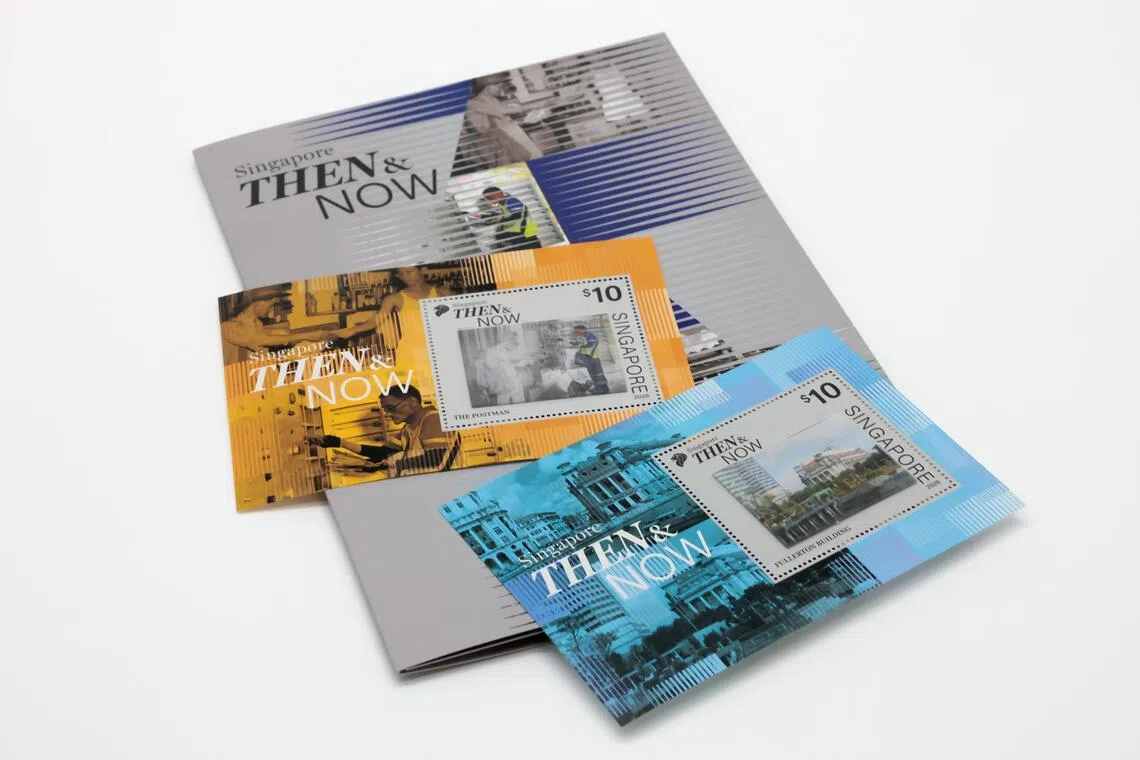
To mark World Post Day on Oct 9, SingPost and The Straits Times collaborated on Singapore’s first stamp collection, featuring lenticular effects.
On the same day, it launched the country’s first comprehensive national philately website, showcasing more than 500 national stamp issues released since independence in 1966.
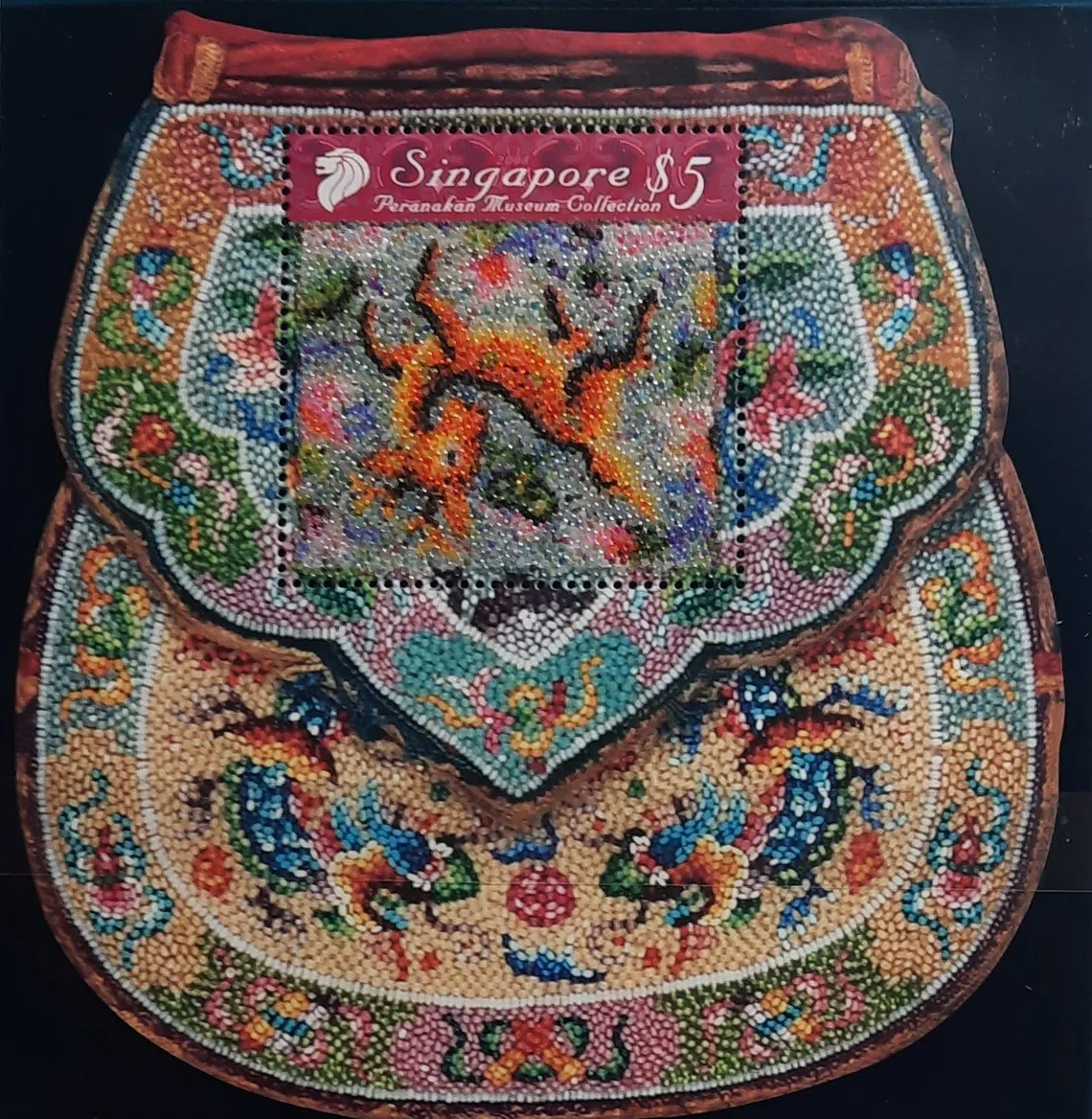
On top of that, it completed the islandwide roll-out of SingPost@MyBlock – a service that brings postal convenience directly to residents’ doorsteps by allowing the use of the “Return Mail” slot in existing letterbox nests as posting boxes.
Declining interest in philately
Still, given the relentless march towards a digital world, encouraging philately is an uphill task.
Tan Chun Lim, 81, who owns and runs CS Philatelic Agency, says the boom time for stamp collecting and dealing was in the 80s and 90s.
“Everybody was coming, collecting stamps and buying first-day covers,” he recalls, adding that there was also stamp speculation in those heady days.
But with the advent of e-mail and decline in snail mail, the number of stamp collectors naturally fell. Instead of being “the king of hobbies and hobby of kings” – because both the general public and British monarchs collected stamps – it’s more of a niche hobby today.
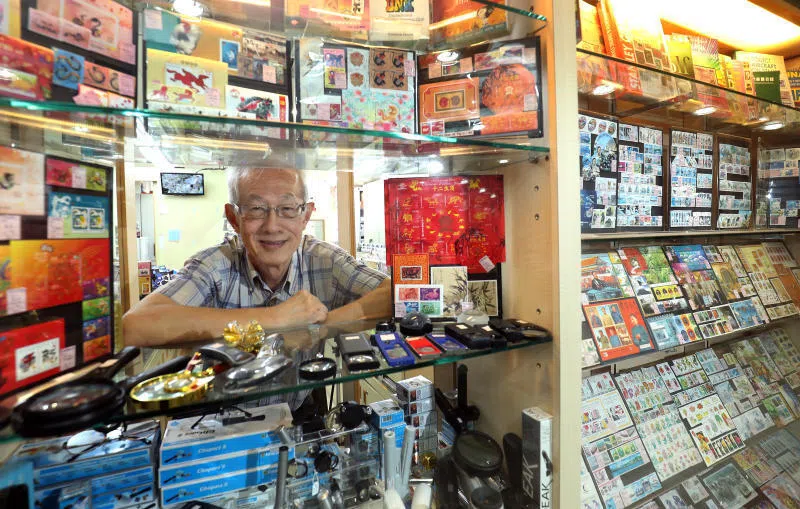
“These days, the young don’t even know what a stamp is, because they’ve never sent a letter or received one,” says Tan, gesturing at the stacks of albums people have brought to him while clearing out their parents’ homes. His shop in Peninsula Shopping Complex, chock-a-block with stamps and albums, is likely the last one in Singapore that deals only in stamps.
For the savvy dealer, the highest amount he has ever paid is S$40,000 for a “proper collection” comprising complete sets of “the right items” – meaning, materials he is able to sell today.
The reality is that throughout the world, stamp collecting is a silver hair hobby, says SSC’s Lau.
“Many think it’s a solitary hobby, in which they just collect in their own little world, without interacting with others. That’s to their disadvantage, because then they’ll never get exposed to other means of collecting or broaden their horizons, and so eventually, they lose interest.”
Time to diversify
Even Stanley Gibbons with its rich legacy – and a British Royal Warrant held since 1914 – has had its share of ups and downs. In 2023, it faced insolvency before being bought back by its owners, Phoenix Asset Management Partners.
It is thus not surprising that the business has diversified into other categories.
From being a stamp dealer and philatelic publisher, it also has a numismatic and militaria department since its acquisition of coin dealer Baldwin’s in 2013. In addition, it entered the contemporary category by launching a comics division in 2025 and a trading card games (TCG) arm the year before.
Stanley Gibbons’ notable transactions in the recent past include the landmark auction sale of a Pikachu Illustrator card for £832,000 (US$1.1 million) in April, the sale of a vintage comic book, Amazing Spider-Man #1 (1963) for £14,760 in March, and the 2025 auction of a 2,000-year-old Iron Age Caratacus coin for £84,000.
It will hold its first TCG live auction, Pokemon of Lion City, in Singapore on Oct 30.
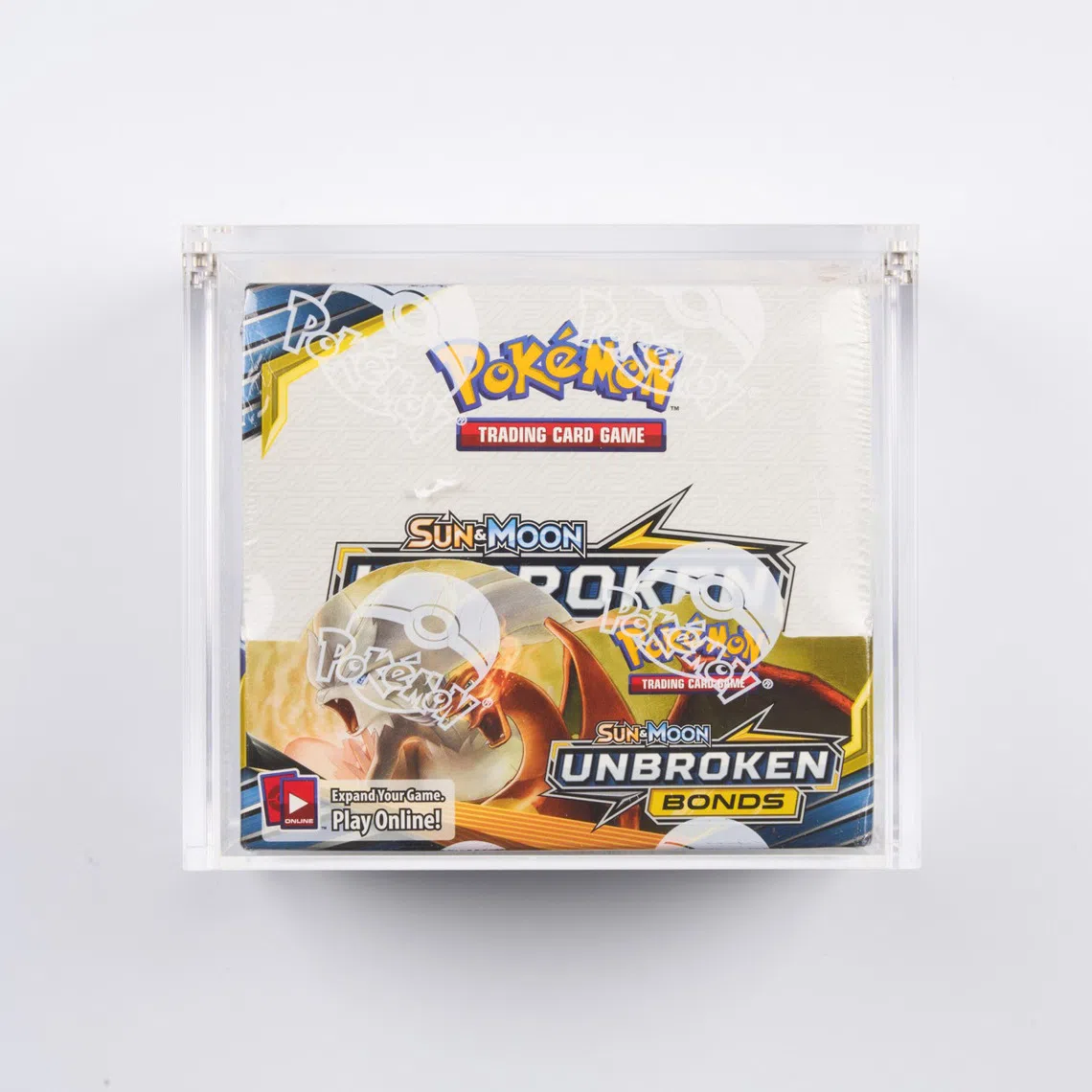
Likewise, stamp collectors have also been branching into contemporary categories. One of the highest transactions Stanley Gibbons recorded in a recent London auction involved a single high-value buyer in Singapore, who successfully bid for both a trading card and a stamp.
Capturing the interest of a generation is also on Chia’s radar, as she is looking to start a collection of Pokemon cards for her four-year-old son.
But like many other collectables, speculation is rife in the TCG space, and those who want to get into it should stick with graded cards to avoid getting scammed, says Seth Lim, a TCG collector.
The bottom line, adds Lau, is really about how hobbyists – as opposed to investors – approach their collections. “As with most hobbies, you should not expect to make money out of it.”
For details on Stanley Gibbons’ inaugural auctions here, visit https://sgbaldwins.com/auctions/upcoming-auctions
Decoding Asia newsletter: your guide to navigating Asia in a new global order. Sign up here to get Decoding Asia newsletter. Delivered to your inbox. Free.
Copyright SPH Media. All rights reserved.