

The staying power of Scandinavian design
Visitors to 3daysofdesign 2026 in Copenhagen confirm this minimalist aesthetic will never go out of style
FOR 65 years, Milan Furniture Fair has been the most influential annual event in the world of interior design.
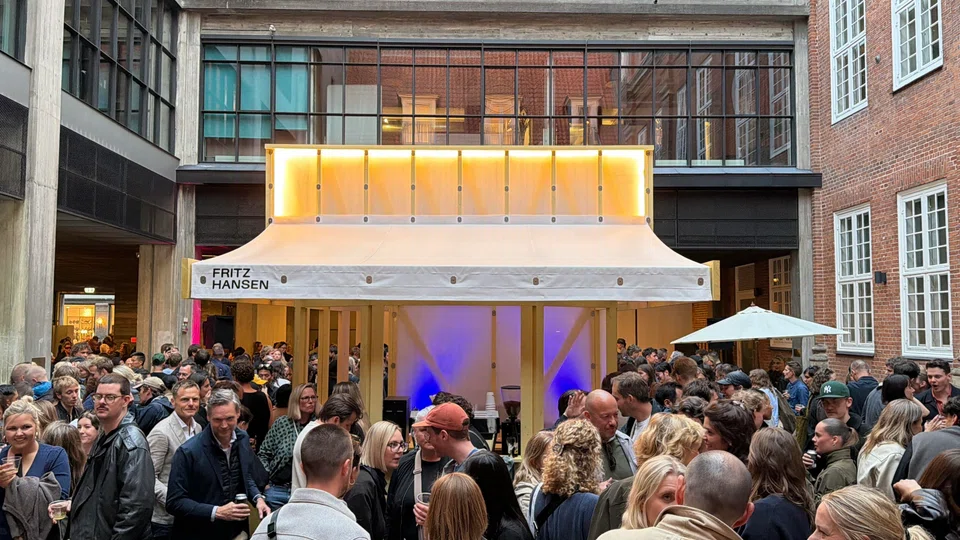
But in recent years, Copenhagen’s 3daysofdesign has gained greater prominence, turning the Danish capital into a carnival city with exhibitions, events and dinners held in showrooms, studios and other unconventional venues.
Started in 2013 with the aim of building community and connections in the design world, the event with a casual and convivial approach has attracted a growing number of visitors each year.
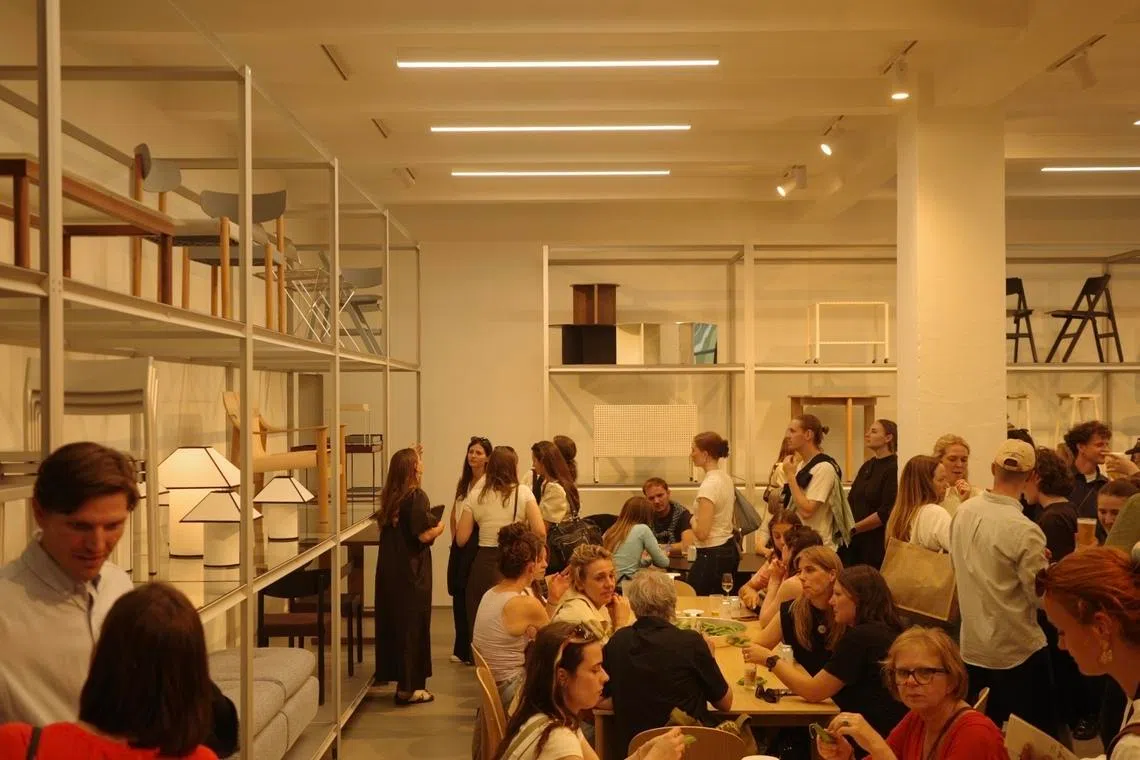
As many as 125,000 people attended its 2026 event from Jun 10 to 12, which was themed “Make this Moment Matter”.
While the 572 exhibitions and 894 events provided an opportunity to explore global design, 3daysofdesign also cemented Copenhagen’s role as the bastion of Scandinavian design – and the way this aesthetic has stayed relevant all these years.
Three days of design
“What I personally enjoyed about 3daysofdesign was the Danish hospitality,” says Nikki Lim, associate director of Singapore furniture store Xtra. “It was as though I was being welcomed into people’s homes, having a cup of tea and listening to their stories.”
Xtra stocks several Scandinavian brands such as Muuto, Carl Hansen & Son, Norr11 and Audo.
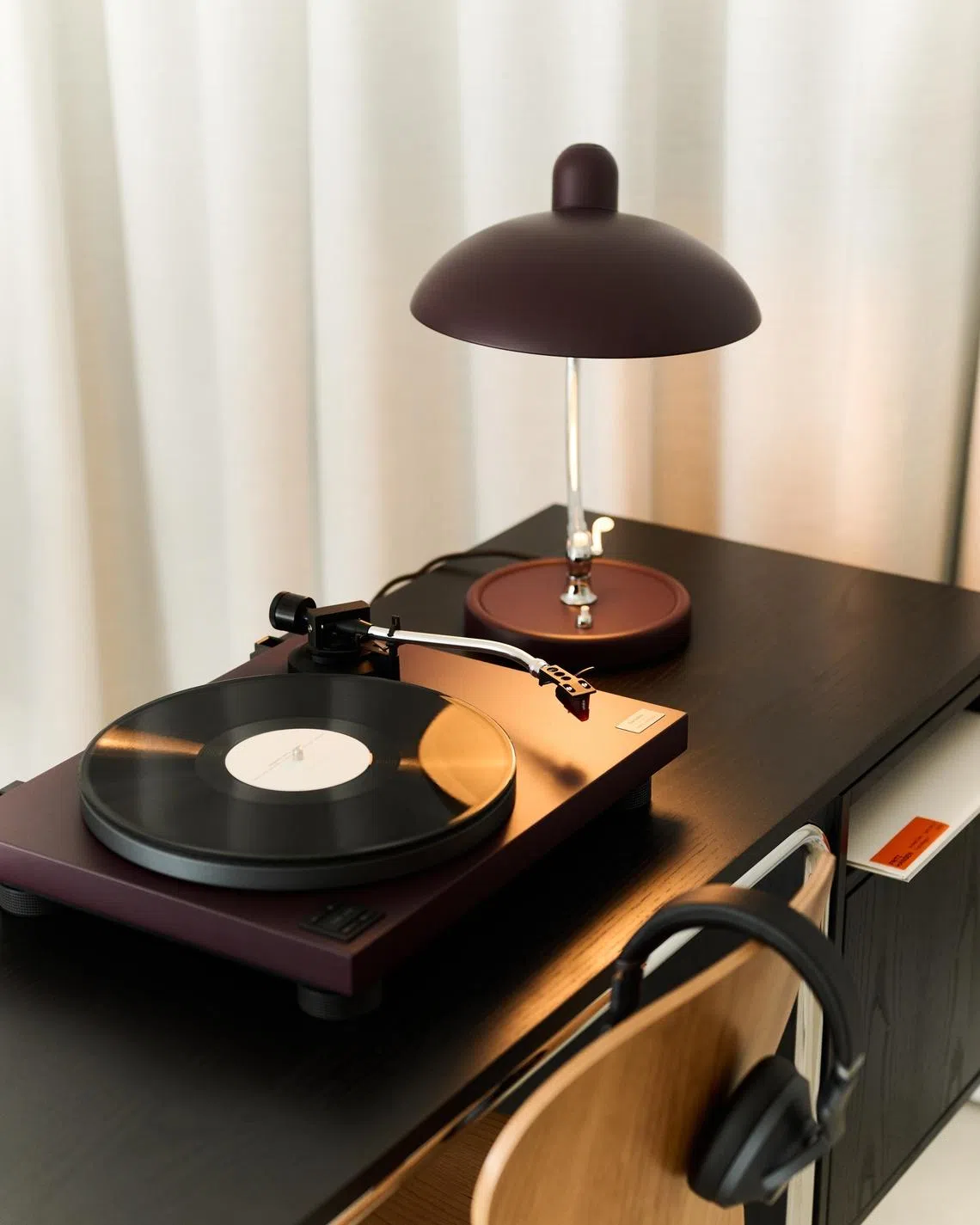
At the event, Danish design brand Fritz Hansen threw a street party dubbed the Fritz Hansen Sound Club, where a DJ spun tracks. This was to mark the 90th anniversary of its Kaiser Idell table lamp, designed by Christian Dell.
Visitors were invited to sit on the iconic Series 7 chairs from the brand and listen to vinyl music on Technics vinyl players. A limited edition, burgundy version of the Kaiser Idell lamp was launched.
The appeal of Scandinavian style
“They all look as relevant now as decades ago,” says Dario Reicherl, CEO Asia at Fritz Hansen, of icons such as the Kaiser Idell lamp and Series 7 chair designed by Arne Jacobsen in 1955. These designs endure because they eschew trends, he adds.
Xtra’s Lim echoes this sentiment. “Rather than chasing trends and encouraging mass consumerism, the focus is on quality craftsmanship, using honest materials and provoking conscious decision-making in a home for which a person will purchase a piece of ‘forever furniture’.”
One showpiece at 3daysofdesign was Carl Hansen & Son’s Scimitar chair, designed by Preben Fabricius and Jorgen Kastholm in the 1960s. Its seat lets the user comfortably cross their legs, similar to sitting cross-legged on the floor.
Democratic design
Veekrit Palarit, the founder of Bangkok-based Scandinavian furniture store, Norse Republics, believes the appeal of Scandinavian design is universal because it focuses on things that do not change with trends, such as comfort, functionality and simplicity.
“A chair should be comfortable, a lamp should create good light, and a home should feel calm and welcoming,” he says.
He first encountered Scandinavian design in a visit to Copenhagen in 2012.
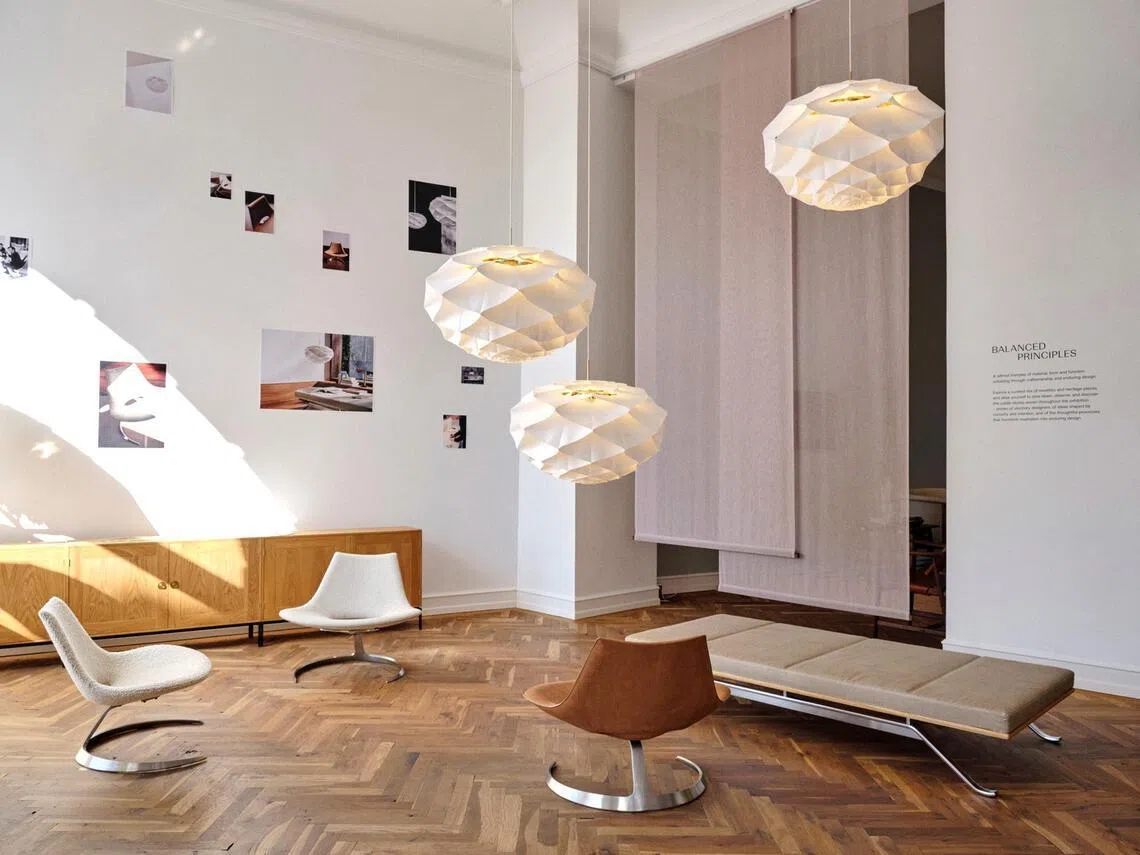
“What attracted me was not the furniture itself, but the mindset. I was struck by how much of Scandinavian design and architecture was created for people and the public,” he says.
“It wasn’t about making icons or becoming famous. It was about improving everyday life and making good design accessible to everyone.”
Palarit is a regular 3daysofdesign attendee. He feels that Copenhagen feels simpler, humbler and more honest than other European countries.
“I really connected with the culture,” he says. “Over time, I saw those same values reflected in the design itself. The best Scandinavian designs don’t try too hard to stand out. They quietly do their job and make life better.”
Craft and materials
Good materials and craft techniques are integral to the longevity of a design, notes Jefery Knurniadidjaja, co-founder of Grafunkt in Singapore.
“Rather than concealing materials, Scandinavian design celebrates them. Wood, leather and other natural materials develop a rich patina over time, allowing the pieces to become even more beautiful with age.”
Another design house, House of Finn Juhl (HFJ), showcased its Silverware Cabinet at 3daysofdesign.
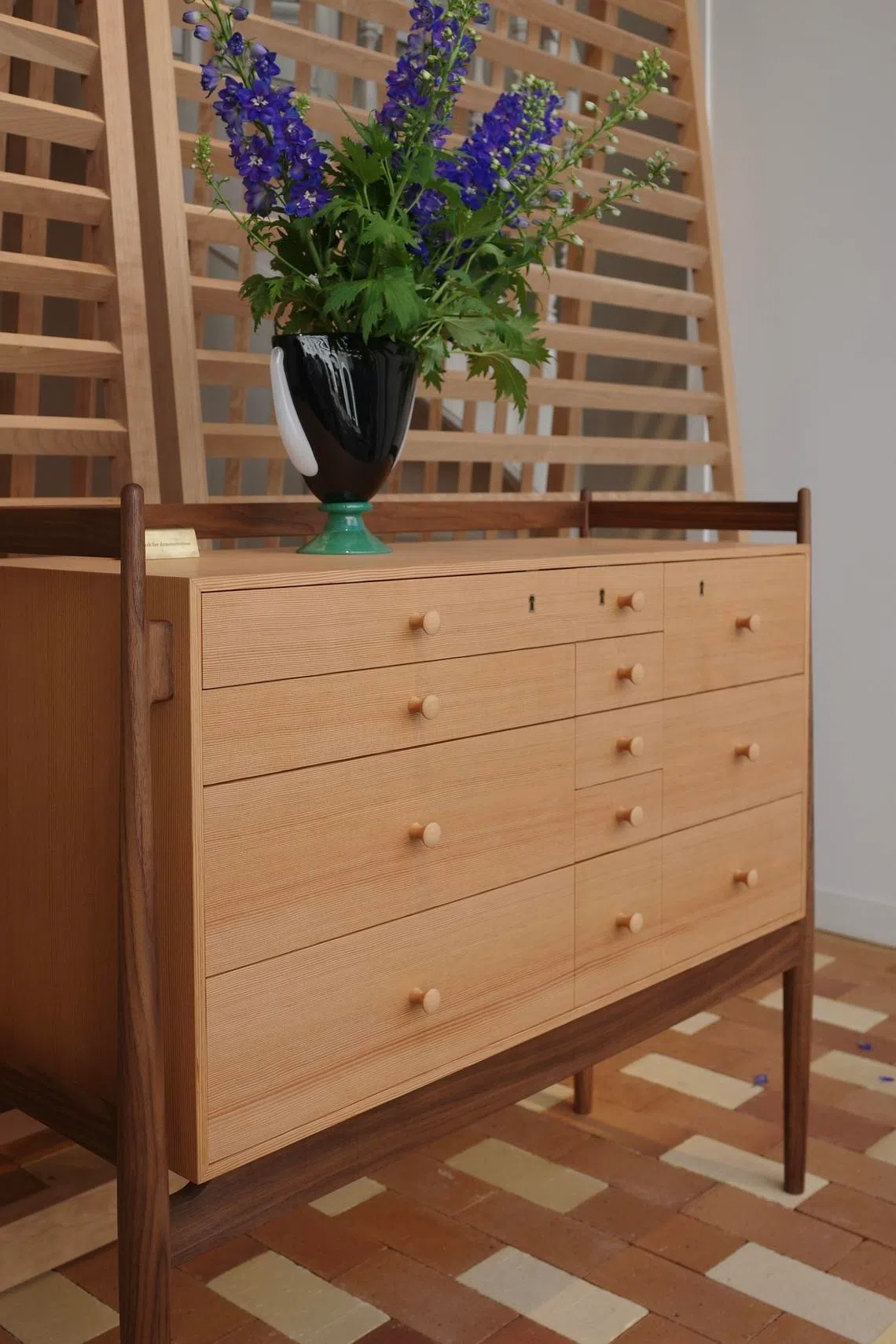
Introduced at the Copenhagen Cabinetmaker’s Guild Exhibition in 1949, the piece by master cabinet maker Niels Vodder contrasts dark American walnut with light Oregon pine for a classic profile that still looks modern today.
Scandinavian design’s clean lines fit easily into various interiors.
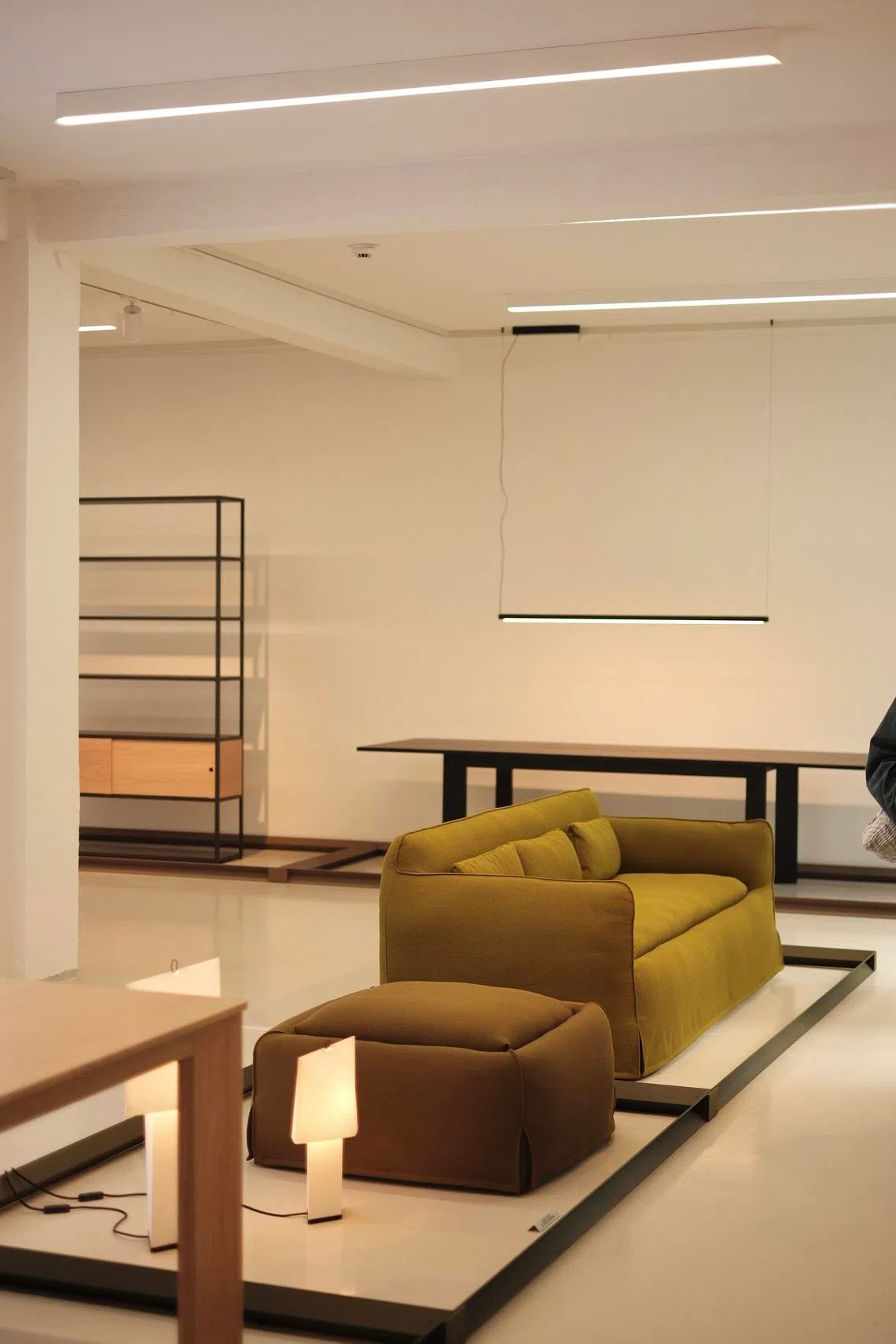
For example, the new Philippe Malouin’s Mimi sofa for HAY combines a precise structure with soft edges and comfortable cushions. HAY is one of the most popular brands at Grafunkt as their designs appeal to a broad range of customers, says Knurniadidjaja.
Danish way of life
Materials and craft are integral to the work of Christian+Jade, a studio by Danish-Singaporean couple, Christian Hammer Juhl and Jade Chan, who met while studying at Design Academy Eindhoven in The Netherlands. They are now based in Copenhagen.
“Living in Denmark has really changed the way I understand material, craft and timelessness,” says Chan.
“The city has a really strong design history, which is still part of the everyday. Chairs, lamps and objects are not just things you live with and care for, but also inherited from your grandparents, for example.”
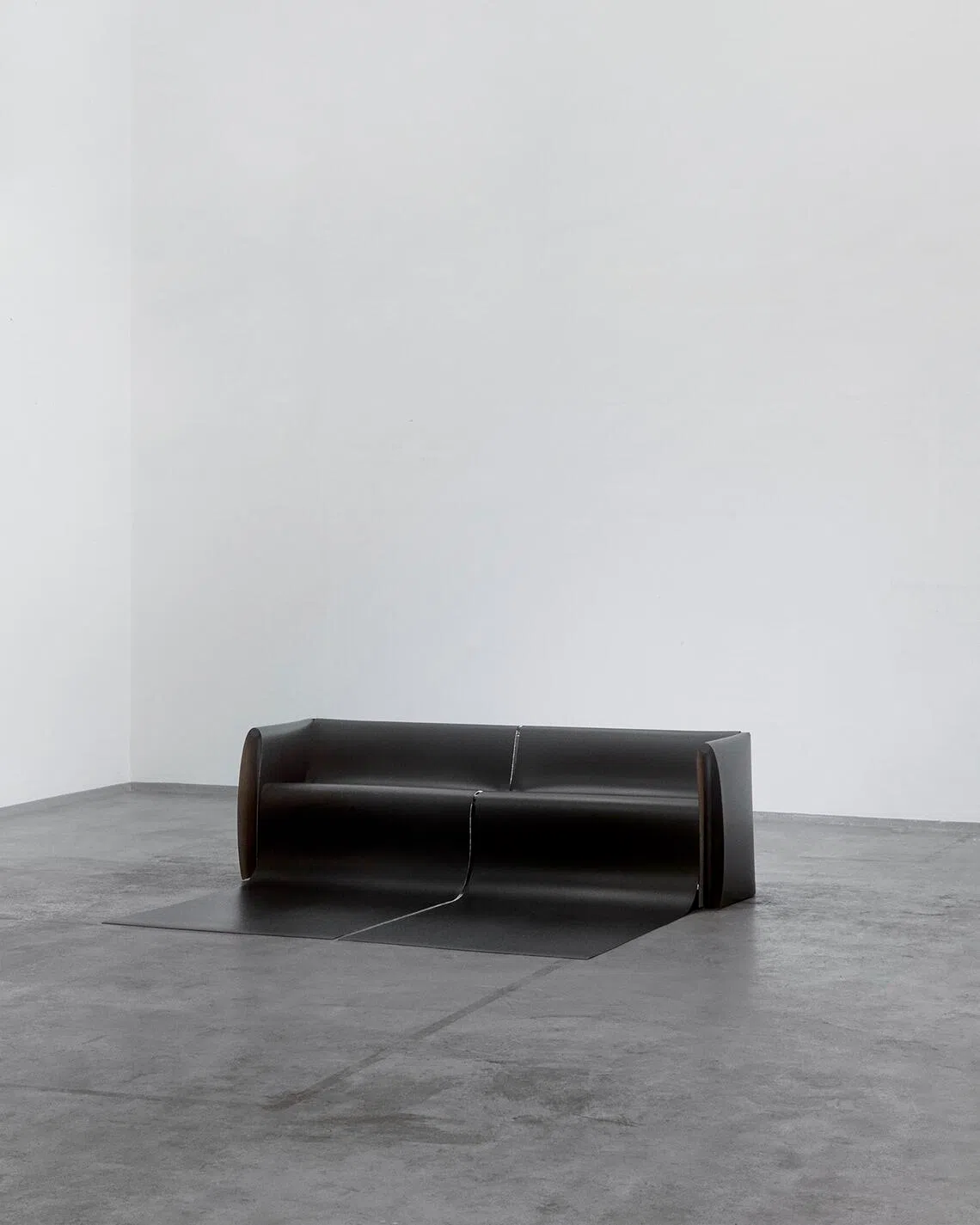
The couple designed a desk and chair set, as well as a sofa for wall-and-floor coverings brand Tarkett. Made from renewable natural materials such as linseed oil, resin and oak, these were presented in an exhibition entitled Beginnings & Endings.
“We create pieces with the hope that they will continue to hold meaning and value over time, using materials that age beautifully,” says Chan.
“For us, sustainability is not centred only around the end of an object’s life, but also around creating pieces that people want to live with and care for over time.”
Decoding Asia newsletter: your guide to navigating Asia in a new global order. Sign up here to get Decoding Asia newsletter. Delivered to your inbox. Free.
Share with us your feedback on BT's products and services






