Boom time for fitness business
The pandemic-fuelled rise in exercise buffs has also driven a growth in related businesses

Tay Suan Chiang
HANDS up if you were bitten not just by the Covid bug but the exercise craze that set in during the pandemic.
You would have found yourself heading to park connectors or nature reserves for fresh air, or maybe helped clear out the shelves at places like Decathlon, picking up dumbbells and resistance bands.
According to Sport Singapore, more than 238,000 people made use of its 26 ActiveSG gyms in May 2022, a 6 per cent rise compared to the same month in 2019.
The number of people in Singapore who have become more active has gone up, and in the process, new fitness businesses have also popped up while existing ones are seeing big expansions.
Home gyms go luxe
Fitness enthusiasts Debra Tay and Tudi Guillamot recently entered the fitness industry with Cycling Bears, retailing luxury fitness equipment.
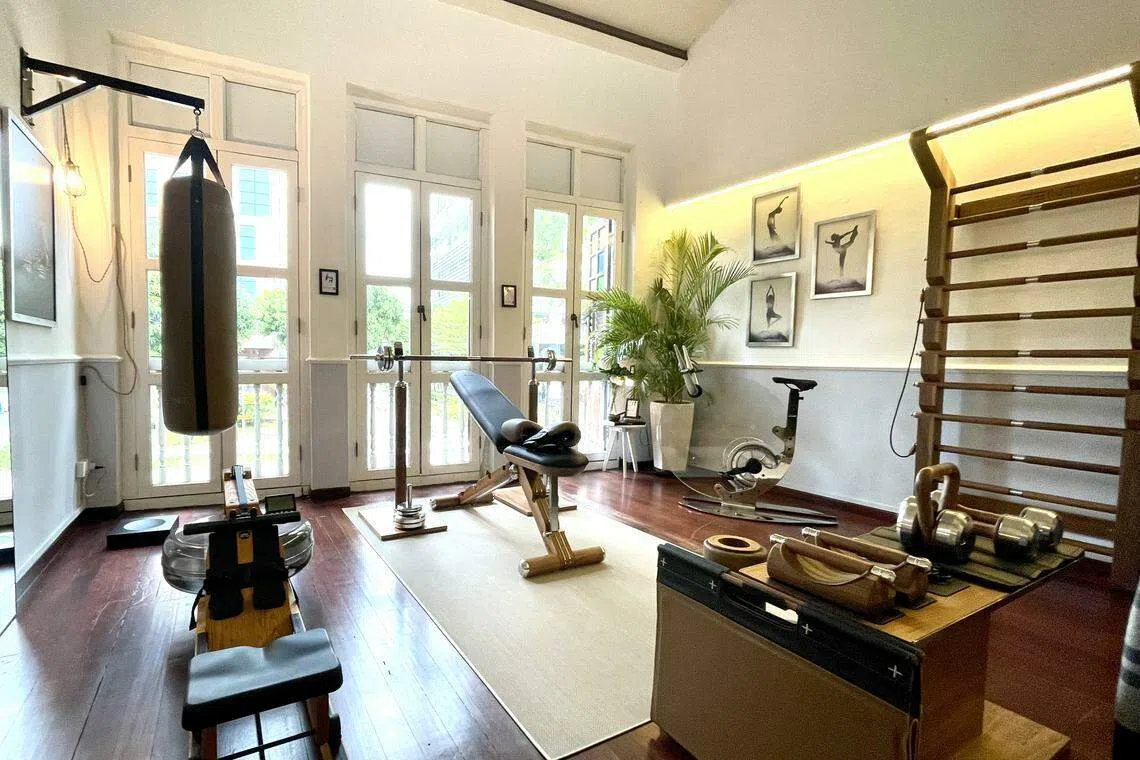
Having spent more time indoors during the pandemic, they too bought their own fitness equipment so that they could work out at home. But such equipment tends to be bulky and unsightly, so the couple found themselves scrambling to stow it away when friends came over.
“This inspired us to think about how we could offer gym equipment that was functional yet beautifully designed to blend in seamlessly with its surrounding aesthetics,” says Tay.
With Cycling Bears, the couple hope to meet a gap in the market for bespoke luxury fitness equipment, the kind that homeowners want to invite their friends over to admire.
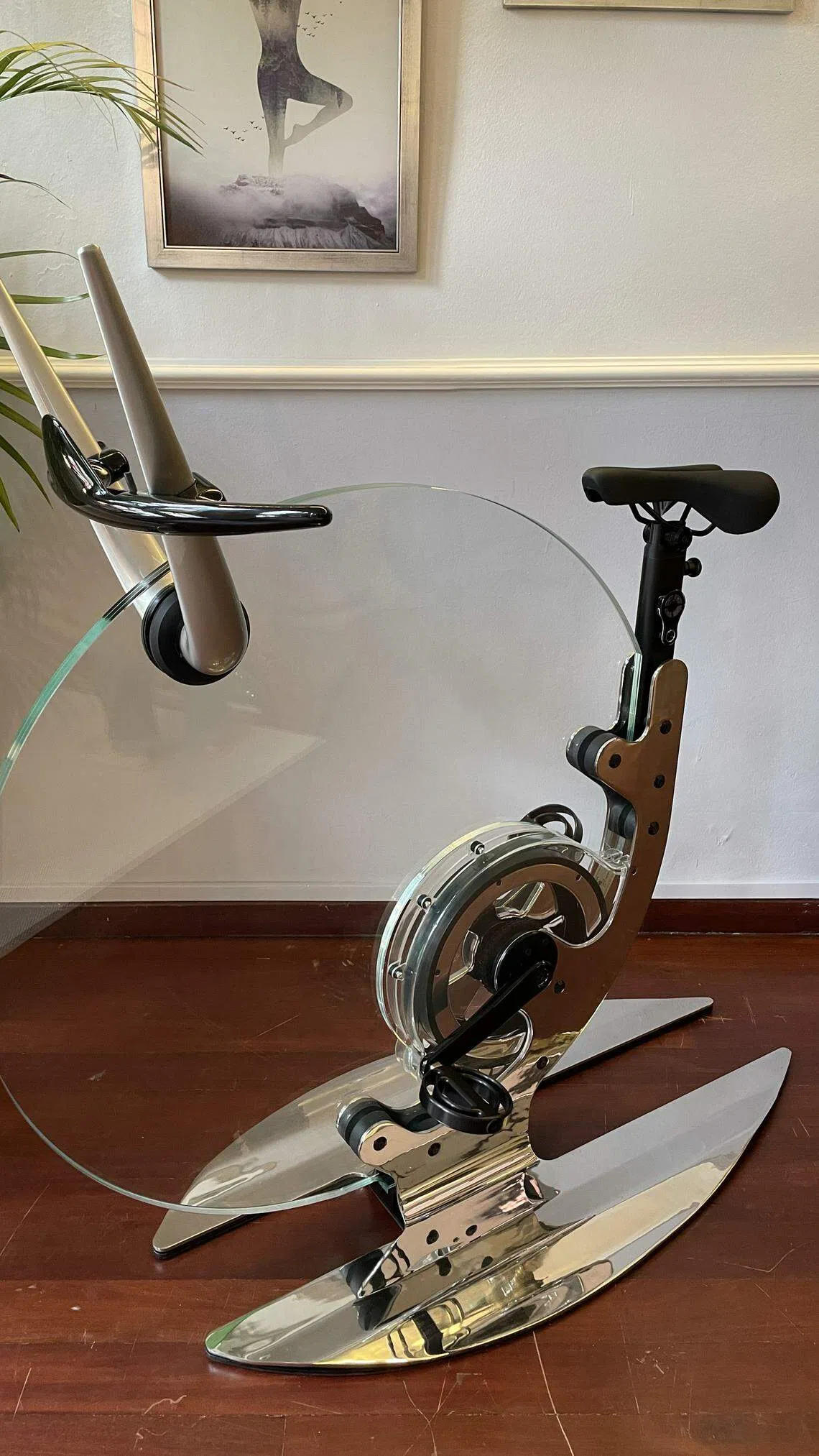
One such example is the Ciclotte Bike, that looks nothing like a conventional stationary or spin bike. Shaped like a unicycle, the award-winning exercise bike, which retails from S$19,000, comes in a steel or carbon fibre and glass frame. Performance-wise, the bike is said to replicate the sensation of cycling on a road, and definitely not a piece that doubles as a clothes hanger.
SEE ALSO

Cycling Bears recently sold 1 to a client, who wanted it to match his crystal piano.
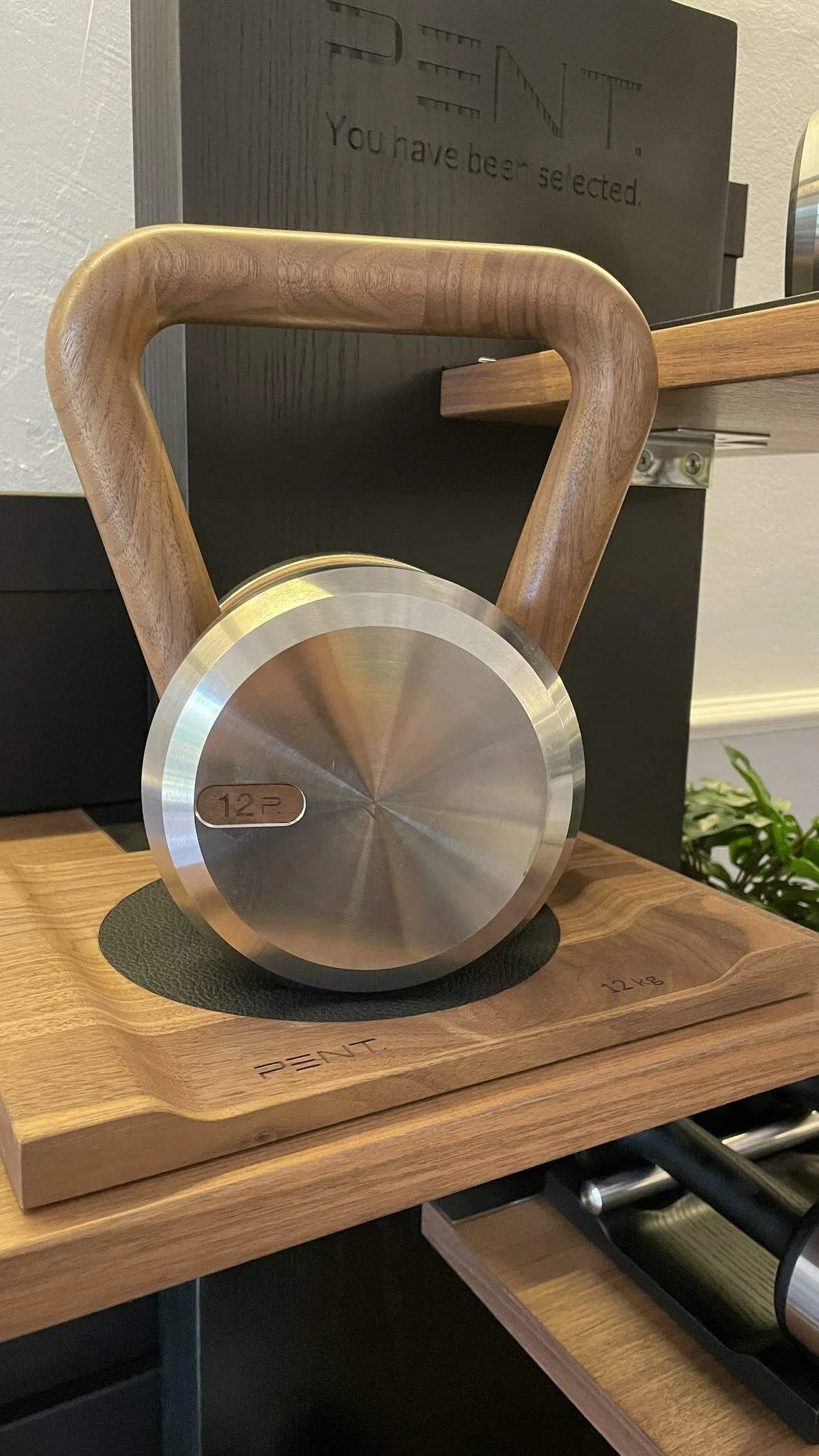
It also sells Pent luxury dumbbells, made using stainless steel and natural woods. Clients can create bespoke dumbbells by choosing from different woods and have their initials engraved on the storage stand. And for the yoga enthusiast, there are leather yoga mats, straps and blocks.
The pair have also decked out their showroom at East Coast Road much like a home, to show how the pieces can blend seamlessly with any decor.
Tay, a trained interior designer and a certified home gym designer, also works with clients and their architects or interior designers to design a workout space.
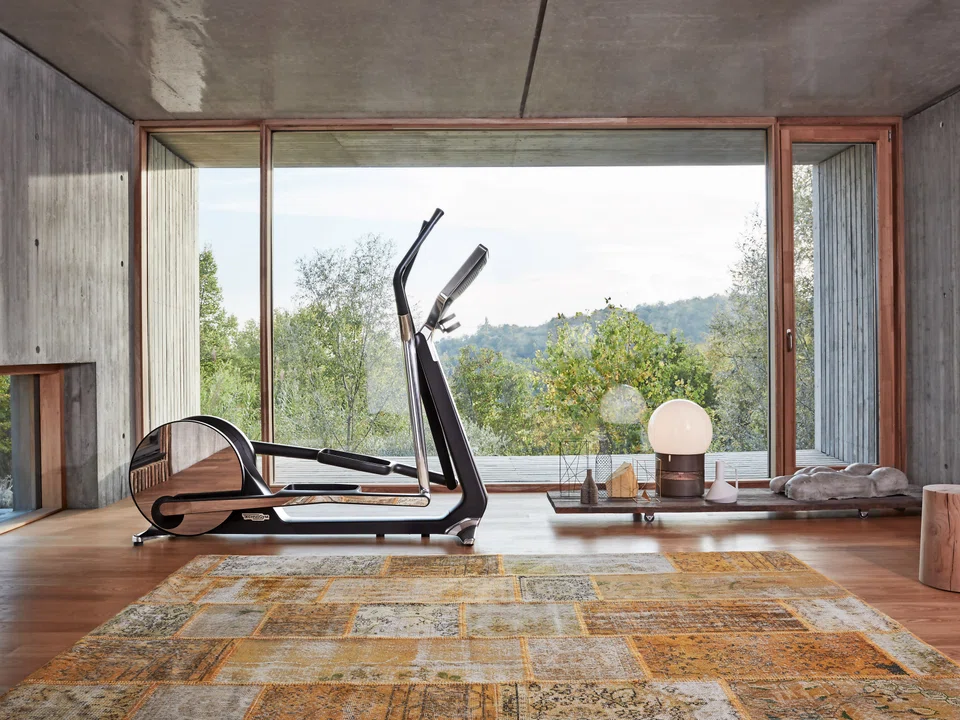
Cycling Bears isn’t the only company wanting to improve the look and feel of home gyms. Technogym, a well-known brand at fitness centres, is gearing up to engage the consumer market.
Michelle Lim, marketing executive at SE Active, the distributor for Technogym in Singapore, says: “There is a steady interest in the B2C side of the business. Even with the economy opening back up, people are still eager to know what’s next in the home wellness sphere. From temporary home solutions during the circuit breaker, people are now upgrading their home wellness spaces.”
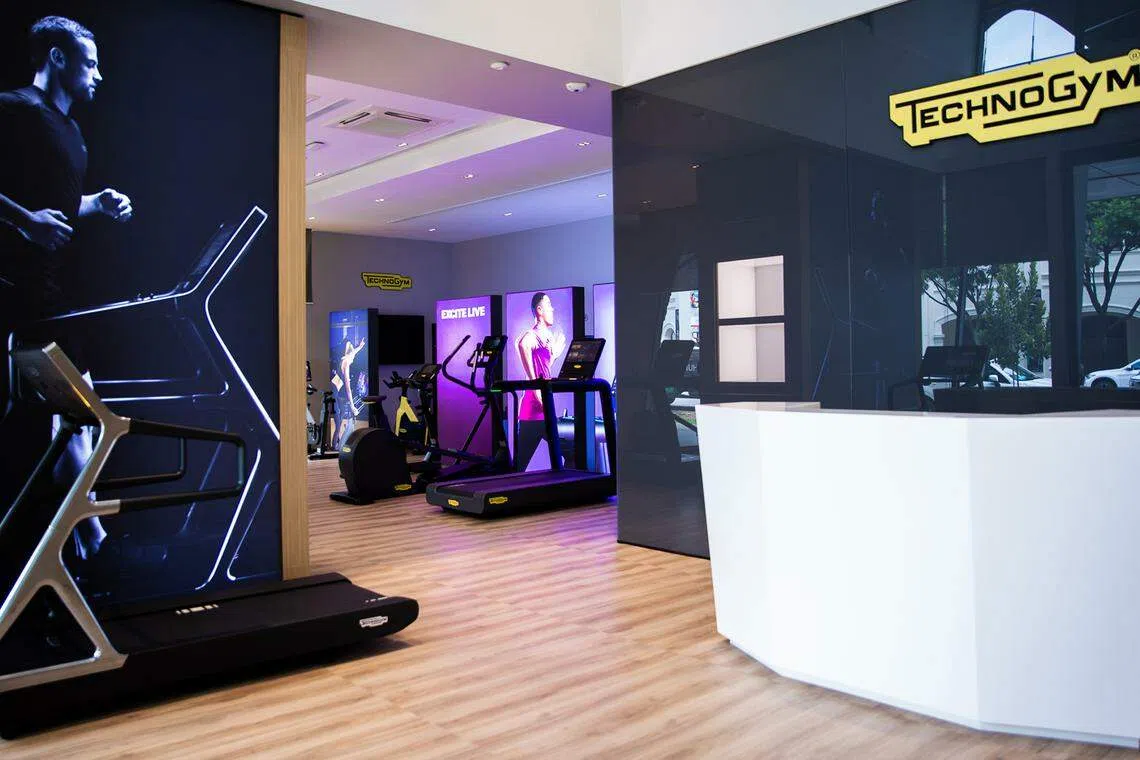
Earlier this year, Technogym opened an experience centre at Mohamed Sultan Road, where clients can try out the equipment.
Among the popular items with homeowners are pieces from the Personal Line which is designed by famed Italian architect and industrial designer Antonio Citterio. The treadmills, bikes and elliptical machines are made of polished aluminium, boast sleek lines and look elegant, but still come with technology features such as online training and tracking programmes and entertainment options.
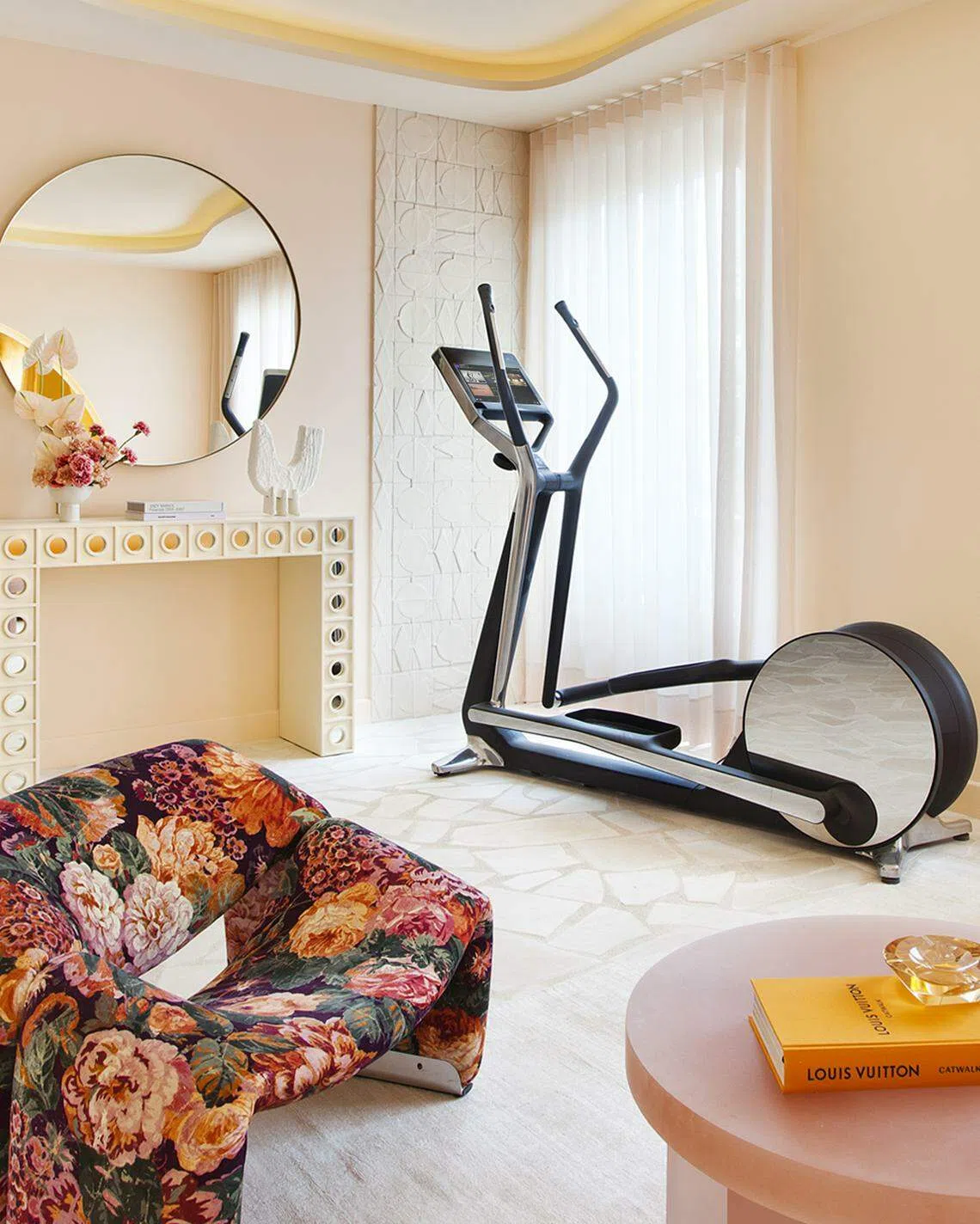
Lim says Technogym clients range from seasoned fitness buffs who want to improve their performance to new homeowners who are creating dedicated spaces for their workouts.
“Our clients opt to invest in a home gym for a number of reasons, but especially to include the whole family in an active lifestyle and also for convenience. With working from home or hybrid-desks becoming a norm, more people are reimagining their home spaces to make room for wellness,” says Lim. “Some of our clients also invest in gym equipment to complement their out-of-home fitness escapades. For example, they see a personal trainer outside for strength training, but do their cardio in the comfort of their own home.”
New partnerships and locations
For some other businesses, the rise in people working out during the pandemic has led them to opening in new locations and forming new partnerships.
Fitness and wellness centre Core Collective has just opened its 4th location at Amara Sanctuary Resort Sentosa. Its other locations are at Anson Road, Dempsey and i12 Katong.
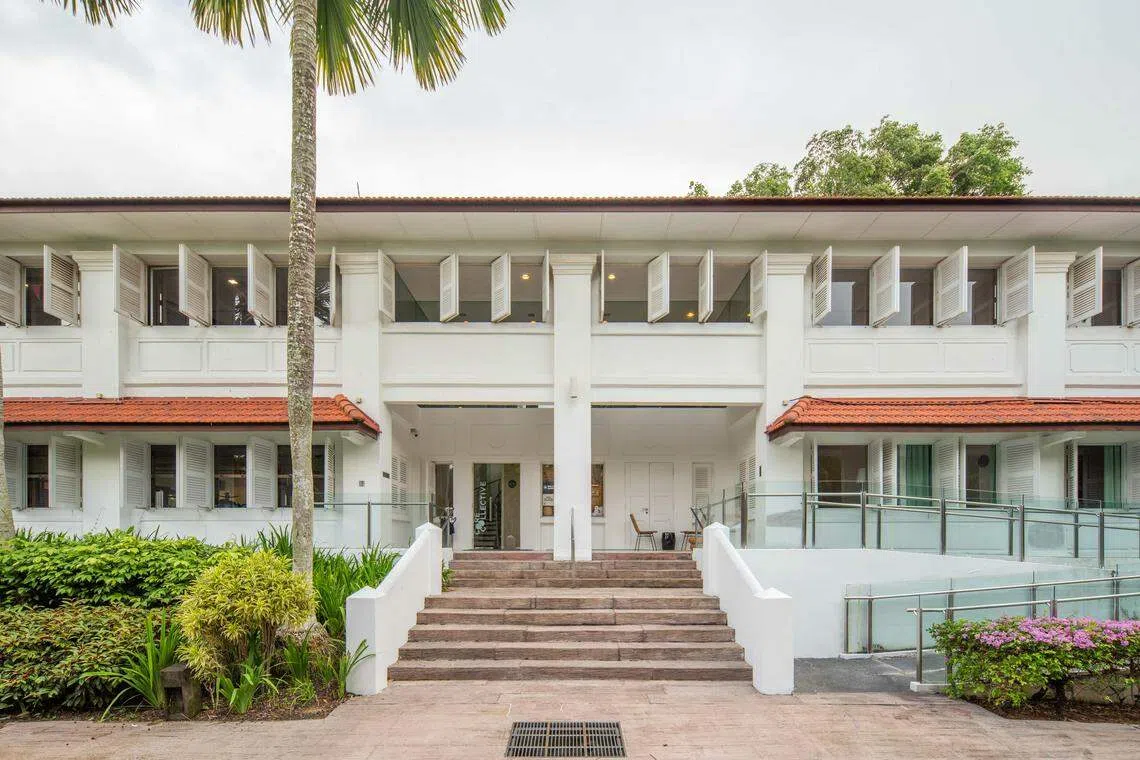
Founder Michelle Yong chose to open at Sentosa because clients have been asking for it. “Our outlets nearer residential areas are also doing better than the CBD one, and with more people moving to Sentosa, we can cater to that crowd as well as to corporate folks at Harbourfront.”
Core Collective’s latest opening isn’t just about being in a new location. It also marks a new partnership with a hotel.
Dawn Teo, senior vice president at Amara Hotels & Resorts, is already a Core Collective client, and the 2 women began discussions about a partnership.
The resort’s spa and gym underwent renovations earlier this year to become the new Core Collective space. Apart from massages and facial treatments, clients also have access to other services that Core Collective offers, such as osteopathy, life coaching and personal training.
Teo says: “Amara wants to go deeper into wellness, and this is the opportunity to house fitness and wellness facilities at the resort to provide in-house guests and the public an idyllic setting to focus on staying healthy.”
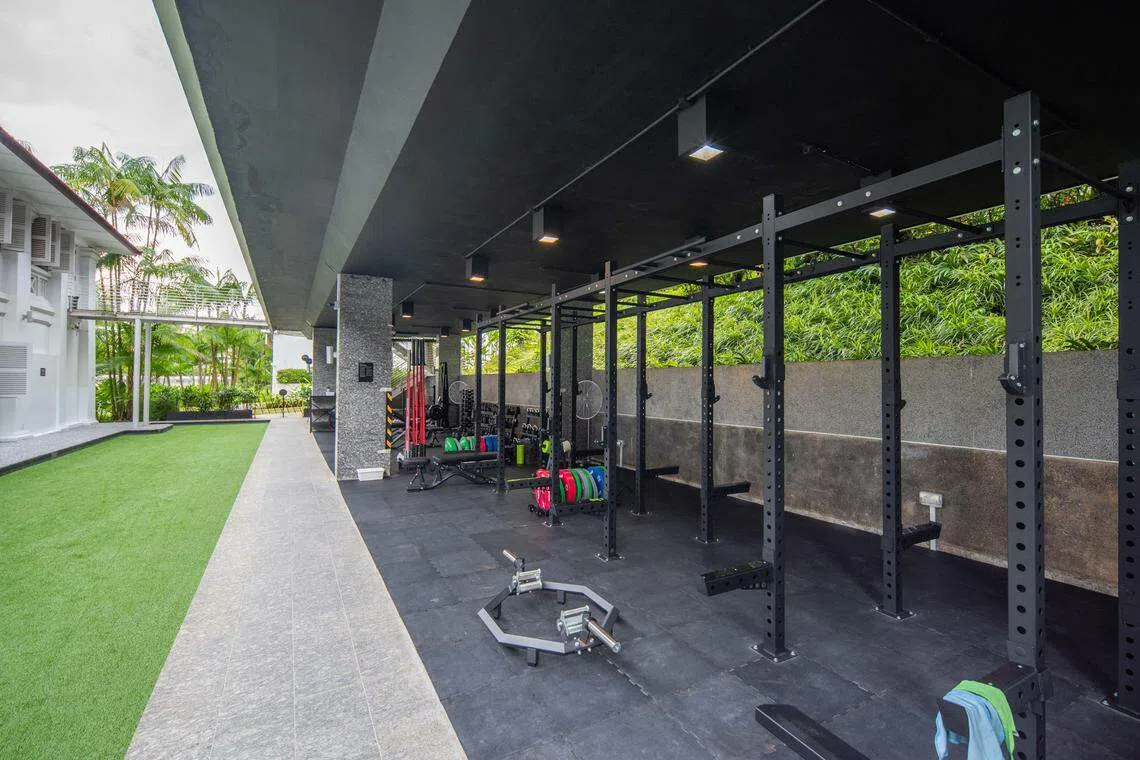
Yong says that the space provides endless opportunities. For example, hotel guests can enjoy a staycation and also do a personal training trial at the same time.
Companies offering wellness retreats overseas can now offer similar ones in Singapore.
“And for corporate folks who are attending conferences at the retreat, they can also consider doing pre-event yoga sessions,” says Yong. There’s even the possibility of offering a pet spa, since the resort is a pet-friendly one.
Yong adds: “We can also bring Core Collective to other overseas hotels.”
Another company that has seen growth in the past few years is homegrown startup, The Gym Pod. Offering small gyms housed in container pods, The Gym Pod started with 1 pod in 2018. By July 2020, it opened its 8th pod, and to date, it has 52 pods in Singapore, and has even expanded to Chicago, with the opening of 3 pods there.
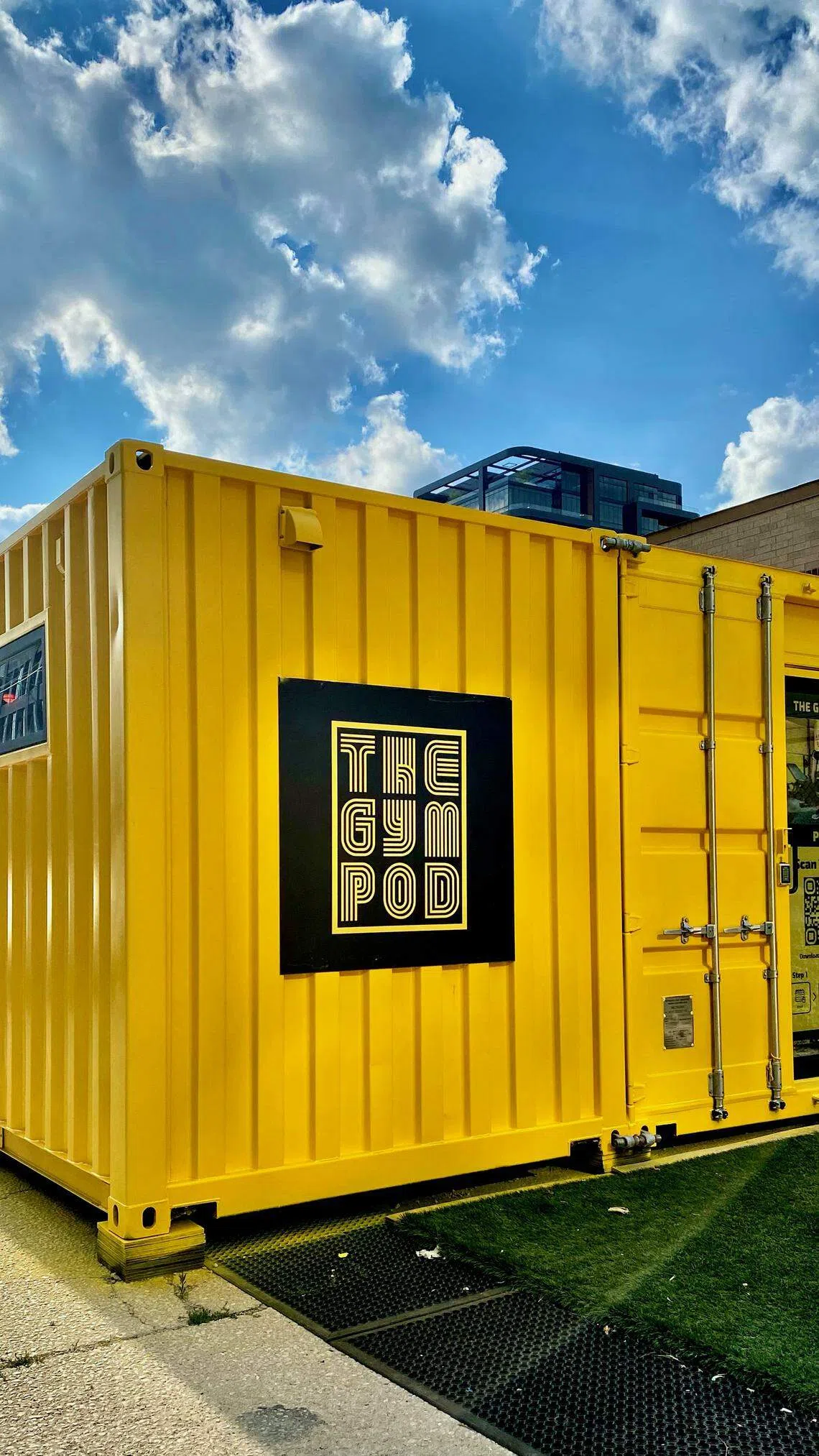
Explaining the popularity of its pods, Peter Lam, its brand and partnerships director says: “We had a strong and dedicated community that was focused on fitness but also put a premium on their own private space. Covid-19 certainly showed people the importance of fitness and personal space, so we welcomed many new faces to our Gym Pod community.”
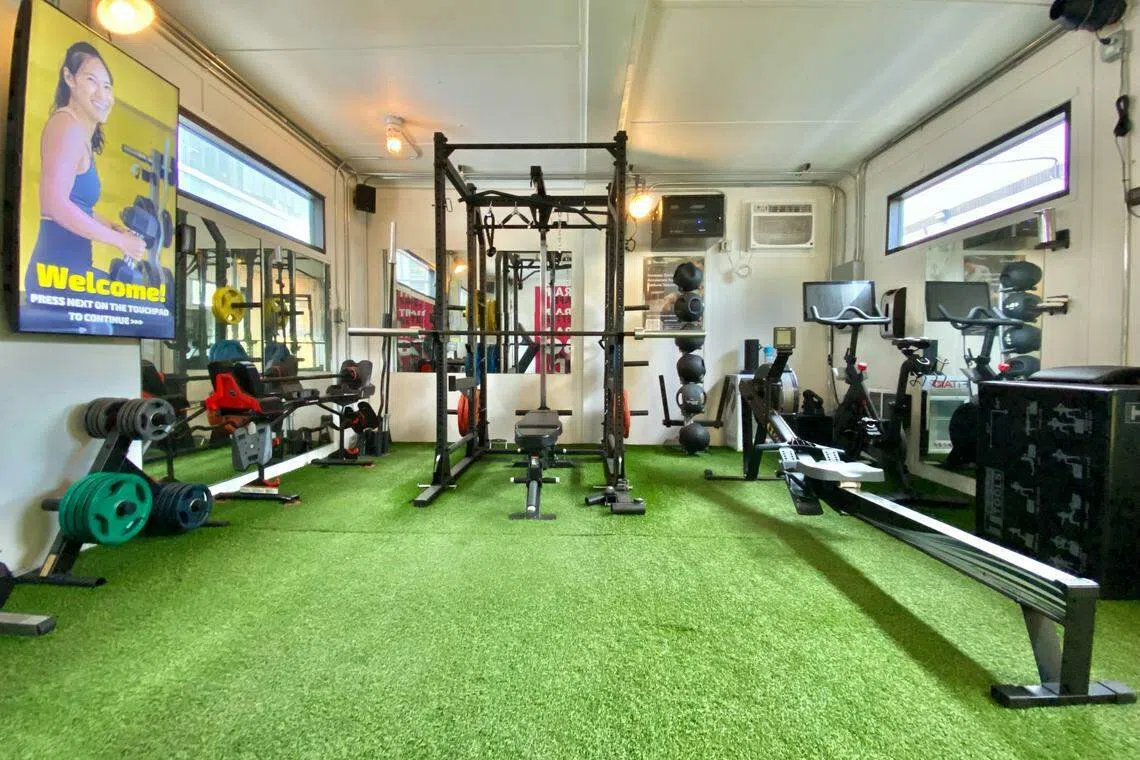
He adds: “We had such a spike in awareness and customer demand that there were not enough slots available. We had to grow and launch many more locations at once to satisfy the demand and keep growing the community organically.”
To grow fast, the firm set up a franchise model and now has over 20 franchisee partners.
The opportunity to expand overseas came about when The Gym Pod acquired and took over from a gym operator that owned shipping container gyms. Through a booking app, users can access any of the pods regardless of location. “Our clients like this flexibility and convenience,” says Lam. There are plans to franchise the brand in the US and to get a foothold in more countries.
With more people going into fitness, it is also natural that activewear companies are enjoying the boom too.
After 5 years as an online only brand, homegrown activewear label, Kydra, has just opened its first flagship store on Orchard Road, no less.
Rachel Seet, its marketing lead, says that since the start of the pandemic, Kydra has seen year-on-year revenue growth of over 40 per cent.
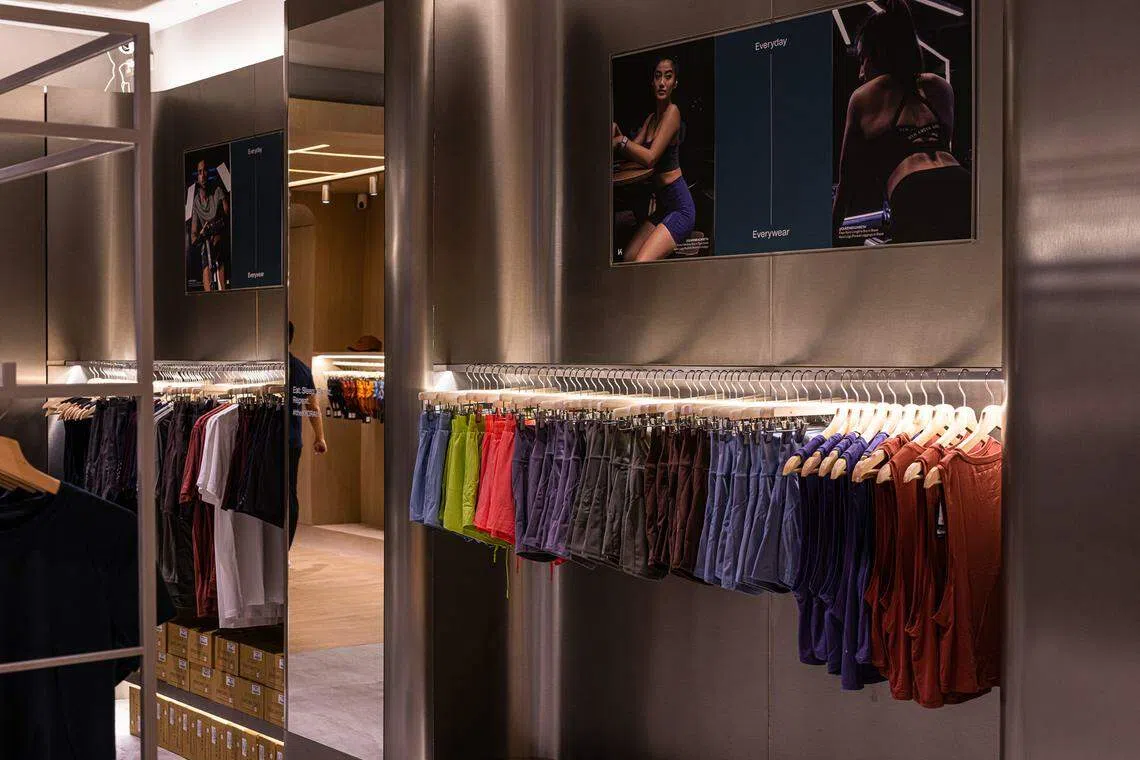
“The pandemic brought about more emphasis on healthy living among our target audience. Evidently, from the increasing number of gyms and activewear brands, Singaporeans have certainly started working out more during this time,” says Seet.
“Also, with hybrid work arrangements becoming more common, many of our customers now look to athleisure as their choice of comfortable everyday work wear — gear that took them from lounge to lunge, work to workout and street to studio.”
Founded by Jimmy Poh and Wong Ding Yao, the duo always had plans to open a physical store. They started with an online store because they were then university students with limited capital.
“After 5 years of interacting with our customers online through emails and social media, we’ve noticed that many of our customers wanted to understand Kydra’s Asian fit and sizing better,” says Seet.
Besides being able to try on their sizes at a physical location, Seet says it is important for customers to be able to touch and feel the different fabrics since the brand prides itself on creating gear made for workouts in hot and humid weather.
“More importantly, to build an even stronger fitness community, we wanted a physical space where we can get to know our customers better through future community classes or launch events,” says Seet.
Wellness in one’s hands
While getting the body fit has been of importance during the last few years, so has being well.
Kathy Gabriel, a craniosacral therapist and somatic educator, believes everyone should take better care of themselves rather than wait till pain or symptoms show before seeking help.
“Often we see that the focus on health is always symptom or pain based; only when a problem surfaces then one seeks help. There is very little literature, thought mindset around maintenance, sustainability or longevity of our health and life,” says Gabriel.
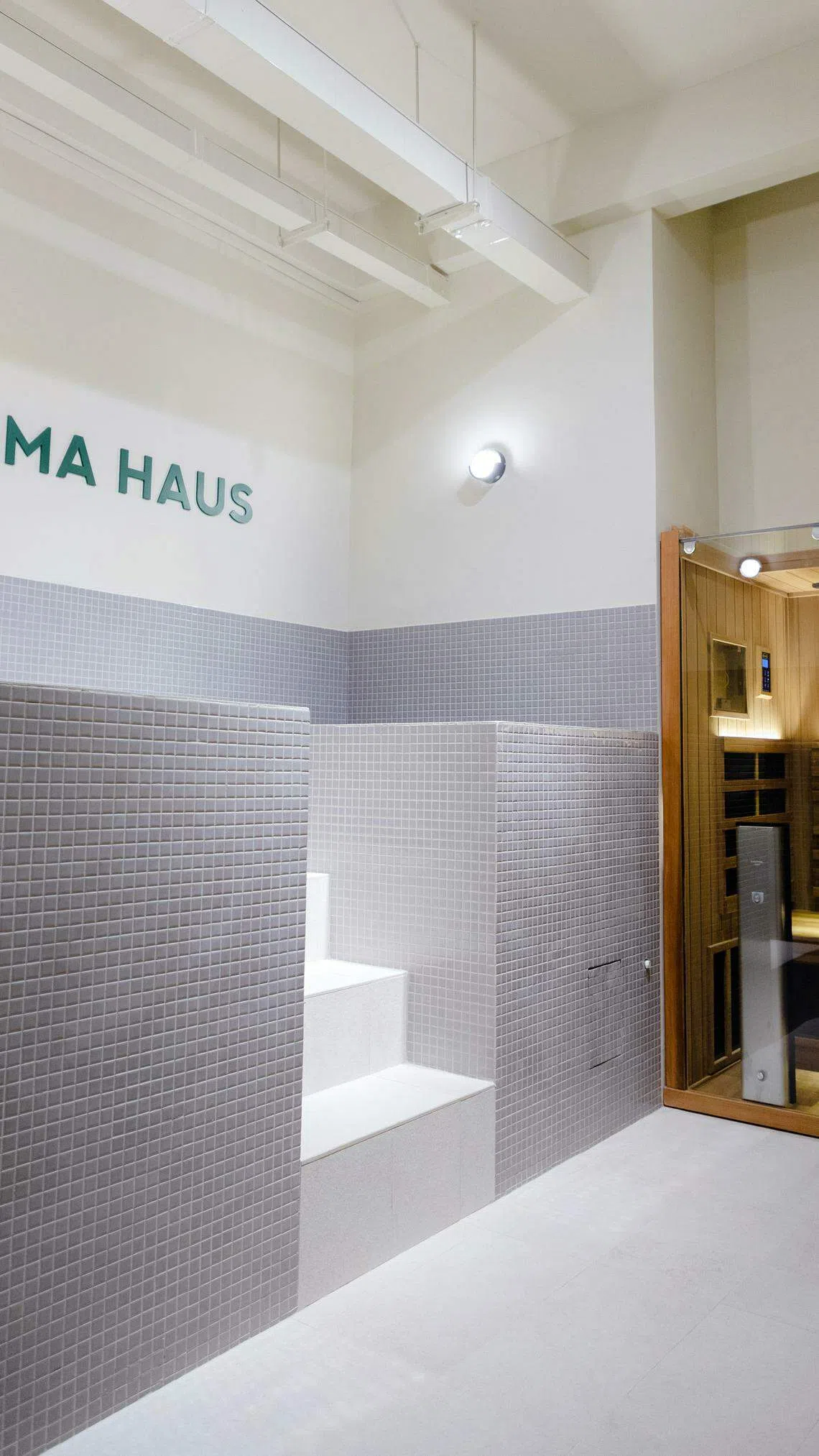
Together with 2 other partners, she started Soma Haus, a wellness centre at Joo Chiat Road.
“We want to give more life to the years someone has, not more years to someone’s life,” says Gabriel.
She calls Soma Haus a marriage between a spa and clinic, where there are treatments that are facilitated and done by practitioners and others that clients can do on their own.
Some of the facilitated treatments include craniosacral therapy, myofascial massage, and sound therapy and breath work.
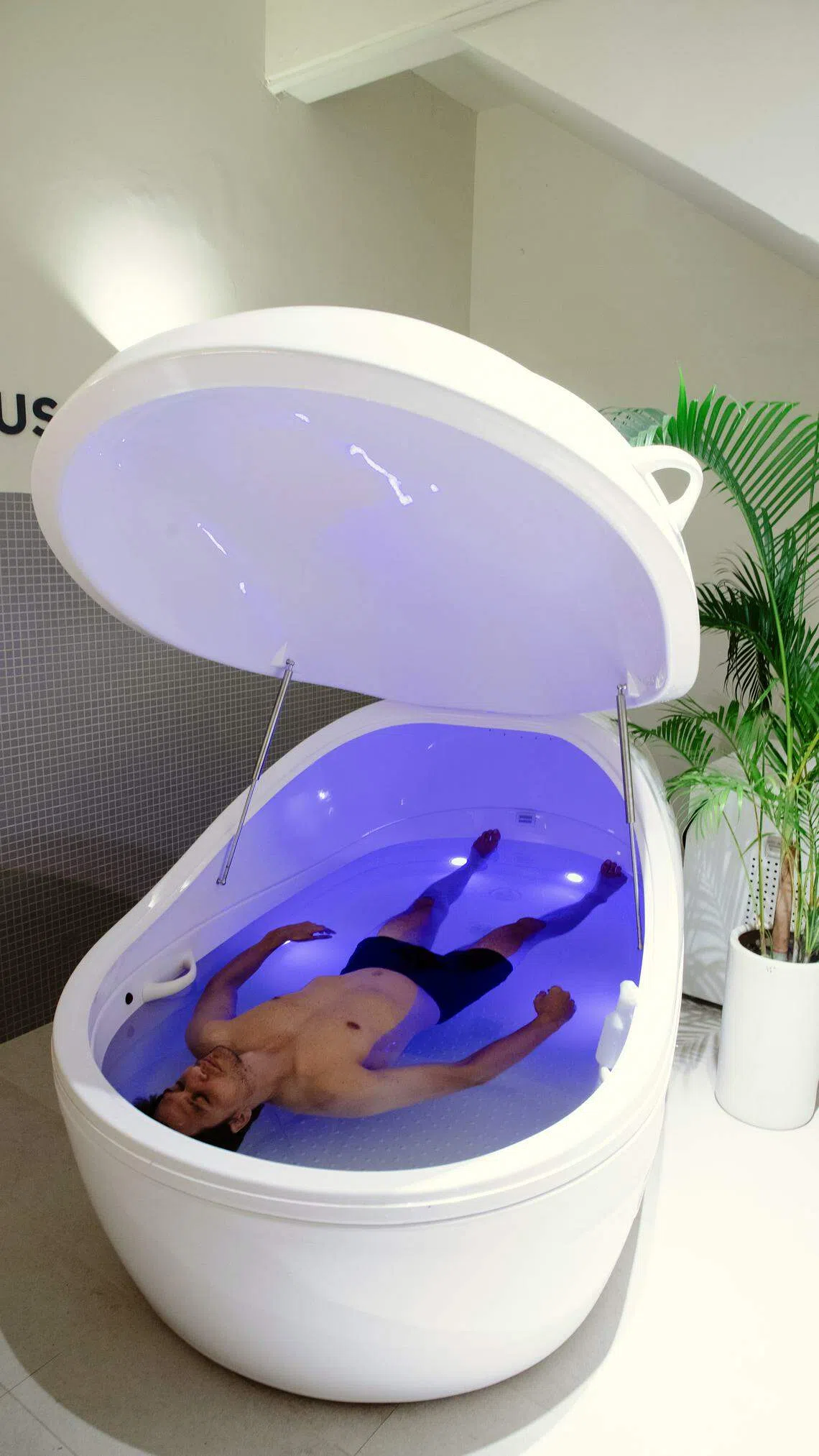
Services that clients can do on their own include flotation therapy, ice baths and infrared saunas. Its sweat and freeze sessions have been popular, while those who come in for the facilitated treatments tend to suffer from work-life stress, tension headaches, chronic fatigue, burnout, and adrenal issues.
Gabriel and her partners plan to open more outlets across Singapore.
“The pandemic has brought many changes to how we live our life. If there is anything Covid-19 has taught us, it is that our health should never be taken from granted but more importantly, health is multi-dimensional. It reminded us that it is essential to have different tools in our self-care kit to help us better manage our body, emotions and cope with distress,” says Gabriel.
Decoding Asia newsletter: your guide to navigating Asia in a new global order. Sign up here to get Decoding Asia newsletter. Delivered to your inbox. Free.
Copyright SPH Media. All rights reserved.