In Brazil, hopes to use AI to save wildlife from roadkill fate
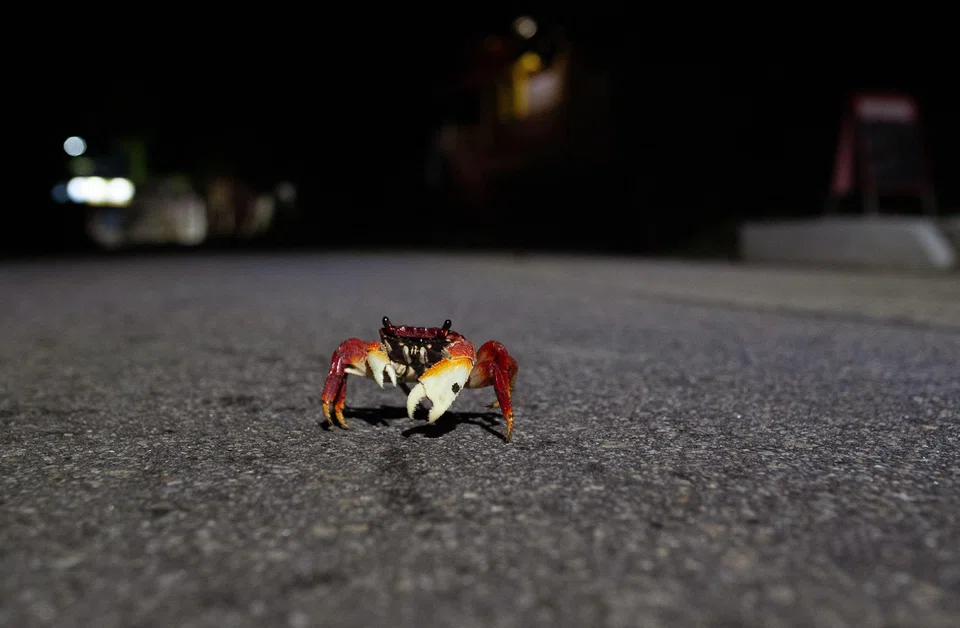
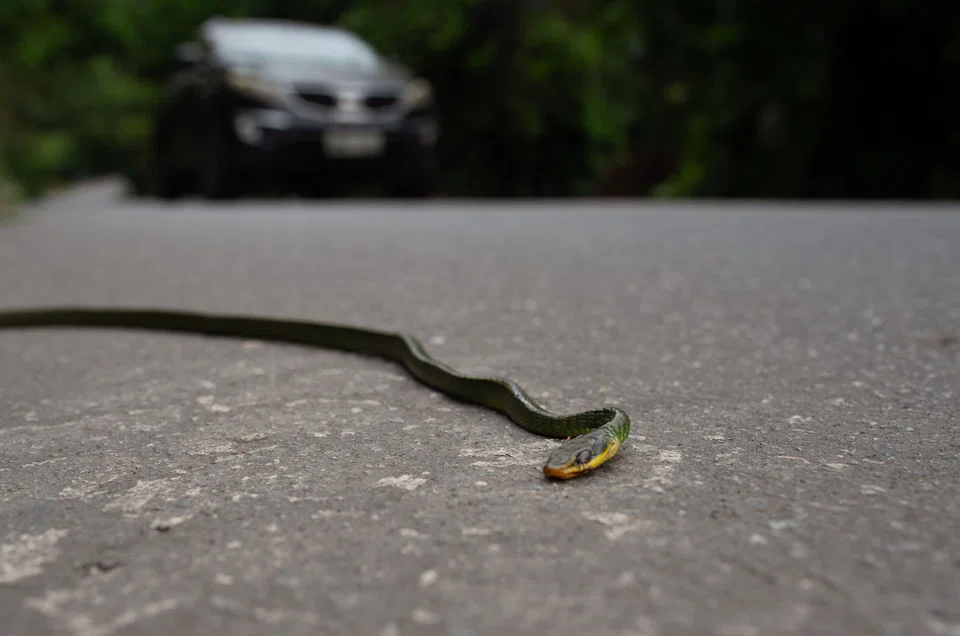
IN BRAZIL, where about 16 wild animals become roadkill every second, a computer scientist has come up with a futuristic solution to this everyday problem: using artificial intelligence (AI) to alert drivers to their presence.
Direct strikes on the vast South American country’s extensive road network are the top threat to numerous species, forced to live in ever-closer proximity with humans.
According to the Brazilian Center for Road Ecology (CBEE), some 475 million vertebrate animals die on the road every year – mostly smaller species such as capybaras, armadillos and possums.
“It is the biggest direct impact on wildlife today in Brazil,” CBEE coordinator Alex Bager said.
Shocked by the carnage in the world’s most biodiverse country, computer science student Gabriel Souto Ferrante sprung into action.
The 25-year-old started by identifying the five medium- and large-sized species most likely to fall victim to traffic accidents: the puma, the giant anteater, the tapir, the maned wolf and the jaguarundi, a type of wild cat.
Souto, who is pursuing a master’s degree at the University of Sao Paulo (USP), then created a database with thousands of images of these animals, and trained an AI model to recognise them in real-time.
Numerous tests followed, and were successful, according to the results of his efforts recently published in the journal Scientific Reports.
Souto collaborated with the USP Institute of Mathematical and Computer Sciences.

For the project to become a reality, Souto said scientists would need “support from the companies that manage the roads”, including access to traffic cameras and “edge computing” devices – hardware that can relay a real-time warning to drivers as some navigation apps do.
There would also need to be input from the road concession companies, “to remove the animal or capture it”, he said.
It is hoped the technology, by reducing wildlife strikes, will also save human lives.
More roads, more vehicles
Bager said a variety of other strategies to stop the bloodshed on Brazilian roads have failed.
Signage warning drivers to be on the lookout for crossing animals have little influence, he said, leading to a mere three per cent reduction in speed on average.
There are also so-called fauna bridges and tunnels meant to get animals safely from one side of the road to the other, and fences to keep them in – all insufficient to deal with the scope of the problem, according to Bager.
In 2014, he created an app called Urubu with other ecologists, to which thousands of users contributed information, allowing for the identification of roadkill hotspots.
The project helped to create public awareness and even inspired a bill on safe animal crossing and circulation, which is awaiting a vote in Congress.
A lack of money saw the app being shut down last year, but Bager is intent on having it reactivated.
“We have more and more roads, more vehicles and a number of roadkill animals that likely continues to grow,” he said. AFP
Decoding Asia newsletter: your guide to navigating Asia in a new global order. Sign up here to get Decoding Asia newsletter. Delivered to your inbox. Free.
Share with us your feedback on BT's products and services