

On the design trail in Hiroshima
The historic Japanese city weaves architectural wonders into its multifaceted landscapes
 Add BT as a preferred source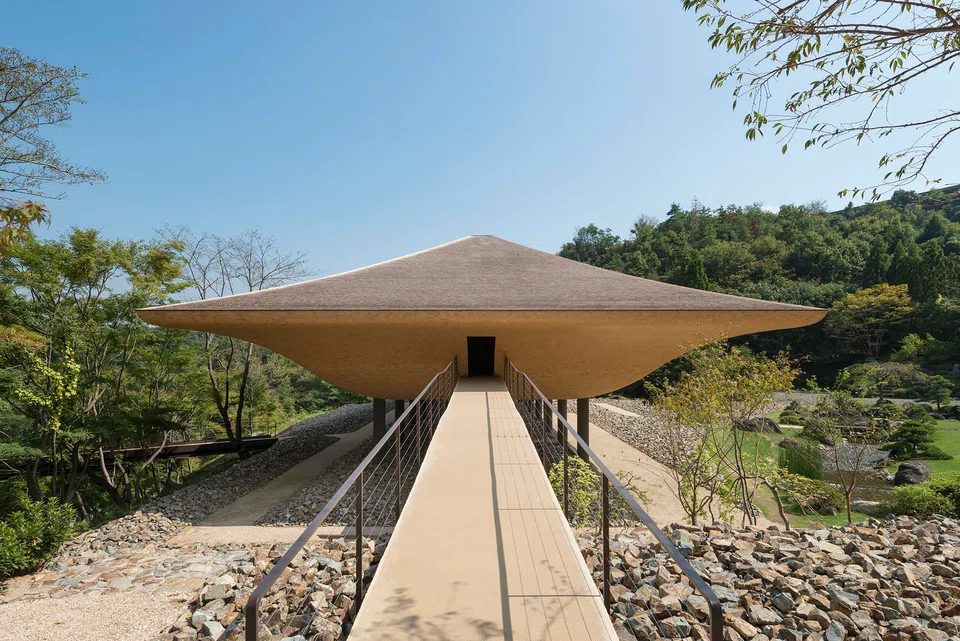
HIROSHIMA’S WARTIME PAST IS POIGNANTLY captured in the iconic Hiroshima Peace Memorial Park and Museum, designed by celebrated architect Kenzo Tange. Known to move visitors to tears at the memory of the World War II atomic bombing that destroyed the city, it has always been one of the must-see sights in the capital of Hiroshima prefecture.
But there’s more to the city than that. With the likes of Tadao Ando and Shigeru Ban also adding their names to Hiroshima’s post-war evolution, it is now a must-stop for design lovers, drawn by a blend of inspiring architecture and breathtaking scenery of this prefecture bordered by the Seto Inland Sea.
The recent inaugural Hiroshima Architecture Exhibition, which ended on Nov 30, 2025, was an eye-opener for this reason. Exhibitions in towns such as Onomichi and Fukuyama – with a wealth of mountaintop museums, hidden design hotels, refurbished warehouses, and Zen gardens – proved that Hiroshima easily holds its own against the likes of Tokyo or Kyoto.
Exactly, says Naotake Maeda, the exhibition’s chief curator. The aim, he adds, was “to introduce Japanese architecture culture to the world, drawing on Hiroshima’s unique context of urban regeneration, peace, and cultural reconstruction”.
Toyo Ito, whose works were shown in Onomichi along with other Japanese Pritzker Prize laureates, concurs. “After World War II, modern architecture spread throughout Japan from cities around the Seto Inland Sea, especially through the works of Kenzo Tange… so it is very significant that this architecture exhibition debuts in a place with such a deep connection to architecture.”
For design buffs, build your itinerary around these sights that span Hiroshima’s heritage, craft and natural beauty.
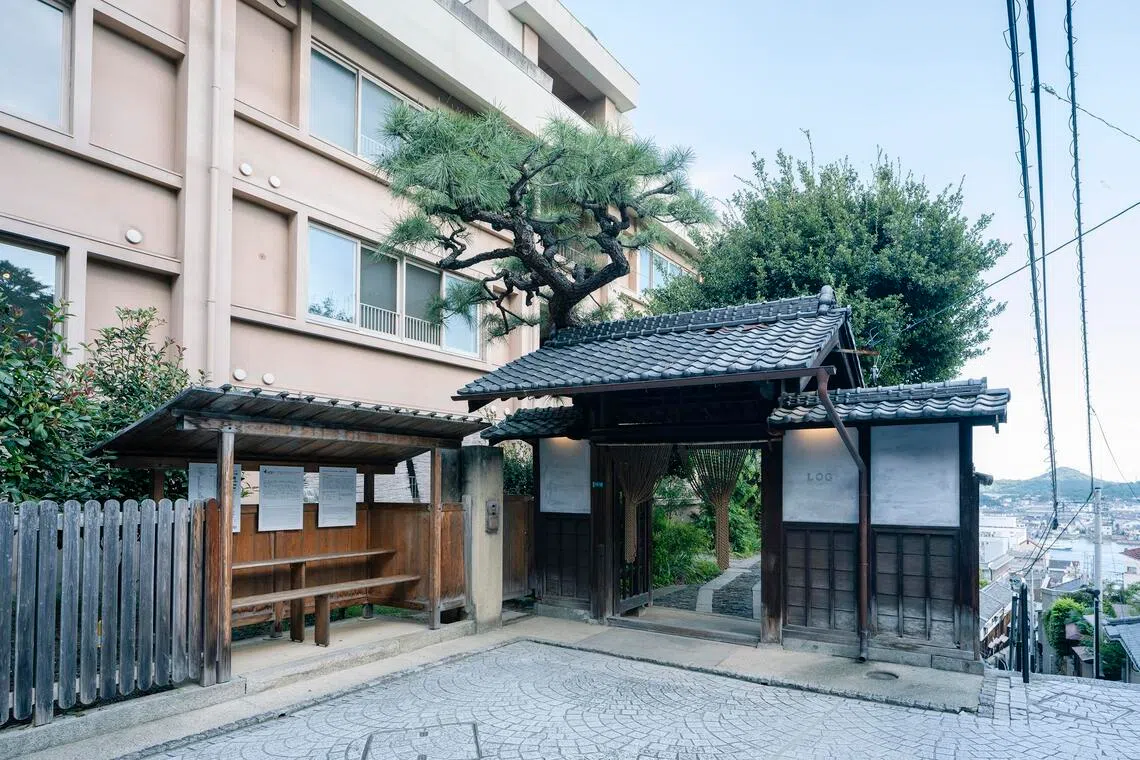
LOG
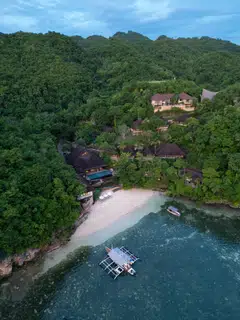
Globally respected for founder Bijoy Jain’s “handmade” approach to building, Studio Mumbai’s first project outside India is the six-room guesthouse Lantern Onomichi Garden, or LOG for short.
Originally a 1960s apartment block, it sits midway up Mount Senkoji and is an arduous walk up. But you’re rewarded with a bird’s-eye view of Onomichi city, and the simple but delicious meals based on the recipes of respected cookbook author Ai Hosokawa.
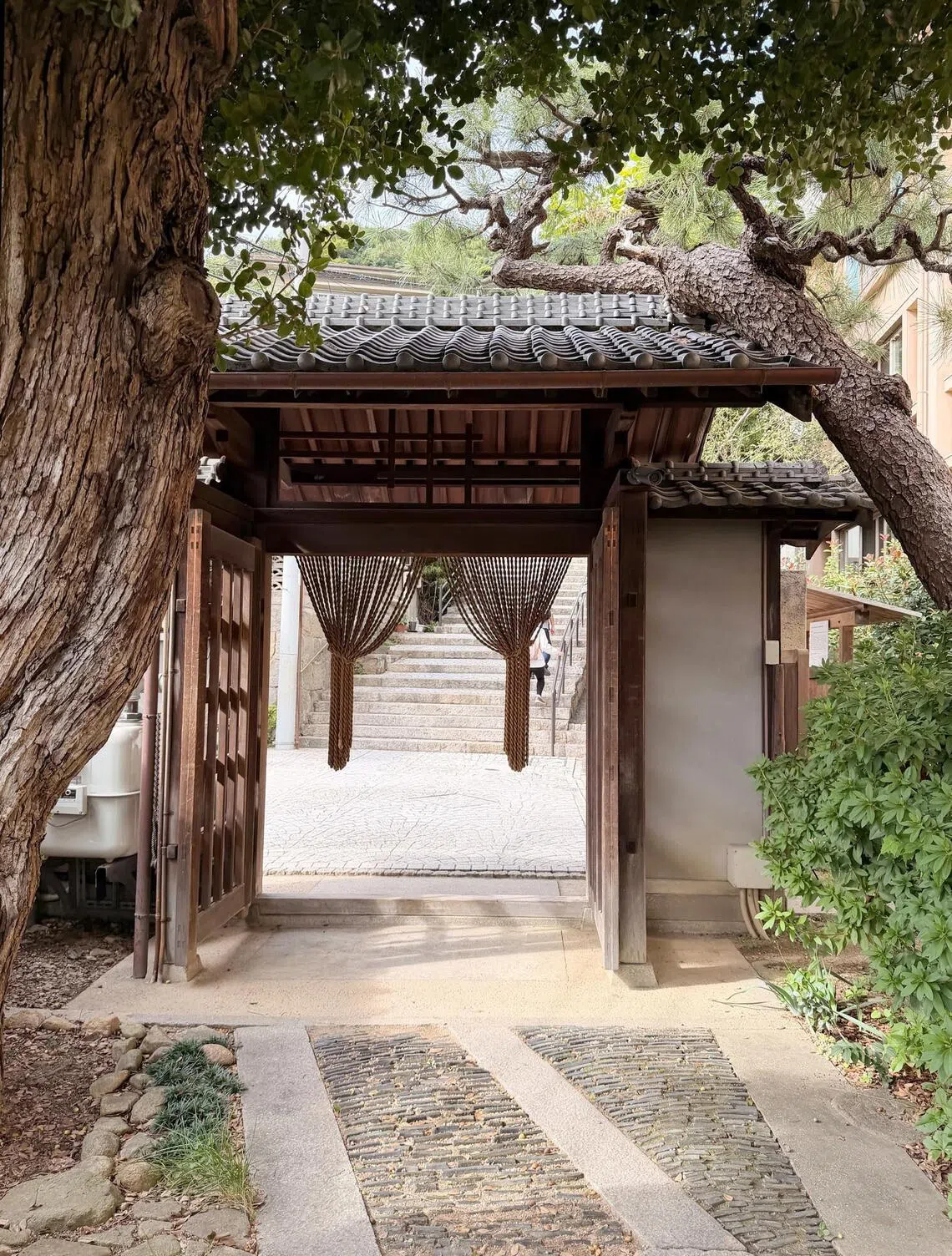
A gallery in the hotel captures the elaborate renovation process, in which natural materials and traditional craft were extensively used. Unsurprisingly, it’s a magnet for architects fascinated by this contemporary interpretation of a historic past.
Onomichi City Museum of Art
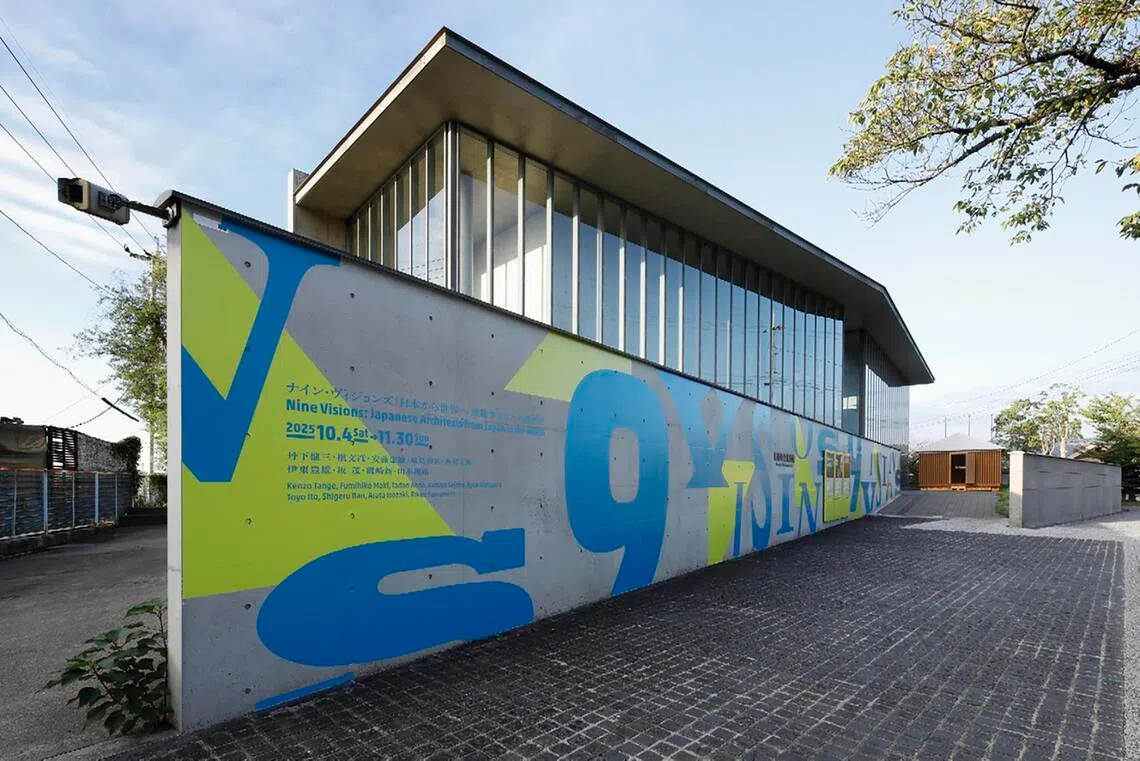
This 1980s-era building, which was redesigned by Tadao Ando in 2003, also drew fame for turning away two cats that spent years trying to sneak in.
Located on the summit of Mount Senkoji close to the iconic Senkoji temple, it features a glass-and-concrete extension capped with a traditional Japanese-tiled gabled roof modelled after the Saigoji Temple Main Hall (an important cultural property in Onomichi).
View works of local artists, including Wasaku Kobayashi, as well as international names such as French painter Georges Rouault.
Senkoji Park Observatory (Peak)
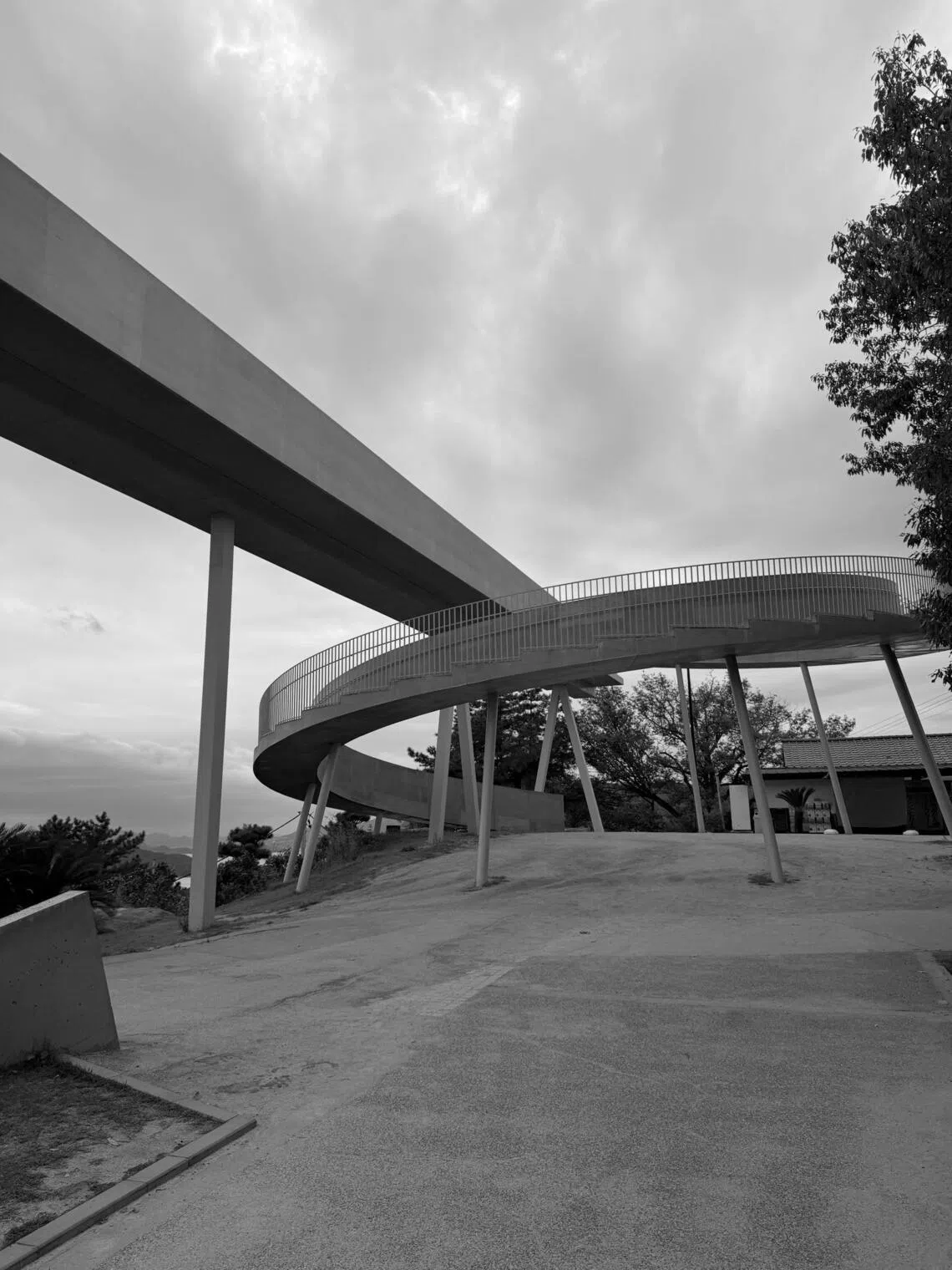
Compared to his work on Louis Vuitton’s flagship stores in Tokyo and Osaka, Jun Aoki’s Senkoji Park Summit Observatory is a different experience altogether. Designed in collaboration with Masatoshi Shinagawa and opened in 2022, the 63-metre loop twists like a giant ribbon before ending in a wonderful, linear viewing point.
The view of the surrounding islands, glistening waters of the Onomichi Channel and distant mountain peaks all merge into a picture-perfect landscape. Get here via the Mount Senkoji Ropeway, and make a pit stop at Senkoji Temple.
Onomichi U2
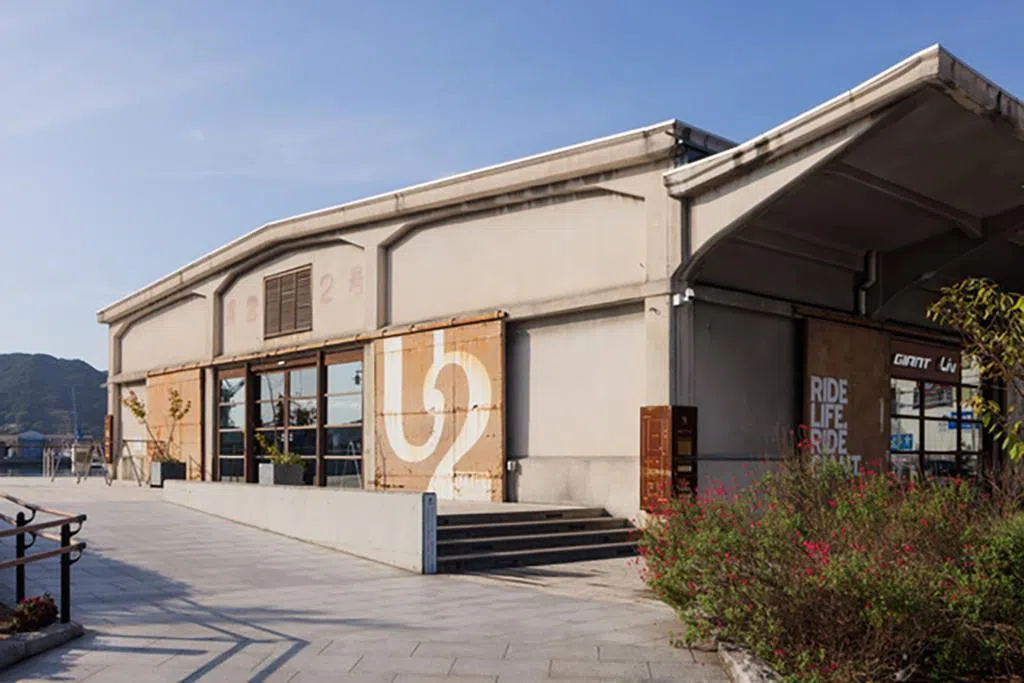
Sitting along the city’s harbourfront is Onomichi U2. The former shipping warehouse was converted in 2014 into a lifestyle destination styled as “a small town inside a city”. There’s a Hotel Cycle – Onomichi is part of the popular Shimanami Kaido cycling route – catering to bike enthusiasts (and regular tourists), and charming eateries such as Setouchi Seafood Diner, Kog Bar and Yard Cafe.
A retro shopping arcade lines one end, while extensive use of wood and steel pays homage to the traditional timber houses and shipbuilding industry.
Soil Setoda
From Onomichi Port, take a 40-minute ferry ride (or drive, or cycle) to Setoda Port on Ikuchijima Island, a prolific lemon-growing area. Fun fact: Most of Japan’s lemons are grown in Hiroshima prefecture, so you’ll have fun taking photos of giant lemon sculptures, eating lemon hot pot, lemon ice cream and lemon cakes.
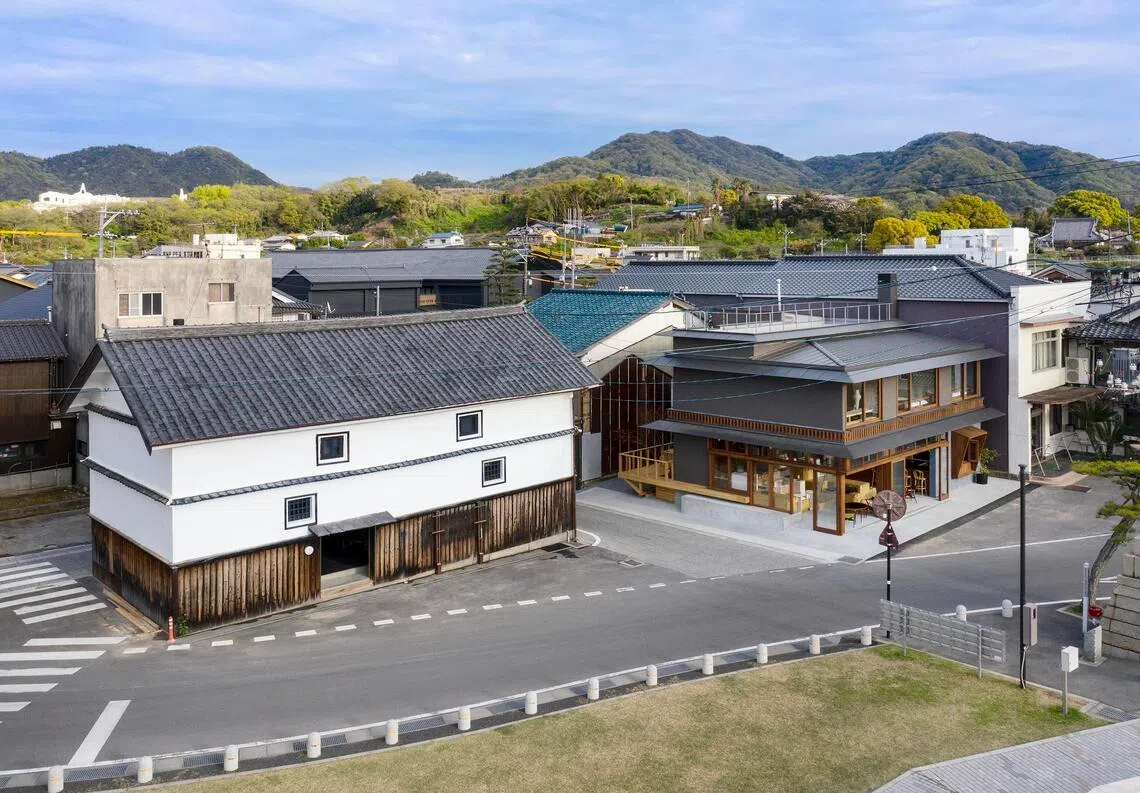
Make Soil Setoda your base; the Michelin Guide hotel was converted from a 140-year-old dozo or storehouse by Horiuchi Inatomi Architects and boasts surreal seaviews from some of its rooms. Here, life seems to slow down, and Soil Setoda’s gentle rhythms enhance this – but in style and with great coffee at the on-site cafe.
Kohtei
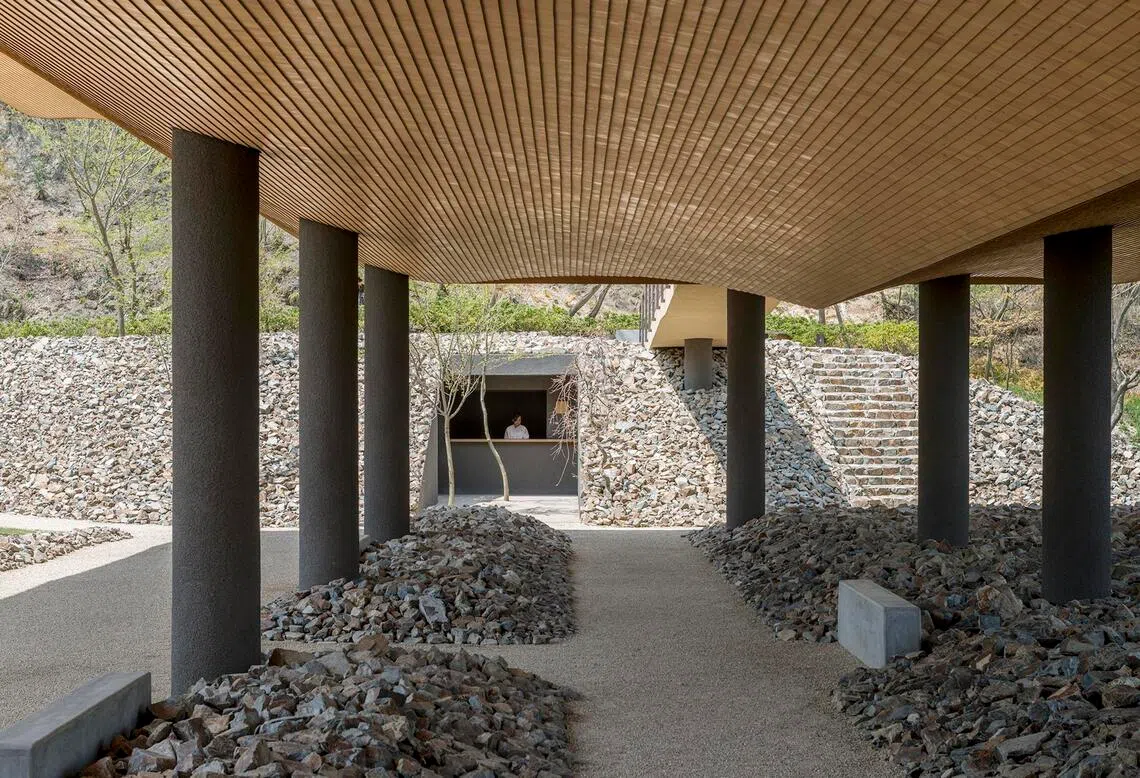
Created by Sandwich, Kohtei is an art pavilion within the sprawling Shinshoji Zen Museum and Gardens in Fukuyama. The monumental, ship-like structure is clad in wooden shingles adapted from the traditional kokerabuki technique, and offers a tranquil perch to enjoy the scenery.
Amble up the landscaped ramp flanked by rockscape and enter the small door of the building. Remember to duck, as the roof dips low here. Inside is an installation of light and “waves” in a sea of darkness by Sandwich’s founder and sculptor, Kohei Nawa.
Allocate enough time to visit the other buildings in the gardens, such as The Shodo (“pine hall”) – a unique building designed by renowned architect and architectural historian Terunobu Fujimori, featuring a thatched roof made of hand-bent copper plates.
Hiroshima Peace Memorial Park and Museum
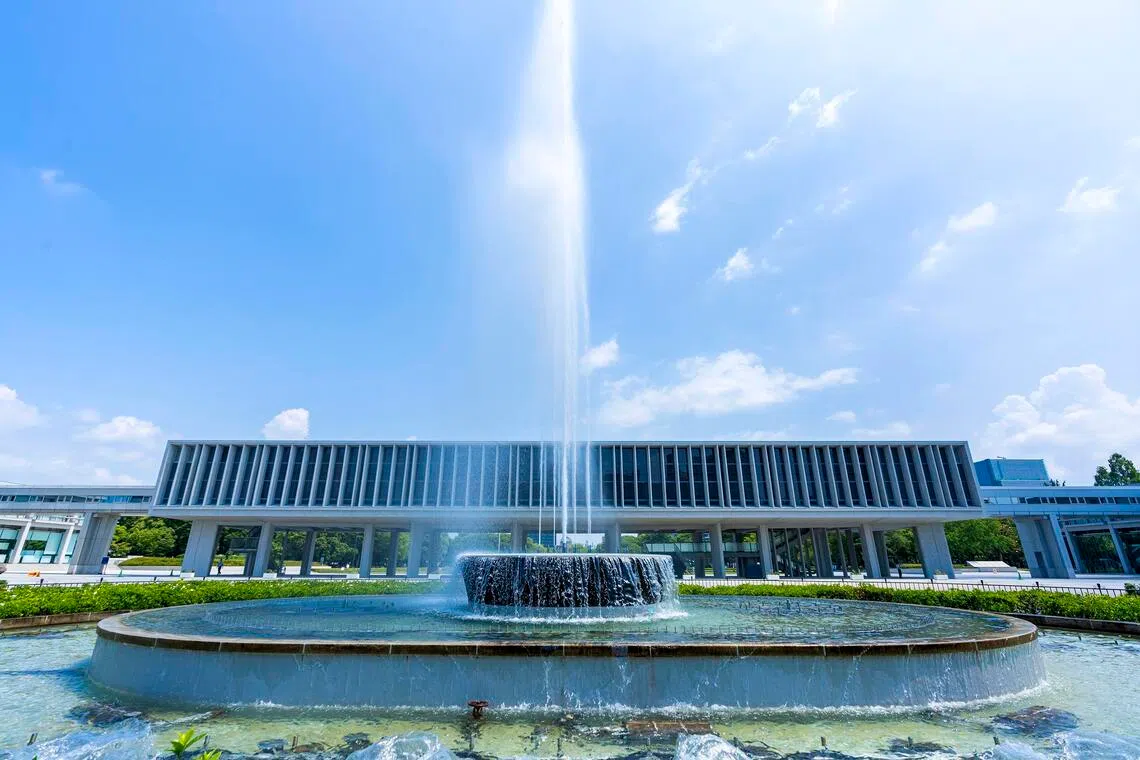
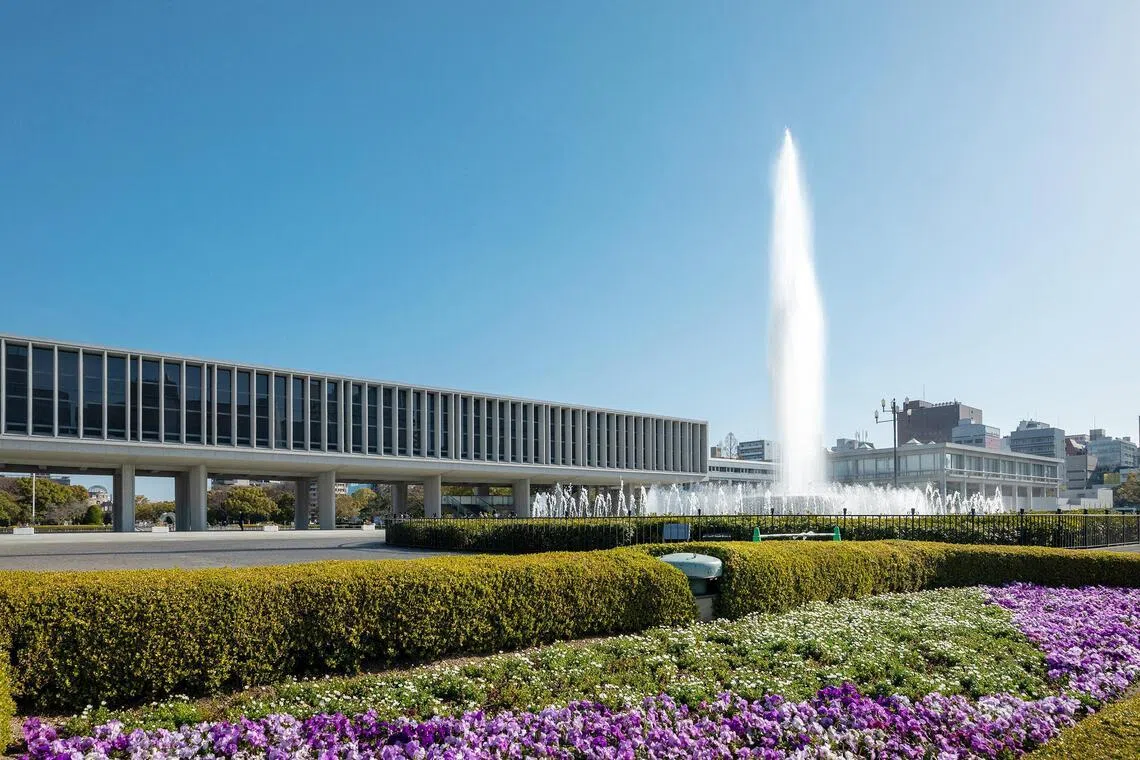
From Hiroshima Airport, head the other direction from Onomichi towards Hiroshima city. At its centre is the Hiroshima Peace Memorial Park and Museum, which were planned by Japan’s pre-eminent modernist architect Kenzo Tange after the atomic bomb levelled the city in 1945.
One of Tange’s first post-war buildings, the museum is raised on pilotis, inspired by French modernist architect Le Corbusier’s architecture. The linear concrete structure was also based on Le Corbusier’s five points of modern architecture, while drawing on Japanese building traditions.
Simose Art Museum and Simose Art Garden Villa
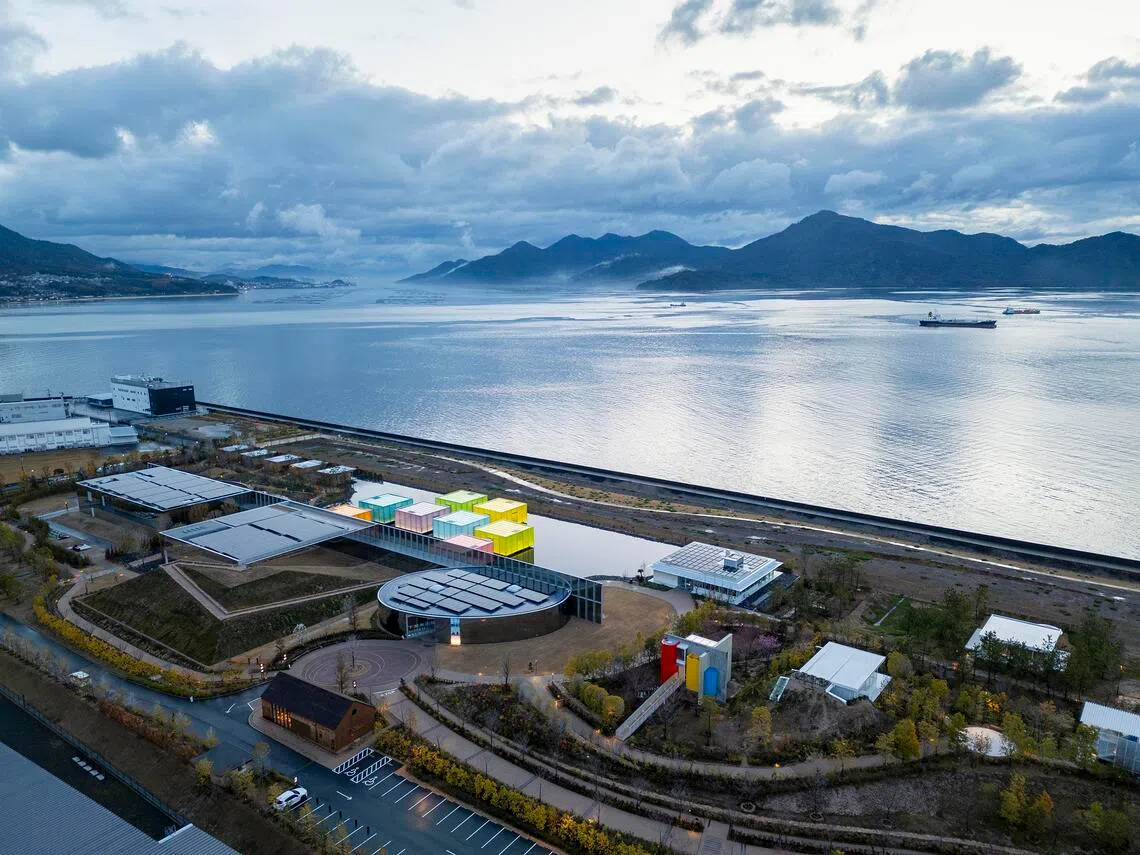
A 40 minute-drive from Hiroshima city, the Simose Museum Art and Simose Art Garden Villa were designed by Shigeru Ban – famed for his use of recycled cardboard tubes to create temporary housing for disaster victims.
Simose Art Garden Villa is an architect’s dream accommodation comprising 10 villas, some of which are replicas of Ban’s own private houses.
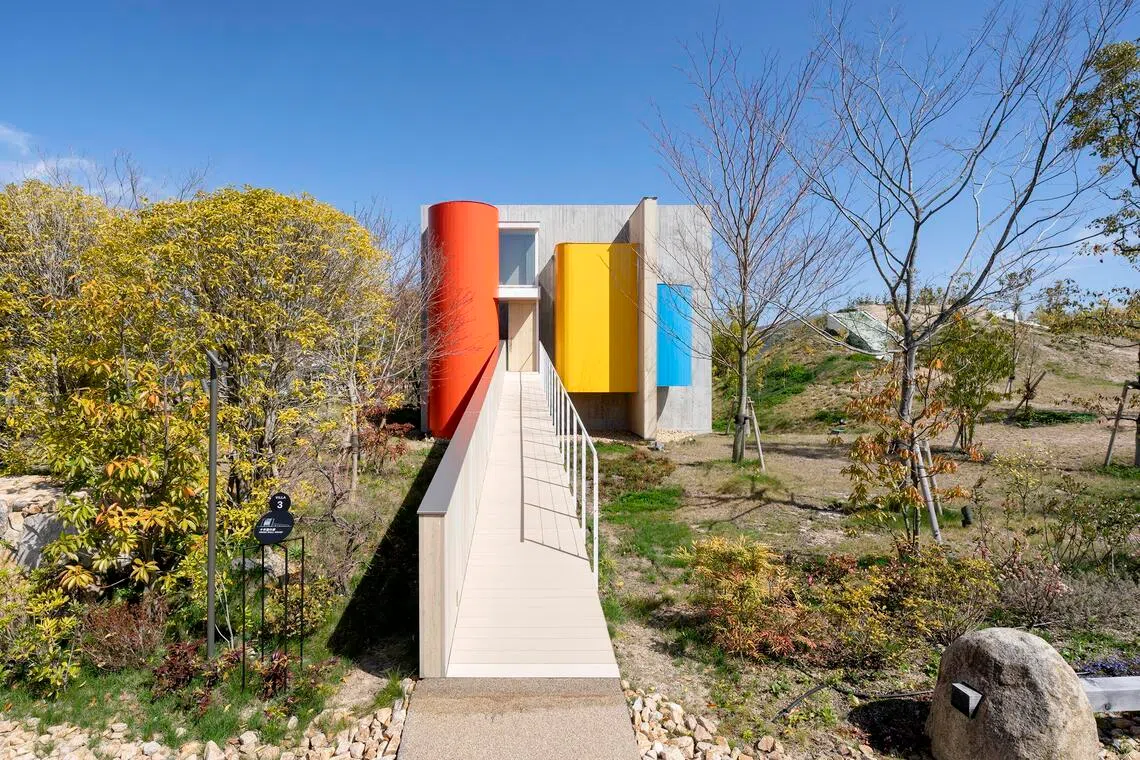
In the same development is the Simose Art Museum, which was crowned one of the “World’s Most Beautiful Museums” at the Unesco-associated Prix Versailles awards in 2024. Luminous and mesmerising to see, it is set against the cobalt waters of Hiroshima Bay. Even if you’re not staying here, there’s a restaurant to tempt you to make a longer pit stop.
Decoding Asia newsletter: your guide to navigating Asia in a new global order. Sign up here to get Decoding Asia newsletter. Delivered to your inbox. Free.
Share with us your feedback on BT's products and services
TRENDING NOW

CSE Global independent director quits after clashes with chairman Eugene Lai over board refresh
Room for more offices, homes and green spaces to make Orchard Road more vibrant

‘I felt like dying’: Thai Singha beer scion speaks up after disclosure of alleged sexual abuse
MAS revises takeover and merger code to enhance competition and disclosures

