Caring for your mind and body
Wellness practitioners offer alternative routes towards self care.
Tay Suan Chiang
Reflexology for the head
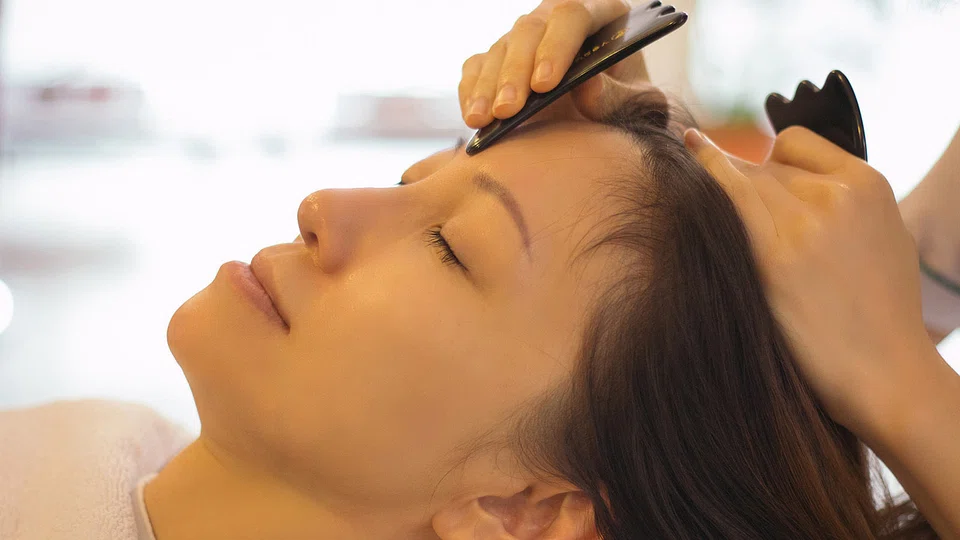
You've heard about foot reflexology, but what about head reflexology? Scalp and hair treatment centre Vesure Hair Therapy believes it's about time to bring this obscure therapy into the mainstream. "Just like the foot, there are pressure points (on the head) that are connected to different organs in the body," says therapist Linna Lim, who studied head reflexology in Taiwan for six months. Vesure is said to be the only place in Singapore to offer such a treatment.
A 45-minute session is priced at S$58, and starts with a herbal shampoo and blow-dry. Ms Lim then does a head massage using her fingers, before gently running a pair of gua sha tools across the scalp to stimulate acupoints on the head.
The relaxing treatment sees some clients dozing off during the session. Ms Lim says that most of them are working professionals. Like any other treatments, regular visits are encouraged. "We advise clients to come once a week, and then decrease it to twice a month," she says.
Benefits of head reflexology include better blood circulation, sleep and concentration, fewer migraines and tension headaches. Regular sessions are also said to slow down hair thinning, encourage healthy hair growth, and tightening of the scalp which means less facial sagging.
Speak up for your mental health

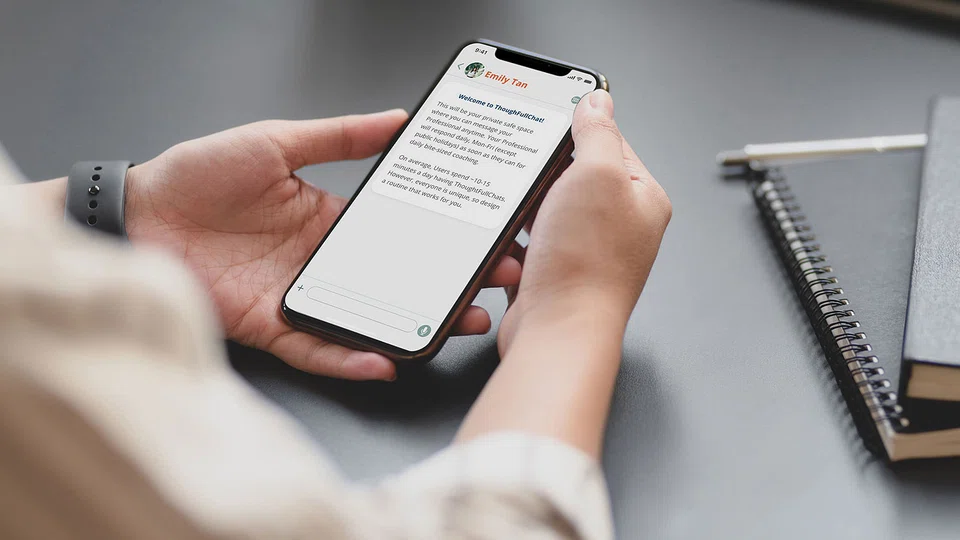
It's okay to not be okay. So if you're feeling overwhelmed by pandemic stress, there is no stigma in reaching out for help. ThoughtFullChat, a newly launched mobile chat platform, connects users to mental health professionals for daily bite-sized coaching.
Founder Joan Low says that while many people view physical health as important in times of pandemic, "mental health is just as important too".
As a mental health caregiver for 20 years, Ms Low noticed that there is a stigma in dealing with mental health issues in Asia. "People are hesitant to be seen going for help, and those who do often find sessions too expensive and unsustainable," she says.
From S$169 a month, clients can get one-to-one coaching with certified counsellors and psychologists. Users answer a few questions, and an algorithm matches them to a suitable pracitioner.
Coaching can be done via the text chatting on the app, voice messaging or video calls. To help clients meet their goals, there are both quantitative and qualitative measurements to meet. Ms Low says over 80 per cent of clients have seen positive changes since using the app.
She says the pandemic has accelerated the demand for ThoughtFullChat's services. Since its launch three months ago, it now has 600 active users. "Even though people are now in recovery mode, compared to the time when we had no idea how to deal with the pandemic, stress and anxiety are still present," she says.
Salt benefits
Known for its anti-bacterial and anti-inflammatory properties, salt has long been used to treat respiratory issues and allergies.
In Singapore, some gyms have salt rooms, but are usually reserved for members.
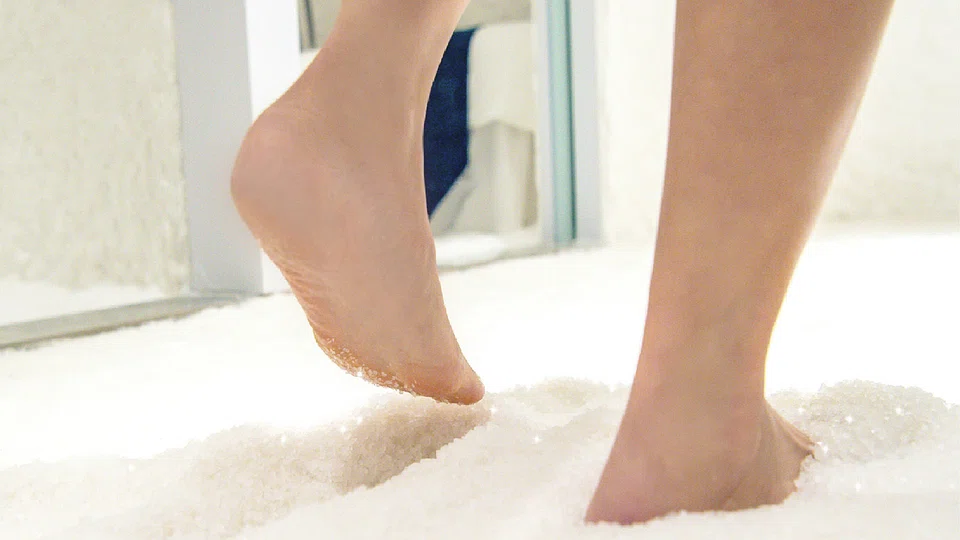
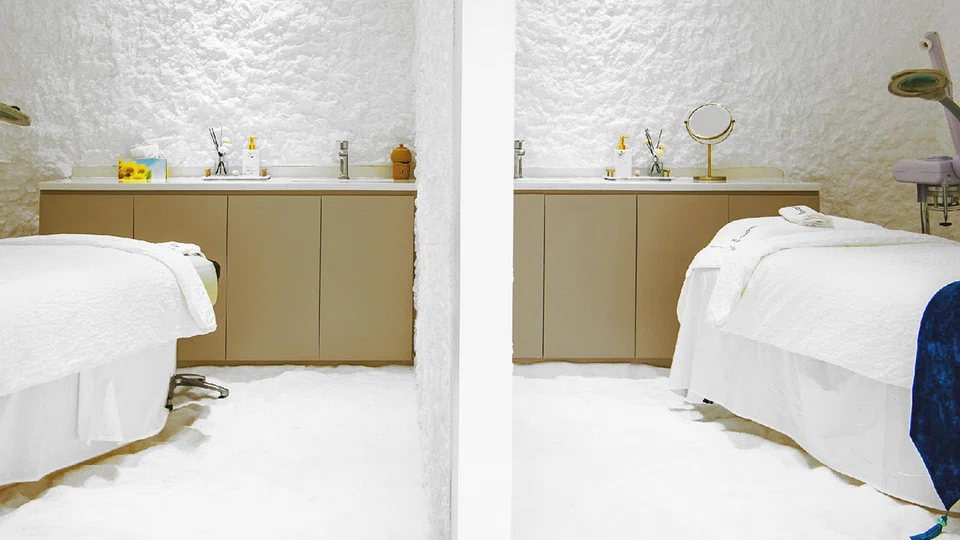
At Pablo Blau, you get double benefits with a facial in the spa's salt room. The walls and floors are coated with pharmaceutical grade salt, while a salt generator in the room grinds and disperses salt particles into the air, mimicking the therapeutic effects achieved in natural salt caves. Pablo Blau
says that a 45-minute session in its salt room is the equivalent of spending three hours in a natural salt mine. For hygiene reasons, clients put on protective footwear before entering the salt room. Inside, indulge in a 75-minute customised facial for S$89, which can help with anti-ageing, hydration and collagen production.
Having a facial in a salt room has additional benefits such as strengthening the immune system, improving sleep quality, skin regeneration and alleviating skin conditions such as eczema and acne.
Yoga for your dosha
If your regular yoga session isn't giving you as much ohm as before, or if you are just new to yoga, consider picking a class based on the ancient science of Ayurveda.
According to Ayurveda, every person has a unique combination of five elements - earth, water, fire, air, and space within their physical constitution, which determines their dosha -- Pitta, Vata or Kapha.
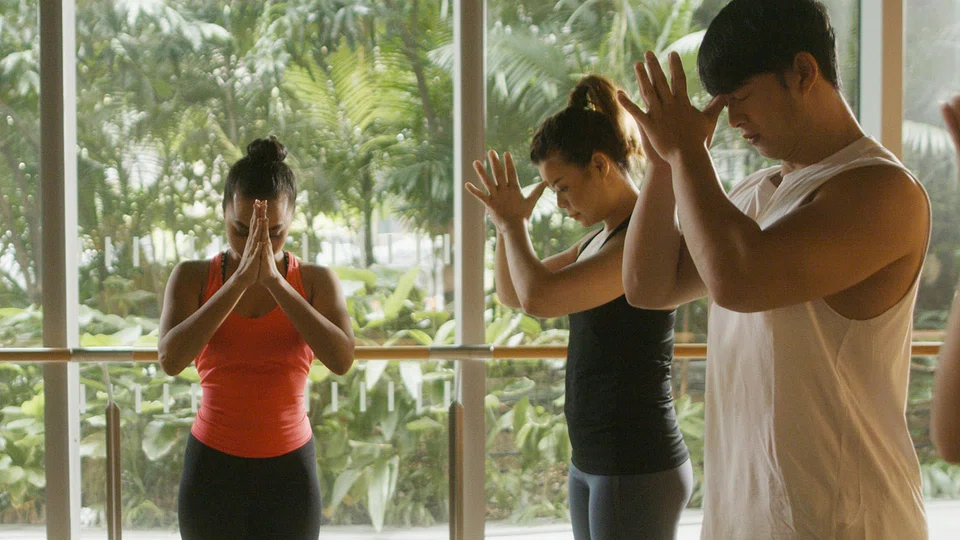
Virgin Active's new programme, Yoga for Every Body, offers three styles of yoga classes to suit each dosha. A simple questionnaire helps you find out where you fit. The idea behind combining Ayurveda and yoga is to pinpoint your physical and emotional imbalances, and find the right yoga style to achieve an equilibrium.
If you have a relaxed, slow but steady disposition, then you are likely to be a Kapha, so the Flow class is recommended because the sequence of poses is quick, intense and dynamic. A Vata tends to be creative, artistic and ungrounded. They would do well in the Align class, which incorporates a variety of seated and standing poses, to create a sense of calm and centredness. The muscular, organised but controlling Pitta will be more at ease in the Calm classes, where the poses are mostly done seated or reclining, and are held for a longer time with a focus on breathing.
Decoding Asia newsletter: your guide to navigating Asia in a new global order. Sign up here to get Decoding Asia newsletter. Delivered to your inbox. Free.
Copyright SPH Media. All rights reserved.