Cheong Soo Pieng: What lies beneath
Exhibition invites visitors to peer under the material surface of the artist’s works

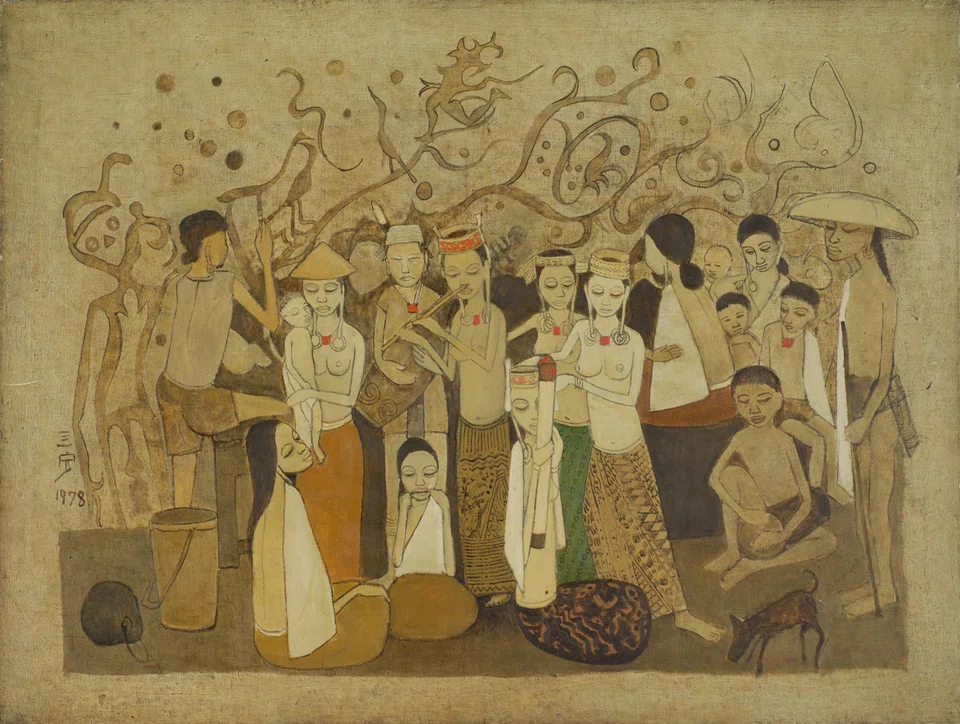
HE PAINTED on jute, gunny sack, straw and other unusual South-east Asian materials. He drew on Chinese, Malay and Western aesthetic traditions and synthesised them into his own distinctive style. Among the Nanyang artists, Cheong Soo Pieng was arguably the most innovative and iconic.
It is fitting, then, that the National Gallery Singapore has subjected his works to an in-depth material analysis, using tools such as X-ray scans and infrared photography, to reveal his creative processes and use of materials. In South-east Asia, it is the first of such attempts to uncover an artist’s creative processes by dissecting the elemental composition of pigments and mediums.
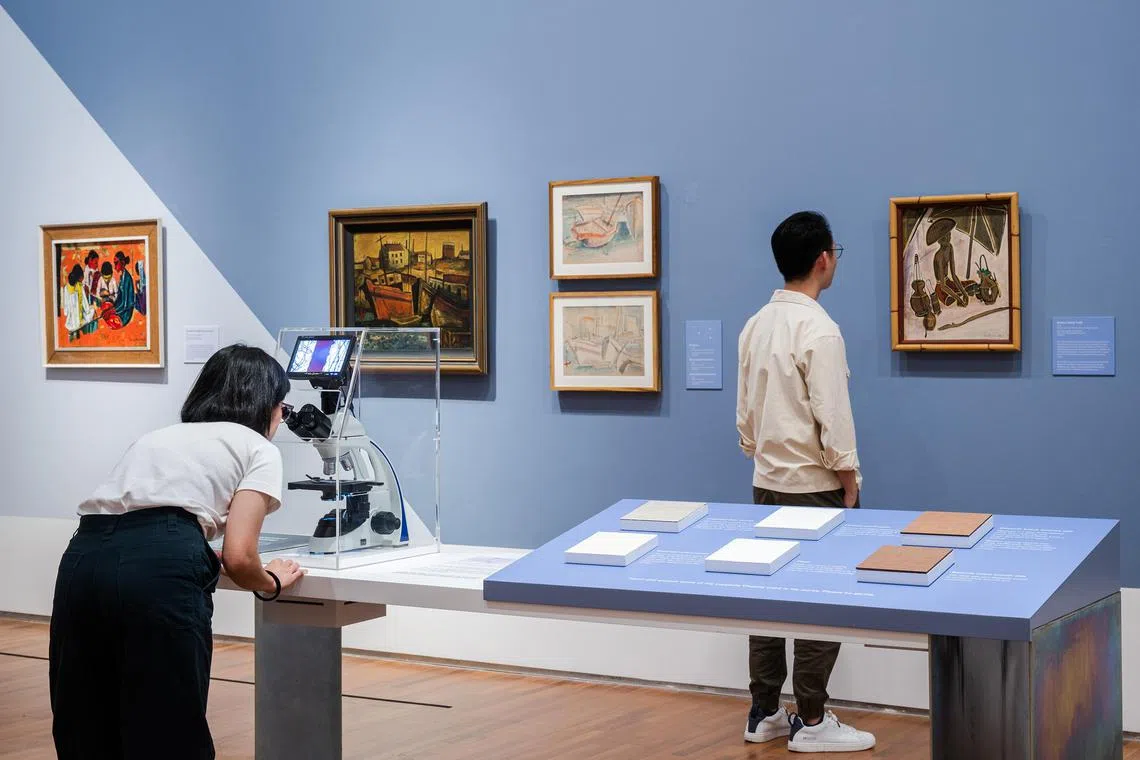
The exhibition titled Cheong Soo Pieng: Layer By Layer highlights 30 artworks hailing from the 1950s to the 1980s. Each has been analysed by Dr Diana Tay, conservator and founder of BARC Labs, with exhibition curator Teo Hui Min, conservators from Heritage Conservation Centre and radiographers from the Singapore General Hospital.
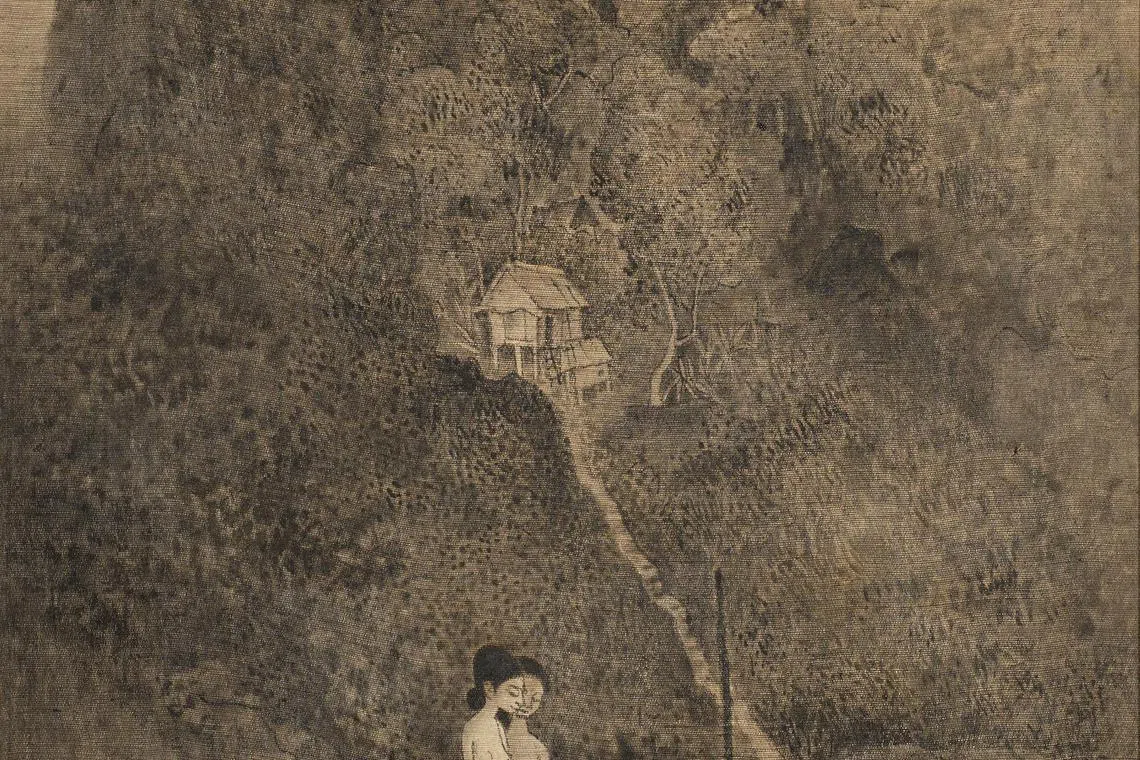
The artworks include some of his most famous, such as Drying Salted Fish (1978), which also appears on Singapore’s S$50 notes; Abstract II (1969), a striking work that merges elements of painting and sculpture; and Landscape (1977), an oil-on-jute painting so gossamer and delicate, it looks like it could vanish at any moment.
The results of the analyses, in some cases, are genuinely surprising – hidden images that were painted over when Cheong changed his mind; initial sketches that were either honoured or disavowed; several types of ink not normally found in one single work, and other intricate details of pigments, brushstrokes and canvas textures.
The various interactive stations spread across the exhibition space also invite one to inspect paint samples under a microscope, and touch some of these textured materials he used to understand how easy or challenging it is to work with them. By peering beneath the surface of his works, one learns to appreciate the intricacies of his artistic process and the rich tapestry of materials that comprise his legacy.



As a testament to the enduring appeal of Cheong’s innovations, this exhibition underscores the importance of interdisciplinary inquiry in unlocking the secrets of an artist’s oeuvre.
Cheong Soo Pieng: Layer By Layer runs till Sep 29 at National Gallery Singapore. Admission is free.
Decoding Asia newsletter: your guide to navigating Asia in a new global order. Sign up here to get Decoding Asia newsletter. Delivered to your inbox. Free.
Copyright SPH Media. All rights reserved.