

China’s F&B operators eye Singapore’s fine-dining scene, looking to open upscale eateries
Four restaurateurs already operating outlets in town share their experiences and views about the market’s potential
WITH Singapore already having welcomed a slew of Chinese brands into the F&B scene, with offerings from hotpot to coffee, tea and assorted regional cuisines mainly targeting the mass market, it seemed only a matter of time before premium players made their presence felt.
In the past year, at least four upscale restaurants have opened, including two in the last four months alone. On their menus are the likes of hotpot using broth from matsutake mushrooms, premium Ningbo cuisine, Sichuan omakase and even Japanese sushi made by a Beijing chef with a guest list that has included Hong Kong celebrities.
They may be a drop in the bucket compared to the 32 Chinese F&B operators reported to be currently running some 184 outlets in Singapore, but more are in the offing, said Felix Ren, managing director of Wemedia Consulting, who advises brands keen to expand in Singapore.
“We have several clients preparing to enter Singapore’s upmarket F&B market,” he says. Besides Chamoon Hot Pot, which opened earlier this month, “Yue Bai Wei and Burano Group are in the venue-sourcing stage; some other clients are in advanced negotiations with landlords. We’re also in talks with other brands, which we can’t disclose details about yet. But the concepts include Beijing, Anhui and Fujian cuisines, and all are focused on delivering premium dining experiences”.
Tackling the fine-dining segment in different ways
Well aware that Singapore’s fine-dining industry is in the doldrums, especially for Western and Japanese cuisines, Ren sets a definition for his clients that takes into account the competition and the influx of mass market brands. “We set the goal at S$80 to S$150 per person in the common dining areas, and S$180 to S$250 in private rooms.” Noting that most of the high-end places now shuttered were in the range of S$250 to S$500 per head, he adds that his clients “are targeting a different niche”.
Ren says premium players are driven by the same reasons as their mainstream counterparts – intense domestic competition, global brand-building, risk hedging and personal ambitions.
The slowdown in the Chinese fine-dining scene is also spurring them to seek out markets elsewhere. Among them is Yong Fu, which has four restaurants across China and Hong Kong, and a Michelin star in each of its Hong Kong and Shanghai flagships.
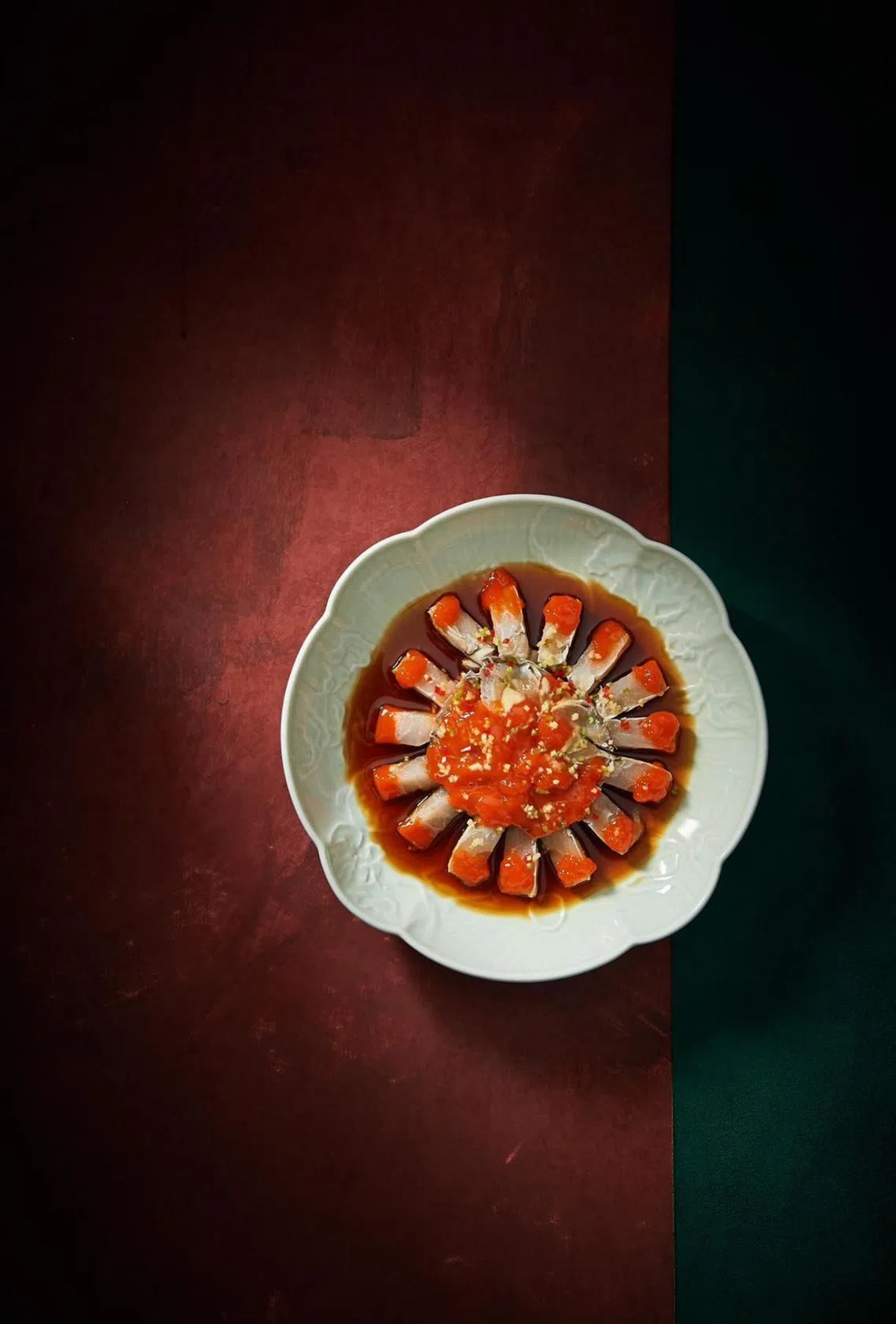
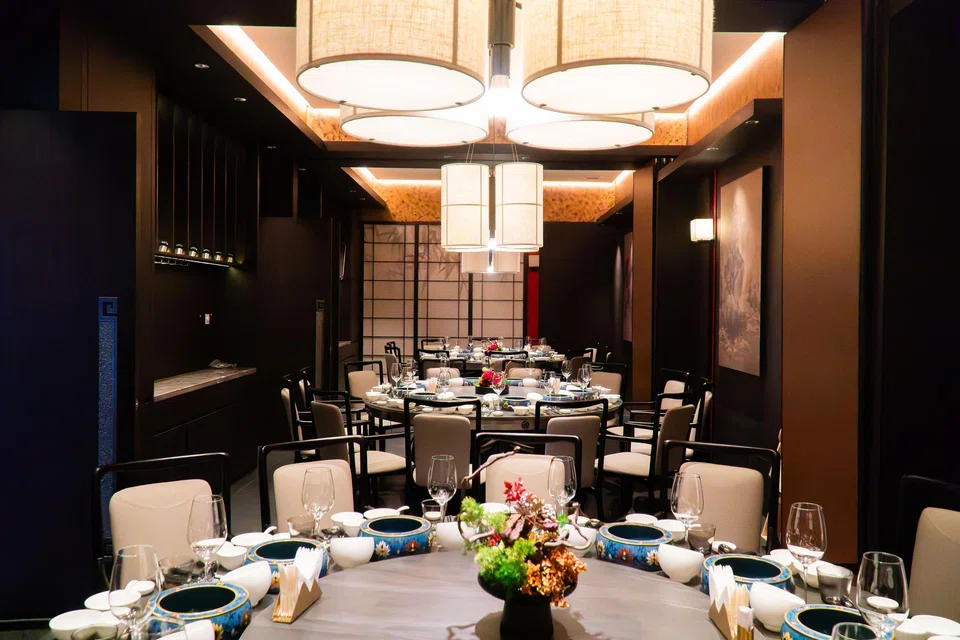
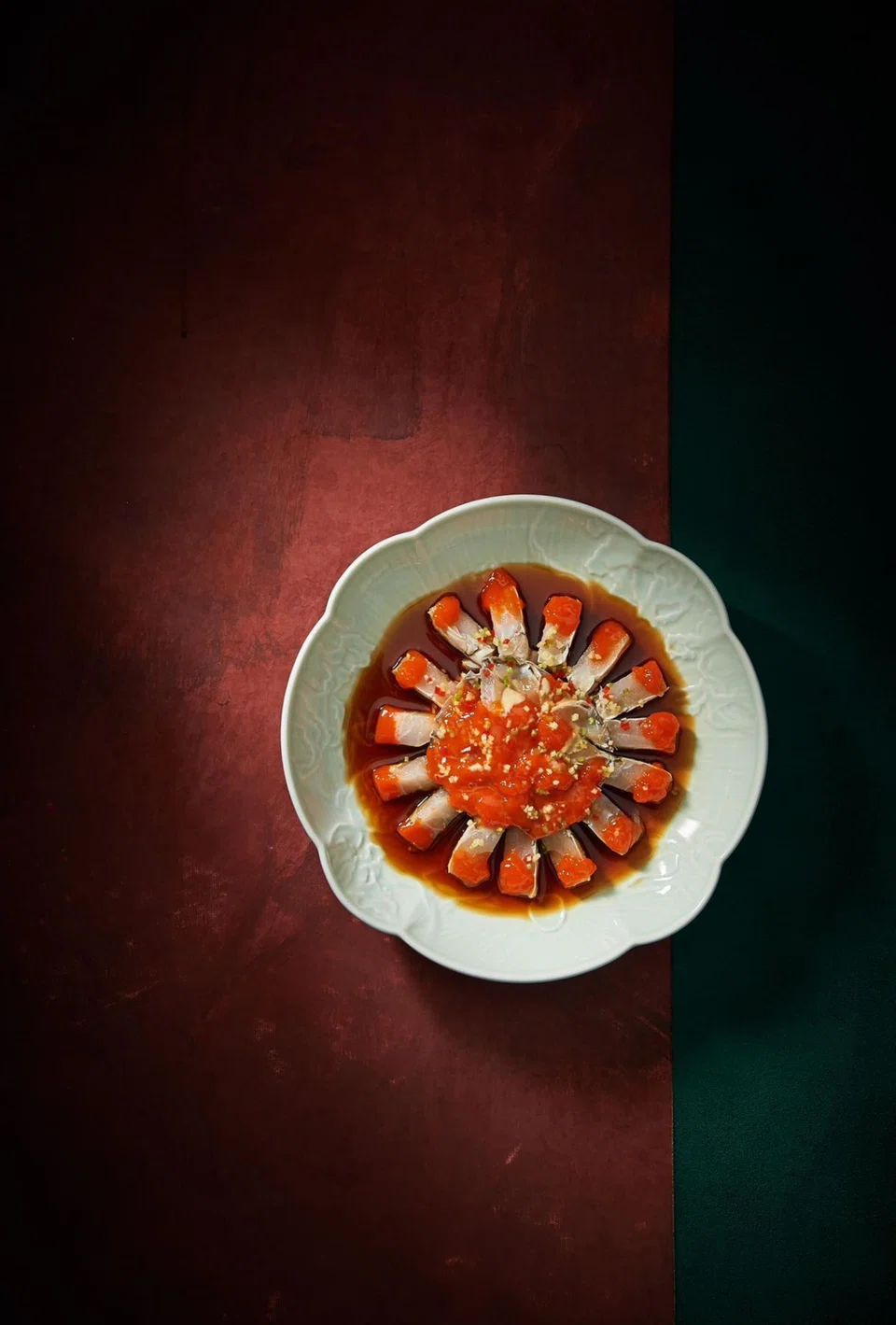
Yong Fu, specialising in cuisine from Ningbo (a city south of Shanghai), quietly opened its 10,000 sq ft restaurant in Suntec City Mall in June; in its six private dining rooms, diners easily spend S$500 a head on specialities such as poached yellow croaker and drunken crab. The response has been “overwhelmingly positive”, says its public relations manager, Wee Kit Bian.
Unlike Ren’s clients, Yong Fu aims at the top end of the spectrum, catering to a clientele willing to spend more than S$1,000 for a prized croaker and S$498 for stir-fried snow crab with glass noodles. Its private rooms in Singapore accommodate four to 20 diners, and even offer en suite restrooms.

Wee says: “Our target customers are both Singaporeans and overseas Chinese expatriates who seek an authentic, elevated dining experience.” He acknowledges, however, that the restaurant’s China business has been hit by the economic slowdown.
“Singapore’s status as a global culinary hub, growing affluence and an increasing interest in authentic culinary experiences, makes it a natural choice for our expansion,” he says. “Our chefs are from mainland China, trained in the traditional techniques of Ningbo, and bring the same precision and authenticity as our Michelin-starred restaurants.”
While the menu has been adapted to local tastes and ingredients, “most of the hallmark recipes are available, including our raw mud crab marinated in wine, ginger and coriander”.
Beijing sushi chef who uprooted to Singapore
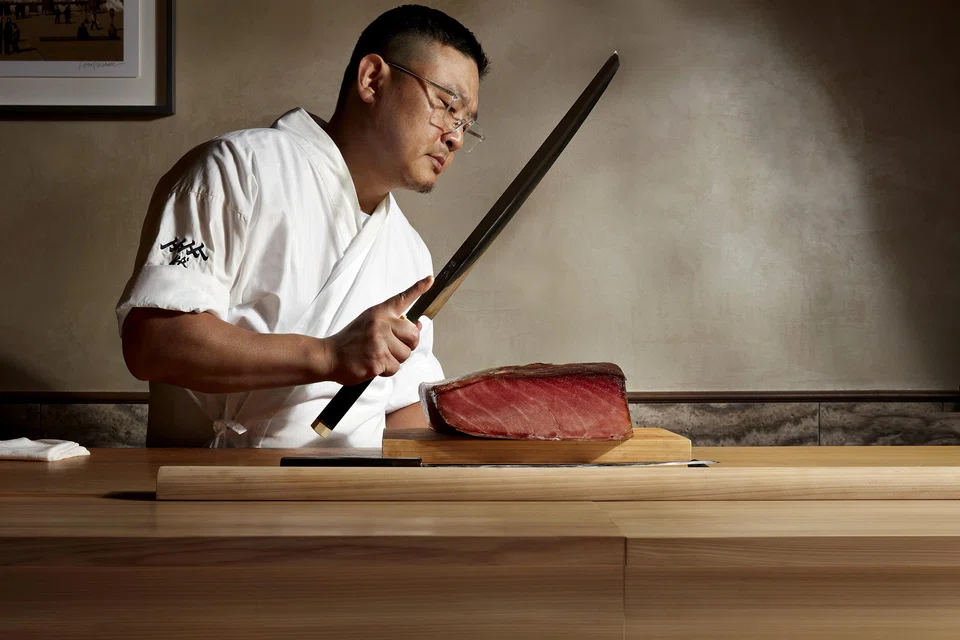
Armed with a resume that included a noteworthy clientele such as Tim Cook, Zhang Ziyi, Carina Lau and Shu Qi in his Beijing restaurant, E Ran moved to Singapore more than a year ago to open a sushi restaurant, despite the saturation of similar Japanese eateries.
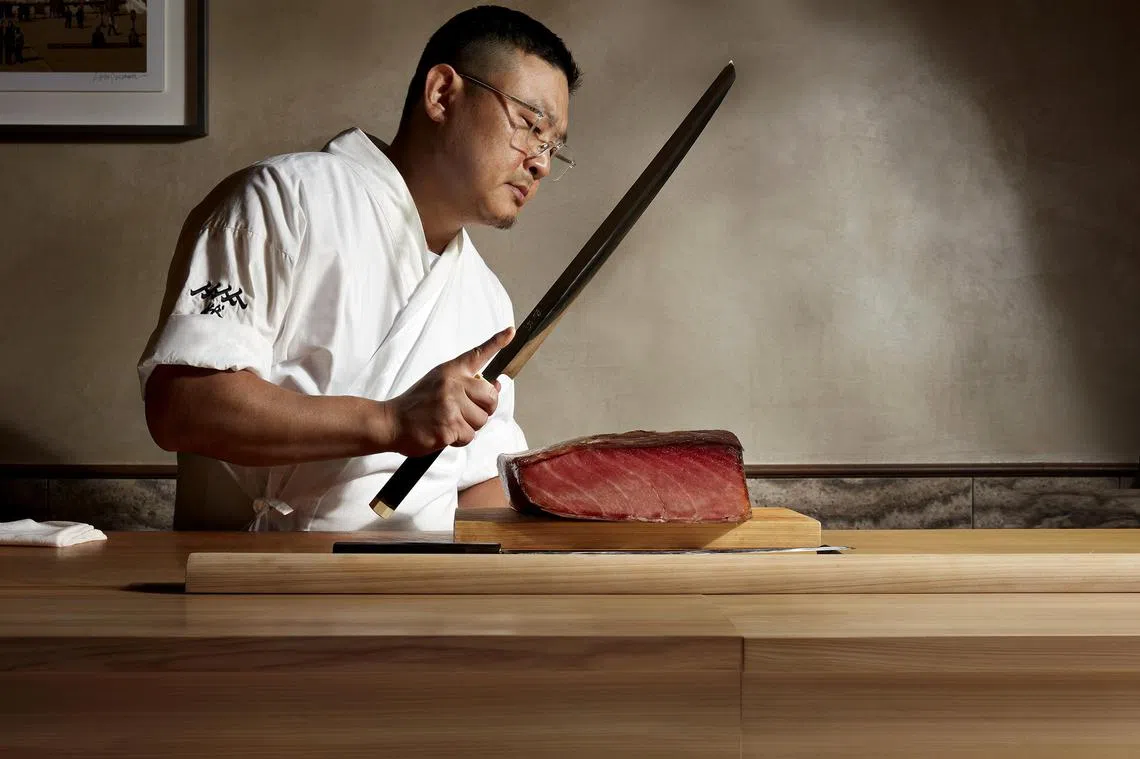
Sushizen in Teck Lim Road in Singapore’s Chinatown is a venture that cost him and his partners some S$900,000. He is unfazed by the competition since “it is very fierce in Chinese cities like Beijing, Shanghai and Shenzhen, where there are also many Japanese restaurants, including those run by Japanese chefs”. He adds: “It’s something we have to face, no matter where we are.”
It’s his first time in Singapore, and he finds himself serving a clientele more diverse than in Beijing, where local Chinese were his primary customers. In his 13 years of operations, he has opened eight restaurants in China serving varied Japanese cuisines at different price points; six of those restaurants remain.
He has personally seen to the operations in all his outlets, because he believes that being able to understand the local market is key to his plans to expand with more affordable concepts and to venture into other countries as well.
His flagship Beijing restaurant has just eight seats with an omakase format, like his Singapore outlet. He commanded a price of S$400 a head in Beijing, but with higher operating costs in Singapore, he started out with S$550 menus. But at that price, he faced resistance in Sushizen’s first year because “it was difficult for local customers to accept”.
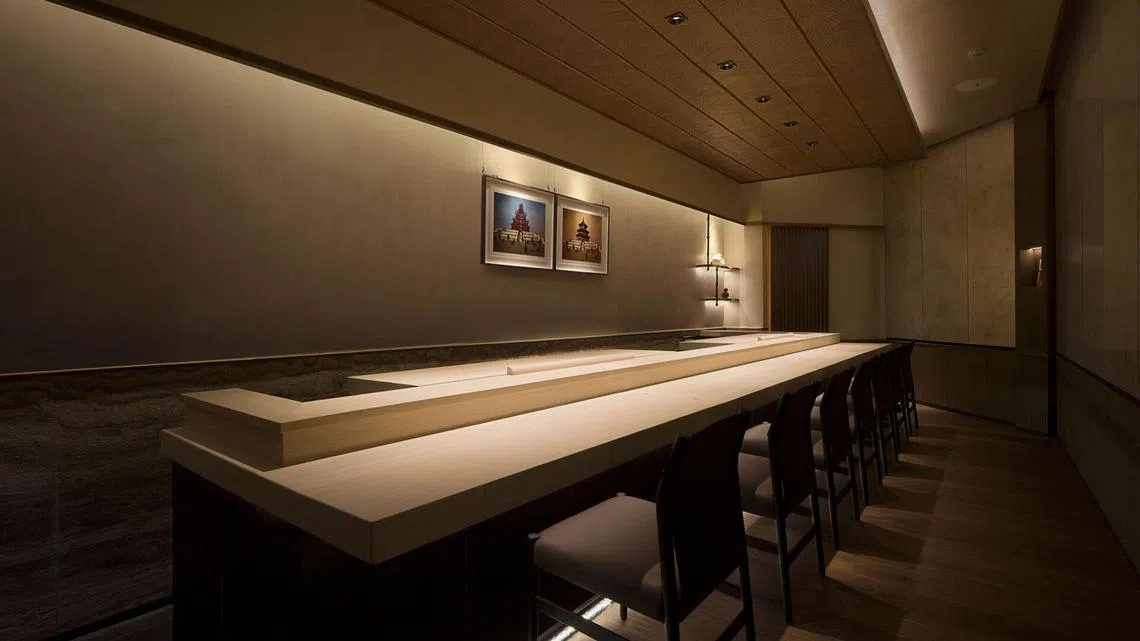
He adds: “Most people would inquire about the price, say they’d consider it but were never seen again. I adjusted the price, adding S$150 and S$258 menus, and gradually, more customers began to come in. But many still opt for the S$550 menu.”
His main customer base is split between Singaporeans and overseas Chinese, but he’s also had an eclectic mix of tourists from Europe, the US, Indonesia and Malaysia “who discovered us online”.
Not being Japanese has been more of an advantage than a disadvantage, says Ran, especially when his customers are Chinese in China or Singapore. “Some non-Japanese diners do encounter communication challenges when they consume various dishes without fully knowing what they’re eating.”
He could easily have stayed on in China, but he didn’t want to be just a local Beijing brand, he says. “We want to globalise our brand, and in terms of geographical location and business environment, Singapore is an excellent choice for our first overseas restaurant.”
Singapore as launching pad
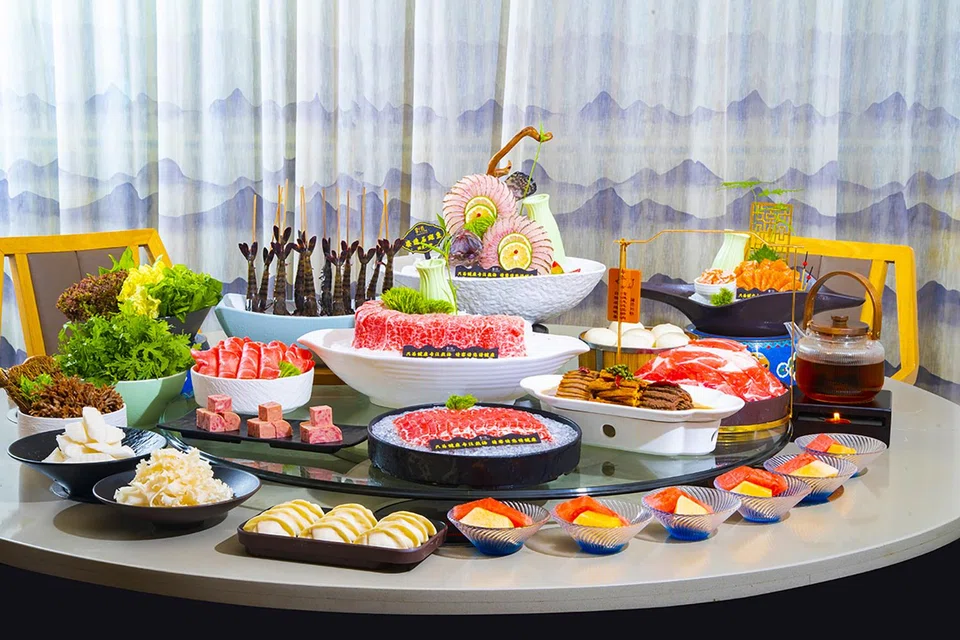
Dispelling the notion that steamboat is a communal dining affair, the newly opened Chamoon Hotpot turns the casual dish into a refined personalised experience, serving individual portions and premium ingredients at its Scotts Square flagship.
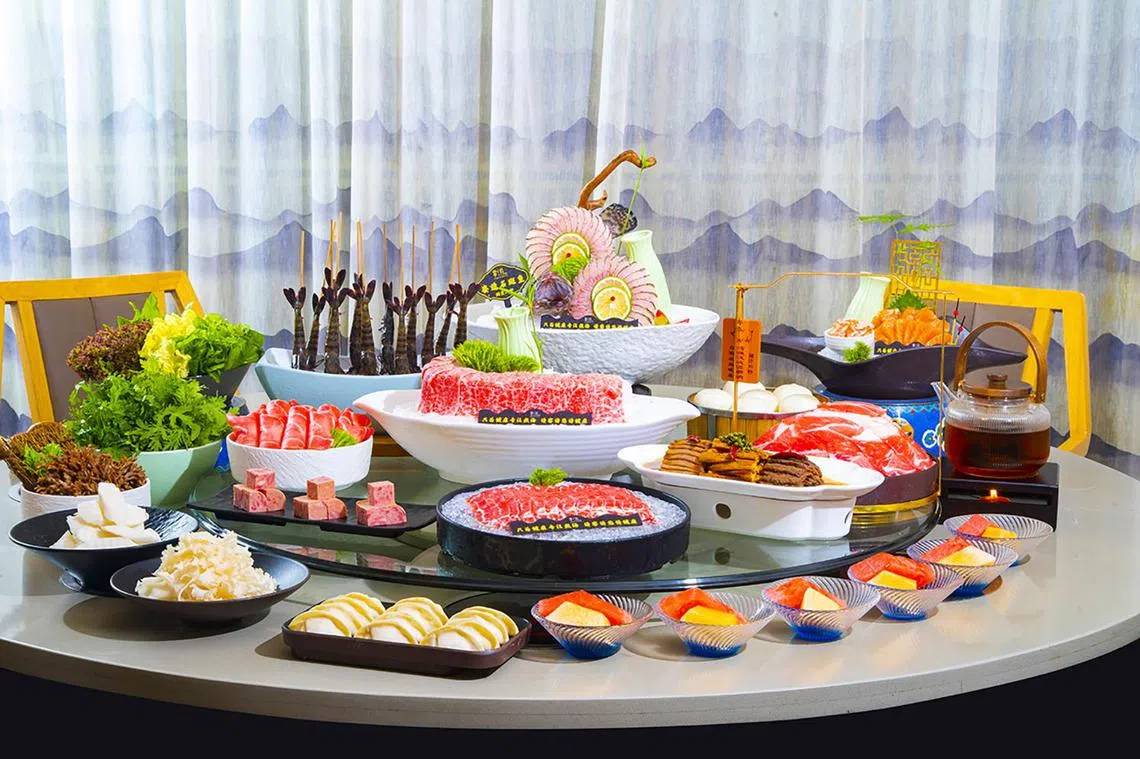
Boasting healthier truffle and matsutake mushroom-based broths, the Sichuan-based Chamoon sees Singapore as its launchpad to other markets such as Malaysia, Indonesia, Japan and the rest of South-east Asia, says its overseas director Xu Xiang.
“It’s true that high-end restaurants in China have been shrinking in recent years, but it’s a normal market phenomenon. Our business has been steadily growing, and just like when we opened 16 years ago, we chose a niche market focused on lighter, healthier options.”
While it’s early days yet, they have been “delightfully surprised” by the response to its offerings in Singapore, which include a Singapore-exclusive mala and a collagen-rich papaya-tomato broth. The plan is to open more outlets, “depending on the market’s acceptance level”, says Xu.
Winning over local palates and wallets
For Peng Kun Lin, a Singaporean with roots in Sichuan who opened KUN as an omakase restaurant with his Chinese restaurateur partner in 2023, it hasn’t been easy doing business here.
With an investment of S$1.2 million, the restaurant has yet to turn a profit, but “things are looking up”, he says.
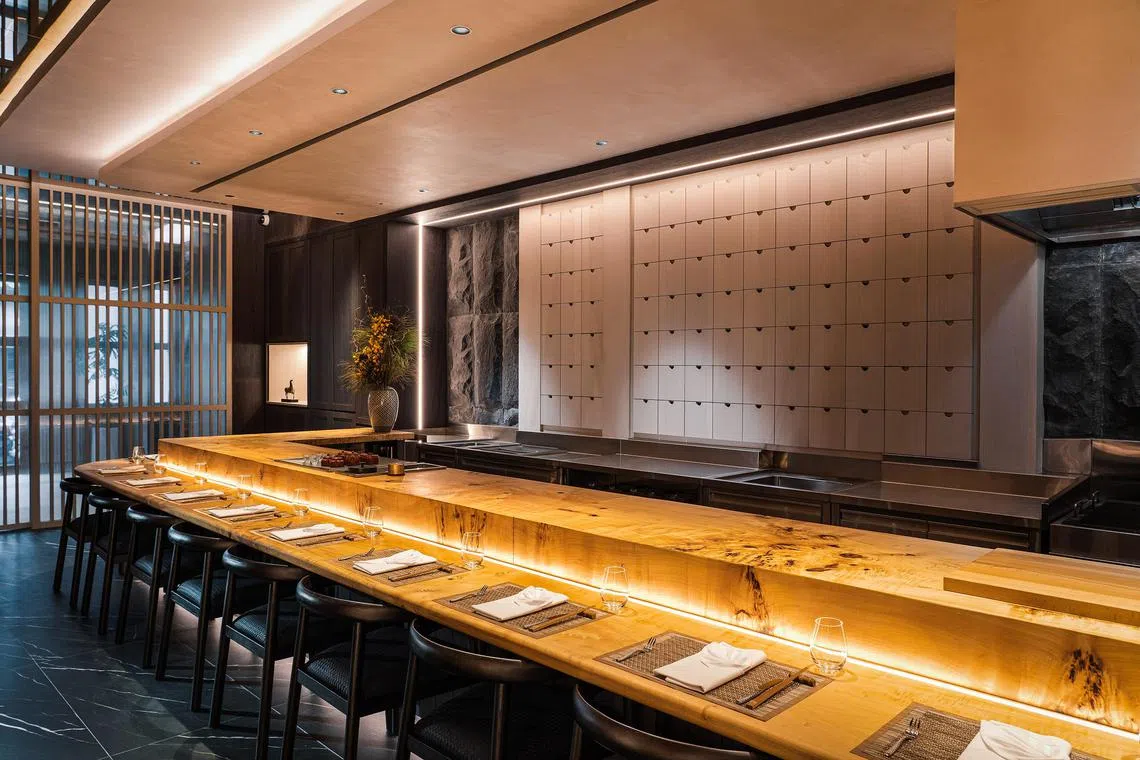
“When we first opened, we weren’t very well known. To position ourselves as a high-end Sichuan restaurant isn’t easy. High-end Chinese dining isn’t as prevalent here as in Hong Kong or China. It takes time to introduce these concepts to Singapore consumers, and for them to accept them and the price points.”
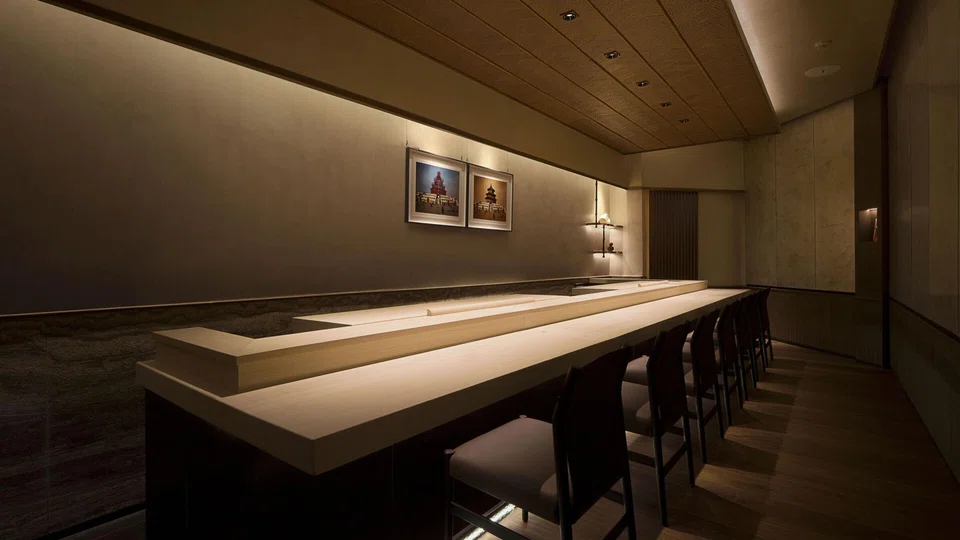
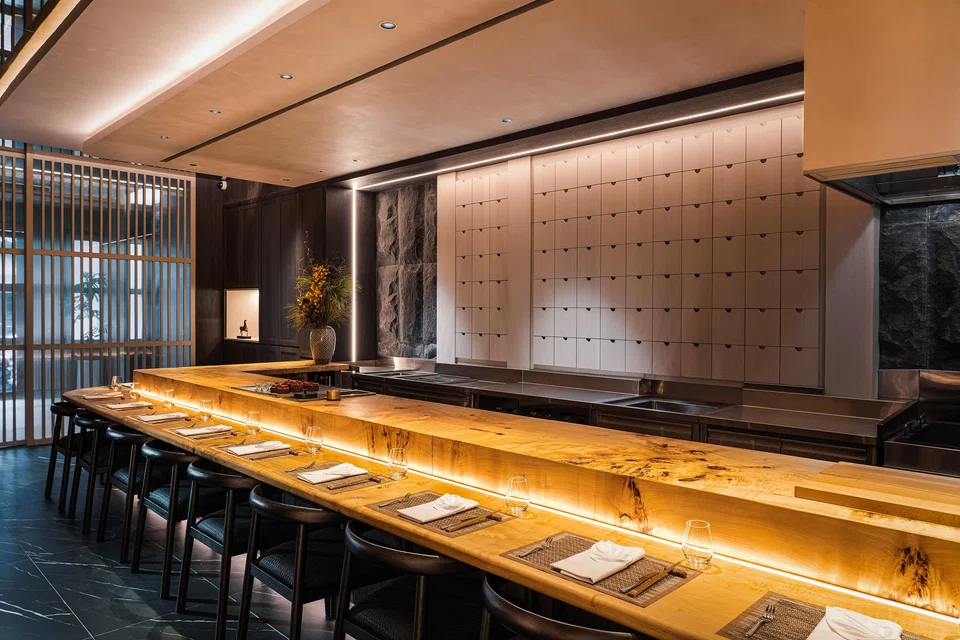
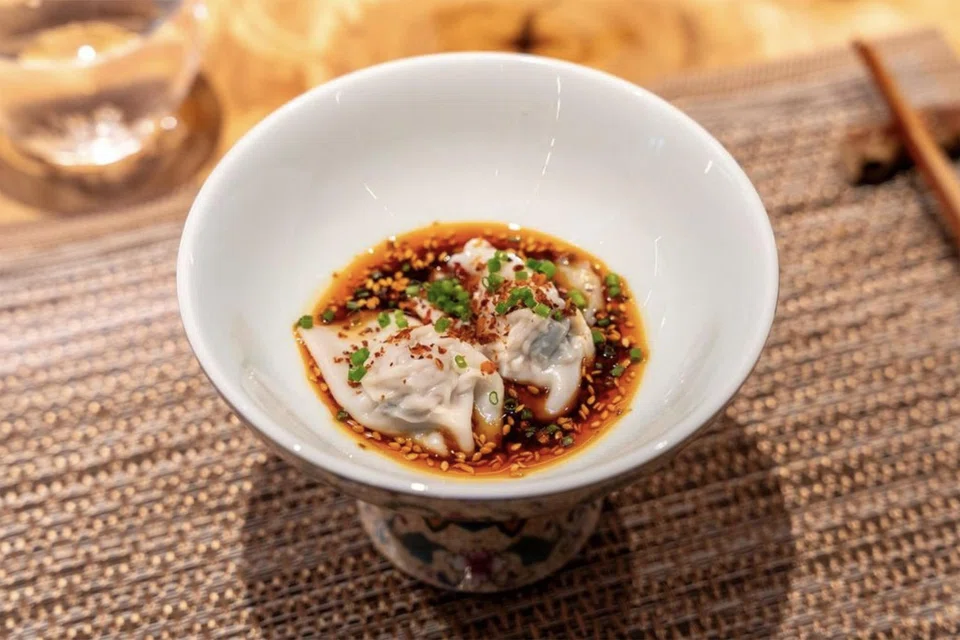
KUN’s head chef is from Sichuan, and while the dishes are authentic, some “minor” adjustments were made to adapt to local palates. The restaurant was designed with a sushi counter, and the food is served in multiple individual courses like in a Japanese kaiseki meal. Initially, it served 12-course menus at S$268, but it has since introduced lower-priced options starting at S$98.
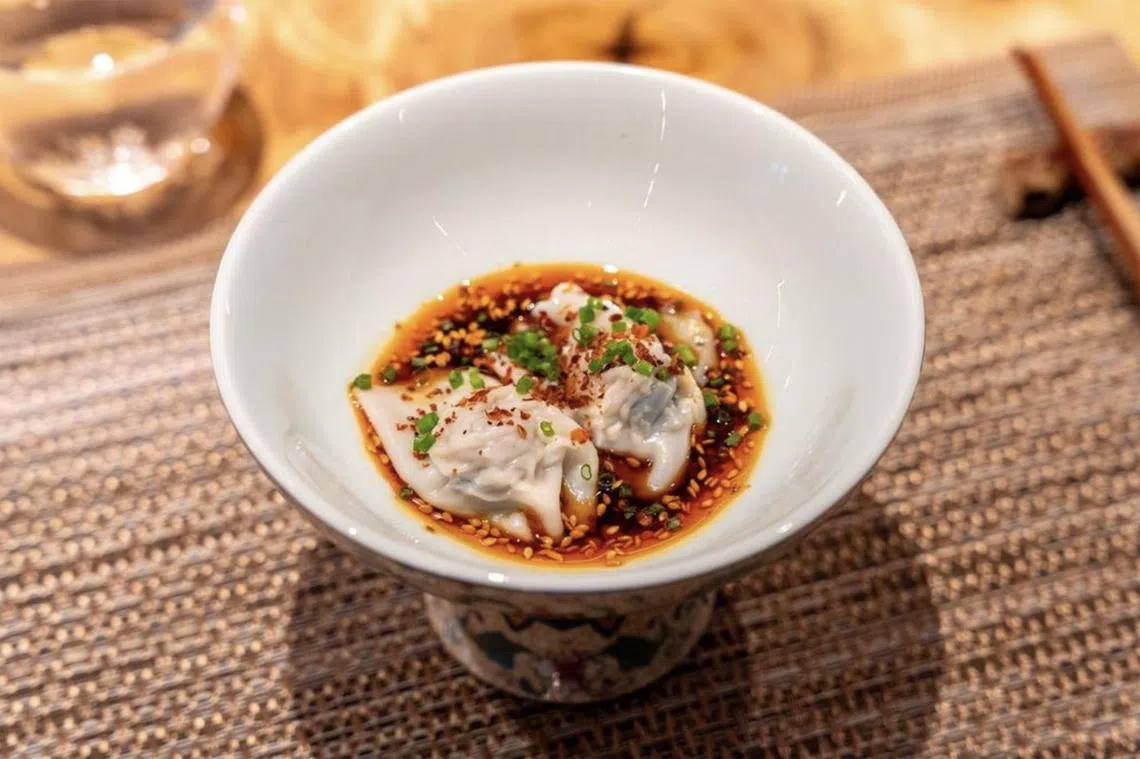
Peng adds: “We’ve been working hard to refine our internal operations, enhance our service and food and build strong partnerships. Now we’re working diligently towards profitability.” Singaporeans make up the bulk of KUN’s clientele, “but we have a significant following from China”, he adds.
But like the other high-end China F&B brands eyeing the Singapore market, he says: “While all businesses involve risk, I believe that there’s a definite market for high-end Chinese cuisine in Singapore. I think we’re on the right track. It is challenging, but it’s the right thing to do.”
Decoding Asia newsletter: your guide to navigating Asia in a new global order. Sign up here to get Decoding Asia newsletter. Delivered to your inbox. Free.
Copyright SPH Media. All rights reserved.
TRENDING NOW

Once staunchly pro-China, Malaysian Chinese businesses are now distancing themselves from Beijing

Looking beyond looming CEO succession, should UOB potentially pursue a transformative merger?

Could stablecoins be the future of money?

Grab CEO’s wife Chloe Tong on life with Anthony Tan and finding her purpose

