

Covid-19 virus may spread more widely by turning lung cells into targets, study finds
Lung cells release tiny particles that carry the key proteins the virus uses to enter cells
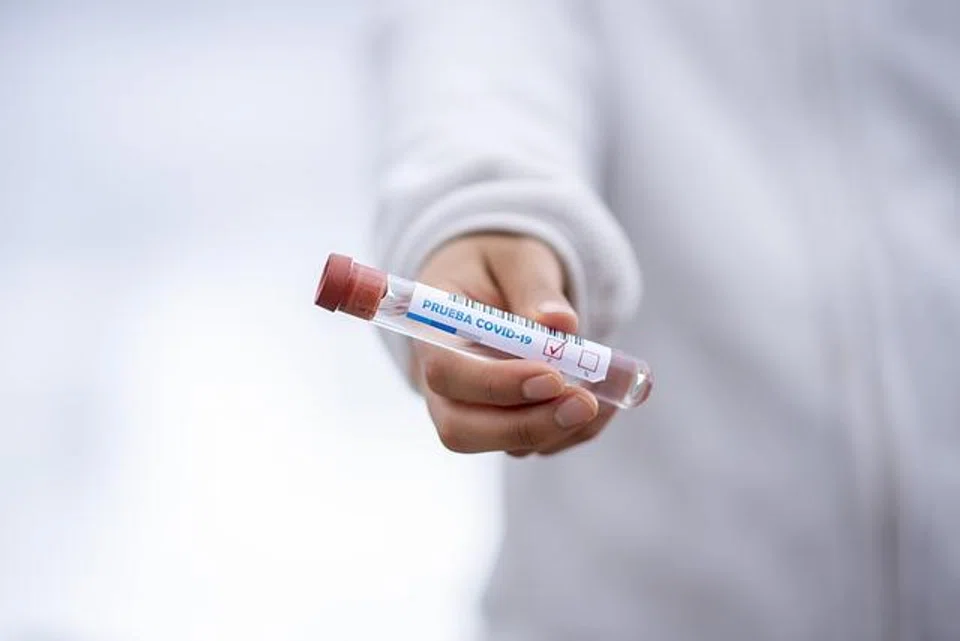
[MELBOURNE] The coronavirus that causes Covid-19 may spread through the lungs by turning previously resistant cells into targets for infection, a finding that helps explain the widespread inflammation and organ damage seen in severe cases and points to a potential new treatment.
Lung cells release tiny particles that carry the key proteins the virus uses to enter cells, researchers at the Icahn School of Medicine at Mount Sinai in New York found. When those particles are taken up by other cells, including immune and blood vessel cells, they can make them newly vulnerable to infection, according to a study published on Friday (Apr 10) in Nature Communications.
That process could help explain a longstanding puzzle in Covid-19: how the virus affects a wide range of tissues, even those that do not appear to produce the necessary entry proteins on their own. Damage to blood vessels and immune cells has been linked to complications including clotting, inflammation and multi-organ failure in severe cases.
The particles, known as extracellular vesicles, appear to act as delivery vehicles for the proteins, effectively expanding the number of cells the virus can infect. In laboratory models, cells exposed to these vesicles were more susceptible to infection, while blocking key components reduced viral spread.
The findings add to growing evidence that the body’s own cell-to-cell communication systems may help viruses propagate once infection takes hold, revealing a previously unrecognised route of infection that could extend beyond Covid-19.
While the research was conducted in lab-grown lung models rather than patients, it highlights a potential new strategy for treatment: targeting the transfer of these proteins between cells. Drugs that interfere with that process could help limit how far the virus spreads within the body and reduce the severity of disease.

Further research is needed to determine how important this pathway is in patients and whether it can be safely disrupted. Still, the findings point to potential new ways to treat Covid-19 and other viral infections, Ya-Wen Chen and colleagues wrote. BLOOMBERG
Decoding Asia newsletter: your guide to navigating Asia in a new global order. Sign up here to get Decoding Asia newsletter. Delivered to your inbox. Free.
Share with us your feedback on BT's products and services
TRENDING NOW

DBS, OCBC, UOB rout lops billions off STI as inflation, rate concerns spook investors

Grab CEO’s wife Chloe Tong on life with Anthony Tan and finding her purpose

OCBC sheds S$8 billion in value as shares close nearly 6% down; analysts cautious on banks

Deal between tycoon friends sparks scrutiny of Philippine power sector

