Going Green
April 22 marks Earth Day, but saving the environment is a daily affair. A growing number of local businesses help make it easier.

HOW did you mark Earth Day this year? By practising the 3Rs of waste management - reduce, reuse and recycle? Or did it pass by with you none the wiser of its significance?
As a country, Singapore has put its Green Plan in place with a blueprint that plots the way to sustainability by 2030. It includes planting one million more trees; producing 30 per cent of our food and becoming a sustainable tourism destination. While the eco-friendly message has still to sink into the mindsets of the majority, a growing number of local businesses are already getting a headstart with a focus on sustainability in their production. Their aim? If they make it, more people may use it. And by supporting such brands, a greener lifestyle becomes a more natural choice.
Reuse Lab
Gustavo Maggio and Wendy Chua are designers who care so much for the environment that sustainable living is a priority not only in their personal lives but in their work too. The couple run Forest & Whale, a multidisciplinary practice that focuses on circular systems and creating products that are better for the future.
In the last two years, they have worked on ways to reduce plastic waste, specifically from food packaging in deliveries and takeaways. During Circuit Breaker (CB) in 2020, the use of disposable food packaging hit an unprecedented high along with food deliveries and takeaways. Such single-use food containers are known to aggravate plastic pollution in the ocean and put stress on the waste management systems.
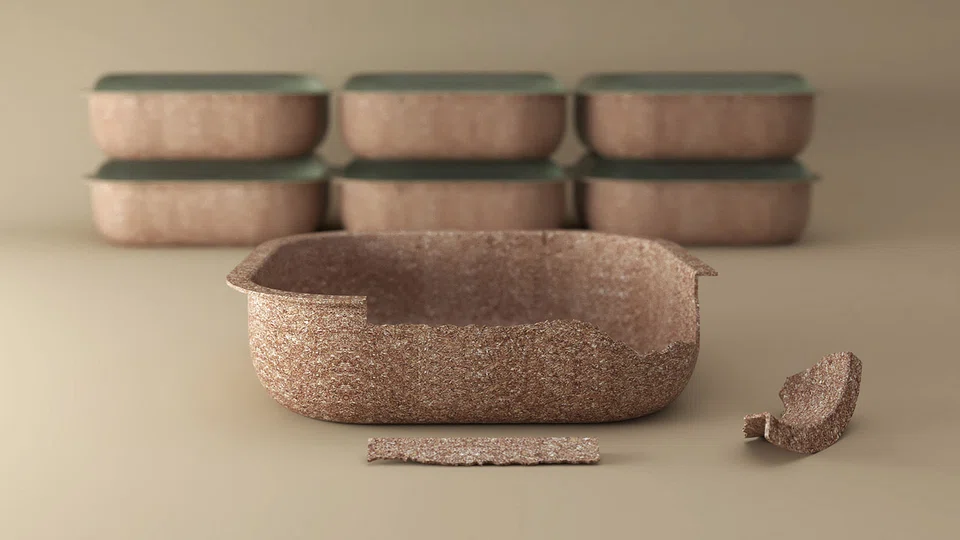
With the support of DesignSingapore Council Good Design Research initiative, the designers came up with Reuse Lab, a project that explores more environmentally friendly food packaging, using compostable and edible materials.
'%3e%3cpath%20d='M12.1475%2025.5262C13.7713%2025.4295%2014.94%2023.913%2014.94%2021.8832C14.94%2019.5359%2013.474%2018.093%2011.5917%2018.093C11.3745%2018.093%2010.9582%2018.093%2010.8393%2018.1413V25.2086L11.8891%2025.5745C11.8891%2025.5745%2012.207%2025.5262%2012.1475%2025.5262ZM11.4934%2017.6281C13.2567%2017.6281%2014.3843%2016.4292%2014.3843%2014.4501C14.3843%2012.372%2013.275%2011.2973%2011.4339%2011.2973H10.8393V17.6305H11.4934V17.6281ZM6.66078%2025.6482L7.39265%2025.5492C8.02617%2025.4502%208.26403%2025.3053%208.26403%2025.1097V11.6149C8.26403%2011.4193%208.1451%2011.3709%207.23484%2011.249L6.68137%2011.173L6.6219%2010.7588H11.9508C15.7153%2010.7588%2017.0624%2012.0797%2017.0624%2014.1578C17.0624%2015.9666%2015.7748%2017.1909%2013.4969%2017.6305V17.7041C16.111%2017.948%2017.6571%2019.5382%2017.6571%2021.7636C17.6571%2024.3318%2015.8937%2026.0417%2012.1109%2026.0417H6.60132L6.66078%2025.6482Z'%20fill='%232B2B2B'/%3e%3cpath%20d='M20.6287%2025.6505L21.5596%2025.5515C22.1725%2025.4779%2022.4104%2025.3076%2022.4104%2025.112V11.249H21.9346C20.073%2011.3479%2018.982%2013.0095%2018.408%2014.6227L18.1907%2015.5018H17.6555L18.1701%2010.7588H29.3837L29.6421%2015.4787H29.1664L28.9491%2014.6227C28.3728%2012.8645%2027.3047%2011.2743%2025.5002%2011.249H24.9856V25.1856C24.9856%2025.3812%2025.1251%2025.4548%2025.9965%2025.5515L26.7695%2025.6505L26.829%2026.0417H20.5693L20.6287%2025.6505Z'%20fill='%232B2B2B'/%3e%3c/g%3e%3cdefs%3e%3cclipPath%20id='clip0_5242_21648'%3e%3crect%20width='24'%20height='16.8'%20fill='white'%20transform='translate(6%2010)'/%3e%3c/clipPath%3e%3c/defs%3e%3c/svg%3e)
Currently in prototype stage is a takeaway salad container made of wheat husk for the base and PHA (bacteria based composite) for the lid. The base is edible and can be composted as food waste, without the need for any special infrastructure or industrial composting facility. The lid is inedible, but PHA is a material with properties similar to plastic but can also be composted without any special facility. If it accidentally enters into the ocean, it will fully decompose within three months, without any microplastic left behind.
Forest & Whale will be launching its Reuse Lab website and Instagram account in May and a crowd funding campaign to bring the takeaway container into market.
Crunch Cutlery Crunchcutlery.com
We don't think twice about using plastic cutlery and then binning them but a whopping 500 million pieces get thrown away by Singaporeans every year.
Alarmed by the amount of plastic waste generated, entrepreneur Anna Lam started her research in edible cutlery.
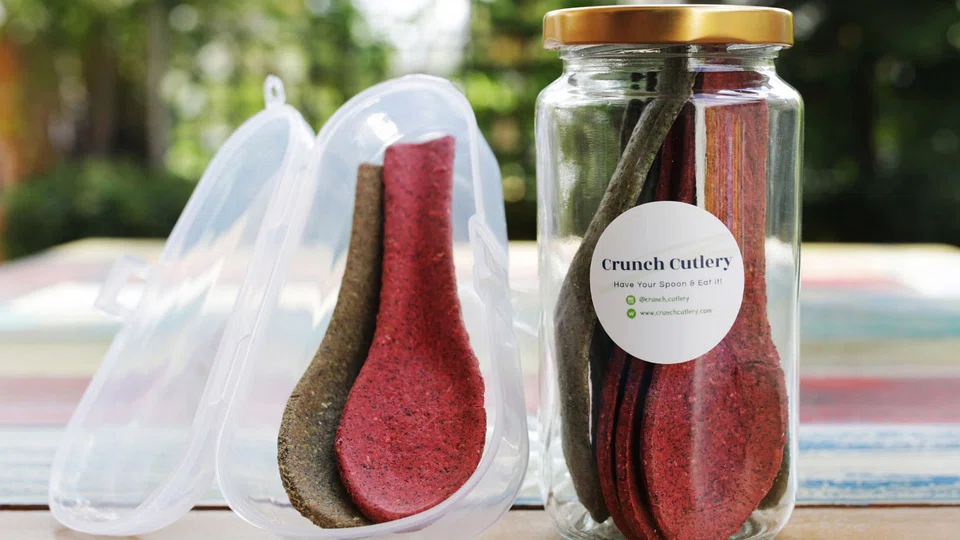
During CB last year, she was inspired to make her own version of edible cutlery. The first versions were baked flour, salt and water. Although it generated a lot of interest, it soon died down and Ms Lam had to consider what unique benefits could be given to encourage customers to keep using it. The result is Crunch Cutlery, a spoon-shaped biscuit made with superfoods such as flax and chia seeds. "It is delicious and nutritious - great for you and the environment," says Ms Lam.
Crunch Cutlery's base ingredients are wheat flour, coconut oil, olive oil, food-grade colouring, olive oil and baking soda. The ingredients are mixed and a mold is used to shape them into spoons, before they are baked. They also come in flavours such as matcha, blue pea lychee, beetroot and strawberry.
The spoons can be used for cold foods such as acai and yogurt and for hot soups too, and there's no worry about altering the taste of the dish. Ms Lam hopes to expand the range to include forks and knives as well. Each spoon costs about S$1.30 which may deter some diners. But Ms Lam says it is all about changing mindsets.
"I want to encourage people to use our product as functional cutleries and eat it after use so that nothing goes to waste," says Ms Lam.
Gin Lee Make ginleestudio.com/collections/ginlee-make
According to a 2018 Forbes report, the fashion industry generates 92 million tons or 4 per cent of the world's waste each year, which mostly comes from offcuts from the production process.
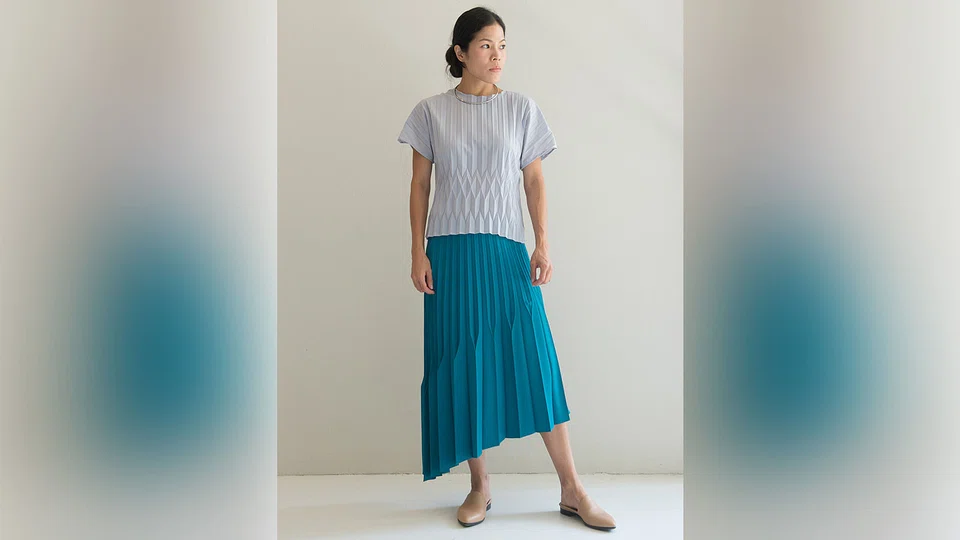
Homegrown fashion designer Gin Lee believes that fashion can be a more sustainable industry. In October 2020, she launched Gin Lee Make, a collection which she describes as "an antithesis against the mass, ready-made model of fast fashion and signifies a return to the tactility of shaping materials".
Put simply, items such as tops and drawstring bags are made only upon order, which means there is no fabric waste. The collection is created with support from DesignSingapore Council (Dsg)'s Good Design Research initiative.
Gin Lee Make uses the pleating technique, and customers can choose their choice of pleats and colours for their items. The process involves pleating and steaming pieces of fabric, which is all done in front of the customer.
Another sustainability effort by the studio is its Get-Order-On Demand (GOOD for short) which allows it to produce less, more precisely and not to have much overstock and waste at the end of the season. Customers get a discount off their purchases when they wait three to five weeks for their orders.
Lion Brewery Co Lionbreweryco.com
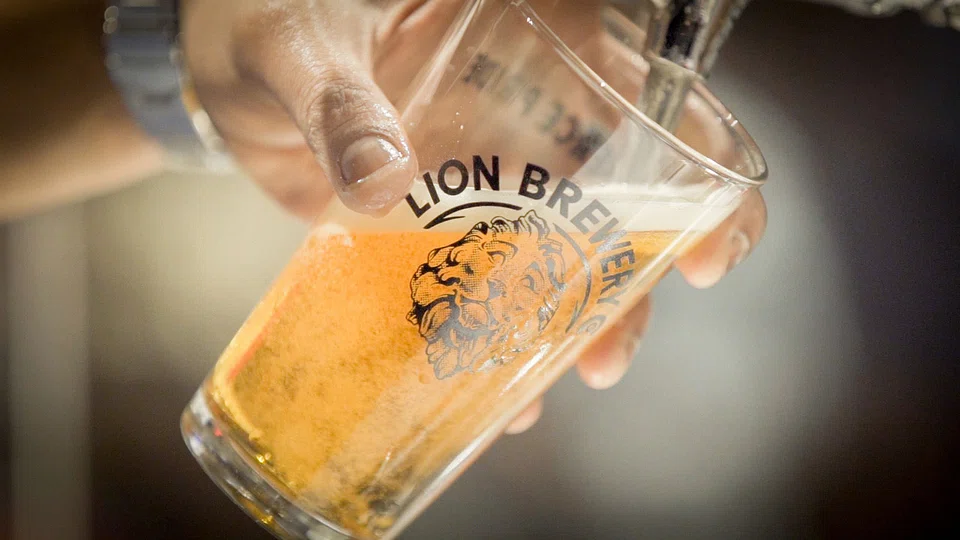
Can you save the planet by drinking beer? You can, if it is from Lion Brewery Co. The Singaporean beer company, which started in 2018, uses ingredients and brewing methods that are not only tastier but also good for the environment and the consumer.
For example, it uses non-chemically treated water that is triple filtered and UV-treated. Its beers are unpasteurised to preserve the flavour, and healthy yeasts and enzymes are used. The water and energy saved from not having to pasteurise beer is an added bonus. It also uses plant-based labels rather than plastic ones for its bottles.
In March, the company expanded its sustainability efforts by partnering with Green Steps Group, a biodiversity-building organisation and carbon dioxide impact specialist.
Lion Brewery Co is believed to be the first brewery in Singapore to offset its beer manufacturing operations' carbon impact via reforestation. Under this partnership, a tree will be planted in the endangered forests in Borneo for every beer keg sold, making each pint sold at the brewery's local venue partners such as Goodluck Beerhouse, carbon negative.
Each tree planted will be geo-tagged under Lion Brewery Co and the partnering F&B venue.
Those who prefer to drink their Island Lagers at home can also sponsor the planting of trees and build their own carbon-capturing forests by adding S$4 to any online order.
The growth of each tree is closely monitored by Green Steps Group, which also has scientists on site to track the overall health of the Kalimantan jungle and the long-term carbon dioxide impact at a per-tree level. Lion Brewery Co is committed to planting at least 2,000 trees by the end of the year.
Aquama sg.aquama.com
Household cleaning products have stayed the same for many years. They come in plastic bottles, and some claim to be more gentle to the user and the environment than others.
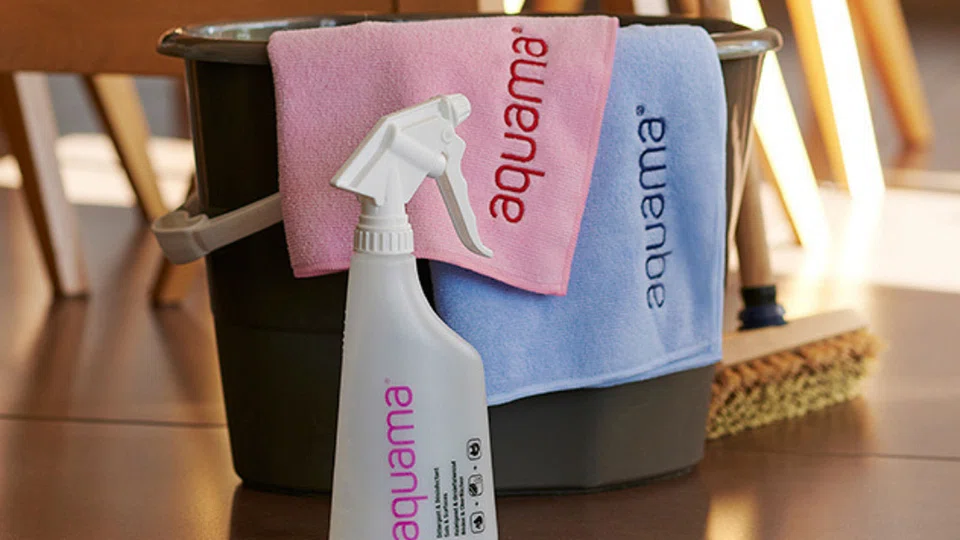
Swiss brand, aquama, is out to change that. For a start, it contains no nasty chemicals, as the biodegradable cleaning solution is made using only water, salt and electricity. It works both as a disinfectant and detergent with no rinsing needed, which saves on water as well.
The solution is made onsite in a special machine, and consumers can bring their own bottles for a refill, which encourages reusing. Currently, consumers can get aquama at The Green Collective, a retail store carrying sustainable products, at Funan Mall.
At S$2.99 for a 600ml refill, Adrien Salmon, its Pacific division general manager, says consumers enjoy about 30 per cent savings compared with buying other brands off the shelves.
Over 90 million tonnes of harmful chemical products are used every year for general cleaning and released back into the environment. Through a hydrolysis process, aquama electrifies water and salt to create an antibacterial and antiviral disinfectant. It is said to be effective against grease too, and doesn't leave any sticky residue or smell.
Besides firms such as the Insead Business School and Da Paolo Group, there are about "thousands" of individuals using aquama as well, says Mr Salmon.
Sigi Skin Sigiskin.com
As a business owner, it makes profitable sense to sell as many products as possible. But Xenia Wong, founder of homegrown skin care brand Sigi Skin, thinks otherwise. "We believe that sustainability starts with being decisive and intentional with the products that we launch," says Ms Wong.
"The beauty industry has become quite fast-paced, with most brands releasing multiple products a year. Some companies might try to sell multiple products to a consumer to solve a single concern but we only release a product if it solves more than one skin concern, and not the other way round."
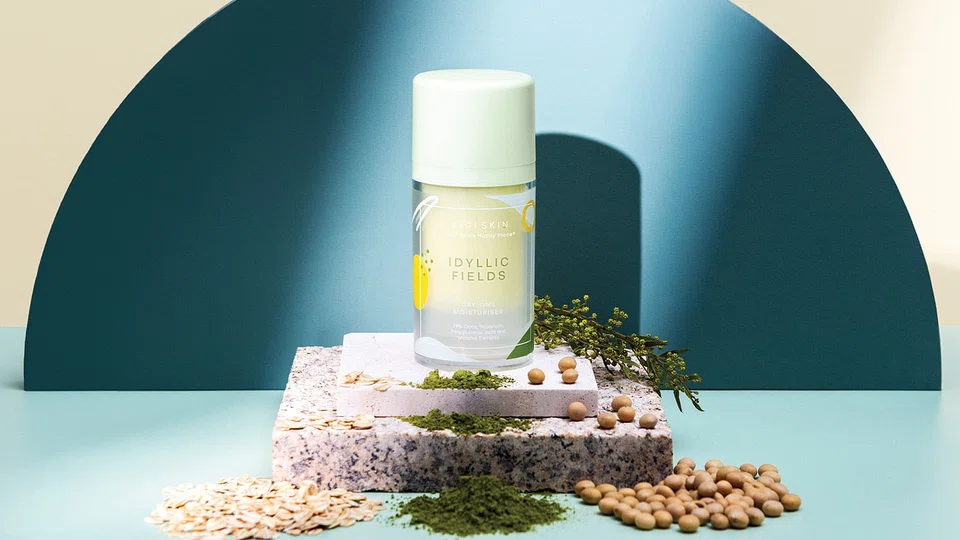
Sigi Skin's latest product is its moisturiser called Idyllic Fields. It moisturises skin but what makes it stand out is that it is made without water. Instead, the formula ingredients such as colloidal oats and polygulatamic acid keep the skin calm and mosturised.
There are benefits of waterless skincare products.
Ms Wong says that, without the use of water, she is able to pack more concentrated actives in the formula, which means that consumers have to use less product each time, and, in the process, reducing wastage.
She adds: "Less water used during production means less water wastage. Water shortage is a real problem and will be more apparent in the years to come. Especially being a Singaporean brand, this is an issue that is very relatable for us."
Sigi Skin also has some products that are made with a special d2w biodegradable technology, where the bottles look and feel like conventional plastic. But, unlike regular plastic, these bottles will degrade and biodegrade in a continuous process without leaving toxic residues or microplastics behind.
Yours Lovefromyours.com
Ever bought skincare products that promise to do wonders for your skin, but give you rashes instead? That said bottle of product then ends up collecting dust on your dresser. It eventually gets thrown out, contributing to an ever growing pile of waste.
Entrepreneur Navneet Kaur believes that by taking the guesswork out of finding the right skincare products, consumers get what they need and there is less wastage.
"What inspired me to start Yours was my curiosity and passion in wanting to fix the product discovery for skincare, after I failed to find the right products for my husband's sensitive skin flare-ups. The journey to finding the right skincare for him, however, was fraught with expensive and wasteful trial-and-error," says Ms Kaur.
Determined to find a solution, she set out to build Yours with the core mission to make skincare simple and sustainable. It also follows the 3 big R's - reduce, reuse and recycle.
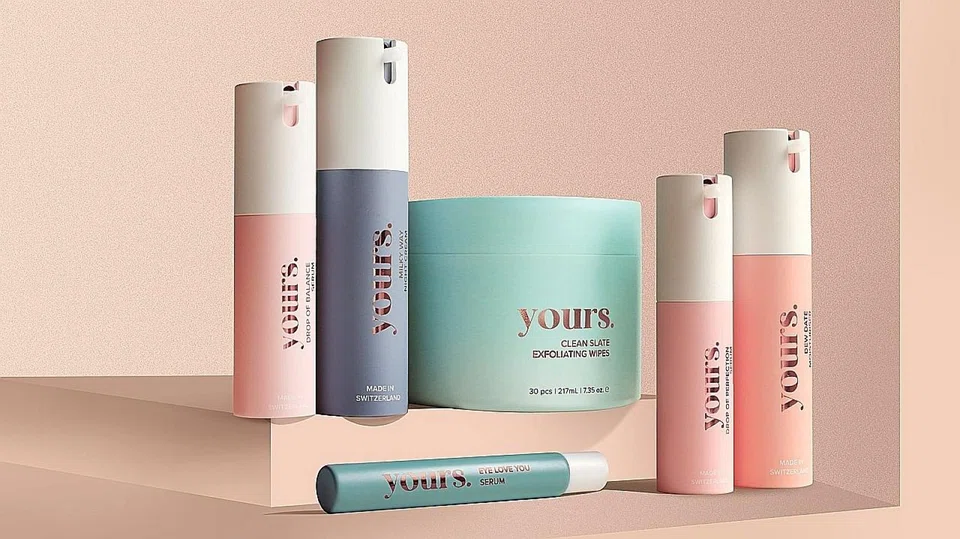
Users fill up a questionnaire about their skin concerns, their lifestyle and the environment they live in, as well as a selfie. An algorithm works out for the user the exact products they need and the ingredients in them, before a personalised skincare set is sent to the user.
Yours uses only ingredients that are sustainably and ethically sourced through a transparent supply chain, and comply with the European Commission's cosmetic regulations. The product formulas are also vegan and cruelty free.
A little known secret that the beauty industry prefers to keep is that each year, billion units of packaging produced end up in landfills and oceans because they cannot be recycled due to mixed materials or contamination.
But with Yours that problem is eliminated. The brand uses packaging that is 100 per cent recyclable and reusable airless pump bottles are designed with a vacuum mechanism, allowing consumers to extract every last drop of the product.
"We also ensure that every aspect of our packaging is recyclable, down to the water-activated paper tape on our delivery boxes," says Ms Kaur.
Decoding Asia newsletter: your guide to navigating Asia in a new global order. Sign up here to get Decoding Asia newsletter. Delivered to your inbox. Free.
Copyright SPH Media. All rights reserved.