

Green is the new black
A growing plant obsession is seeing a spurt of boutique plant retailers.

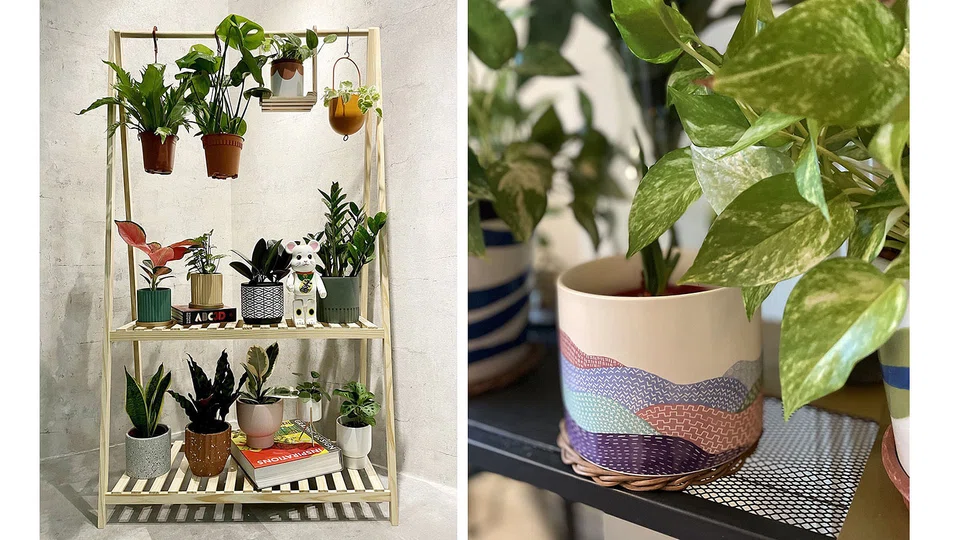
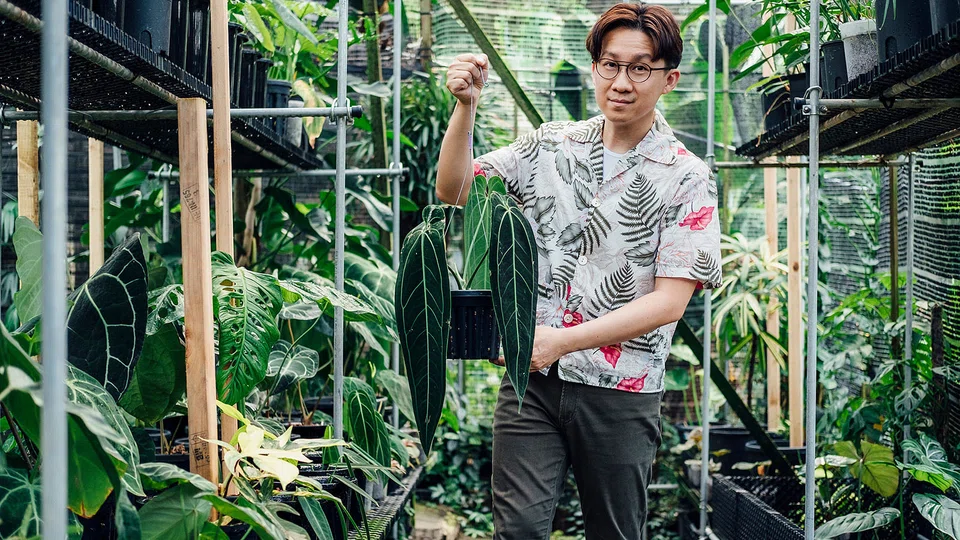
FORGET the Eames Lounge by Charles and Ray Eames, or the Artichoke pendant light from Louis Poulsen. The latest must-have item for the home isn't iconic designer furniture, but potted plants.
As homeowners have been spending longer hours at home since the start of the pandemic last year, they are increasingly seeing the need to add some greens to their space.
Instead of spending money on new bags and shoes, shopping for plants has become the latest fashion accessory to "add to cart".
The recent sale of a S$40,000 rare and exotic Philodendron Spiritus Sancti from Candy Floriculture may have made the headlines and awarded its owner bragging rights, but some retailers say there's no need to spend that much on plants, especially for new plant parents.
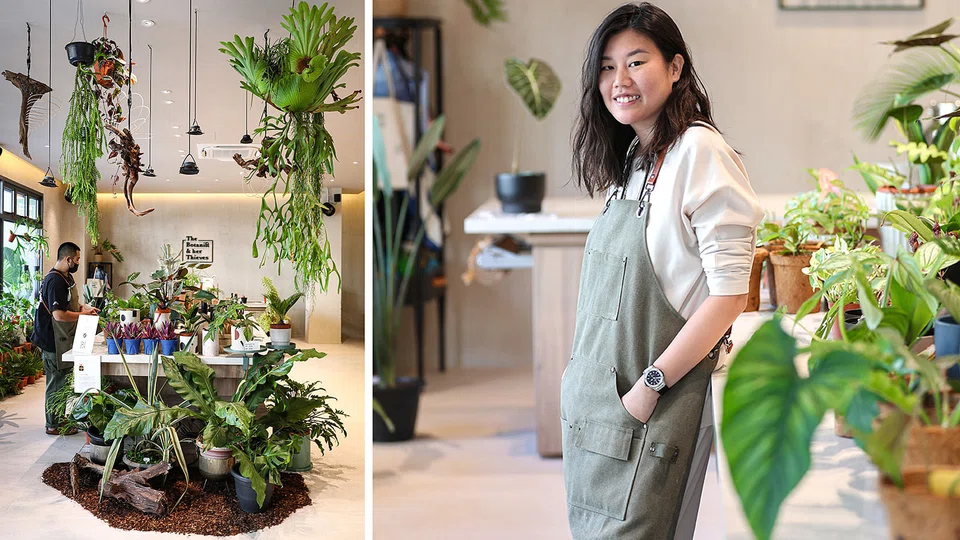
"Growing plants is about gaining confidence at the beginning, enjoying the process rather than stressing over killing that exotic range that you spent your entire salary on," says Cherin Tan, one of four founders at The Botanist And Her Thieves (TBHT).
The rise in demand for plants has not only benefited established and larger nurseries, it has also spawned the increase in smaller boutique retailers, such as TBHT.
Small, indie retailers on the rise
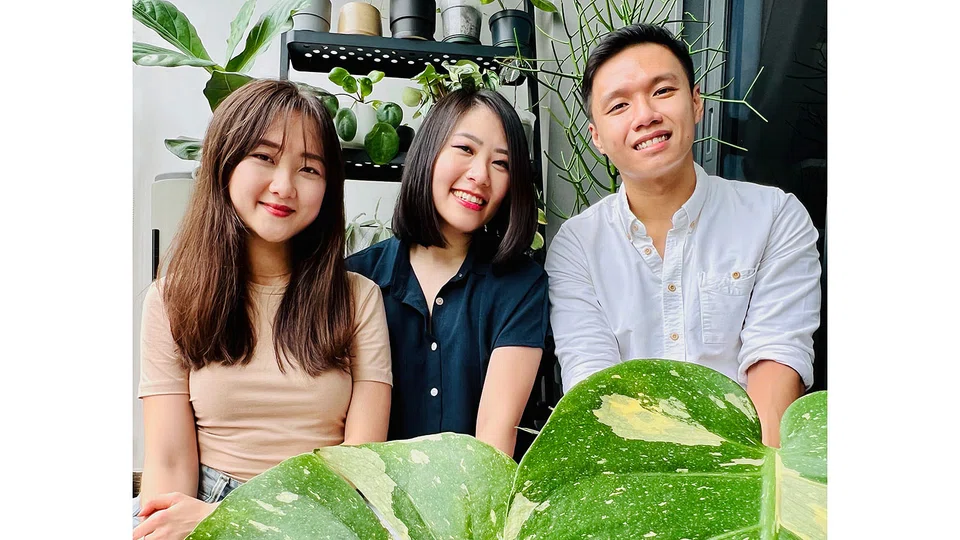
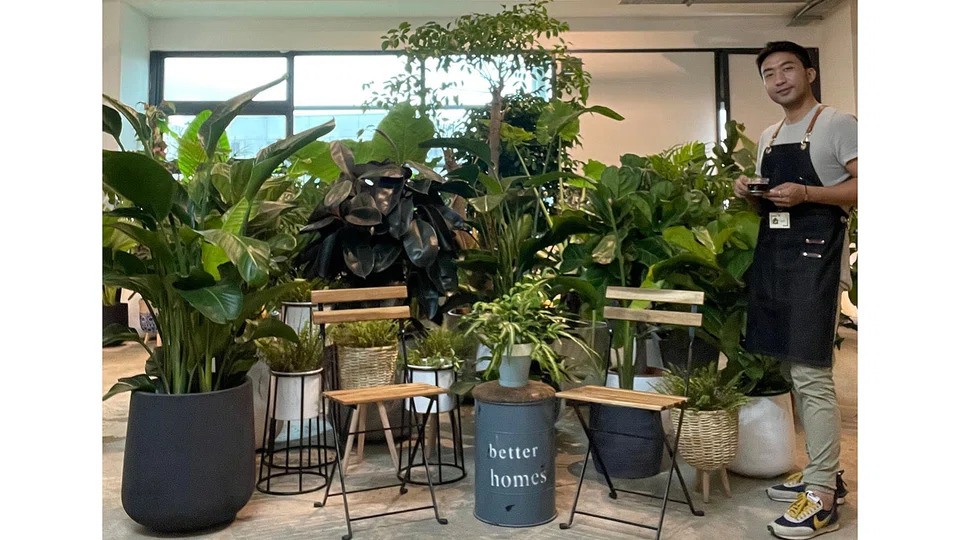
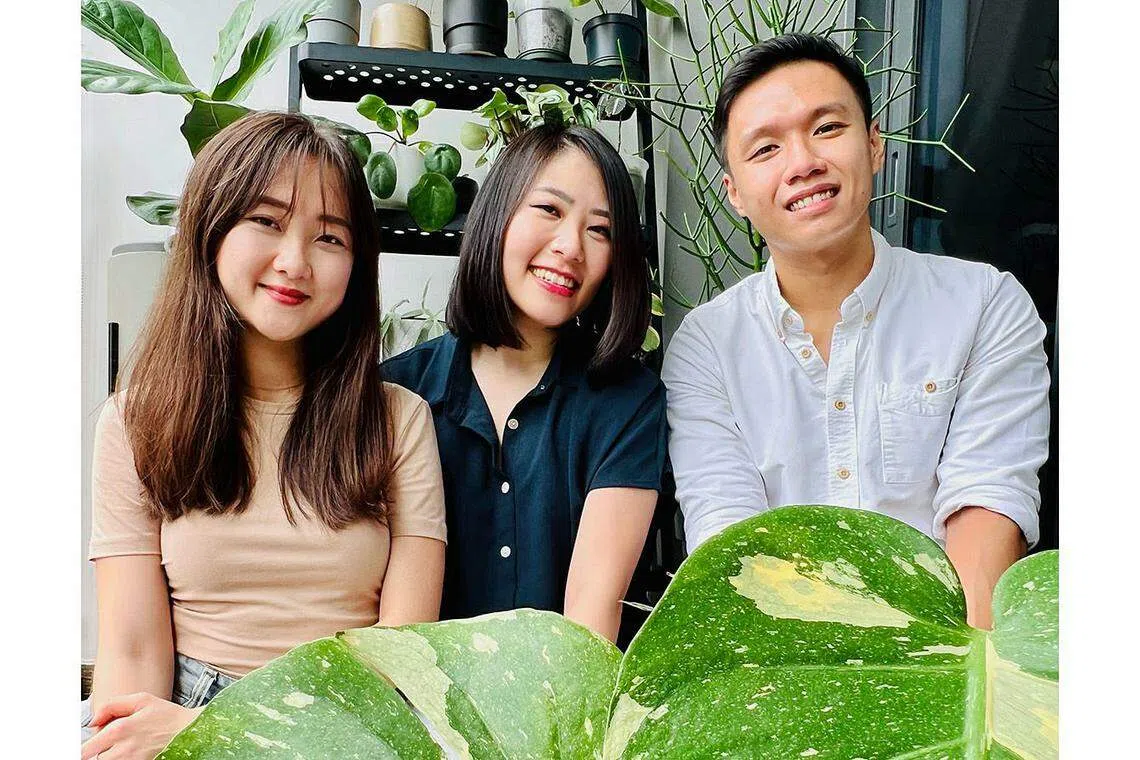
Tan, together with friends, Cheryl Ann Lee, Cara Ang and Michelle Tan started TBHT as a passion project, when they would give each other plant gifts. TBHT started online retailing well-designed and affordable pots and planting accessories.
It recently opened a showroom at Jalan Besar with an expanded range that also includes plants.
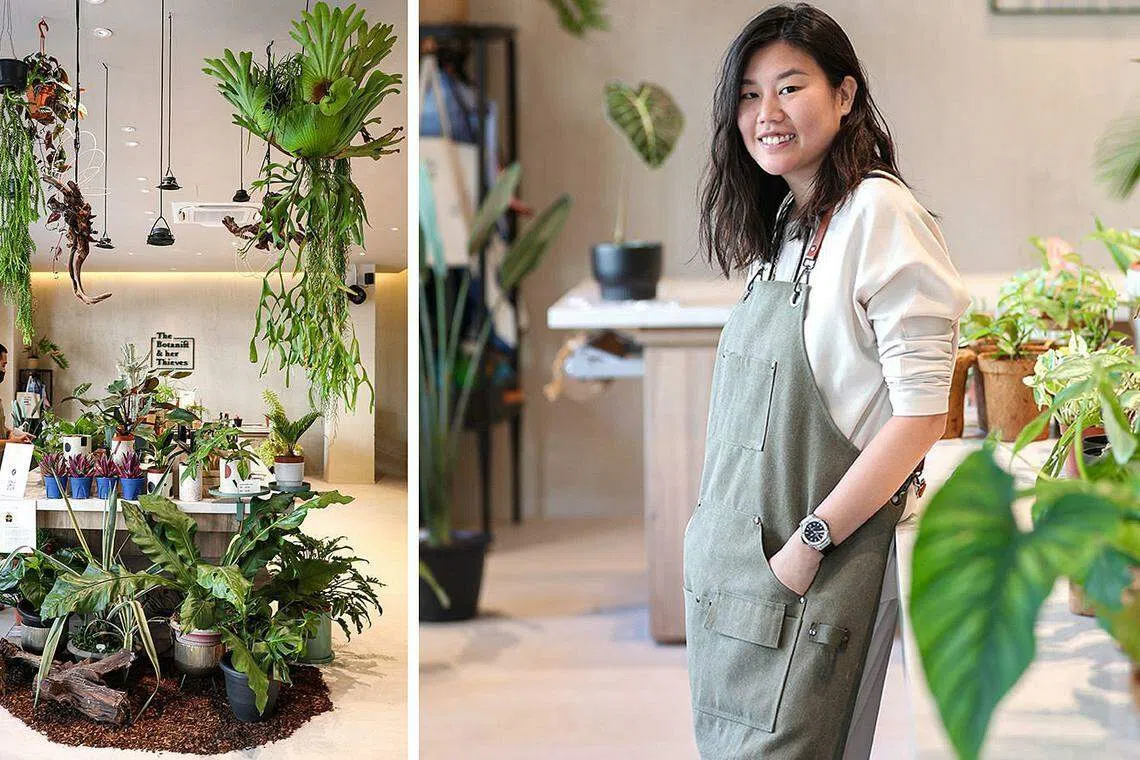
"Plants complement and complete our core product range," says Lee.
"In addition, we find joy in curating plant and pot pairings that get customers unexpectedly falling in love with plants all over again and not just chasing the rare varieties."
Rooted, Urban Planteur and MySuperPlants are just a handful of new entrants into the plant retailing business.
With some years of experience growing plants, even before the pandemic started, their founders say they now want to share their love for gardening with others.
Jasmine Lee, who works in a bank, and Ashley Wong, whose day job is at a creative agency, started Rooted in April.
"We have been buying plants over the years since it was easy to just pop into any of the big nurseries to grab a plant. But finding a pretty pot to go with it was tough. They're either not so pretty, expensive or don't fit," says Lee.
The pair says the solution was to source pots and accessories themselves, and make them available to other plant parents.
Urban Planteur's Lynn Ong, who comes from the creative field, was a gardening enthusiast prior to the pandemic.
But it was during last year's circuit breaker period that she became more interested in plants. From growing cacti, she has since added aroids and a handful of caudiciform and euphorbias.
Like Rooted's founders, Ong also had problems finding aesthetically pleasing pots. Urban Planteur works with local leather craft makers, regional potters, and digital artists to create a variety of one-of-a-kind gardening products.
"Coming from the creative industry, I wanted to champion budding artisans and provide a platform for the to exercise their creativity," says Ong.
Prior to the pandemic, Alex Yang used to work as a hotel manager and had been using plants to elevate guest experiences.
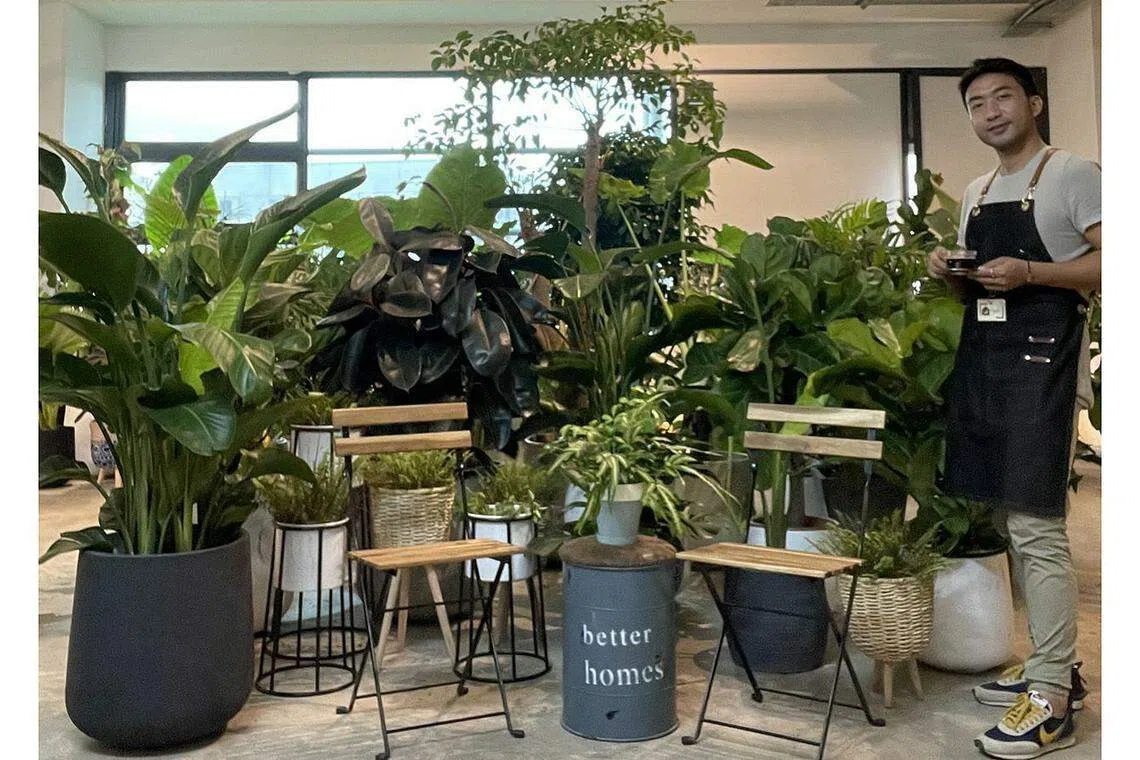
When the pandemic hit, he began thinking about what he really wanted to do with his life. Selling plants became his calling and he started MySuperPlants as a home based business and recently rented a showroom to better display his plants.
Reaching new customers
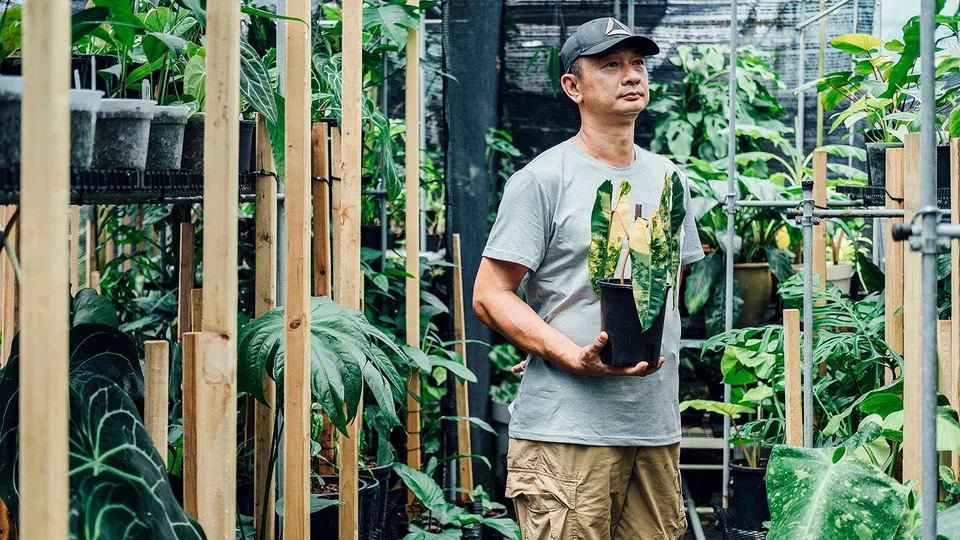
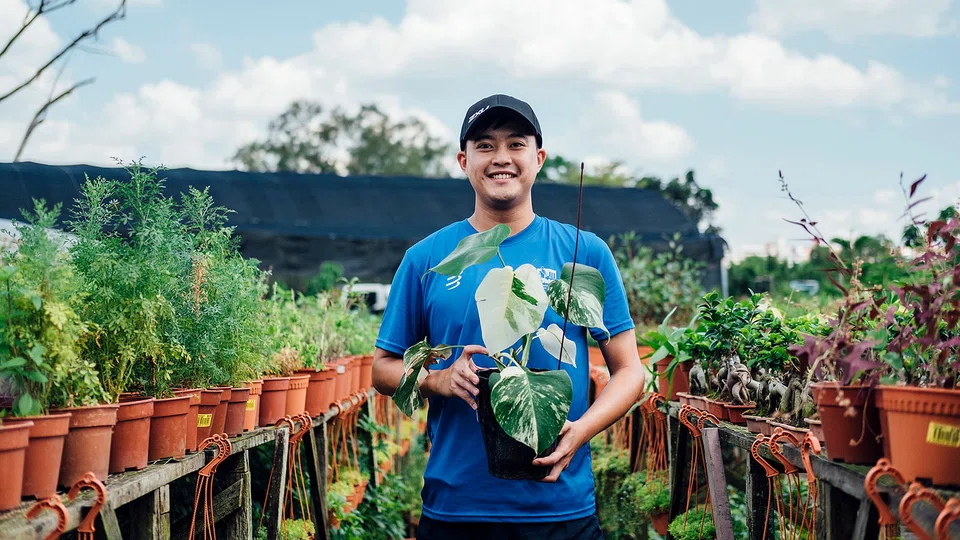
The pandemic has also brought in new customers for established but lesser known nurseries such as Orchid Chambers at Seletar. Owner Gabriel Lee says that during last year's circuit breaker, there was a lot of interest in rare and exotic plants. He used to sell orchids but now focuses on aroids such as monsteras and philodendrons.
"There were already collectors buying from me even before the pandemic, but there have been a lot more new customers since," he says. "With social media, these new customers know exactly what they want."
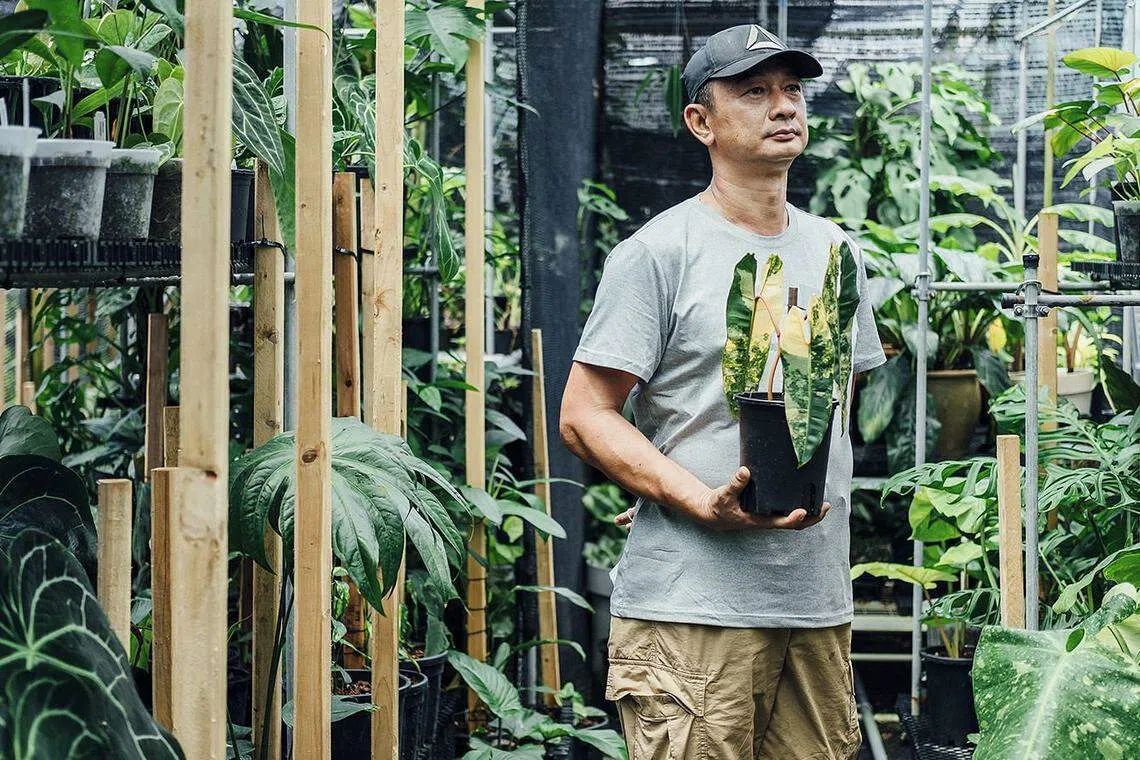
His customers find him through word of mouth. He says that some buy because of peer influence and to show their collection on social media, but there are those who appreciate rare plants because of their colours, particularly the variegated ones.
The prices of Lee's plants have increased over the last 18 months. "But these customers don't mind spending," he says, adding that some plants can cost S$10,000.
Lee imports rare plants from Peru, Brazil and Indonesia. He is confident that the demand will sustain even post pandemic as more people discover the joy of gardening.
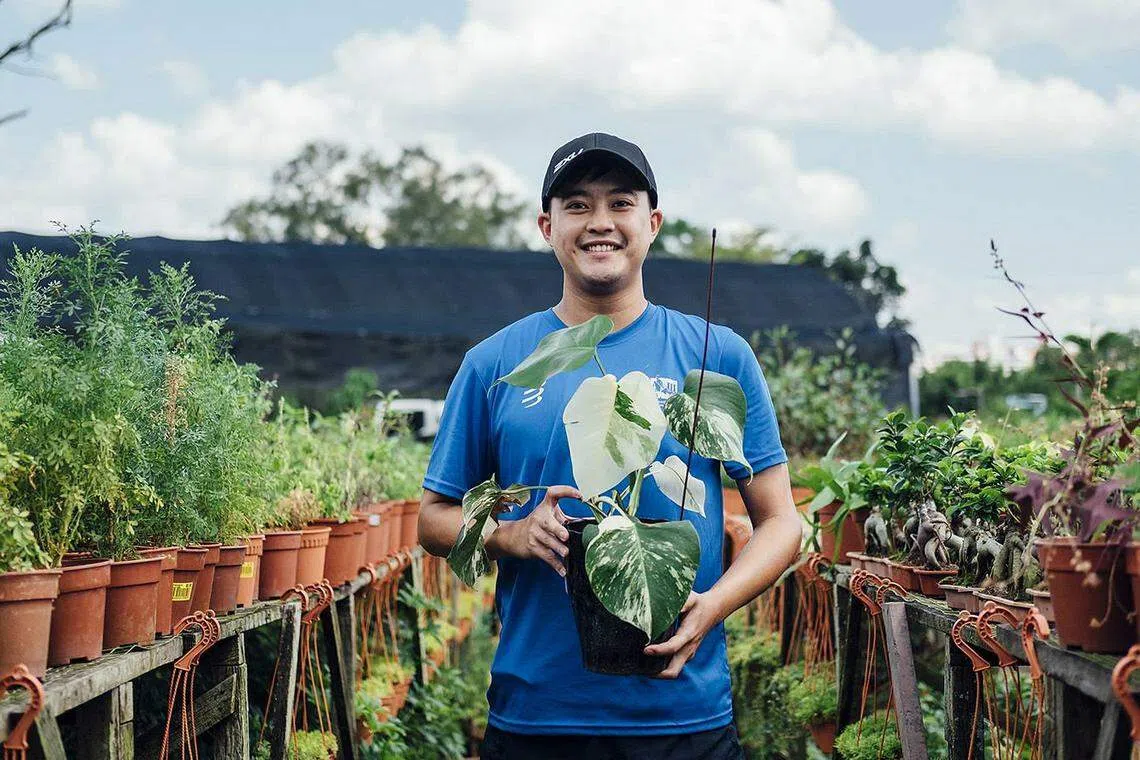
Shi Sheng Plant, a two-decades old nursery used to supply plants only to supermarkets for sale, but has recently added an online site. Shane Guo, its assistant project manager says: "We want to target younger customers who are more used to online shopping."
It also prides itself on keeping the price of plants from as low as S$2, "to make gardening affordable", he adds.
Small but better curated
Retailers say that even though they may not be as well-known as the bigger nurseries, they offer a better curation of products and customer experience.
Guo chats with customers to find out more about their home environment before recommending suitable plants.
He also checks in with his customers, should they have any questions about plant maintenance.
MySuperPlants' Yang believes that there is no one plant that can fit all spots in the home. Customers can click and buy a plant online, but he also encourages them to show him pictures of their home so that he can better recommend specific plants.
"At a nursery, you might not be able to find out which plants thrive well indoors, and you might end up buying the wrong one," he says. "I advise customers to have plants that elevate their home, rather than to have plants for the sake of having them."
Rooted's Lee says that when she was new to gardening, she bought plants based on looks, and ended up being a serial plant killer.
"Slowly, we did our research on different plants and what works in our homes and climate," she says, adding, "we offer our customers sincere and honest advice from our own experiences."
Lee and Wong are both pet owners, so besides stocking easy-growing plants, Rooted also stocks pet-friendly ones.
At Urban Planteur, customers don't have to worry about their plants and pots not fitting in with their home's design aesthetics.
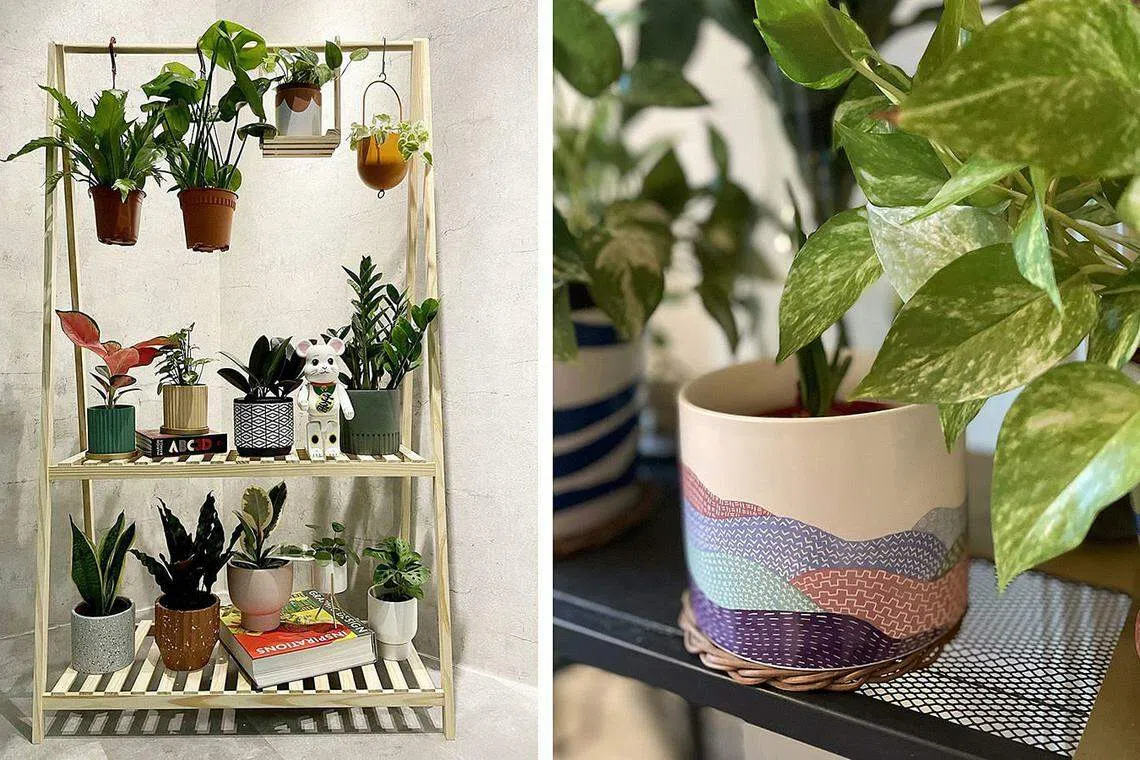
Founder Ong says: "Each product we carry is carefully curated, hand-sourced and mostly handmade. We help people seamlessly integrate greenery into their living spaces by taking the design thinking into our hands."
These online retailers also make it a point to photograph their products in detail, so that customers know what to expect.
"Our customers are the new breed of gardeners, those who got into it in the age of social media and e-commerce. They're very digitally savvy, and for them, buying plants online is just like buying clothes," says Ong.
TBHT opened its showroom not only to house its expanded product range but also to have a better connection with its customers.
"As our personal plant collections grew and with increasing interaction with other plant owners, we identified a larger struggle - low confidence in plant care made navigating the plant journey a lot more complicated than it needs to be," says Lee.
"Being able to have in-person conversations allows us to tailor care tips better to our customers."
Three company leaders share their love for gardening
Alfred Ang
Managing director of Rosen International and director of Okada Coffee & Sweets
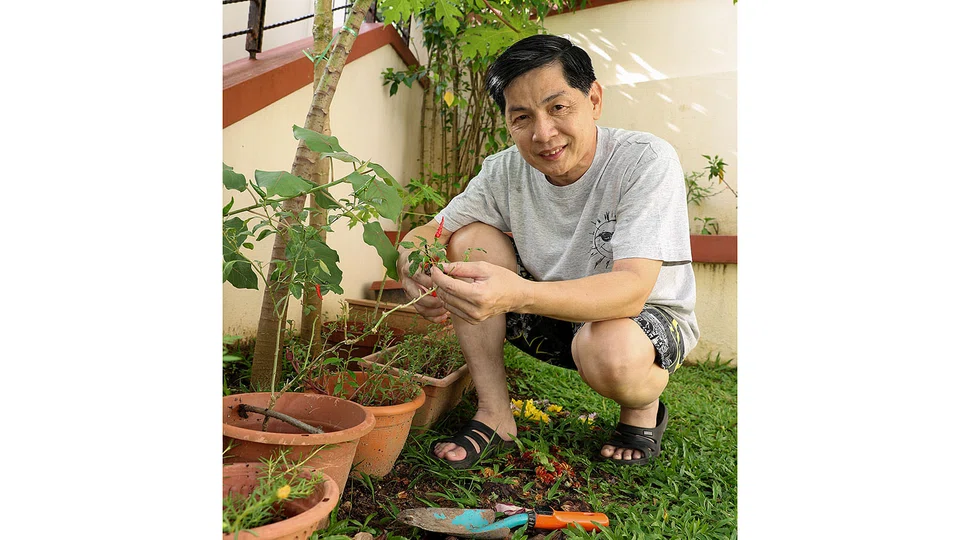
Despite gardening for over 20 years, Alfred Ang confesses to not knowing the names of the many plants that he grows. For him, it is not about their names nor how expensive plants can be, but rather how much effort he puts into growing them.
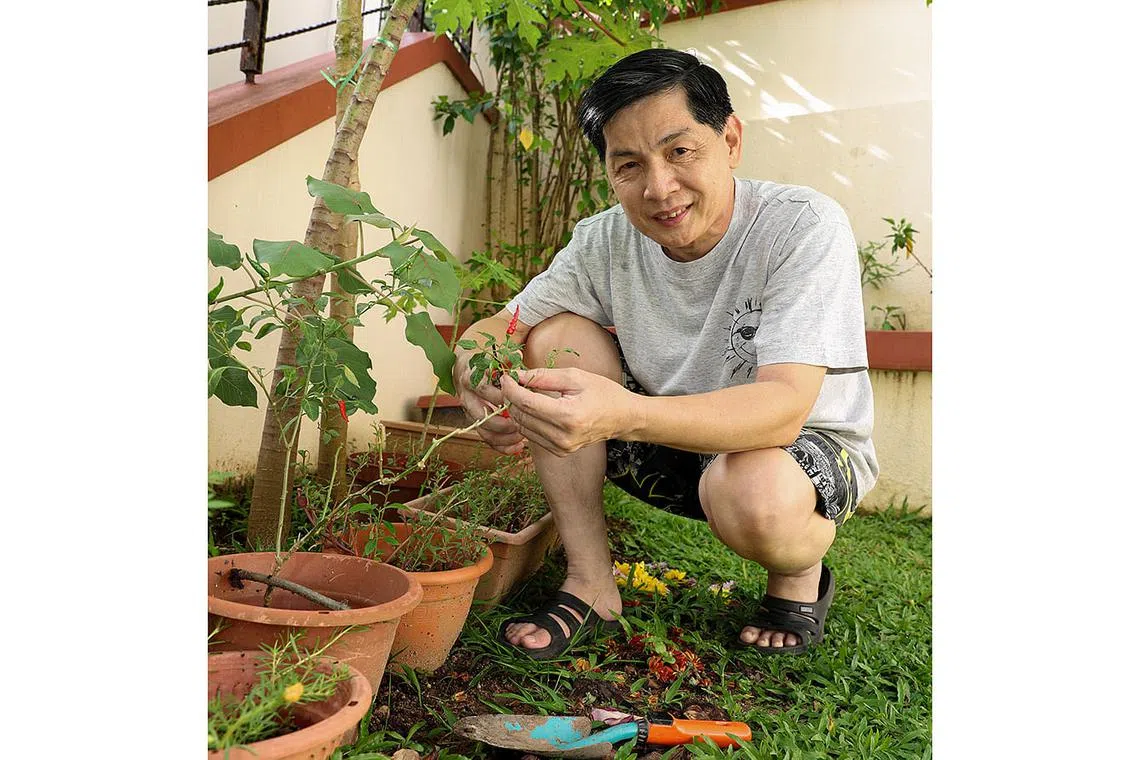
"The plant will thrive or die, depending on the "heart" of the person who takes care of it," says Ang, managing director of Rosen International, a specialty food and beverage supply company. "It is not about the amount of fertilisers you feed it." He has a soft spot for angiosperms which are flowering and fruit bearing plants.
When the going gets tough at work, he heads out to his plants in his terrace home in Bedok. "When I'm gardening, my troubles and worries are automatically set aside," he says. His plants have taken over the front and back gardens, roof terrace, stairways, and even the bathrooms.
Even on days off, he's out gardening, taking the time to trim dead leaves and roots, clearing the pesticides on them and making their surroundings more serene. Instead of relying on commercial fertilisers, he adds used coffee grounds and tea dust to his plants. "There's much joy in seeing their growth."
Ang likes sharing this joy with others too. He's known to give away plants to relatives, friends, social groups and even strangers.
At Okada Coffee & Sweets, a cafe at Joo Chiat Road which Ang owns, he has set up a plant swap corner, where customers can take or swap potted plants, used ground coffee and tea dust. And on the dining tables, there are bottles of dill that customers can bring home too. "It is a good way to share resources and the smiles on the recipients' faces always make me happy," he says.
Bernard Cheong
Managing director of Cyber (Australia and New Zealand)
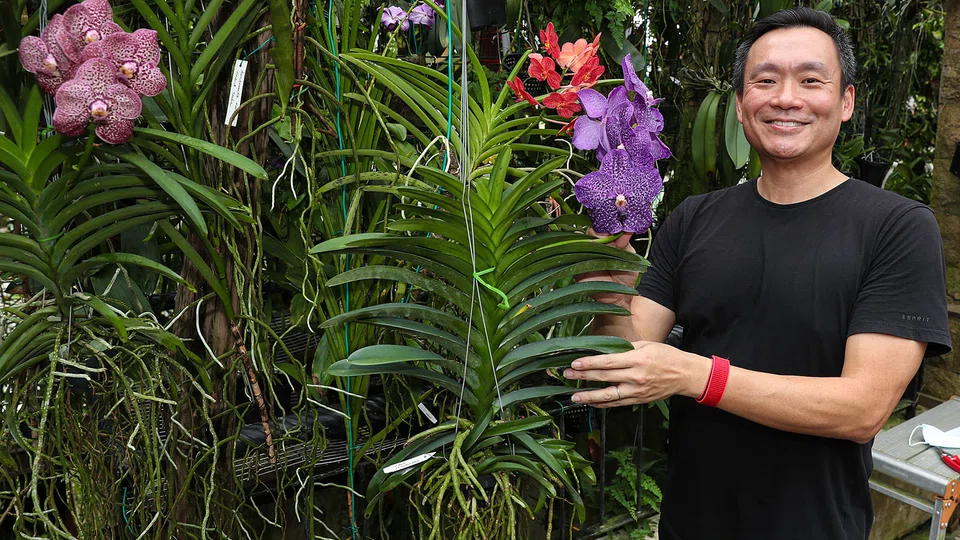
If there is any similarity between growing orchids and running a business, it is the need to be patient, says Bernard Cheong, managing director for Cyber, a printing and packaging equipment company.
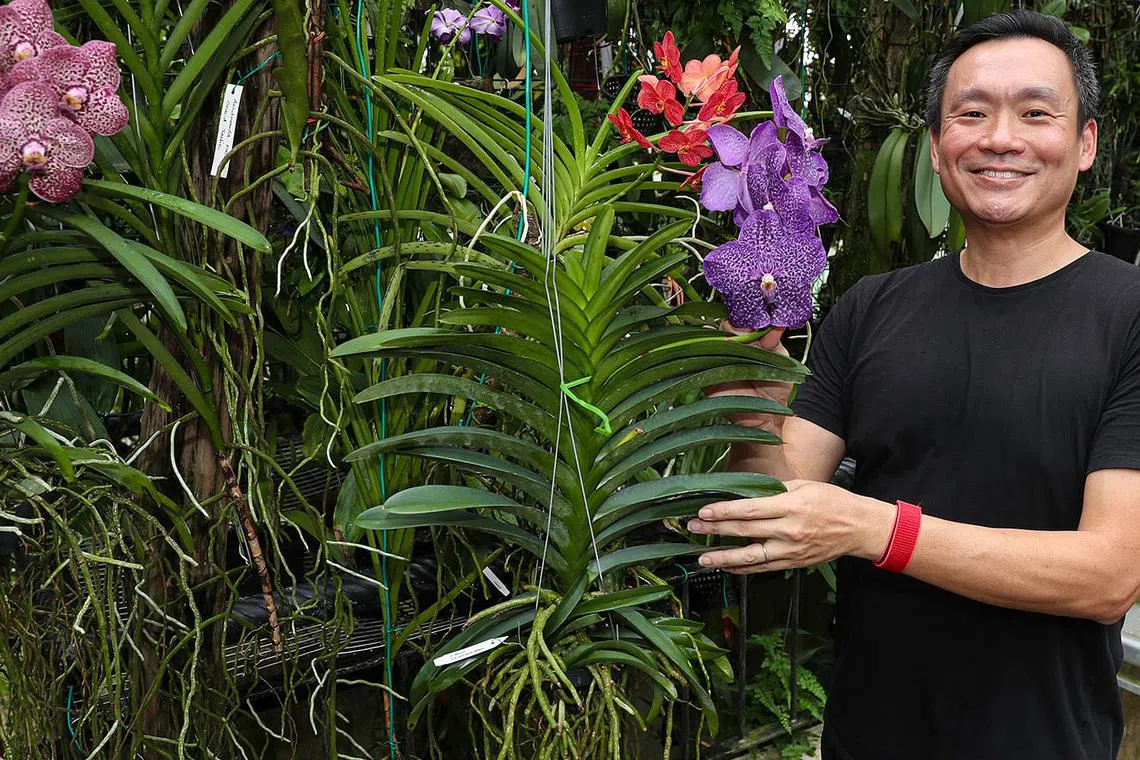
Five years ago, he started growing orchids at his landed home off Holland Road, and in the early years, many died due to his unfamiliarity with growing these plants. But he persevered, doing his research online and joining the Orchid Society of South East Asia to connect with like-minded growers and orchid enthusiasts.
His efforts have paid off, and his Vanda lombokensis have been awarded certificates of merit and commendations at orchid competitions. Getting his orchids to bloom takes time too. Some only bloom once a year while he is still waiting for others to flower. "It is like doing business. You don't expect to walk out with a deal immediately. You need to develop a business relationship and nurture the account," says Cheong.
His interest in orchids started when his son's friend was looking for space to grow orchids. "I volunteered our garden," he says. What was once a bare plot of land is now filled with over 1,000 orchid plants, and even the roof terrace is not spared. He likens growing orchids to a "big science experiment". Orchids are found in diverse habitats from humid montane forests to savanna type environments. "To grow them all in lowland tropical Singapore, I constantly test out ways to recreate their natural environment," says Cheong. His garden is split into several sections. Orchids that require a cooler environment are grown under shade, and those that like the sun are uncovered.
He also tests out different mediums for his orchids, including limestone for some which grow best in a calcium-rich environment.
Cheong spends 30 minutes every day, morning and evening, on his plants, and another three hours on Sundays to do housekeeping. "With the ongoing pandemic and not being able to travel like before, tending to the plants and watching them bloom spice up my life."
Jeff Cheong
Deputy CEO, DDB Group Singapore
Jeff Cheong may be a new plant parent but he's already catching up fast. Since working from home and being grounded in Singapore, the deputy CEO of DDB Group Singapore started feeling restless and needed a change of environment.
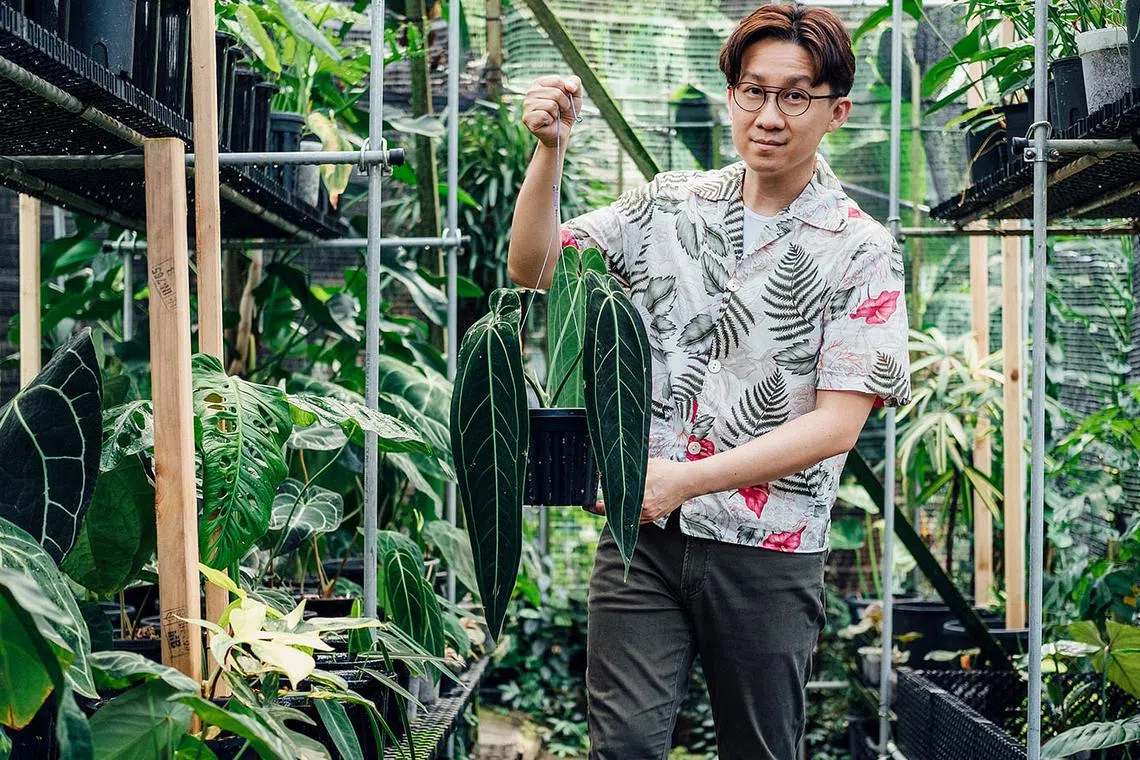
A friend introduced him to aroids, a family of plants which include common ones like monsteras and philodendrons. He started with hardy and non-fussy plants to build confidence.
"A regular Monstera, Syngonium and slow-growers like philodendron tortum are very forgiving," says Cheong, who after four months started growing more exotic plants.
He limits himself to a new purchase bi-monthly, and also enjoys visiting far-flung nurseries and talking to the owners. "It's like another world out there where the pace is slower and I become a student all over again learning and soaking in knowledge from them," he says.
Life at the advertising company is a busy one which has led Cheong to find hacks to tend to his plants. He uses technology and smart devices to automate the care as much as possible from grow lights to humidity; temperature control and airflow. If time permits, he might skip lunch to head to a nursery near his East Coast home for supplies.
He initially made the top mistake of overwatering his plants. "What I learnt is, best to stick your finger an inch deep into the soil to see if it is dry before you water the plants," he says. Now he waters his plants just once a week.
There are exotic plants costing from a few thousand dollars, but Cheong's purchases are largely below that figure. "I can't bring myself to spend over S$1,000 on a single plant just yet," he says.
Decoding Asia newsletter: your guide to navigating Asia in a new global order. Sign up here to get Decoding Asia newsletter. Delivered to your inbox. Free.
Copyright SPH Media. All rights reserved.
TRENDING NOW

Could stablecoins be the future of money?

Once staunchly pro-China, Malaysian Chinese businesses are now distancing themselves from Beijing
Global expertise and tailored solutions: How affluent S’poreans can grow and manage wealth across markets
GIC-backed Bank Jago sees wealth management as next growth engine as Indonesian investor base grows

