Cheapest Korean fine dining, oppa chef at Onmi
The Amoy Street eatery keeps its prices low, but its level of cuisine high, with its S$118 set menu by its new Michelin-background chef
NEW CHEF
Onmi 107 Amoy Street Singapore 069927 Tel: 6612-5531 Open for lunch and dinner Wed & Thurs: 11:30 am to 2:30 pm; 6 pm to 10:30 pm. Dinner only on Tues, Fri and Sat. Closed on Sun and Mon.
WHY do we always associate Korean food in Singapore with K-drama? Forgive us. Blame it on an inherent shallowness that we can only filter the intricacies of hansik through the prism of a chaebol dining table in Rain’s latest drama.
Sure, we’re all for studying the genealogy of bibimbap through Joseon court royalty, Confucius and farmers needing to clear out their larders. But for us, the study of epicurean evolution easily goes out the window in the face of instant gratification – good food and a kinda-cute chef. For the lack of a more erudite perspective, these are what send us on a second visit to the somewhat -underrated Korean eatery, Onmi.
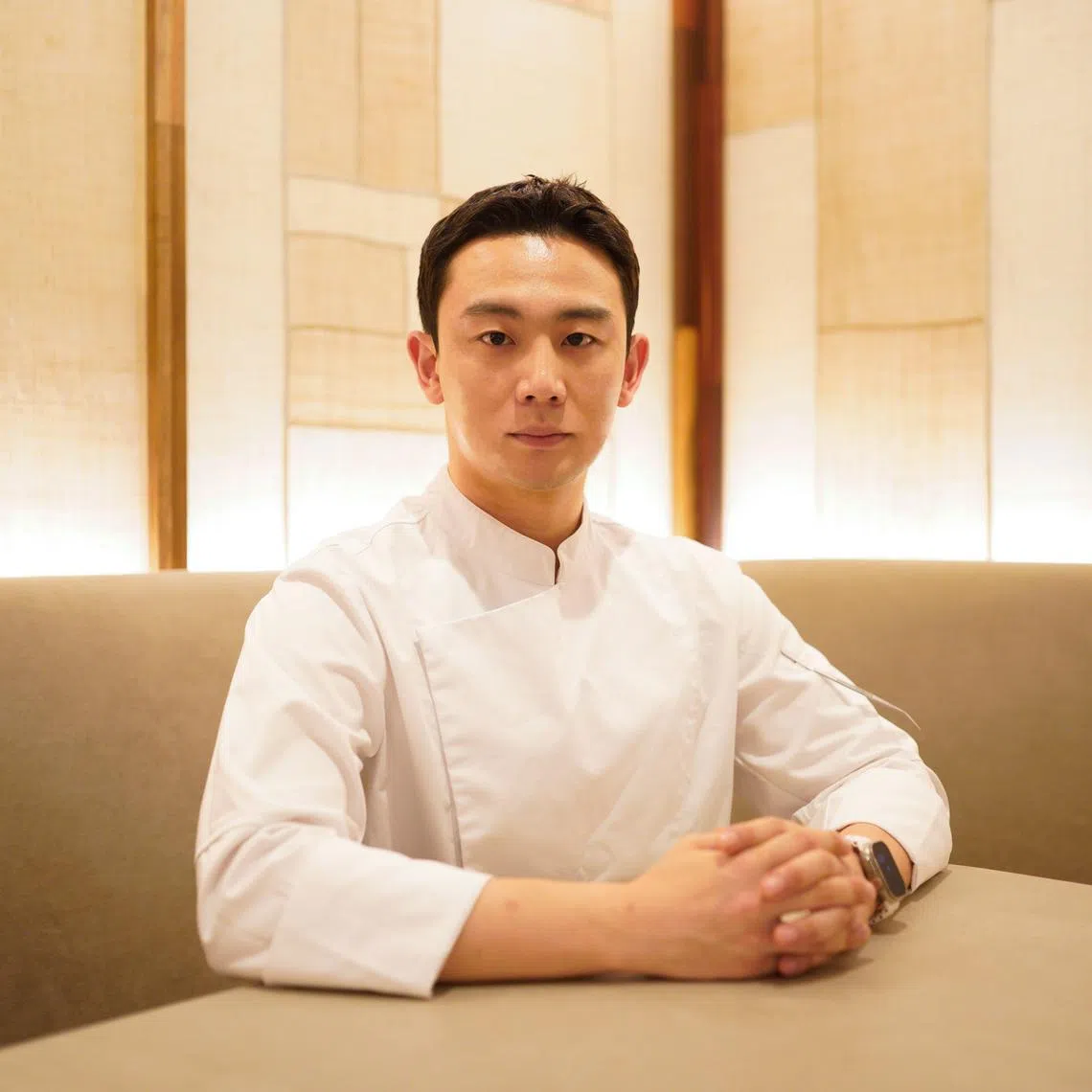
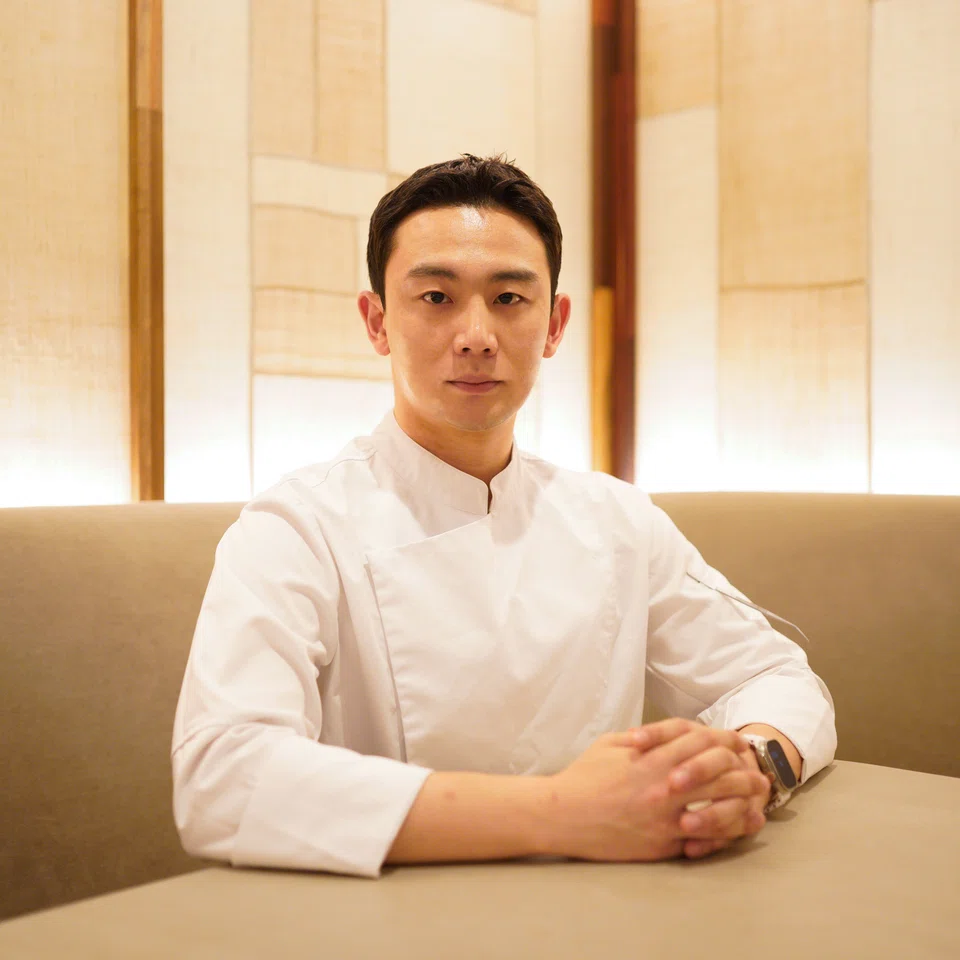
Yes, we’re happy to debate if its new, fresh-off-the-boat chef Jaewoo Ahn is leading oppa or more sidekick material in the next Korean rom-com. But we have no doubts that he’s given Onmi’s tasting menu a refreshing shot of Seoul flair, uncoloured by concessions made for the local palate.
Call it the sequel to Onmi’s first season, when it won attention for its S$135 tasting menu, not just for its good-value pricing, but for bridging the gap between Korean fine dining and the army stew brigade in Tanjong Pagar. At the time, the food leaned towards the familiar, appealing to those accustomed to kimchi stew, bossam and BBQ flavour profiles, but with an inventive, upscale edge.
Ahn, however, takes it to the next level and leverages on his background, which includes his latest stint as sous chef of the Michelin-starred Eatanic Garden in Gangnam. That means, progressive Korean, “pure” in the sense that it doesn’t have the telltale sameness of chefs who’ve worked in Michelin-starred restaurants in Singapore before leaving to do their own thing.
Ahn’s menu is by no means Eatanic’s equivalent, and it’s unlikely he has the kind of “Yes, chef!”-calibre kitchen brigade to pull off that level of cuisine. But he delivers novel flavours that shake off your palate inertia. And, at S$118 for a 10-course menu, it’s not only the cheapest we’ve had, it’s also one of the rare times when we would gladly pay more just to see what else he can come up with.
To start off, he perks up your palate with a cup of cold perilla tea, with a zingy preserved plum-like tanginess.
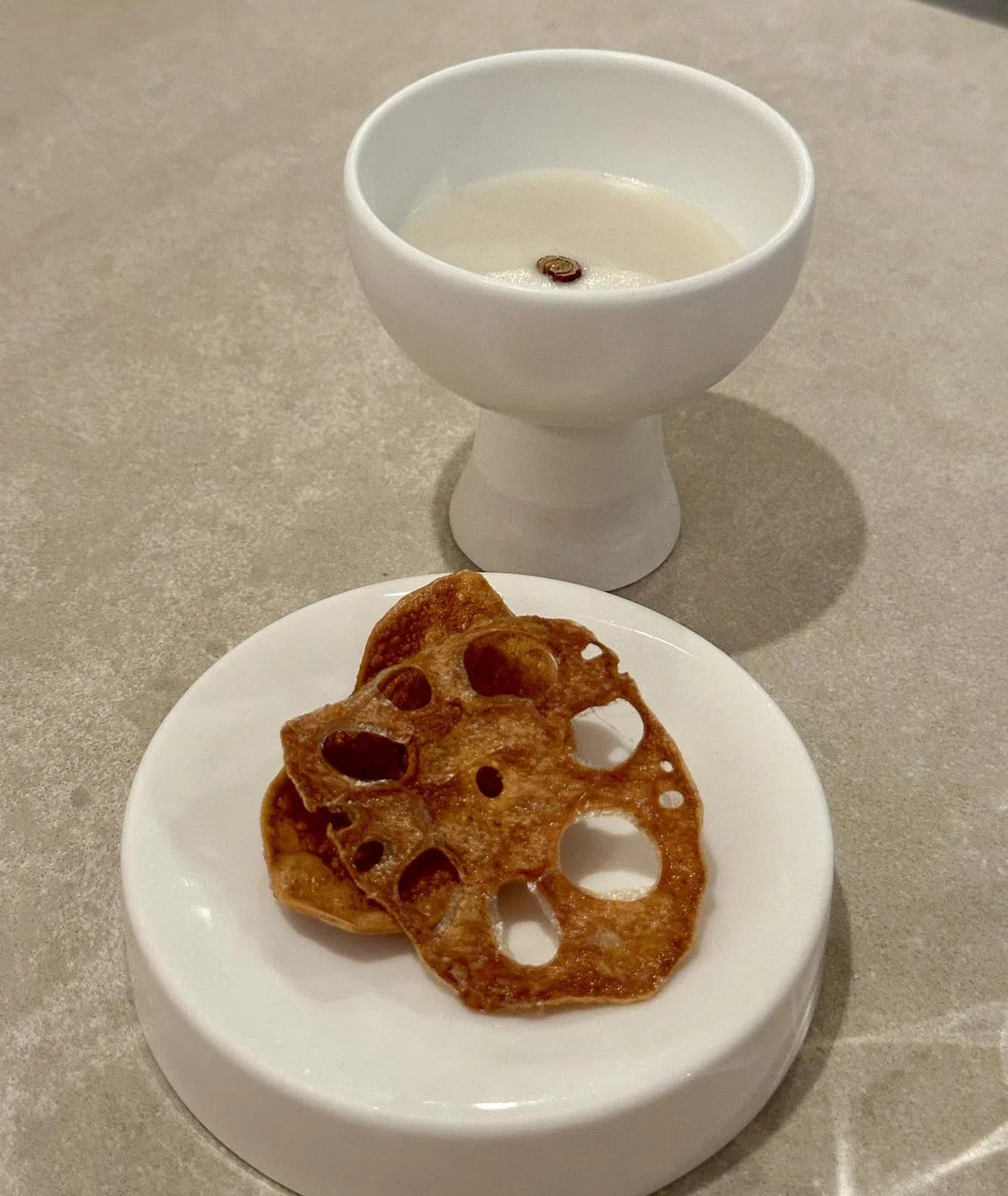
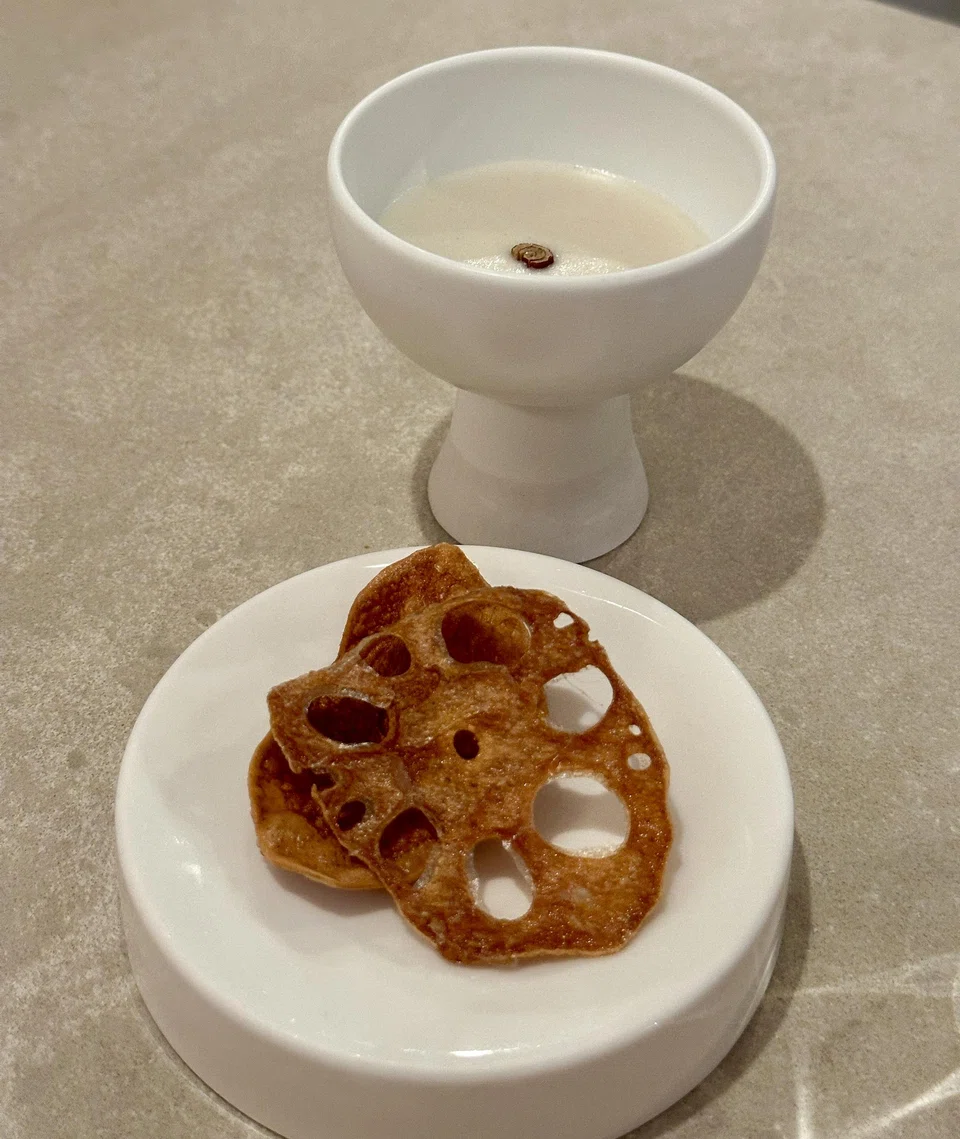
A little bowl of pine nut porridge is straight out a period drama – hot, thick and smooth, with a distinctive, delicate nutty flavour. And to remind yourself that you still have teeth, there are super crunchy lotus root and potato chips that come with it.
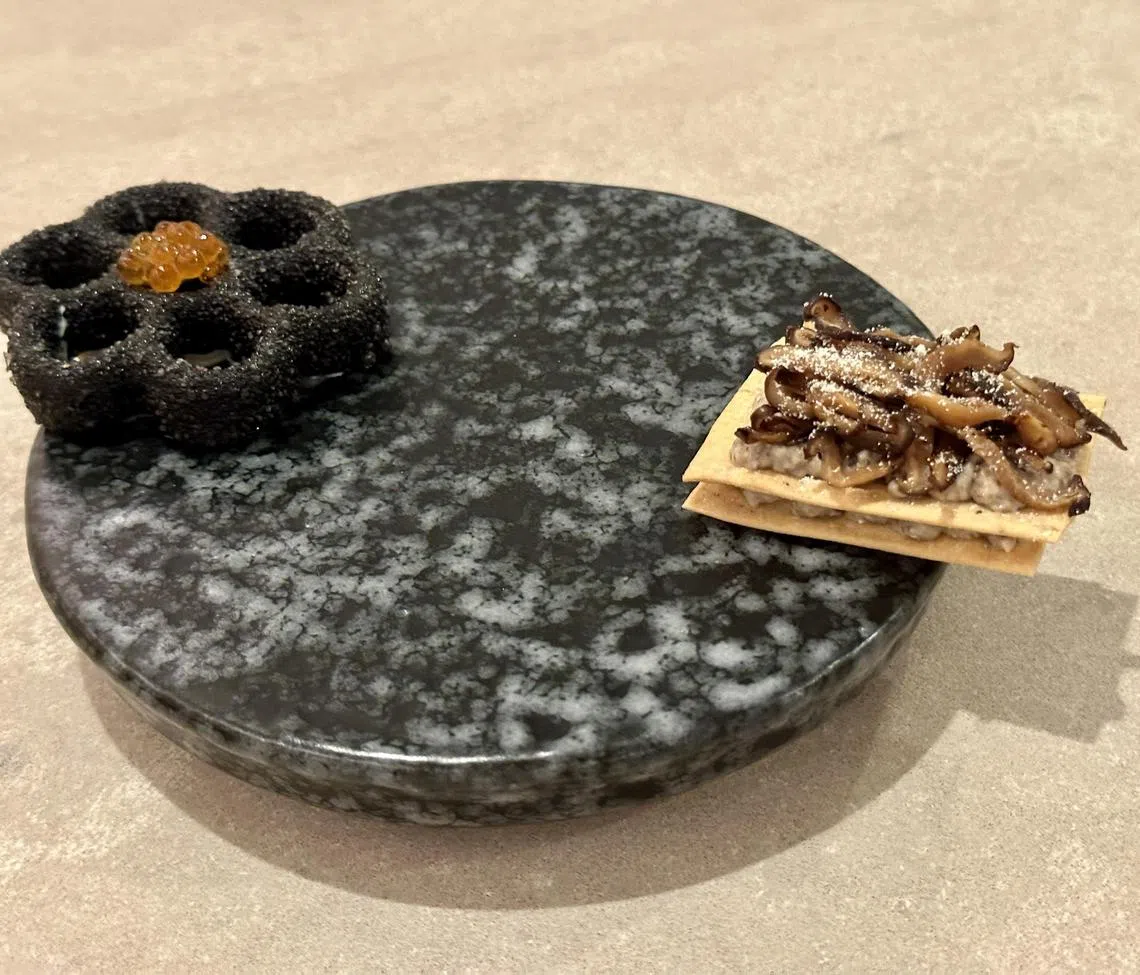
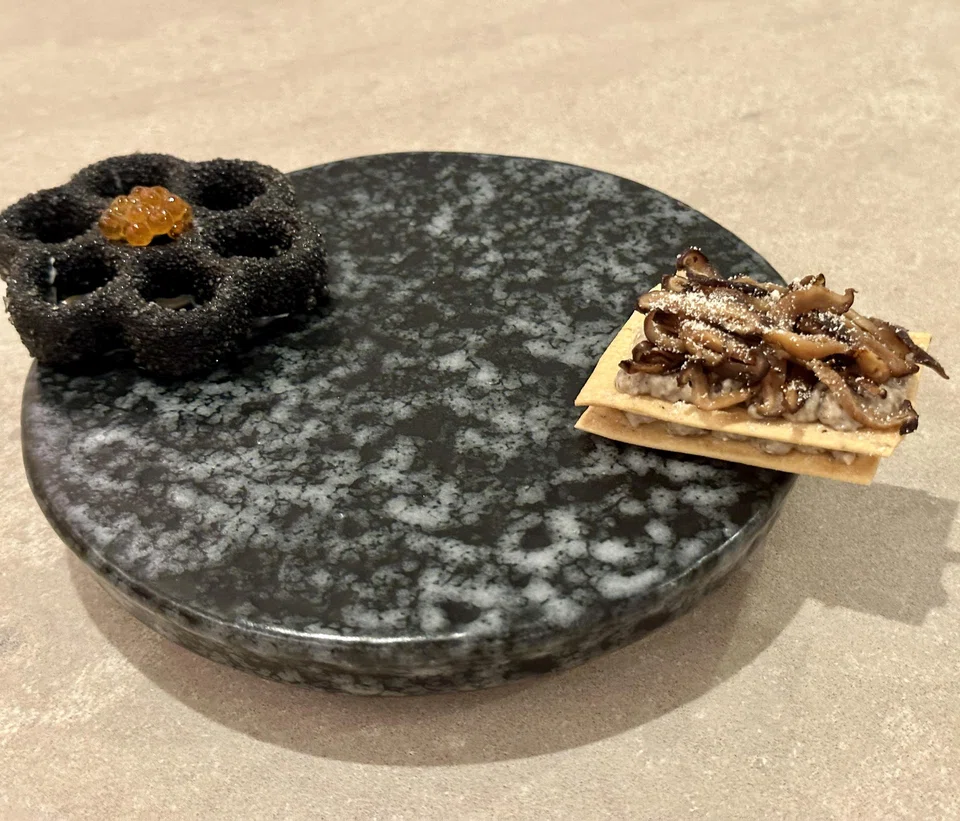
The crunch continues with the next snack – a mushroom-centric sandwich of rich pate and sauteed shiitake between whisper-thin crackers that’s umami-yum. On the other end of the plate is a squid ink “kueh rose” done Korean style with a creamy fish mixture stuffed into its crevices. Think chip and dip in the same bite, but more classy, decorated with a dab of ume paste on top and some ikura.
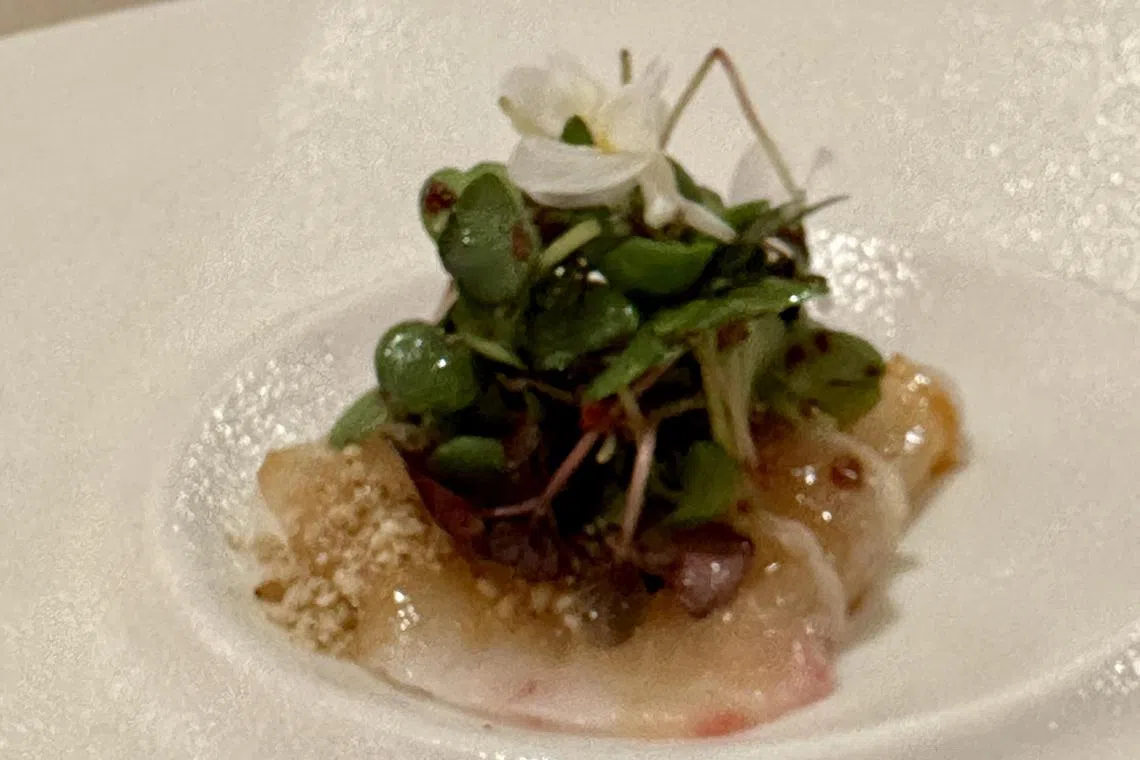
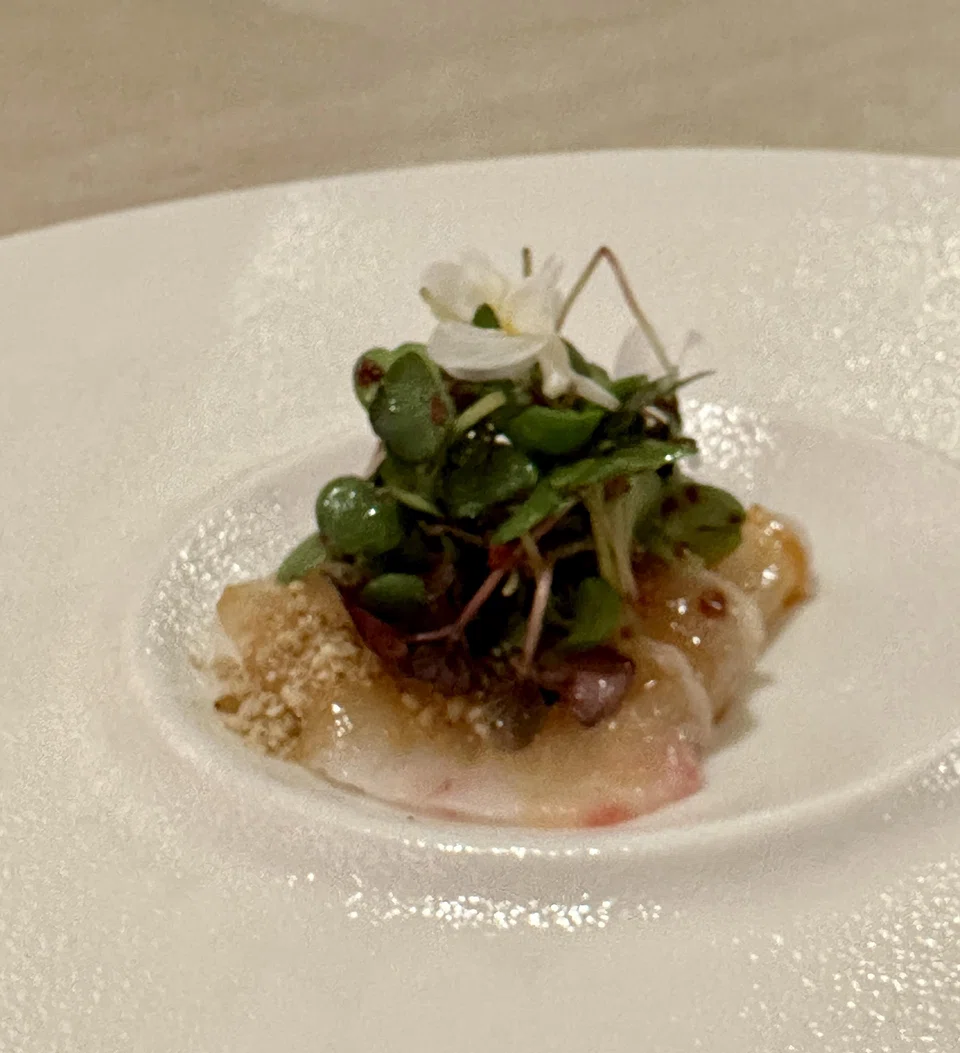
Horse mackerel sashimi seasoned in chilli oil and soybean paste is a riff on raw fish salad. It’s subtle yet distinctive, with the bean paste leaving a pleasant graininess on the tongue.
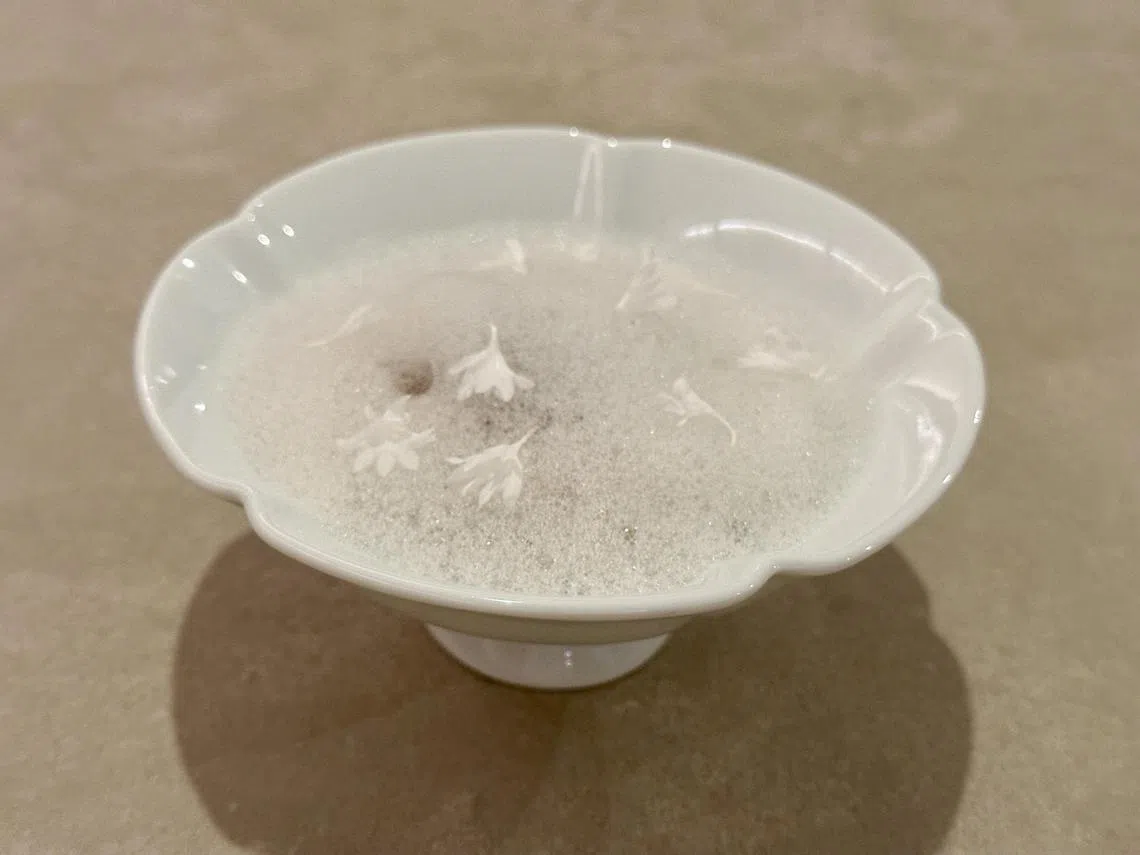
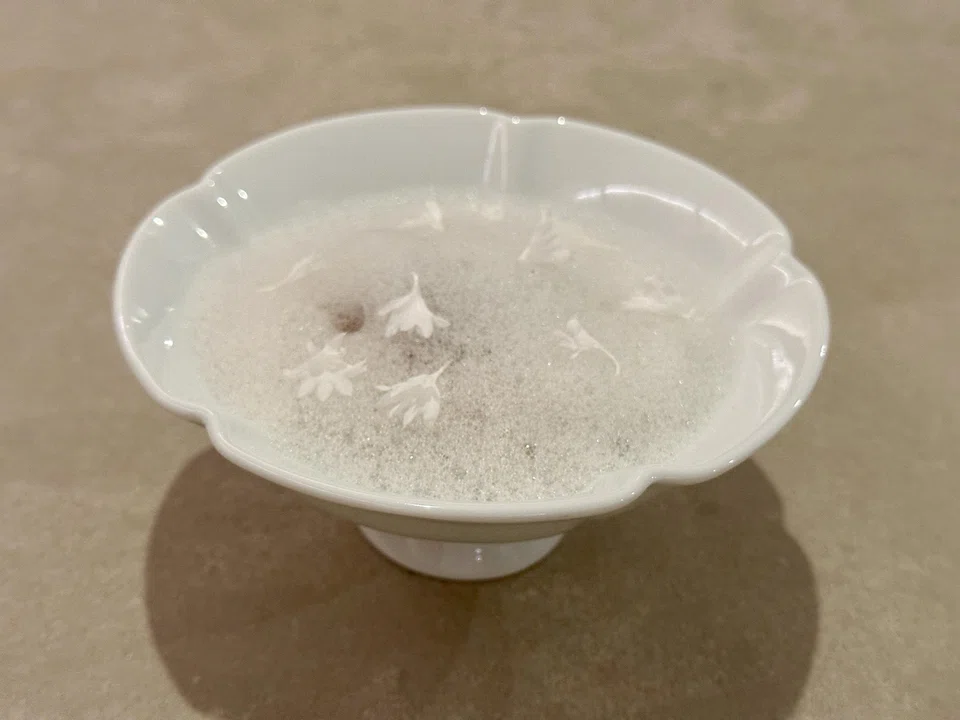
But it’s his clever deconstruction of samgye-tang or Korean ginseng chicken broth that really steals the show. A clear chicken consomme – again, piping hot – is topped with its own foam, but hiding underneath is a circle of bouncy minced chicken-mushroom meatloaf stuffed with glutinous rice. Nothing could be simpler than chicken soup and rice, yet this understated bowl holds so much complexity within.
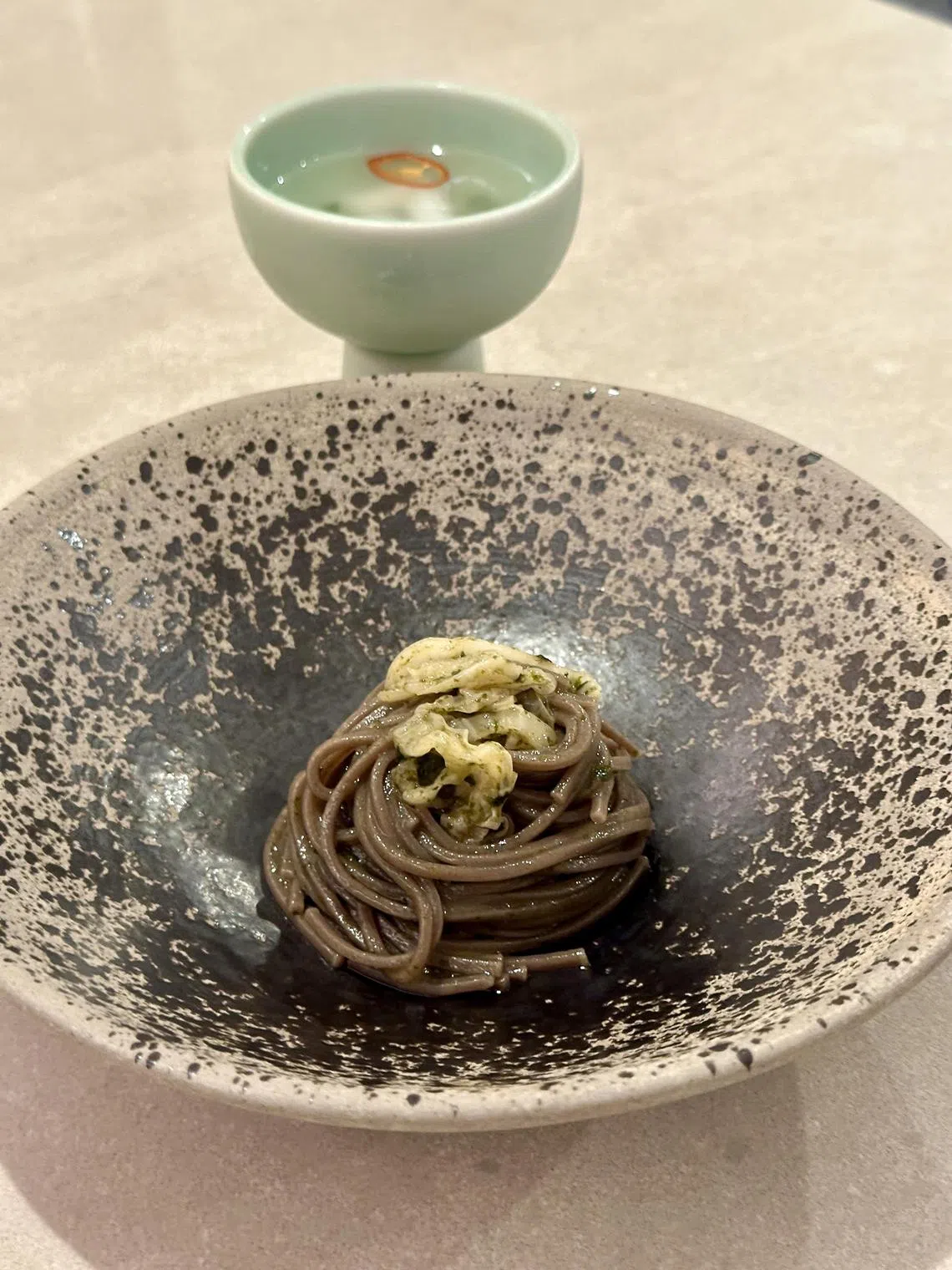
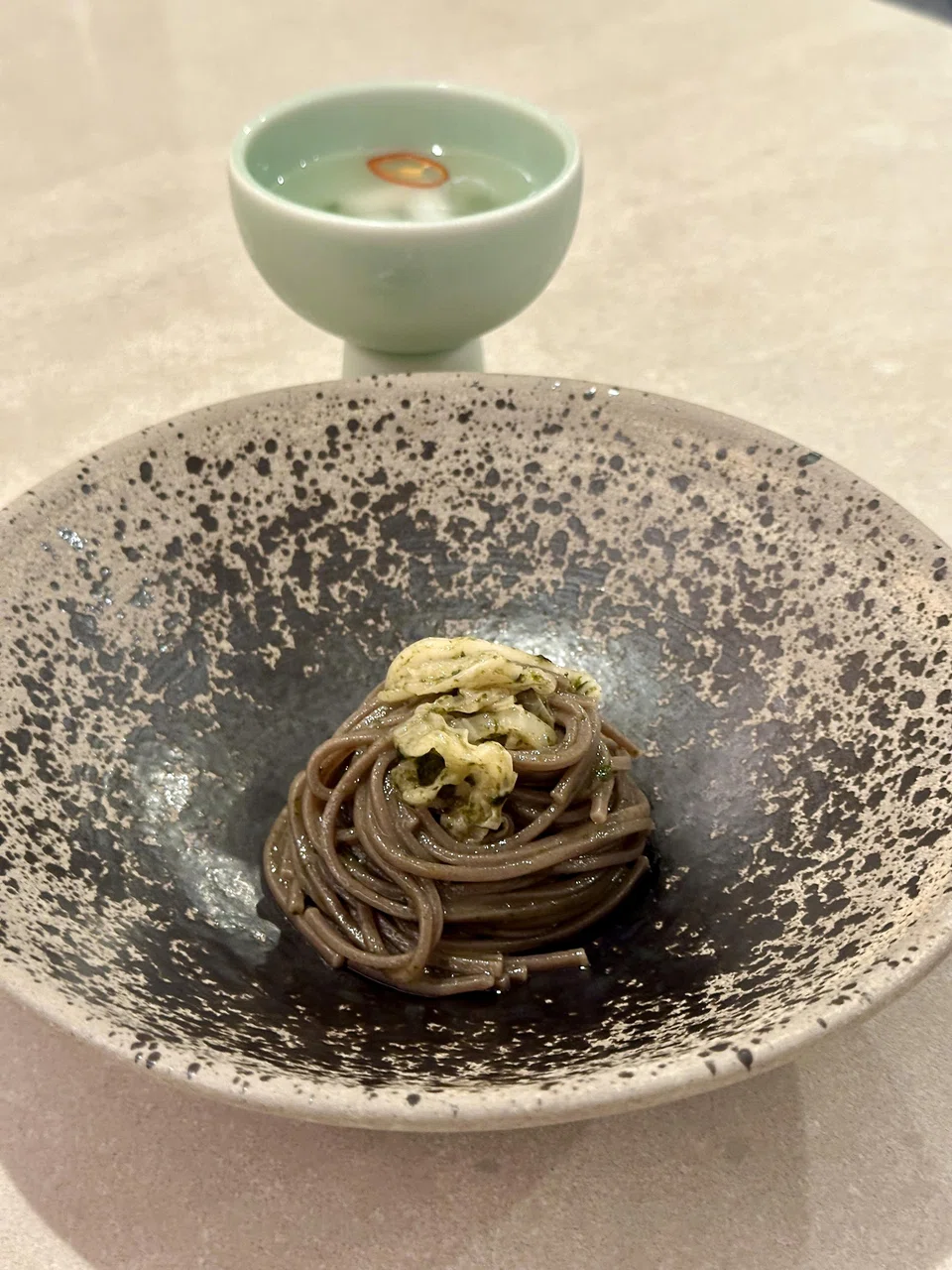
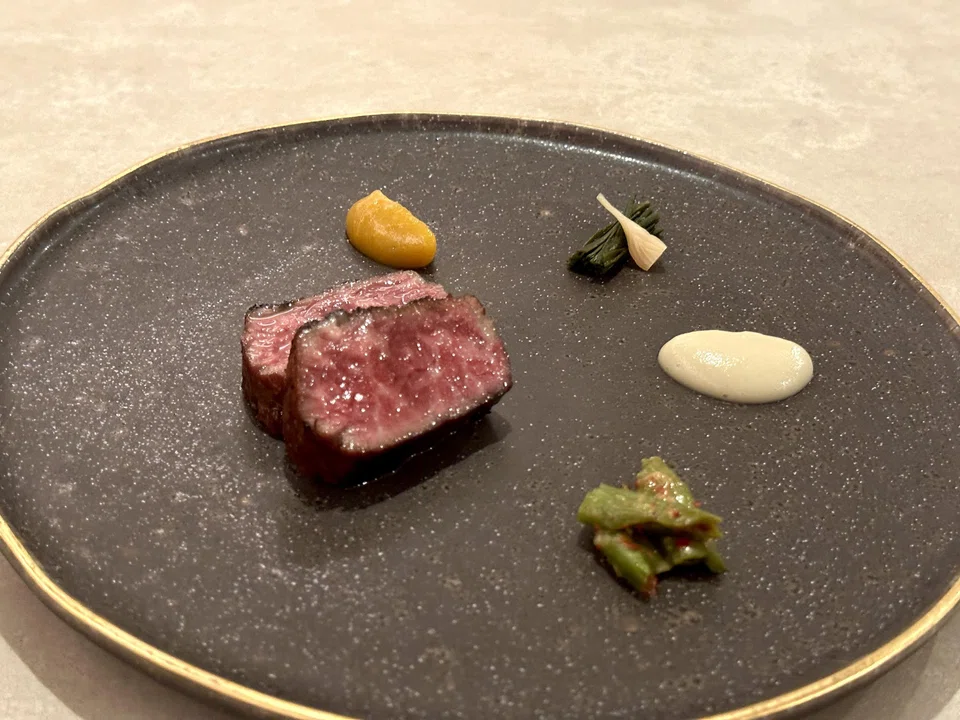
Next up is buckwheat soba, slippery-chewy in its perilla oil dressing with a hint of smokiness, contrasted with a “soup” of pickled daikon water. And then the compulsory meat course – ho-hum grilled short rib with its token garnishes of Jerusalem artichoke and citrusy tomato puree.
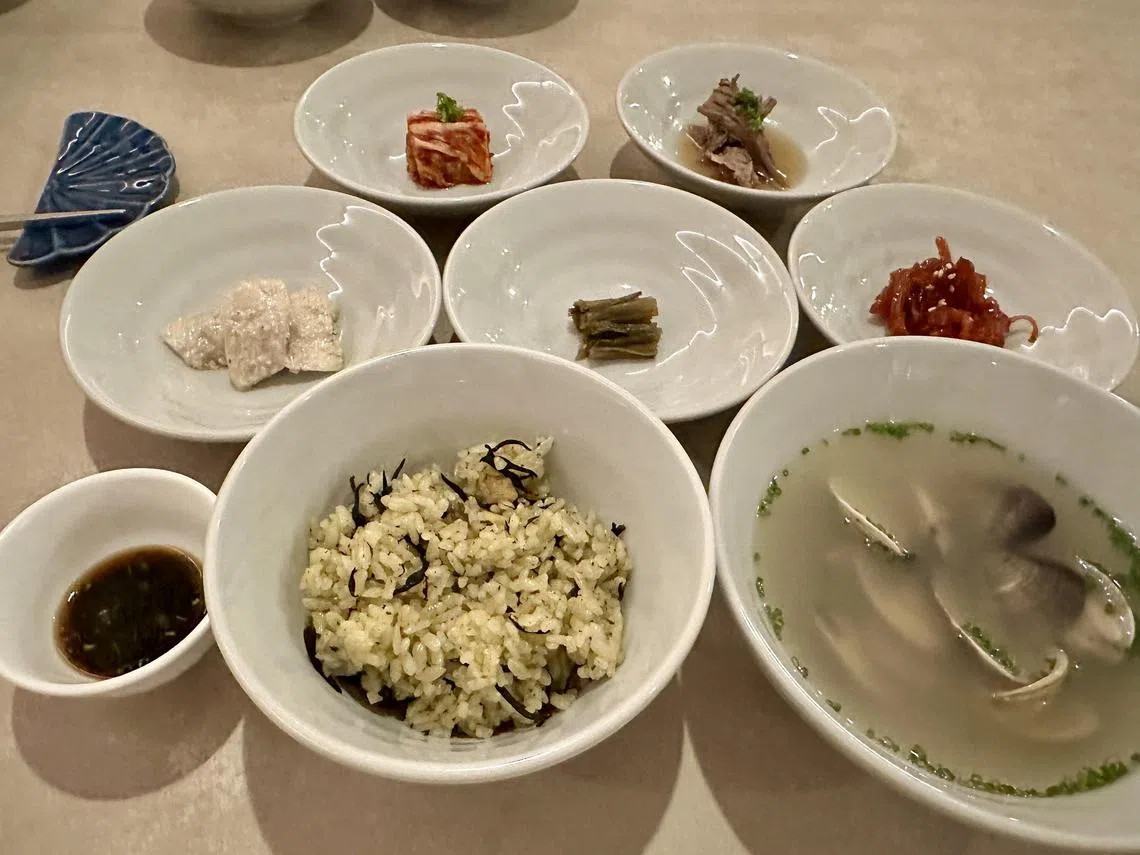
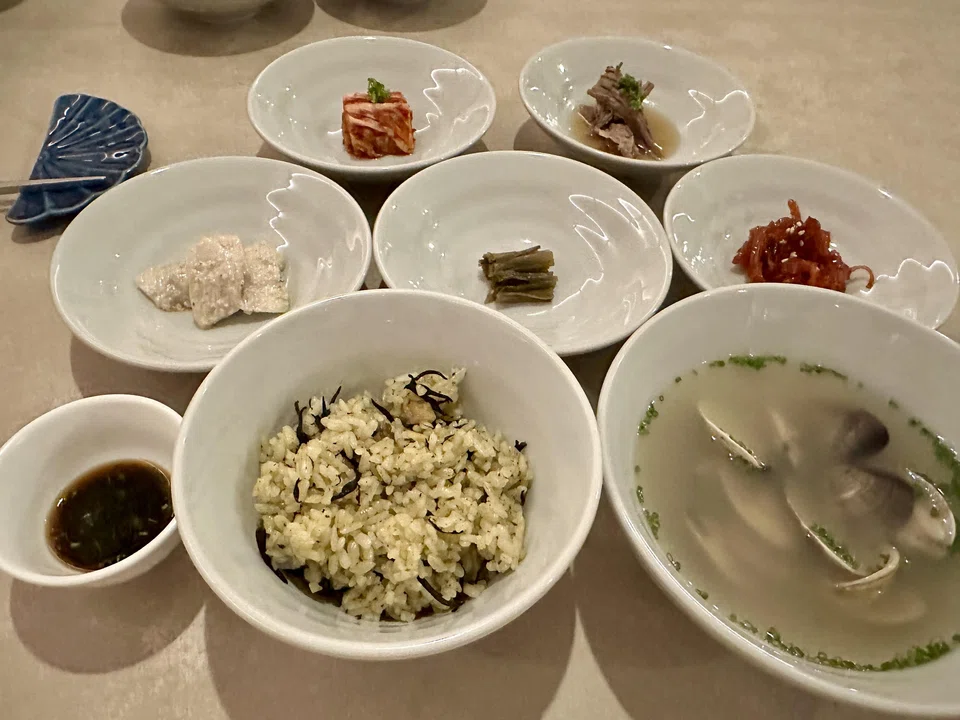
It’s just a necessary distraction before the main rice course or bapsang. Abalone-flavoured rice with little nubs of shellfish are deliberately underseasoned so you can add the flavoured soy sauce that brings it to life. Together with a very good hot clam soup and parade of banchan that includes dried pollack, shredded beef, winter melon in a creamy dressing and homemade cabbage kimchi, what initially looks like very little food adds up to a filling meal.
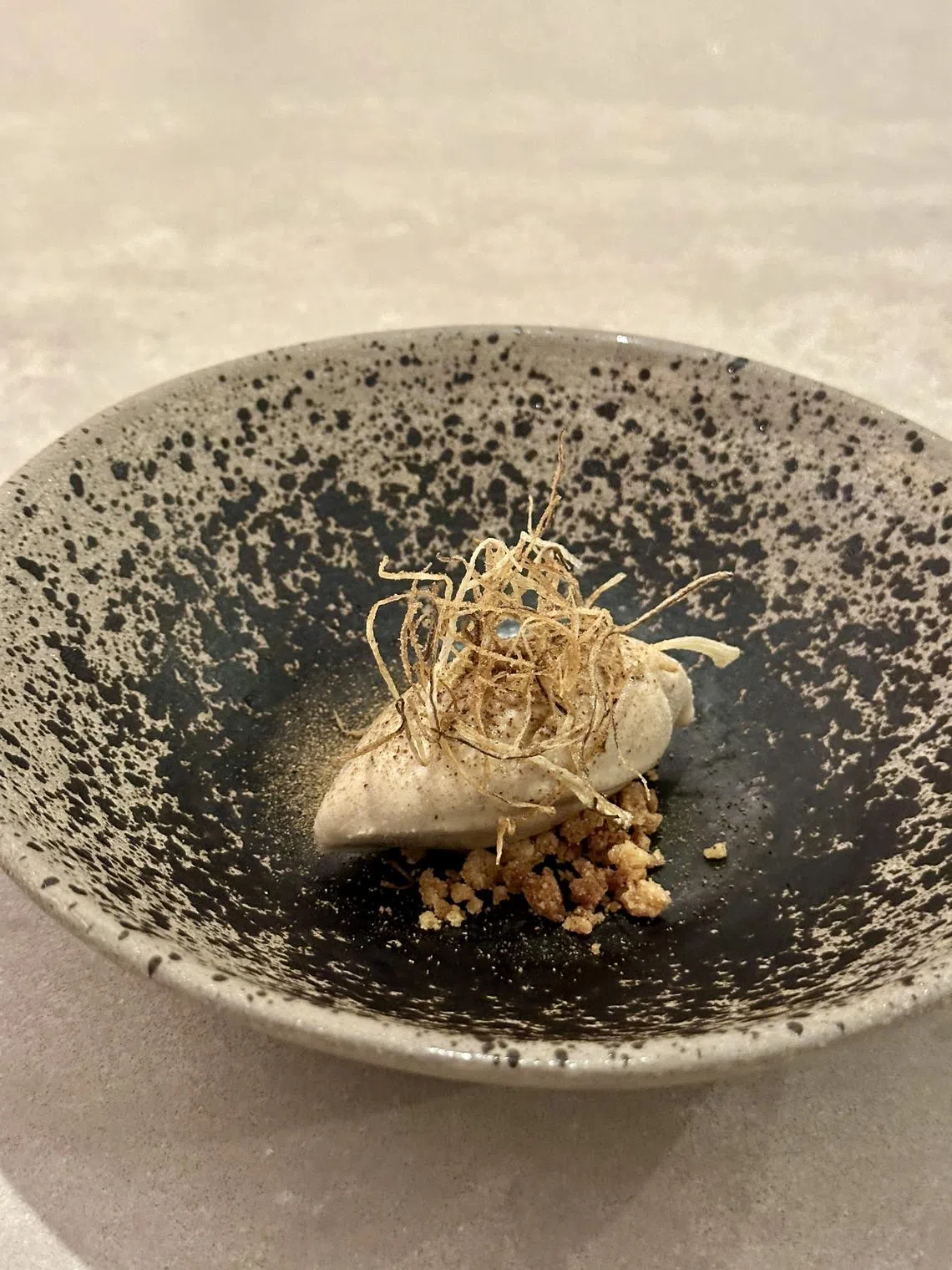
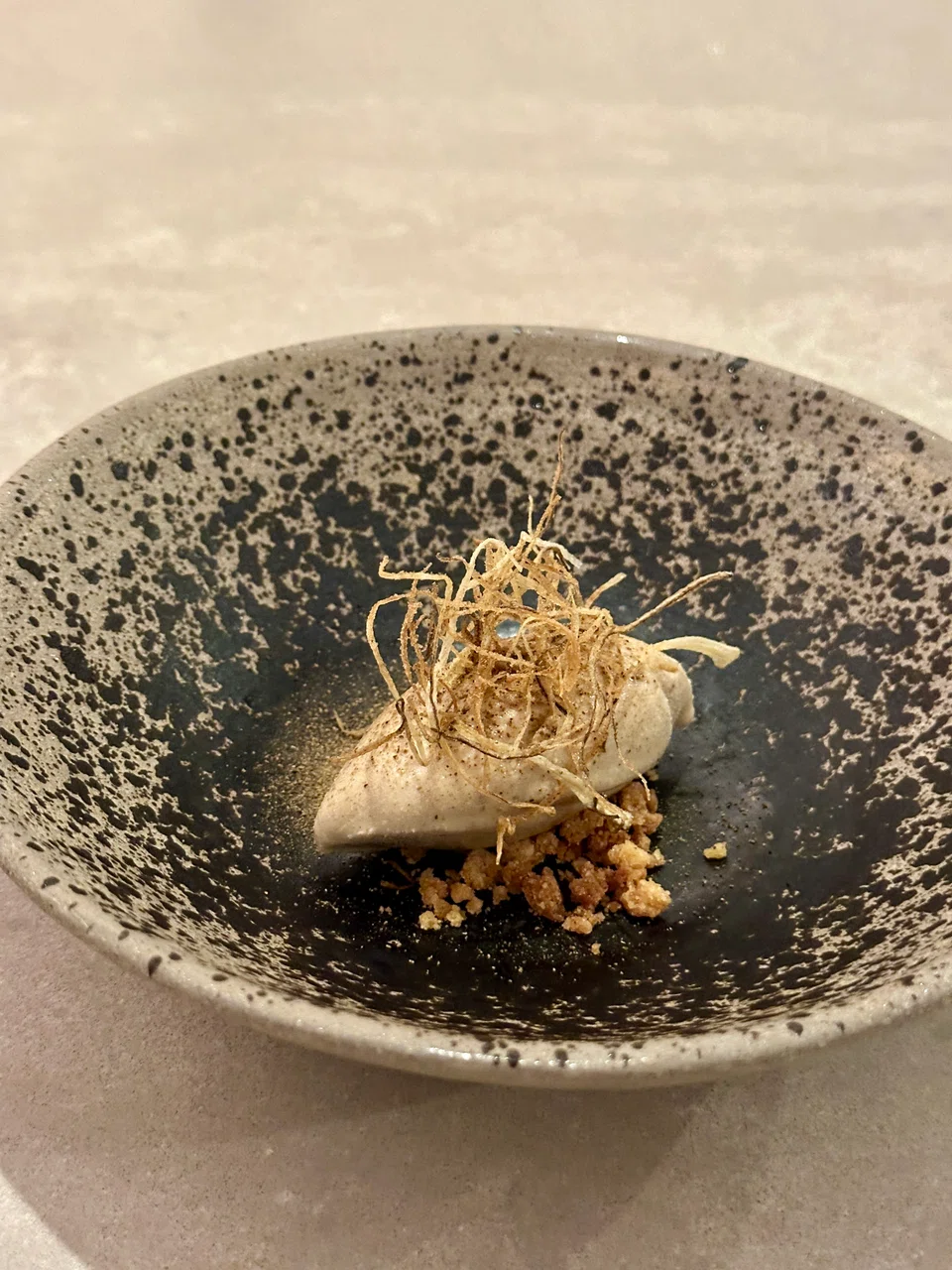
For dessert, Ahn is a whiz with burdock, turning this ugly root into divine ice cream with more than a hint of its earthy goodness. It’s a perfect match with crinkly deep fried burdock crisps on top. And with petit fours that include a warm madeleine, candied walnut and a choux puff dusted with soybean powder, it’s a satisfying finish that’s bang for your buck.
If anything, Ahn’s understated approach might be lost on those more used to having “wow” moments, be it in the form of premium ingredients or more colourful presentations. It feels more like a series of appetisers than an actual tasting menu, with a lack of rhythm, especially in the middle. But you can’t quibble, given the price, which makes you think that maybe Onmi should have priced it a bit higher to give the menu more heft. An alternative would be to keep this and offer a more premium menu, but without stepping into caviar-uni territory.
Of course, if Ahn continues on an upward trajectory, Michelin ambitions could be next. But let’s leave that to Season 3.
Rating: 7
Decoding Asia newsletter: your guide to navigating Asia in a new global order. Sign up here to get Decoding Asia newsletter. Delivered to your inbox. Free.
Copyright SPH Media. All rights reserved.