

Comforting naan and North Indian fare at SanSara
The new restaurant at Grand Copthorne Waterfront serves Awadhi cuisine
NEW RESTAURANT
SanSara Grand Copthorne Waterfront Hotel Singapore 392 Havelock Road Singapore 169663 Tel: 6233-1338 Open for lunch and dinner Tues to Sat: 12 pm to 2.30 pm; 6 pm to 10 pm
WE MAY seek the bread of life, but what about the naan of the moment? That’s the point when you bite into perfectly flaky, chewy, leavened layers of blistered dough, dipped into creamy folds of tomatoey butter chicken, and achieve a fleeting moment of utter bliss.
Temporary sustenance of the physical kind can be found at SanSara, a new Indian restaurant that straddles the middle ground between the no-frills gutsiness of Little India and its eloquent, fine-dining cousins in town.
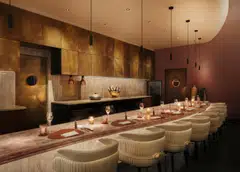
The restaurant takes up a bite-sized space carved out from other river-facing eateries along the side of the Grand Copthorne Waterfront hotel. Here, you can watch other people and their dogs enjoying the water and greenery along the promenade. It’s peaceful and stress-free, the only major decision-making being whether to go with chicken or lamb biryani. The view outside is better than the inside, which has all the warmth of a function room told to dress up for a banquet in a hurry.
Two chefs from India – we’re told this is their first time outside their homeland, which bodes well for authenticity – work steadily in the glass-walled kitchen. There’s also supposed to be a master chef, Akhilesh Pathak, an exponent of North Indian Awadhi cuisine. However, he’s nowhere to be found on our visit, so the food has to speak for itself.

It might not be that articulate, but from what we gather, this particular branch of Indian cooking claims some Middle Eastern influence, namely Turkish and Persian, with its variety of spices and fresh herbs. We can’t vouch for it, but starters such as Kumbh Ki Galouti (S$32) and Murgh Paan Kebab (S$30) do a good job of stretching our menu vocabulary.
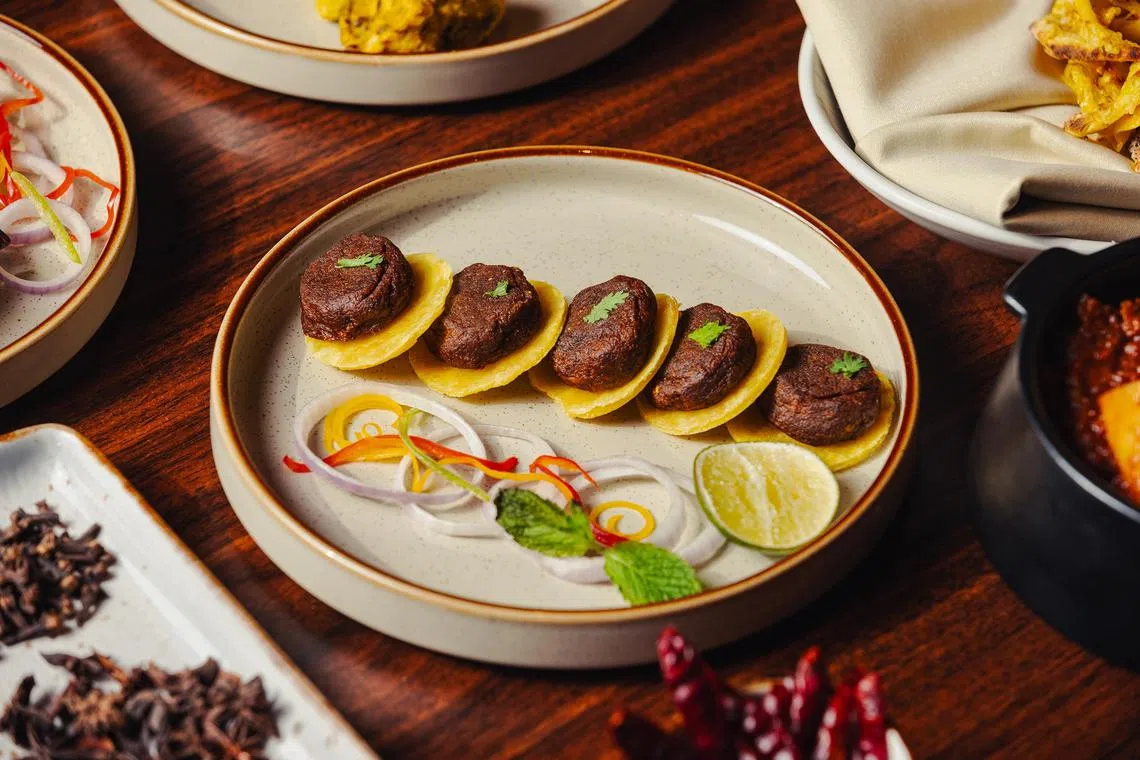
The former comprises itty-bitty prata canapes – coin-sized discs of slightly undercooked dough topped with a mushroom patty that can’t decide if it wants to be minced or pureed, so the chef obliges by doing both. It could use a bit more texture, but it’s got a pleasant earthy umami from the mushrooms and mild spices. A spritz of lime juice and raw onions inject some character.
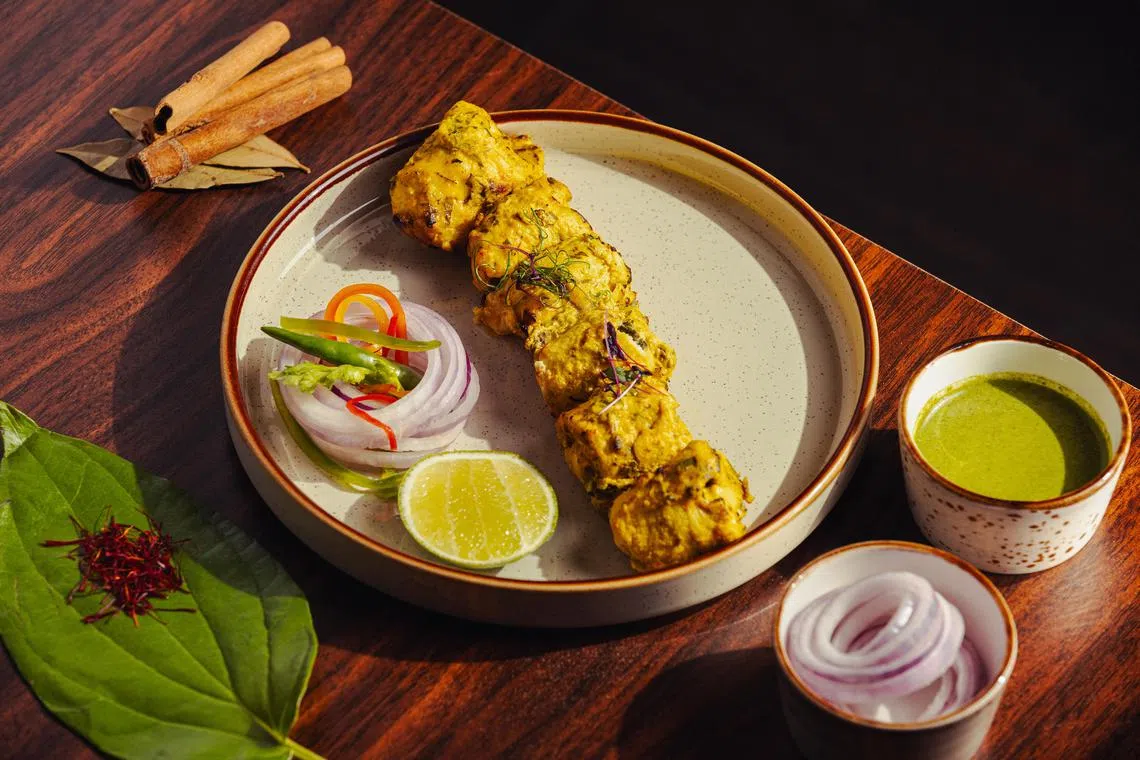
Chicken breast by virtue of its fatless-ness is irrevocably dry, but damned if every chef in the world doesn’t try to find a way to defy nature without risking salmonella. Well, yoghurt doesn’t help. Still, the paan kebab is a likeable construction of flattened breast meat rolled over a filling of minced chicken and betel leaf, neatly charred in the tandoor. It’s tangy from the yogurt with a herbal lilt from the betel leaf. The kebab is dry, but it protects the moist mixture within, so it evens out.
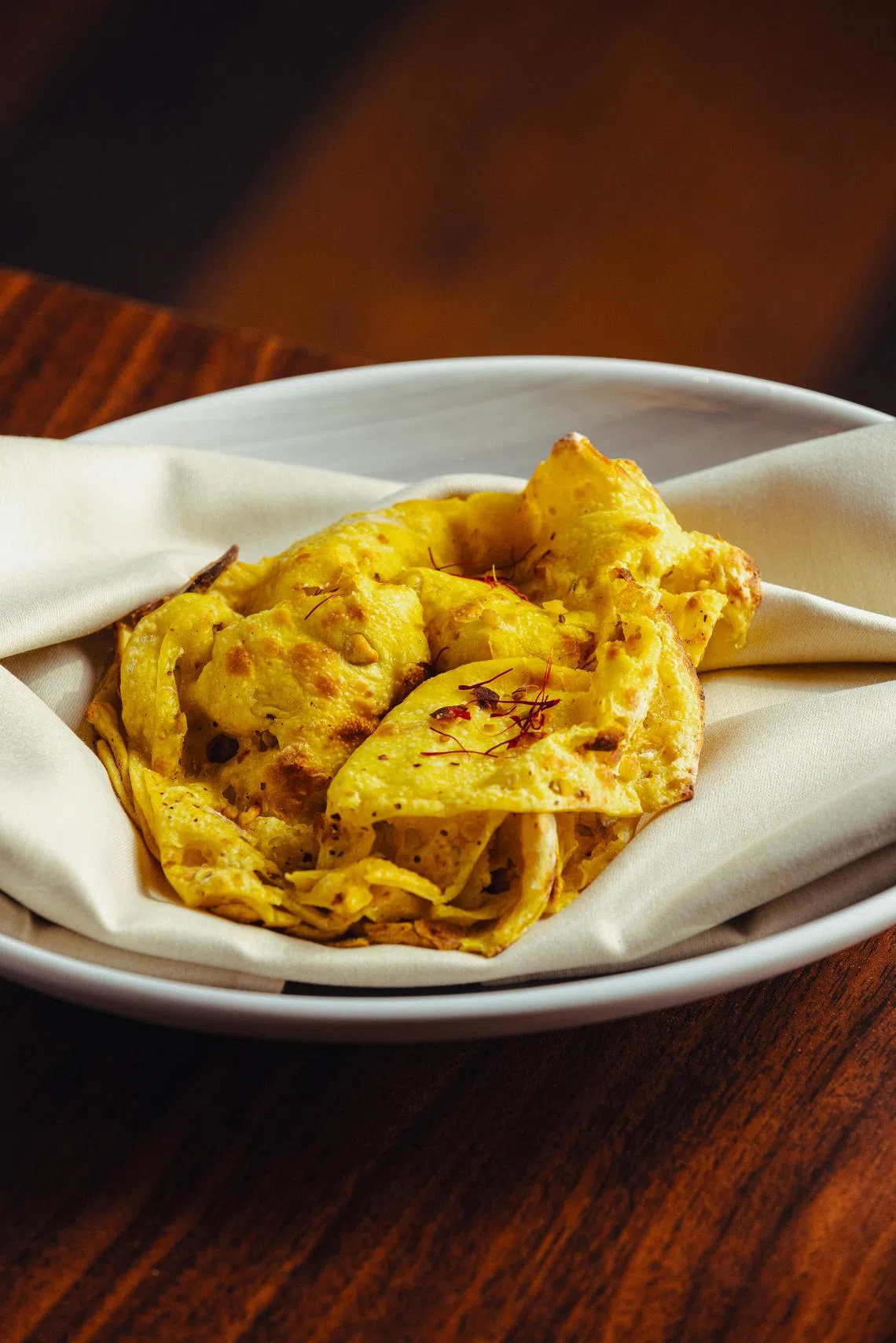
But there’s nothing like really good naan to cancel out any negatives here. We’ve had puffy, pliable and equally respectable versions, but SanSara pulls theirs off on two counts. The naan here is thin (which predisposes it to dryness) yet it’s both crisp and yielding, served either with a light brush of butter or paronthia-style.
The latter has no definition we can find and sounds like a Greek god burned his finger in the tandoor and let out an involuntary swear word. But here the heavenly layers are tinged ever so slightly yellow and have an even more subtle sweetness so it’s enjoyable just on its own.
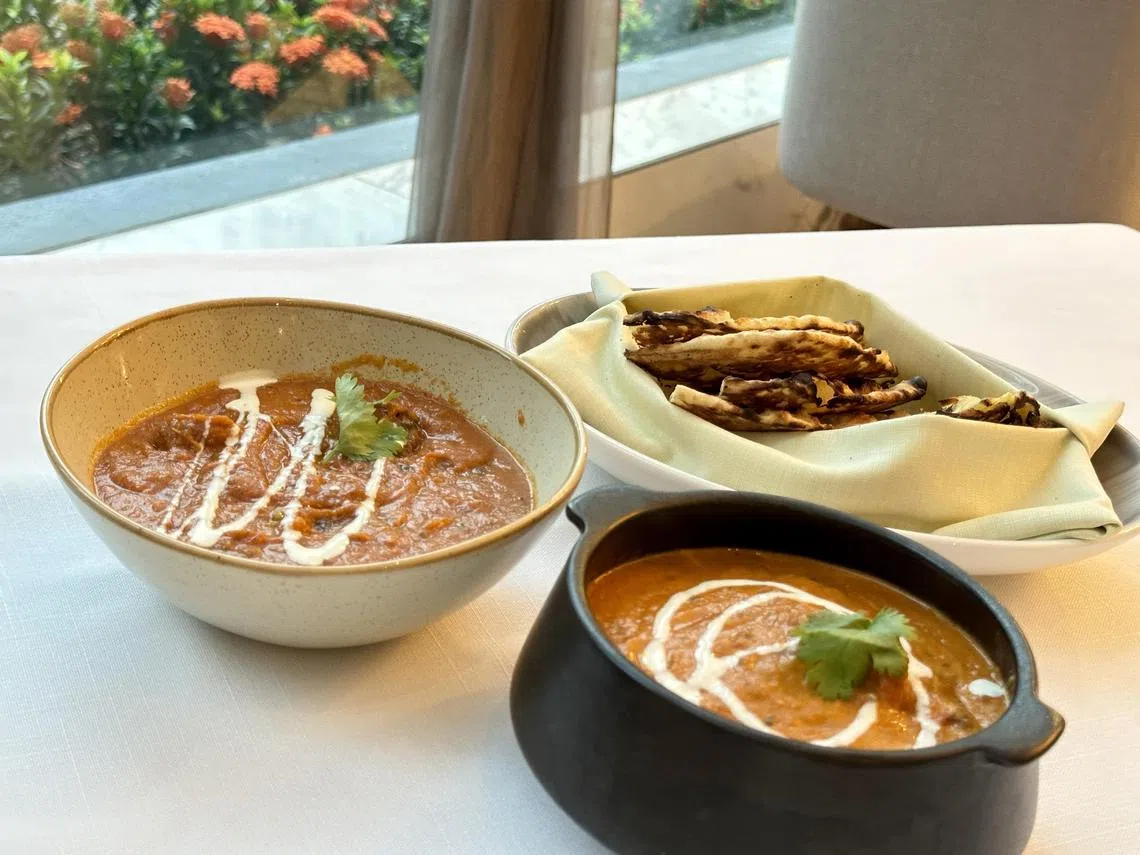
But we get something to dip them in: Paneer Khass (S$28) and ubiquitous butter chicken, also known as Kukkad Butter Masala (S$30). A bit of a mistake since both are tomato gravy-based, but they’re equally decent. The former is a lighter vegetarian version with fat golf ball-sized gobs of homemade cottage cheese, and the latter meaty chunks of chicken thigh.
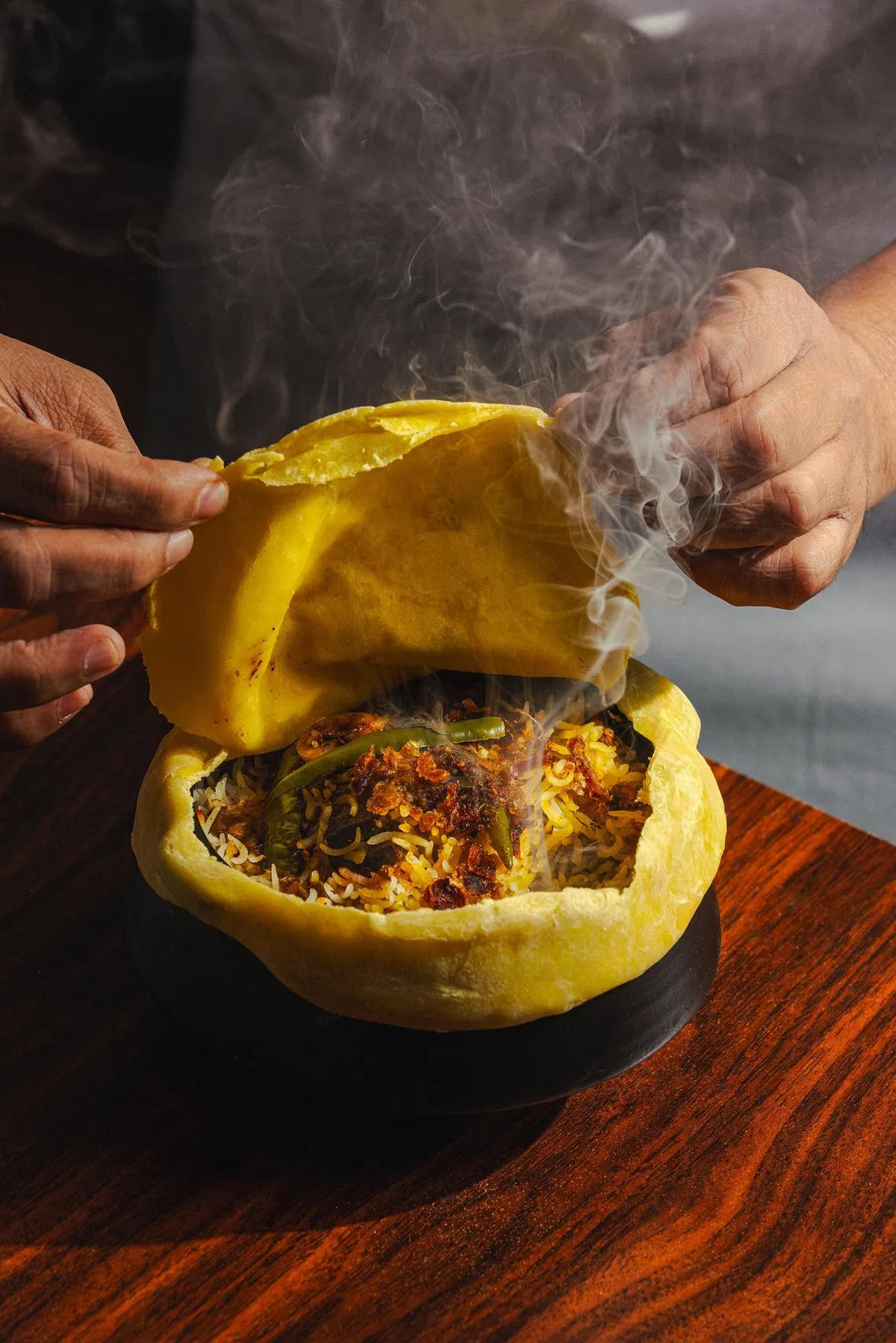
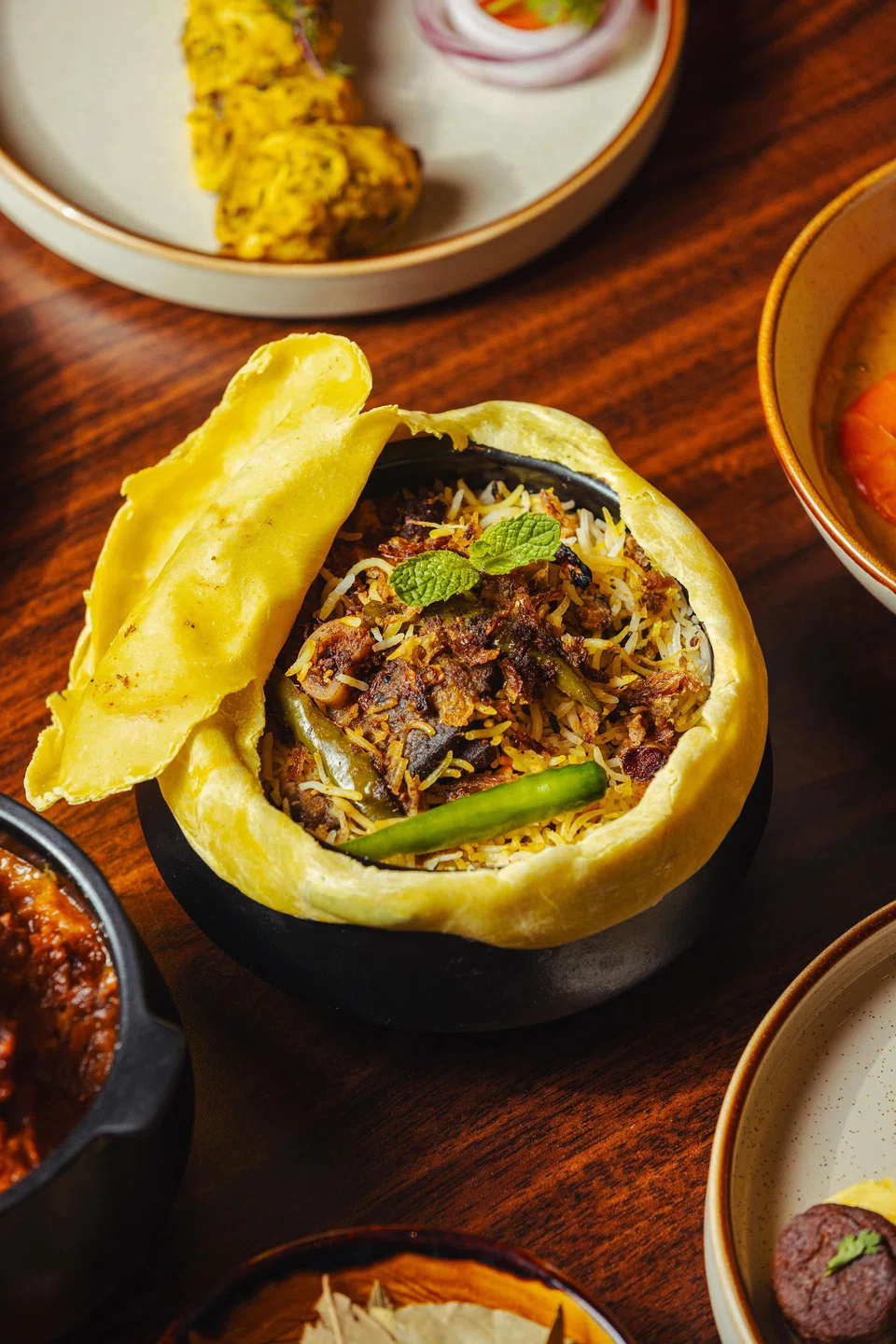
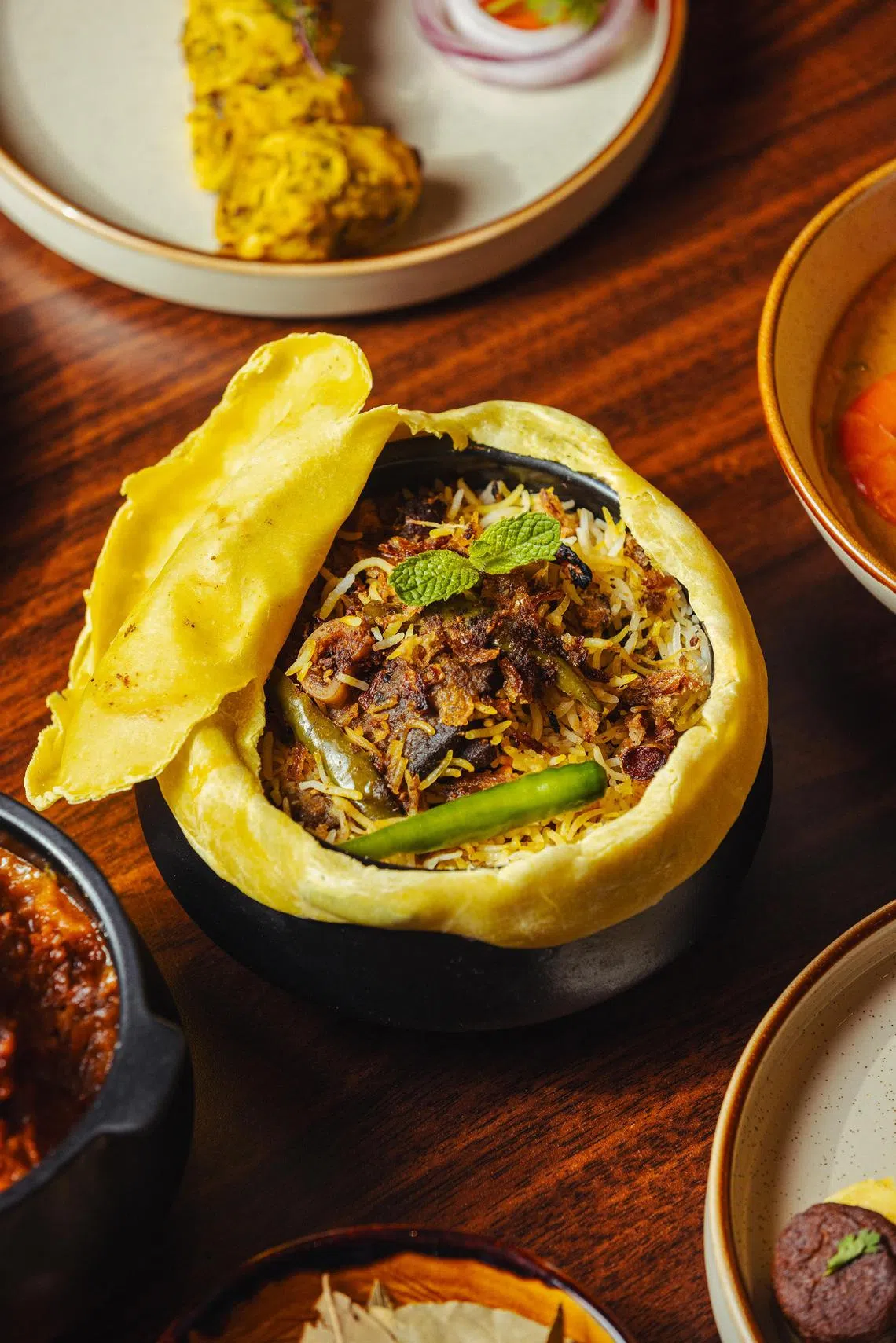
The main event is Gosht biryani (S$38) presented with a baked pastry cover that our very capable server David slits open with the expertise of one who’s slayed more than a few chicken pot pies. The effect is instant as pent-up steam escapes – laced with cardamom, star anise and cinnamon along with the curry spices from the basmati rice and lamb. It needs to sit until the rice cools enough to al dente doneness, before you scoop up its rib-sticking, if quite salty, goodness. It’s not the best around but comforting enough.
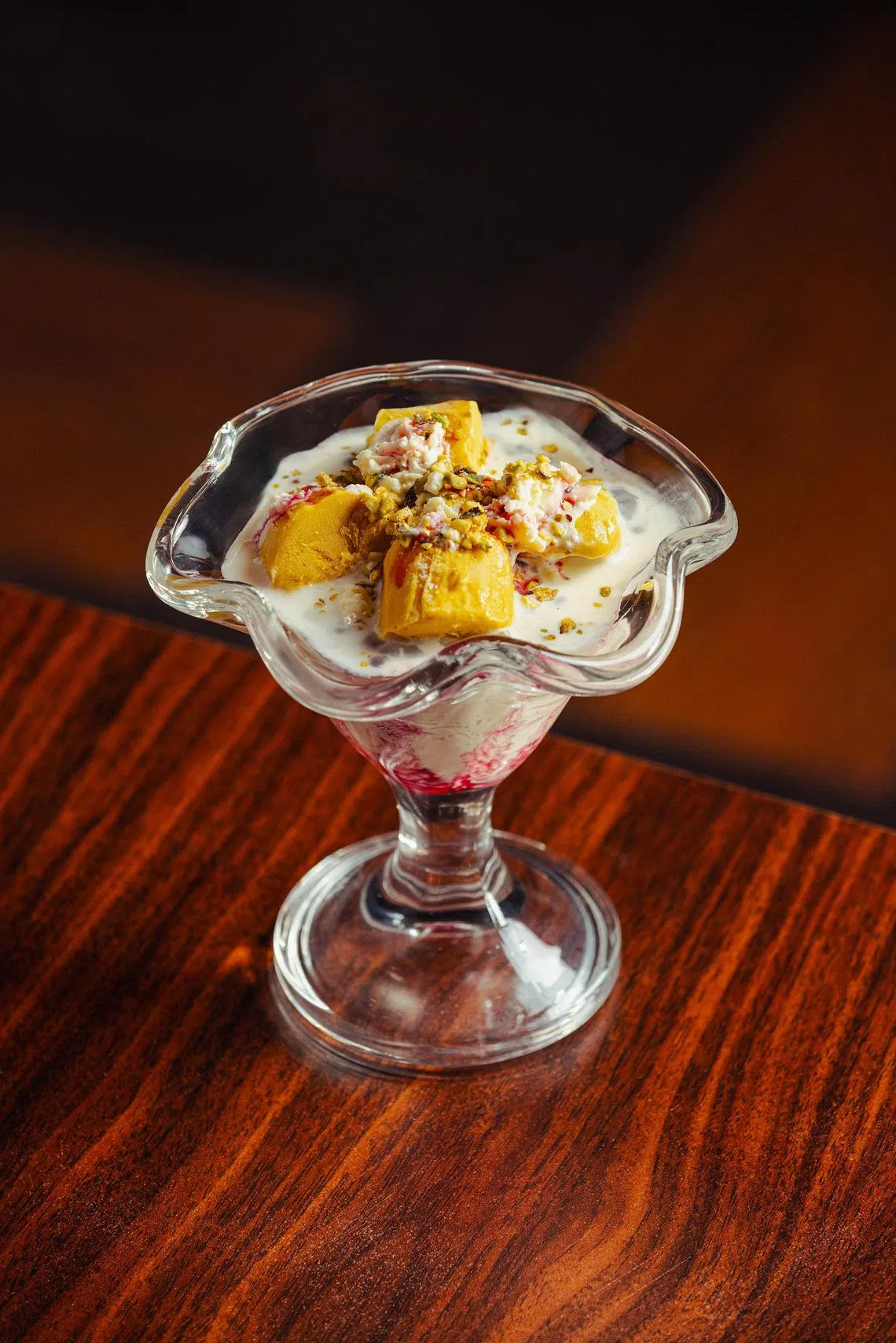
For the sugar rush-averse, Kulfi Falooda (S$16) is an accessible compromise, especially if you have a taste for condensed milk. Icy little milk squares decorate a parfait glass of rose-flavoured rice vermicelli pudding, garnished with pistachio. Share it, but you might end up polishing it off yourself.
A meal at SanSara isn’t a complicated affair. There’s a tasting menu if you want, or pick a couple of things for quick immersion. It’s flexible, unpretentious and if all fails, just dip a naan in it.
Rating: 6.5
Decoding Asia newsletter: your guide to navigating Asia in a new global order. Sign up here to get Decoding Asia newsletter. Delivered to your inbox. Free.
Copyright SPH Media. All rights reserved.
TRENDING NOW

Motoring tycoon Peter Kwee is back in court: Here are his previous legal battles
Peter Kwee’s Ridley Park bungalow on the market with S$100 million asking price

Demand, tech capabilities position Apac and AI as Skyscanner’s next growth frontiers: CEO Bryan Batista

South-east Asia has lost Nvidia’s best salesman

