

Culinary Class Wars 2 puts Seoul restaurants back in the spotlight
With the cult favourite cooking show back for its second season, it’s time to plan for an eating spree in the South Korean capital
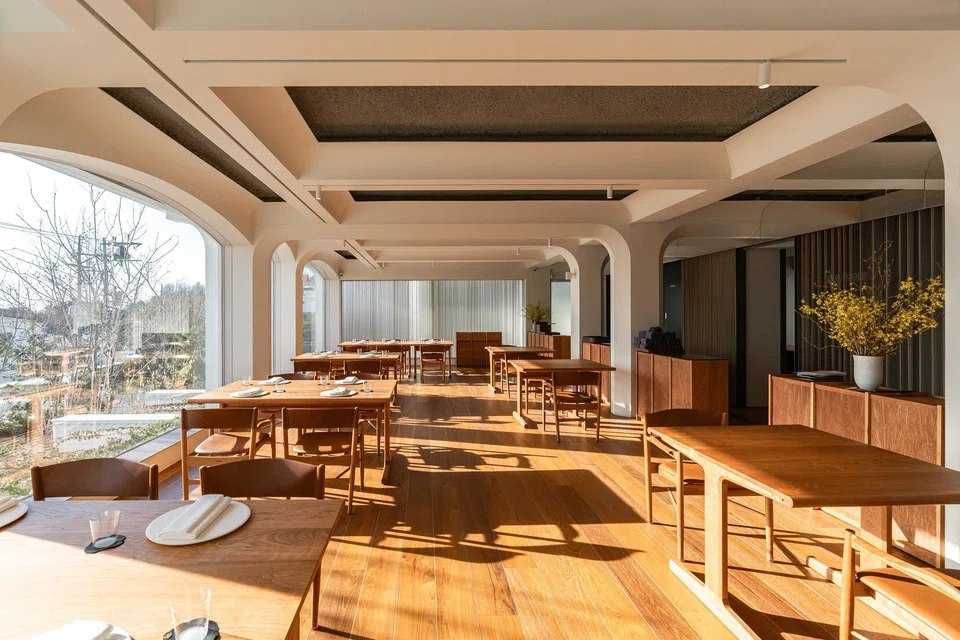
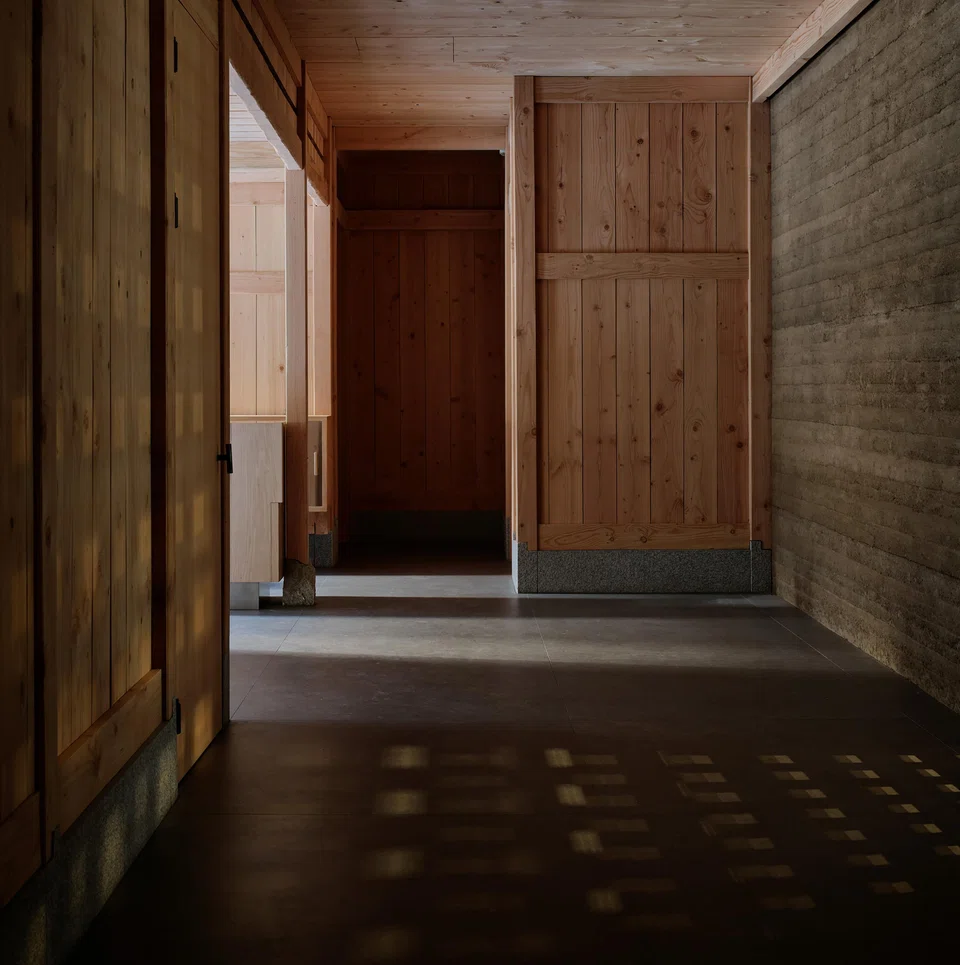
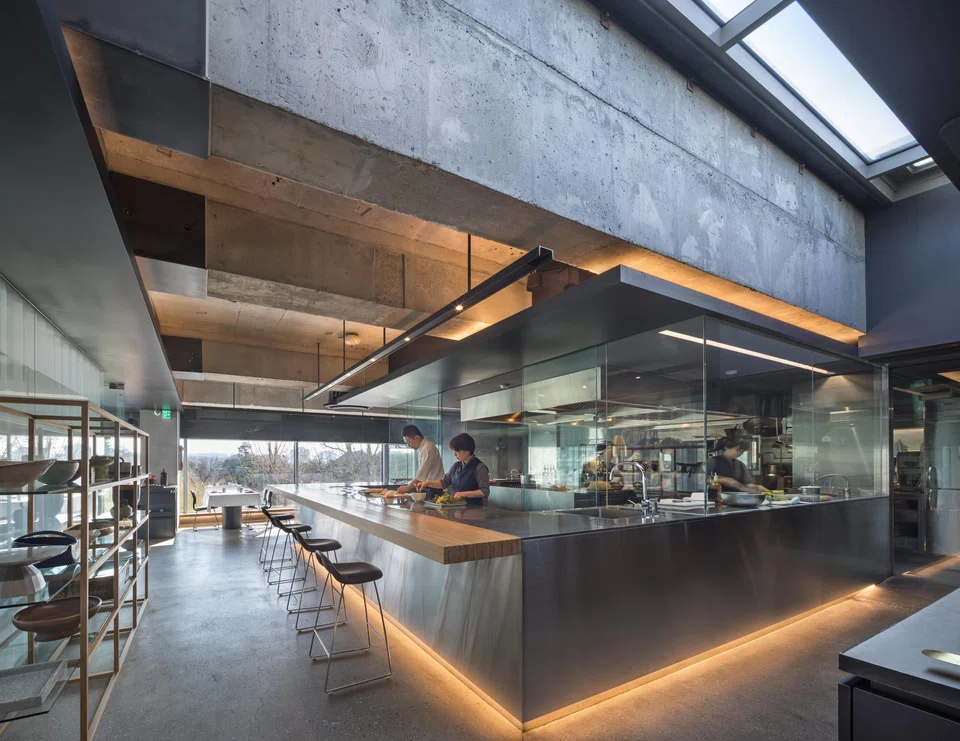
AND it’s back. After setting records as one of the highest-rated reality shows on Netflix, Culinary Class Wars returns for a second seating.
Season 2 launched on Dec 16 in the same format – lesser-known Black Spoon chefs duking it out at the stove against more established White Spoon chefs.
Judges Anh Sung-jae and Paik Jong-won reprise their roles, despite this year’s controversy swirling over Paik’s involvement in allegedly dubious practices in his F&B businesses.
But for travelling gourmets, it’s just another excuse to get excited about Korean food again. When Season 1 launched in 2024, Seoul’s sluggish F&B industry experienced a massive boost and restaurants featured in the show became impossible to book.
The new season could do the same, so start planning your trip now. Here’s a list of restaurants we visited in 2025 that you’ll want to bookmark for 2026.
Mosu
One of the biggest takeaways from Season 1 came when chef-judge Anh of the three-Michelin-starred Mosu scolded a competitor for blithely using edible flowers as a garnish for his dish. If it does not add any taste or value to a dish, don’t use it, he told the hapless chef.
He practises what he preaches on his own turf – his newly renovated restaurant in an elegant two-storey house surrounded by greenery in Seoul’s Itaewon district.
He relocated to this neighbourhood in March this year – technically losing his stars, as the Michelin Guide considers a new address as a new restaurant. It will no doubt regain them when the next year’s guide rolls around.
Meanwhile, that has had no impact on the restaurant, given its near-impossible-to-book status, and the level of cooking that Anh delivers. The low-key, unflappable chef focuses not on bells and whistles, but on flavour and produce – and the techniques to achieve it.
He’s so unassuming that you can barely spot him among his team in the open kitchen on the ground level; he keeps his head down and methodically trims radishes like you would expect of a commis chef.
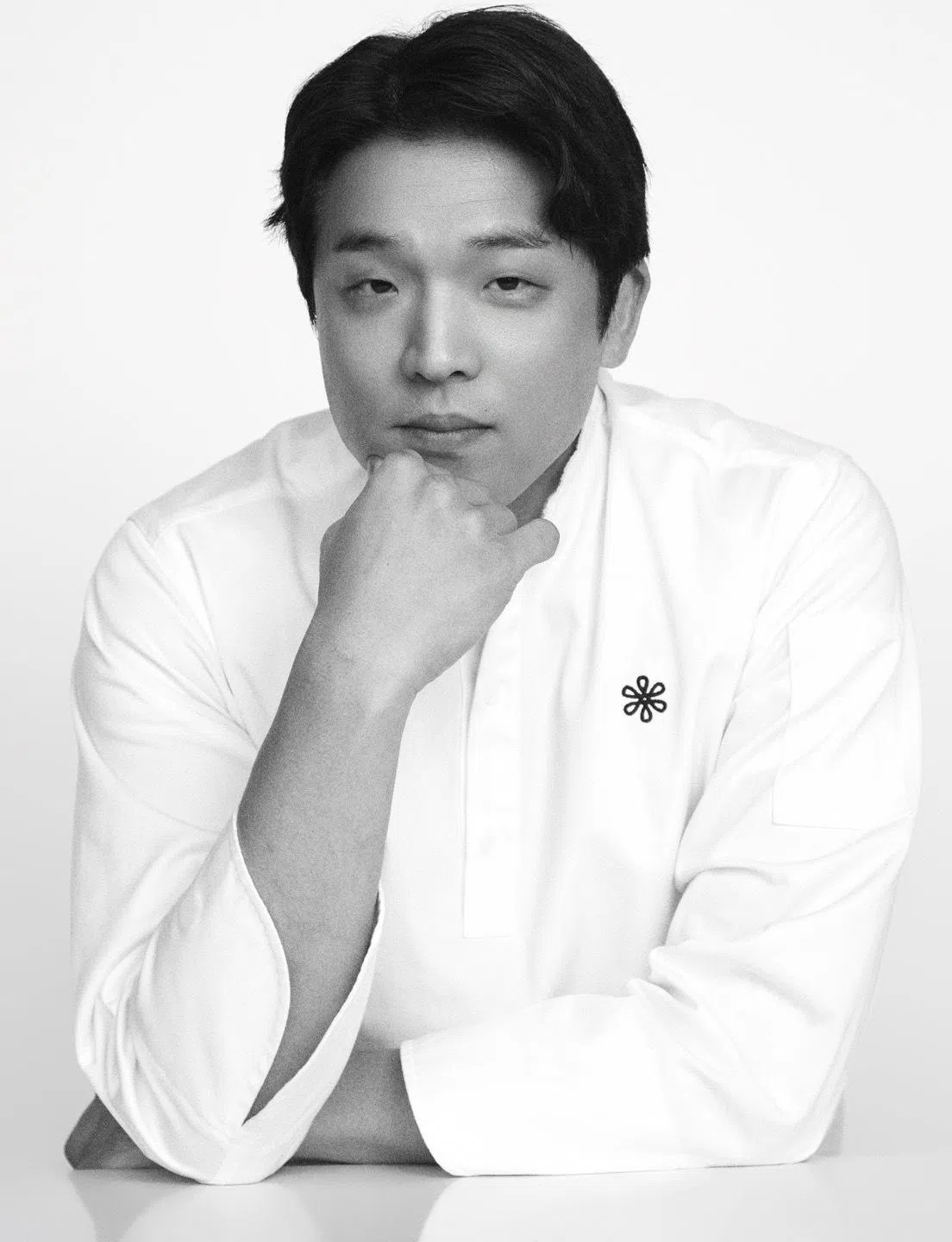
Such is his standing that in the evening we visit, a good-looking young man walks past us to greet Anh, bowing almost reverently before heading up to the second-level dining room. We only find out, too late, that he was V of the pop group BTS – dining with fellow pop star/actress IU.
That fleeting glimpse of fame still came second to the meal itself. Beautifully curated, neither too long nor too heavy – just intense purity in understated presentation.
You taste the sea in the plump, raw shrimp that tops a crispy seaweed tart filled with creamy potato salad. In turn, silky-soft, slow-cooked vegetables are rolled into a colourful maki, so you can savour a medley of textures and garden goodness in one bite.
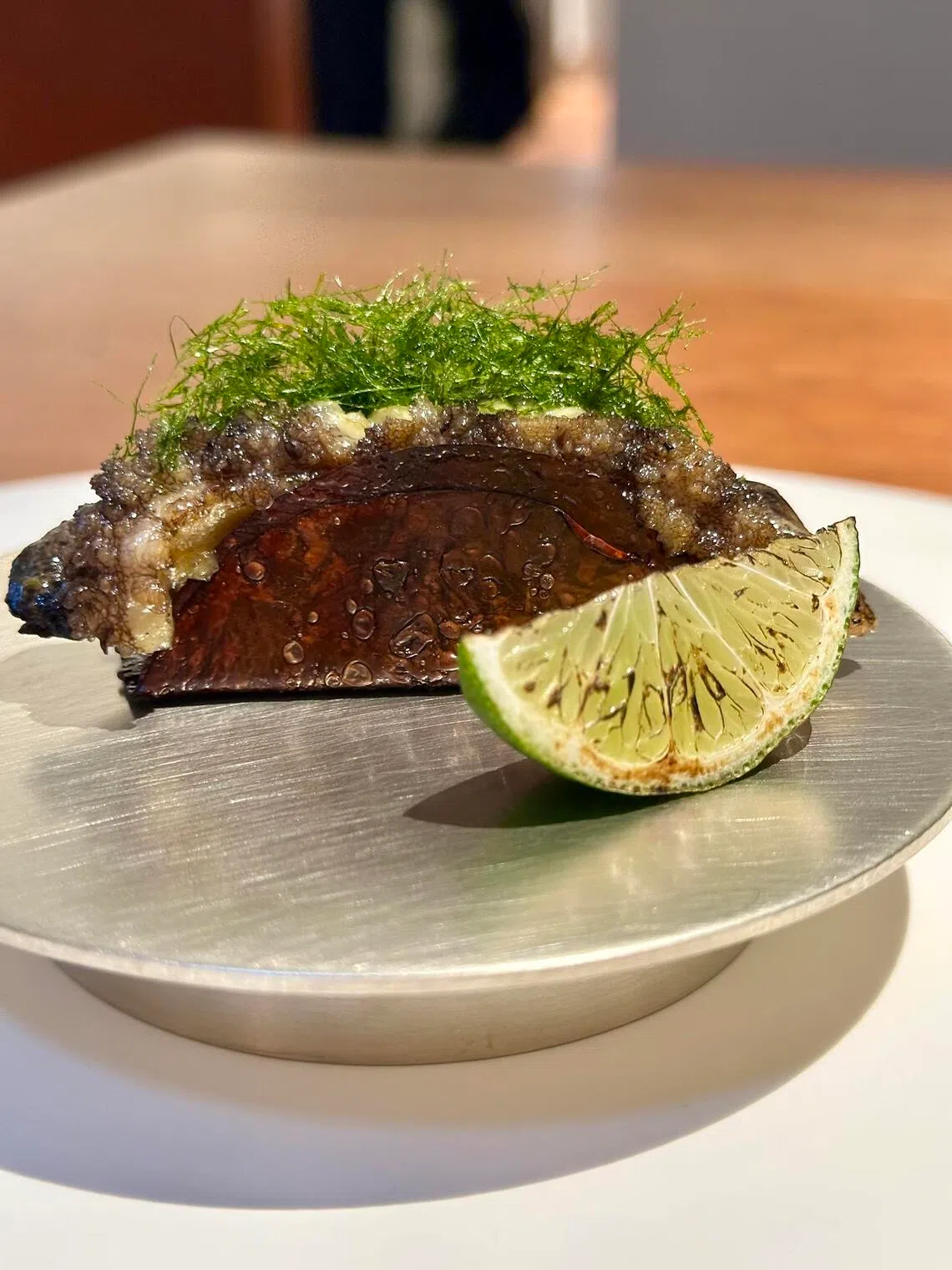
There’s no missing his signature abalone taco – a hunk of slow-cooked, tooth-friendly shellfish encased in a shell of crispy yuba or beancurd skin, topped with nothing but crumbled roasted seaweed. A squeeze of juice from a wedge of roasted lime completes this simple yet innovative combination.
Even the radishes that Anh was trimming earlier are no garden-variety tubers. They come from Paju in Gyeonggi province, grown by a farmer who supplies only to Michelin-starred restaurants. Anh serves them two ways – raw and topped with fermented butter, and as julienned noodles tossed in perilla oil and caviar. The natural sweetness and tenderness of the raw baby daikon is unmatched.
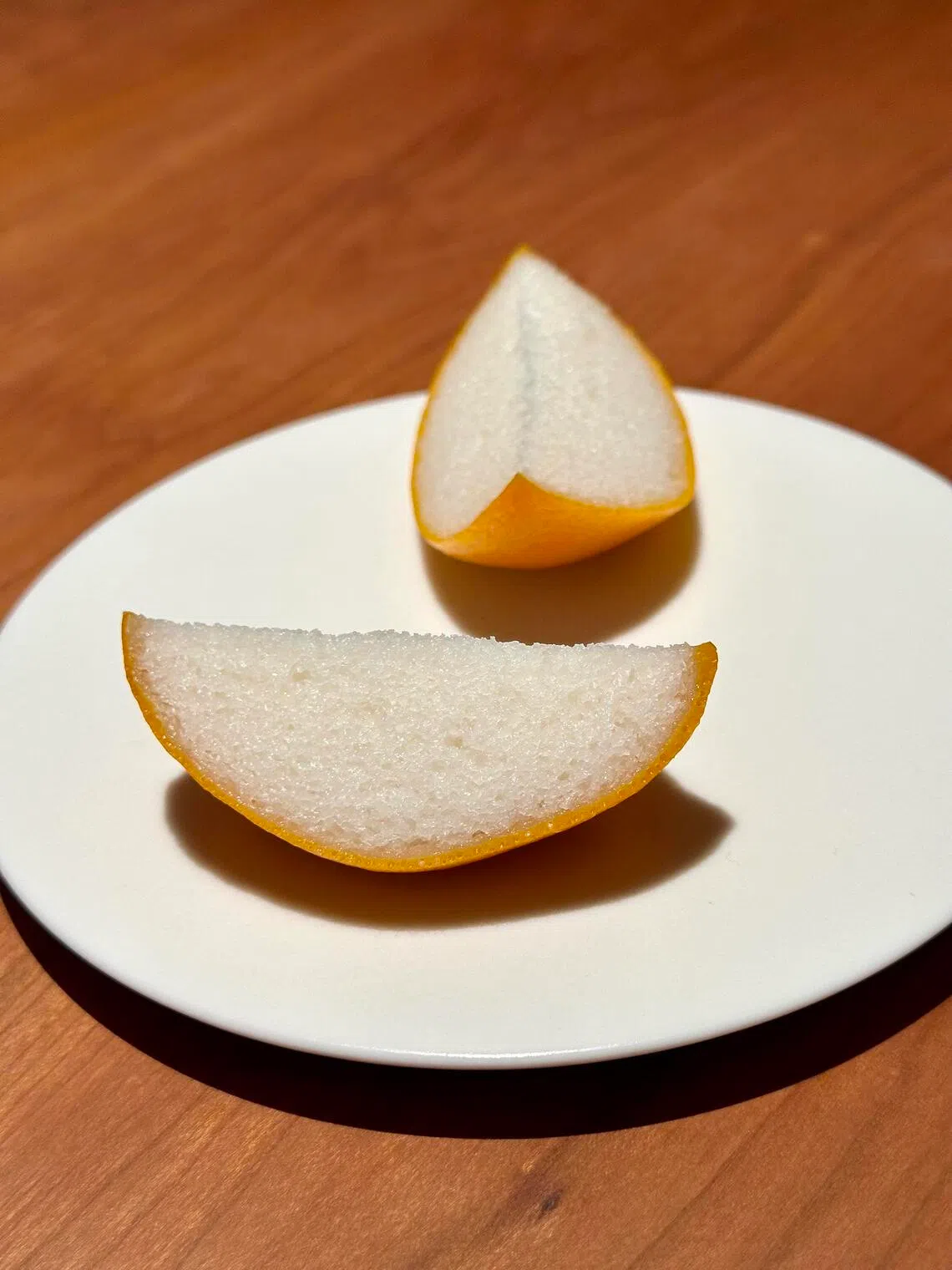
There are other dishes that confirm he is in a league of his own: a sesame tofu ball stuffed with uni; a stunning burdock tarte tatin that would give apples an inferiority complex; a fluffy, chewy fermented rice cake in the shape of orange wedges, and so on. Mosu outperforms, and you don’t need a judge to say so.
4 Hoenamu-ro 41-gil, Yongsan-gu, Seoul. Tel: +82 2-6272-5678.
Bium
Bium is housed in a ubiquitous 21st-century office building in Seoul – at least until you shift your gaze and notice an ancient-looking wooden trellis that hangs above the driveway. And the huge clay jars of jjang – Korean fermented sauces – that look equally at home as the sharp-looking coupe parked beside them.
“Stepping back in time while still firmly rooted in the present” describes your experience at Bium – the passion project of chef Kim Dae-chun.
The chef-owner of the one-starred Seventh Door and casual Italian restaurant Toc Toc – all three are located in the same building – opened Bium as a tribute to temple cuisine, an untapped genre in a dining scene that’s mostly focused on taking Korean food into the future.
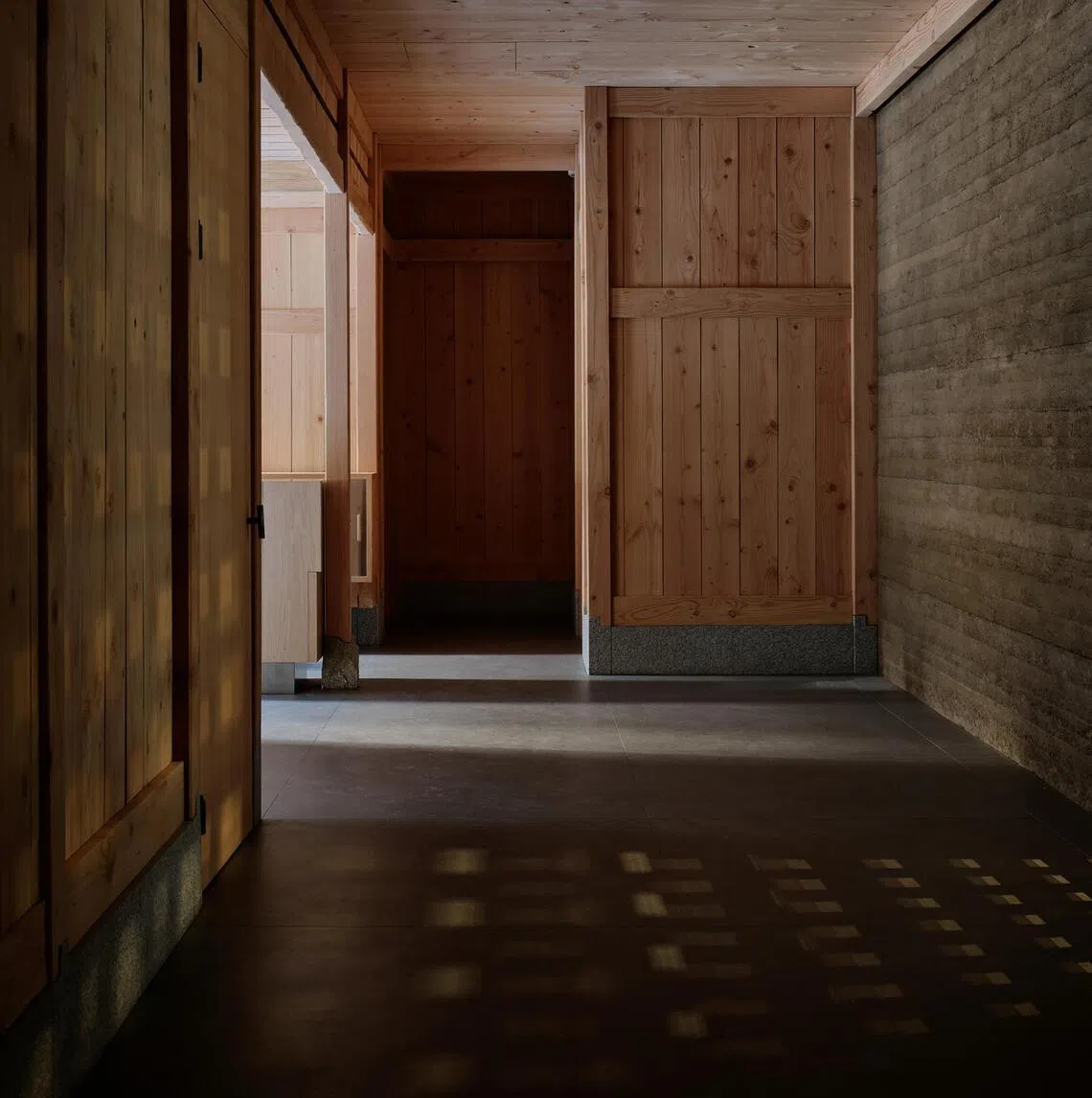
Bium is translated as “emptiness”, but there’s nothing more fulfilling than Kim’s loving tribute to heritage food. The space itself transports you to a different world with its meticulous attention to traditional architecture.
Austere but expensively so, the walls are a mix of solid timber and textured stone, with delicate paper screens. It’s an unobtrusive canvas for the meal that follows – a showcase of Buddhist vegan dishes crafted without “overstimulating” ingredients such as garlic, onion, leeks and other members of the allium family.
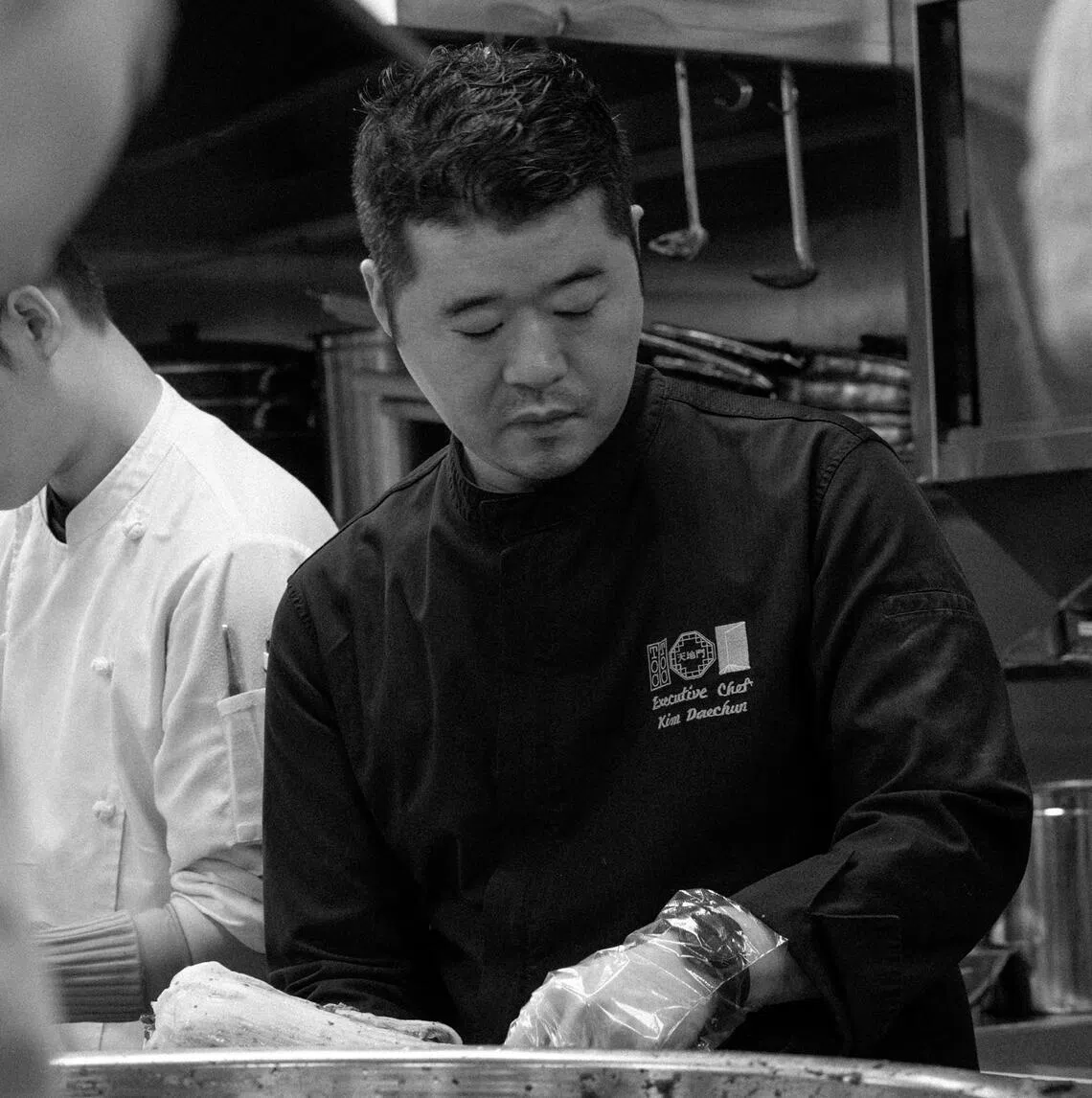
But Kim infuses plenty of oomph in myriad ways with his visually satisfying platters of colours, textures and flavours. That you don’t miss the meat in this fully vegan meal is the real feather in his cap.
There are history and philosophy lessons aplenty, all deliciously told. The food is like a minimalist Joseon dynasty breakfast: Imagine waking up to a bowl of pine nut porridge served by your courtier, accompanied by dainty pickles and a lovely chewy pancake.
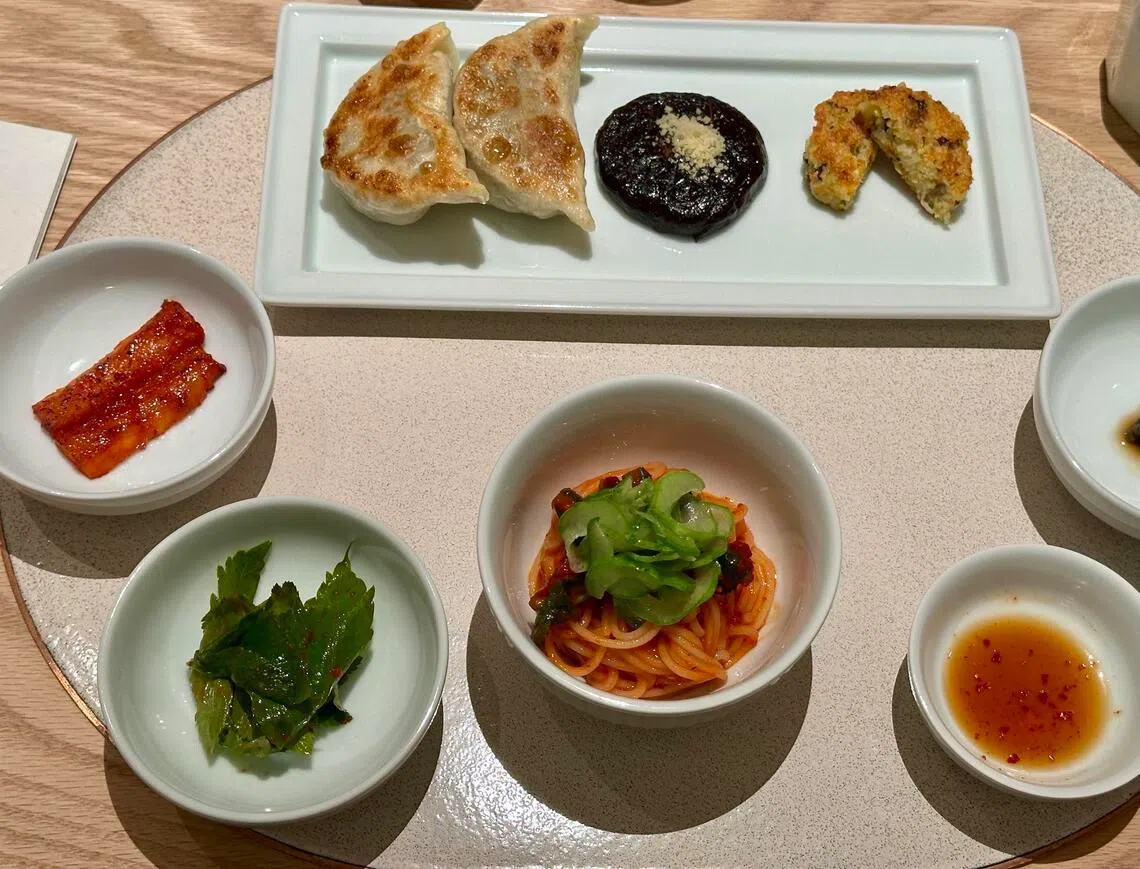
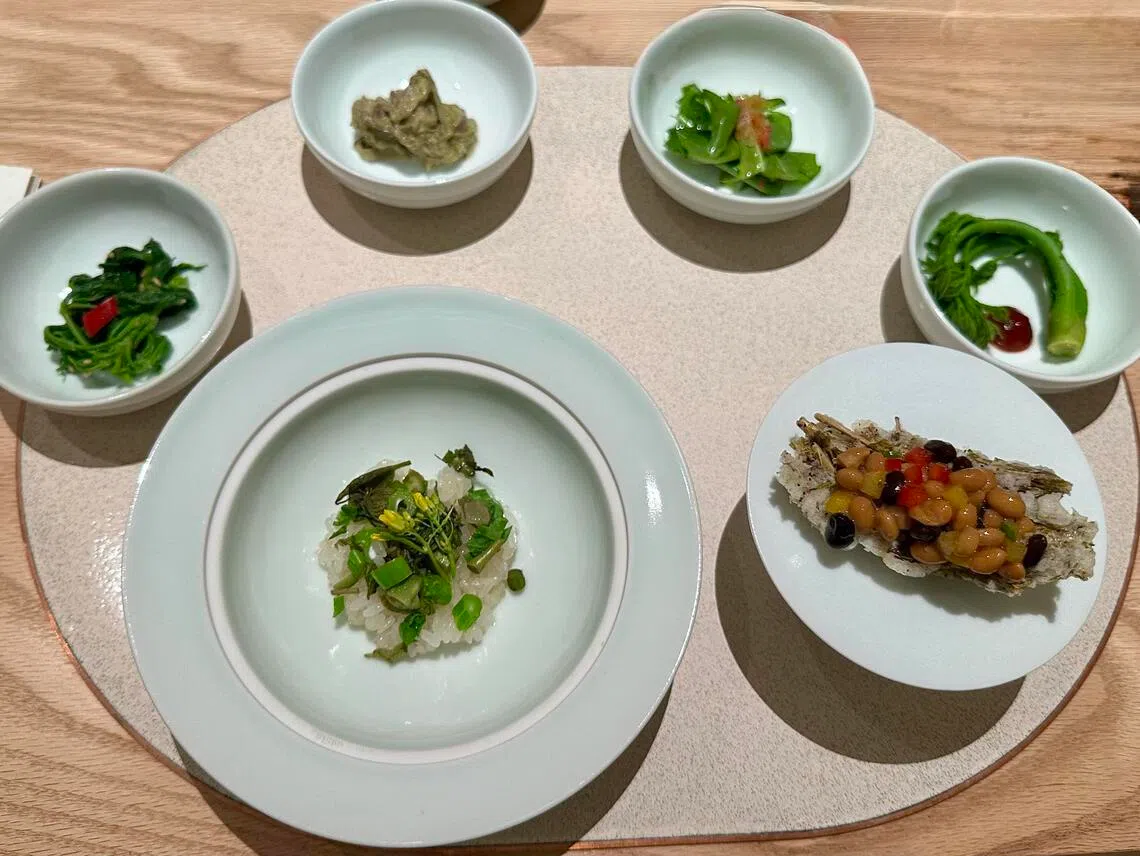
Each course is inspired by the four elements: earth, fire, water and air. Earth is represented by vegetables of the season – a spread of small, intricate bites featuring spring dureup greens. Their earthy, bitter qualities wake up the palate, and that’s what the meal is all about – exposing you to the refreshing novelty of an unfamiliar style of eating.
The water course is all about vegetables sourced from the sea – think different kinds of seaweed, and water-based dishes like acorn served in kimchi juices. Interestingly, chilli powder isn’t considered an “overstimulating” ingredient – that extra heat gives the chef more room to play with cooking techniques.
Dessert is a visual treat – little cookies and snacks straight out of a Joseon period drama. And the whole experience? An eye-opening trip to the past that we’ll want to keep going on.
41 Hakdong-ro 97-gil, Gangnam-gu, Seoul. Tel: +82 2-549-8889.
Onjium
The one-starred Onjium isn’t new, but it’s a classic that never feels tired. It’s helmed by the ever-hospitable Korean royal cuisine expert Cho Eun-hee, who teams up with chef Park Sung-bae to serve heritage dishes with a touch of modern flair.
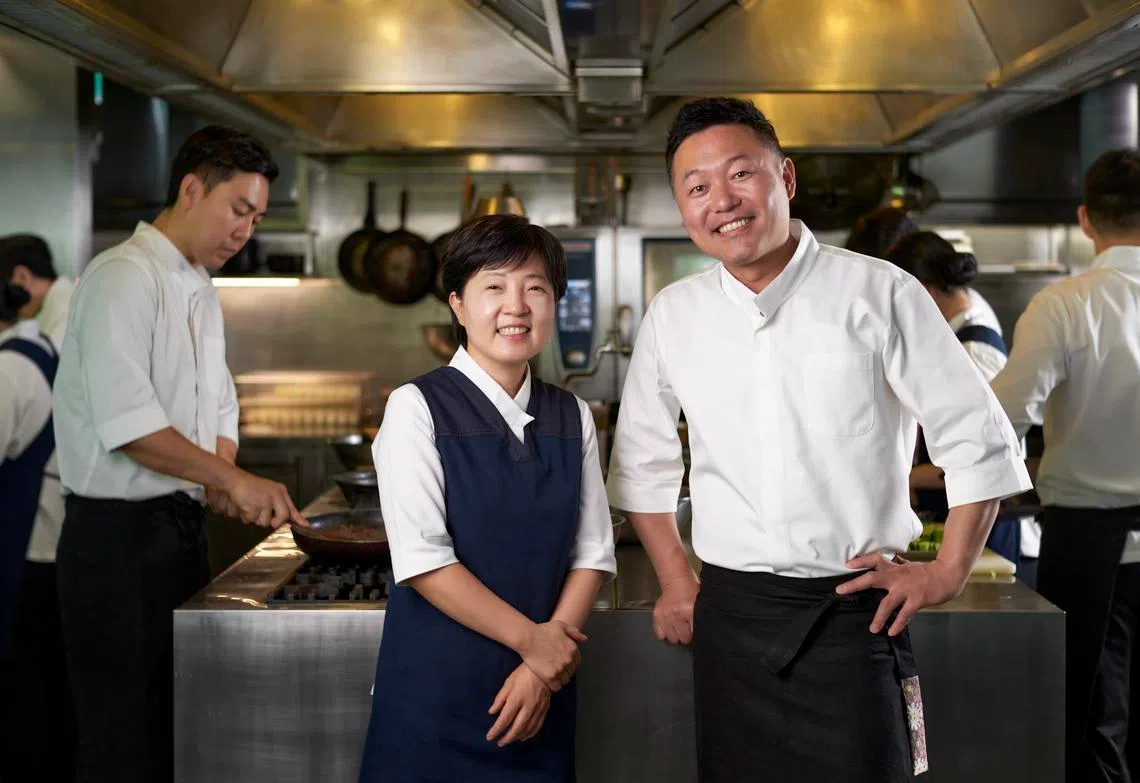
Fittingly, Onjium sits right across from Gyeongbokgung palace – an original palace from the Joseon era. So you can dine and pretend you’re in a scene from Bon Appetit, Your Majesty, a K-drama about a chef at a Michelin-starred restaurant who travels back in time to cook for a picky prince.
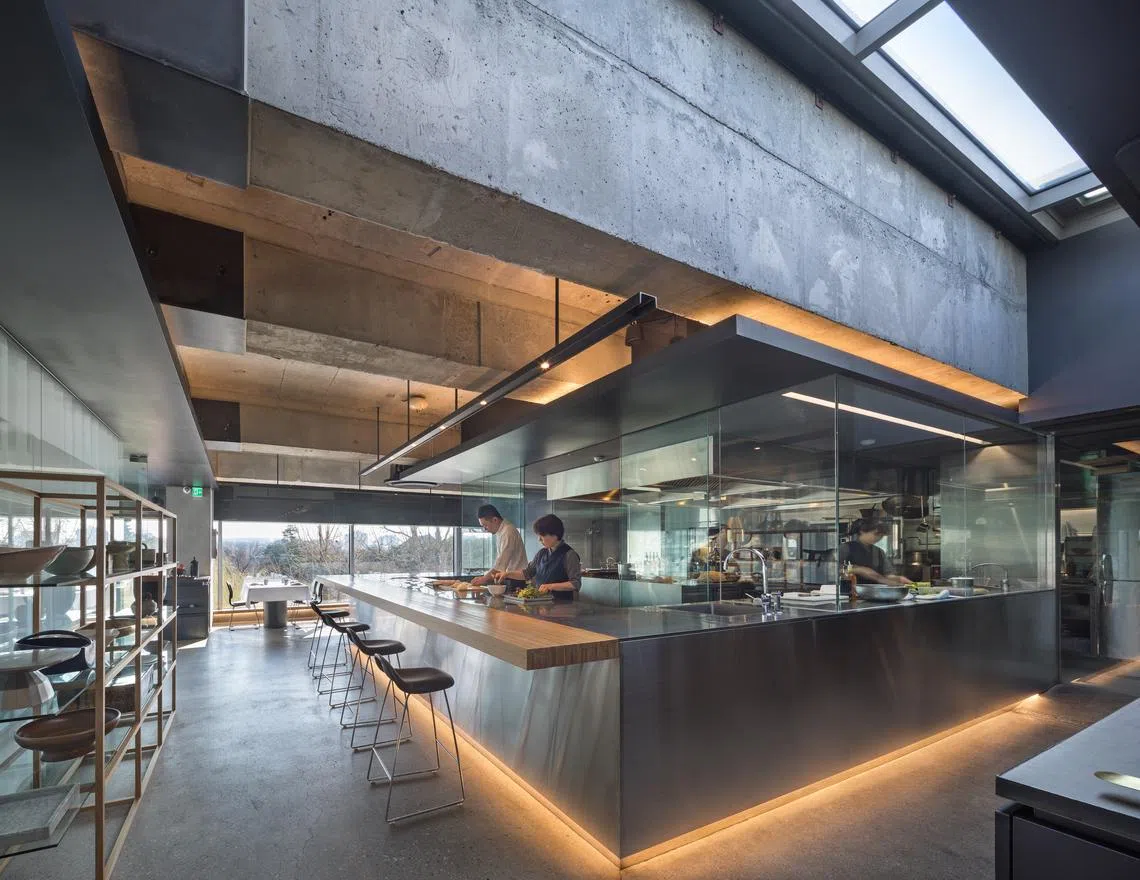
The building it’s in feels like a modern art museum and research centre – minimalist in design, with a quiet, studious feel. The dining room is a wide-open space, flanked by full-length glass windows so you have a gorgeous view of greenery and the palace in the distance if you’re in the right spot.
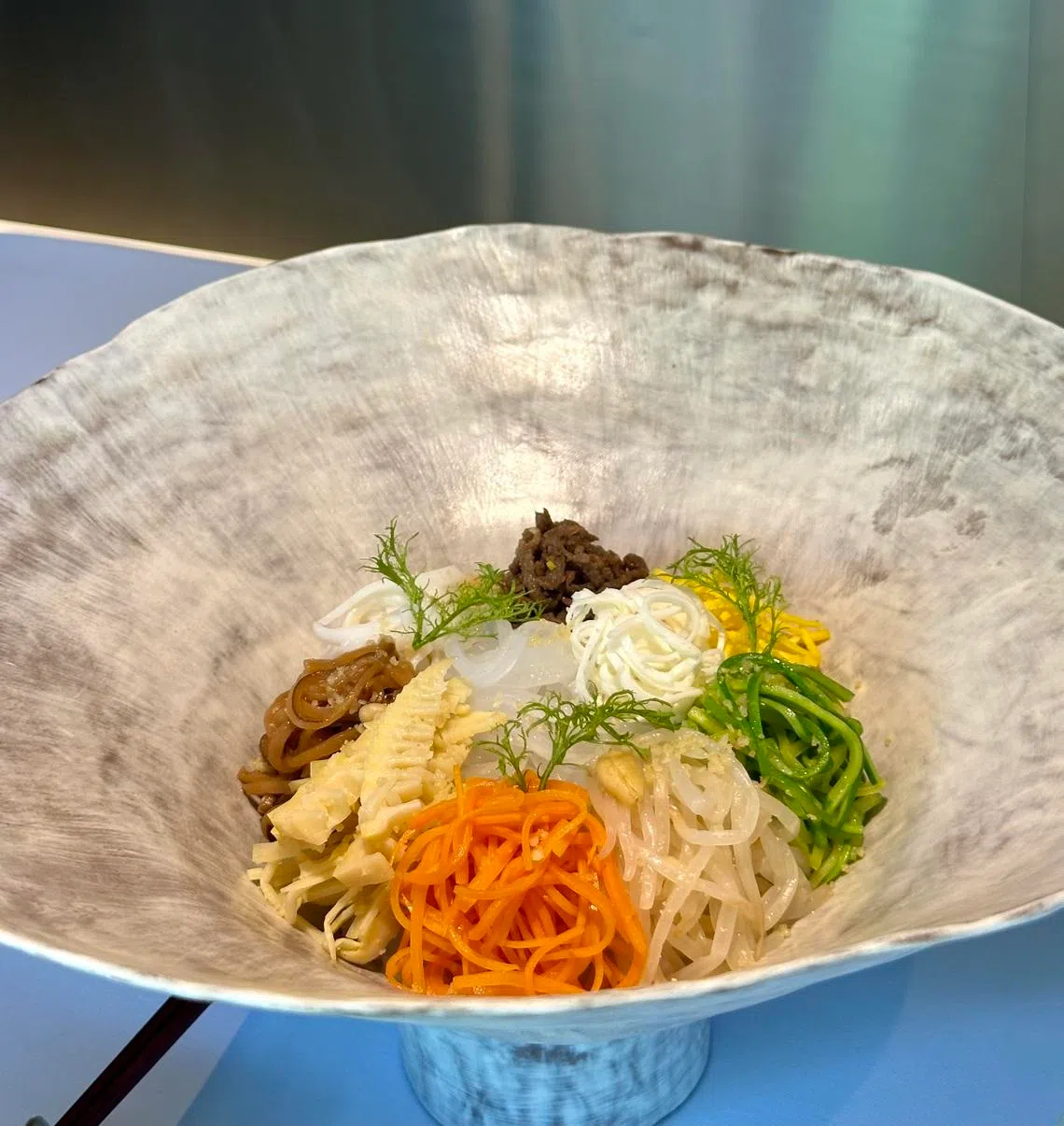
It’s the perfect setting for a deep dive into royal court food, from a healthy green pea porridge with tofu to snacks in every iteration – dried shrimp dusted on crispy rice, soft rice cakes, dried croaker crunchies and more. The significance is hard to grasp, so just eat your way through this culinary odyssey.
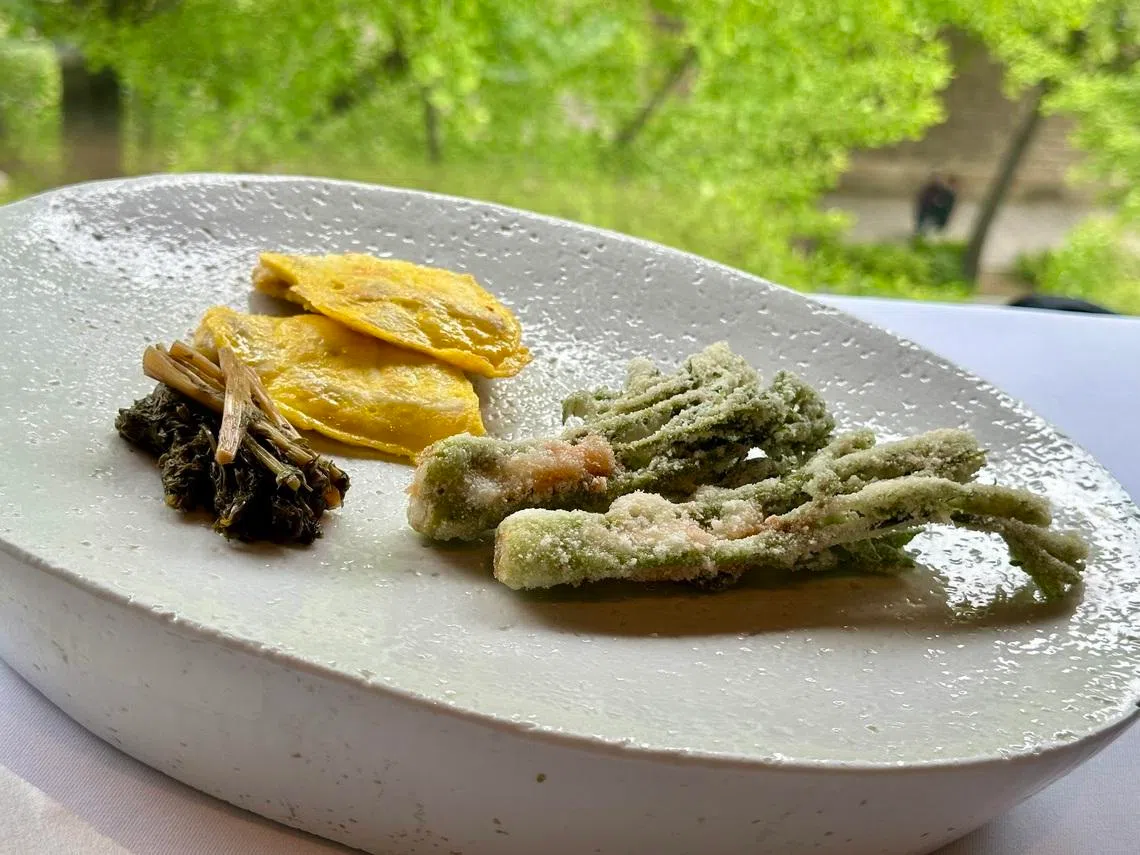
Mung bean jelly is tossed into a colourful bibimbap. The famed Korean semi-dried croaker is pan-fried with an eggy batter. Boiled pork bossam is served with octopus and pickles.
There’s spring vegetable bibimbap with clams. And in between, you have all manner of kimchi and pickles that are unrecognisable flavour bombs.
Familiar yet not, old but new, Onjium appeals on different levels and, like a good teacher, makes the lesson so enjoyable.
4F, 49 Hyoja-ro, Jongno-gu, Seoul. Tel: +82 2-6952-0024.
Eatanic Garden
One of the darlings of the modern Korean dining scene, the one-starred Eatanic Garden is back in the spotlight as chef-owner Son Jong-won takes part as a White Spoon chef in Season 2 of Culinary Class Wars.
The name Eatanic is a portmanteau of “eat” and “botanic”, but is also a Korean homophone for “botanic”, according to the chef who explained that the cuisine is rooted in Korean food culture, but interpreted through his own experience as a chef who worked in top Michelin-starred restaurants including Noma, Benu and Coi.
Like its name, Eatanic Garden’s food is inspired by plants and produce, so every course is prefaced with a pretty postcard depicting the ingredient used.
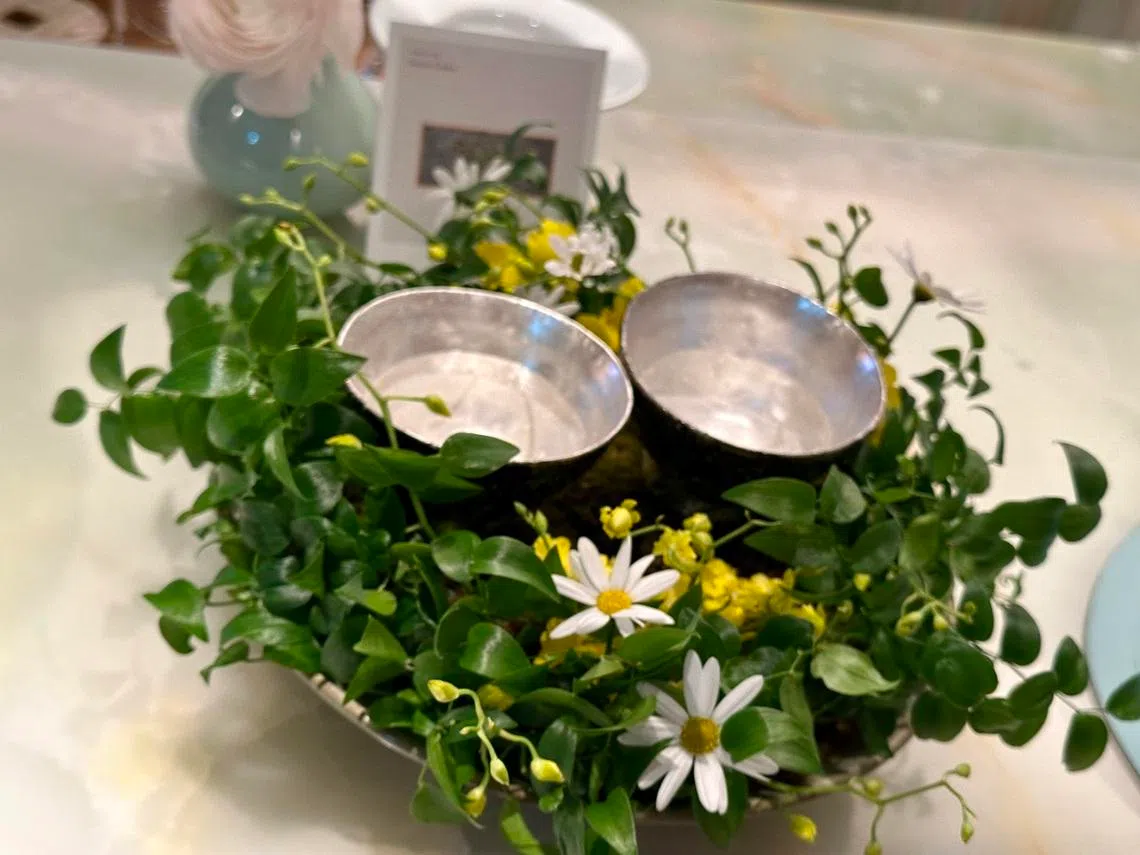
But first, the meal starts with an “aperitif” of birch sap water, and mild Chinese tea – served in metal cups on a lush arrangement of flowers and leaves. It cleans the palate and alludes to delicate flavours ahead – more understated than in-your-face. It’s literally a tasting menu, with mostly small bites – although they add up to a pretty full meal.
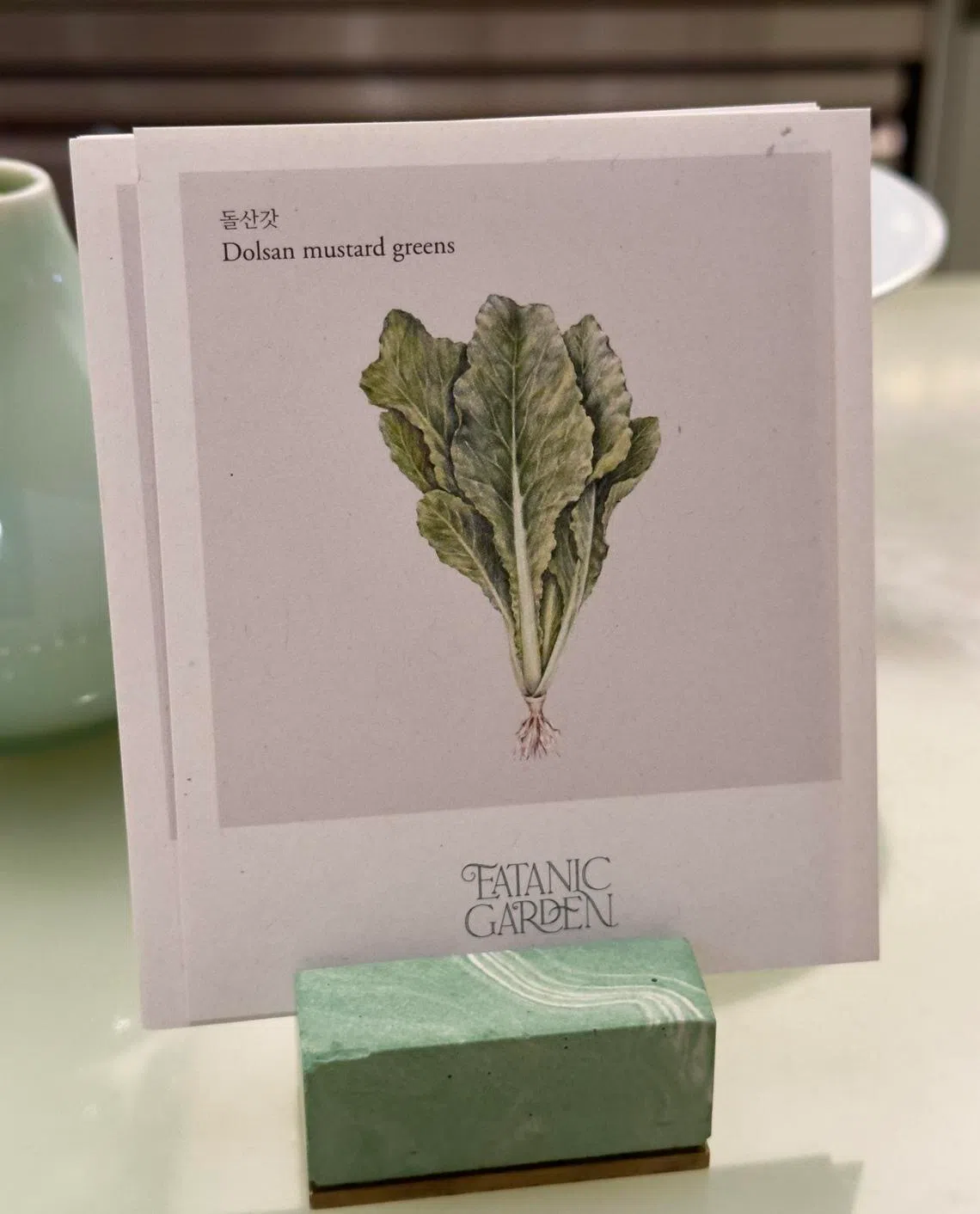
It’s not the Noma-fication of Korean food that you might expect. The food stays true to its origins, but with just a bit of spin to keep the momentum going. For example, asparagus is turned into a version of traditional Korean porridge, but presented as a creamy cold soup with texture from finely chopped stalks. It’s clean and refined with a savoury finish.
Jujeonburi are little snacks to go with alcohol, and here you get a chewy glutinous rice doughnut with a cheesy filling that’s super addictive. Namul, or seasoned vegetables, become an artfully presented cold salad of julienned vegetables, octopus and shrimp shrouded in a creamy pine nut sauce.
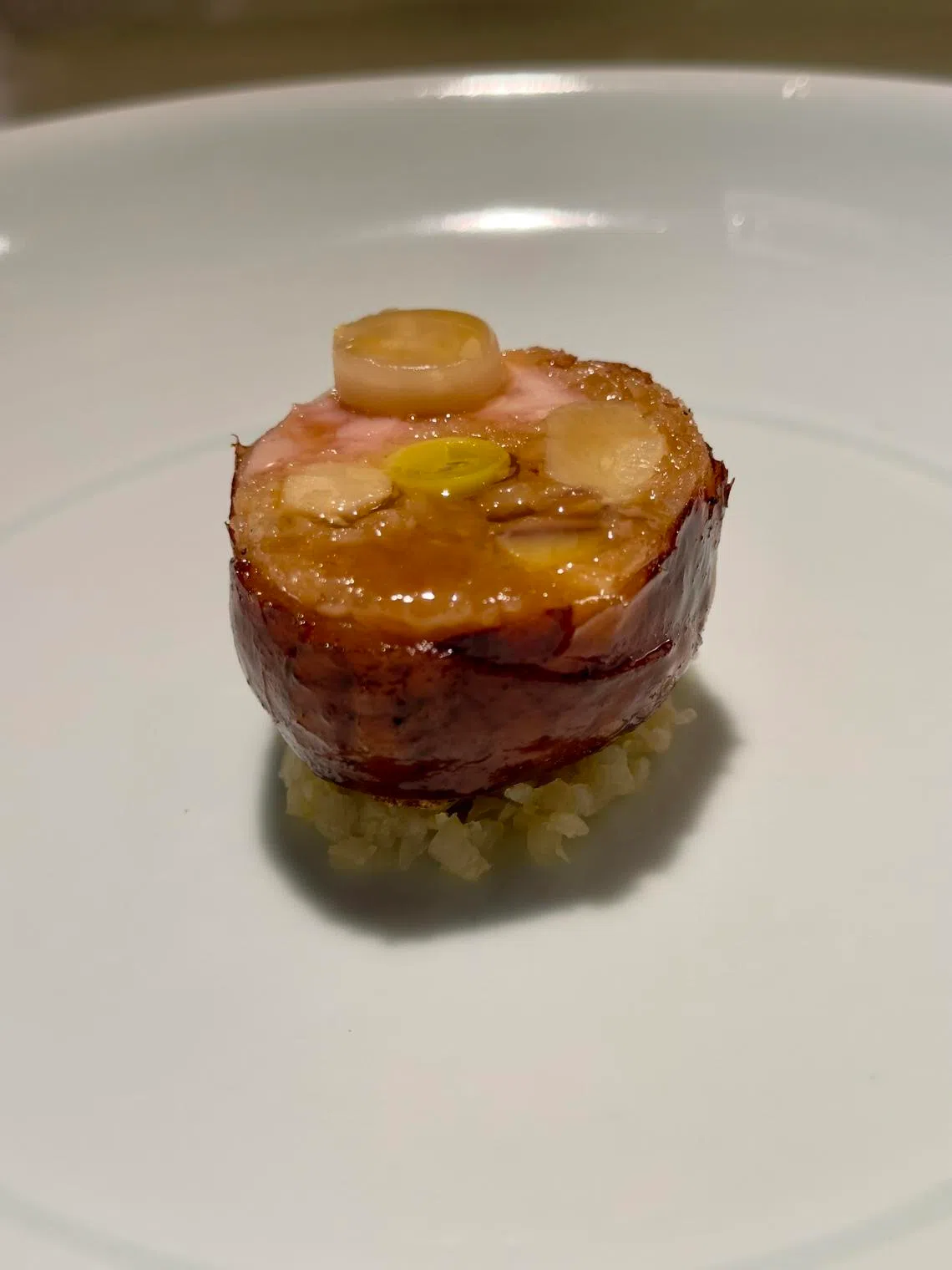
And the highlight of the meal is Son’s version of samgyetang – ginseng chicken soup – where grilled chicken infused with herbs is pressed into a bite-sized roulade with glutinous rice, and served with an intense herbal chicken broth in a tea cup. The concentration of flavours hits you gently, yet leaves a strong impact.
How will this chef fare against others in Culinary Class Wars? It’s yet another reason to tune in.
Josun Palace Hotel, 231 Teheran-ro, Gangnam-gu, Seoul. Tel: +82 2-727-7610.
Mingles
As the only other three-Michelin-starred restaurant in Seoul, Mingles takes a classic fine-dining route, where produce is brought to your table before being turned into elegant, modern Korean cuisine.
Service and execution are faultless as veteran chef Kang Mingoo delivers a menu that’s Korean at heart, but French in aesthetic, laced with touches of Japanese kaiseki. Expect a lot of food, heavy at times, but you can’t deny that it’s all very well-executed.
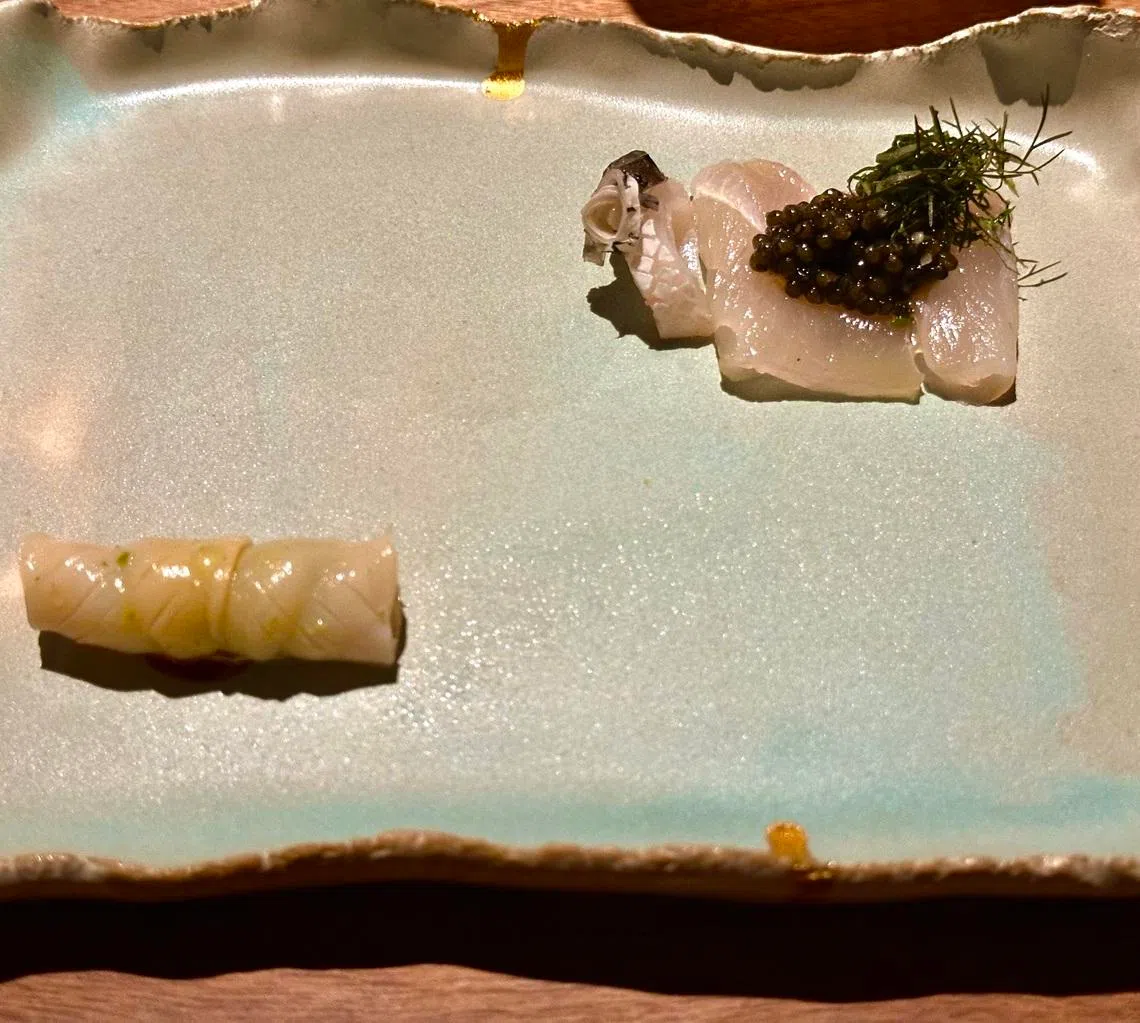
He covers every aspect you can think of: he has sashimi-style raw croaker, given the Korean treatment with sesame oil and perilla leaf. There’s piping hot, Chinese-like broth of beef and anchovy, chock-full of dumplings, beef tendon, sea cucumber and abalone.
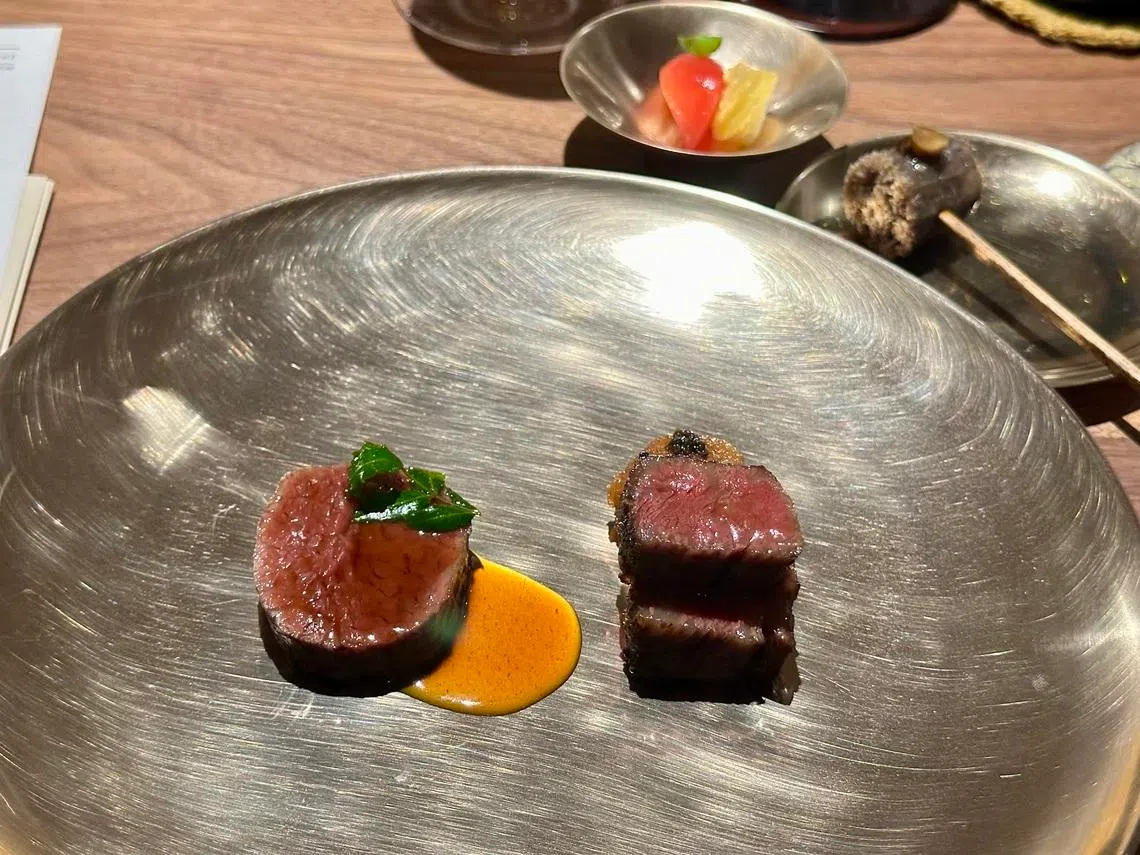
Add to that the likes of Jeju amadei with a crust of puffed rice and caviar, on a smooth fish “porridge” instead of sauce. And perfectly-seared hanwoo tenderloin with blood sausage. Sweet-savoury desserts are a hit, with quirky combinations like abalone jerky and dehydrated mandarin oranges, and a rice ice cream served with a drizzle of sesame oil and drop of soy sauce.
Kang belongs to that group of seasoned chefs weaned on French fine dining, which he then applies to his own traditional cuisine. While formal, the restaurant itself has an approachable, if slightly old-school vibe.
It’s the opposite of the current, trendy restaurants that emphasise a light hand and more innovation. But Mingles is for the trend-averse who like a good, solid meal that elevates Korean ingredients, and some good old-fashioned hospitality.
2F, 19 Dosan-daero 67-gil, Gangnam-gu, Seoul. reservation@restaurant-mingles.com.
Decoding Asia newsletter: your guide to navigating Asia in a new global order. Sign up here to get Decoding Asia newsletter. Delivered to your inbox. Free.
Copyright SPH Media. All rights reserved.

