

Gelato scoops up Singapore’s frozen dessert market
Home-grown artisans and international players are fuelling a boom in the local gelato scene with myriad unique flavours and interpretations
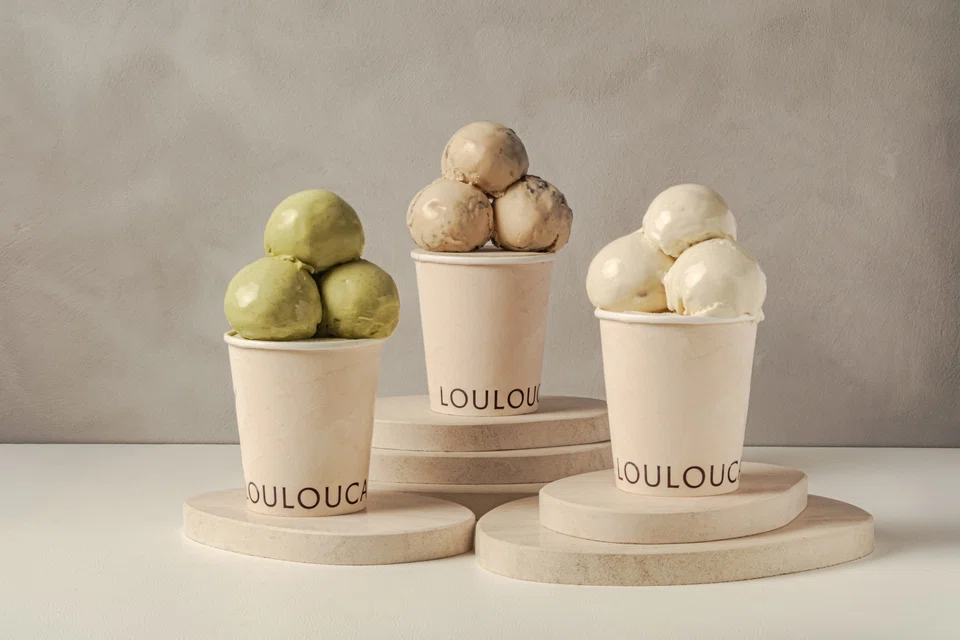
[SINGAPORE] The ice-cream business has never been hotter. Not so much for the familiar frozen confection we grew up with, but its Italian cousin gelato, which has seen a resurgence in popularity of late, with new brands entering the scene and established names expanding their presence.
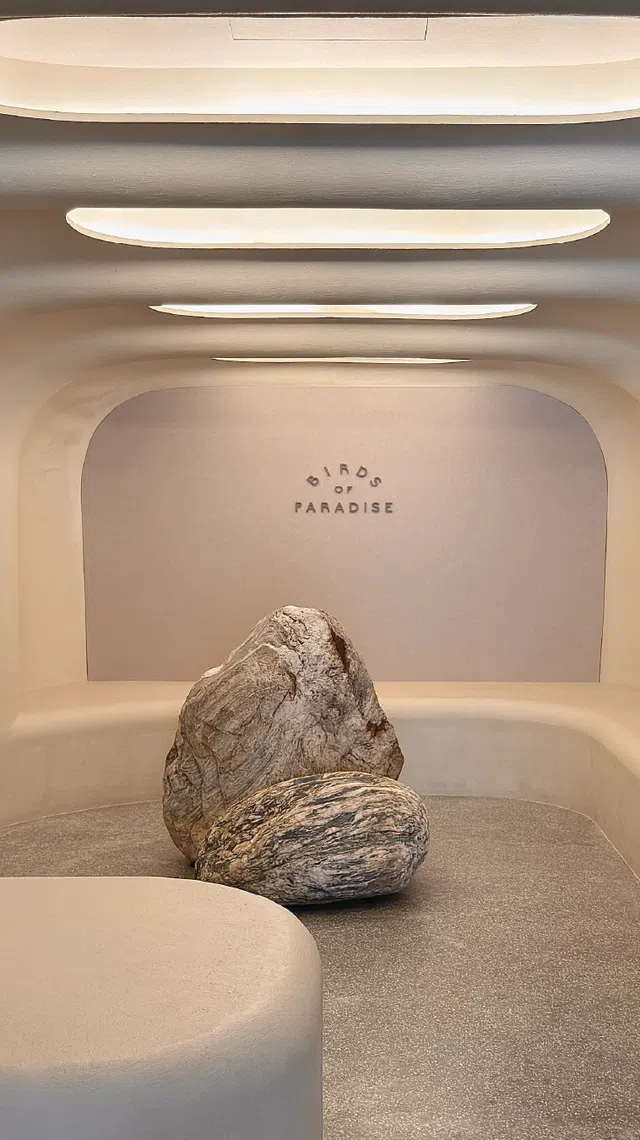
In November, stalwart gelato operator Birds of Paradise (BOP) opened its eighth outlet at Pagoda Street to mark its 10th anniversary.
At the same time, the team behind ice-cream specialists Creamier and Sunday Folks launched Base Gelato, offering plated desserts in its new atelier in Joo Chiat. Meanwhile, Boosa, a Mediterranean-inspired gelato shop in Mohamed Sultan Road, is set to open in December.
And despite the closure of pioneer gelato brand Tom’s Palette after 21 years, its founder Chronos Chan has returned with Ethos Gelato Lab – his new home-based business.
In addition, international brands are expanding, with Beijing chain Yeah Gelato opening its seventh outlet in November, and Australia’s Gelato Messina launching its second outlet at Stamford Place in early 2027.
Why gelato and not ice cream?
“When I first started, most of us were not familiar with gelato,” says Chan, an instructor at Carpigiani Gelato University, which offers courses at At-Sunrice GlobalChef Academy.

At the time, Singaporeans assumed that it was simply Italian-made ice cream, or that gelato and ice cream were one and the same.
Technically, they are not. Gelato has less fat and air than ice cream, hence its denser, silkier texture and pronounced flavour.
BOP founder Edwin Lim, who started his botanical gelato brand in 2016, adds that “90 per cent of the market was dominated by ice-cream shops” at the time, while gelato was “mainly available at Italian-named franchises selling traditional flavours”.

Back then, gelato was considered premium, with customers willing to pay more for foreign brands while local ice cream was associated with a lower price point, says Lim.
Fast forward a decade, and things have changed, notes Lim. “Previously, local gelato brands were rare, but in recent years new concepts have been marketing their products as gelato rather than ice cream.”
He attributes this partly to local pioneers reducing the perceived risks for newer entrants, and partly to the premium positioning associated with the word “gelato”, which can support higher prices.
Even so, the market is getting saturated, with more players in a challenging operating environment. Singapore’s F&B ventures face high startup costs and razor-thin margins, say both Chan and Lim. Survival favours “businesses that offer true value to their customers”, says Lim.
Chan divides the market broadly into mass-market and premium businesses. For the former, efficient sourcing, production and distribution are critical.
“If a business competes mainly on low prices while relying on a single retail outlet, it may struggle to survive in Singapore’s competitive F&B environment, especially with rising rental, manpower and ingredient costs,” he says.
For a well-managed premium business able to sustain sales, Chan believes recovering the initial investment within one to two years may be possible.
Lim is more cautious. With more businesses competing for the same discretionary spending, break-even for newcomers could stretch “from months to years”.
Yet, Singapore continues to attract international entrants, some of which see it as a launch pad for regional expansion.
Yeah Gelato, for one, has some 1,850 stores in mainland China, but chose Singapore as its first overseas market because of its cosmopolitan consumer base.
Founder Cui Jianwei says that Singapore carries important strategic significance for the company, given its culturally diverse consumers and sophisticated F&B landscape.
“We hope that operating in such an environment will help us better understand how different consumers perceive our products, and what motivates them to return and purchase again,” he says.
Beyond the scoop
For Singapore brands, there is more to gelato than just selling it by the scoop. “Singapore already has a vibrant gelato scene. We didn’t feel the need to introduce another brand with an extensive selection of flavours,” says Wan Chin, co-founder of Base Gelato.
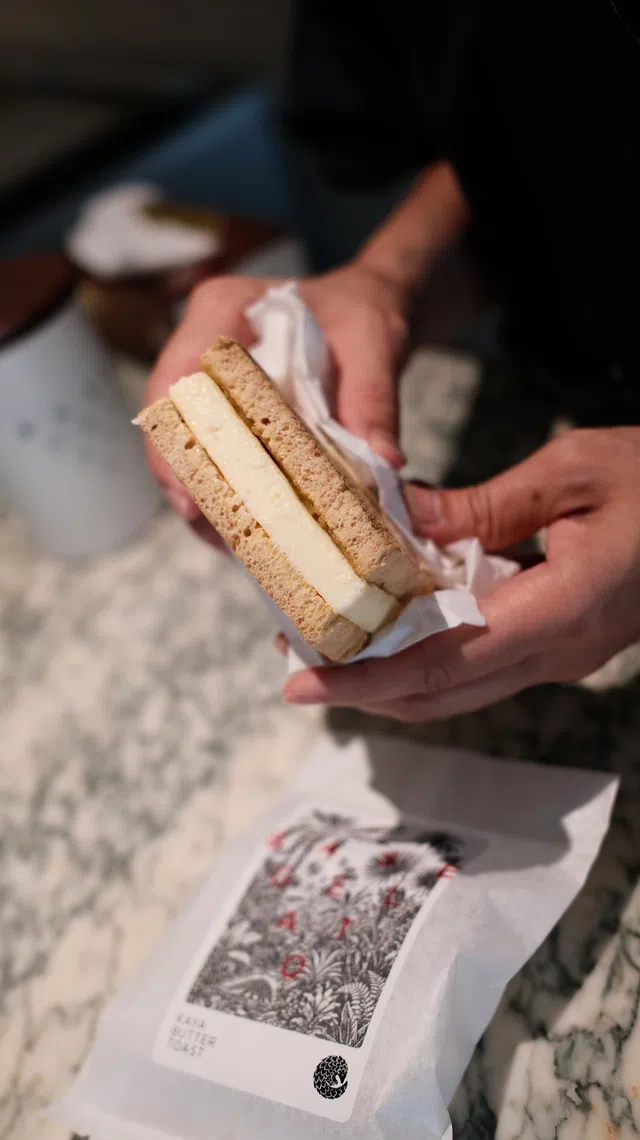
Instead, Base Gelato takes a culinary approach. It starts with an ingredient, idea or familiar food memory, and builds an experience around it. Kaya Butter Ice Cream Toast, for example, combines butter gelato, kaya and crisp traditional bread, while Matchagato brings together kinako gelato, mochi and freshly whisked Japanese matcha.
“When we first started Creamier (in 2011), there was growing excitement around handcrafted ice cream and flavours beyond the conventional offerings,” says Wan. Today, consumers are also interested in ingredient provenance, production methods and craftsmanship.
The team also experiments with techniques more often associated with contemporary kitchens and mixology, including clarification, infusion and smoking.
But while there is pressure to stand out, being unusual does not guarantee success. “The real challenge is making it taste so good that someone wants to experience it again,” adds Wan.
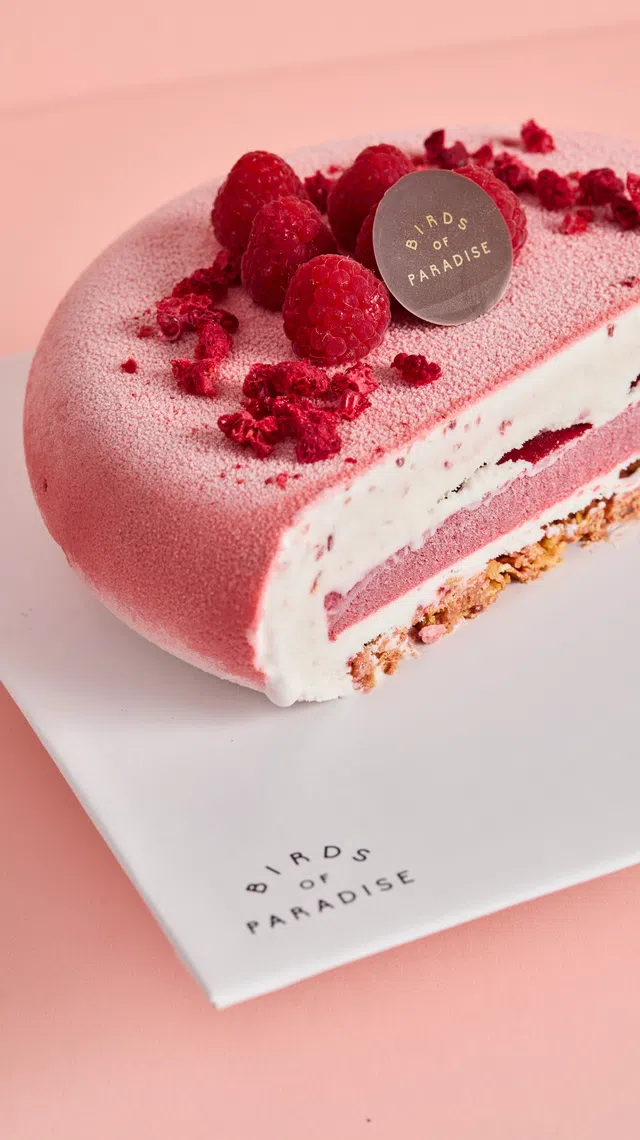
BOP sees the same tension between novelty and repeatability. “Gelato is a traditional product, yet it lends itself to modern interpretations,” Lim says, noting that producers have become increasingly elaborate in their efforts to differentiate themselves, while consumers have developed broader tastes through travel and exposure to different cultures.
Context, however, matters. Fine-dining restaurants can push unfamiliar flavours as part of a tasting menu, but not in a shop where “many customers are looking to enjoy the whole scoop and may not want to risk choosing a unique flavour that loses its novelty after a few licks,” Lim says.
BOP has also expanded beyond scoops with gelato cakes, caneles and a Christmas gelato log cake (available online). Its Pagoda Street boutique also offers botanical beverages and botanical sables.
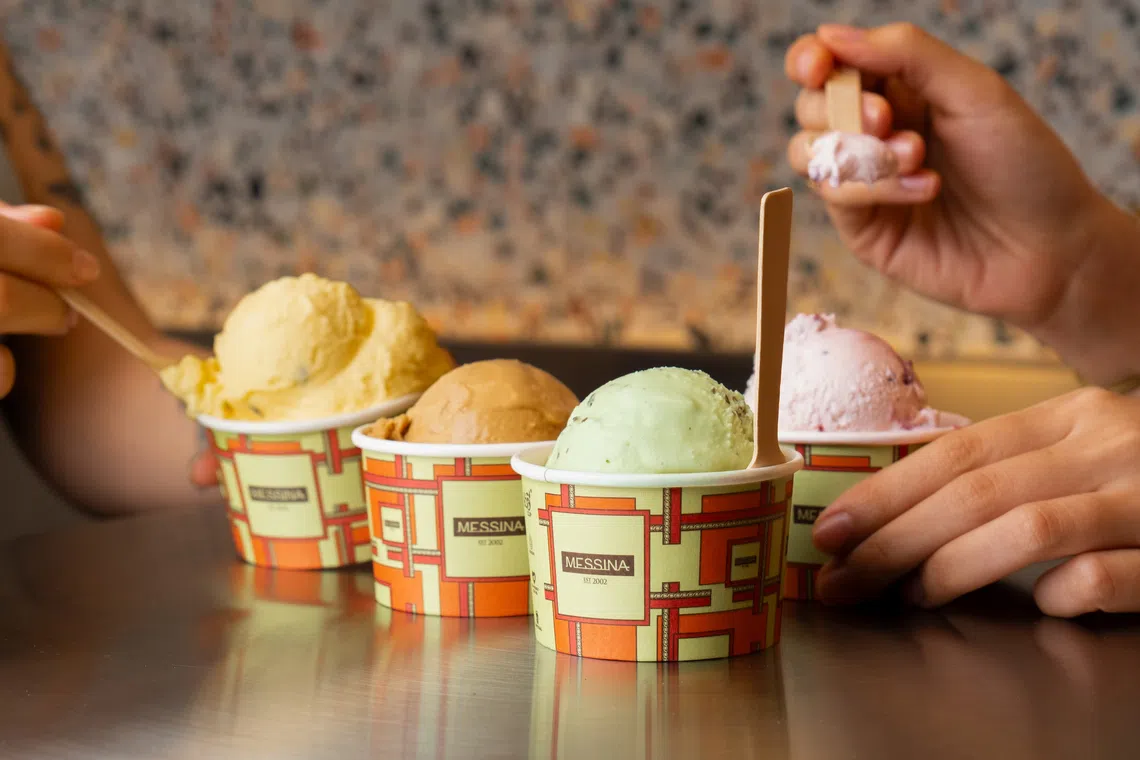
Messina has similarly extended its offerings with gelato cakes, which are made in-house and allow the team to play with different textures and flavours.
Telling a story
Gelato is also a form of self-expression, particularly for Chan, who created experimental flavours such as tau sar piah and lapsang souchong for Ethos Lab.
“Through the flavours I create, I hope to share my life experiences, memories, and the different cultures and ingredients I have encountered through my travels and teaching journeys,” he says.
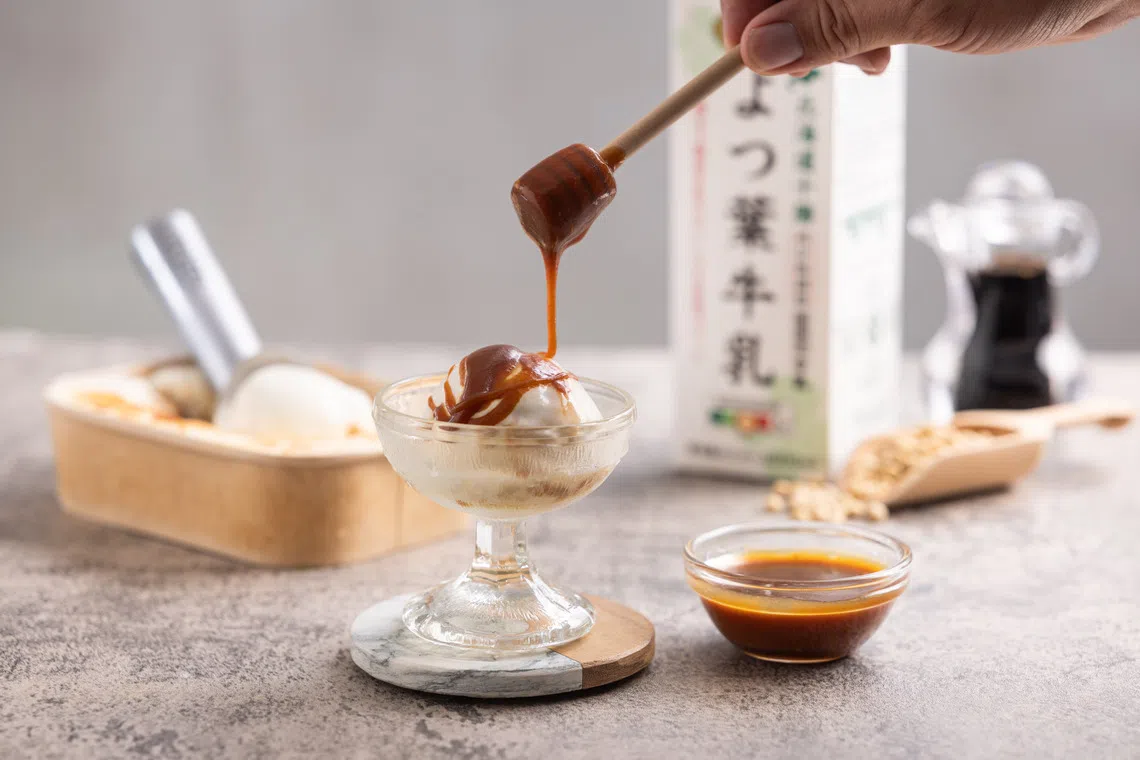
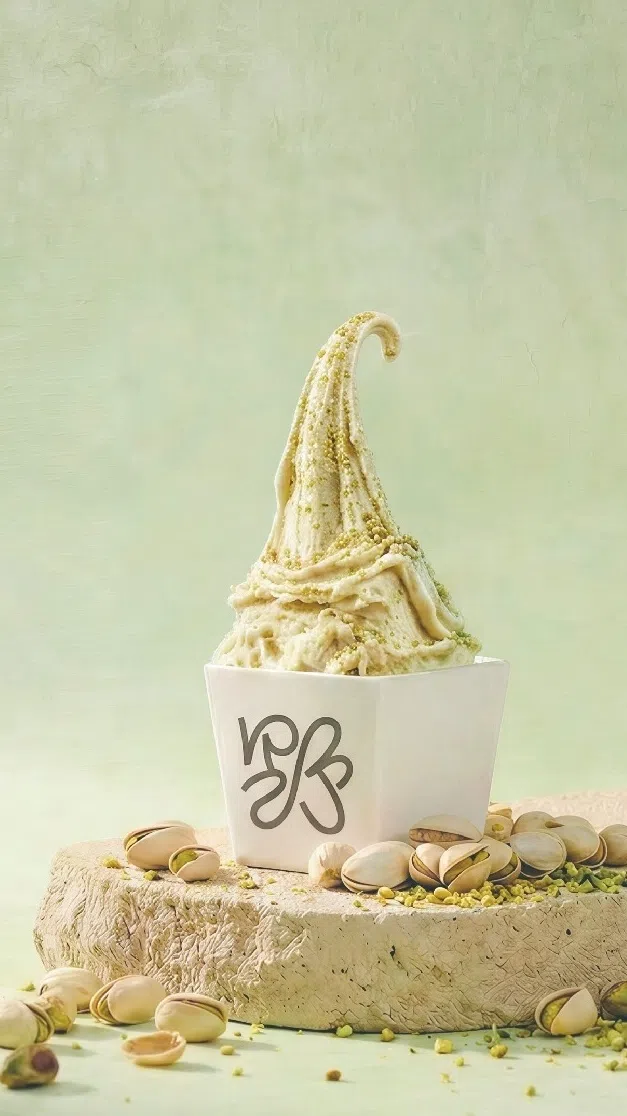
BOP, in turn, established its niche around South-east Asian botanical flavours using fruits, flowers, pods, herbs and spices. It also created the world’s first white chrysanthemum gelato.
“It’s a nod to a quintessential Singapore tea-drinking experience in restaurants and living rooms across the island,” says Lim.
Other businesses are finding different roles for gelato. At Loulouca, pastry chef Louisa Lim offers just three regular flavours – sobacha, pistachio and Earl Grey sesame – alongside seasonal specials.
Gelato is not a stand-alone business but an extension of her plated-dessert programme, allowing the restaurant to make fuller use of equipment it already requires.
“What we bring to the table is my perspective as a pastry chef,” she says. “I approach gelato in much the same way I approach creating a dessert, with a strong emphasis on the quality of ingredients, how flavours are developed and, most importantly, balance.”
For Loulouca’s pistachio gelato, Iranian pistachios are roasted and stoneground in-house, while Earl Grey tea is infused into milk before being combined with roasted Japanese black and white sesame paste.
Messina, meanwhile, relies on constant rotation alongside its core flavours. “We drop five new specials every week, alongside our Singapore exclusives, such as Kaya Toast, Tau Huay and Cendol, as well as specials for festive periods,” says culinary director Reuben Davis.
“We also love collaborating with a brand or a chef, because it pushes the boundaries of what is possible from gelato.”
Asian flavours take the lead
A further shift is the growing influence of Asian ingredients – particularly Korean flavours. An example is Tofu G by Initia Group, which also owns Korean restaurants DRIM and Modu.
“Tofu and soya were familiar starting points,” says founder Luke Yi. “People already know tau huay and soya bean milk, so tofu gelato felt like a natural extension. I’m lactose intolerant and I love dessert, so I felt there was room for more satisfying dairy-free options.”
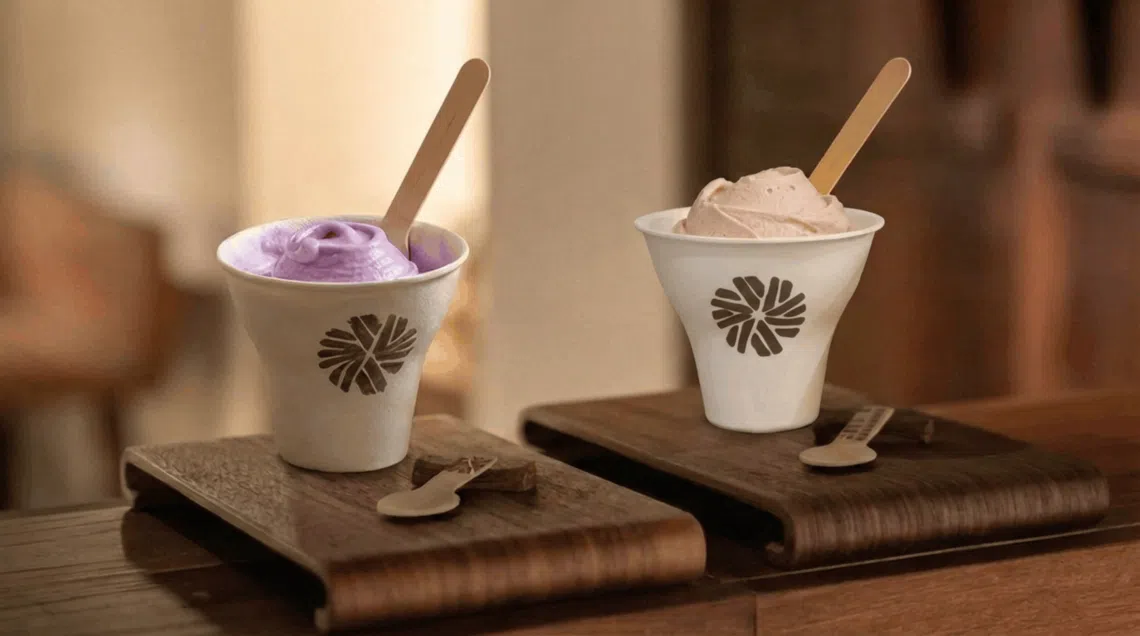
Tofu G’s Korean-inspired range includes sweet potato, black sesame, Chodang sweet corn and toasted-rice Nurungji Tofu. In development are misutgaru (inspired by a multigrain drink), danhobak or kabocha pumpkin, makgeolli-inspired gelato, and honey with red ginseng.
Bomul, a popular samgyetang restaurant at Chijmes, similarly brings a Korean-inspired perspective. Its gelato bar offers flavours ranging from Pink Guava Sorbet and Mulberry & Bay Leaf to Ginseng and Black Sesame.
“What makes the concept interesting is the balance between the familiar and the unexpected,” says founder Jackson Lee.
At Yeah Gelato, its signature flavour is rice, naturally. “Rice is already such a familiar ingredient in Asian food culture, but people may not necessarily think of it as something that can become an enjoyable dessert,” says Cui. “We are taking a familiar ingredient and presenting it through a new experience.”
The brand has also embraced South-east Asian fruit, with flavours such as cempedak, Musang King durian, papaya and passion fruit.
From plated creations to Asian-inspired flavours, Singapore’s gelato market has not just grown but evolved. Whether brands can offer enough quality, value and identity to keep customers coming back will be the real test of sustainability.
Decoding Asia newsletter: your guide to navigating Asia in a new global order. Sign up here to get Decoding Asia newsletter. Delivered to your inbox. Free.
Share with us your feedback on BT's products and services
TRENDING NOW

Nvidia halts chip shipments to 4 countries in South-east Asia, including Singapore: FT

Should Keppel swoop in to snare Mapletree Investments?

OCBC opens 100-tonne gold vaulting facility to meet growing institutional demand

‘Very disappointed’: Singapore disagrees with US tariff rationale, to seek lower levies

