

Mixed bag of Italian-Chinese flavours at Matera
The new restaurant at Waterboat House needs to make a bigger impact
NEW RESTAURANT
Restaurant Matera #02-01/02/03 The Fullerton Waterboat House 3 Fullerton Road Singapore 049215 Tel: 6224-2232 Open for lunch Thurs to Sat: 11:45 am to 2 pm. Dinner Tues to Sat: 6 pm to 10:45 pm. Closed Sun & Mon.
CHOICE. There’s not a lot of that in now-ubiquitous, tasting-menu-only restaurants. Certainly not since omakase became a trend, and these eateries brainwashed us into believing that no choice is a good thing. And now, in our growing dependence on the whims of a chef, we’ve lost all ability to decide what to eat.
So when Restaurant Matera lets us curate our own dinner menu in three- (S$148), four- (S$188) or five- (S$228) course options, what do we do? Panic and order the fixed six-course (S$268) menu of course.
Flexible eating (and pricing) is a unique selling point Matera hopes will draw diners to the Waterboat House, which used to be occupied by Basque Kitchen by Aitor. That, and the pedigree of its new head chef Bjoern Alexander of two-Michelin-starred Octavium Hong Kong, dangling an intriguing trope of Italian cooking with a Cantonese accent. All the more intriguing because he is neither Italian nor Chinese (he’s German).
It sounds good on paper, but it’s how it plays out in real life that matters – especially when Matera is trying to craft a new identity in a restaurant that still looks very much like the old one. A complete retrofit is on the cards, but until then, it’s in that awkward stage – like growing out a bad haircut – of making the best of what they have.
And what they have is the view – still the highlight of dining at this river-facing location – and the slightly-dated, but still pleasing creamy interiors that we’d always liked about the old Basque Kitchen. The menu, on the other hand, needs a little more convincing, given it’s not Italian enough, not Chinese enough, and not impactful enough.
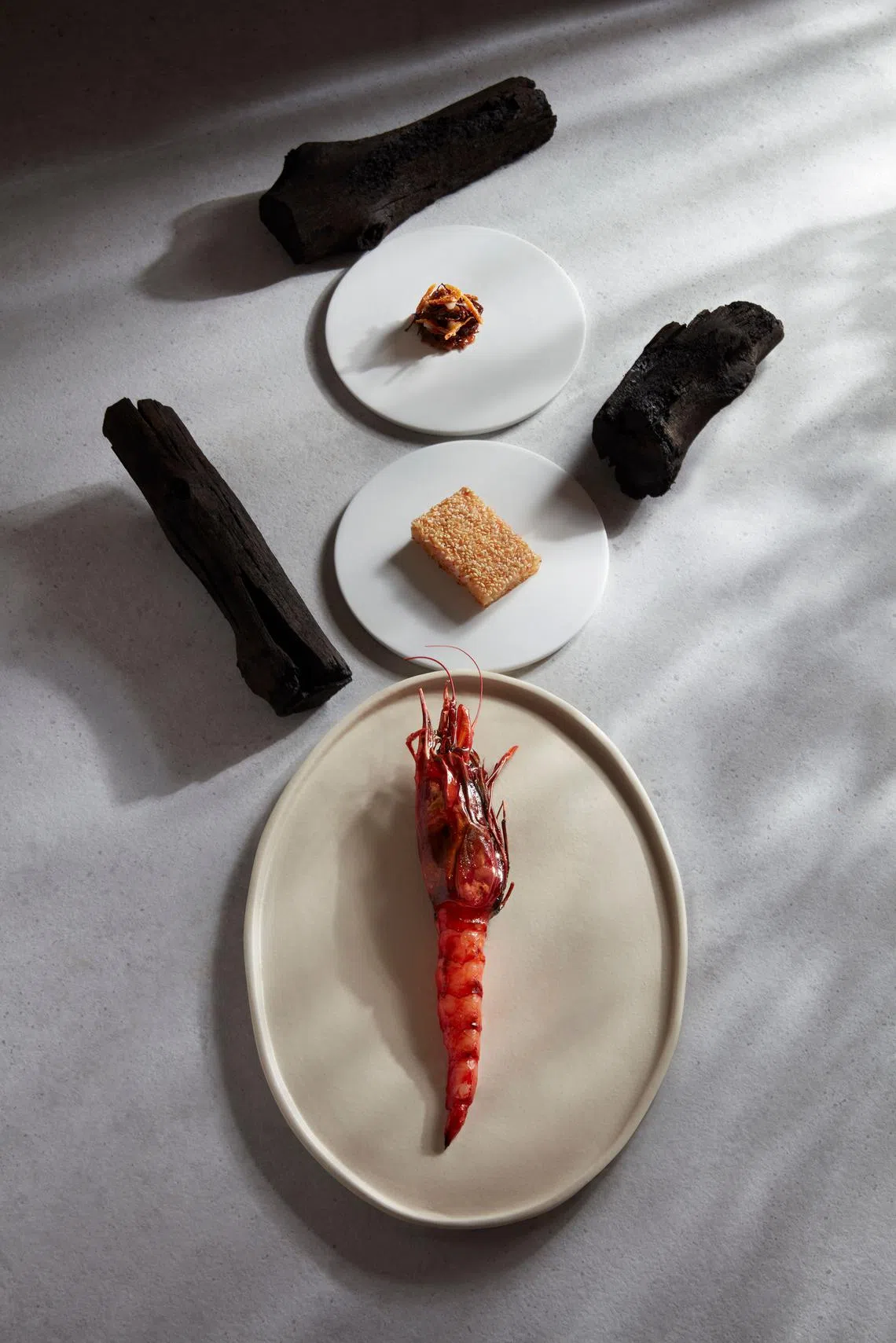
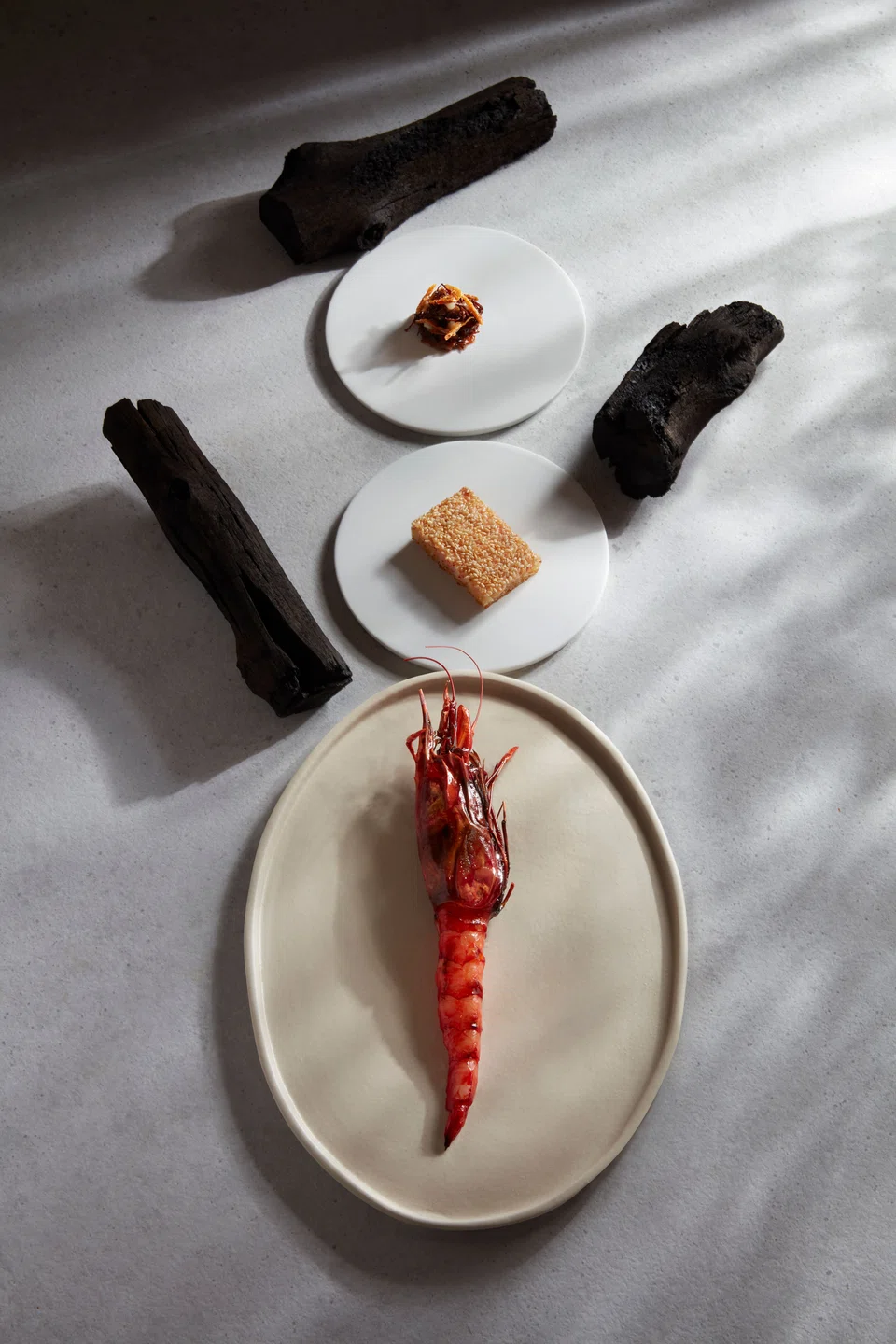
The pricing might have something to do with it. Going by social media accounts, the star dishes of Alexander’s menu are the pigeon – done with black truffles, mushrooms and Cantonese jus – and a smoked red prawn with XO sauce and prawn toast. The pigeon isn’t in our six-course menu and the prawn is a S$48 supplement, which would have jacked our menu up to S$316 – a one-way ticket from “affordable” luxury to overpriced territory.
On the bright side, the pigeon is included in the cheaper sets. But if you want both, you’ll need to splurge on both the eight-course menu and the prawn supplement – for a cool S$356.
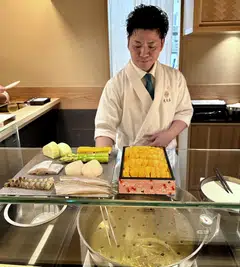
Without the benefit of the signature dishes, we have just our six dishes to rely on, a cultural mash-up that almost, but doesn’t quite, hit the mark. There’s a looseness in execution, little attention to finer details, and a tiresome reliance on XO sauce every time a Chinese connection is needed.
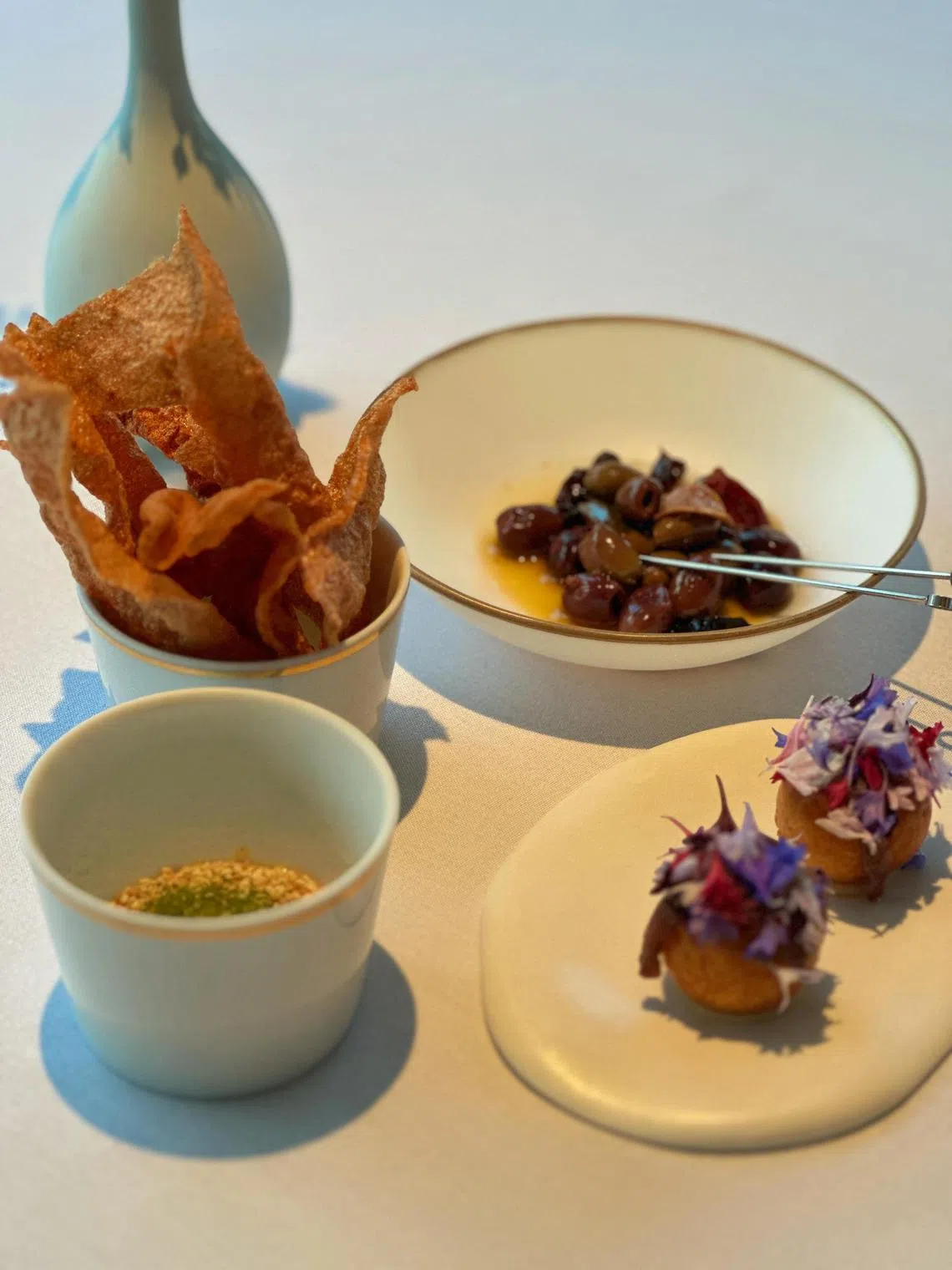
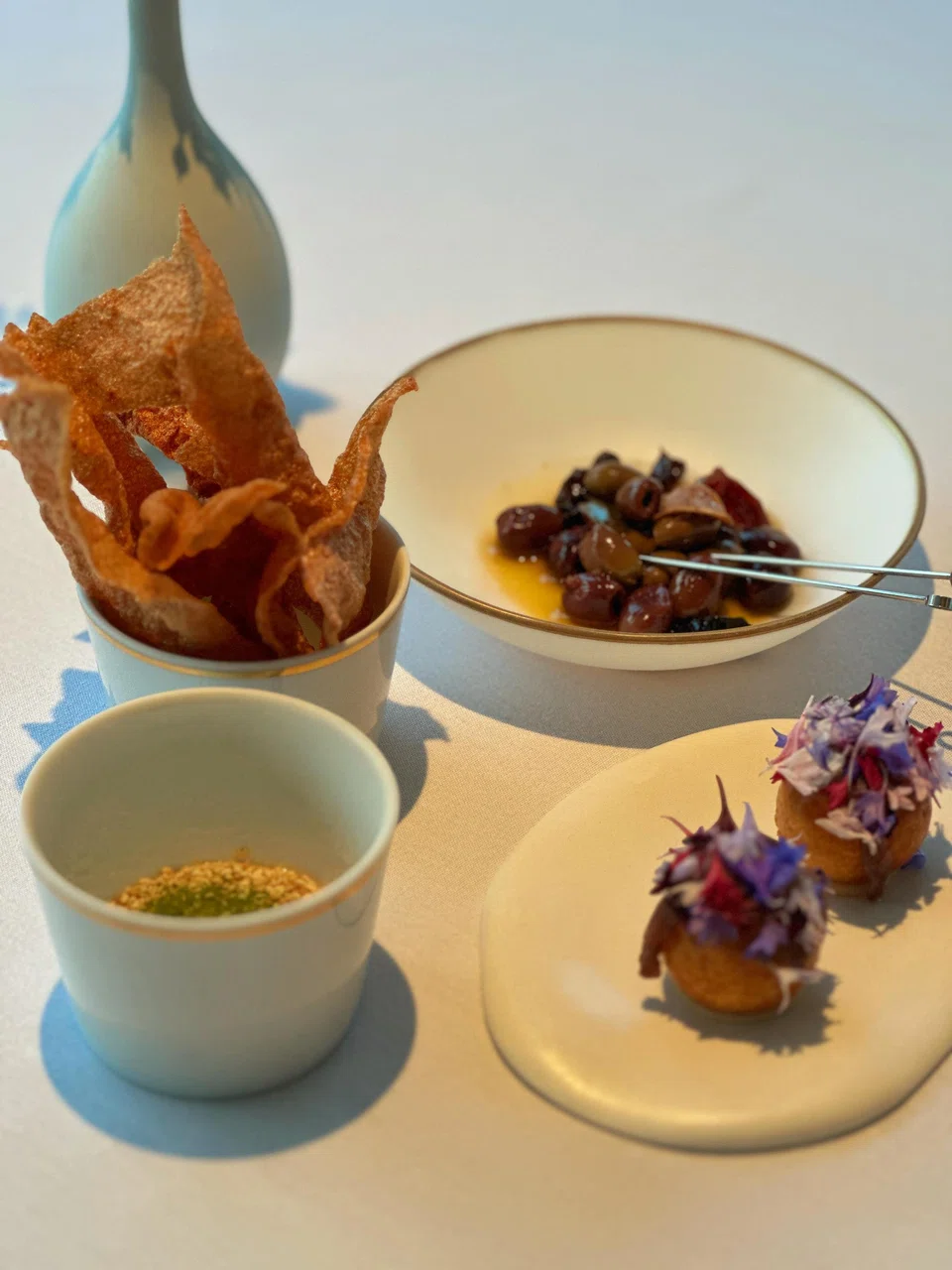
The snacks are more like bar bites. The marinated olives are salty, bitter and spicy from dried chilli, which grow on you. But not the edible flower-topped parmesan cheese puff, which we would love if it weren’t doughy with a stale finish. Beef tendon crisps are a great idea, since who would think about blending them and turning them into crunchy crisps to dip in an anchovy mayo?
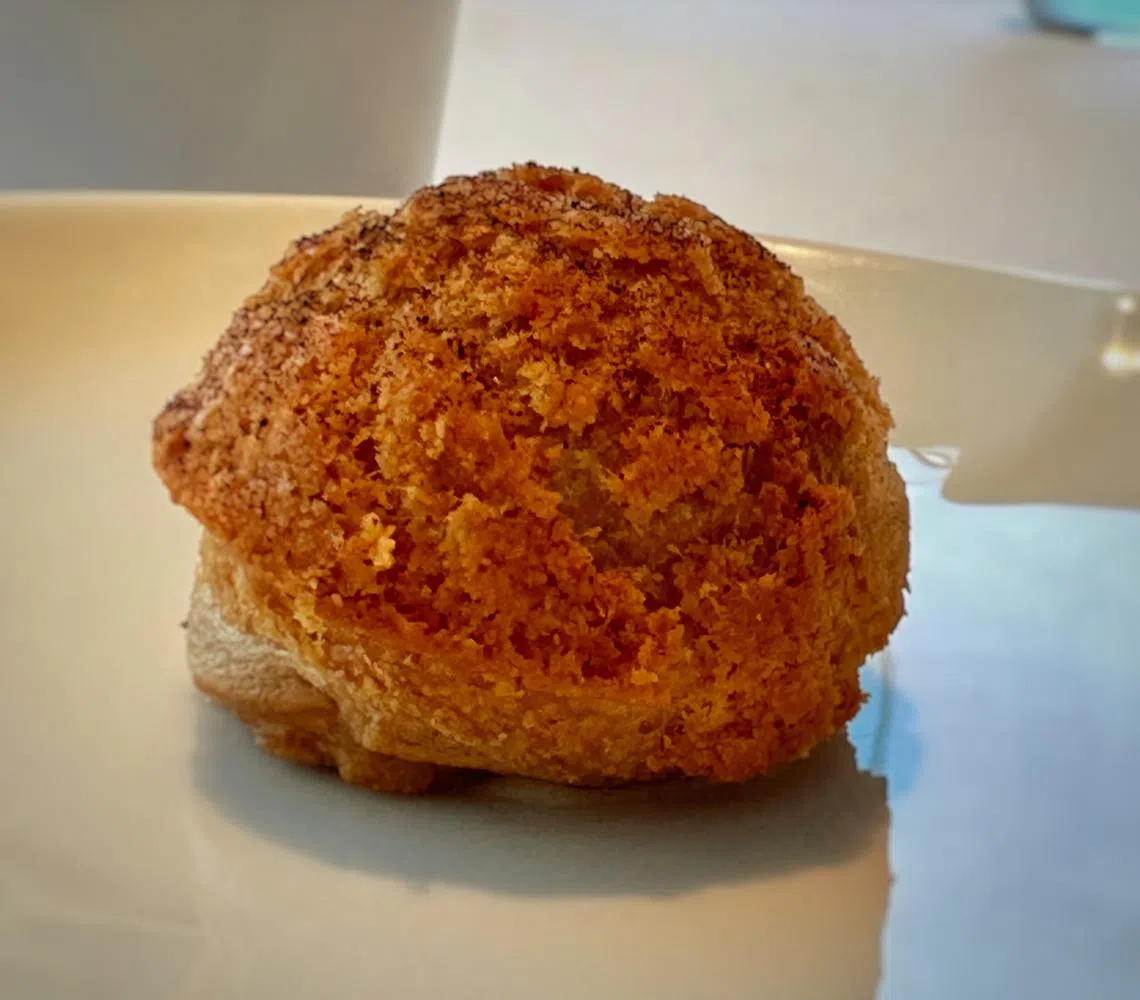
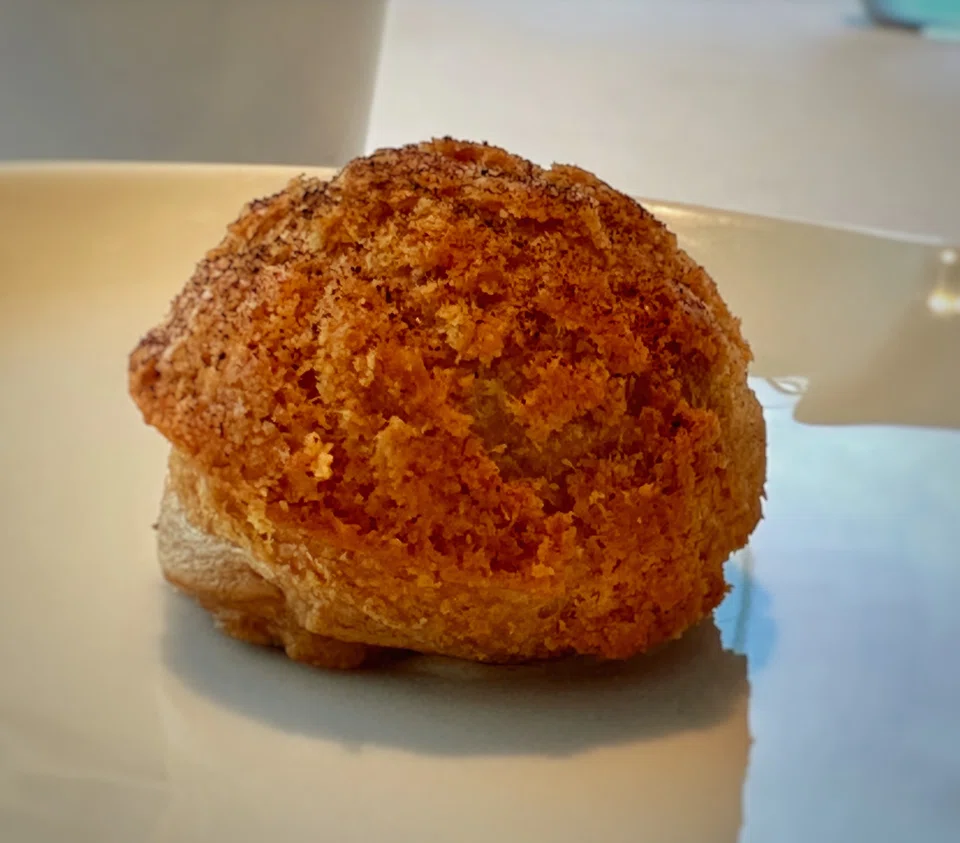
The kitchen probably needs better airtight storage tins so their tart shells and puffs don’t give away their age, like the not-so-crisp tart that holds a filling of pomelo and uni. There’s another curious snack, best described as a baby bolo bun meets lava custard bun meets Chinese liver sausage in a menage a trois gone wrong. It’s a gooey, gamey little morsel that’s like eating liu sha bao in a lap cheong factory.
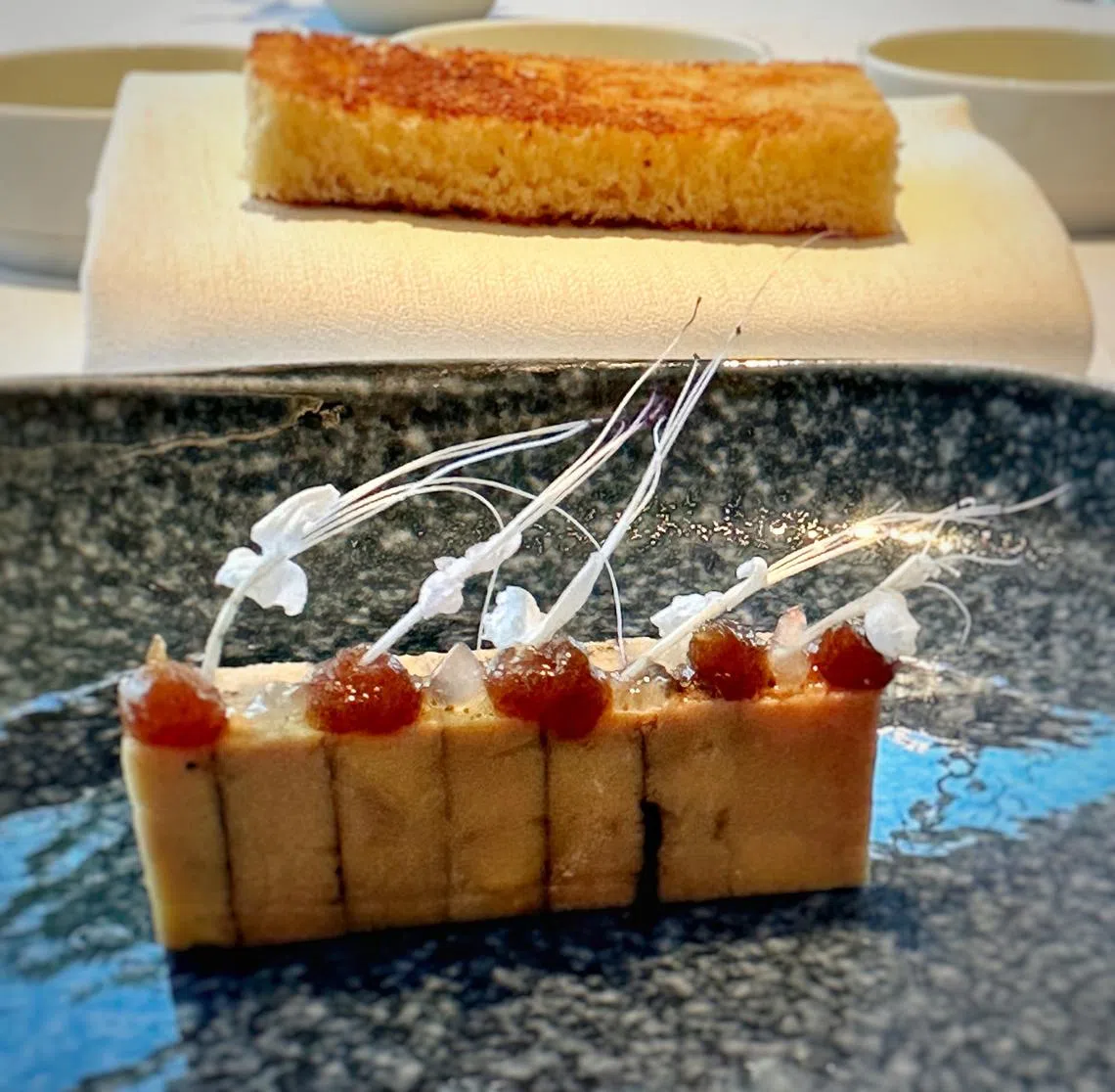
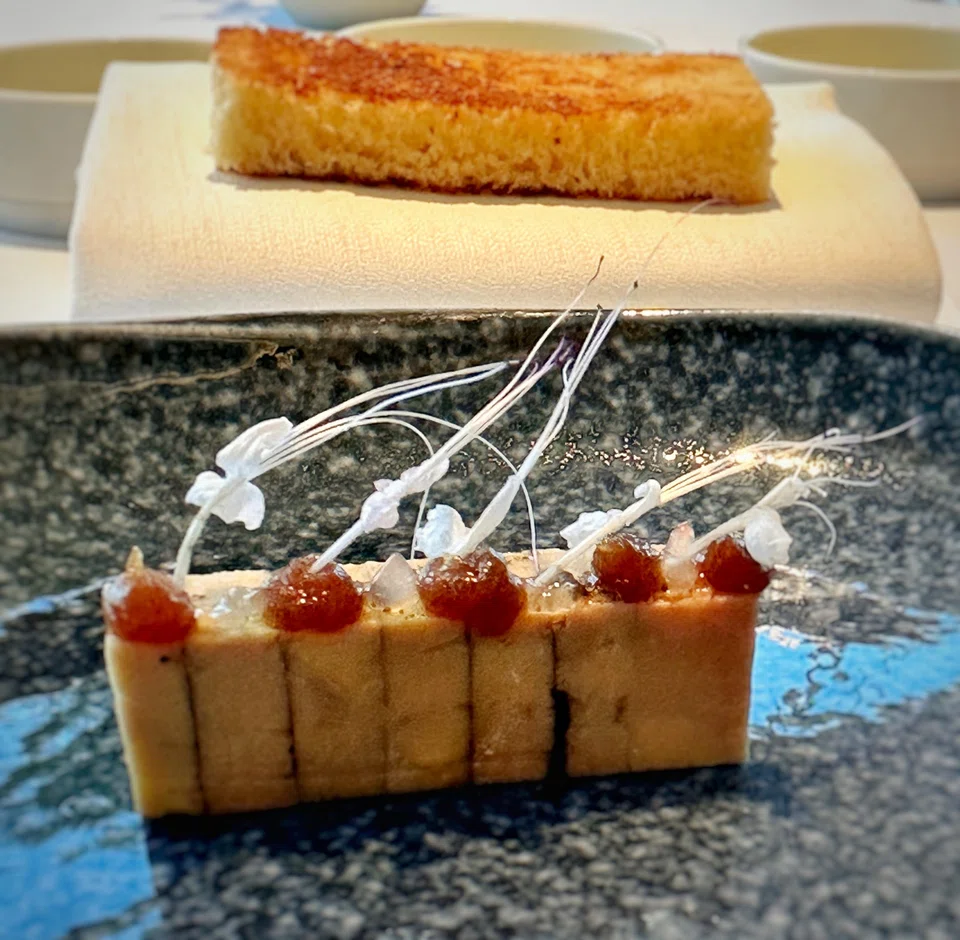
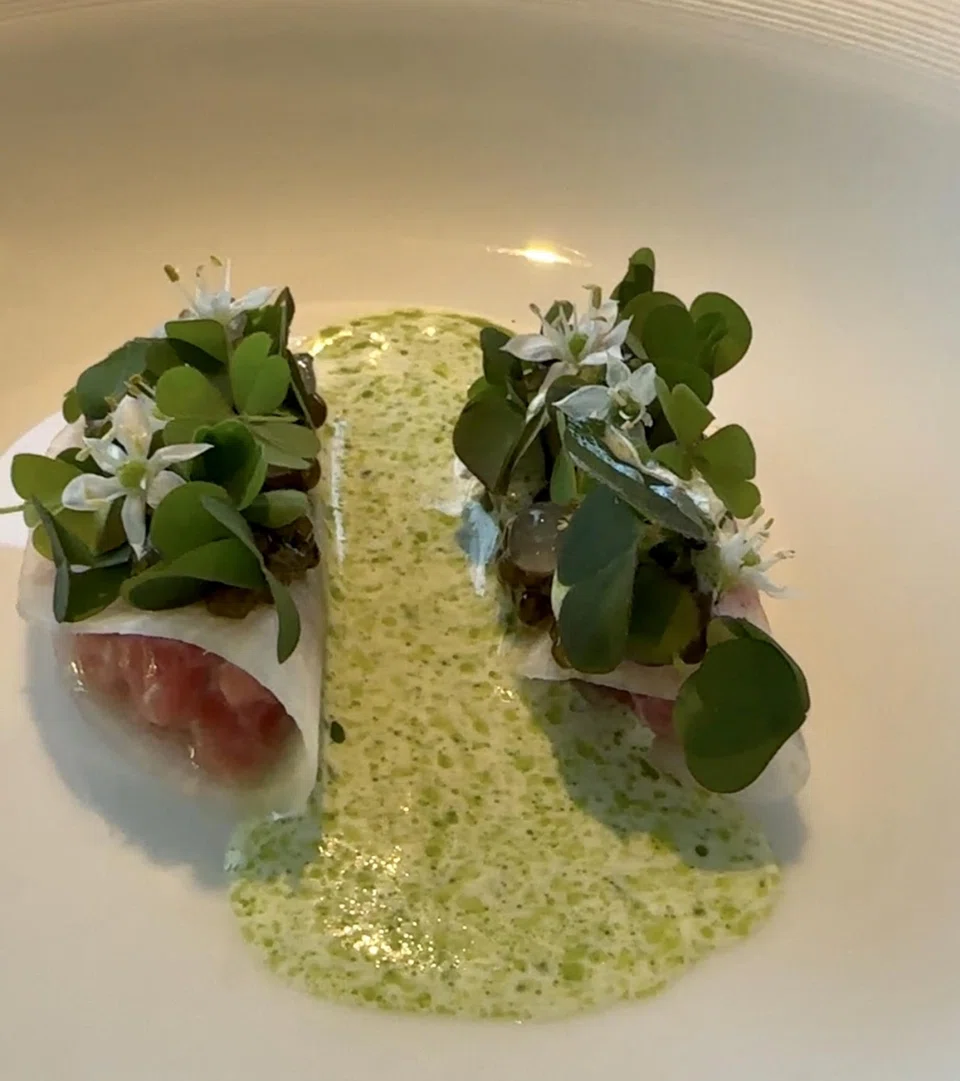
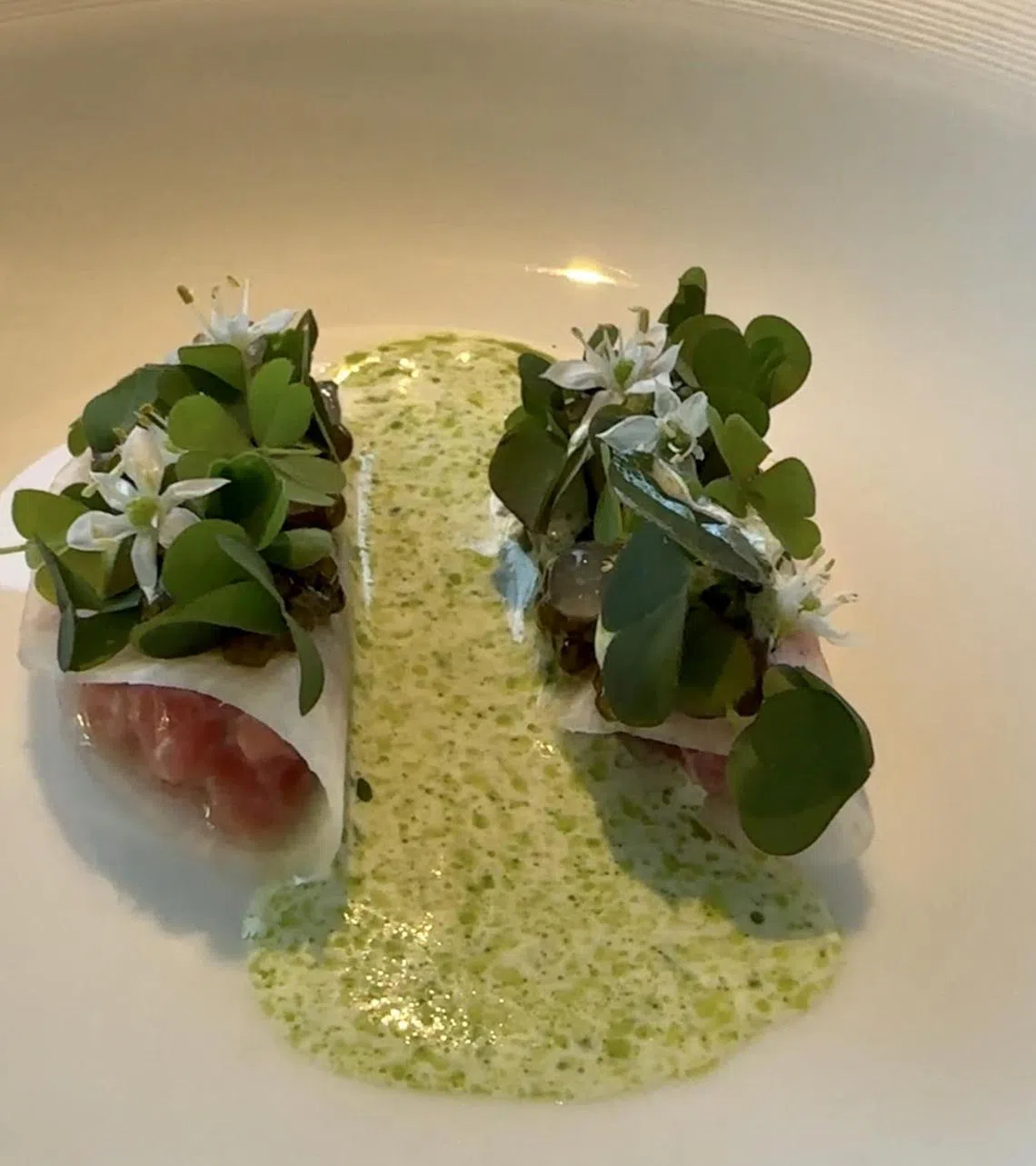
When the chef sticks to his European roots, things get better. Like an excellent focaccia that really is freshly made, with a crackling crust from a clever glaze of Chinese vinegar. Chopped tuna wrapped in daikon slices, topped with caviar in a creamy burrata sauce also hits the mark, as does an attractive slice of pressed foie gras with dabs of date jam, served with an airy slice of toasted brioche.
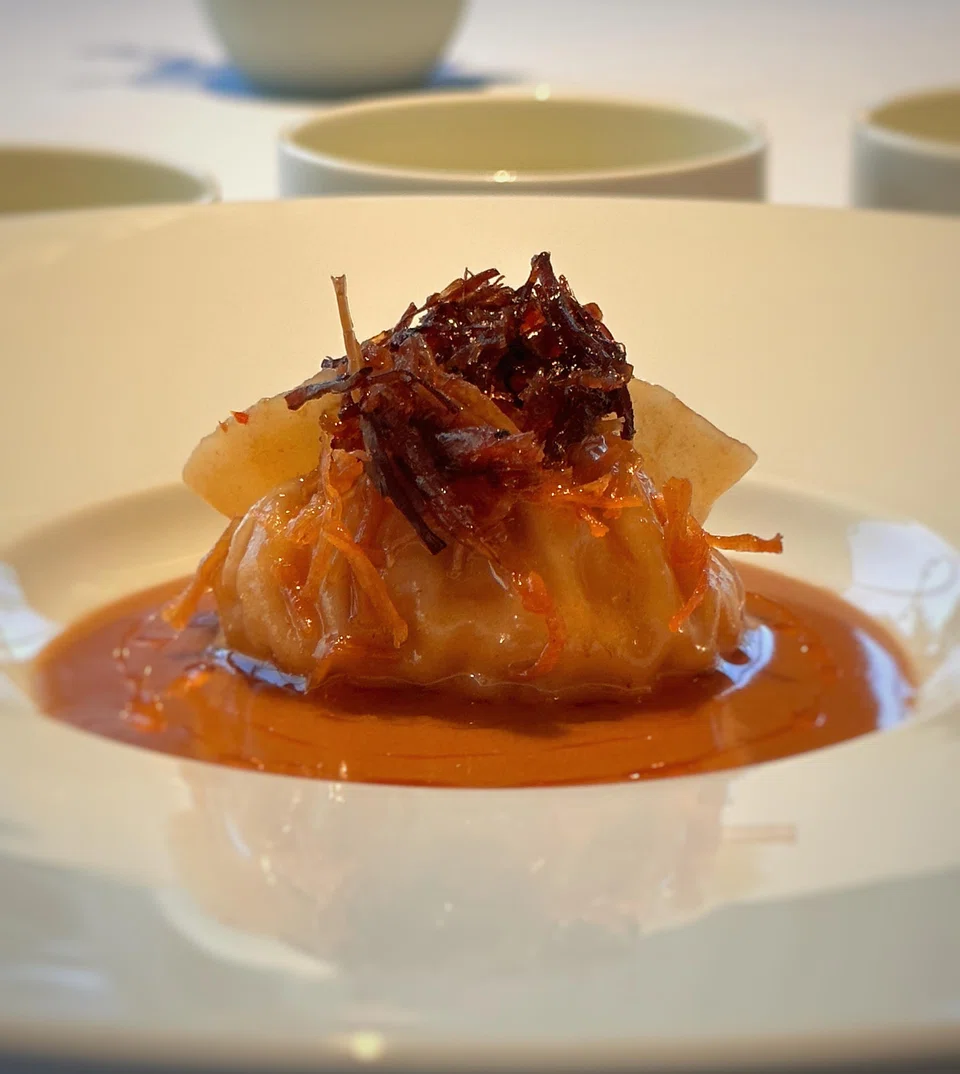
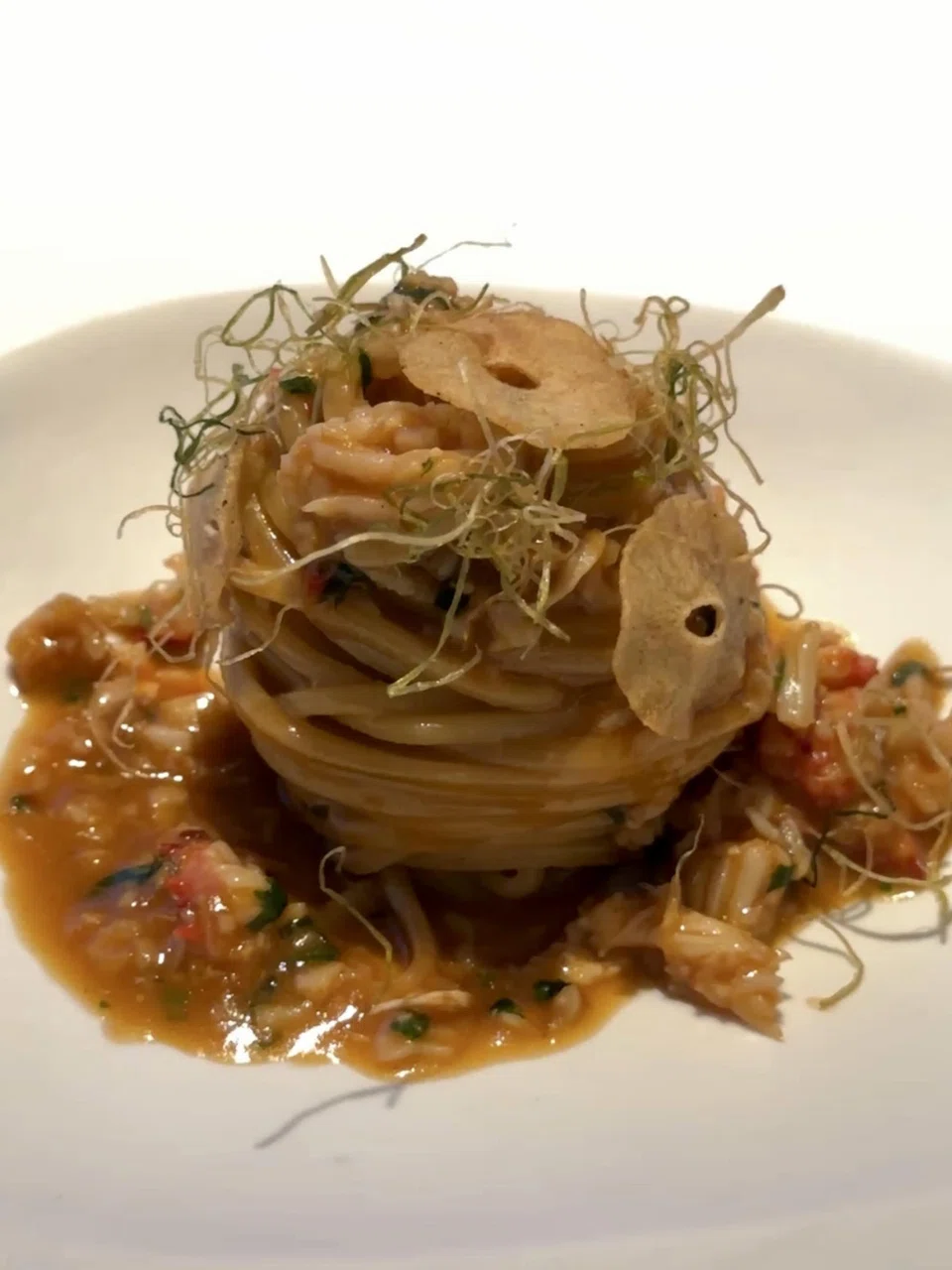
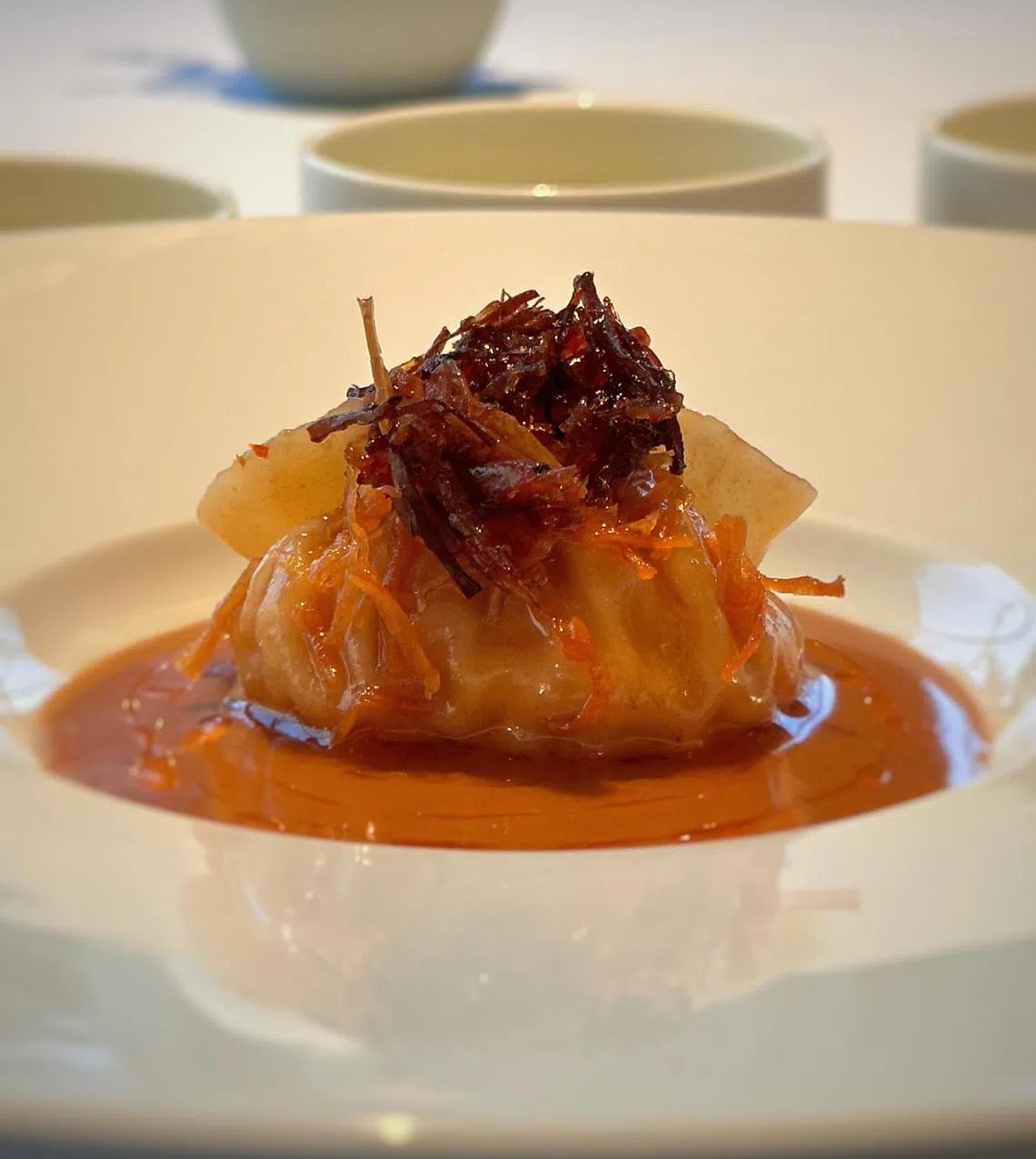
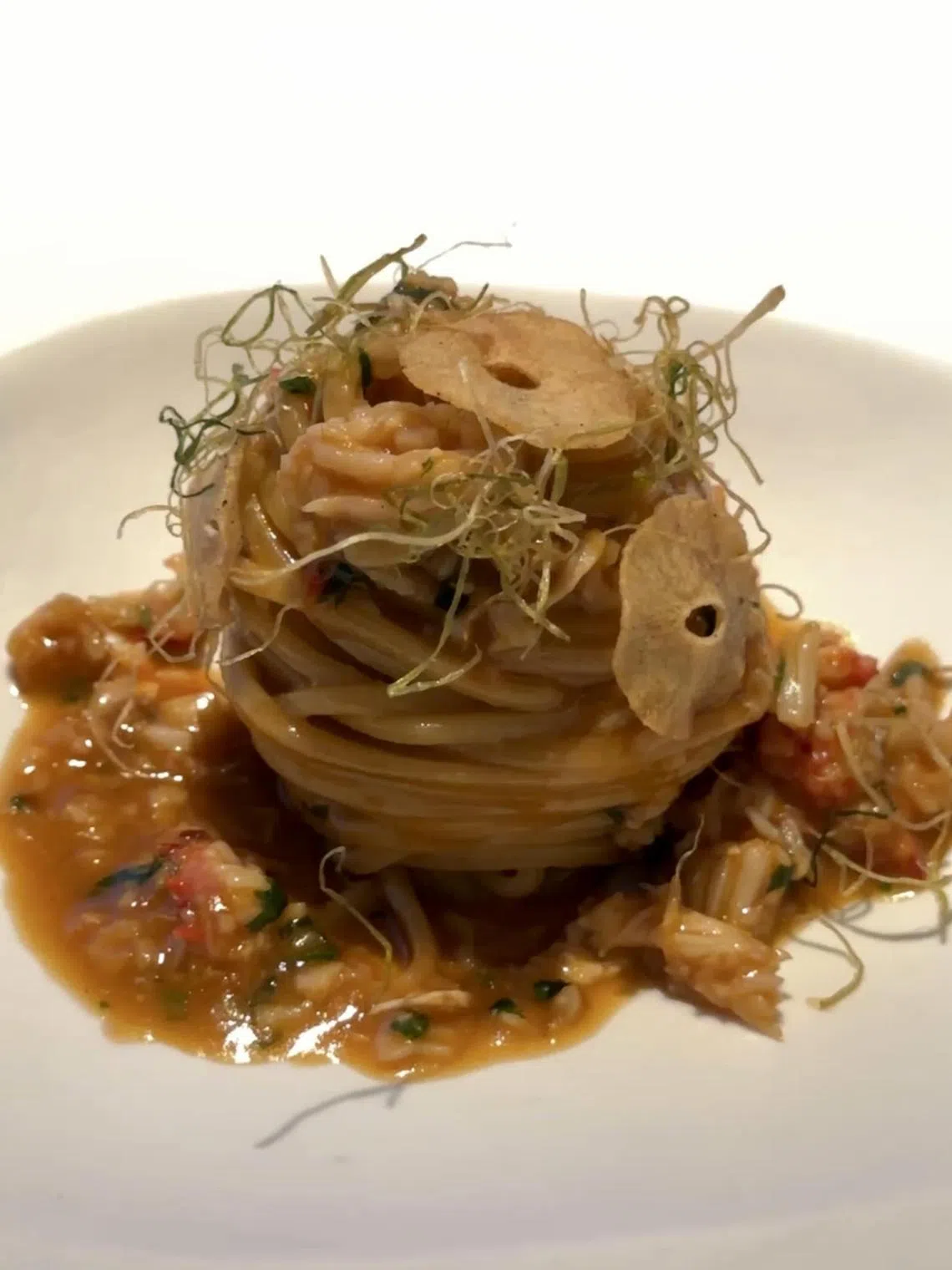
The rest are standards that are predictable, but properly done. A prawn ravioli sits in a creamy bisque sauce topped with XO sauce, well, just because. And home-made spaghettini is dense rather than al dente, but the spicy crab bisque sauce with enough shreds of crab meat and garlic chips make up for it.
But the main stumbles, as an over-salted jammy glaze overwhelms the wagyu M6 sirloin, paired with an earthy artichoke puree and chips.
Throughout the meal, we’re taken care of by a hardworking local team who seem to be carrying the weight of Matera on their shoulders. Maybe that’s why the chef himself doesn’t seem to feel much pressure. Instead, he’s in the kitchen clutching his phone, with a body language that says “Whatcha doin’ later?” rather than “What do you mean, your dog ran off with my shipment of scallops?!”
But that’s the problem with open kitchens, when everything that goes on is right there for everyone to see. Like licking his fingers while overseeing his chef plating the dessert. Similar to accidentally walking in on someone who forgot to lock the toilet door; it’s something we can’t unsee. Maybe it’s an okay thing to do, but we couldn’t eat our dessert after that – a cloud of limoncello snow on tofu ice cream and Japanese melon. We’ll just assume it’s good.
Granted, Matera’s got a lot on its plate, given what it’s inherited. But, in a city with so much choice, it’s got to do more to stand out.
Rating: 6.5
Decoding Asia newsletter: your guide to navigating Asia in a new global order. Sign up here to get Decoding Asia newsletter. Delivered to your inbox. Free.
Copyright SPH Media. All rights reserved.
TRENDING NOW

Grab CEO’s wife Chloe Tong on life with Anthony Tan and finding her purpose

What role can Japan play in Asean’s future?

He built the Vingroup empire. Now South-east Asia’s richest man is handing some key roles to his sons

Asean’s challenge is to become resilient against global geopolitics: former Indonesia trade minister

