ONMI’S S$135 tasting menus offer great value and insight into fine Korean cooking
The upscale Amoy Street restaurant sticks to tradition but adapts it for the contemporary palate
NEW RESTAURANT
ONMI Restaurant 107 Amoy Street Singapore 069927 Open for dinner only Tues to Sat: 6 pm to 10.30 pm. Closed on Sun and Mon. Online reservations at onmi-sg.com or e-mail contact@onmi-sg.
KOREAN restaurants in Singapore are like K-dramas. There are so many of them and the plots are always predictable, but you can’t stop watching them. For sure, the hero is going to regain his memory and reunite with the love of his life, yet you sit through all 16 episodes watching his conniving ex-girlfriend try to steal him away.
The same with Korean restaurants – it’s always some variation of army stew, BBQ, jeon and the like. But you still go because the very act of sipping soju and stuffing bossam into lettuce brings you one step closer to your adopted culture, and the oppa of your dreams.
Once in a while, like a tired storyline revived by an unexpected villain or shocking plot twist, along comes a restaurant that shakes up the formula. It delivers something so familiar yet deliciously new, you wonder why no one ever thought to do it before.
And therein lies the plot of ONMI. Head chef Young Cheol Park spent all his career in Singapore cooking the food of other cultures except his own, and now has free rein to tell the true story of Korean cooking. He is not the first, but ONMI allows him to be truer to the cuisine, raising the bar without the need to punctuate it with personal philosophy or global fusion. In that sense, ONMI is less fussy than NAE:UM; more fine dining than Anju; better curated and executed than Sura. And at just S$135 for a full tasting menu, we increasingly begrudge the amount we pay at similarly dressy venues for less satisfaction.

Strangely, you can’t find ONMI if you Google it. Variations of “Omni” yes, but no trace of the restaurant’s Amoy Street address. Maybe in their quest for authenticity it registered a Joseon postal code instead. Until they change it, they’re traceable only via the website onmi-sg.com or the Instagram handle @its_onmi. The name itself is an awkward play on “it’s on me”, implying that the genuine Korean dining experience is on them. If you don’t get it, go for the direct translation: warm and delicious.
We can relate to that. Park delivers Korean classics straight up – designed for the contemporary palate but with original flavours intact, eschewing Western elements or ingredients. Seasonal produce is flown in from Korea so regularly the dishes change faster than they can update the menu card on your table.
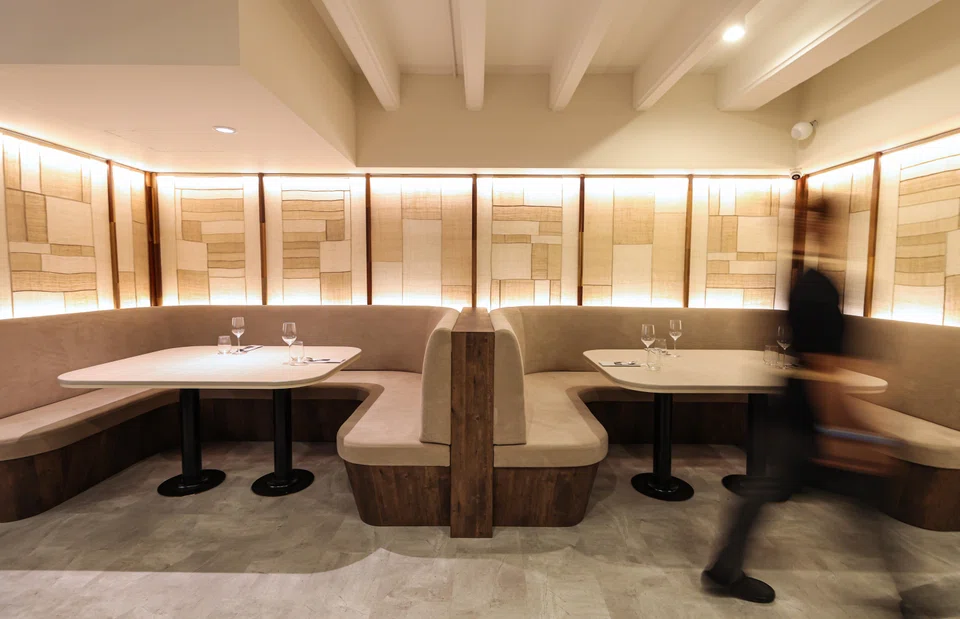
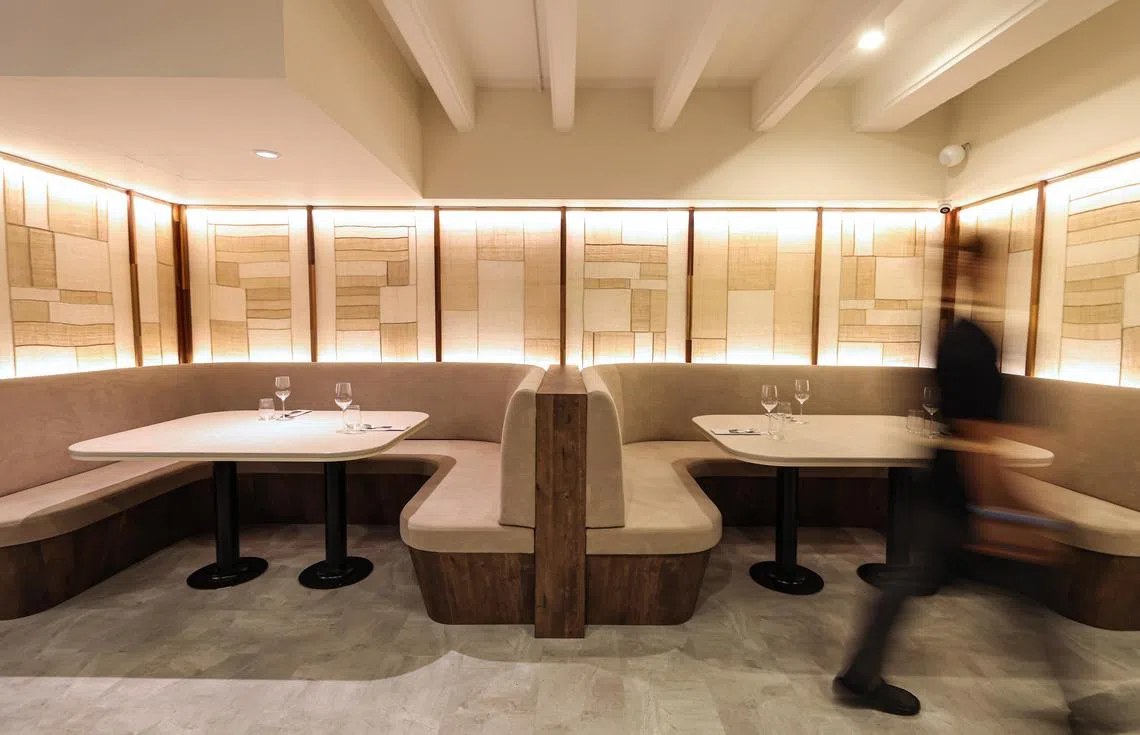
ONMI’s hanok-inspired, earth-hued surroundings are a calming space, with enough design nods to the past so a time-travelling noble would not feel too out of place. Traditional artwork graces one wall, and whimsical soju ceramic cups with hidden bells tinkle like they did back in the old days of Silla. Even the air-conditioners have their own wooden roofs.

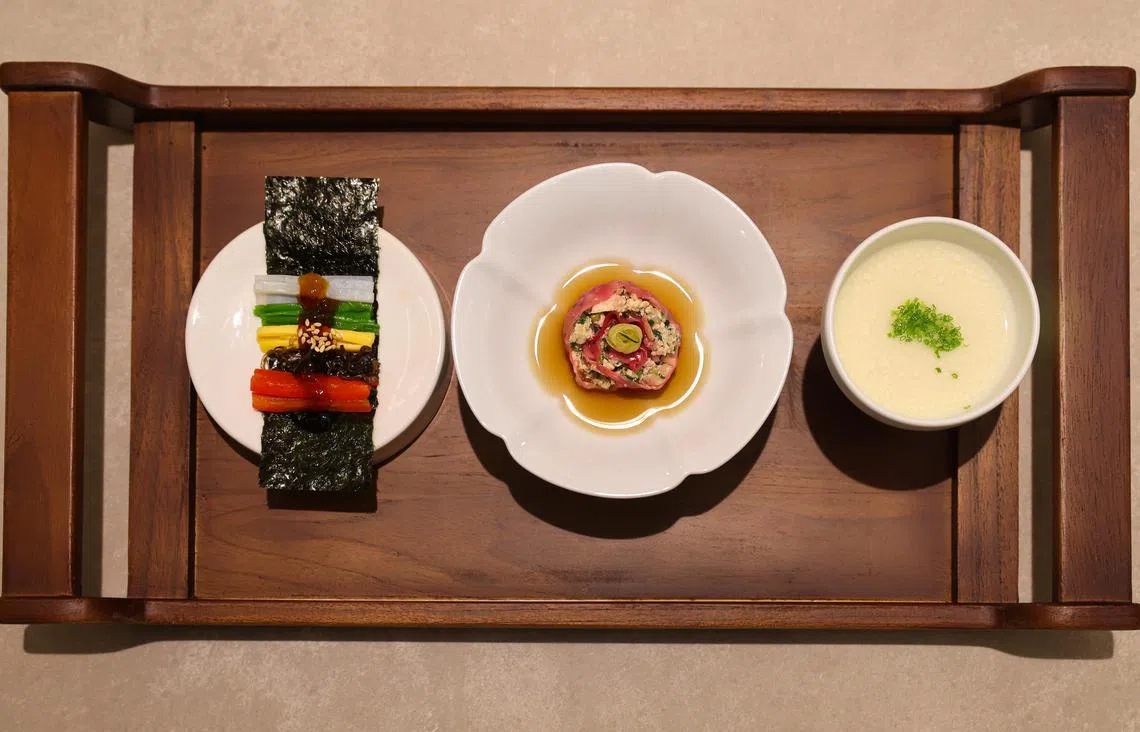
Dinner is a dizzying array of small bites presented like sampler platters for you to taste every aspect of Korean cooking. A dainty bowl of sundubu – sans fiery kimchi – is just clear, comforting broth showing off the tiniest cubes of tofu, settling our stomachs nicely for a juicy mandu (dumpling). Thin-skinned with a fat filling of pork and crunchy pickled vegetables and a sweet-tangy broth below, any siew mai would be thoroughly demoralised by the mandu’s initiative.
Next up is Tangpyeongchae, straight out of a king’s playbook on food diplomacy. Colourful strips of vegetables, egg and mung bean jelly represent warring factions united despite their differences, wrapped in a sheet of nori. It’s good to know that even if they hated each other, they didn’t fight at dinnertime. Here, it’s an agreeable snack that’s a harmony of chewy, savoury and pleasantly garlicky.
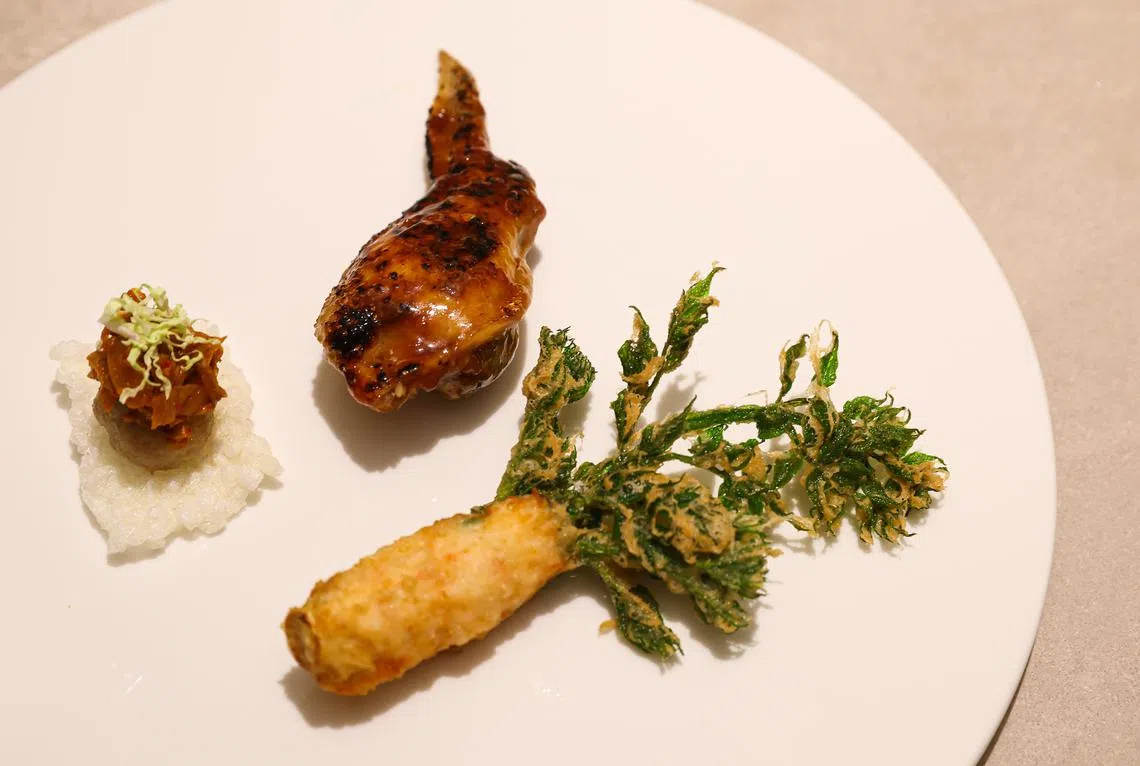
Round 2 starts with a deceptively simple but excellent tempura of dureub – Korean for an asparagus who moved to Seoul, married a carrot and had shoot-like babies with feathery tendrils and a slightly bitter demeanour. Ok, they’re fresh shoots cut from the tops of tree branches but that’s what they taste like. And when they’re wrapped in a coat of shrimp paste and deep-fried, it’s piping hot crunchy bliss.
It makes the stuffed deboned chicken wing filled with glass noodles and coated in a sticky salty-sweet glaze feel like a slacker in comparison, while a spicy meatball on top of an airy rice cracker is a good go-between.
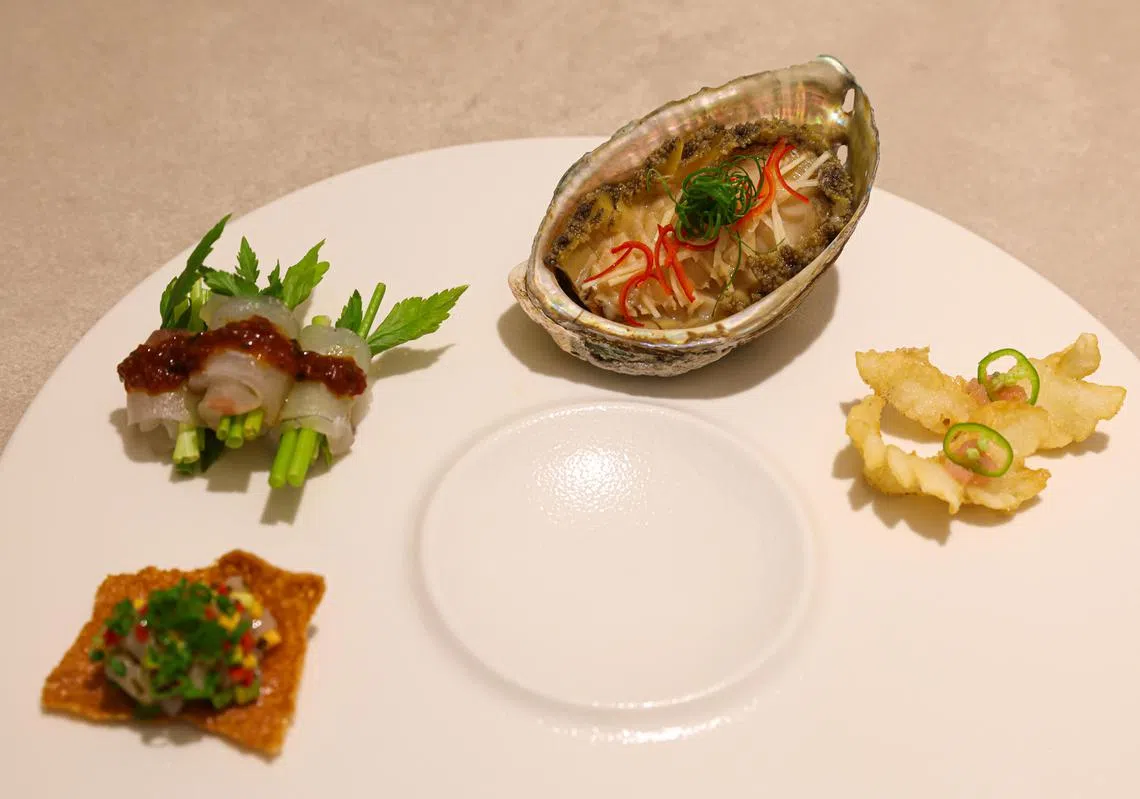
A harvest of the sea sums up round 3. There’s a dollop of chopped raw scallop, lightly seasoned but not overshadowed by the more assertively briney prawn cracker it sits on. Slices of red snapper sashimi are wrapped around sharply grassy Korean parsley with a layer of pungent bean paste that overpowers the unassuming fish. Tender abalone slices cosy up to a sweet-citrusy soya sauce kissed by yuja or Korean yuzu. And while we don’t know the IQ of a cuttlefish, we’d be happy to give up any octopus for a piece of fleshy white succulence under its crisp battered coat, topped with fermented pollack roe (not unlike our chinchalok) and green chilli slices.
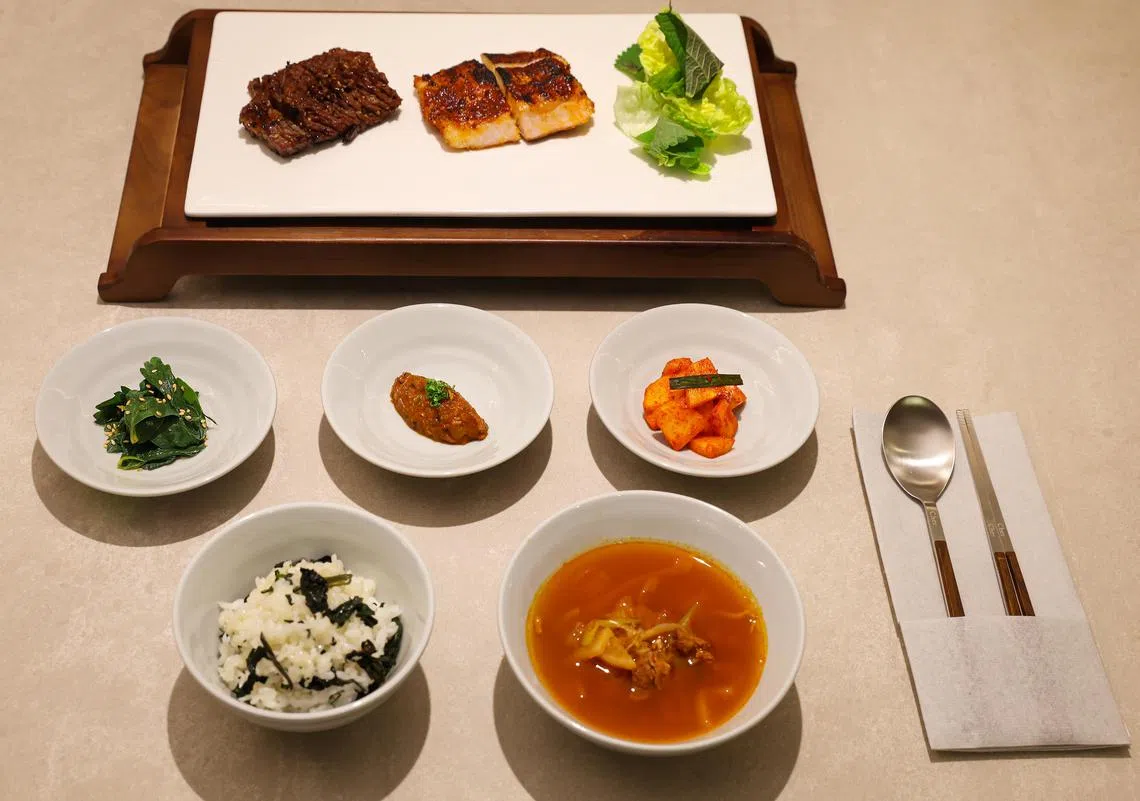
After the wholesome comforts of warm cabbage rolls in broth comes our happy meal – a duo of too-sweet beef galbi and better grilled pork jowl, served with herb rice and Busan-style kimchi soup with beef and radish. Pear kimchi is the star banchan, ably supported by homemade fermented bean paste and salted radish leaves. Fuss-free good.
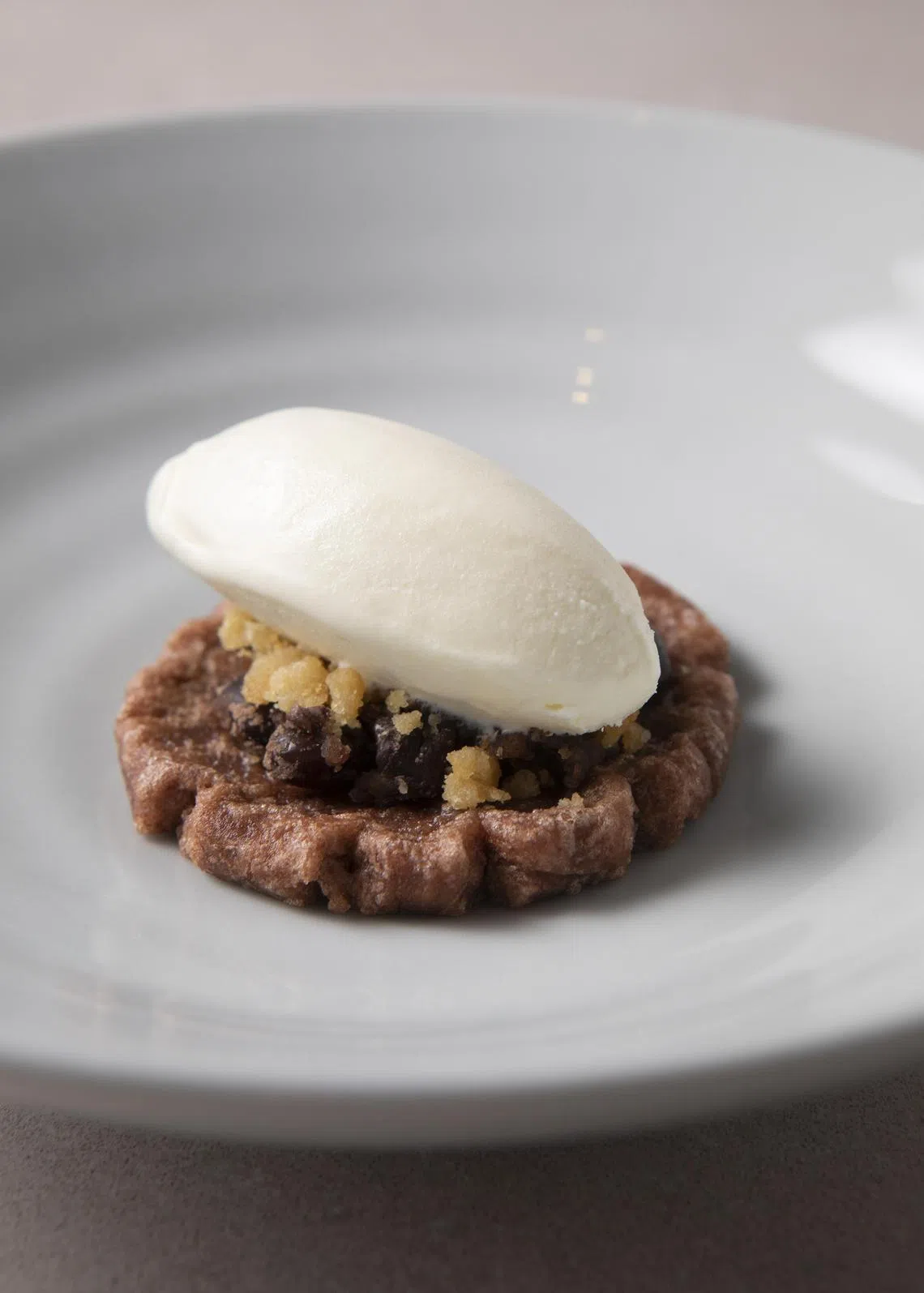
Maybe vanilla ice cream isn’t in any royal cookbook, but it sure lifts chewy millet pancake and red bean paste to a new level, and is a fitting end to the meal.
ONMI doesn’t reinvent the wheel, but it takes what it knows, tweaks it to the tastebuds of its target audience (we’re not complaining) and lets the food do the talking. At a good price, if it stays this way. Like a drama with a good storyline, this one is well worth watching.
Rating: 7
Decoding Asia newsletter: your guide to navigating Asia in a new global order. Sign up here to get Decoding Asia newsletter. Delivered to your inbox. Free.
Copyright SPH Media. All rights reserved.