Restaurants poised to lower prices, widen options as industry adjusts to smaller dining wallets in 2024
The F&B industry may have taken a hard hit in 2023, but diners are set to benefit with more bang for their buck as even high-end eateries recalibrate their business models
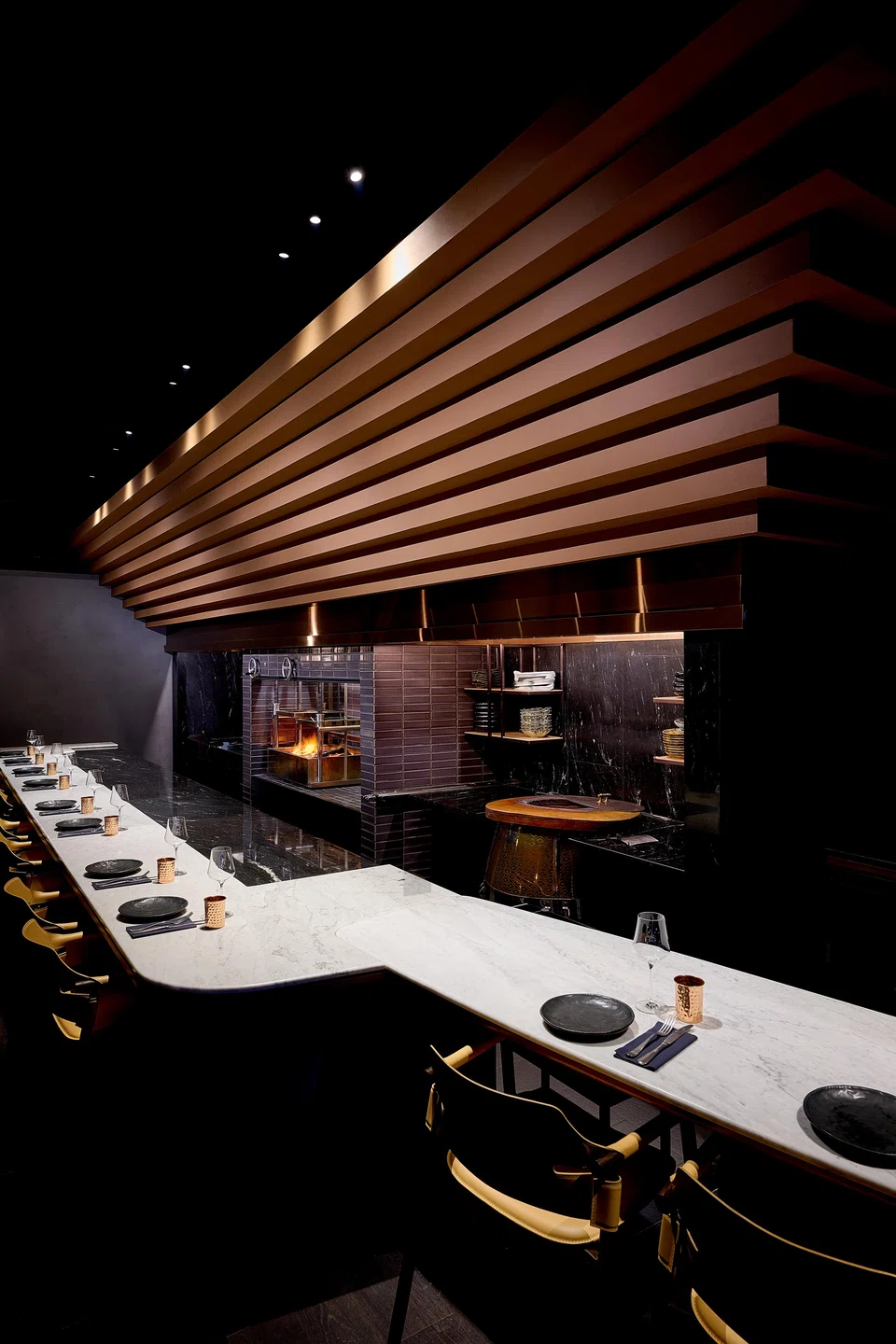
TWENTY to 30 per cent down and fighting every minute – sounds like a version of the musical Rent’s theme song, but it’s not Seasons of Love that food and beverage businesses are singing. Rather, it’s a refrain that pretty much sums up 2023 for the industry, as it emerges from a volatile year that has seen diners disappear to greener dining pastures abroad while wallets at home shrink in tandem.
Despite fillips such as Formula 1 and other big events, the worrying dip that high-end restaurants started to experience from around April this year – after a dizzying post-Covid rebound – has continued. Chefs and restaurateurs are not even cautiously optimistic like before, but in full battle/survival mode as they head into the new year.
Ending the year on a whimper
Restaurants in Singapore tell the same story when it comes to the factors that have affected their bottom lines in 2023. The biggest has been travel, both in and out. There are more people travelling out of Singapore, and fewer tourists than expected coming in.
Rising costs of living from interest rates to higher rents and inflation have put the squeeze on diners’ wallets, leaving them with less disposable income to spend on high-end dining. The recent money-laundering case involving Chinese nationals, while not impacting all restaurants, also left a dent on restaurants that benefited from their largesse. Wars in the Ukraine and Gaza, and even just an oversupply of restaurants, are pointing towards a tough year ahead.
Almost all restaurants The Business Times spoke to reported an overall drop of 10 to 30 per cent in revenue, and are bracing themselves for a tough 2024. All predict more restaurants will close down, even as new ones take their place.
“It’s been tough,” says Tan Ken Loon of Naked Finn, which had predominantly relied on loyal regulars to get it through tough times relatively unscathed. But revenue has easily dropped by 30 per cent from 2022, because “even though we don’t get many tourists in our restaurants, most of our regulars have been travelling extensively, almost monthly and over the entire 2023”.

He adds that “mass-market restaurants are doing much better, which means consumers are cutting expenses”.
Mano Thevar, of the two-Michelin-starred restaurant Thevar and the recently opened Tambi, reported a similar decline in revenue, adding that besides Singaporeans travelling, “expats and their families were affected by rental increases, which meant they were dining out less”.
Compounding this has been “a notable surge in the supply of restaurants, primarily driven by the heightened demand during the Covid-19 pandemic,” says Tycen Bundgaard, chief executive officer of Les Amis Group, which includes the flagship three-Michelin-starred Les Amis restaurant, as well as Japanese restaurants such as Aoki, whose chef-owner Kunio Aoki is leaving the group at the end of December.

“The increased travel of locals outwards that surpassed even pre-Covid levels and the impact of the low Japanese yen, have also exacerbated the challenges,” adds Bundgaard. “As a consequence of these market trends and the decision to close several underperforming outlets, the revenue growth for the group has indeed suffered.”
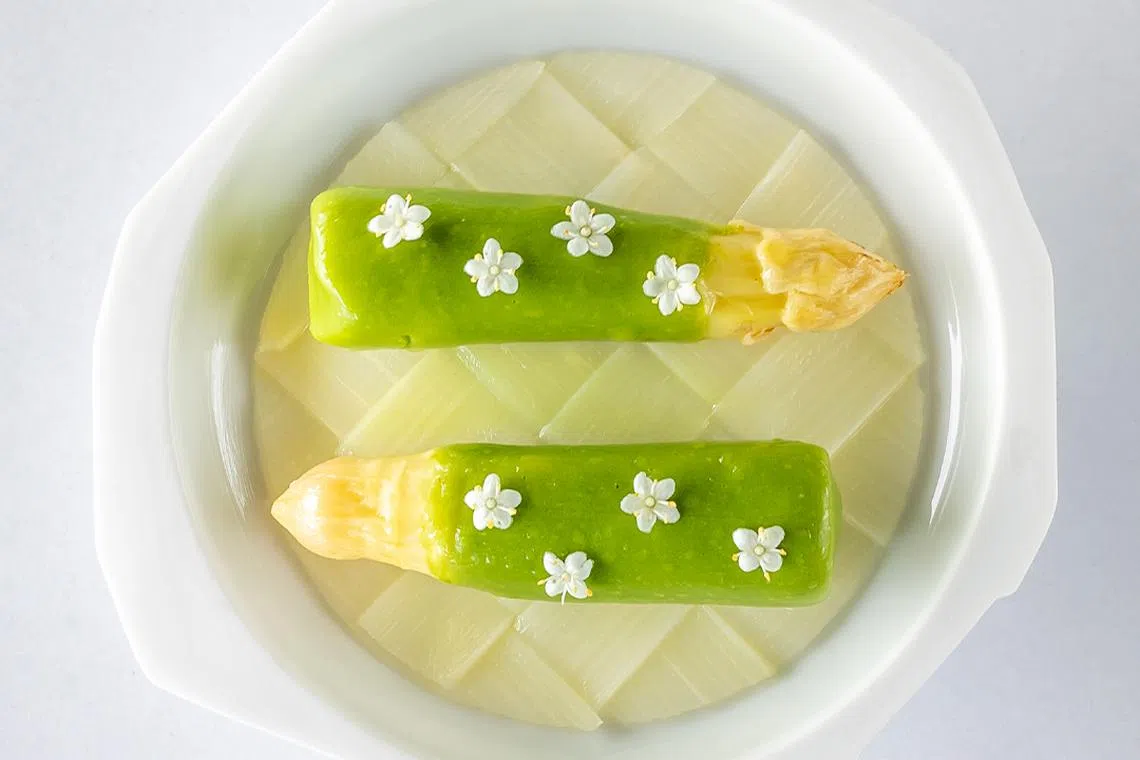
But there will also be the strong players who continue to do well. Among them is Daniele Sperindio of I’WA group – which operates the one-starred Art by Daniele Sperindio and Gemma restaurant – who bucked the trend with a record-breaking 30 per cent jump in revenue.
“It’s the best in our history,” he says. “More importantly, we focused on enhancing operational efficiency, which helped to raise profits by 45 per cent.” He is one of the rare bullish ones, with plans to renovate his flagship restaurant Art, open a bakery and another concept which he declined to reveal more on.
Lowering prices
Like fellow restaurateurs, “I predict there will be more restaurant closures and the industry will witness a shift,” says Kashma Budhrani, co-founder of Culinary Arts Group which operates Revolver, Hamamoto and the recently opened South American restaurant Araya. She adds that the group did take a hit this year too, “but it was expected with the opening of borders”.
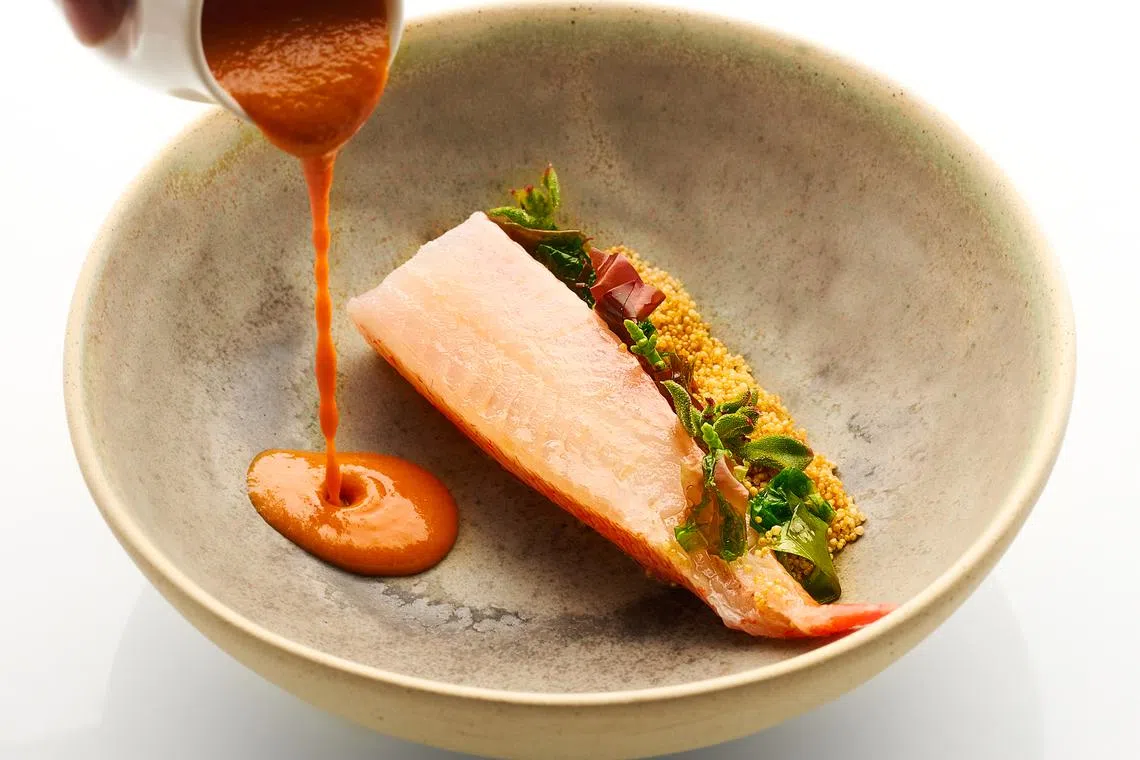
With consumers eating out less, she foresees “a return to safety, with fewer diners opting for experimental cuisine or taking a risk with a chef or cuisine they’re not familiar with”. It also means that “restaurateurs have to look at more precise offerings that take into account diners who are even more price-conscious”.
For Loh Lik Peng of Unlisted Collection, 2024 could see “more a la carte type of restaurants and also shorter tasting menus”. He adds: “Likely, some of the people who dine out regularly are tired of long tasting menus and also starting to resent being told what they are going to eat and have little choice in the matter.”
High dining prices have peaked and “we’re likely to see a downward adjustment in restaurant prices”, says Sperindio. While tasting menus have been the norm for the past few years, he has introduced an a la carte menu at Art, a return to a practice common in fine-dining restaurants in Europe.
In turn, restaurants such as the one-Michelin-starred Sommer and Nouri have lowered their prices for lunch, with the latter even offering a S$75 option. Chef-owner Ivan Brehm says he may revise the prices slightly higher, but he has also introduced a shorter, four-course dinner menu at Nouri. At the same time, he also dropped the tasting menu-only concept at his second eatery Appetite and introduced a full a la carte menu.
Sommer’s Lewis Barker says: “We lowered our prices (lunch is priced at S$108 and dinner starts at S$168 for three courses) in early 2023 to stay competitive. We wanted to offer value for quality – we take a hit instead of the guest to keep it attractive for them and keep bums on seats. I’ve seen most restaurants drop prices across the board, especially in the one-Michelin-star category, where a lot of the pricing is identical in terms of offering.” Sommer has finished the year strongly, he notes, leaving him optimistic for 2024.
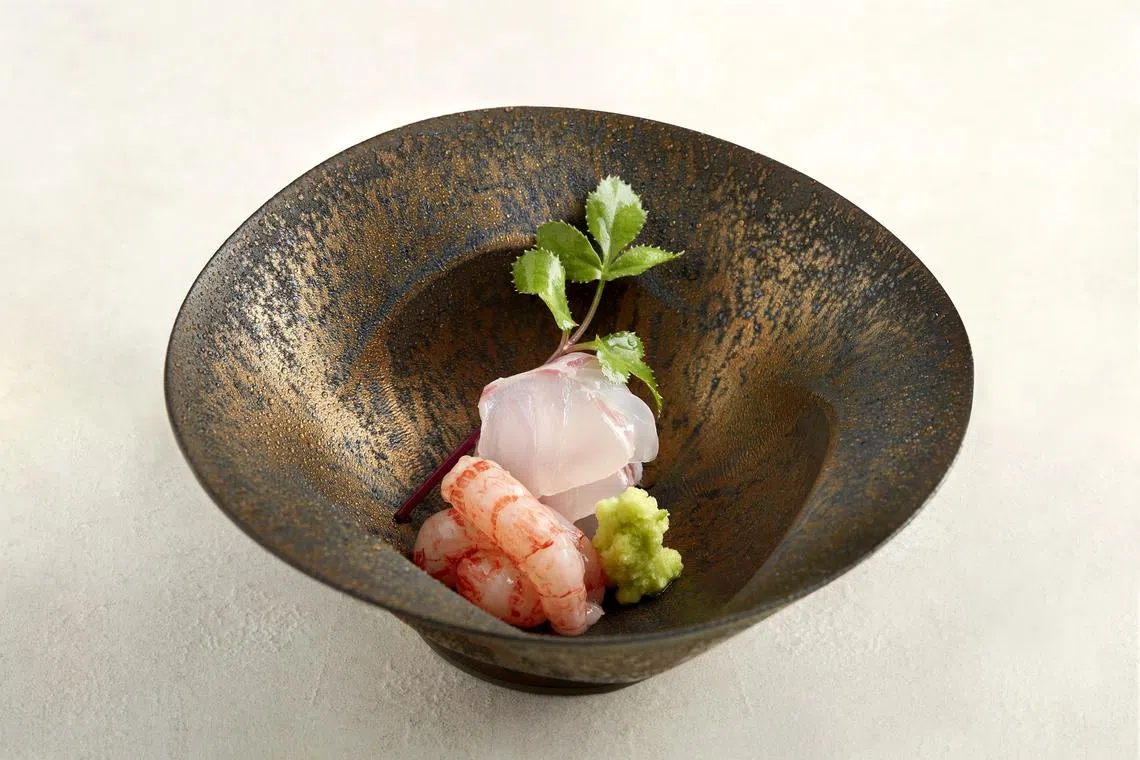
As for Japanese restaurants, it’s more the rise in travel to Japan and the sheer oversupply that has affected business more than pricing, says Les Amis’ Bundgaard. The group closed its restaurant Wagyu Jin and has revamped the offerings at the high-end Jinhonten, while it is working on a new concept and name for Aoki when its namesake chef leaves to open a new restaurant in the second half of 2024. It also opened the high-end Zeniya restaurant at the Shangri-la hotel this year.
The issue with the release of Fukushima’s nuclear water was also a worry for diners, but tempura restaurant Tenshima owner Takahiro Shima says that being transparent helps. He has no plans to reduce prices, but “meeting the price is more important”, by giving value for money.
Dining trends and outlook
Restaurants may fall by the wayside, but there’s no shortage of new ones to come onboard and 2024 doesn’t look any different. Celebrity chef and foreign restaurant tie-ups are in the offing with the opening of Maison Boulud by Daniel Boulud at Marina Bay Sands; Air by Matt Orlando and Will Goldfarb; Torno Subito by Massimo Bottura at Como Dempsey and New York Korean steakhouse Cote at Como Orchard Singapore.
On the local front, Beppe de Vito of the il Lido group is opening two new ventures: Baia, a rooftop bar at Esplanade Mall and Sospiri, a restaurant bar at the new IOI Central Boulevard Towers. Despite revenue dipping 10 to 30 per cent across his eateries, they need to adapt to remain relevant, he says. Buona Terra’s director of operations, Gabriele Rizzardi, also says that a casual offshoot is in the works.
The Lo & Behold Group is also set to raise the bar when it turns the former Nan Chiau High School into a dining and entertainment cluster “where we spent the last year curating the best talents and building the backbone of a creative community”, says managing partner Wee Teng Wen.
From a diner’s standpoint, lower prices and a la carte menus couldn’t come at a better time. Nicola Lee, the Singapore academy chair of World’s 50 Best Restaurants, has always hoped that, as a small eater herself, restaurants would offer smaller menus as food wastage made her uncomfortable. Her dining-out bill for 2023 was around 20 per cent higher than the year before, “which can be painful”.
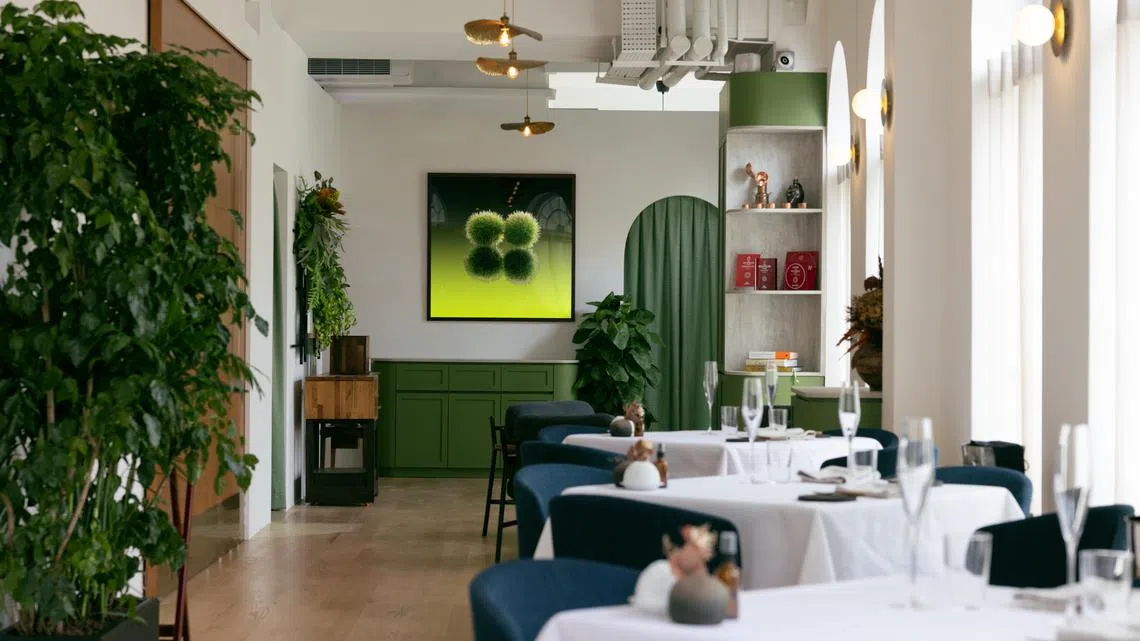
Anant Tyagi of Jag Holdings, which owns the one-starred Restaurant Jag, feels that the tide may turn in the latter part of 2024 “as we anticipate an economy-led recovery”.
The first half of the year saw the group’s revenue plunge by 30 per cent amid rental woes that saw Jag relocate to Robertson Quay. But the fresh start has been positive as it ended the last quarter on a positive note. “We also believe that more large-scale events will be held in Singapore from the third quarter onwards and furthermore, with the economy in China expected to grow significantly, too.”
So while the industry’s pain isn’t going away soon, the proverbial silver lining may come through in the end.
Decoding Asia newsletter: your guide to navigating Asia in a new global order. Sign up here to get Decoding Asia newsletter. Delivered to your inbox. Free.
Copyright SPH Media. All rights reserved.