

Singapore, Asia’s cocktail capital
The city’s bar scene continues to thrive, with more concepts set to open before the end of the year
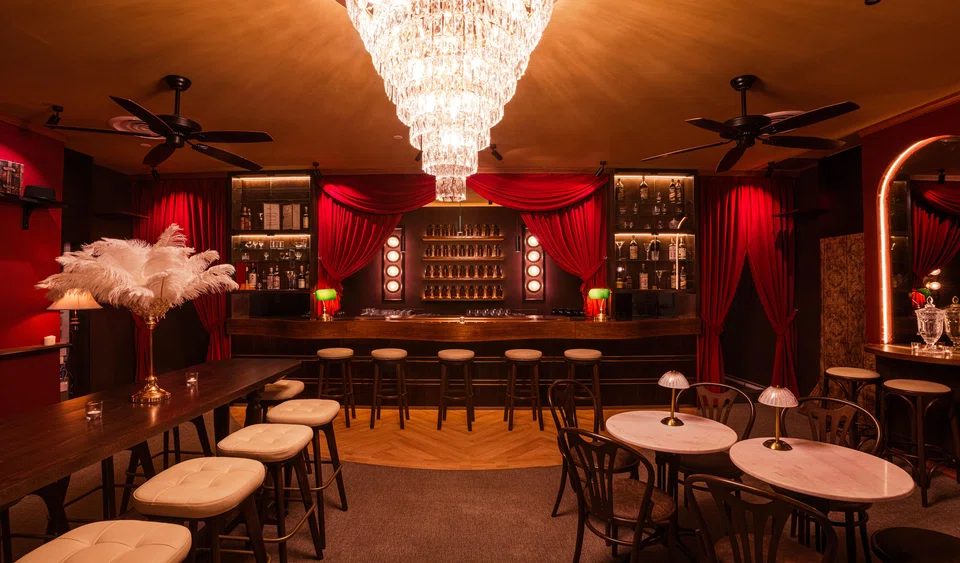
WHEN the World’s 50 Best Bars awards are presented in Singapore on Oct 17, the event will shine the spotlight on a thriving local cocktail scene that continues to grow despite challenges in the food and beverage industry.
With a significant number of new bars opening in either trendy shophouse spaces or one of the many luxe hotels opening this year, bar operators have remained resilient in the face of a manpower crunch, rising costs, licensing issues and changing consumer preferences.
Even so, there have been casualties. Papa Doble (formerly The Old Man Singapore) closed in August; the 10-year-old Jekyll & Hyde will shutter on Dec 31.
New launches, however, outnumber those that have wound up. September brought the debut of The Backdrop at voco Orchard Singapore, opened by veteran operator Dario Knox, who is also behind The Other Room at Marriott Tang Plaza.
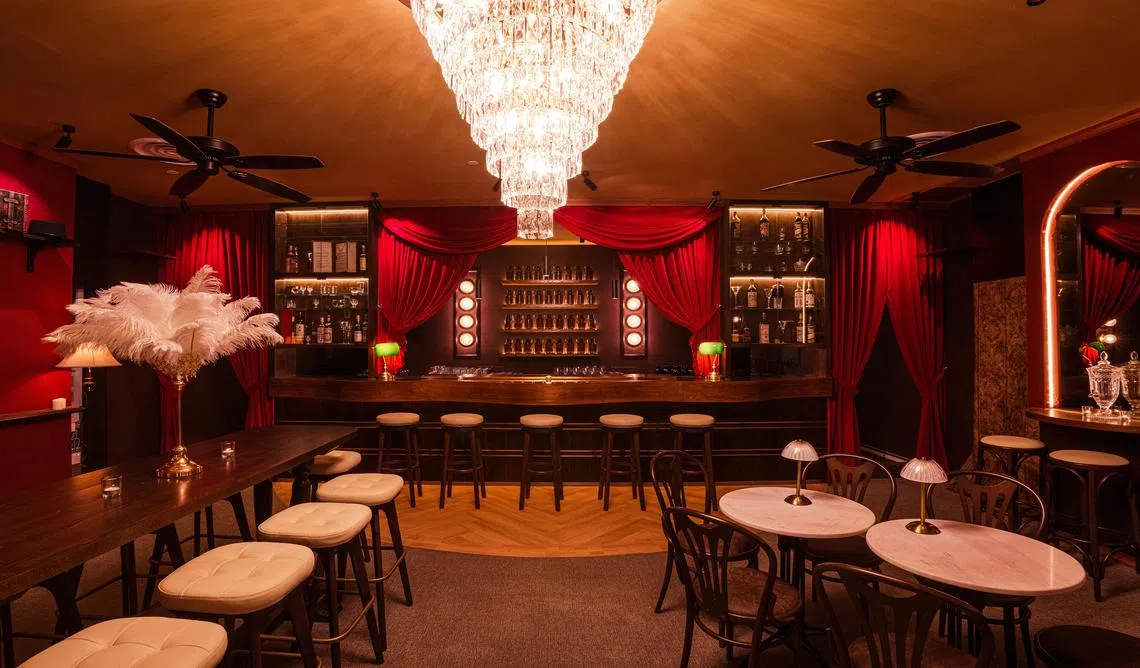
Conrad Singapore Orchard, formerly the Regent Singapore and currently under refurbishment, will launch East47 in December as a private bar “hidden” within the stalwart Manhattan bar.
Nearby, luxury boutique hotel The Singapore Edition is set to open The Punch Room, which already has locations in cities such as London, Shanghai and Barcelona.
Foreign players have also hopped on the bandwagon. In June, Mixology Salon, a celebrated craft cocktail bar in Tokyo, opened its first international outlet in Singapore. It is known for its “tea tail” drinks that fuse modern mixology techniques and premium Japanese green tea.
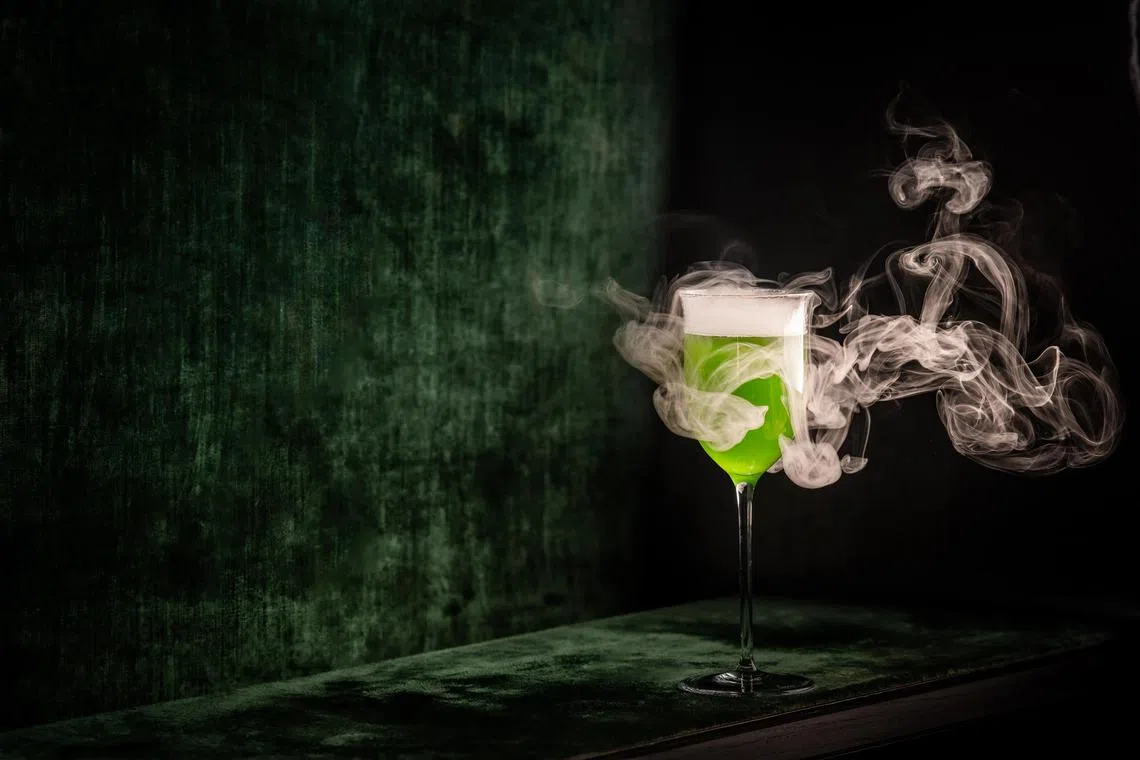
There’s also Draft Land from Taiwan, which opens on Thursday (Oct 12), and is the first in Asia to serve up cocktails on tap. Founder Angus Zou collaborated with close friend Colin Chia of Nutmeg & Clove to set up this concept in Singapore.
“Being an international economic hub, the city-state’s social culture is mature and thriving, so there is substantial demand in the alcohol market. Singapore’s bar culture has grown rapidly over the past decade and become one of the leaders in Asia,” he says.

Achieving global recognition
Singapore is small, but the concentration of talent, expertise and world-class establishments is amazing, says Knox. “Nothing compares,” the Italian-born bartender says, adding that within the international drink community, Singapore has been a place of inspiration over the past decade, particularly in terms of innovation.

He adds: “With the World’s 50 Best Bars official ceremony coming to Singapore, now even consumers will shift their eyes towards Singapore and South-east Asia.”
The event at Pasir Panjang Station will mark the first time that the ceremony is held in Asia. Jigger & Pony and Manhattan were ranked 12th and 33rd respectively in the 2022 list. Manhattan has since moved to No 63 on the just-released 2023 extended list of bars ranked 51st to 100th. This list includes four local bars – 28 HongKong Street (59th), Nutmeg & Clove (64th), Analogue Initiative (78th) and Native (83rd).
Dario Schiavoni, director of food and beverage at The Singapore Edition, says Singapore being picked as the venue for the awards event is testimony to the city’s standing in the world of mixology.
“What’s admirable about Singapore’s bar scene is its diversity – there’s every type of bar imaginable for every cocktail enthusiast, where the classic and experimental bars all have their own space to shine and do what they do best.
“Singapore’s bar scene is brimming with new bar openings and constant guest shifts from some of the world’s best, and what this does is it elevates the local bar scene as a collective, and gives all of us ample opportunities for knowledge- and culture-sharing.”
Survival of the most resilient
Rusty Cerven, beverage director of Conrad Singapore Orchard who’s preparing for the opening of East47, says that while new establishments constantly emerge, the more creative and versatile ones can withstand competition.
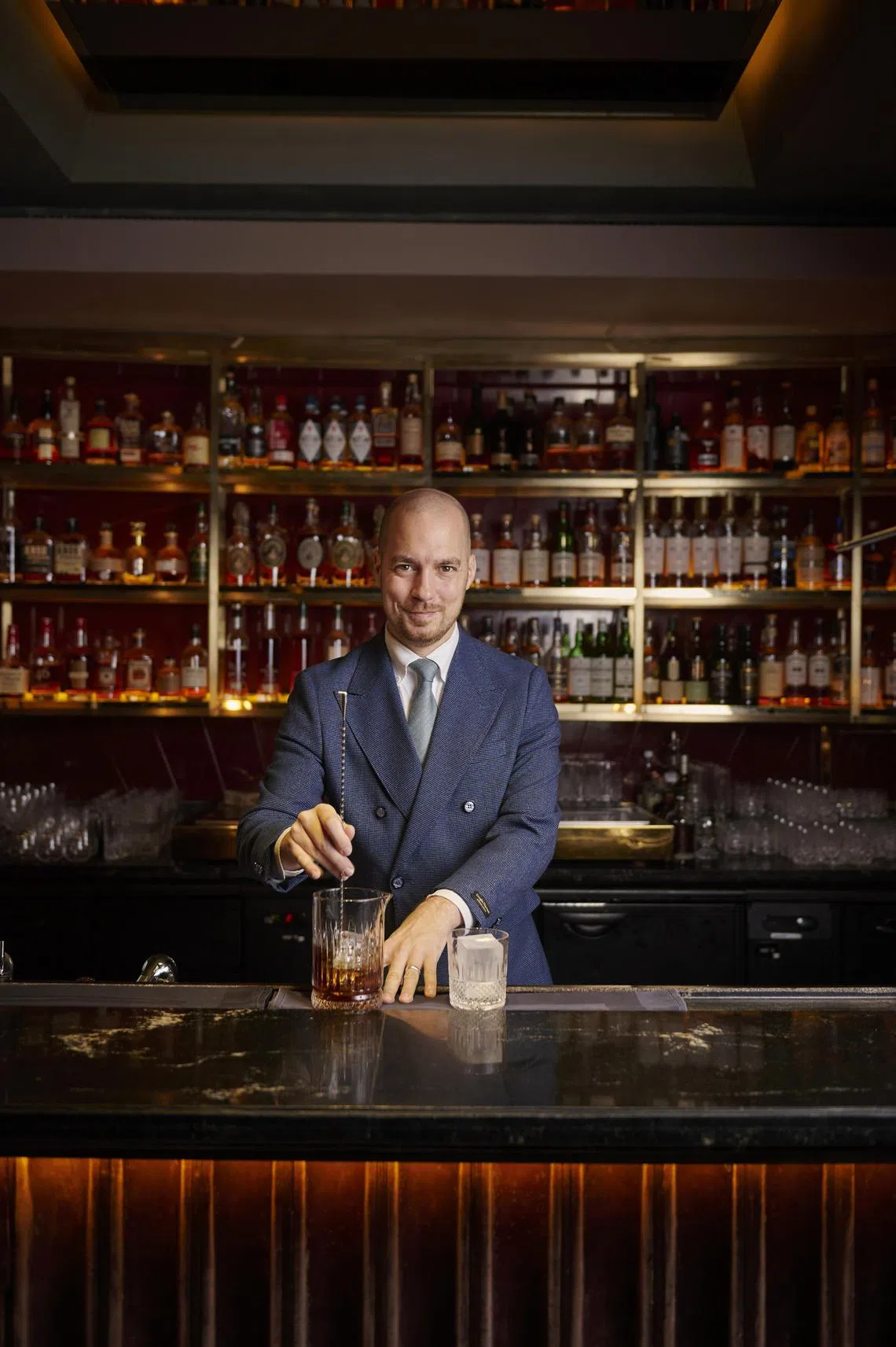
But he doesn’t think that bars are necessarily more resilient than restaurants. “They face a similar set of challenges, but the dynamics differ. In recent years, bars have certainly gained resilience due to their adaptability, creative cocktail offerings, and the growing interest in the appreciation of fine spirits and the craft drinking scene in general.”
Fura’s co-founder Christina Rasmussen (former chef-forager at Noma) says people here are always on the lookout for the next exciting thing. Her future-forward bar, which opened in Amoy Street in August, emphasises sustainable and conscious dining. That means incorporating insect proteins and familiar ingredients such as jellyfish and corn – which are either invasive species or abundantly available – into the menu.
Her partner Sasha Wijidessa, who’s in charge of the drink menu, believes that the close-knit community in Singapore plays a crucial role in this flourishing scene. “We chose to open Fura here, precisely because of the support and camaraderie among bars. It’s that kind of mutual support that makes the scene here so much stronger, that gives new innovative concepts like ours the confidence to open.” Rasmussen also ran pop-up bar Mallow with Wijidessa before this.
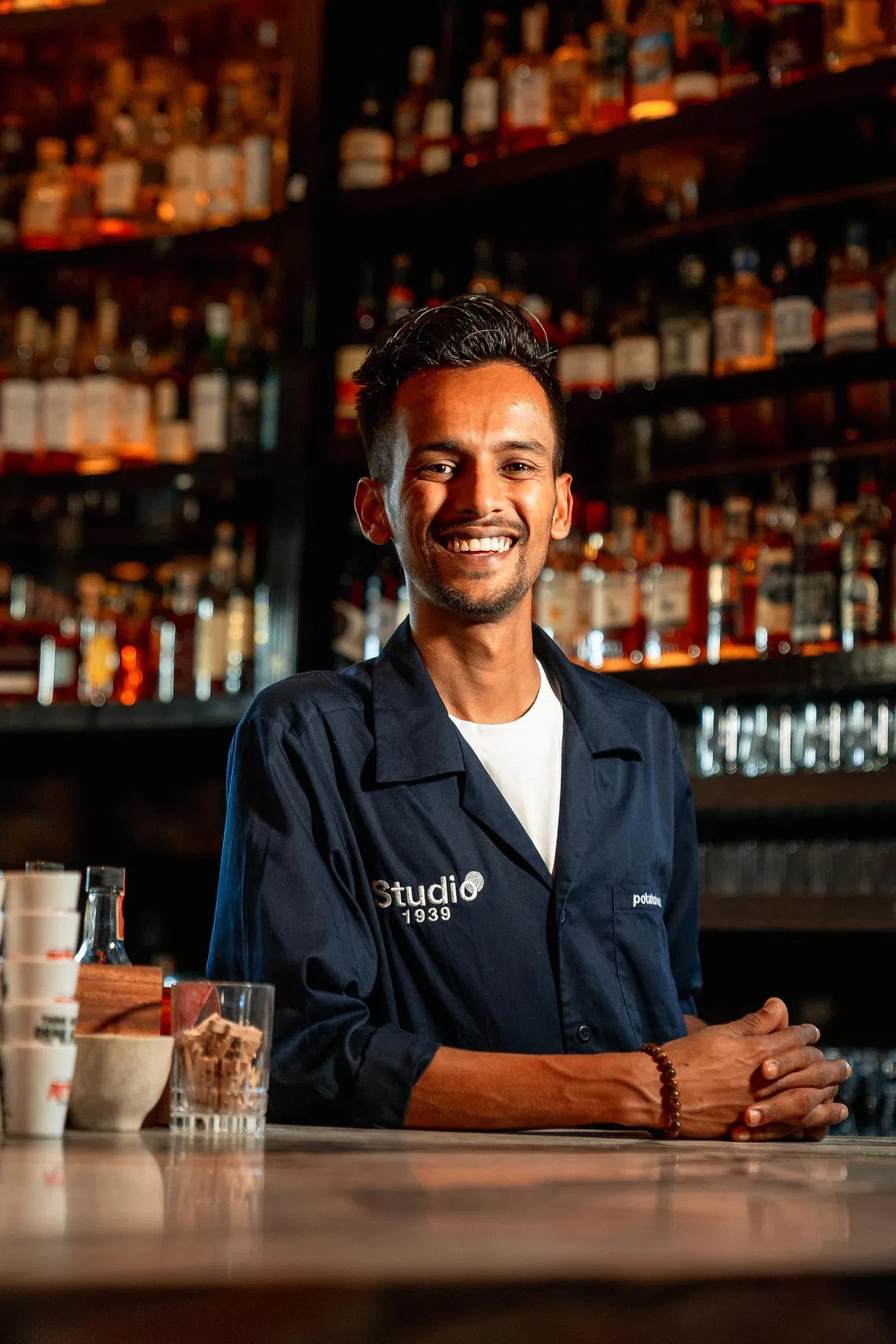
Kavish Hurrydoss, head bartender of Studio 1939 at Potato Head Singapore, agrees that the market here craves something new. “This is also a challenge, which is why we see bars closing as well. It’s important for a bar programme to be versatile and creative, but at the end of the day, it comes down to how good you are at retaining your regular customers.”
Cat Bite Club’s co-founder Gabriel Lowe agrees. He says: “With great drinks everywhere, the way to stand out and create return business is through how you treat each person who enters your doors.” He partnered with Jesse Vida (former head bartender of Atlas Bar) to set up their bar in Duxton Road to showcase cocktails made with agave and rice spirits.
Challenges beyond manpower issues
Indie bars such as Fura face a range of challenges in the current environment. Rasmussen says: “Inflation is a significant concern, with rising costs for ingredients, rent and wages. Finding and retaining skilled staff while ensuring they receive fair salaries is a constant struggle.”
Obstacles cropped up even before Fura even opened. “We had to navigate the complexities of permits and regulations, deal with construction delays, and source the best ingredients. But since opening, the positive response from our patrons has been incredibly rewarding,” she says.

Jay Gray, co-founder and chief executive of Sago House Group (which owns Sago House, Low Tide, and Underdog Inn), says operators are finding it difficult to make ends meet with rising wage costs. Wages have gone from comprising 30 per cent of costs pre-Covid to as high as 45 per cent in some cases now.
“It’s very hard to execute a menu or service properly without the right people in your business. And with a perceived recession around the corner, guests are being very cautious about how they spend their money and how they dine and drink out.
“We have seen some of the largest drops in spend per head in recent years. Budget tourism is also a factor. Singapore is not a cheap place to visit, and as much as we as operators try to provide as much value-add as we can, we also need to ensure our costs are covered.”
Operating hours are another obstacle for new bars. New licences technically don’t allow bars to stay open beyond midnight. Cat Bite Club’s Lowe says: “A lot of bars would benefit greatly from a licence that allows us to stay open till later. It has become increasingly difficult to be able to serve after midnight, though there is definitely a market for bars serving until 3 or 4 in the morning.”
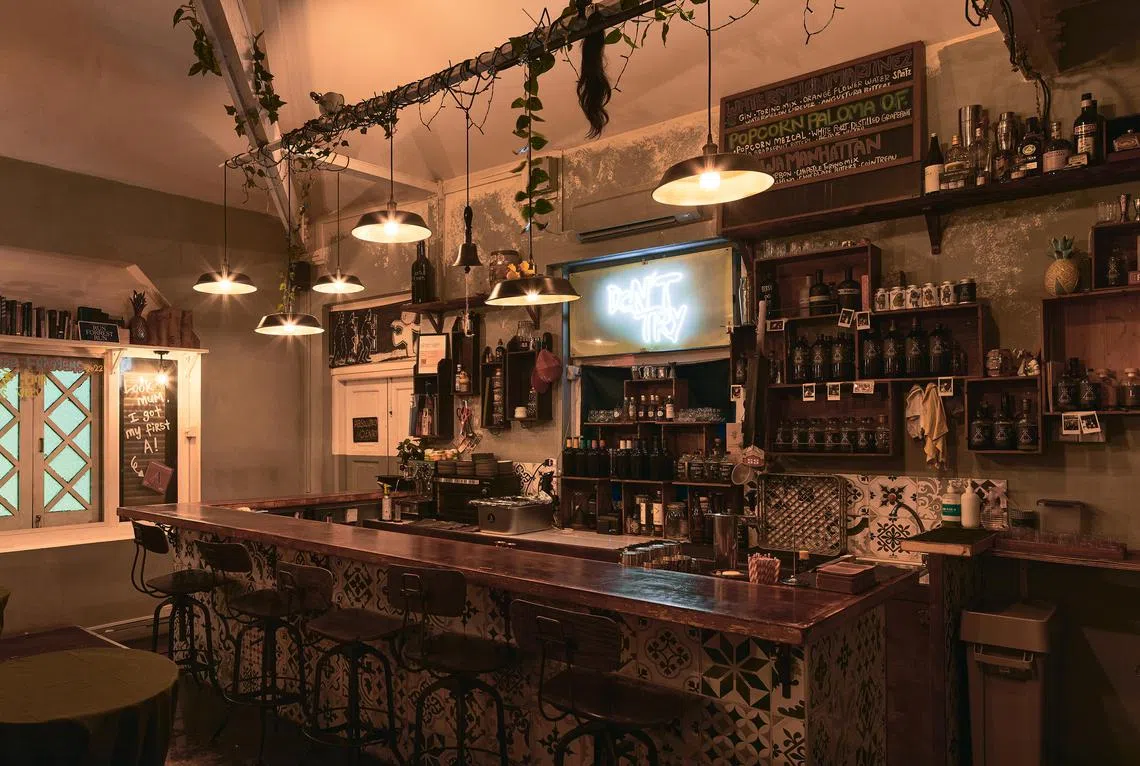
A saturated market is another issue. Gray says not enough people out there spend money in smaller venues. The large venues or those with live music or late-night licences seem to have a much better handle on things, because guests will pay for an experience or event over a curated cocktail menu.
“The ‘hot’ period for a venue tends to be six to 12 months of solid interest from guests, because within that period, three more venues would have popped up. It’s the nature of a fickle market that needs things to be ever-changing.”
Still, he adds that there are venues that have been around for 10 years that are a constant. “These will be the comfortable spaces for people to consistently enjoy.”
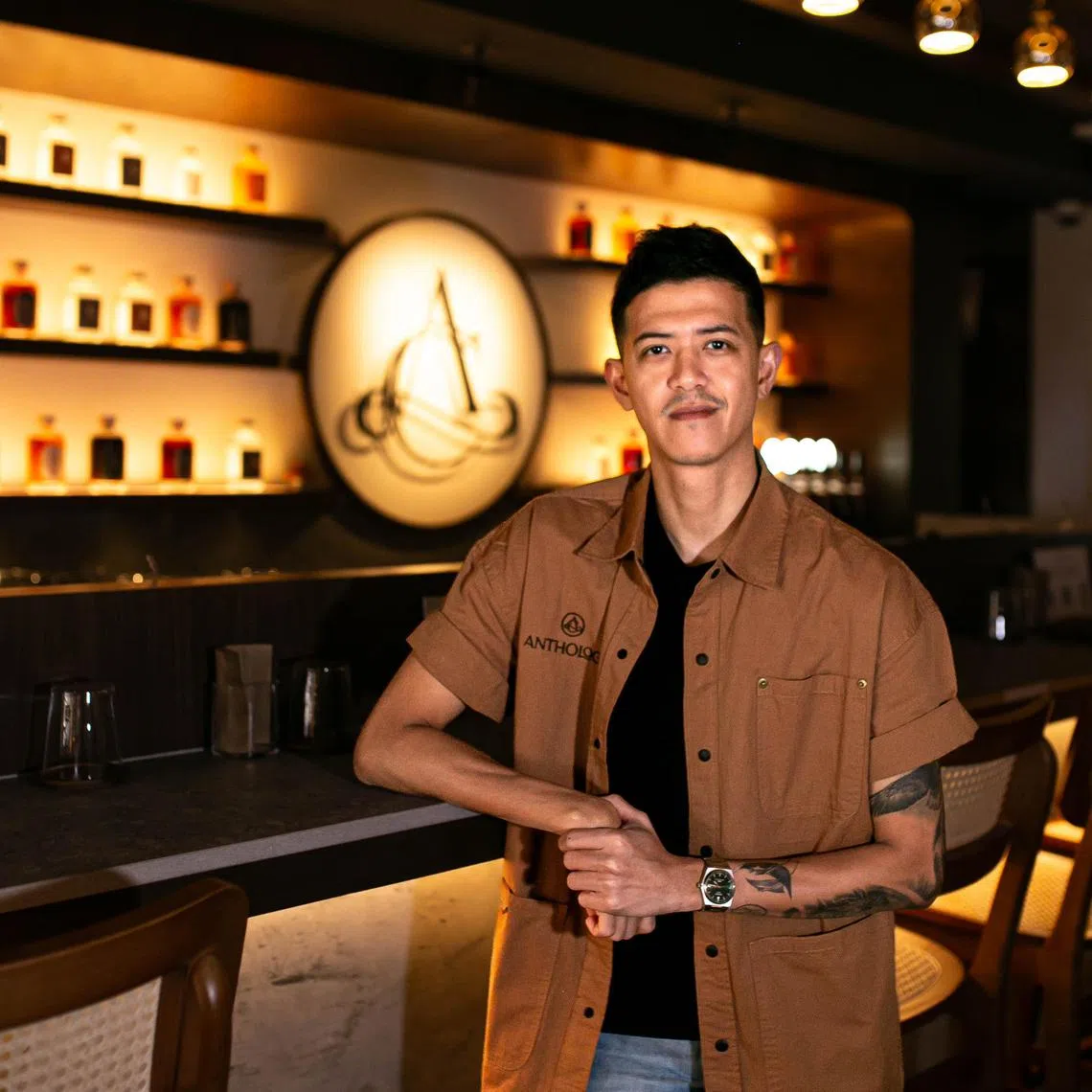
Echoing these notions is Tim Rosete, bar manager of Anthology, a new bar by Compendium Spirit, a local craft-spirits distillery. “Competition is a formidable challenge in the bar industry, with new establishments entering the market frequently. Bars must continually seek ways to differentiate themselves and attract and retain customers.”
He adds that global supply-chain disruptions can also disrupt the supply of quality ingredients, particularly those for specialty cocktails.
Even for bigger establishments such as Manhattan, maintaining quality standards and sourcing unique ingredients are ongoing challenges, says Conrad Singapore Orchard’s Cerven.
Anthology’s Rosete adds that with environmental sustainability gaining importance, and consumers seeking eco-friendly and sustainable practices, “bars may face challenges in sourcing sustainable ingredients, reducing waste, and adopting environmentally conscious practices”.
Food as important as drink
These days, food offerings need to be well-thought-out in bars. Says Fura’s Rasmussen: “Many people may have preconceived notions about plant-based food or even ingredients that they are not used to consuming. We’re committed to challenging these stereotypes and showing that you don’t have to sacrifice taste or satisfaction. It’s about opening conversations about sustainability without making it seem like a heavy or dull topic.”
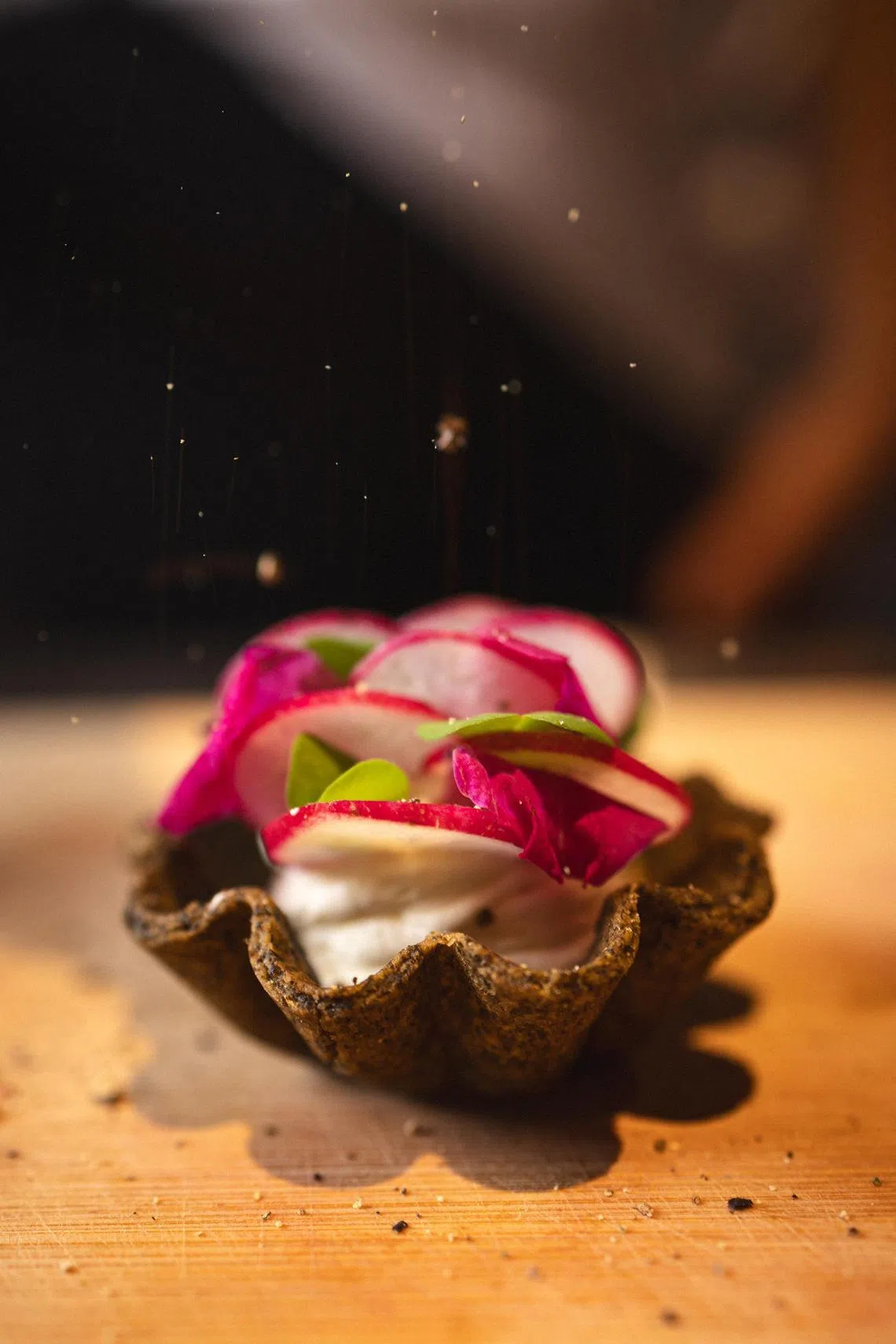
Rosete believes that bars have an edge over restaurants in that bars have lower operational costs and can swiftly tweak their beverage menus to meet evolving trends.
He adds: “Anthology aims to provide a comprehensive and convenient dining and drinking destination, eliminating the need for customers to go elsewhere for dinner before enjoying a drink. Despite our compact kitchen, we offer a diverse menu of modern Asian foods to go with our drink selection.” (This bar even has vegetarian chicken rice on its menu.)
Sago House Group’s Gray agrees that it’s hard to make money on drinks alone. “Anything with a capacity over, say, 30 seats, needs to consider that food is important to fill the seats between 6 pm and 8 pm. People are not out to drink heavily these days; they want to enjoy a drink or two, but without food, they are most likely going to spread themselves out across the city before heading to a nightlife venue or an event.”
Veteran operator Knox, who is behind The Backdrop at voco Orchard Singapore, believes otherwise. He says Singapore’s beverage programmes have achieved enough prominence that food needs to “split from the beverage”: “Food is still outstanding, but the offerings are spread out so much.”
With the beverage world having grown exponentially in the last 10 years, Singapore’s cocktail scene has evolved enough to hold its own.
Decoding Asia newsletter: your guide to navigating Asia in a new global order. Sign up here to get Decoding Asia newsletter. Delivered to your inbox. Free.
Share with us your feedback on BT's products and services
TRENDING NOW

DBS remains analysts’ pick ahead of Q3 earnings after Singapore banks’ share slump

Singapore identifies 7 firms responsible for haze fires, notices issued urging action: Grace Fu

Good Class Bungalow market activity picks up pace on ‘realistic’ pricing
High Court rules against Julius Baer’s Singapore trust arm in US$50 million family trust dispute

