

Will Singapore’s fine dining scene go the way of Noma? Top chefs weigh in
The closure of the famed Copenhagen restaurant shines the spotlight on the viability of the fine-dining business model.
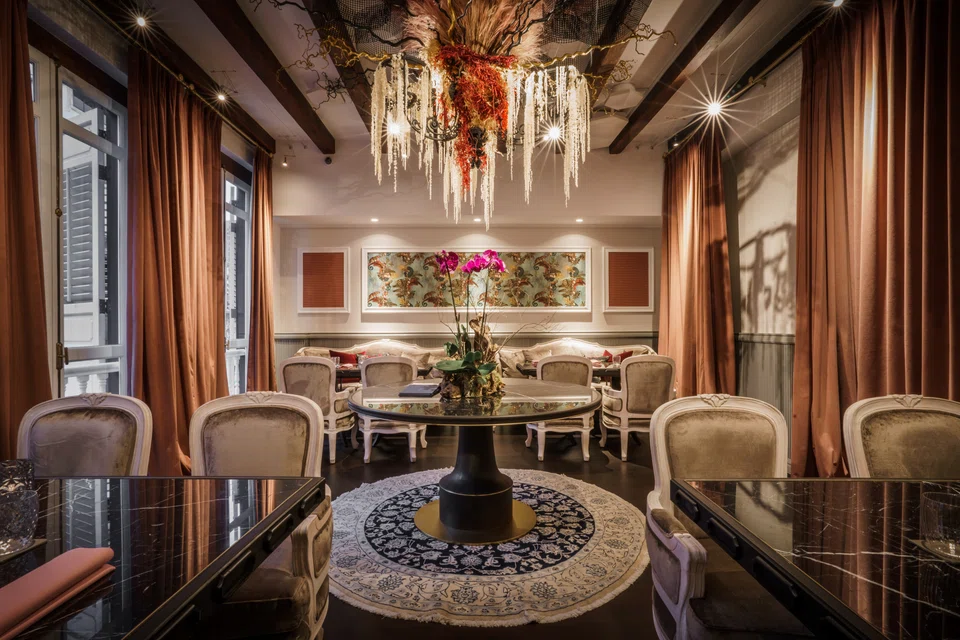
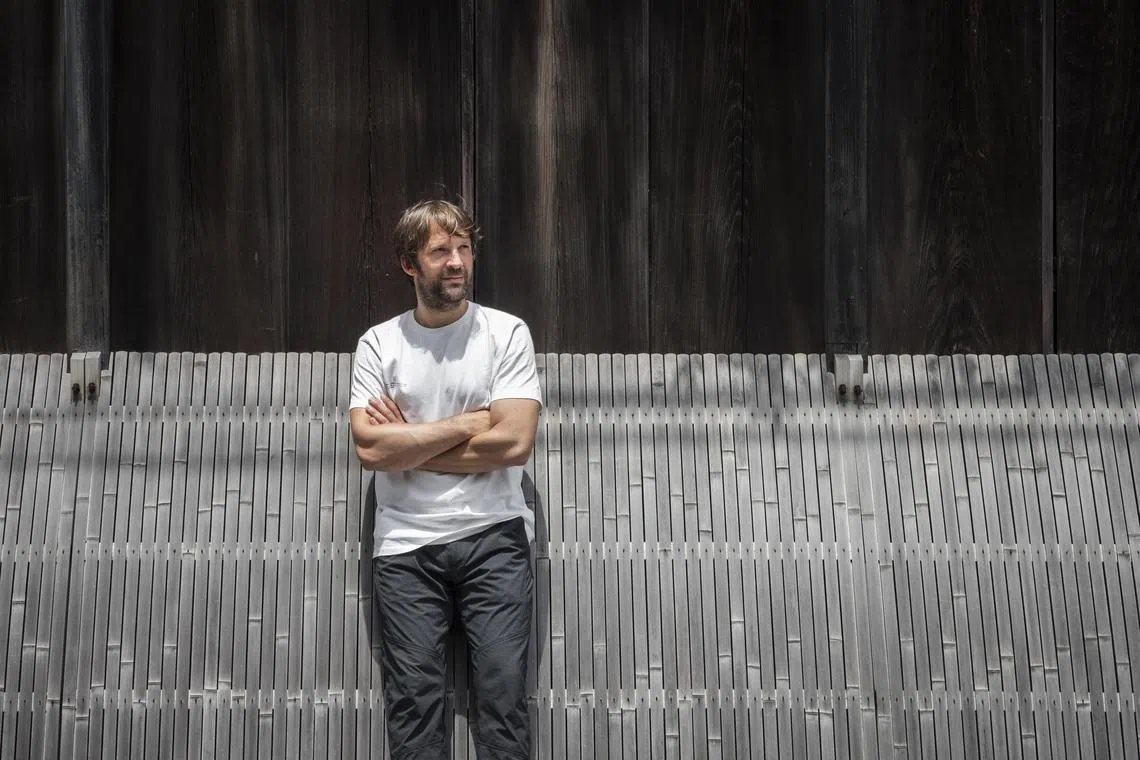
IN EARLY January, chef-restaurateur Rene Redzepi sent shock waves through the global dining community when he announced that he was closing his renowned Copenhagen restaurant, Noma, in 2024, calling it “financially and emotionally” unsustainable to keep producing cuisine at such a high level.
His decision prompted global media to immediately predict the death of fine dining in general.
With the residual effects of Covid-19, economic uncertainty, surging costs and notoriously thin profit margins, it will only get harder for upscale restaurants to survive, even at their pricing levels. So if Noma – five times named the world’s best restaurant – can’t make it, what does it say for restaurants of similar ilk?
The pressures of fine dining
Noma is the latest of high-profile restaurants that personify the ugly side of the fine-dining industry: mercurial and abusive chefs, chronically underpaid or unpaid staff, gruelling working conditions – all in the name of serving elegantly poised dishes to elitist diners willing to shell out hundreds or even thousands of dollars for a meal and bragging rights.
Despite menu prices of around S$1,000 for a meal with wine at Noma, it was reported that Redzepi did not start paying interns until October 2022. Like other similarly famed restaurants, Noma relied on stagiaires – young chefs who toiled as unpaid labour for the “privilege” of learning from their culinary heroes.
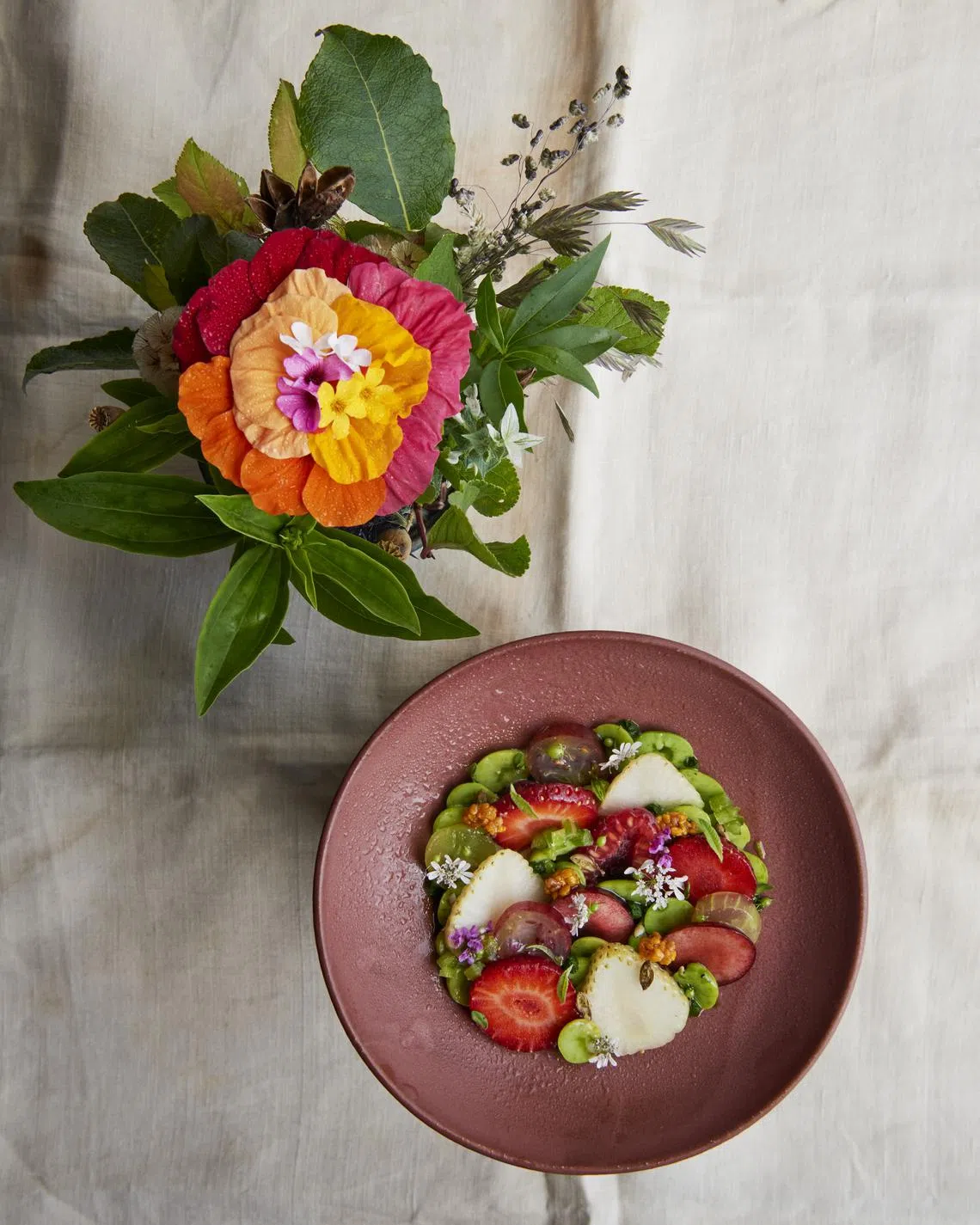
The high-pressure world of fine dining has been heavily satirised in TV shows and movies, the latest being The Menu, which starred Ralph Fiennes as a homicidal chef in a Noma-like restaurant setting. It has shone a spotlight on toxic kitchen culture, and in the process, sparked a rethink on the sustainability of fine dining, when restaurants struggle just to stay afloat.

On his part, Redzepi plans to turn Noma into a food lab, and operate pop-ups around the world such as the sold-out Noma Kyoto, which kicks off next month. But while he recalibrates his business model, the question still remains: is the fine-dining business model sustainable, and are more closures in the offing? And where do Singapore’s own high-end restaurants stand in this equation?
Need to change perceptions
Aaron Jacobson, general manager of the three-Michelin-starred restaurant Zen, says that Redzepi has been getting bad press for “doing what every fine-dining restaurant the world over (except countries that don’t allow unpaid international stagiaires, including Singapore) has done since the inception of this restaurant category”.
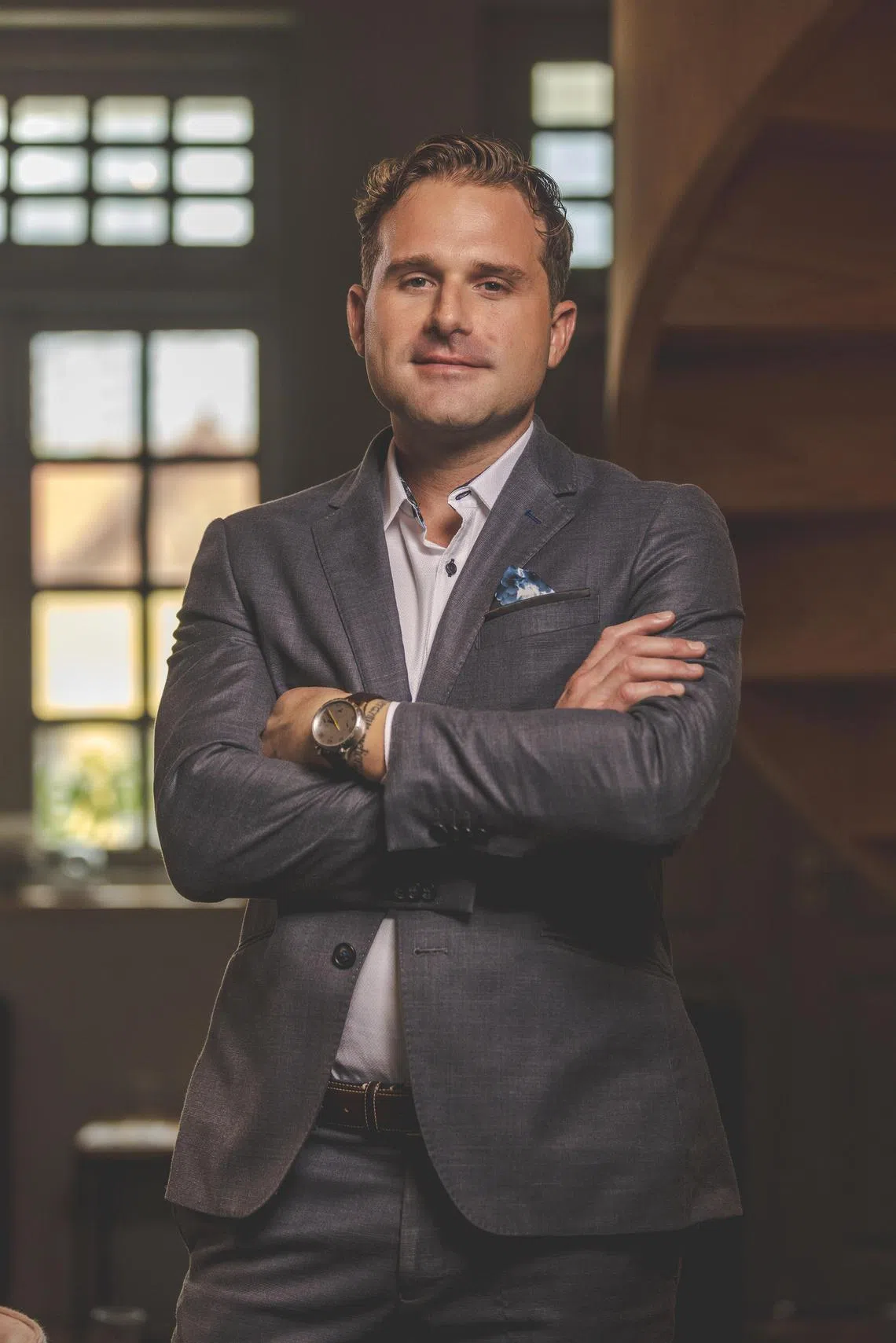
He adds: “The tendency is for media and society to change the rules of what is socially and professionally acceptable, and castigate those who have been operating under the previous paradigm’s norms.
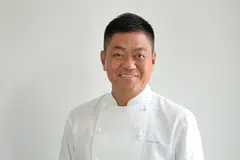
“The other side of the coin is that almost every successful chef the world over also worked (for free) at Noma or a similar restaurant to get to where they are today. And while they invariably subsidised this system, they also did it willingly.”
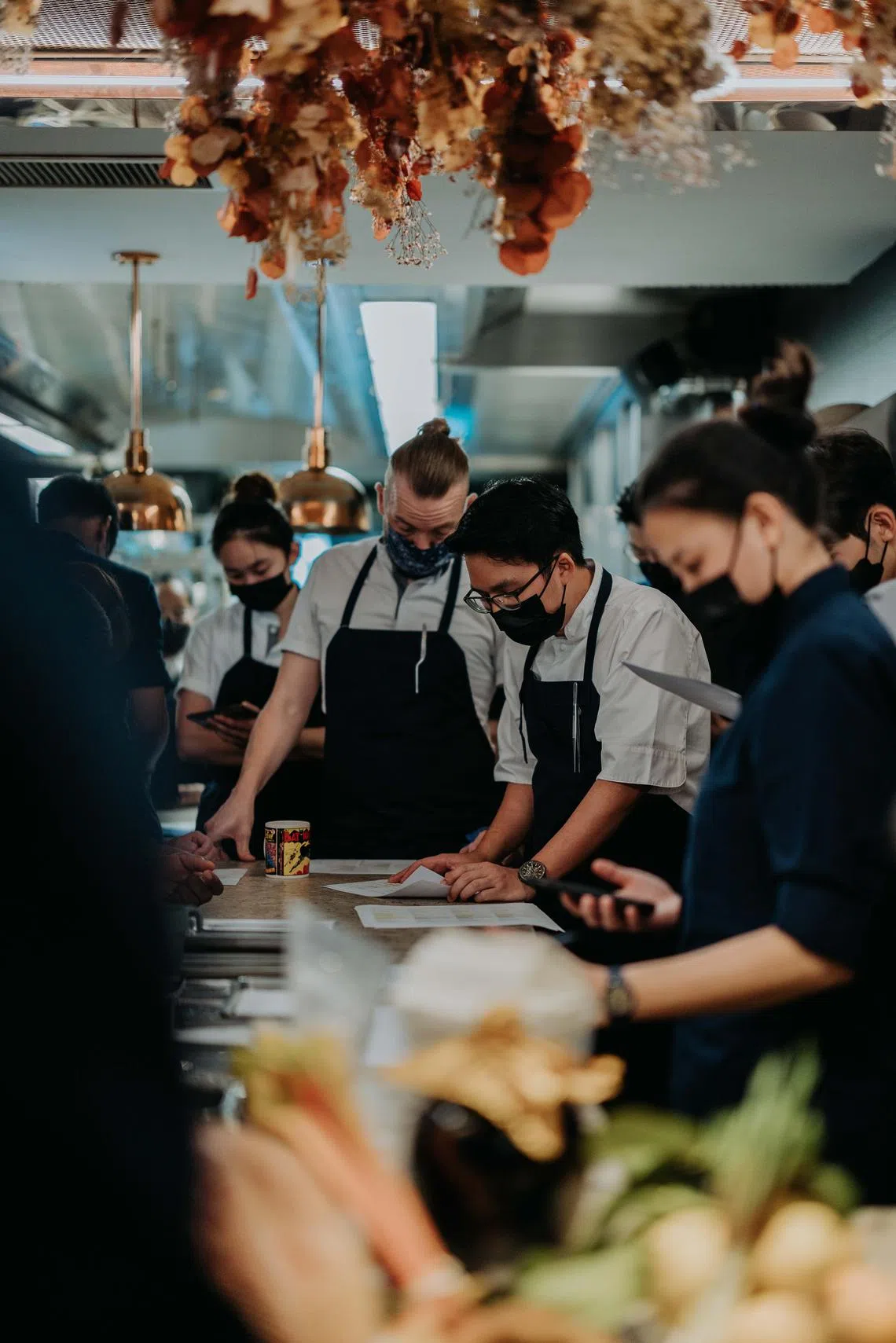
But Redzepi is now adjusting to modern expectations of how labour should be treated, and so is the industry, says Jacobson. “The old way of doing things (super-long hours, low pay, extreme patriarchy, physical aggression) is definitely not sustainable, and the places that embrace change will thrive.”
Nonetheless, he foresees more closures in the international market. “Covid-19 started this avalanche of change, and Noma is just the highest-profile closure. But look worldwide, and you’ll see the sheer number of international closures since 2020 (such as the three-Michelin-starred Manresa in California, which closed at the end of 2022).”
Singapore fine dining alive and well
Top Singapore chefs feel that Noma’s closure is par for the course, and not a death knell for fine dining.
“Fine dining is sustainable,” says Sebastien Lepinoy, director of culinary operations at Les Amis, who led the restaurant (which will be 29 this year) on a profitable path under his helm since 2013, and to a third Michelin star in 2019.
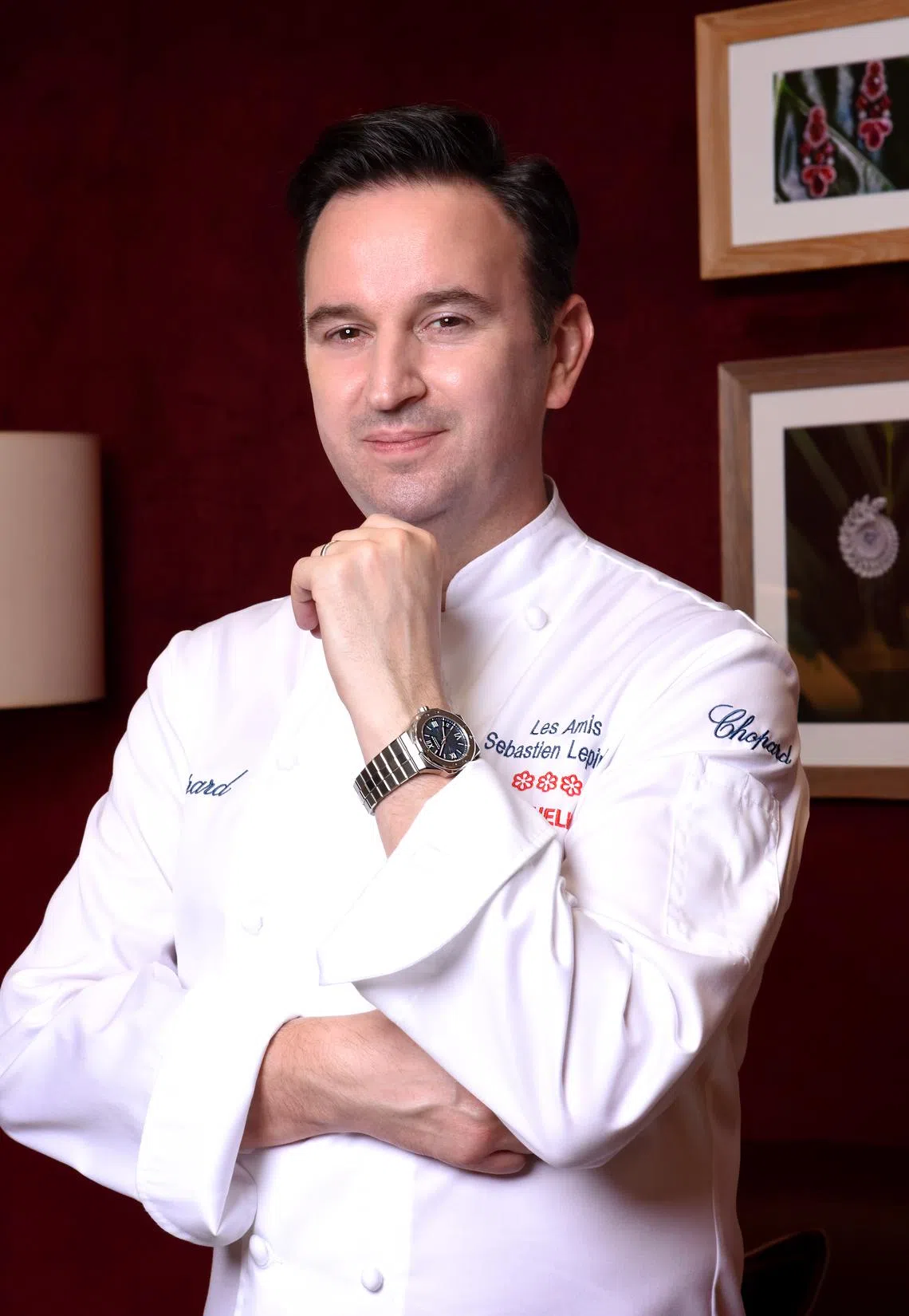
“The most important thing is having a strong business plan,” he adds. “Every restaurant, big or small, requires strategy and flexibility to pivot when necessary to manoeuvre ever-changing tides.”
Julien Royer, chef-owner of the three-Michelin-starred Odette, dined at Noma just a few months ago and was surprised when the news broke. “But each business model is different, and it would be wrong to generalise from this case.”
“Whether it’s Noma or a cafe down the road, it’s the nature of the industry,” says Rishi Naleendra, whose Cloudstreet restaurant was awarded two Michelin stars last year. “The hospitality world is changing – those that won’t adapt will close.”
Besides, he adds: “There are three-Michelin-starred restaurants in the world and in Singapore that are financially stable, and still doing amazingly well.”
Malcolm Lee, chef-owner of one-starred Candlenut and Pangium, agrees.
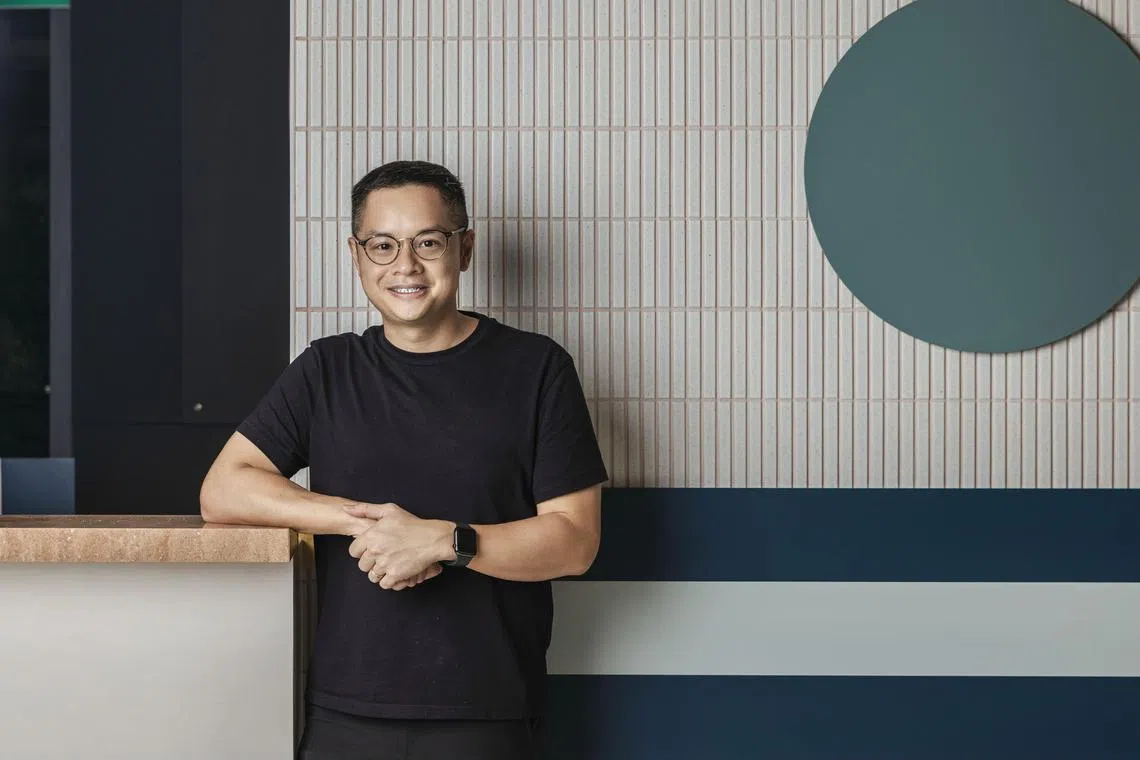
“Running restaurants is challenging even in the best of times. Noma is not the first, nor will it be the last, fine-dining restaurant to close. As circumstances change, it is necessary for business owners to adapt and make difficult, but necessary, decisions.”
As one-Michelin-starred Labyrinth’s Han Li Guang says: “Noma’s model is not one that speaks for the entire dining universe. There are many fine-dining restaurants that are highly profitable and pay their staff very well. Because they invest in the staff, they give back in terms of performance, and create a great experience for customers.”
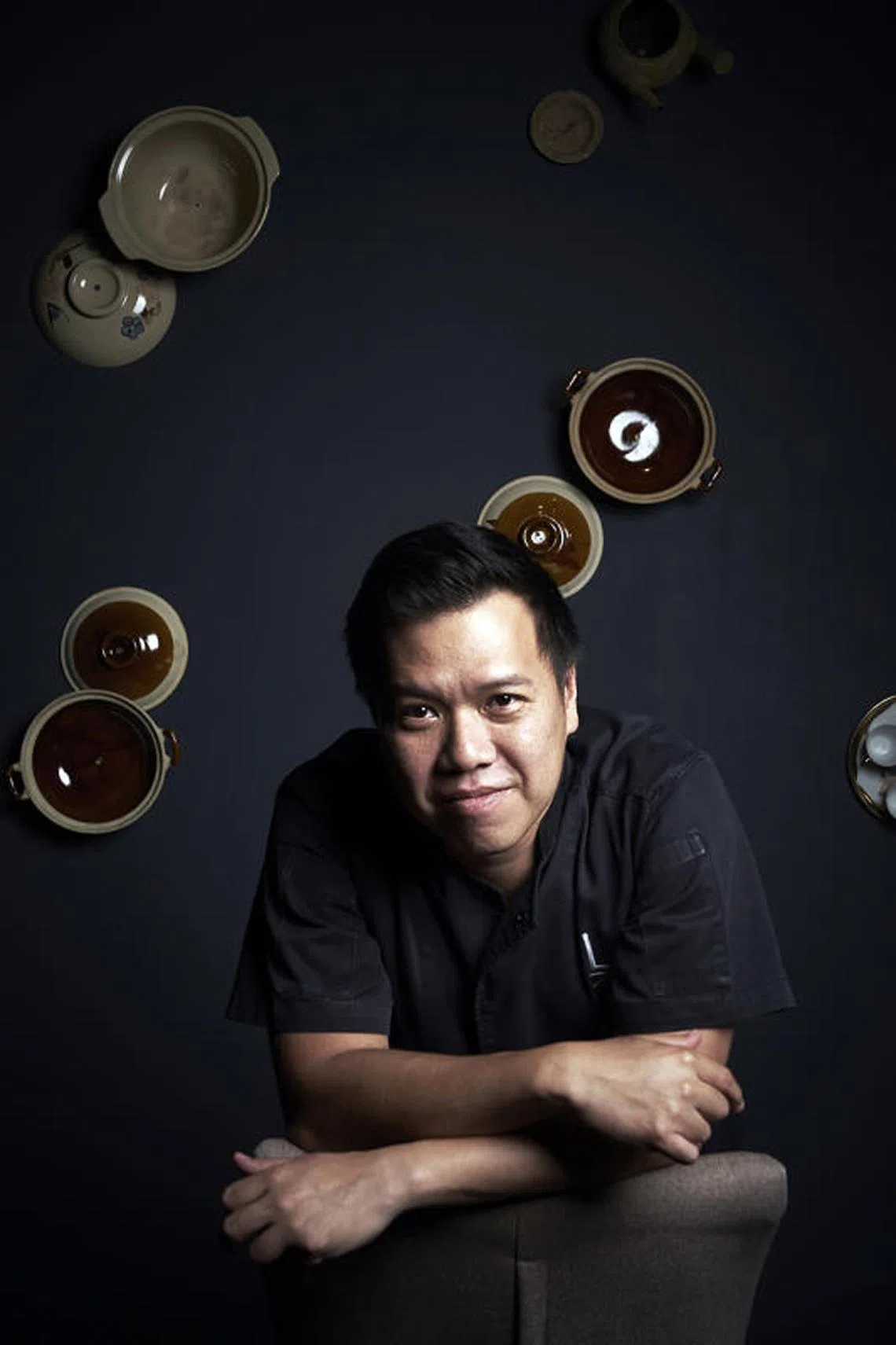
All chefs have a shelf life of sorts, he adds, and Noma’s closing down to pursue a different direction “is similar to what El Bulli did before as well – it’s pretty normal”.
Like Noma, El Bulli – where Redzepi himself worked at the start of his career – was ranked as the World’s Best Restaurant five times. It closed in 2011. Despite its fame, the restaurant, which opened for only six months of the year, never turned a profit. Its chef-owner Ferran Adria went on to start El Bulli Foundation, a centre for culinary creativity.
Still, a rethink needed?
Ivan Brehm, chef-owner of one-Michelin-starred Nouri, does not take Noma’s closure “as a foreboding of dark times for restaurants”, he says. “But what it does is highlight widespread and systemic problems.”
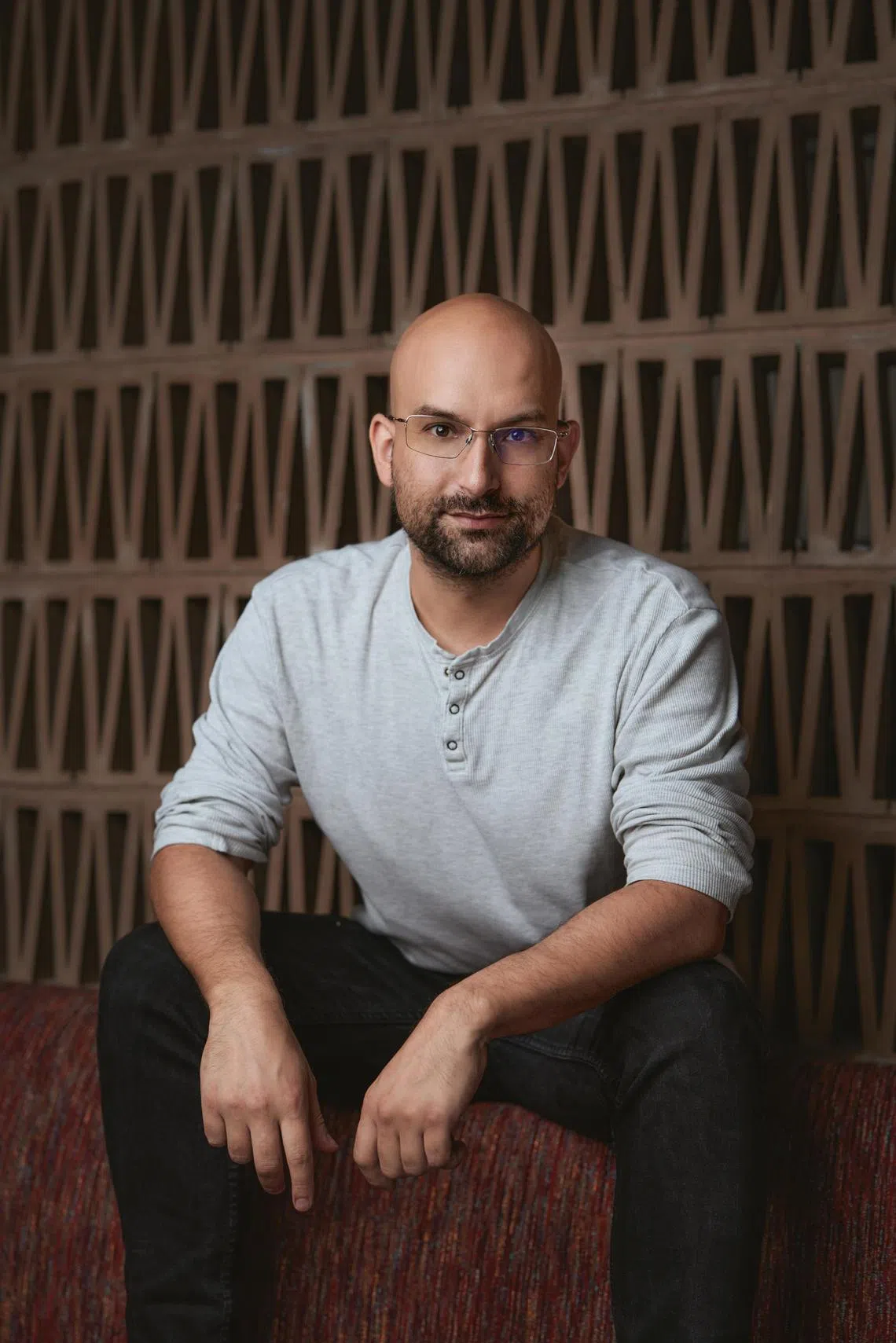
He adds: “We are navigating our way through a recession, on the back of a global pandemic. Times are hard for every industry, and small businesses generally take the first hit. It’s important to make clear that we have been talking about the death of fine dining for as long as fine dining has been alive. But don’t confuse a moment of transition and change with its demise, as it can and often does take a different form.”
Any restaurant that focuses on economic sustainability at the expense of human capital or the environment is bound for a rude awakening, he says.
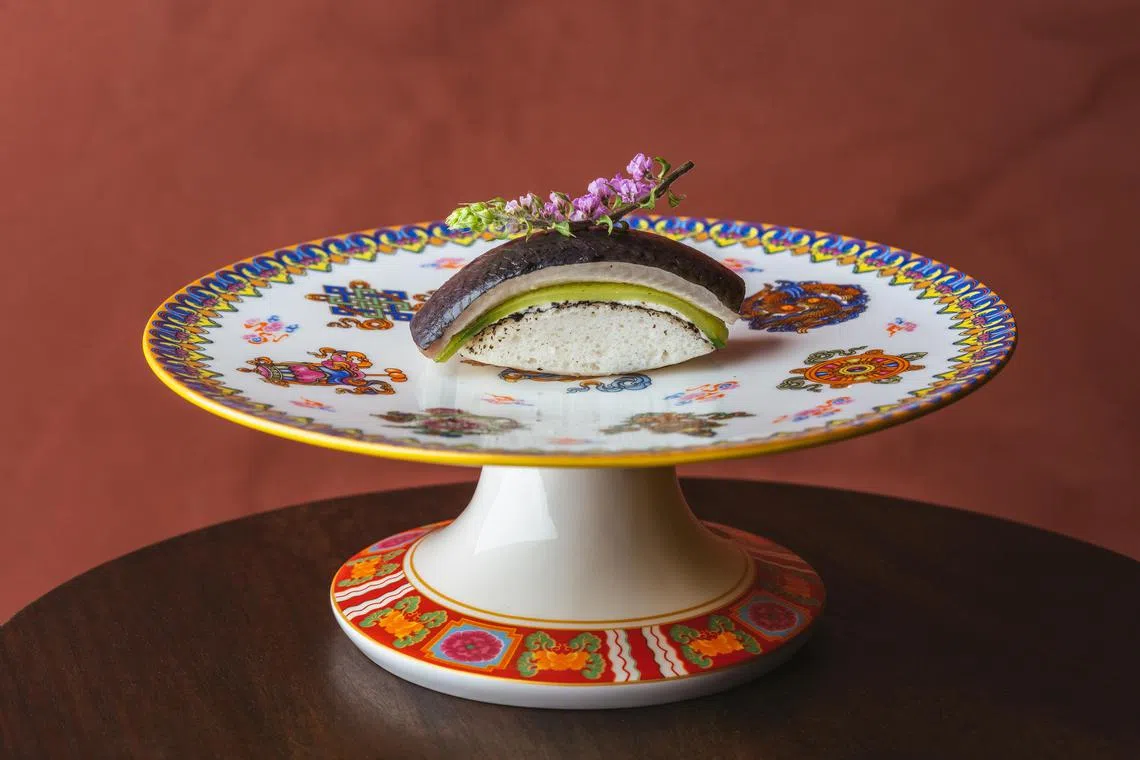
“Historically, restaurants have been exploitative by default, relying on cheap unskilled labour to generate profits. That labour pool, and our industry’s needs, have changed dramatically, but the business model for restaurants has been slow to adapt. What we are witnessing right now is the result of that friction.”
Certain issues need to be addressed: “How much are guests prepared to pay? How much are owners or investors willing to pay/earn? What about chefs and waiters? And how much will the government support? Expectations have to be managed at every level as we look to improve the industry. We may lose a few good restaurants in the process, but the space for creative fine dining will never disappear.”
Crazy rich diners
Is the future of Singapore’s fine-dining industry secure, thanks to the abundance of well-heeled diners, namely affluent locals and wealthy tourists?
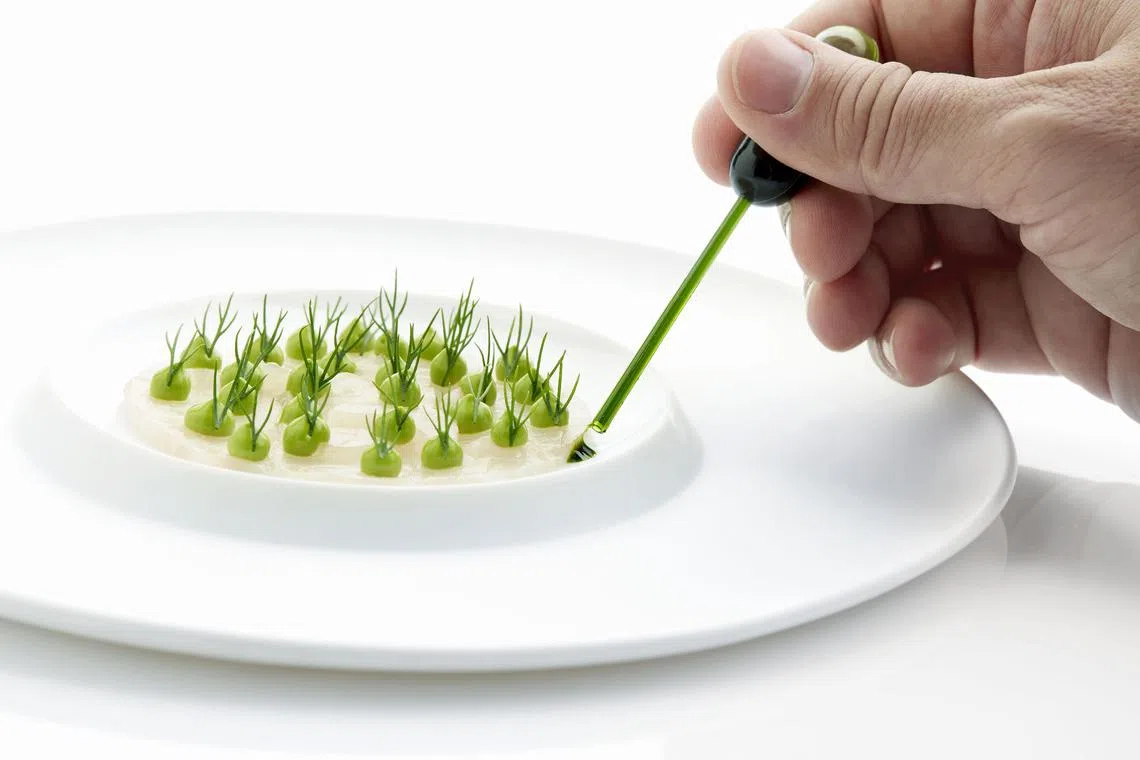
“Contrary to popular opinion, rich diners do not sustain businesses,” says Jacobson. “Look at New York City, San Francisco, Paris or London. There’s so much wealth in those markets, but the restaurant industry is also really struggling. Attitudes, social norms and prices change, and people have to keep up. Labour and overheads are a perennial problem.
“It’s the same here in Singapore. The restaurant industry has long survived on people working crazy hours for little pay and cheap food everywhere. That is ending now. So, what will determine if fine dining continues to flourish here is whether guests accept the rise in prices that will accompany paying proper salaries to staff and not asking them to work 75 hours a week.”
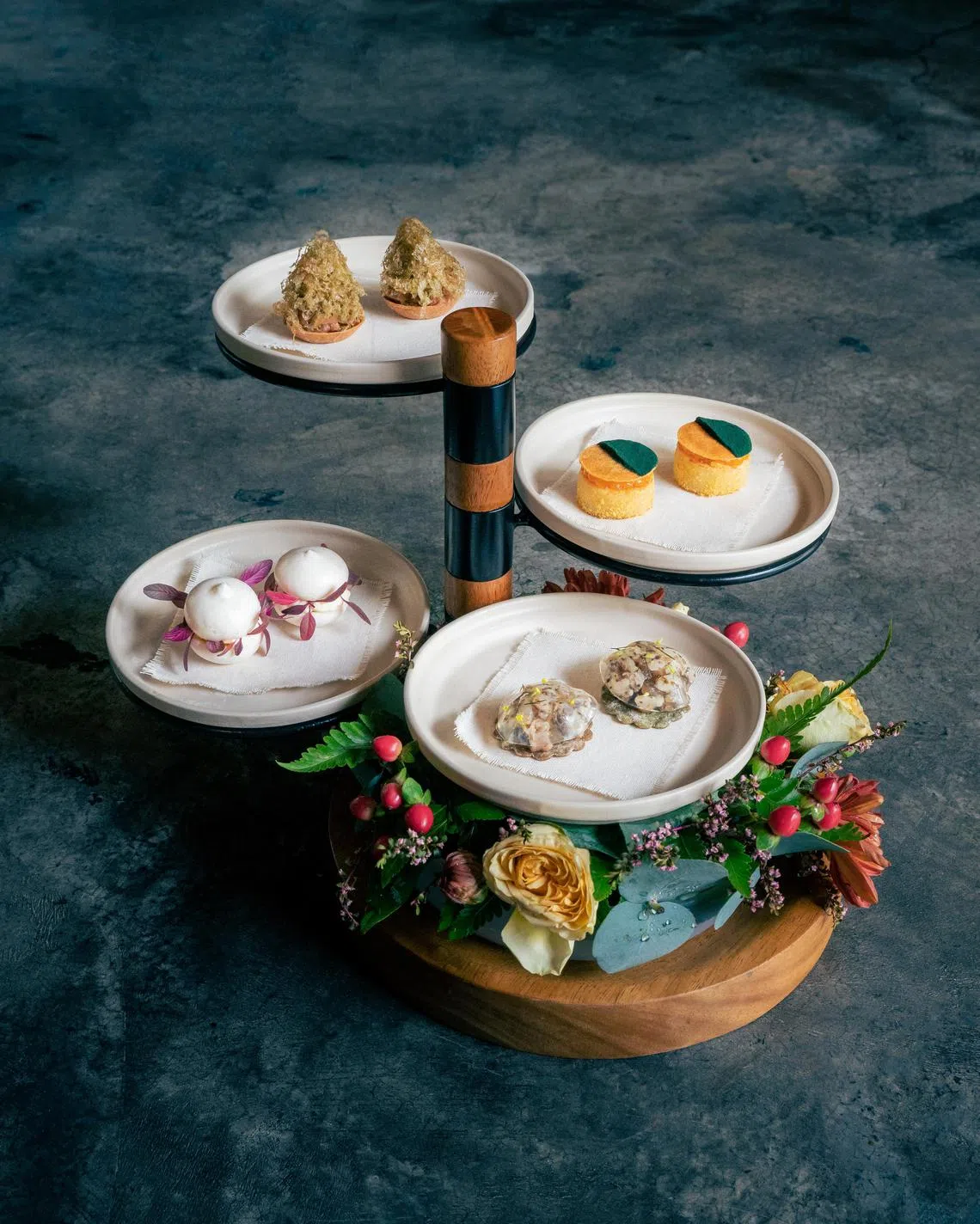
Naleendra points out: “No matter where you are in the world, if you have the right concept and the right people running it, you’ll always have a higher chance of survival. Singapore can be a brutal place for food and beverage and amazing at the same time. We are lucky to have diners who love to explore, and I don’t think it’s just about money. Money itself won’t make you enjoy dining at fine establishments.”
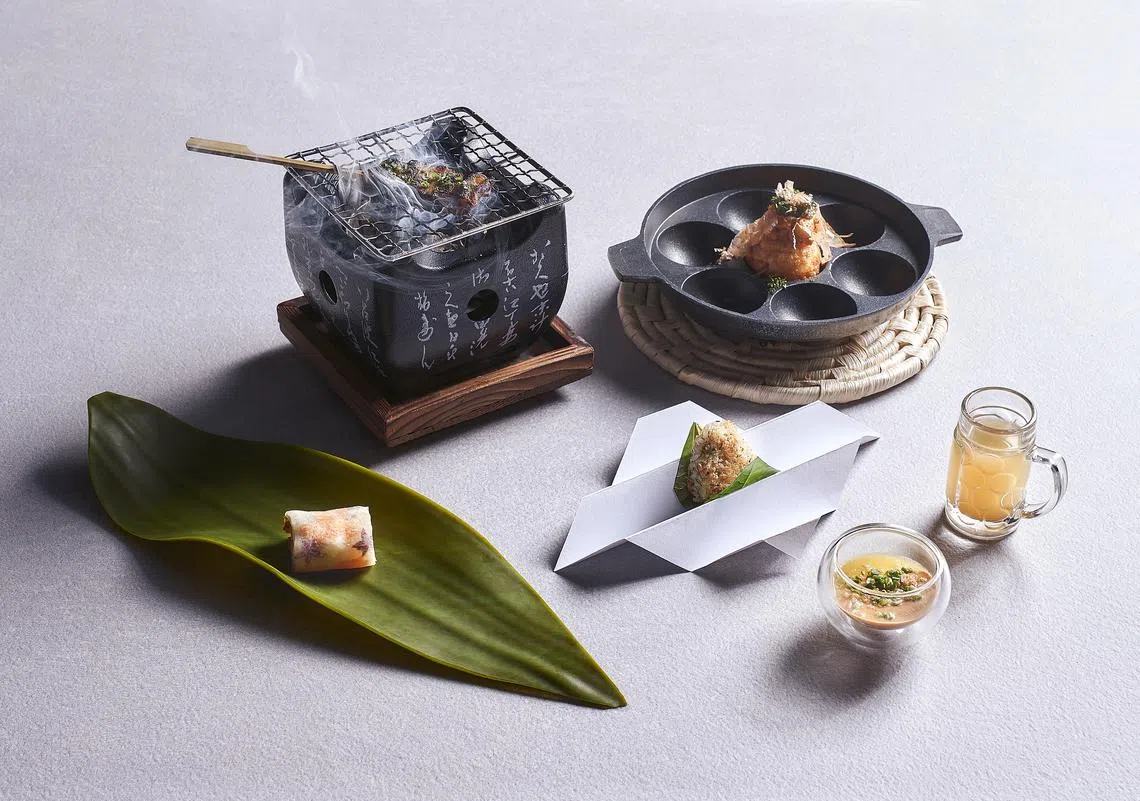
Han agrees that there are those who are not crazy-rich, but are willing to indulge themselves on special occasions. “Fine dining is not just about luxury, it’s about the experience as well.”
Lee says that in the past, diners may have side-stepped heritage cuisine (like Peranakan food) because they considered it old-fashioned and baulked at paying a premium for it. “But today, they are more open to spending to learn about our heritage, and they acknowledge its value.”
For Brehm, the extremely competitive dining scene made many restaurants cater to a finite number of guests who spend on fine dining regularly. “For instance, I know my guests on Tuesday are at my friend’s restaurant on Wednesday. Tourism helps, but a recession cools that enthusiasm and inflation impacts margins. The prospect is a dire one without restructuring how work is compensated, without strong representation at a policymaking level, and without guests (through the media) being aware of the real costs involved in serving people lunch and dinner.”
Talent Search
While exploiting unpaid kitchen labour is practically unheard of in Singapore, finding and retaining talent, paying them well and ensuring work-life balance remain an uphill climb. Tightened controls over hiring foreign labour also “result in an expensive job market that is incompatible with the economic realities of restaurants today”, says Brehm.
Lee, in turn, says that the objective is to “ensure there is work-life harmony for my team while keeping business targets firmly in sight”. That means rethinking the traditional restaurant business model, which includes alternating between four and five-day work weeks for his teams at Pangium and Candlenut.
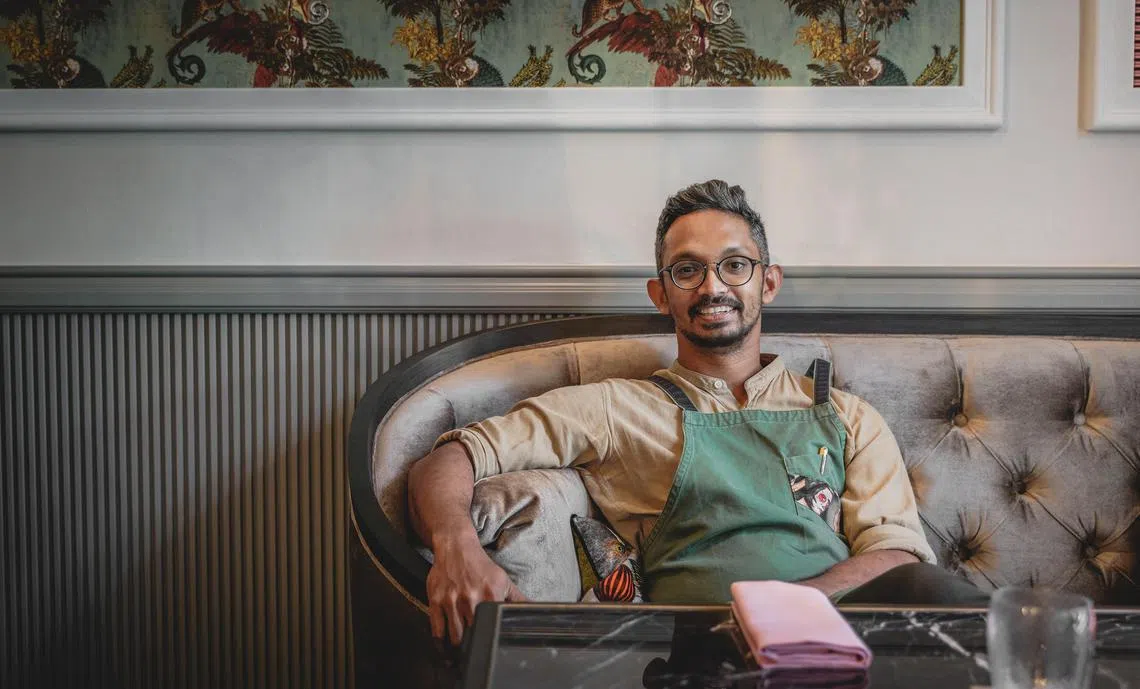
“Sometimes, it’s not extra money that staff want,” says Naleendra. “They want you to hear them out and include them in the business. We’re working hard to create that culture – it’s a work in progress, but we’ve managed to retain most of our staff.”
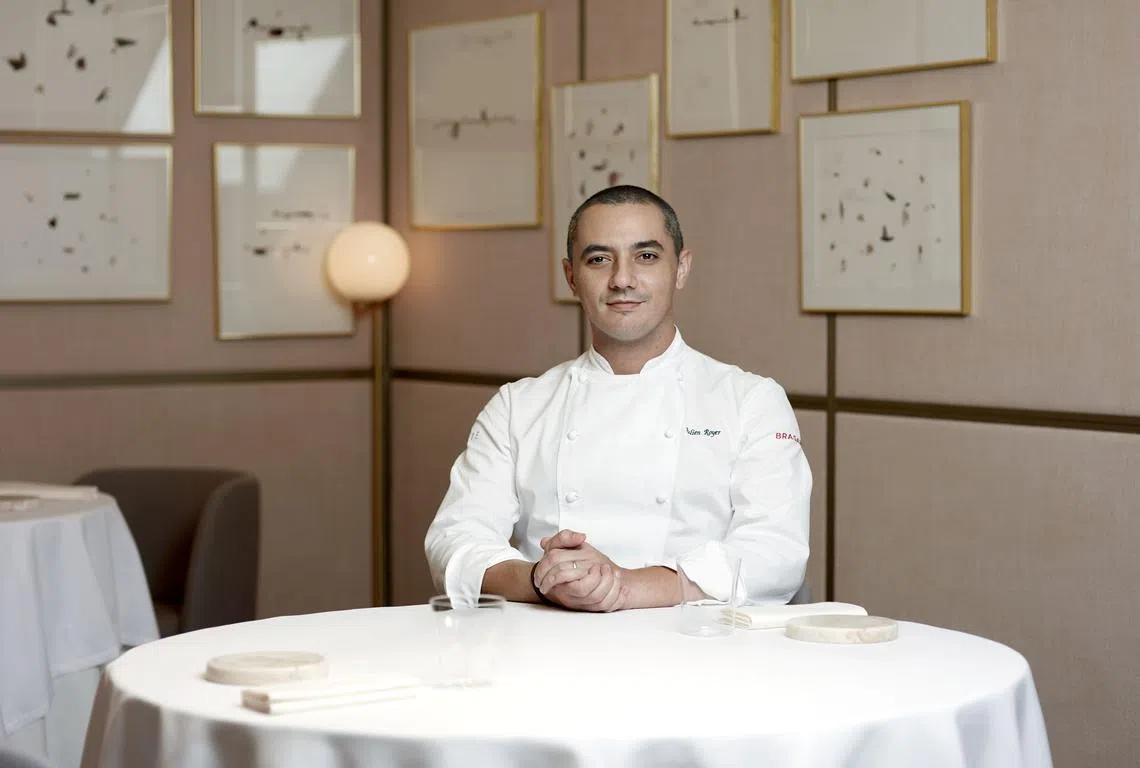
Royer is one who has managed to keep his core team intact for almost a decade. “It’s about making sure everyone is happy at work. It’s as simple as that.”
Rising costs, managing prices
Higher operating and manpower prices made many restaurants raise their menu prices in 2022. Are more increases set to come, and will that put people off?
Nouri currently charges S$328 for its dinner tasting menu, with no increases for the foreseeable future. Naleendra hopes to maintain Cloudstreet’s S$378 tasting menu because “it has to be sustainable for customers as well”.
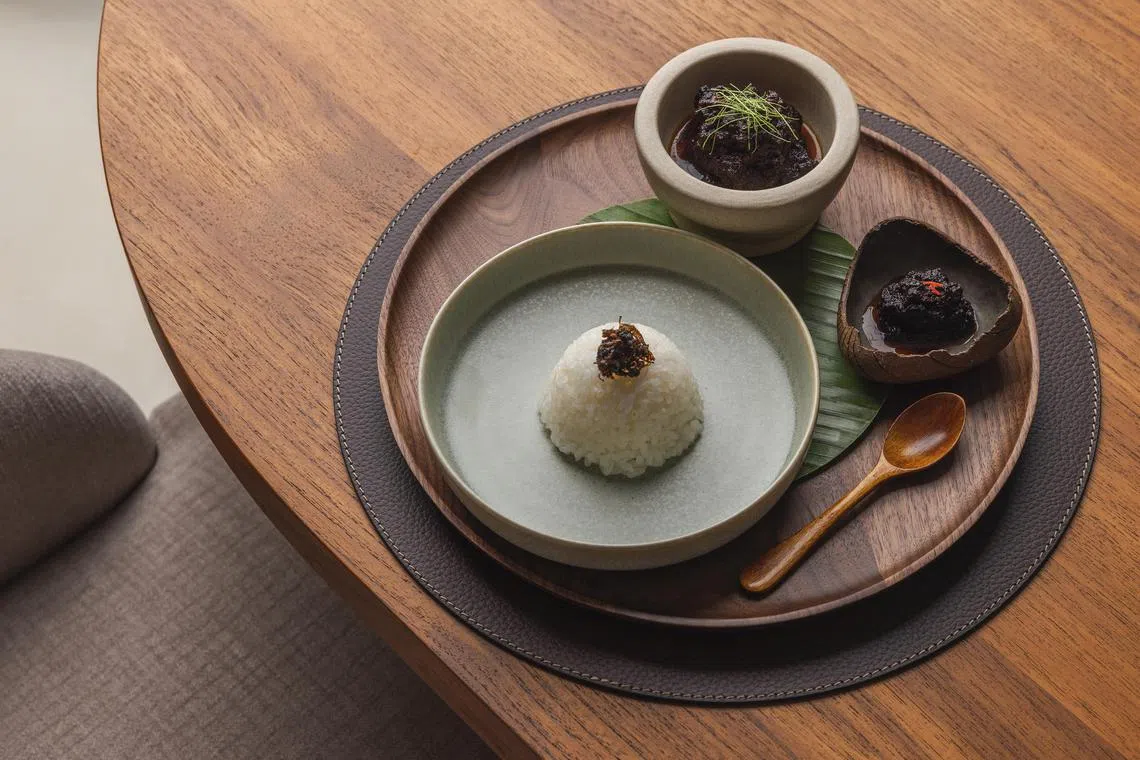
Lee hints at a possible price increase this year. Pangium’s tasting menu for lunch is S$198, and dinner, S$250. Candlenut’s lunch is S$108, and dinner, S$138. “At the end of the day, we do have to create a sustainable business model, even as we aspire to create a unique experience that delivers the best of what we can do.”
To cope with the rising costs of raw materials, utilities and manpower, Odette increased its prices recently to between S$328 and S$488. “The truth is that fine-dining establishments have a way smaller bottom line than any single casual concept out there. People should think about that,” says Royer. “I’m a strong believer of the trend of ‘eat less, but better’ and ‘quality over quantity’.”
Zen, which raised its prices to S$580 in 2022, has no plans to raise them further this year. “Inflation looks like it is cooling down, and supply chains – while not completely mended – are improving,” says Jacobson.
Future of Singapore’s fine dining
Lepinoy believes that Singapore’s fine-dining landscape is very different from that which Noma and other high-end restaurants in Europe and North America operate in. “In fact, the list of Michelin-starred restaurants continues to grow year after year since the guide arrived in 2016. And since then, only two have closed – one because their contract ended (Joel Robuchon), and the other, due to unforeseen circumstances (Vianney Massot).”
It will be a major juggling act of creating the finest dining experience and a sustainable business plan. As Jacobson puts it: “Success in the restaurant industry, like all else, comes down to the fundamentals.”
Decoding Asia newsletter: your guide to navigating Asia in a new global order. Sign up here to get Decoding Asia newsletter. Delivered to your inbox. Free.
Copyright SPH Media. All rights reserved.
TRENDING NOW

From legacy to launch: Francis Yeoh and Yeoh Pei Xien on family unity and YTL’s next‑gen ventures

Things to know about DBS’ incoming chairman Anthony Lim

Wealthy Indonesians snap up government bonds as yields near 8%: OCBC

From local AI partnerships to global opportunities: How MNCs help Singapore firms scale

