

Growing pains of going green among local eco-conscious brands
Founders of .bungkus, kupaa, and Webeings discuss operational and production challenges they face while scaling up their sustainable businesses
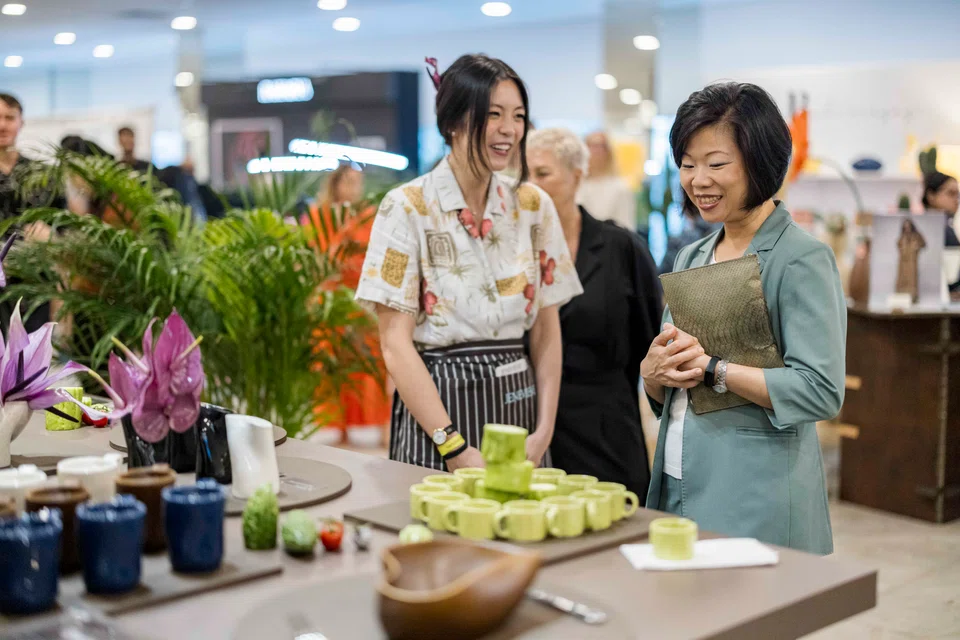
[SINGAPORE] At the recent Boutiques Singapore fair in March, more than 300 local and regional designers showcased their latest products to thousands of visitors. Held at the F1 Pit Building, the annual event featured a wide array of home, lifestyle, food, and fashion offerings.
Among them, three brands – .bungkus, kupaa, and Webeings – stood out with stylish, eco-conscious products that offered a refreshing counter to fast fashion and the disposable culture. Yet despite their clear sustainability mission and growing customer base, the entrepreneurs behind these labels face the ongoing challenge of scaling up a green business for the long haul.
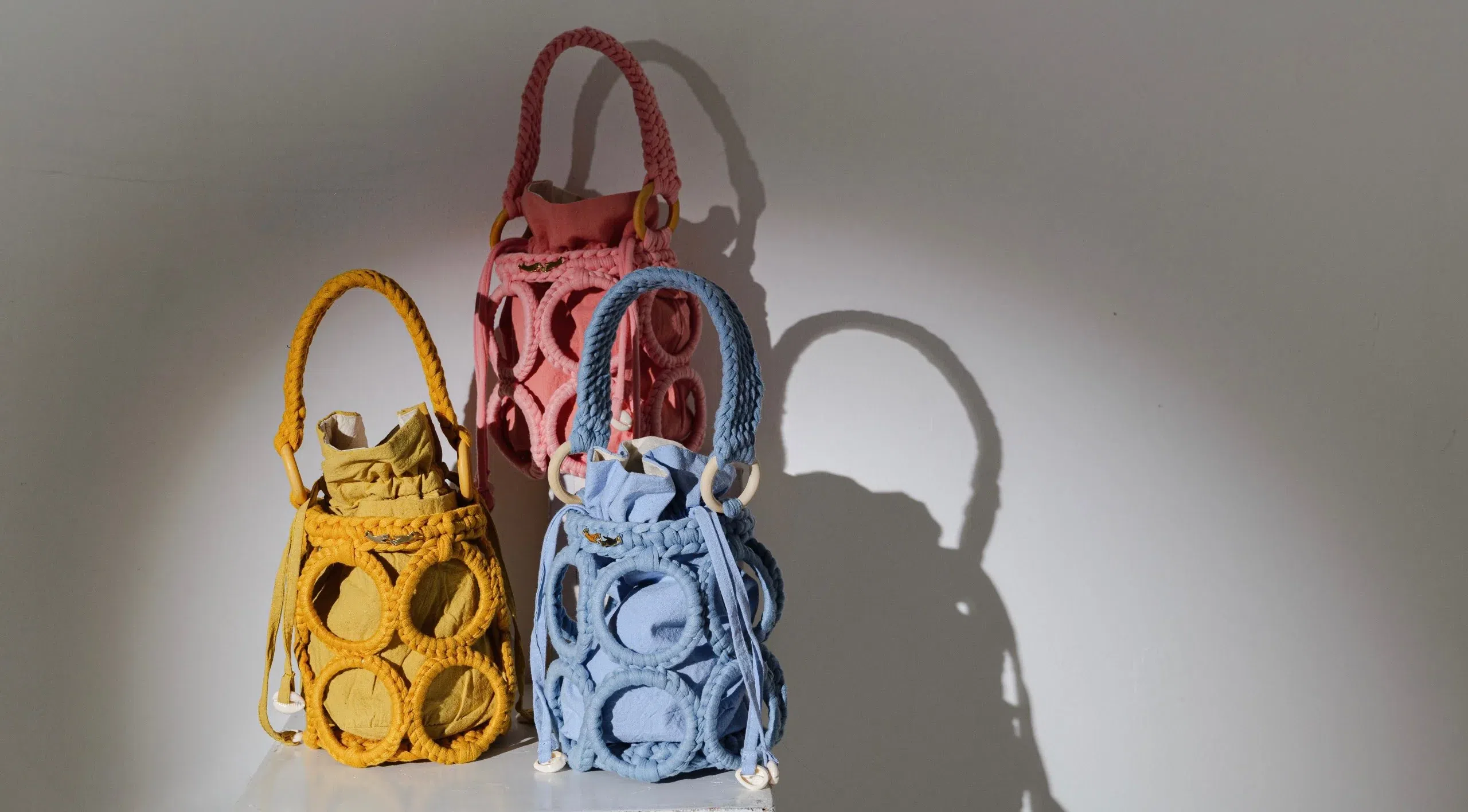
Taken aback by the pollution she witnessed while living in Bali, Aggie Blanco founded Webeings in 2022, transforming plastic waste from single-use cups and bottles into stylish bags.
The waste is collected, cleaned and sanitised in Bali, then woven into bags by designers. Each bag’s label specifies the number of cups and bottles repurposed. Self-funded with an initial investment of S$40,000, Webeings operates its own supply chain.
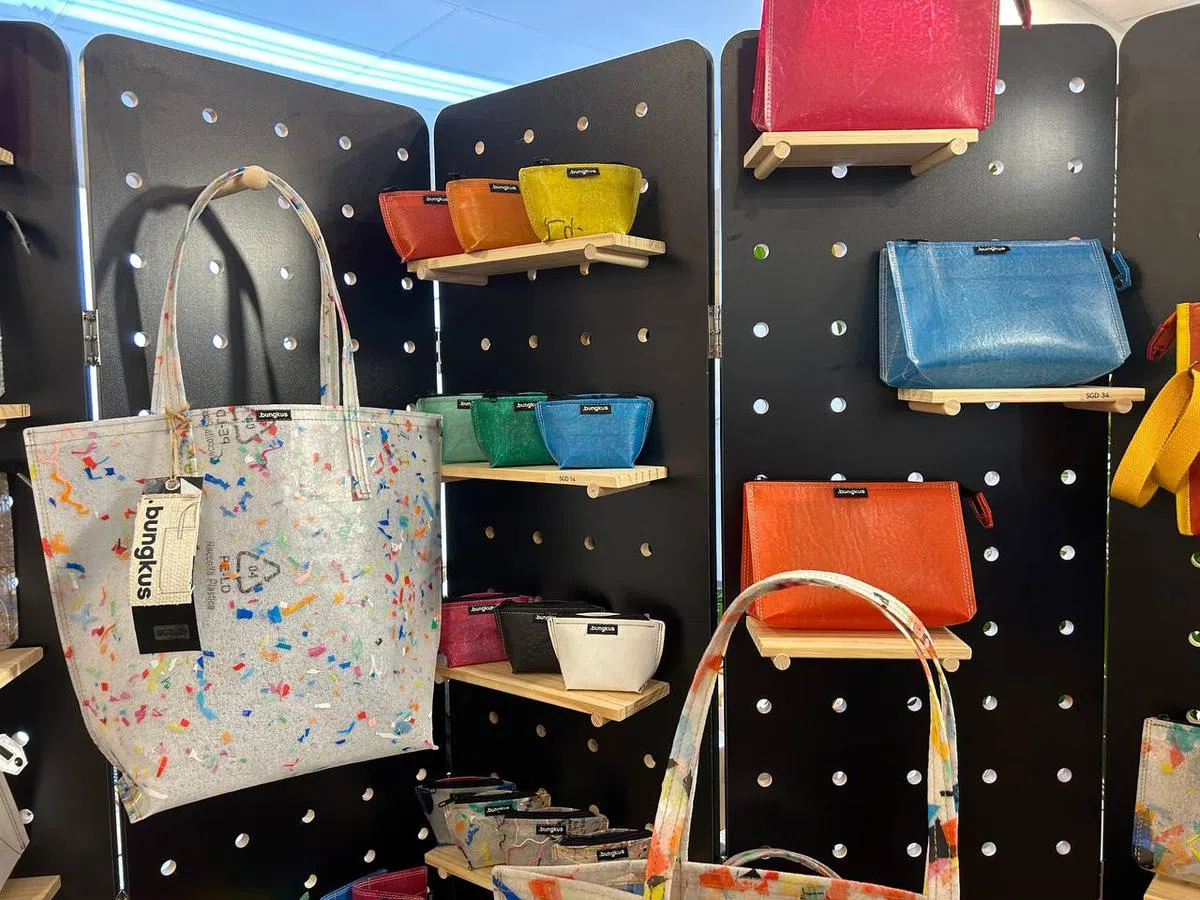
Similarly, .bungkus, started in 2021, turns discarded plastic bags into wallets, raincoats, bags and other accessories. Aidan Chan, the company’s co-founder and head of Asia-Pacific, explained that each product is handmade. The Pasar bag takes about seven hours on average to make.
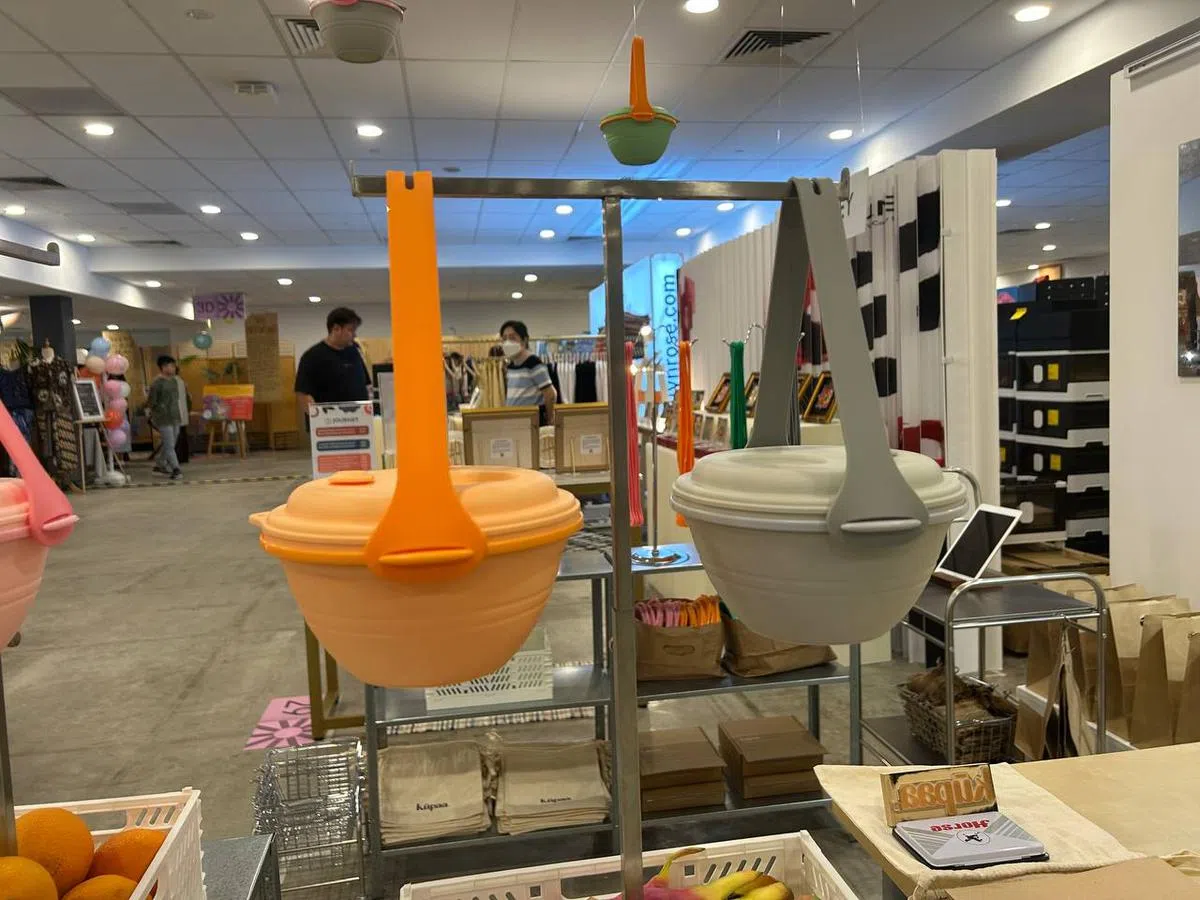
Meanwhile, kupaa, founded in 2022 by Julia Chia and her husband Jared, takes a slightly different approach to sustainability. Aiming to reduce the excessive single-use plastic that marks Singapore’s takeaway culture and address health concerns linked to microplastics, kupaa offers reusable, collapsible silicone lunch boxes in a range of bright colours.

While each brand shares a commitment to sustainability, they all face their fair share of challenges in scaling up their operations.
Clicks over bricks?
With Singapore’s high rentals, many entrepreneurs are turning to online sales and retail partnerships – and rethinking the role of bricks and mortar in their strategies.
Chia, for example, does not plan to open a physical store for kupaa because of the carbon footprint it entails. Instead, she sticks to e-commerce and leveraging platforms such as TikTok.

But Blanco, who wants to open a flagship store for Webeings in Bali this year, sees value in physical retail spaces. She said that although the online landscape is promising, it is also crowded and competitive.
“Sales through consignment stores also mean you have to wait for cash flow, unlike making a direct sale where you are paid on the spot,” she added.
She believes that customers need to touch and feel the products before purchasing, something online retail cannot offer. But she acknowledges the challenges. “You need to ensure that, if you’re taking that responsibility of having a physical space, (it has to) be constantly busy and profitable.”
Fair boost
For brands that often rely on digital platforms or retail partnerships, events such as Boutiques Singapore provide an opportunity to increase direct sales.
Blanco said that the three-day fair has been a strong sales driver for Webeings, which generated about S$12,000 in sales at last year’s Boutiques Singapore and saw a 25 per cent increase this year.
Kupaa also recorded a 20 per cent sales boost compared with the previous edition. “Over the three days at Boutiques, we typically make the equivalent of about a month’s worth of online sales,” Chia said.
Beyond revenue, these fairs allow brands to connect with customers and educate them on the craftsmanship behind their products. Blanco described such events as the “perfect opportunity to reach an audience that is not necessarily aware of your brand”.
Scaling sustainability without cutting corners
For some brands, maintaining the delicate balance between craftsmanship and efficiency can be difficult.
At .bungkus, each product is handmade, with designs cut individually, said Chan. To streamline production, the brand is exploring die-cutting techniques.
Sourcing upcycled materials adds another layer of complexity. Upcycled materials can be less reliable in a supply chain, as they often come in varying shapes, sizes and qualities. Unlike new materials, upcycled ones can fluctuate based on waste availability, added Chan.
For .bungkus, colour consistency is a challenge, as it has to mix and match available plastics to create its products. This can lead to slight variations in hue, depending on what materials it can source at any given time, said Chan.
“Also, since we are working with waste, it takes time to wash off the grease, which we do by hand, and properly sanitise it to make it safe,” he added.
At Webeings, Blanco also faces similar hurdles. When necessary, the company sources for alternative materials. Initially, it used wood for its bag handles, but it later switched to plastic bags.
Blanco approaches materials based on their potential, aiming to shift the perception of waste. “If a plastic cup can outlive any of us, that means it’s not a bad material. There’s value in that. So how can we retrain it?” As at February, Webeings has incorporated 40,000 plastic cups into its products.
Diversifying the sources of material is key to creating a reliable supply chain, said Blanco. Chan added that expanding production will require careful forecasting to prevent overproduction and waste.
Chia’s challenge with kupaa is less about material consistency and more about ensuring material safety. Kupaa’s products adhere to the Lebensmittel- und Futtermittelgesetzbuch (LFGB), a European food safety standard that ensures no harmful chemicals migrate from the silicone into food and that the silicone does not release harmful compounds.
Design comes first
Creating high-quality and eco-friendly products comes with a higher price point, the entrepreneurs said.
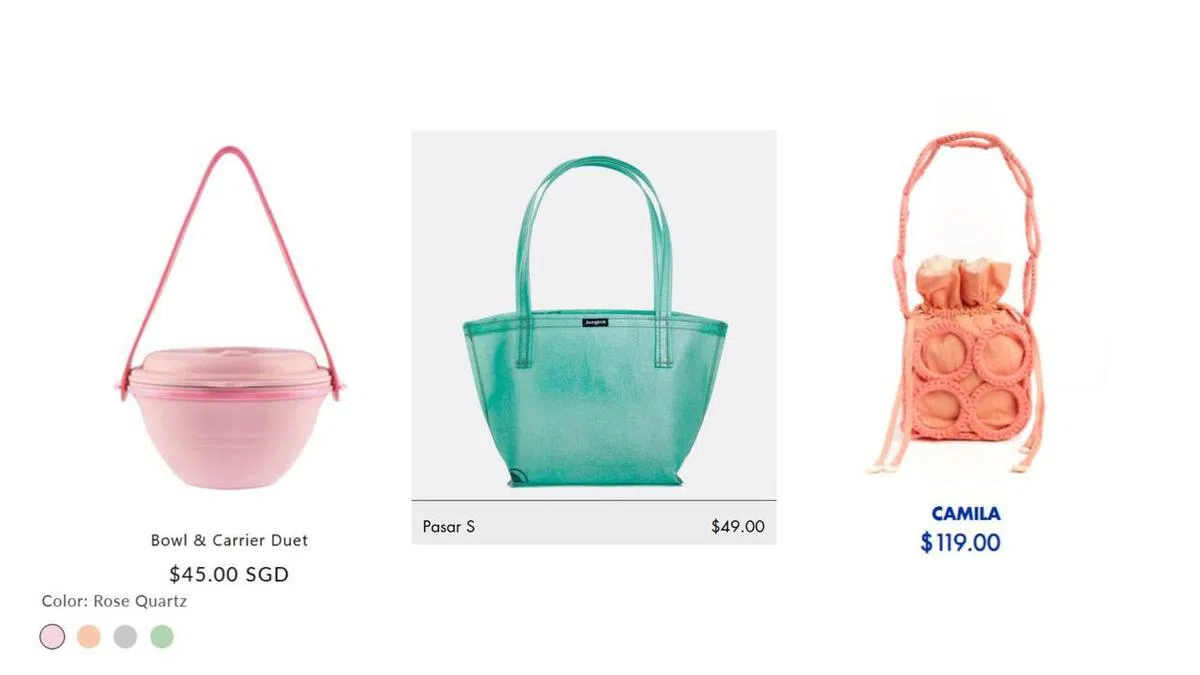
While mass-market Tupperware lunch boxes typically cost under S$20, kupaa’s reusable version costs S$45. For bags, prices vary widely, but .bungkus’ designs start at S$49, and Webeings’ handcrafted pieces retail for S$119, reflecting the costs of sustainable production and design.
Blanco emphasised that design should be the primary draw for consumers. “The naked eye can’t tell the difference between a sustainable and unsustainable product. So the first appeal shouldn’t be sustainability; people should be drawn to it because they like how it looks.”
This approach helps to broaden the customer base beyond just eco-conscious consumers, she added.
Chia echoed this, explaining that pricing is a balance between product quality and branding.
Kupaa sets itself apart by offering a stylish alternative to traditional lunch boxes, which she said can often be bulky and plain. As a result, Chia claimed that she rarely has to justify the cost as her target audience is already drawn to the product for its functionality and aesthetic design.
Sustainability as the future standard
For .bungkus, kupaa and Webeings, sustainability is more than just a buzzword. It is a commitment that shapes their business decisions and operations.
Running a brand with sustainability at its core comes with challenges, especially in a competitive market, said the founders.
Blanco acknowledged the realities of operating a niche business. “We’re not going to be a multinational or a huge retailer, and a lot of people may not see the value in what we do. The most important thing is finding your audience – your niche,” she pointed out.
But while sustainable entrepreneurs carve out their own space, Chia believes responsibility should extend beyond niche players. “It shouldn’t just be brands like ours making sustainability a priority, it should be the standard for all businesses,” she added.
Decoding Asia newsletter: your guide to navigating Asia in a new global order. Sign up here to get Decoding Asia newsletter. Delivered to your inbox. Free.
Copyright SPH Media. All rights reserved.






