

How much money did this year’s Met Gala raise?
This year’s event drums up about US$26m, a US$4m increase over last year
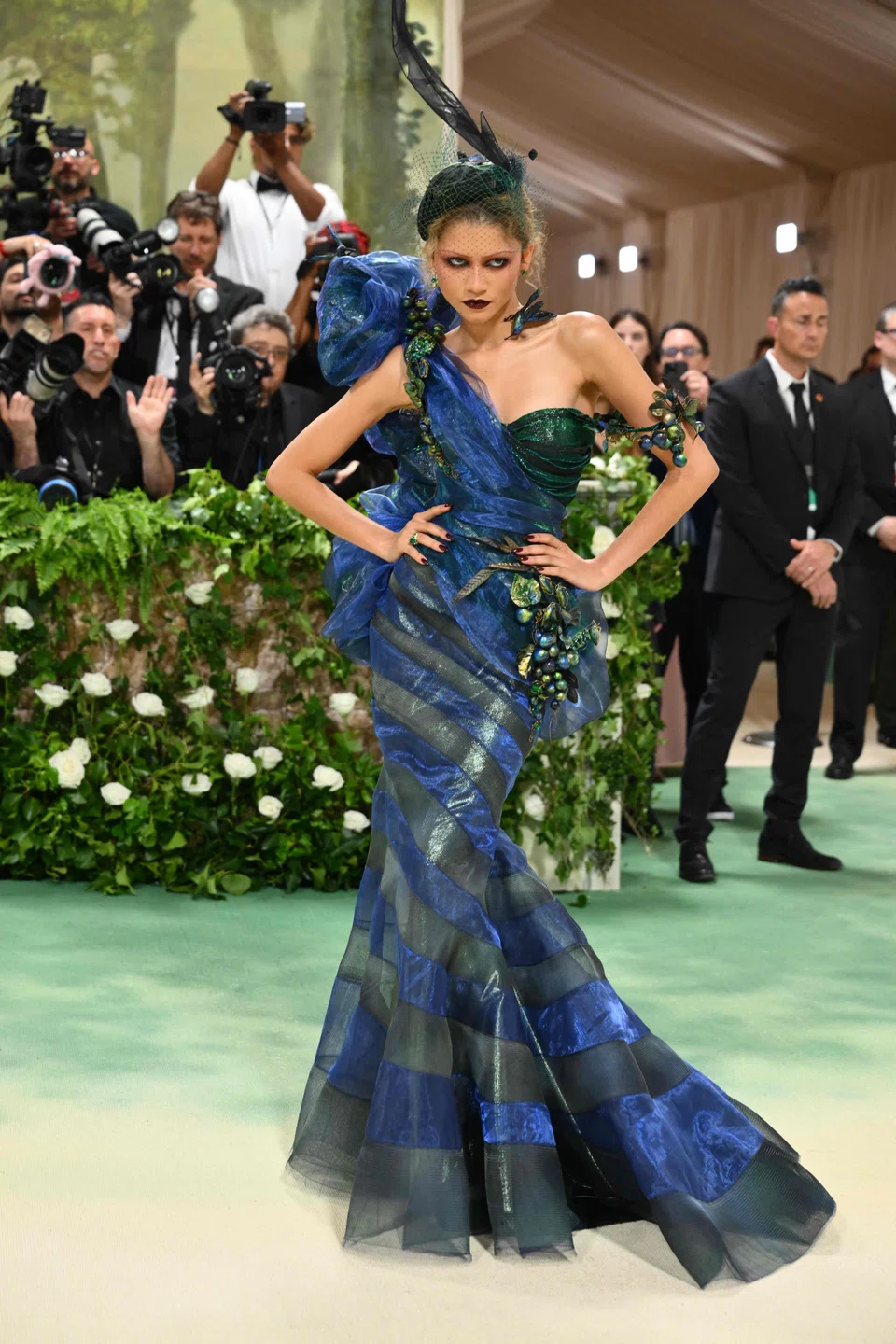
AT THE Met Gala on Monday (May 6), a throng of photographers fought to capture Zendaya and Kim Kardashian parading couture gowns down the red (technically, mouthwash-green) carpet.
Not pictured: dollar signs. A lot of them.
This year’s event raised about US$26 million for the Metropolitan Museum of Art’s Costume Institute, according to a spokesperson. That’s a US$4 million increase over last year’s total, and more than double what the event raised a decade ago, in 2014.
The total pummels the philanthropic events thrown to support many of the city’s other cultural institutions. The most recent fall gala for the New York City Ballet raised just short of US$4 million, and the American Museum of Natural History’s gala brought in US2.5 million. Even the Met’s other events do not compare: Its Art & Artists Gala raised US$4.4 million last year.
“There are very few other events that raise this kind of money,” said Rachel Feinberg, a fundraising consultant who has worked on galas in New York City including a benefit last year for the Elmhurst Hospital in Queens. “The Met has found this formula that is fantastic for them.”
The event began in 1948 as a benefit for the Costume Institute, the museum’s only curatorial department expected to float its own annual operating budget. Since 1999, Anna Wintour, the global editorial director of Condé Nast and the editor of Vogue, has worked to transform the gala into an immensely profitable commingling of celebrities, sponsors and brands.
Ticket prices for the gala have increased steeply. This year, an individual ticket was US$75,000 – compared with US$50,000 last year and US$35,000 in 2022. Tickets to the 2015 gala cost exactly a third of what they do now.
But if your name happens to be Zendaya, you might be in luck: Celebrities do not usually buy their own tickets. Rather, brands like Chloé or Tory Burch purchase entire tables starting at US$350,000 and compete to dress the buzziest names. For these brands, the amount of online and media attention heaped on the gala makes it a powerful advertising opportunity.
The gala also raises cash from its sponsors, who this year were Condé Nast, the luxury fashion brand Loewe and social media giant TikTok, which is facing a potential ban in the United States. Loewe’s designer, Jonathan Anderson, and TikTok’s CEO, Shou Chew, were honorary chairs of the gala.

TikTok declined to say what it paid to sponsor the event, and past sponsors including Apple and Instagram have been similarly tight-lipped about their contributions. Stephen A. Schwarzman, the CEO of the Blackstone investment group, is reported to have contributed around US$5 million as a sponsor of the 2018 gala.
Around 400 guests in attendance this year included billionaires like Jeff Bezos, the founder of Amazon; Michael Bloomberg, the former mayor of New York City; and Schwartzman.
While plenty of viewers delight in dissecting the fashion choices made by their favourite A-listers, others have bristled at the evening’s opulence.
Outside the museum, pro-Palestinian protesters criticised the event as a distraction from the war in the Gaza Strip. The Condé Nast Union, which had been bargaining for wage increases, had said it would disrupt the event if a deal was not struck on the union’s contract. (The company reached a tentative agreement with unionised employees about 12 hours before the gala began.)
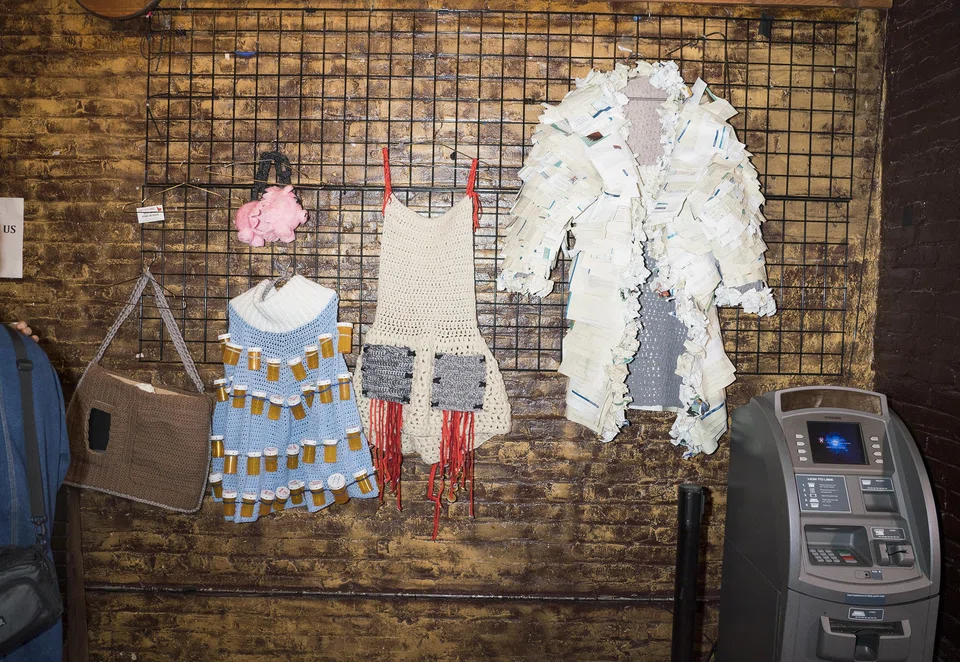
And the night before the Met Gala, a DIY “Debt Gala” was held in Brooklyn to raise money for organisations that relieve medical debt. One of its founders, Molly Gaebe, told a New York Times reporter that the Met was “a fun cultural touchstone to be distracted by” but that it felt “disconnected from the rest of the world”.
Another disparity between the two galas? Unlike the designer gowns commissioned for the Met, guests at the Debt Gala wore bathrobes, feather boas and other items repurposed from their homes and closets. NYTIMES
Decoding Asia newsletter: your guide to navigating Asia in a new global order. Sign up here to get Decoding Asia newsletter. Delivered to your inbox. Free.
Share with us your feedback on BT's products and services
TRENDING NOW
Simba admits exceeding spectrum limits amid failed M1 deal; parent company Tuas’ full-year profit surges 277%

He built the Vingroup empire. Now South-east Asia’s richest man is handing some key roles to his sons

Ex-execs of CW Group, Allied Tech charged with offences linked to lawyer’s S$76 million misappropriation
Singapore to prioritise high-value AI infrastructure as Asean markets play to their strengths: Tan Kiat How

