

Lululemon vs Costco: the fashion copycat fight
The athleisure group is challenging public enthusiasm for ‘dupe’ products
THEY say imitation is the sincerest form of flattery, but what happens when it veers into outright theft?
Costco, the members-only discount store, has long been famous for private label products that compete head to head with national brands in everything from vodka and cranberry juice to mattresses and laundry detergent. Its Kirkland signature products are so popular that it has become something of a national guessing game in the US to determine which manufacturers actually produce them.
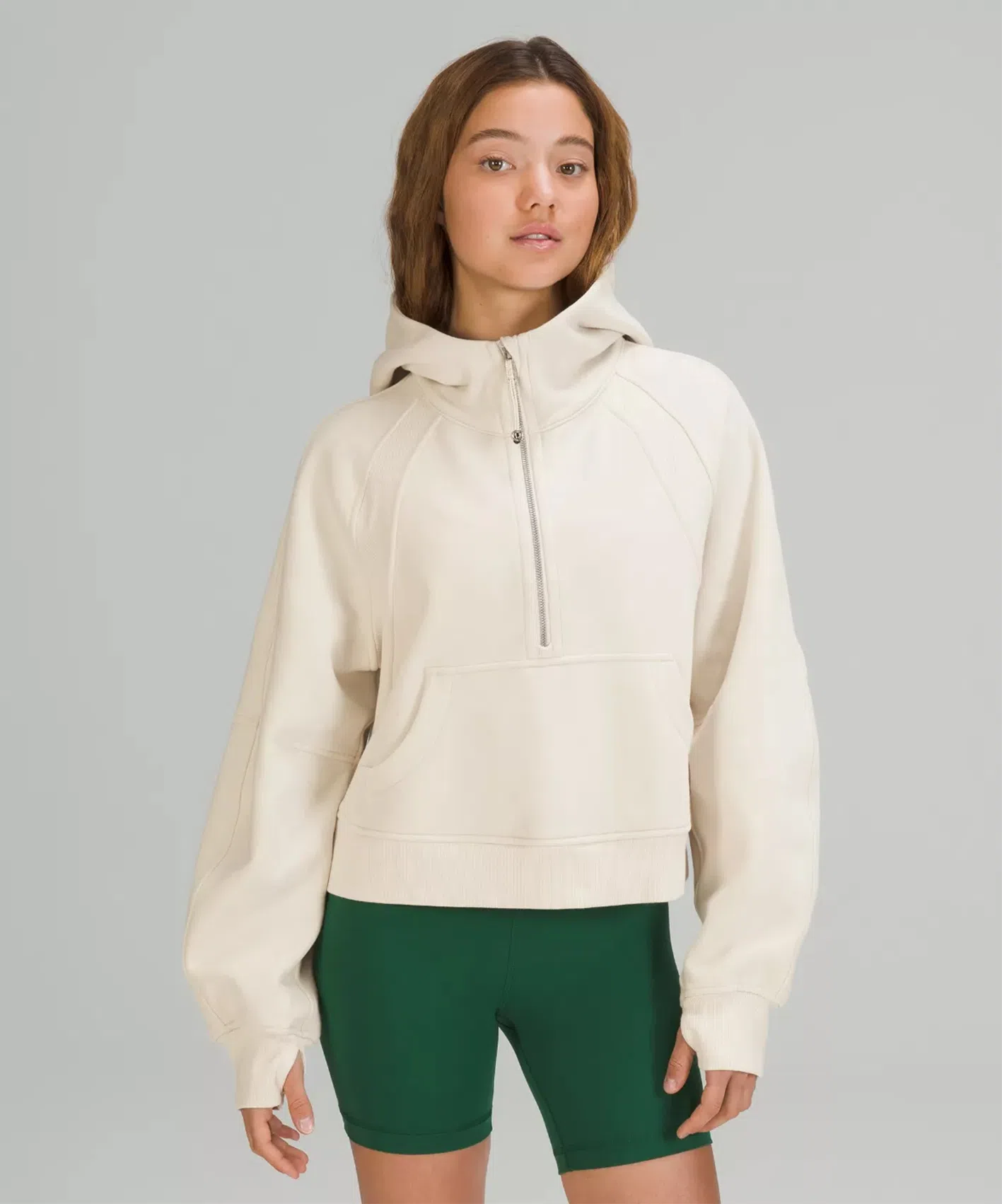
But rivals contend that the Washington state-based group’s recent forays into lookalike clothing have taken emulation a step too far. Last week Lululemon, the luxury athletic clothing brand, sued Costco in federal court in California, alleging that it had illegally copied at least six patented clothing designs, including its popular Scuba hoodie and Define jacket.
That lawsuit comes hard on the heels of one filed in May by Deckers which claimed that Costco had illegally copied its Ugg slippers. Deckers is a repeat litigator: it also sued Costco over lookalike “mini-boots” in 2023.
Fashion copycatting has been a fact of life for decades, from street vendors who illegally purvey faux Chanel bags to haute couture designers who “borrow” ideas from rivals, sometimes in homage, but often in envy. It is made possible in part by relatively vague US intellectual property rules for fashion designs that grant more protection to technological advances, such as technical fabrics, than innovative design.
But the Lululemon versus Costco fight stands out because it involves two large, publicly listed companies and it takes direct aim at a growing cultural phenomenon: the quest for “dupes”.
Once seen as embarrassing parsimony, buying knock-offs has become a fashion statement of its own. Egged on by hashtags, TikTok videos and media articles, customers are leaning into the fun of finding cheaper but still good alternatives, turning the search for dupes into a public treasure hunt.
Nearly half of US consumers surveyed by analytics firm First Insight said they had tried a product specifically because it was a “dupe”, and 70 per cent of shoppers who make more than $150,000 said they were more likely to try a dupe than other private label goods.
Mass market retailers are only too happy to play along. Big box stores and fast fashion chains have a long history of offering clothing and shoes that emulate the vibe of more exclusive stores.

But the dupes craze has taken the copying – and the profits – to a new level. “Everybody does it. The retailers will tell you they are trying to fill a need. Lululemon is not going to sell to Costco, so Costco says, ‘People like these leggings, why don’t I make some,’” says Joe Feldman, retail analyst at Telsey Advisory Group.
Lululemon initially tried to be playful about defending its unique looks from imitators. In 2023, it hosted a “dupe swap” in Los Angeles, where customers were encouraged to trade in their knock-offs for the real thing.
But Costco’s latest efforts were more than Lululemon was willing to bear. The warehouse store’s US$20 sweatshirt mimics the ornamental stitching and pouch pockets of Lululemon’s Scuba offering, which sells for six times the price. And Costco’s dupe of the Design jacket mimics an unusual line of curved stitching across the back.
Lululemon contends in its lawsuit that those specific details violate the “trade dress” patents that it has registered over the past two years, as well as a trademark on the colour description “tidewater teal” that it applied for one day before filing its claim that Costco had “unlawfully traded upon Plaintiffs’ reputation, goodwill and sweat equity”.
However Costco, which did not reply to a request for comment, has an arsenal of potential defences upon which to draw. US rules protect makers from infringement claims if the similarities are based on function rather than distinctive design. The warehouse group could also try to turn the dupe craze to its advantage by arguing that consumers are unlikely to be misled into believing that they are buying a Lululemon original. Costco’s products are clearly marked with either the Kirkland brand or the manufacturer’s name.
Despite the publicity, most patent attorneys expect the dispute to settle, as Deckers’ first Uggs lawsuit did last year. Each side has too much to lose from a trial. Costco could be on the hook for gigantic monetary damages, while “if Lululemon were to lose, it would be open season” for other duplicates, says Josh Gerben, a DC patent attorney.
If there is a clear line between flattery and forgery, few in fashion want to know exactly where it is. FINANCIAL TIMES
Decoding Asia newsletter: your guide to navigating Asia in a new global order. Sign up here to get Decoding Asia newsletter. Delivered to your inbox. Free.
Share with us your feedback on BT's products and services
TRENDING NOW

Once staunchly pro-China, Malaysian Chinese businesses are now distancing themselves from Beijing

Britain’s mansion tax shows the difficulty of targeting wealth

Three hats, one goal: How Ng Kian Swan runs sustainability at NUHS

COE review: The gap between luxury and mass-market cars isn’t the only one worth bridging

