

Smart #1 Pro+ review: How smart is it, really?
Its intriguing parentage means the Smart #1 is not just another electric car
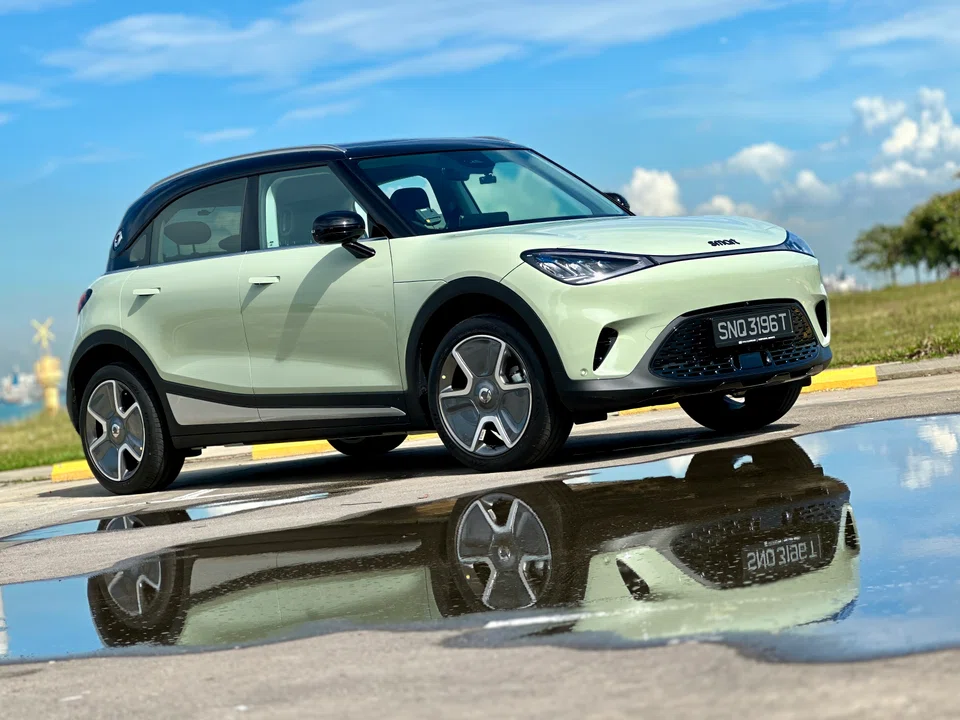
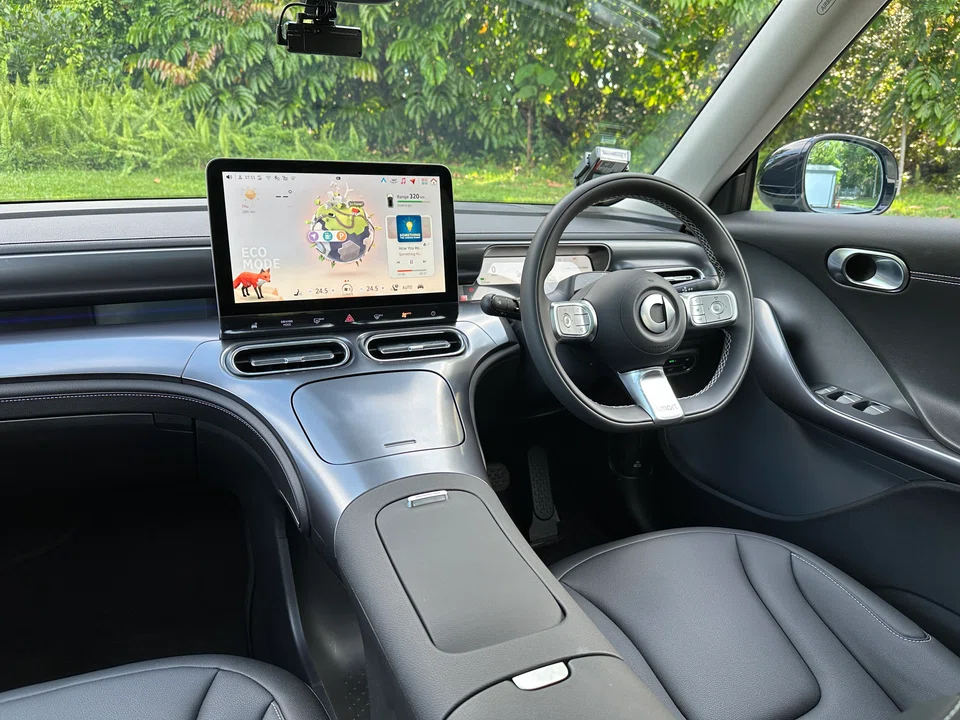
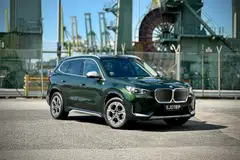
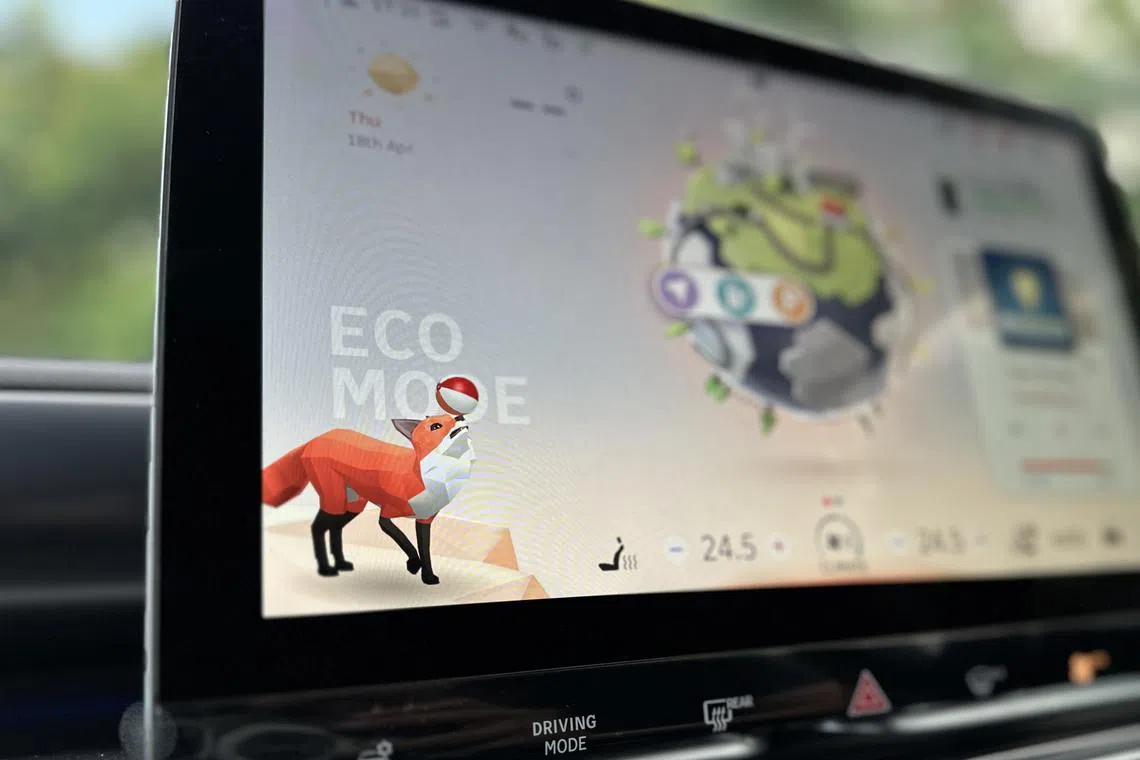
ON THE face of it, the Smart #1 is a funky newcomer to the electric crossover market, aimed at the young-at-heart (or merely young). It’s pint-sized, stylish and fast, and a talking fox lives on its touchscreen, amusing herself by balancing a beach ball on her nose.
Two versions vie for your wallet: a twin-motor Brabus edition offering sportscar performance – 0 to 100 kmh takes a scintillating 3.9 seconds – and the less wicked single-motor Pro+ featured here. The latter is still quick – clocking 6.7 seconds – and slightly more efficient, eking 420 kilometres from a single charge, 20 km more than the Brabus.
Chances are, you’ll forget all about efficiency when you blast up the road in the Pro+. It gathers speed with a steady whoosh, and the acceleration is amusingly intense when you engage the Sport driving mode. You can fiddle with the steering weight and regenerative braking, too, until you have the car exactly to your liking.
The long wheelbase means the Smart doesn’t quite have a small car’s agility, and it’s fast around corners by dint of sheer grip rather than finesse. But if driving this doesn’t make you giggle at least a bit from time to time, then I bet you have a face like a prune.
This is also a car with an intriguing origin story. The #1 – you’re meant to say “hashtag one” – is the first car from a new incarnation of Smart that sprang from an unexpected pairing.
The upstart brand began as a joint venture between Mercedes-Benz and Swatch, maker of analogue plastic timepieces and reviver of the Swiss watch industry. Mercedes took it over after Swatch chief Nicolas Hayek underestimated just how capital-intensive the car business is, then soldiered on as Smart’s innovative but tiny city cars bled money for years.
Then China automotive giant Geely stepped in to relaunch Smart as a pure electric brand in 2019 – as an equal partner. So contrary to expectations, it wasn’t the Germans who supplied the engineering, but the Chinese. That goes to show what a new world we live in, yet in the electric era, it only makes sense. Geely tech already powers Volvos, Polestars and Lotuses, the main Western brands it controls.
Mercedes handled the design, so one way to look at the Smart #1 is as a mini Mercedes, with much of the German marque’s star quality sprinkled over the bits that you actually touch and see.
Aptly enough, the #1 is slightly shorter than the A-Class, Mercedes’ smallest car. But such is its space packaging that it’s as roomy in the back as an E-Class. It has a flat floor, feels airy when you draw the panoramic glass roof’s shade open, and offers plenty of head- and legroom.
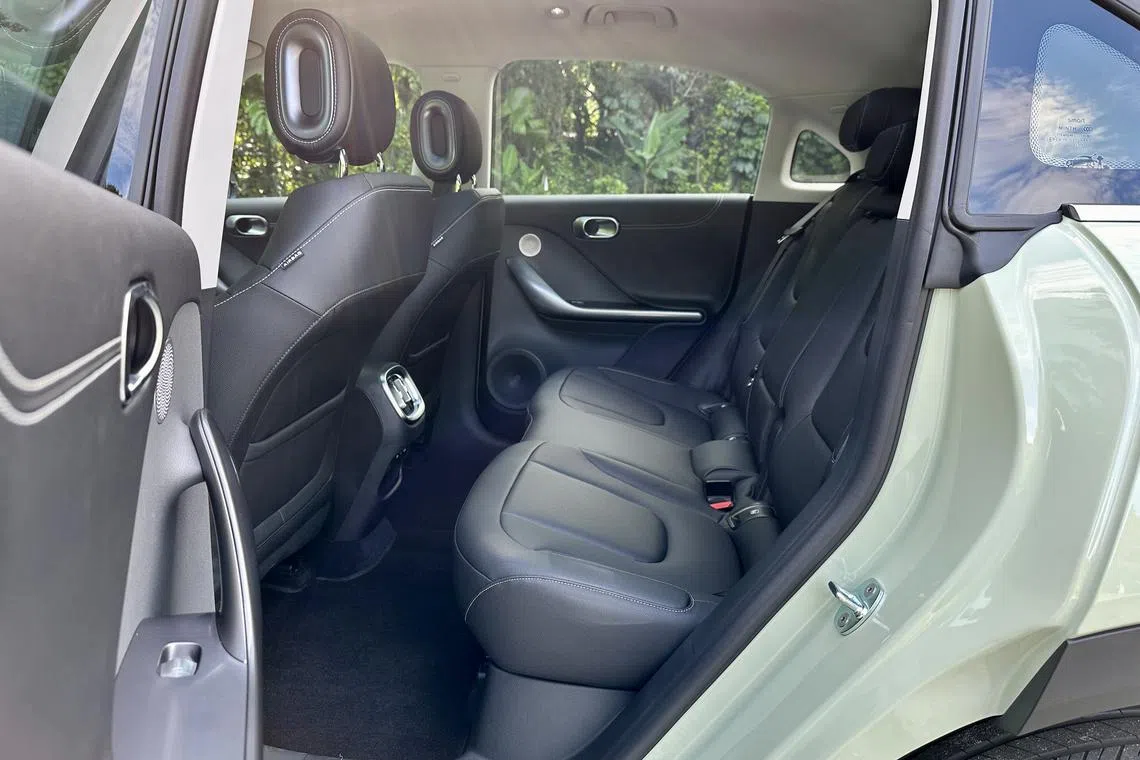
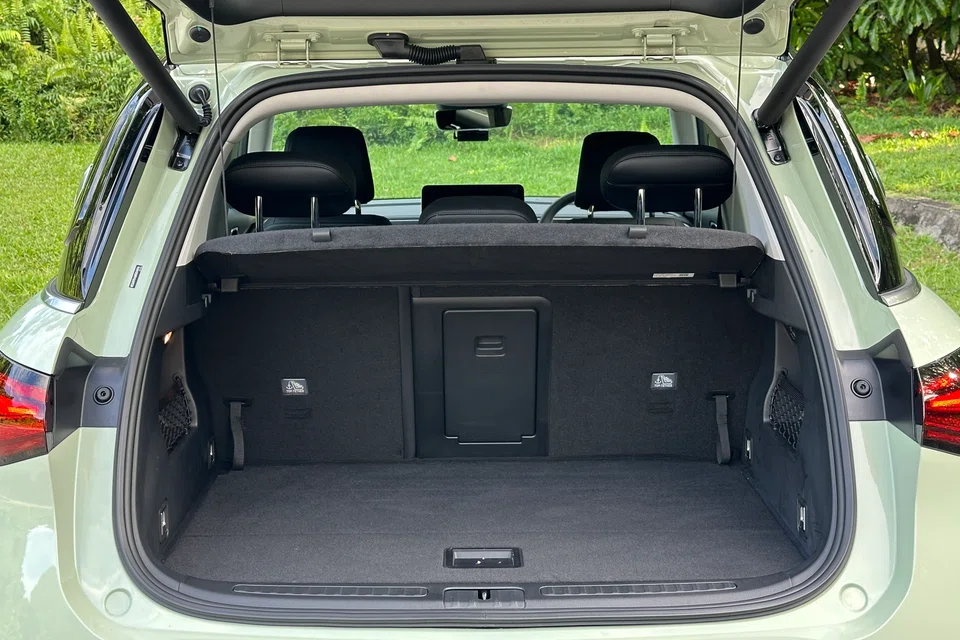
The price for that? There’s not much space in the back. The boot can hold just 313 litres, and much of that under the floor. You can expand it by sliding the rear seats forward, but that creates a gap for things to tumble into. I’m sure a stroller would fit, and you can still do an airport run by toppling a rear seat, but the #1 isn’t a cargo hauler. Smarts never have been.
You’ll impress more people in the front of the cabin. There’s clear Mercedes DNA everywhere, in the way the dashboard looks and feels. Even the cabin’s lighting is straight out of the Benz playbook, and gives it a lovely ambience.
It gets less Mercedes-like when you jab at the 12.8-inch touchscreen, which is snappy and colourful but not as well laid-out as Merc’s menu system. On the plus side, the foxy virtual assistant has a good ear for spoken commands. Still, three taps on the screen just to start adjusting the wing mirrors is a bit much.
But I liked the #1 overall, and enjoyed spending time in it. The early Smarts had a way of brightening your day, and this new one manages to capture that spirit. It may no longer have anything to do with timepieces, but as a German-Chinese tie-up, Smart could be one to watch.
Smart #1 Pro+
Motor power/torque 272 hp/343 Nm Battery type/net capacity Lithium-ion/62 kWh Charging type/time 7 hours 10 to 80 per cent (7.4 kW AC), 27 minutes 10 to 80 per cent (150 kW DC) Range 420 km 0-100 kmh 6.7 seconds Top speed 180 kmh Efficiency 17.4 kWh/100 km Agent Cycle & Carriage Singapore Price On application Available Apr 22, 2024
Decoding Asia newsletter: your guide to navigating Asia in a new global order. Sign up here to get Decoding Asia newsletter. Delivered to your inbox. Free.
Share with us your feedback on BT's products and services
TRENDING NOW

Vietnam’s northern provinces, not Hanoi or Ho Chi Minh City, are powering near 10% GDP growth

VietJet hit with global asset freeze in FitzWalter dispute

Gridlock or growth? The Asean Power Grid faces a critical window of opportunity

LNG, stronger regional power links key to Asean’s energy resilience: Shell

