The origins of graffiti
Singapore Art Week might officially be over, but some shows are still open and generating buzz. BT Lifestyle picks out four of the must-sees
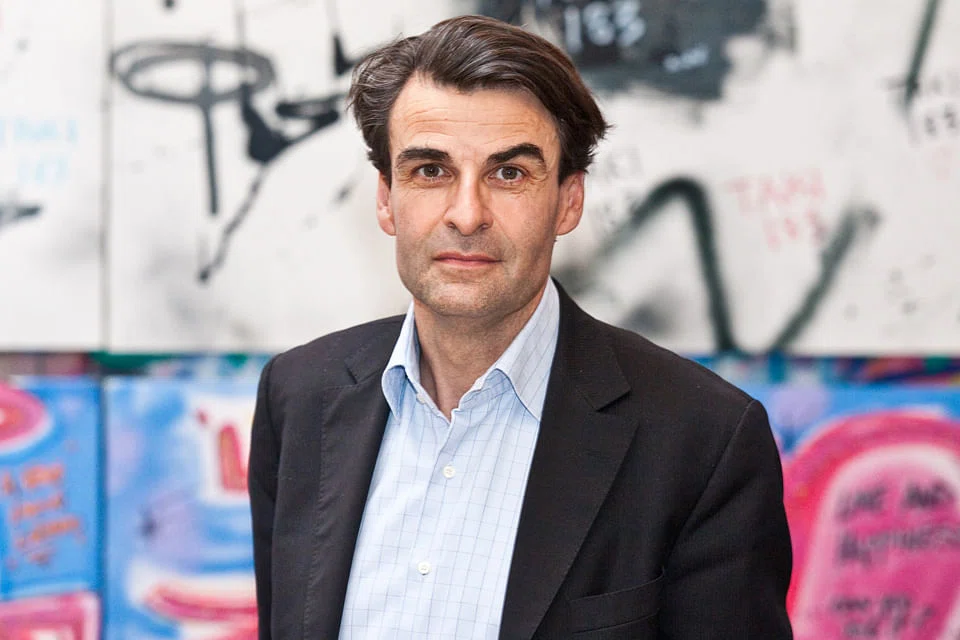
THINK graffiti, and you might think Banksy. But mention that to graffiti enthusiast Alain-Dominique Gallizia, and he sputters indignantly: "Banksy is b******t!"
His response isn't all that surprising. Aerosol art is divisive: some celebrate subversive scrawls on public walls, others decry vandalism. Yet others are rehabilitating the art of spray painting by moving it onto canvases and into galleries, and Mr Gallizia is one of them. Selections from his extensive collection of more than 500 works from over 200 artists are now on display at Singapore Pinacothèque de Paris.
Yes, Banksy does important work, Mr Gallizia allows, but there's no artistic merit in spraying paint over a stencil - that's merely street art, not to mention defacement when permission isn't granted. "I am totally against vandalism - with graffiti art, I'm not talking about those who splash colours on the wall and destroy public property," the Frenchman insists.
Rather, the movement he champions originated from an insular group, which has grown to an international phenomenon today. Like other fine artists, they operate in studios, work typically on canvas, plan their pieces with sketches, and experiment with new techniques.
Mr Gallizia likens them to knights of old - an apt comparison, given the strict codes of conduct they live by. There's a hierarchy based on artistic merit, and works often reference graffiti's forefathers to show respect. Only prominent members can "tag" or sign their pieces in red. Break a rule once and you're courting trouble; thrice, and expect to be stabbed.
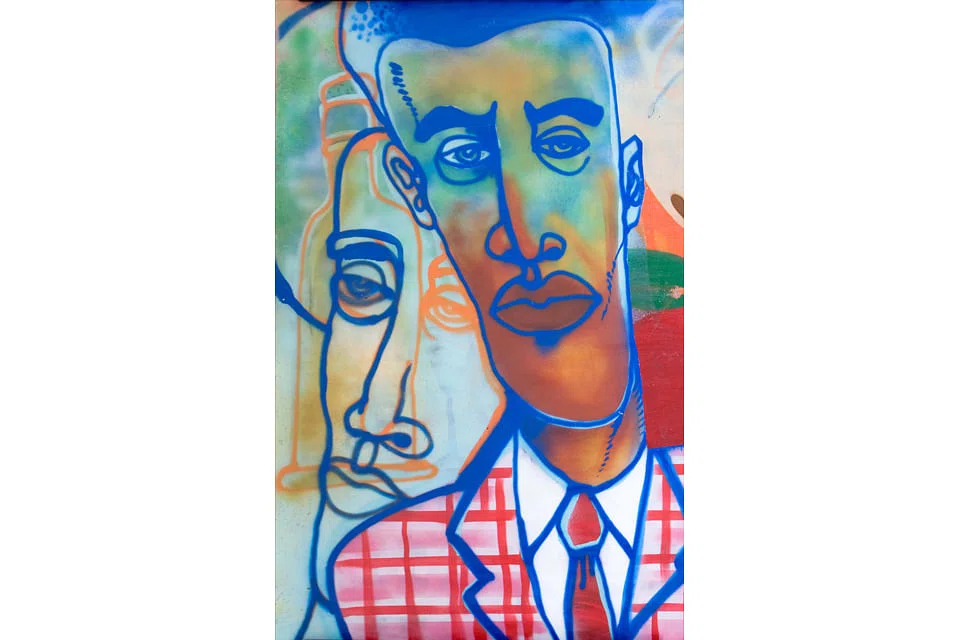
The exhibition traces the evolution of the art form that started from spray-painted calligraphy but gradually evolved in scope and technique. Seminal pieces include a work by Dondi White who first embellished the background of the canvas; Noc 167 who started focusing on human figures; and Lady Pink, who played with spatial depth and perspective.

Other contributions include Phase 2's invention of bubble letters, and Jay One Ramier's use of a single continuous line to outline his subjects, displaying precise pressure control.
Mr Gallizia, who is also an architect, sees graffiti as a kind of modern bas-relief. He's the first to put up a 12 by 3m canvas on one of his buildings for graffiti artists. "It's art that is deserving of being seen on the façade of a building", he explains.
Pressionism: Graffiti Masterpieces on Canvas runs till June 25, from 10am to 6pm daily, at Singapore Pinacothèque de Paris, 5 Cox Terrace, Fort Canning Arts Centre. Tickets for adults are priced between S$18 to S$28. For more information, refer to www.pinacotheque.com.sg
Share with us your feedback on BT's products and services