Pizza Hut eager to feed an appetite for nostalgia
Since its rebranding in the late 1990s, the chain has struggled to appeal to customers in the US
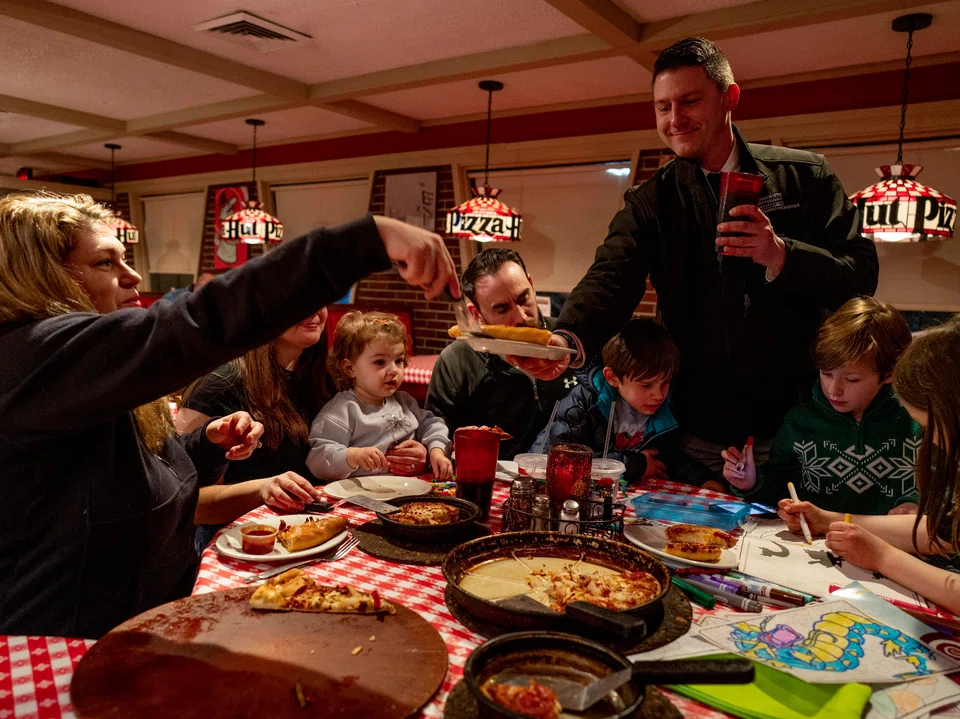
[TUNKHANNOCK, Pennsylvania] Rolando Pujol was driving east on Route 6 in Pennsylvania, heading home to Queens, New York, in 2020 when he came upon what seemed like a mirage: a towering sign advertising a red-roofed, dine-in Pizza Hut.
Once a common sight across the country, these old-school, low-slung buildings had largely disappeared as the restaurant chain modernised its stores and focused on takeout. Pujol, a journalist who documents retro American highway culture, says he “freaked out” and swerved into the parking lot.
He had not discovered an abandoned relic from the Reagan era. As a plaque near the door explained, this restaurant in Tunkhannock, Pennsylvania, was a Pizza Hut Classic. The interior design and menu had been painstakingly engineered to replicate the Pizza Huts of the 1980s and ’90s, when families and friends settled into red-vinyl booths on a Friday night to eat deep-dish pan pizza and drink Pepsi from red plastic cups.
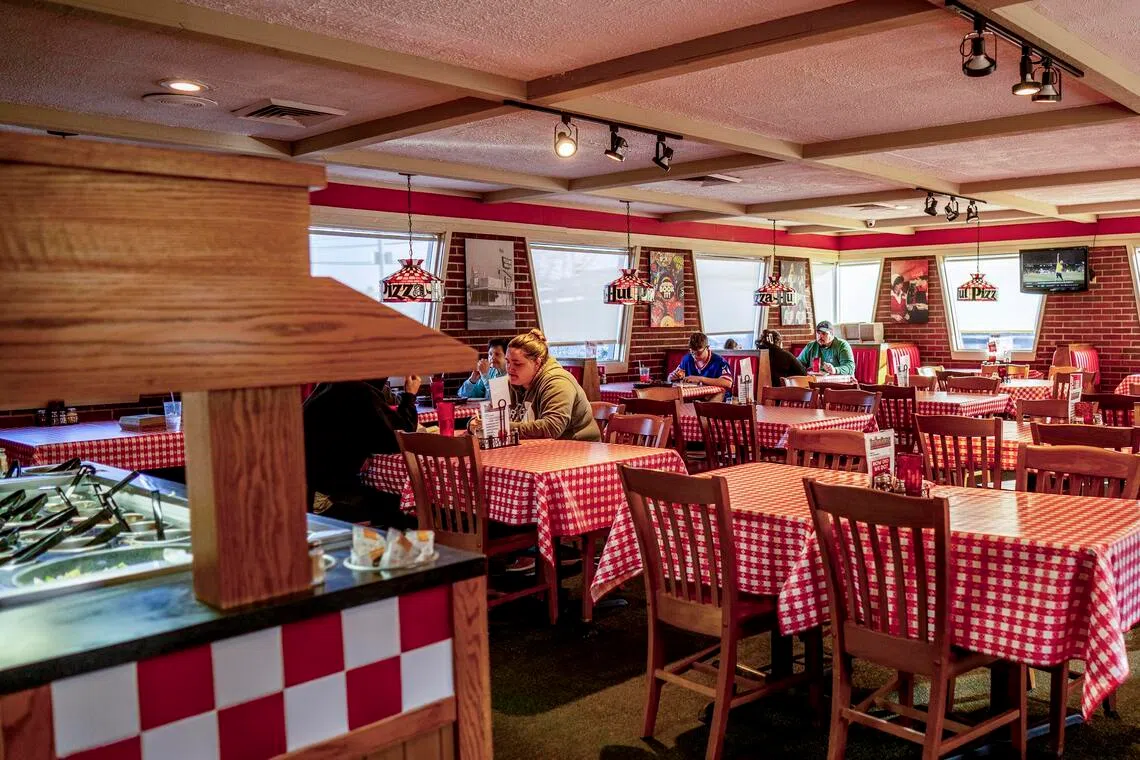
The dining room was closed (this was the height of the pandemic), but peeking through the trapezoid windows, Pujol, 53, saw the Pizza Hut of his childhood. “The red-checker tablecloths, the Tiffany lamps,” he said. “All the details one associates with that warm and cozy place.”
After extensive research, Pujol found another Pizza Hut Classic in Kilmarnock, Virginia, and drove seven hours to place the same order he did while growing up in Westchester County. “I had my Personal Pan Pizza and my red plastic cup,” he said. “It was just amazing.”
It’s been a minute since Pizza Hut has been described in such glowing terms. Since its rebranding in the late 1990s as mainly a carryout operation, the chain has struggled to appeal to customers with menu innovations like thin-crust tavern pizza and folded melts — even as it recently hired Tom Brady as a pitchman.
The company reported a 3 per cent decline in sales in the last quarter of 2025, its ninth consecutive quarter of declines, while at its rival Domino’s, US sales rose 3.7 per cent.
In February, Pizza Hut announced that it would close 250 locations, and last fall its owner, Yum Brands, began exploring a possible sale of the chain.
By contrast, there’s a wellspring of popular enthusiasm for Pizza Hut Classics. Diners share their experiences on Reddit message boards.


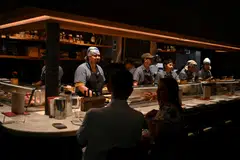
Facebook posts about the Tunkhannock restaurant have gone viral. When Pujol published a list of 30 or so locations on his Substack newsletter in 2022 (the roster has since grown to 60), he was flooded with responses from readers who had visited one or wanted to.
“I did feel like I was giving people a passport to find a piece of their personal history that they had lost track of,” he said, adding with a laugh that since little information exists about these throwback locations, “I am doing a public service.”
There is no official directory of Pizza Hut Classics. Yum Brands does not promote or even acknowledge their existence on its website. They are like wormholes in the chain restaurant galaxy, portals to the past found by serendipity.
Even some Pizza Hut executives are in the dark about them. Melissa Friebe, the chief marketing officer of Pizza Hut US, said she didn’t know when or how the Classic model began, or how many of the more than 6,200 Pizza Huts are Classics.
As a child of the ’80s, she said, “I feel that feeling of Pizza Hut in people’s lives.” But today, she added, “the way that people live their lives is much more on the go.”
Further digging shed some light on the mystery. The Classic model was born from a partnership between Pizza Hut and its franchisees, as a way to celebrate the chain’s heritage and help the existing dine-in locations.
The first remodel was in Ashdown, Arkansas, in 2019; to date, 144 restaurants have been converted to Classics.
Only certain restaurants in certain markets — typically, small towns far from urban centres, like Iron Mountain, Michigan, and Dahlonega, Georgia — and featuring the signature Pizza Hut roof design are eligible for the Classic decor. Pizza Hut provides franchisees with a Classic Remodel Playbook that outlines required standards.
One reason the Tunkhannock location is so authentic is that Tim Sparks, the president of Daland, a Kansas company that owns and operates it, has been steeped in Pizza Hut culture.
Sparks, 61, worked at his first Pizza Hut in 1983, as a dishwasher in Hawaii. He soon was promoted to manager. And “I was a customer before I worked there and ran one,” he said. “We ate there as a family. That was our big night out.”
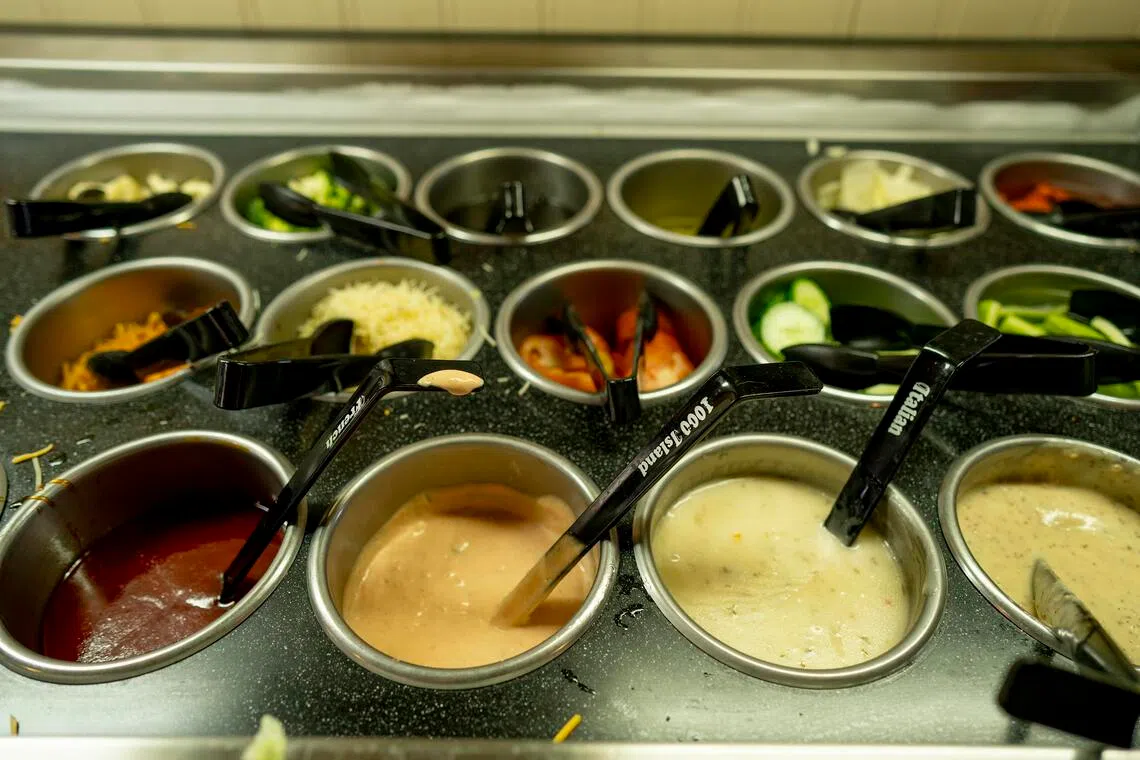
Pizza Hut sells its franchisees elements like red booth seating, red-and-white-checked tablecloths and brand artwork, Sparks said. All the other accouterments, like the wire condiment caddies and battery-powered table candles, are provided by his company. “I’m a big salad bar guy. It’s going to have a salad bar,” Sparks said. “That’s how I remember it back in the day.”
Of the 93 Pizza Hut franchises Daland operates, 38 are Classics, and the company is in the process of retrofitting another, in Prairie du Chien, Wisconsin.
The Classic in Tunkhannock has become a particular draw, not only for customers but also for content creators, who make pilgrimages to the small town, 48 km north-west of Wilkes-Barre, Pennsylvania, and post videos on TikTok and Instagram.
A few Saturdays ago I visited with my wife and two young sons, to see what all the fuss was about and maybe have a Proustian experience with a Parmesan-dusted breadstick.
Let me say right off: The place nailed the details. There were the red plastic cups, the original swooping typeface and — unheard-of in the DoorDash era — the salad bar.
A server, Savannah Robinson, told me diners have driven five hours from Pittsburgh for the Classic experience. Tucked into a corner booth were two middle-aged couples who’d come from Hackettstown, New Jersey, two hours away.
They could have found better pizza locally, the four agreed, naming some of the pizzerias that have made North Jersey a pizza capital. But tasting the perfect pie wasn’t really the point.
“We came here for the nostalgia,” said Chris Morpeth, 58, who read about the Tunkhannock location on social media and was sharing a large pan pizza with his wife, Michele, 57. “It takes you back.”
I did not expect to feel great fondness for Pizza Hut. So much has changed in the world in 30 years. And so much has changed in the world of pizza since Pizza Hut had the diabolical idea to stuff a crust with extra cheese.
Now there are American pizzerias serving pies cooked on portable ovens and topped with Egyptian fava beans, or pizza from Tokyo with salt crystals embedded underneath the crust.
Still, the Pizza Hut dining room exudes a remarkable sense of place. It’s as familiar as the set of a long-running sitcom like Friends or Cheers. And to walk into that space and find it exactly as I remembered was indeed like finding a portal back to my earlier self.
Out in the parking lot, I watched two couples in their early 30s get out of their car, look up at the peaked red roof — introduced in 1969 — and break into smiles. Garish chain architecture had sparked joy.
My wife and I pointed delightedly to a framed poster for the BOOK IT! club, the reading incentive programme Pizza Hut introduced in 1984. A teacher or parent sets a monthly reading goal, and when children meet it, they can receive a free Personal Pan Pizza.
For us, this mass American experience was part of our food heritage. For Pujol, the son of Cuban immigrants, Pizza Hut was part of his Americanisation.
“When I walked into a Pizza Hut, I felt welcome,” he said. “You’re part of this big American thing — you see commercials on television.”
As we waited for our order of Personal Pan Pizzas and breadsticks, my wife looked around the dining room and said: “Look at the families. No phones out.”
Erik Vanston said enjoying a pre-smartphone-era night out was the whole point.
He’d grown up eating at a Pizza Hut in nearby Dickson City, Pennsylvania, with his large family (“Gather everybody up and get in the Toyota Previa,” he said), and now he was here with his wife, Dr Jessica Pizano, 39, and three young children.
It was his second time back, after discovering the Tunkhannock location last July and returning weeks later to celebrate his 39th birthday.
“Rekindling that night out, keeping it going with my family,” he said, dipping a breadstick into sweet marinara sauce as his son clicked building blocks into place on the table. “That connection to reminisce is important.” NYTIMES
Decoding Asia newsletter: your guide to navigating Asia in a new global order. Sign up here to get Decoding Asia newsletter. Delivered to your inbox. Free.
Share with us your feedback on BT's products and services