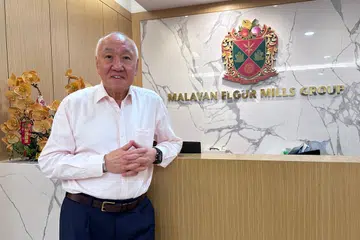
Potato Head shows how to do good while having a good time
Hospitality entrepreneur Ronald Akili says there’s no need to compromise on fun while saving the environment

WHAT would you do if you went surfing one day and found yourself surrounded by plastic in the sea? Would you swim back to shore, feel disgusted, swear never to return and go on with your life as before?
For Indonesian entrepreneur Ronald Akili, that incident prompted him to pivot his hospitality firm, Potato Head, from one that was about creating good times to a sustainability-led one.
Six years ago, Akili and his eldest son were out surfing off the coast of Bali and found themselves paddling in plastic trash. At that moment, the father of four young kids felt he had to do something, and he realised Potato Head was also a big contributor to this waste.
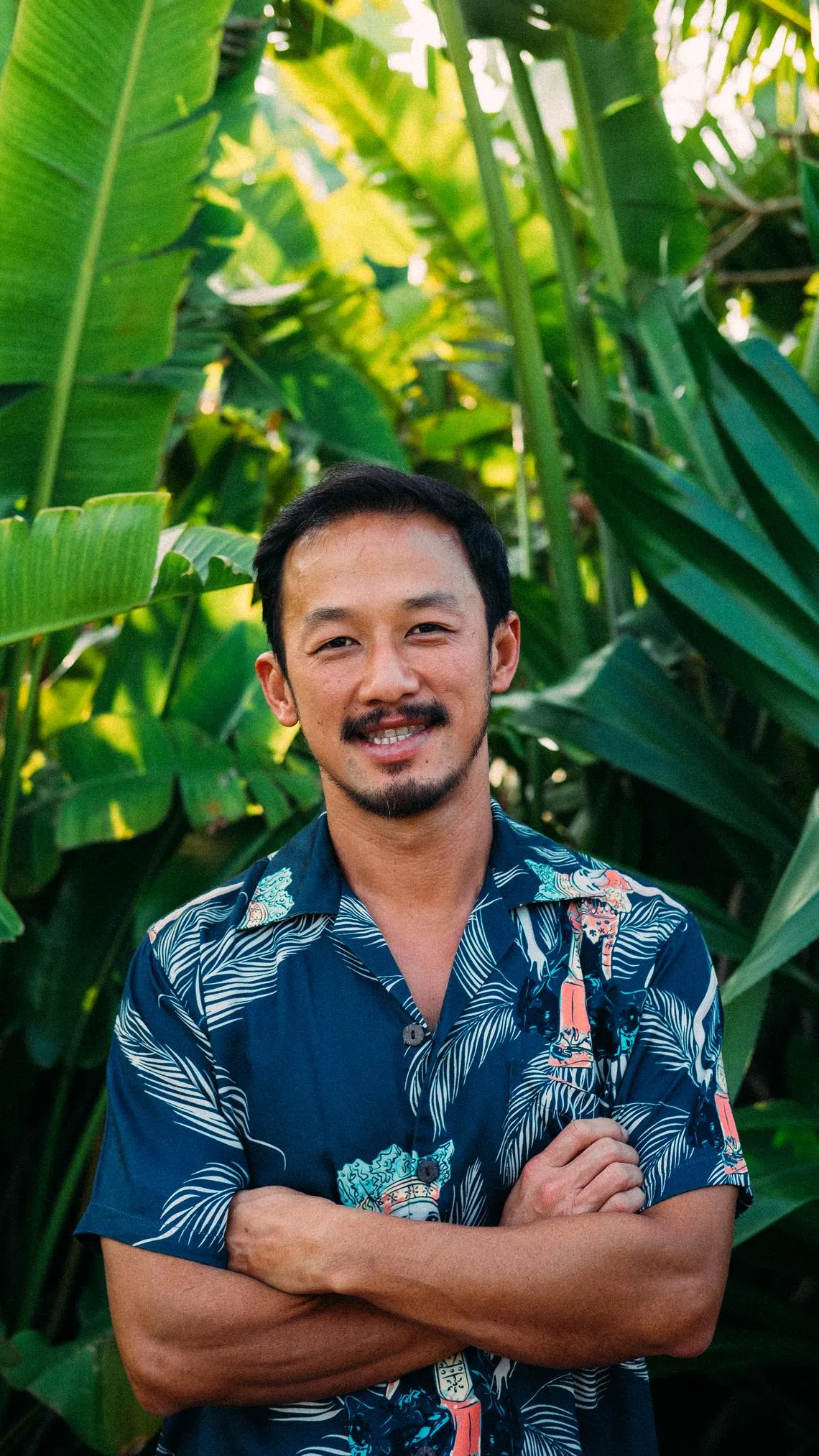
“From that moment, I made a commitment that I would pivot the purpose of Potato Head, and any future companies I created, to be a force for good instead of destruction,” said Akili, who is now based in Singapore.
Potato Head Beach Club started in 2010, and with its restaurants, bars and an infinity pool, it became the hot hangout spot in Seminyak for anyone wanting a good time.
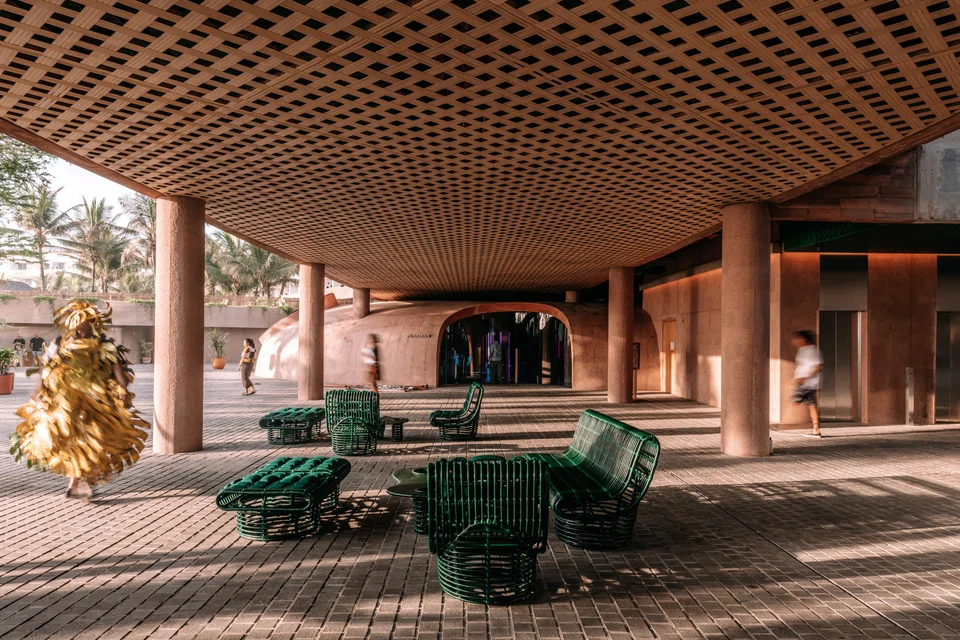
Today, that has grown into Desa Potato Head, with the addition of the 168-room hotel Potato Head Studios and 58-room Potato Head Suites, the former Katamama.
From a mantra of providing good times, the Potato Head ethos is now “Good times, do good”.
Rather than preach about sustainability, Akili approaches the subject through design. “We want to show that sustainability can be beautiful and there’s no need to compromise,” he said. “We create something beautiful and then tell the story of how it is sustainably made. People are more receptive to sustainability this way.”
For example, at Potato Head Suites designed by OMA, the rooms are housed in a ring that’s been lifted off the ground. The ground floor then becomes an open space, used for hosting events. What’s more unusual: the hotel is built with hand-pressed bricks and fired using only biomass, which is more green than fossil fuels.

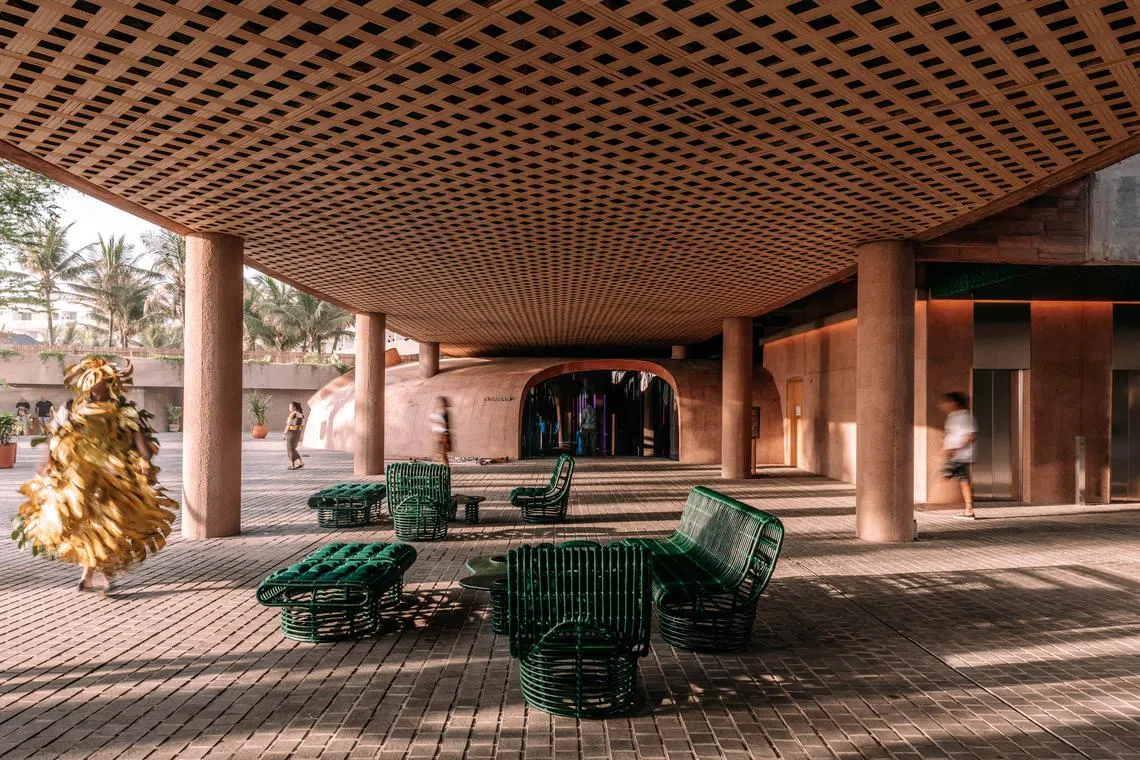
Inside, the rooms are comfortably furnished, so guests never have to rough it out. Upon checking in, each guest receives a kit with necessities such as a tote bag made from recycled plastic bottles, a water bottle, bamboo straw and sunscreen. On the surface, the kit appears like a great welcome gift, but it is in fact part of Potato Head’s mission to cut down on waste.
“Our mission is to get to zero waste,” said Akili. It is a mission that Potato Head has been on for the past decade, and while the company hasn’t achieved its goal, Akili said they have been making progress.
“While zero waste is our aspiration, what’s more important is the progress that we’ve made to get near that figure,” he added. He’s met with companies who’ve told him that it is impossible to get to zero waste for an operation as big as Potato Head’s.
Making progress day by day
“Companies that think that zero waste is impossible are overwhelmed by trying to achieve perfection, and they give up. But what counts more is that we make a little progress every day,” said Akili.
A decade ago, nearly 70 per cent of the waste Potato Head generated ended up in the landfill. Over the years, it dropped to 9 per cent, but rose again to 20 per cent. It is now down to 5 per cent.
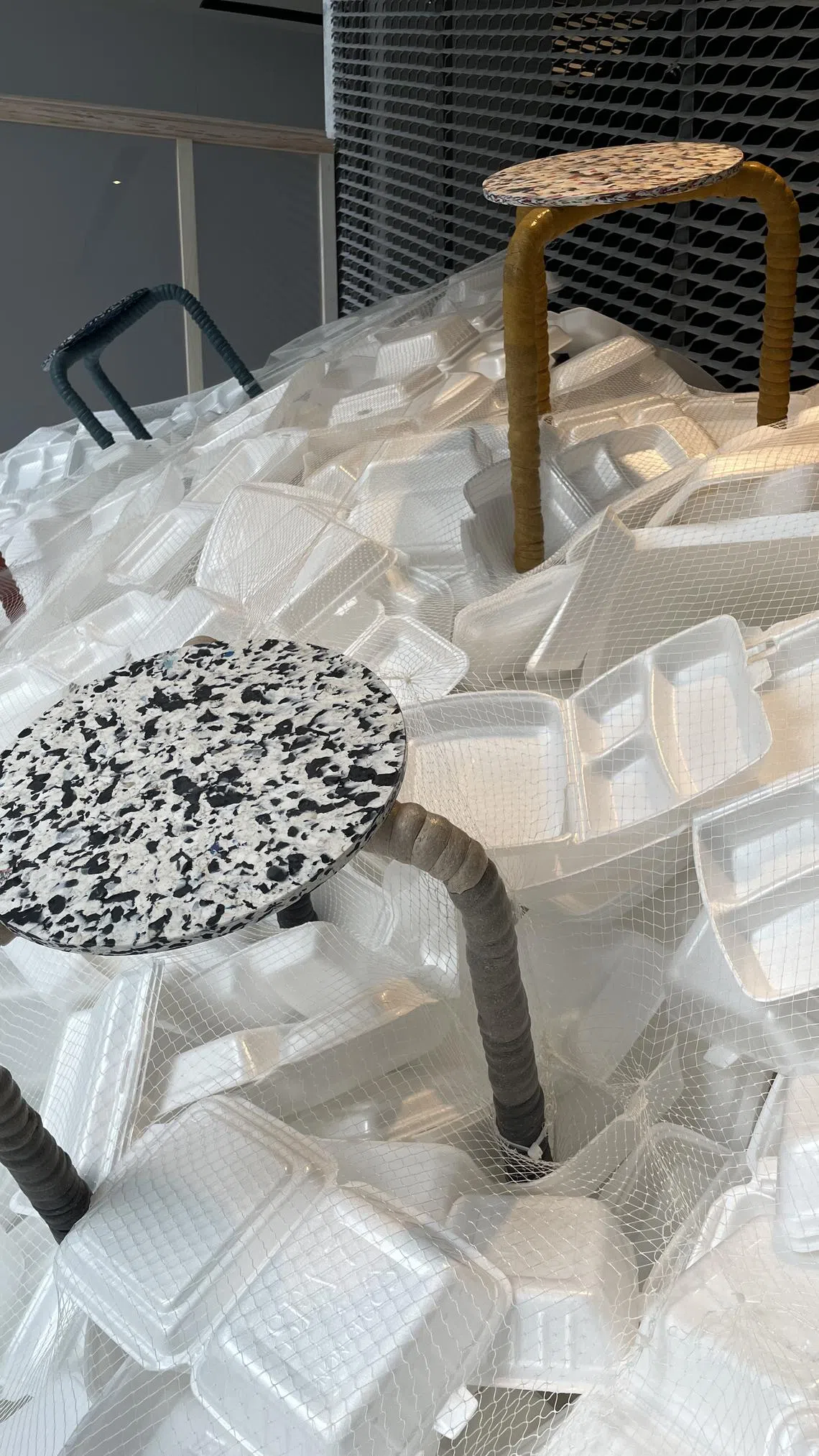
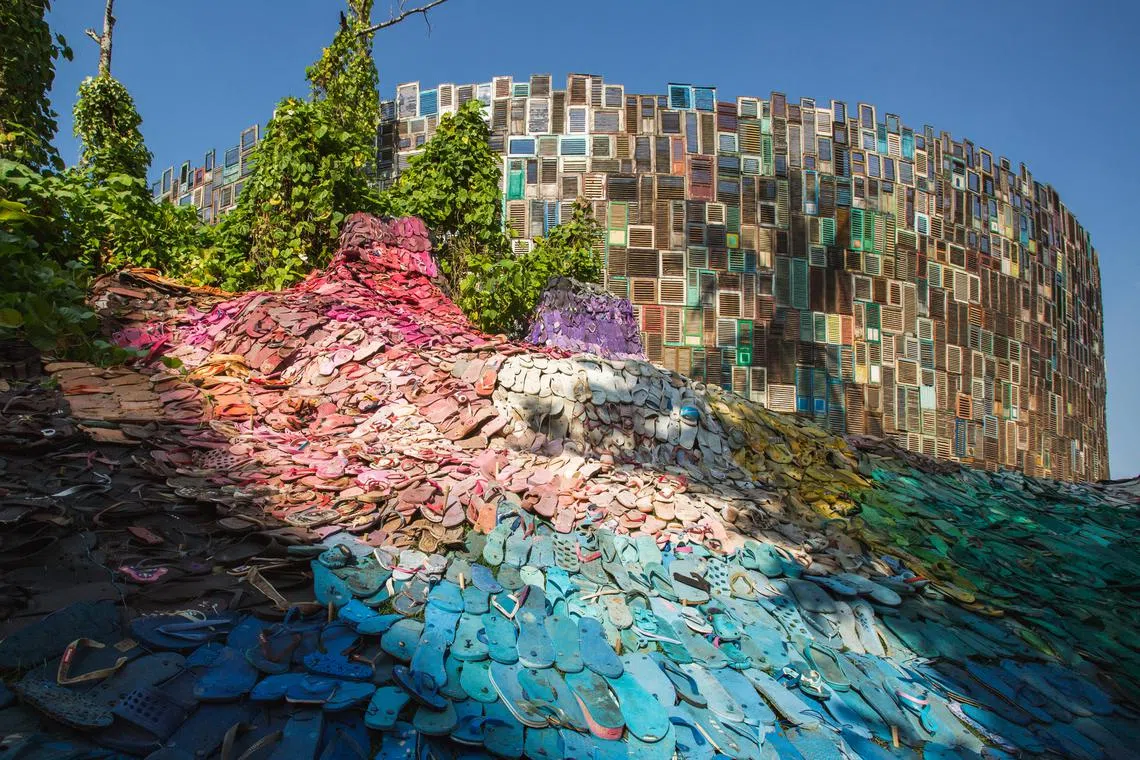
The number goes up when a new hotel is built and when sustainable practices are not strictly kept. “For us, the hardest challenge has been to change the mindset of our staff, whose awareness of why it’s important to be sustainable is still low,” said Akili. “But with leadership showing the way every single day, we are imparting that change.” Some of the processes that Potato Head has taken to cut down are now on show at the N*thing is Possible exhibition at the National Design Centre.
Upcycling waste has been a big part in this journey. For example, the green lawn chairs at Potato Head are made using PET bottles. Wood waste derived from the bark of palm trees is turned into lamp shades, and styrofoam has been turned into a material to wrap around the legs of stools, inspired by Balinese rattan-wrapped furniture.
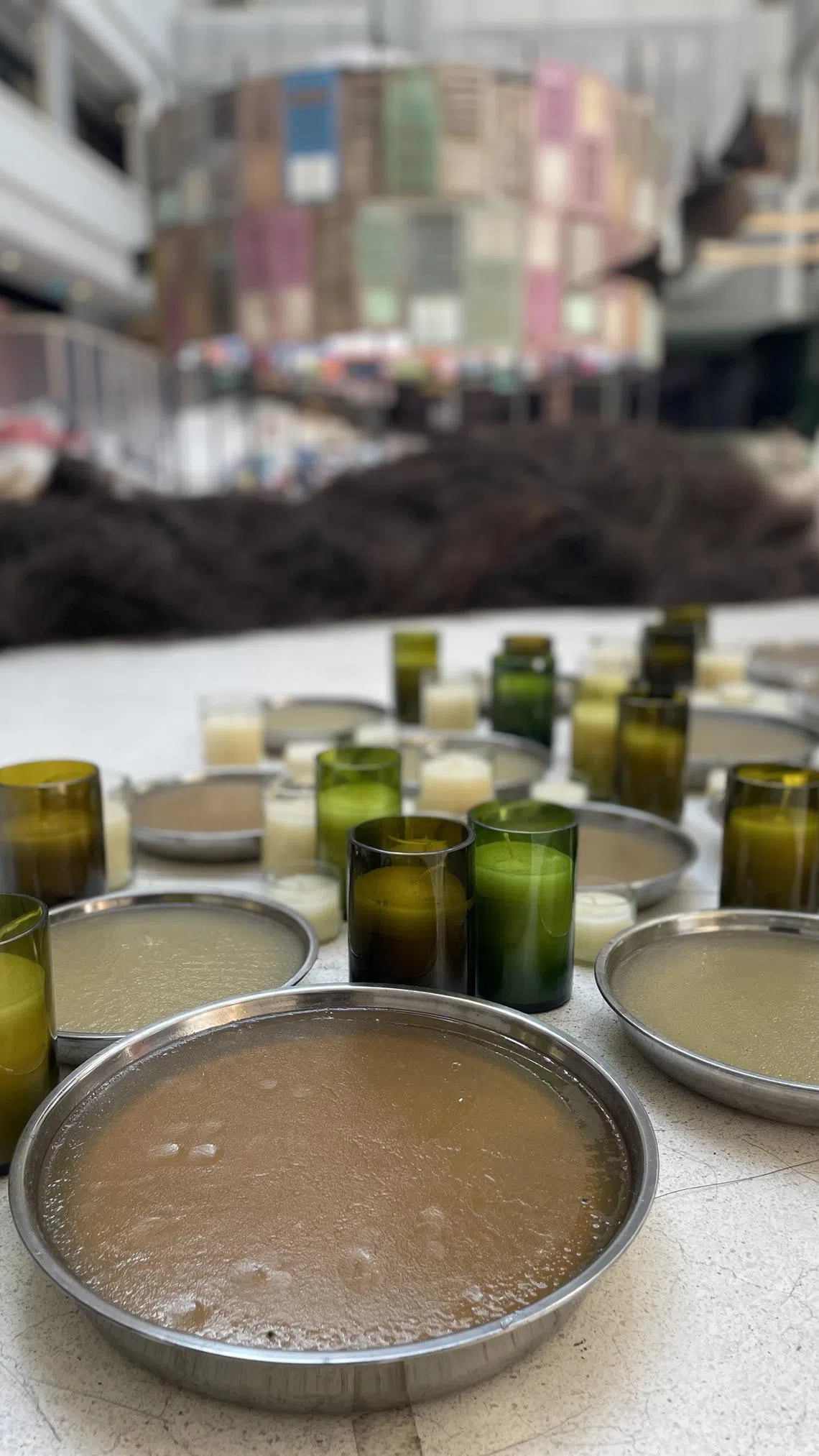
Even food waste is turned into something useful. At the Sweet Potato Lab, the in-house sustainability research and development workshop, cooking oil residues collected from Potato Head’s restaurants are repurposed into candle wax. Fish scales are reused to make crackers and prawn shells become pig feed.
Akili said while guests are aware of the need to be sustainable, often they don’t know where to start or feel they cannot make an impact. “It could be as simple as not using a plastic bottle, or eating one less meal of meat. The ripple effect can be strong,” he said.
And also, using Potato Head Studios’ welcome kit even after leaving. “I’ve seen five people in Singapore using our tote bag. If you provide the solution to being sustainable, it sticks with the user,” he said.
Decoding Asia newsletter: your guide to navigating Asia in a new global order. Sign up here to get Decoding Asia newsletter. Delivered to your inbox. Free.
Copyright SPH Media. All rights reserved.