

The Rolex you want may be in stock - but not for long
The biggest driver of any resurgence will be Chinese consumers
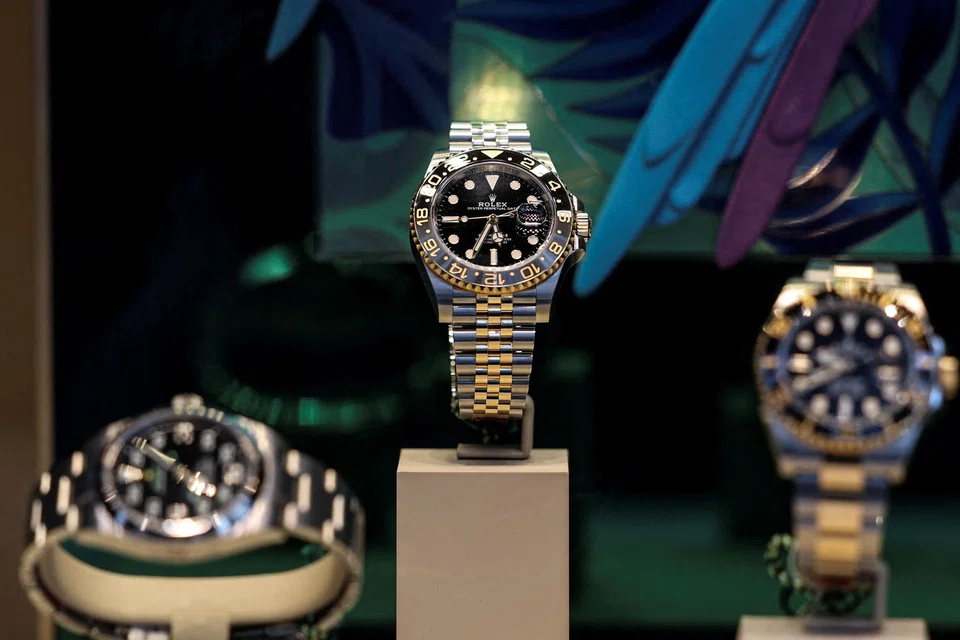
IF YOU are very lucky, you might now be able to walk in to a store and walk out with a Rolex. It may not the model or style that you hoped for, but the simple fact that some of the brand’s watches are relatively available marks a stark turnaround from five years ago, when most required joining a lengthy wait list.
That you can splash your bonus in a boutique is evidence of the slump in the market for new timepieces, a state of affairs that has seen Swiss watch exports contract for the past two years.
That may be changing. Over recent weeks, there have been some indications we are past the nadir. But any recovery is slowly winding up rather than springing forward. And even if the market strengthens, the spoils won’t be evenly spread.
Swiss watch sales soared between 2021 and 2023 as consumers in the US and China, flush with cash but with little to spend it on, turned to extravagant timepieces. While smartwatches ate into the lower end of the market, pricey models grew more popular. But starting in 2024, Swiss imports fell as the super-rich turned to spending on experiences, the simply comfortable faced rising costs and Chinese demand evaporated.
One early sign of a rebound came in January, when Richemont posted a surprise increase in sales at its specialist watchmaking division, which includes brands such as Jaeger-LeCoultre and A Lange & Sohne that had been under pressure. Richemont’s biggest name, Cartier, has been adopted by Gen Z and had already been on a tear.
A few weeks later, Swatch Group chief executive officer Nick Hayek forecast strong growth this year, after the maker of Omega, Longines and Tissot saw a rebound in the second half of 2025. And earlier this month, Watches of Switzerland Group, which generates almost half of its revenue in the US, upgraded its sales outlook for the current fiscal year.
Still, the path to recovery may not be straightforward.
Exports of Swiss watches to the US have been gyrating because of import duties. The US Supreme Court’s recent decision striking down President Donald Trump’s tariffs adds more uncertainty.
Much will now depend on the direction of stock markets, which tend to be correlated with US luxury demand. While the impact of tariffs should moderate, the escalation in the price of gold is yet to be fully passed through, according to Vontobel Equity Research.



The biggest driver of any resurgence, though, will be Chinese consumers.
Exports of Swiss watches to China and Hong Kong rose in January, encouraging given that Chinese New Year – a prime shopping holiday – falls two weeks later this year than in 2025. Adjusting for the calendar effect, underlying demand is up mid- to high-single digits, according to Vontobel. But that improvement is from a low base, and the Chinese New Year spending numbers will be the crucial test.
If this recovery does take off, it will be the biggest names that will benefit.
The major brands have not been immune from the downturn. The volume of watches sold by Rolex fell 2 per cent to 1.1 million last year, according to Morgan Stanley and industry adviser LuxeConsult, the first time in over 20 years that volumes have declined for two consecutive years. This might be partially self-inflicted, as the company makes an effort to keep supply below demand and move even more upmarket. Strong average selling prices lifted the value of sales by 4 per cent.
But the four largest privately held brands – Rolex, Patek Philippe, Audemars Piguet and Richard Mille – increased market share last year. This is unusual. In other parts of the luxury market, it is the listed giants that are gaining ground.
Swatch was the biggest market share loser last year, according to Morgan Stanley and LuxeConsult. Some of this weakness reflects the fact that the company is more dependent on China, which accounted for 23 per cent of its net sales last year.
The Morgan Stanley/LuxeConsult data also finds that Omega, Swatch’s biggest watch brand and the industry’s fifth largest by sales, is losing out to Rolex. The company’s higher-end names, Breguet and Blancpain, underperformed as well, they said – despite the fact that demand for models with a retail price of over 50,000 Swiss francs (S$81,800) is growing (accounting for 37 per cent of the value of Swiss watch exports in 2025, up from 33.5 per cent in 2024). Swatch disputed the data, and said it was growing more quickly than the broader industry.
Still, being the most shorted stock in Europe, and under siege from an activist investor, there is much riding on whether Swatch can build on its recent momentum.
Ultimately, for Swatch and the rest of the industry, keeping the revival ticking will come down to consumer demand in luxury’s two biggest markets, China and the US. As much as shoppers like to buy what they want, when they want it, watchmakers will be happy when many more models once again require a wait. BLOOMBERG
Decoding Asia newsletter: your guide to navigating Asia in a new global order. Sign up here to get Decoding Asia newsletter. Delivered to your inbox. Free.
Share with us your feedback on BT's products and services
TRENDING NOW

Once staunchly pro-China, Malaysian Chinese businesses are now distancing themselves from Beijing

Looking beyond looming CEO succession, should UOB potentially pursue a transformative merger?

Could stablecoins be the future of money?

Grab CEO’s wife Chloe Tong on life with Anthony Tan and finding her purpose

