

Singapore Biennale 2022: Challenges abound
The flagship art event is long on concept but short on visual spectacle
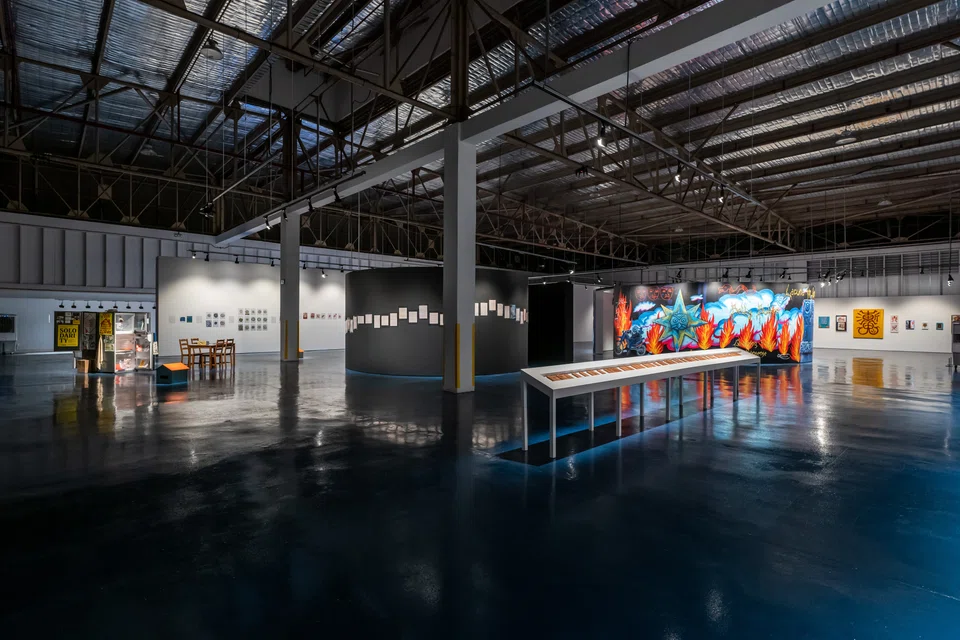
THE seventh Singapore Biennale is complex, sprawling, ambitious, globally-plugged and community-conscious – but it mostly lacks the kind of visual spectacle that would draw visitors who are less accustomed to the ways of contemporary art. At times, it feels like a curator’s show for other curators, artists and academics.
Some works brim with ideas, strategies and possibilities on paper, but the manifestations of these ideas are less striking in the flesh. Other works are politically potent and germane to contemporary discourses, but engaging with them may depend on the visitor being up-to-date with the issues.
The Singapore Biennale 2022 is – in short – challenging for a layperson, with not many simple pleasures to be had.
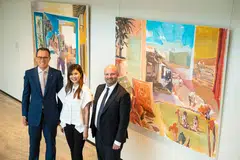
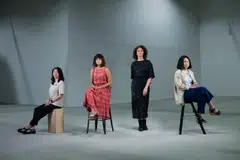
The biennale is curated by Bina Choi, a South Korean working in Utrecht; Nida Ghouse, an Indian based in Berlin; Ala Younis, a Kuwait-born curator living in Amman; and Singapore’s own June Yap from the biennale’s organising institution Singapore Art Museum (SAM).
The highly cosmopolitan mix reflects the broad selection of works that goes beyond previous editions’ focus on Asian art.
Months earlier, the all-women team decided to name the biennale “Natasha” instead of giving it a conventional title.
When the name drew an outcry from some quarters for its Russian origins, the curators stood by their decision. They stated that “Natasha” is a transnational name and merely a starting point for the various narratives that the biennale wanted to spin – a kind of friendly companion to walk you through these different worlds.
But looking at the multifarious ideas that populate the show opening on Sunday (Oct 16), the name “Natasha” feels entirely moot: The show’s amoeba-like structure and format defy any kind of categorisation.
Notable works
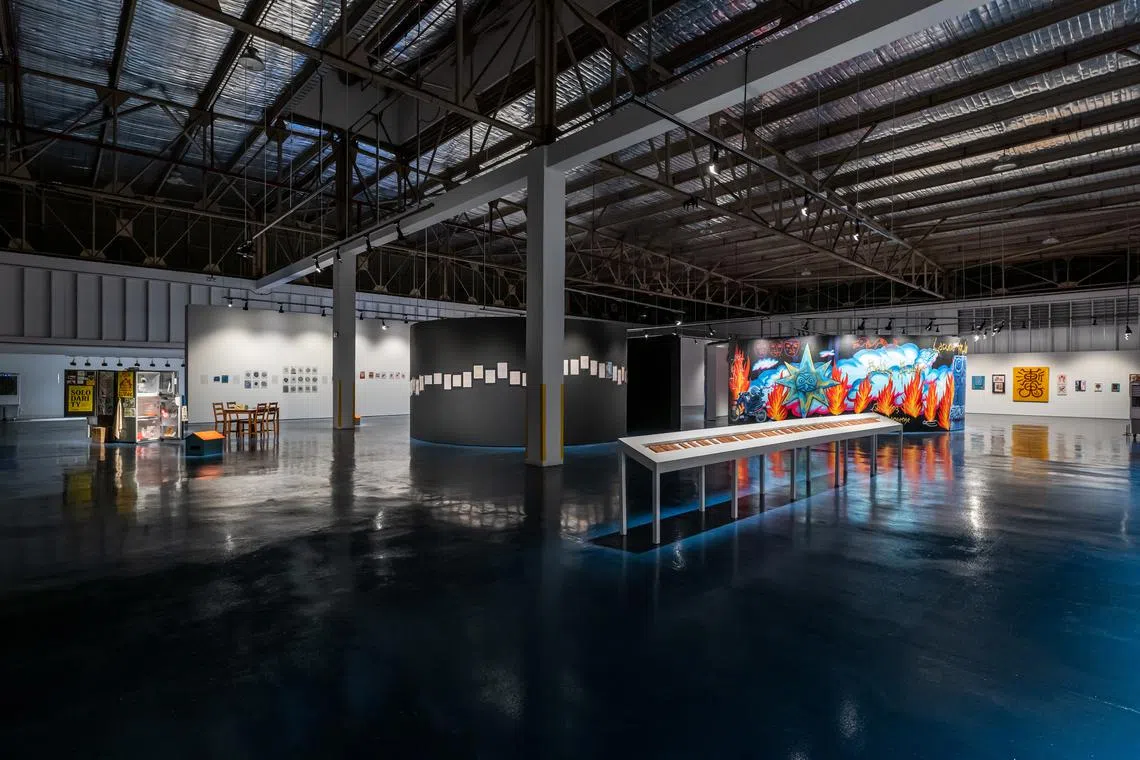
There are works by over 50 artists in 13 locations, including two offshore islands that require a ferry ride to reach. But the hub of activities is Tanjong Pagar Distripark, a port warehouse complex whose cavernous spaces are perfect for the display of art. This is the place to start your journey.
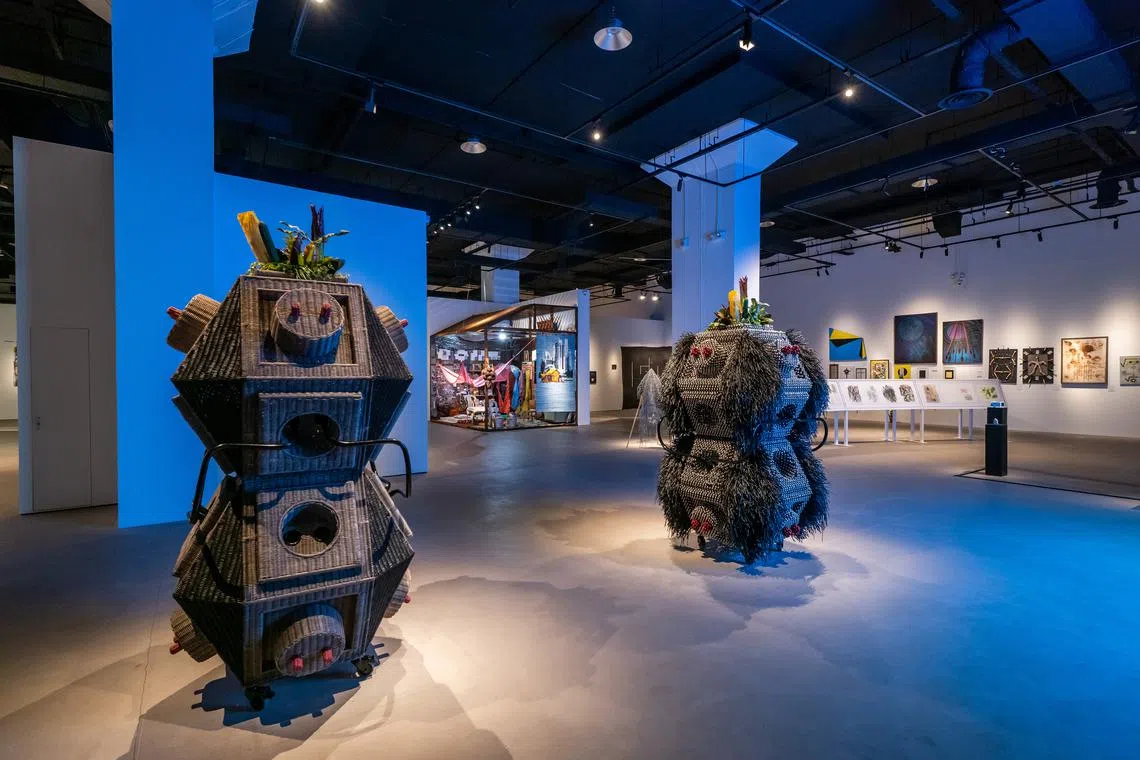
On the first floor of Block 39, you will find two captivating robot-like sculptures made from artificial straw by South Korean superstar Haegue Yang. The robots can move and produce bell-like sounds that recall traditional spiritual music.
Through the work, Yang has collapsed the binaries between the natural versus artificial, past versus future, and science versus spirituality, to show that all can be encompassed within our lives.
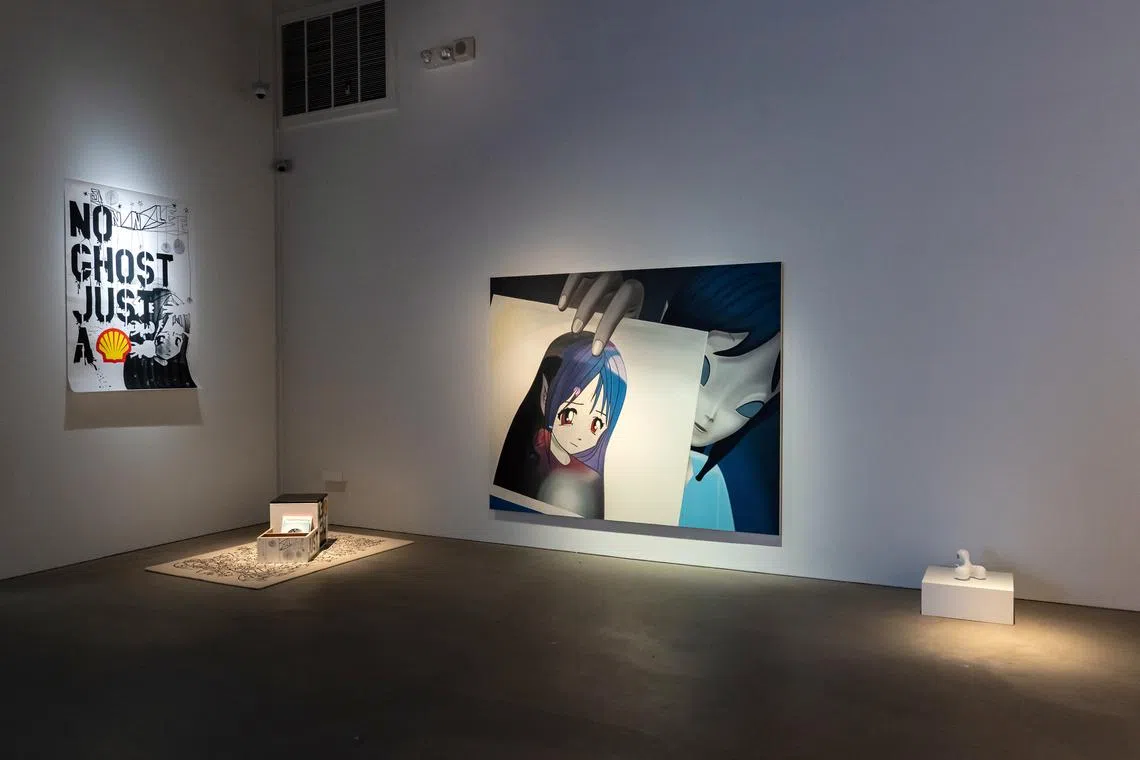
Another work involving big names is Pierre Huyghe and Philipe Parreno’s No Ghost Just A Shell (a play on the title of the famous anime movie Ghost In The Shell).
The two had invited top artists, including Angela Bulloch and Liam Gillick, to create works starring an original virtual avatar named AnnLee. The artists invented a series of narratives in various mediums, including sculpture, paintings, poster and film, to bring the avatar to life.
The multipart work has been exhibited around the world.
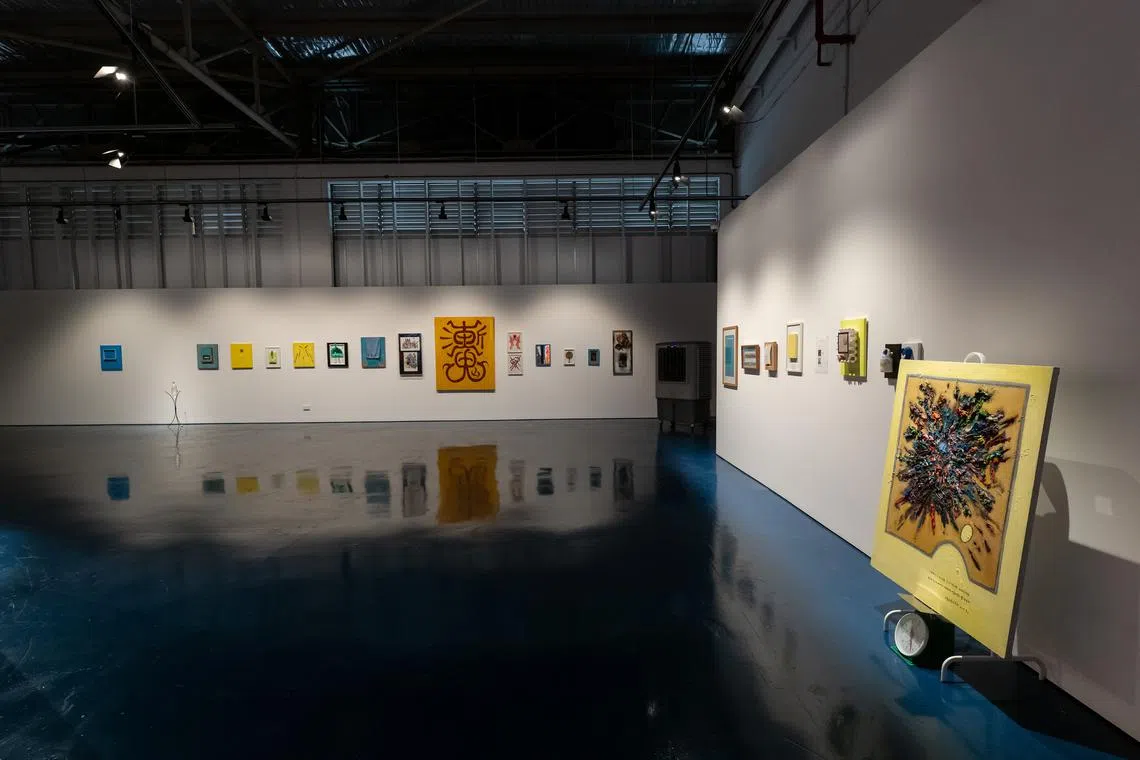
Other notable figures in the biennale include Joo Jae-hwan, a historically significant South Korean artist who creates beautiful bricolage paintings to comment on the social and political issues of his country.
There are over 40 artworks here, allowing the visitor to gain valuable insight into his perspective and practice of using non-traditional materials.
Less well-known but rather promising is Kanitha Tith from Cambodia. The young artist has two sets of works here: the first is a large hut filled with everyday objects and personal belongings that suggest a life filled with love and compassion despite material impoverishment; the second is a series of intriguing wire sculptures and paintings that evoke yearning and expectation.
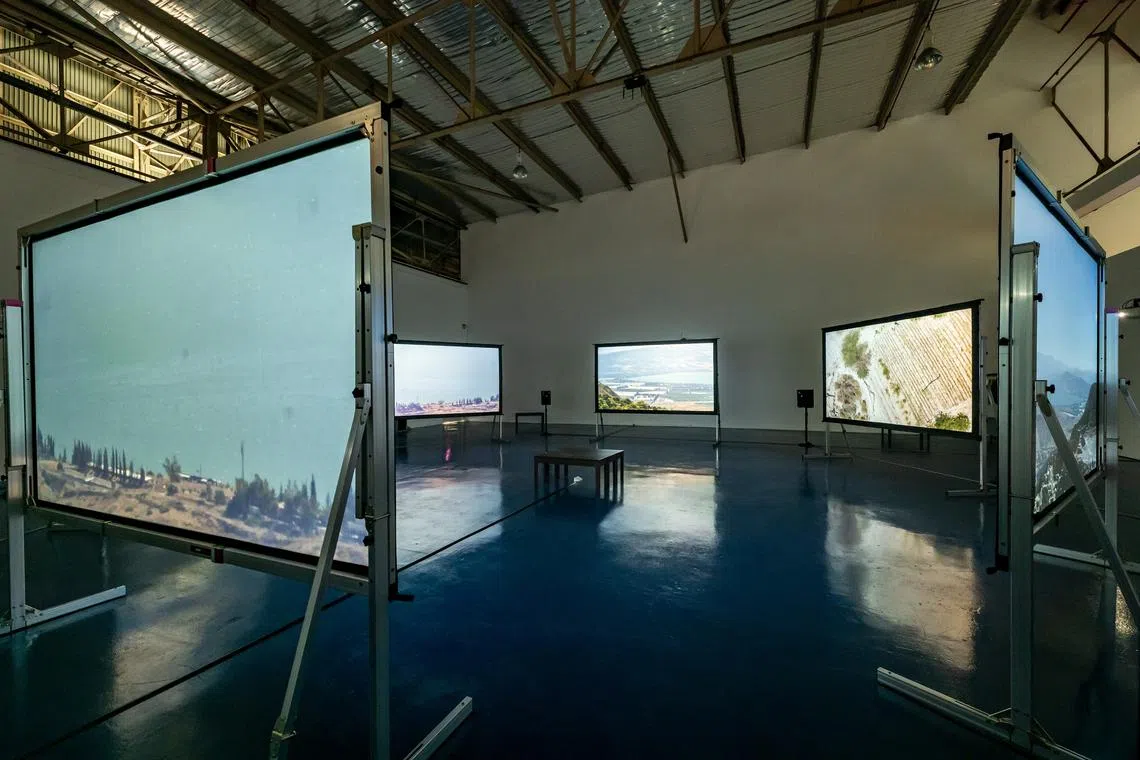
The main exhibition continues on the fifth floor: One of the best works here is a six-channel video installation by Singapore artist Ong Kian Peng titled The Viscous Sea.
Ong had an artist residency with arts centre Darat al Funun in Jordan, where he spent his time capturing on video the tragic state of the Dead Sea, once a beautiful and mythical salt lake now reduced to being an environmental catastrophe.
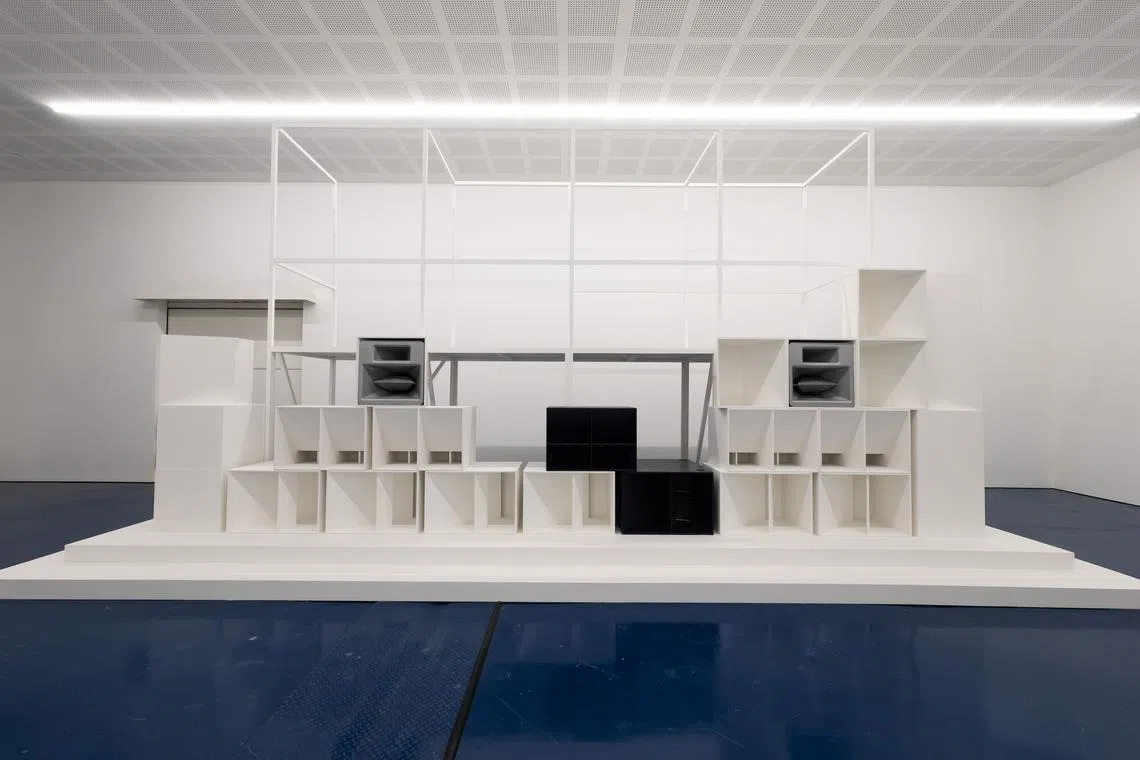
Elsewhere, the accomplished Turkish artist and musician Cevdet Erek has assembled one of very few showstoppers in the biennale – a large black-and-white architectural installation with sound.
The work is inspired by the Great Altar of Pergamon, a site of the great battle between gods and giants in Greek mythology.
Its imposing structure, however, makes one wish there were more of such monumental works in this biennale.
Farther afield
Beyond the Tanjong Pagar Distripark are 12 other biennale locations around the island, including the Southern Islands, regional libraries, Yan Kit Playfield, International Plaza, Singapore Flyer and 22 Orchard Road.
For all the hype over the biennale extending its locations to the Southern Islands, however, these turned out to be disappointing.
Typically, works that require art lovers to travel some distance away from the hub tend to be large, sprawling and best viewed out in the open.
But at Sentosa Cove, the main attraction is a shipping container featuring small artworks and publications by Hawaiian artists Maile Meyer and Drew Kahu’aina Broderick.
At Lazarus and St John’s Island, the works are mostly medium-sized and contained; they would have fit perfectly in a gallery space without the need of a ferry ride just to see them.
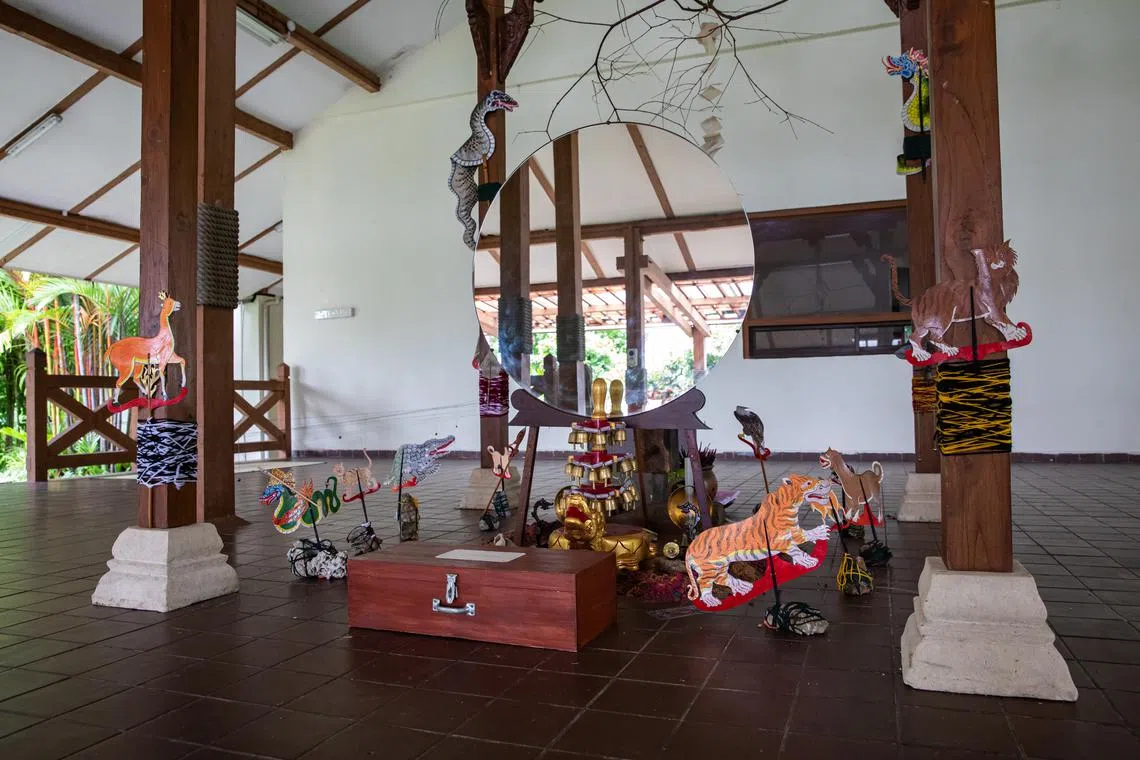
The best work on these offshore islands is Zarina Muhammad’s series of installation and activations titled Moving Earth, Crossing Water, Eating Soil.
Zarina has long been interested in magico-religious belief systems and ancient ritualistic practices. Here, she has assembled a Malay geomantic compass that serves as an amulet to protect the island and its visitors.
Nearby, she has also constructed several wind-activated musical instruments that produce sounds like the bamboo-based angklung.
A highly-anticipated work that has yet to be unveiled is the multi-location, multi-authored project by AWKNDAFFR (pronounced “A Weekend Affair”), a duo comprising Wayne Lim and Soh Kay Min.
The project sees them collaborating with other artists to initiate public interventions at various locations and help us gain a different perspective of our surroundings.
Details will be revealed on the Singapore Biennale website later, but the work promises to be alive, topical and shape-shifting – emblematic of the kind of works favoured by the biennale’s curators.
Overall, this edition of biennale lacks the kind of monumental showstoppers one has come to expect from such events. But there is a ferment of highly-charged ideas and energies that would hopefully make up for that absence.
The Singapore Biennale opens to the public on Sunday (Oct 16). Visit singaporebiennale.org for more information.
Decoding Asia newsletter: your guide to navigating Asia in a new global order. Sign up here to get Decoding Asia newsletter. Delivered to your inbox. Free.
Copyright SPH Media. All rights reserved.
TRENDING NOW

Knight Frank’s Tan Tee Khoon leaves firm, Nicholas Keong takes over auction business
Keppel Energy, Sembcorp Utilities and Tuas Power to supply biomethane in pilot project

GovTech retrenches another 38 staff in second round of layoffs
Take-up of new private homes dives 45% in Q3 as prices accelerate with 1.4% rise

