Lifestyles of affluent seniors: how they are living it up
Forget the stereotype of uncles hanging out over beers at neighbourhood coffee shops
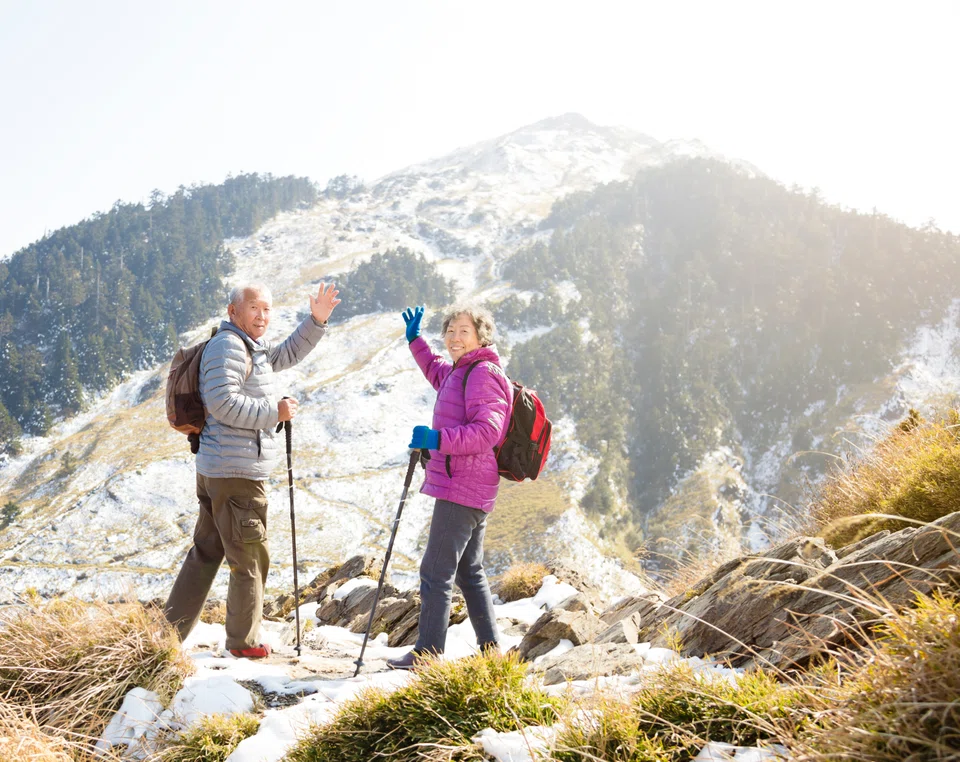
Will you still need me, will you still feed me
When I’m sixty-four…
THE concern about being old and frail as raised in the lyrics of that Beatles’ song is indeed real for many. Health Minister Ong Ye Kung said in April that ageing is the biggest social transformation in Singapore for this generation.
The nation became an aged society in 2017. In three years, it’s set to attain “super-aged” status. And by 2030, one in four citizens will be aged 65 and above, up from one in six now.
The United Nations defines a country as “ageing” if the proportion of its population aged 65 and above crosses 7 per cent. It is “aged” if the proportion exceeds 14 per cent, and “super-aged” when it reaches 21 per cent.
For well-heeled seniors in Singapore, however, living their (remaining) life to the fullest is the aim – and they have the means to do so.
The Savills Prime of Life Residential Index indicates that nearly half, or 48 per cent, of Singapore’s affluent population will be aged 50 and above by 2033.
“As nations advance, older people tend to accumulate wealth,” says Savills, noting the global trend towards lower birth rates and increasing life expectancy. “There’s a correlation between better health, fewer children and rising incomes. Populations that are getting older also tend to be getting wealthier.”
So, who are these seniors with high disposable incomes and what do they want?


Have money will travel
Jess Yap, co-founder of Intriq Journey, says clients who join its luxury Intriq Finesse small-group journeys for silver travellers are frequent flyers with adventurous spirits who prefer destinations not visited by mainstream tourists. They also have a taste for luxury accommodation, unique experiences and personalised itineraries.
“They appreciate fine dining and indulge in gourmet experiences, so they seek out restaurants with renowned chefs, exclusive dining experiences and opportunities to savour diverse culinary delights,” says Yap, noting that they like exploring local cultures and engaging in soft adventures.
These clients are typically in their 60s to late 70s, for whom recreation often involves golfing, yachting and collecting rare art and antiques. “Most of them are retirees enjoying the fruits of their labour from successful careers in business, in C-suites or as professionals in fields like medicine, law and banking.”

To cater to the unique needs of discerning silver travellers, Intriq Finesse trips are fully inclusive and include a dedicated 24/7 concierge service, so guests can enjoy a hassle-free journey. The average cost of an Intriq Finesse experience ranges from S$6,880 to S$18,580 per person.
“Many of them travel once every two months,” says Yap, adding that they meticulously plan their travel itineraries well in advance. “Our 2024 calendar is already brimming with reservations from these enthusiastic globetrotters.”
Many silver travellers are highly sociable and love engaging in conversations during their travels, so they are more open to connecting with fellow travellers and locals. “Compared to younger travellers, they have a more relaxed pace with fewer time constraints; they are hence more patient and flexible when it comes to fulfilling their travel demands – but they are no less demanding!”
They are also known to be more generous with tipping.
Health and wellness
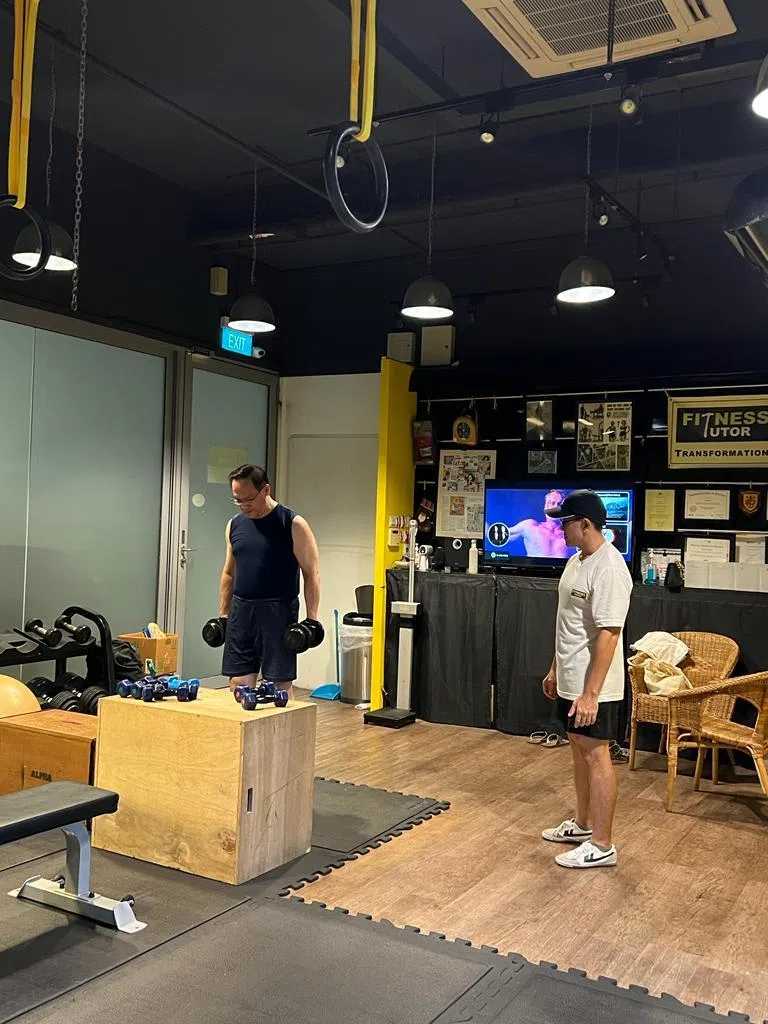
Paul Kuck, founder of Fitness Tutor and a medical personal trainer focused on helping the middle-aged and seniors, says living the high life is a “been there, done that” for many of his clients.
What most of them really want is to live and feel healthier, enjoy more social activities with friends, pass the baton to the next generation and try new things.
“My clients wear many hats and are achievers,” says Kuck, whose oldest clients are in their 80s. “Without a healthy body, they cannot fulfil their duties to the best of their abilities.”
Specifically, some of their goals are to stay fit to see their kids grow up and to exercise, so they can enjoy their food and have a better quality of life for as long as possible. They also want to perform their best at work.
Kuck’s training programme, which claims to reverse biological age, is customised to the client’s fitness level and designed to work on different fitness components simultaneously. The programme is combined with nutrition advice and lifestyle changes to help prevent and treat chronic lifestyle diseases often related to ageing.
Over at Regenosis, a geroscience biotechnology company focused on developing regenerative medicine and anti-ageing treatments, clients are those who desire to maintain the active lifestyles they used to lead.
“They come to us wanting increased energy levels to pursue their passions, be it work, spending time with family or travelling,” says Regenosis founder and chief executive, Shaun Lim.
Most of the company’s clients are in their late 40s to late 50s, with a significant number being “business professionals”. Clients pay for Regenosis packages ranging from S$500 for anti-ageing supplements and tests for biological age, to S$30,000 for stem-cell therapy, with recurring payments.
Social spaces
The National Museum of Singapore (NMS), recognising the need to provide non-medical intervention that embraces social inclusion, health and well-being goals for seniors, in April became the first local museum to open a purpose-built social space for seniors. Called Reunion, it offers opportunities for cognitive engagement and social interaction, including for those who may be experiencing mild cognitive impairment or dementia.
Designed in consultation with the community, the 290-square metre Reunion features a group activity area, an immersive projection cave, a Quiet Room and music booths. Conversation is encouraged, as are activities using the museum’s collection and exhibition galleries.
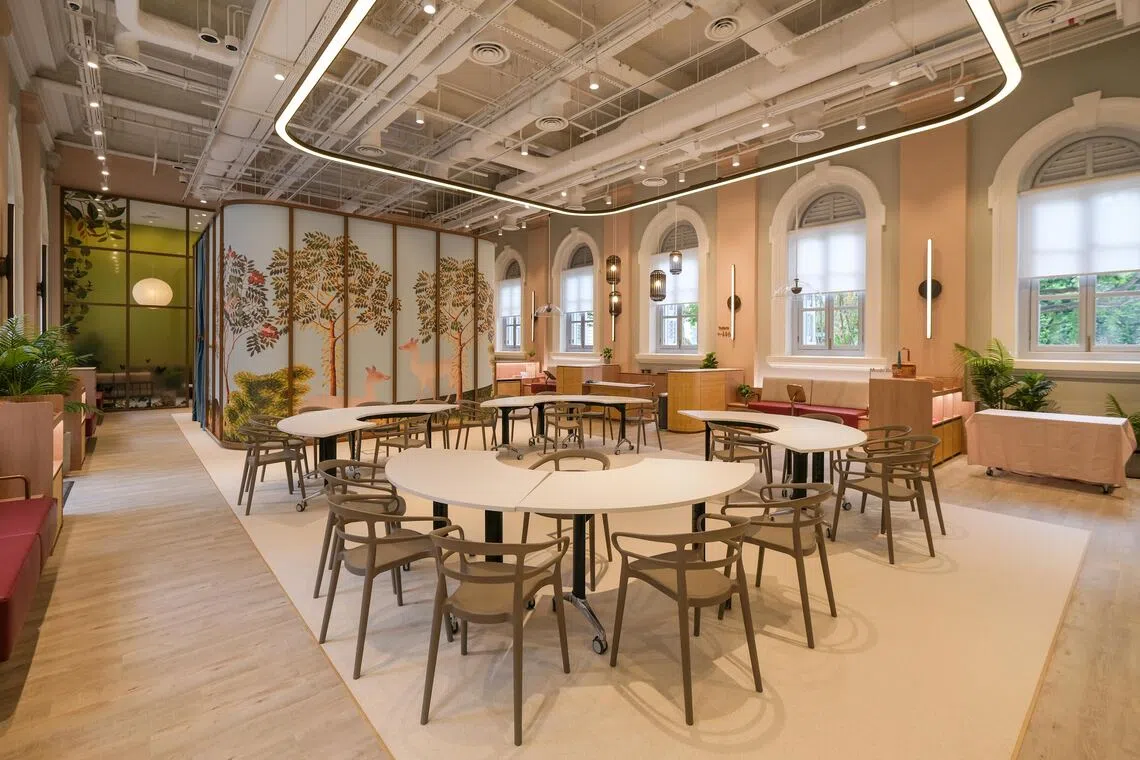
Reunion hosts senior-friendly creative workshops, drop-in activities and tours that involve hands-on involvement such as a curation of their own digital exhibitions.
“These activities are held on a regularly, to ensure that our seniors can reconnect with the past and relate their own stories and experiences with others, build relationships with old and new friends during these sessions, as well as to relax and be rejuvenated from the day-to-day routine,” says Foo Min Li, NMS’ assistant director (curatorial and programmes).
There is also a senior-friendly cafe, where visitors can chat over fresh, healthy bakes, including food suitable for those with swallowing difficulties.
NMS has received positive feedback from seniors, who find it warm and welcoming. Programmes there are either free of charge or ticketed, with an upcoming food-making workshop facilitated by its Cafe Brera for seniors, for instance, fully subscribed.
Not just any nursing home
Even with the best efforts, many seniors will eventually need nursing care. For that, the well-heeled can look to an option such as Allium Healthcare, which also offers daycare, home care and rehabilitation services.
Allium Care Suites in Venus Drive is a premium, 129-bed, four-storey facility set amid the greenery of Windsor Nature Park. Its rooms are either single or twin-sharing and offer en-suite facilities and elder-friendly ergonomics; these include fixtures and sanitary ware that encourage freedom and independence, says Bernie Poh, its chief executive officer.
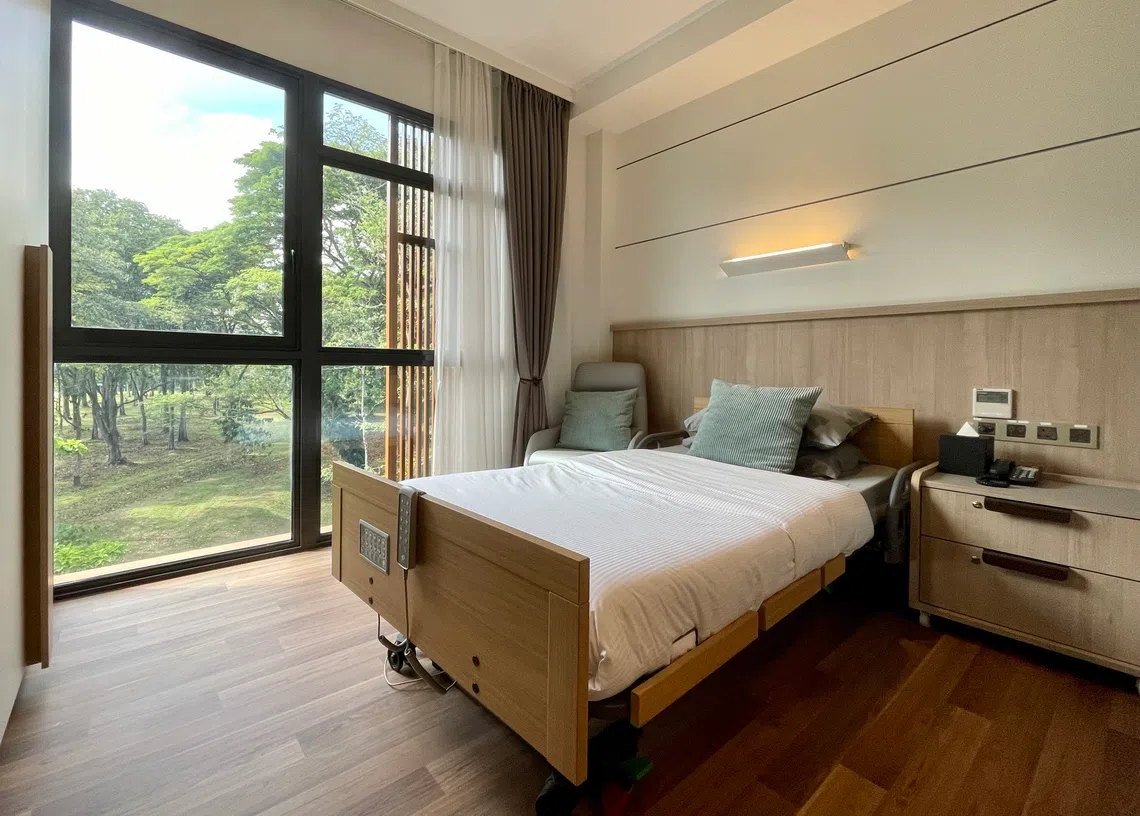
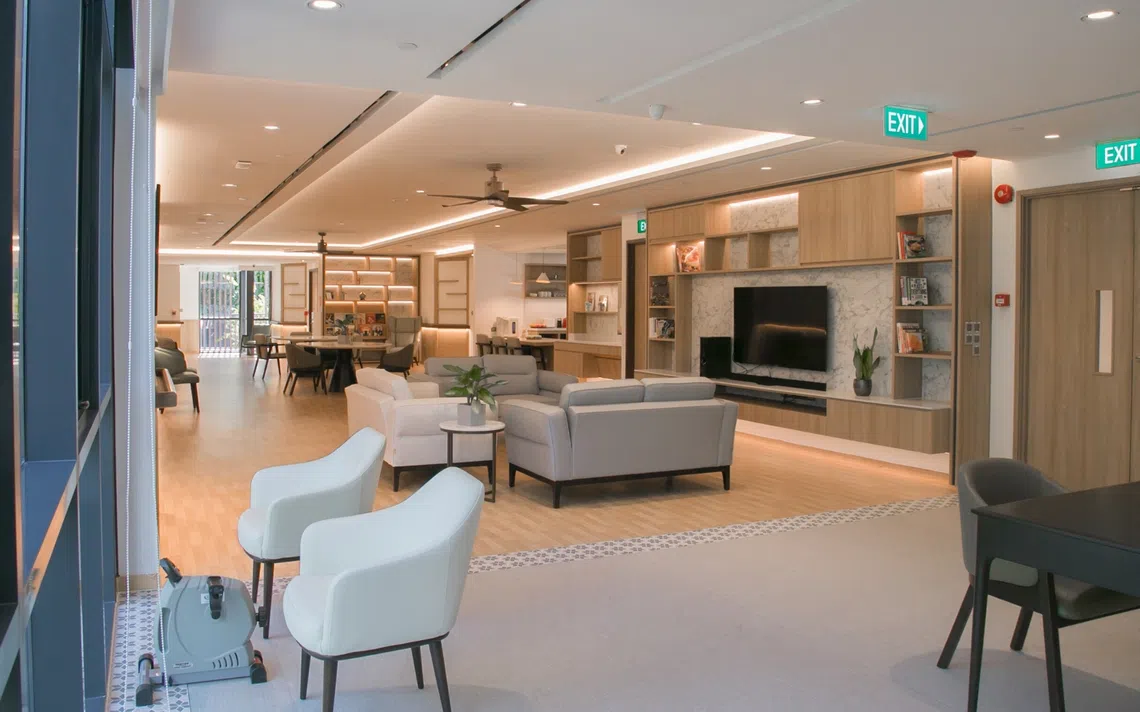
Air-conditioning, Wi-Fi, digital TV service and care concierges come with every suite. Services include meals, housekeeping, basic clinical management, allied health-care and recreational activities. Among its facilities are a wellness studio, clinic and consultation room, outdoor garden, lifestyle salon, hydrotherapy pool and rooftop terrace.
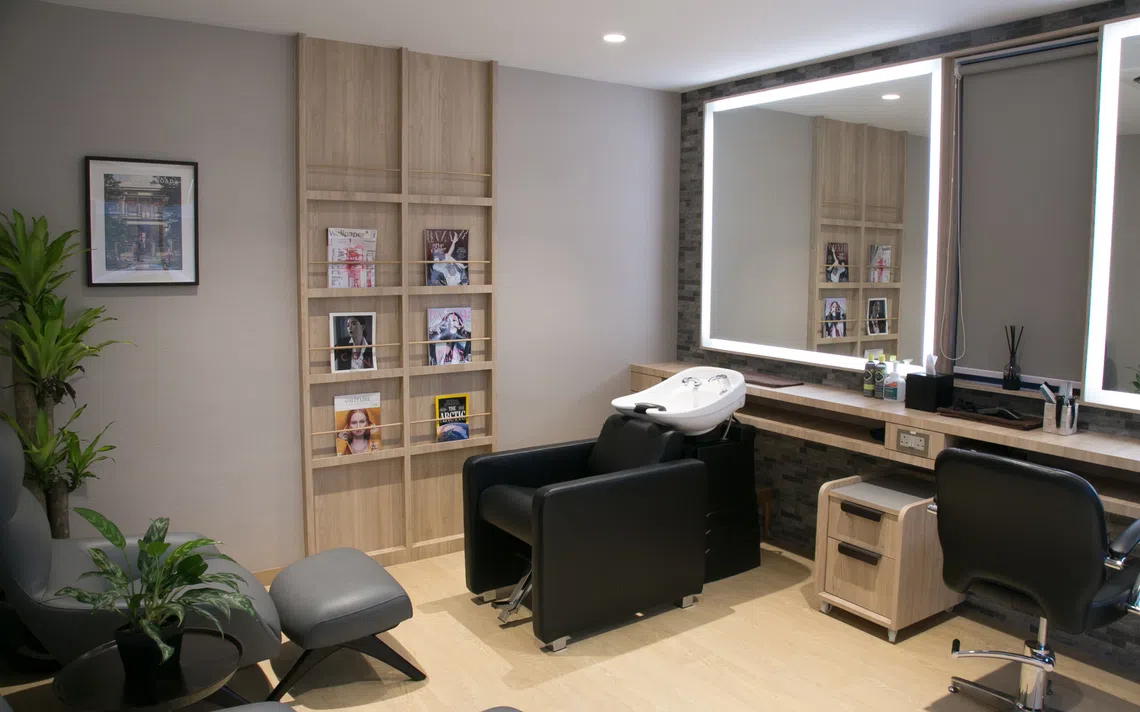
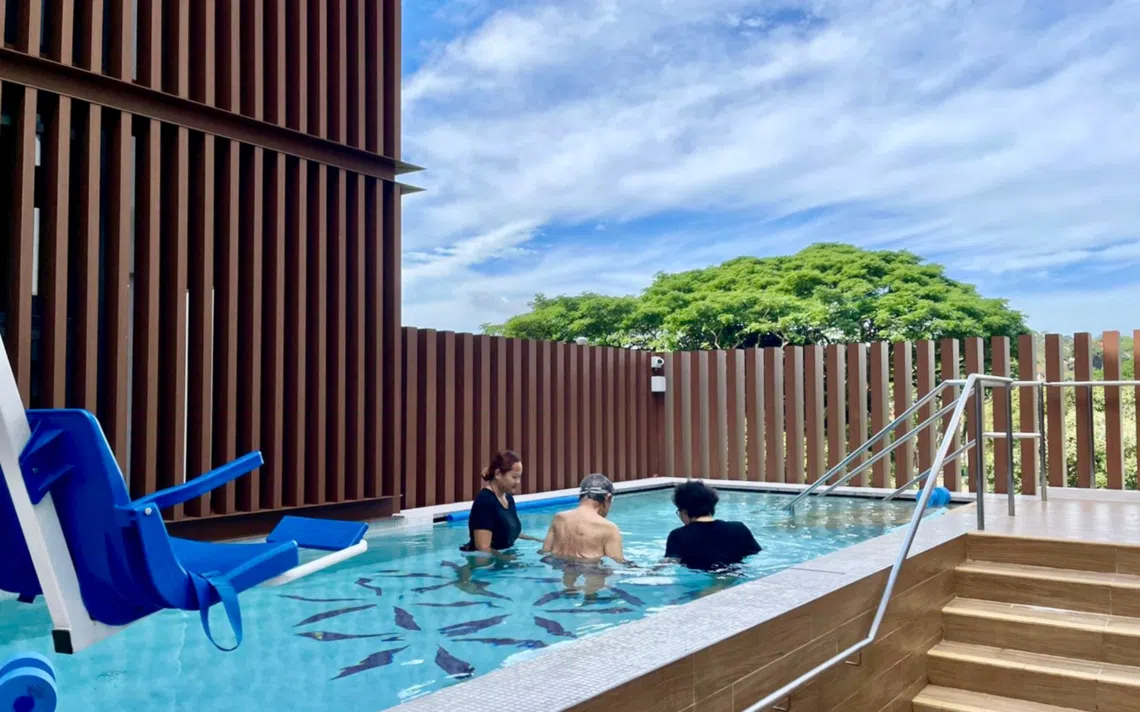
Daily rates for accommodation range between S$190 and S$495, with additional fees chargeable for personal, medical and nursing care. Someone who opts for the complete package, including all available amenities, can expect to pay S$7,200 a month onwards.
Still, Allium’s occupancy is currently at over 80 per cent.
Among other reasons, individuals choose Allium because of their “shared desire for privacy and dignity of choice”, says Poh.
How to better serve them
From what Fitness Tutor’s Kuck gathers, the priority for well-heeled seniors is to see their children and grandchildren grow up and to not be a burden to others.
“Many will eventually live alone some or most of the time,” says Kuck. “They most probably would want to live in their own home as age progresses.”
So businesses should try to meet these various needs, from physical ones such as safety features at home, storage solutions, transportation and cleaning, security and emergency services, to mental and emotional ones such as counselling and social services.
To attune themselves to the higher aspirations of well-heeled seniors, businesses ought to provide personalised experiences and address the unique needs of seniors with empathy and respect, says Allium’s Poh. They can also foster community engagement through events, clubs and classes that promote social connection; they also design physical spaces, products, and services with accessibility in mind.
Senior-friendly products and services should also be developed for an active and fulfilling lifestyle, and elder-friendly technology that enhances convenience and accessibility embraced.
Clues from social media
A new report by audience research company GWI on social media usage sheds more light on how to reach the well-heeled silver generation. It shows that while Gen Z and millennials in Singapore have shown signs of hitting a ceiling with their social media usage, baby boomers (those born in 1946 to 1964) have increased their average daily use of social media by 33 per cent in three years (since Q1 2020).
The top platform for boomers is WhatsApp, followed by Facebook, with 25 per cent of them tuning in to live streams.
“We also observe rapid adoption of TikTok among this generation, with daily users experiencing a staggering 47 per cent year-on-year (Q1 2023 versus Q1 2022) increase,” says Sun Jo Ling, GWI’s senior trends analyst.
Boomers’ engagement with both social media and the mobile have continued to grow since the pandemic – demonstrating just how sticky their digital behaviours have become.
GWI’s data shows that boomers are open to discovering new brands and products through ads across various channels. They are also less likely to avoid all types of advertising, with only a minority (16 per cent) actively resisting advertising. Many boomers still describe themselves as confident (42 per cent) or adventurous (28 per cent).
“However, they may feel that advertising portrays them in a stereotypical or negative manner, perpetuating ageist attitudes,” says Sun. “Stereotypical ageist portrayals can alienate them and fail to resonate with their actual lifestyles and how they see themselves.”
Based on these findings, brands and businesses should focus on building trust and fostering a sense of belonging when marketing to boomers.
“Beyond simply incorporating older influencers in their advertising, brands need to showcase an understanding of the demographic’s underlying needs and motivations, and tailor their messaging to address that.”
Decoding Asia newsletter: your guide to navigating Asia in a new global order. Sign up here to get Decoding Asia newsletter. Delivered to your inbox. Free.
Copyright SPH Media. All rights reserved.