

The Singapore luxury handbag label that’s been quietly gaining fans among royalty and high society
Ling Fu’s handbags have built a fan base through word-of-mouth
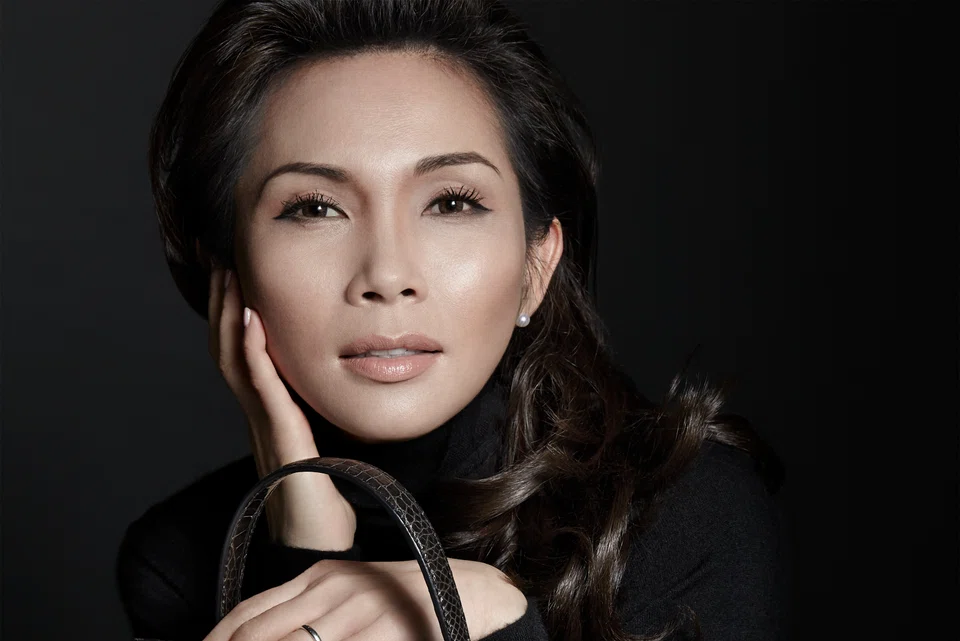
WHAT do you do when coveted handbags from a luxury brand that you like take too long to land?
For Ling Fu, she decided to make her own – in crocodile leather, no less.
“The process was painful,” she says of her experience buying sought-after handbags. “It’s a game, you know.”
She started Llora in 2015. Previously carried at the now-defunct Barneys in the United States and Selfridges in London, the brand is now available at Harrods and the Raffles Hotel shopping arcade – the label’s first standalone boutique which opened in August last year. Fu’s husband, well-known architect Chan Soo Khian of SCDA Architects, designed the 1,300 square foot space.
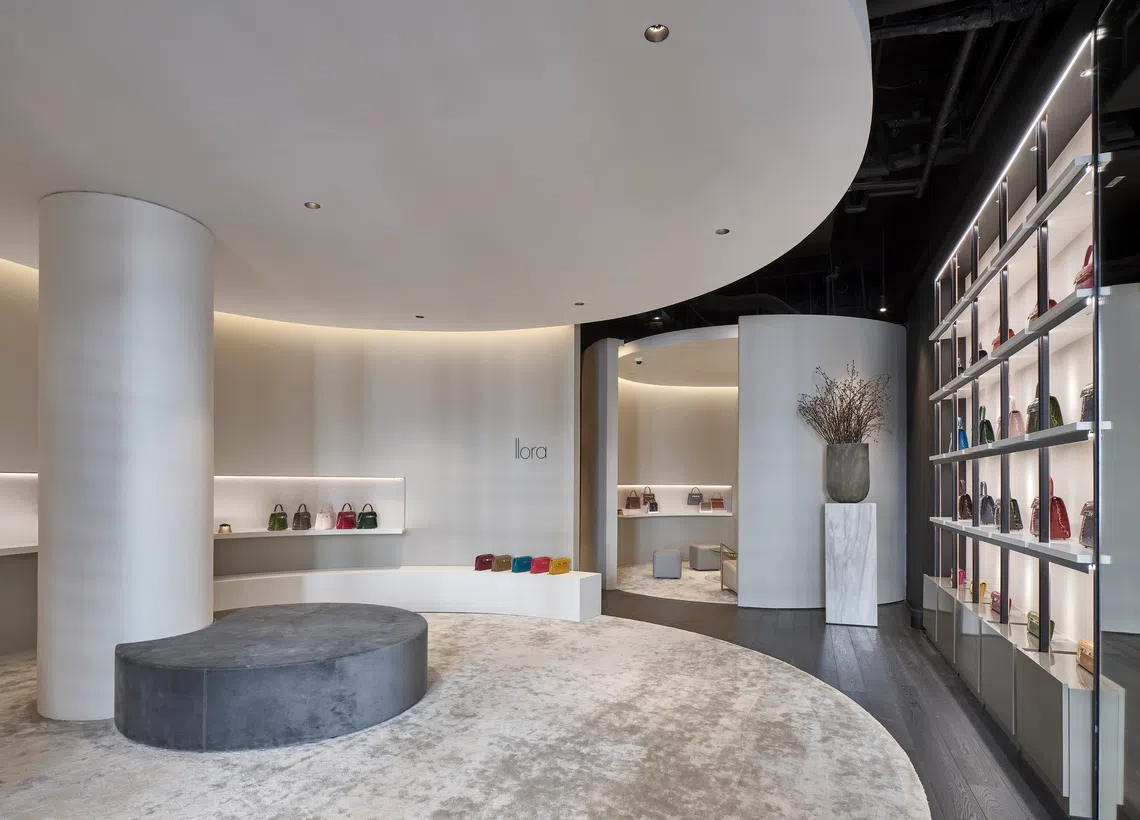
Llora mostly stayed under the media radar over the years, but built a fan base through word of mouth. Today, the handbags are hanging off the arms of women ranging from royalty and high-society ladies to professionals.
I’ll make it myself
Born in Indonesia, educated in the US and based in Singapore for the last two decades, Fu, who studied accountancy, is not new to design. She was a furniture designer with her own production facilities in Indonesia. Like with her handbag label, she had started designing furniture because it was hard to get what she wanted.
“If I cannot get something, I’ll try to think of a way to make it myself,” she says, laughing. It helps that apart from a keen interest in design, she is also attentive to how things are conceptualised.
She built her business from a group of seven artisans from Bandung, to one with 250 workers. Along the way, she learnt about period design and materials, and picked up marquetry from a British craftsman who specialised in Regency reproductions in London.
Fu moved to Singapore in 2004 and sold the business in 2019.

What matters
With Llora, she wanted to design and produce bags that she personally desires, with attention to details that matter to her.
“I felt I could apply my experience in design and my belief in what works and what doesn’t into my handbags,” she says. “The difference is in how you make them.”
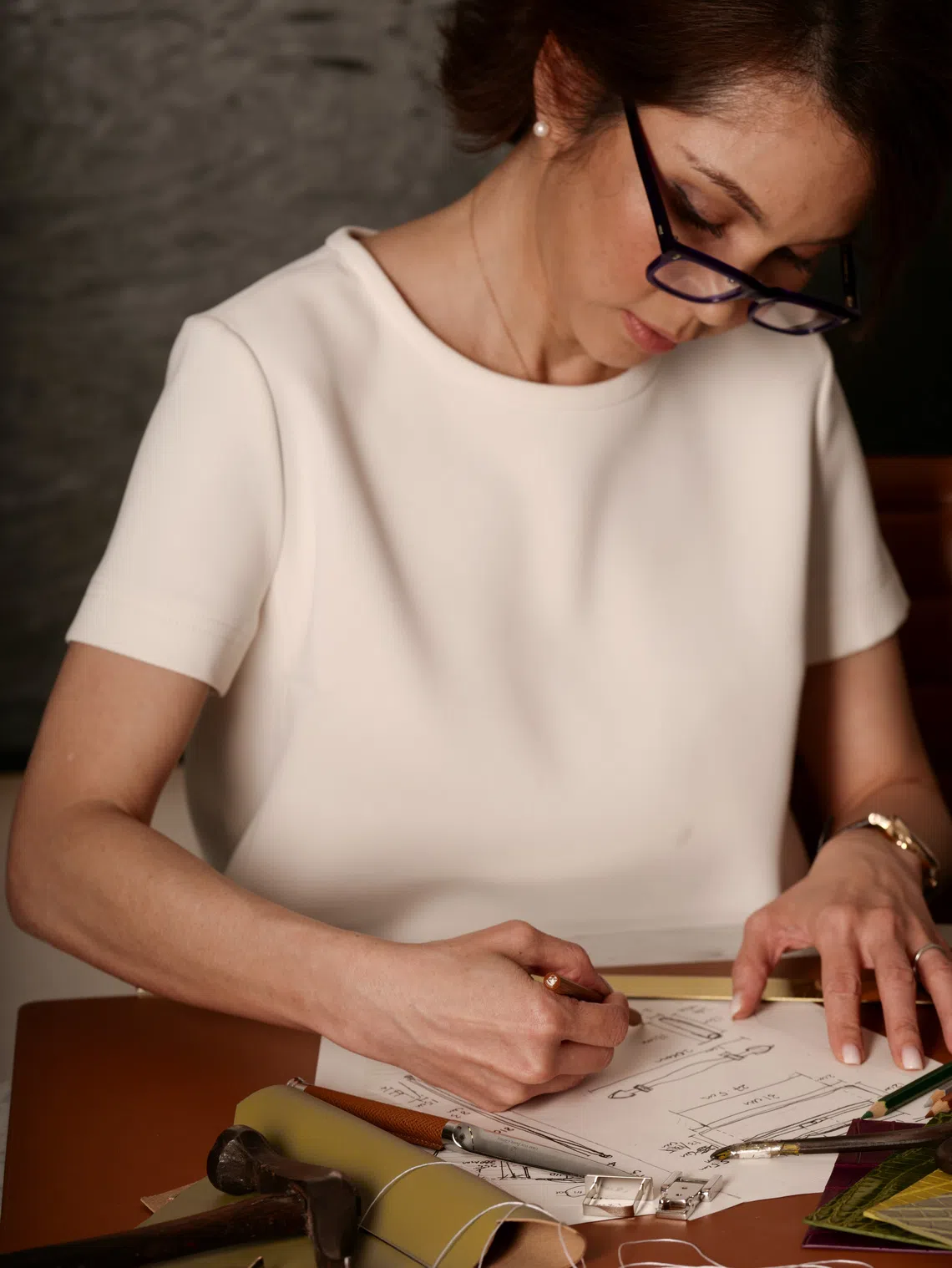
Not one to do things in half-measures, she started by looking carefully into crocodile skin in 2013, and also learned leather working and handbag-making from craftsmen in Italy.
Fu wanted a structured handbag because “a well-proportioned and structured bag is timeless and makes a woman look very elegant”. The bags also had to be easy to use, free of unnecessary embellishments and can be carried without any discomfort.
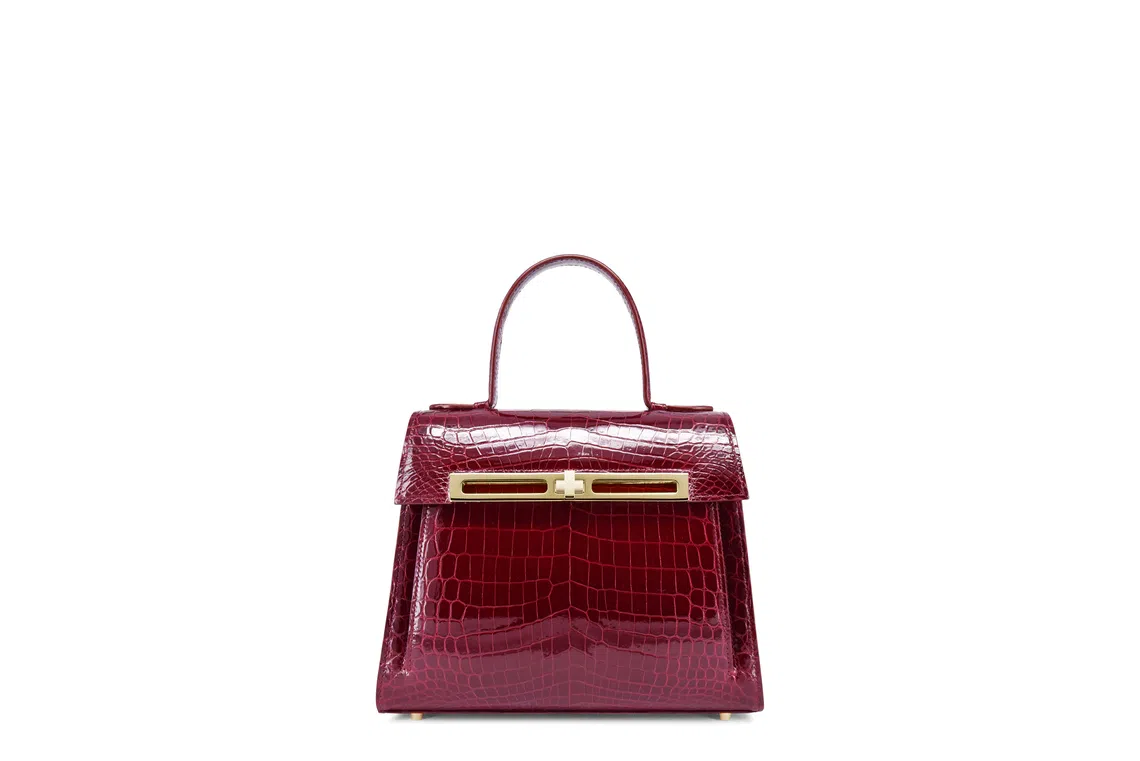
She designed her own hardware, which she patented. The distinct, long horizontal bar she created is made in Italy by the same factories that produce them for big luxury brands. However, she insisted that the galvanisation, or metal coating, is thicker than that of the top brands’.
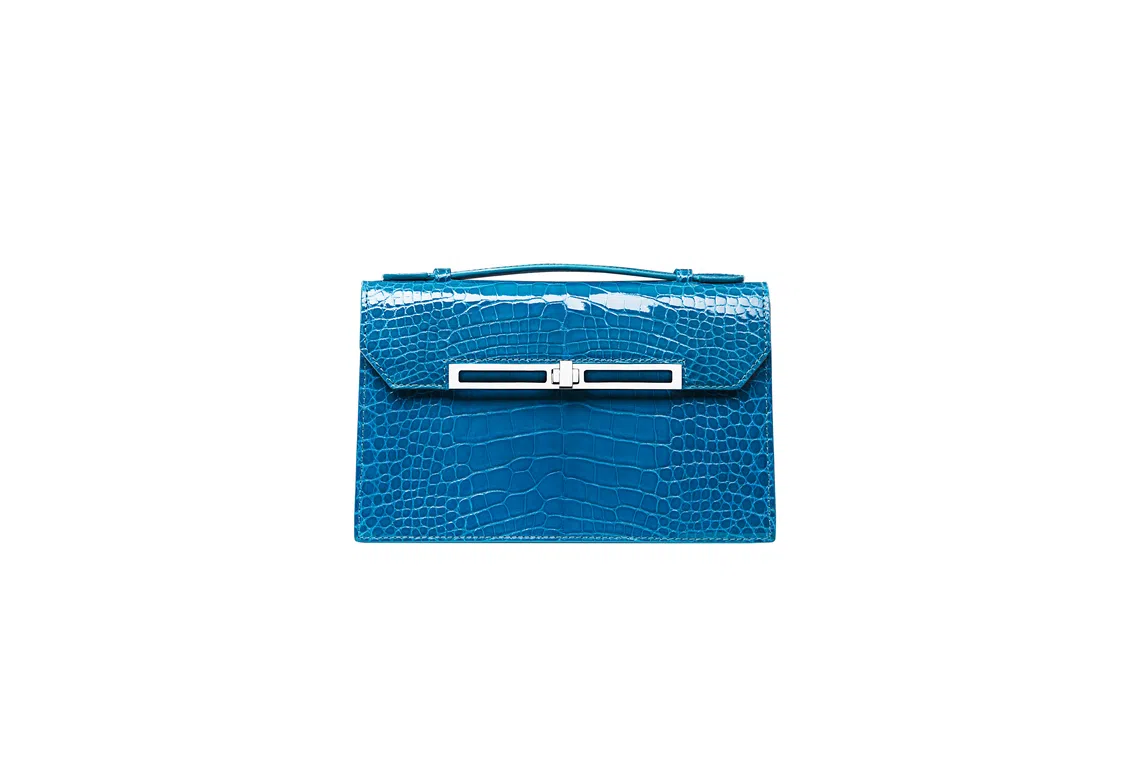
“Because the skin is so precious, the bag design has to be timeless, and you’d want the hardware to last as long as the skin,” she says.
Some of her bags feature a long bar of semi-precious stones like jasper, malachite, sodalite or carnelian, which were cut and polished by the same Florentine workshop used by Dior, Hermes and Bulgari.
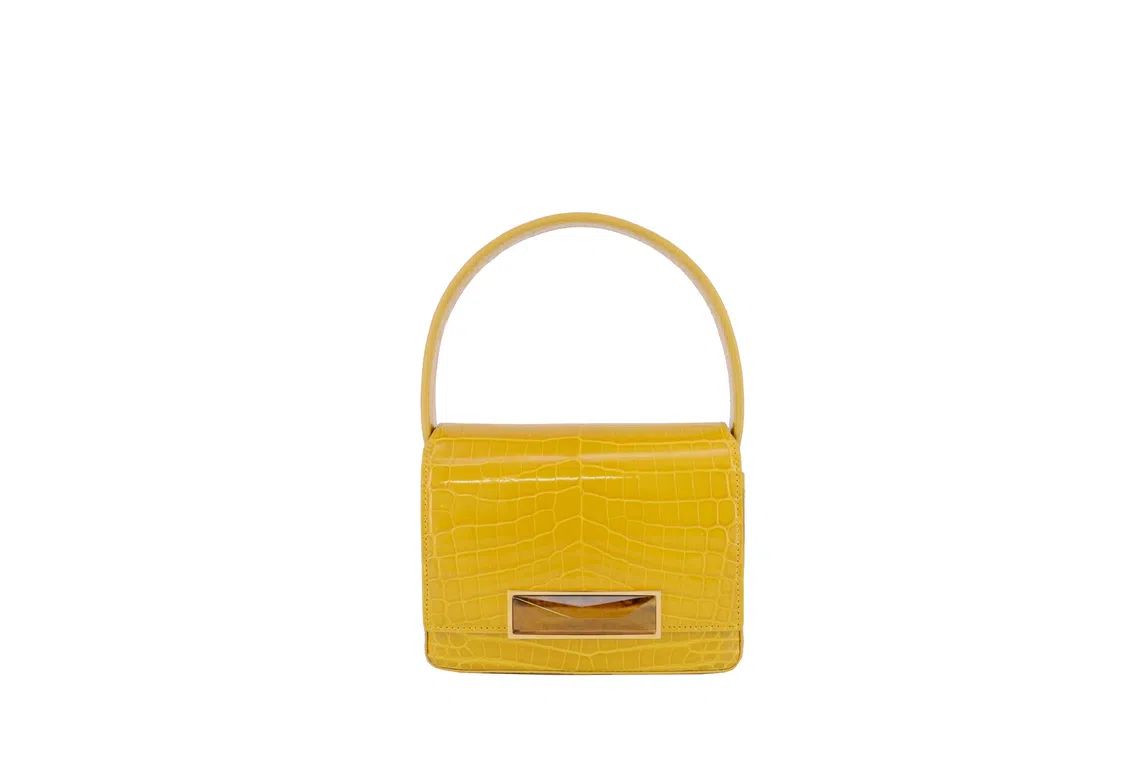
Responsibly sourced skins procured from the LVMH and Kering groups are turned into Llora bags by original equipment manufacturers in Bologna, Milan and Florence.
Still, Fu felt the constraints of using Italian factories and wanted the flexibility to experiment with more prototypes. So she set up her own atelier in Singapore, and took almost two years to train her 15 artisans to adhere to her standard operating procedures.
The big break
Fu started by showing her bags to family and friends, before her big break in 2016. She had e-mailed the hallowed Barneys department store, which agreed to see her bags. She then flew to New York and presented some 25 handbags at a rather intimidating meeting.
“I prepared everything, but not many questions were asked,” she recalls. “I thought they were not that interested.”
But to her surprise, the next day, Barneys offered her a three-year consignment contract.
“For me, the achievement at Barneys is like one of my sons getting into a top school,” she laughs, still delighted by the thought. “Barneys was so hard to crack.”
Thereafter, Selfridges reached out to her, as did Harrods. Llora was well and truly on its way to legit luxury handbag status.
Why buy?
Llora handbags strike you as being meticulously made. And if the top-handle silhouettes remind you of Hermes’ Kelly bag, that’s because Fu has been a fan of the design since she was very young.
However, she has also sought to differentiate her offerings, guided by a clear design language that is “to the point”, her desire for functionality, and her attention to detail.
Her bags typically have a couple of interior pockets and an easy-access back pocket or a magnetic closure front pocket that doesn’t leave the bag hanging open. They are effortlessly opened and closed with a turnlock fastening, and include a small mirror in an inside pocket, as well as hidden clasps and detachable straps or chains, so they can be worn cross-body.
Since its inception, 23 designs have been launched. The bestsellers are her first bag, Savannah, as well as Emma and Sevan. Clients can choose the colour of the skin they want, as well as the bag lining.
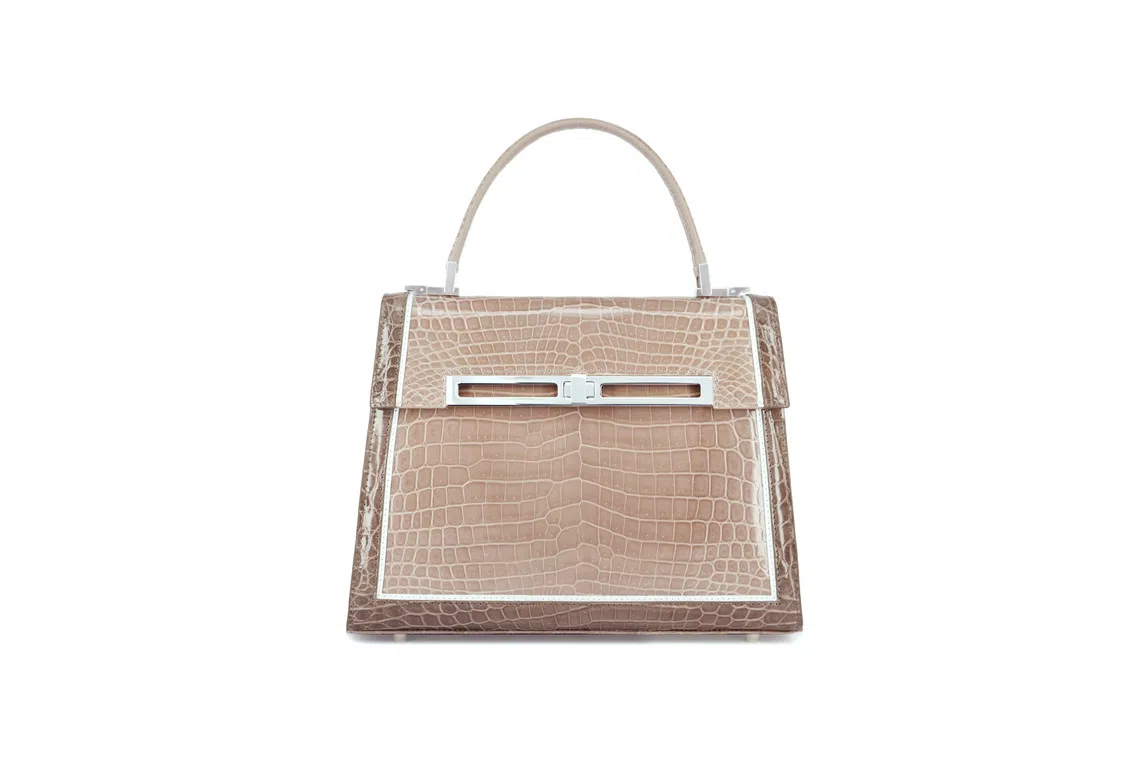
Prices generally range from S$5,000-plus to just under S$23,000. The Niloticus species of crocodile provides the leather for the smaller clutches lined with lambskin, while porosus leather is used for the larger, bespoke pieces.
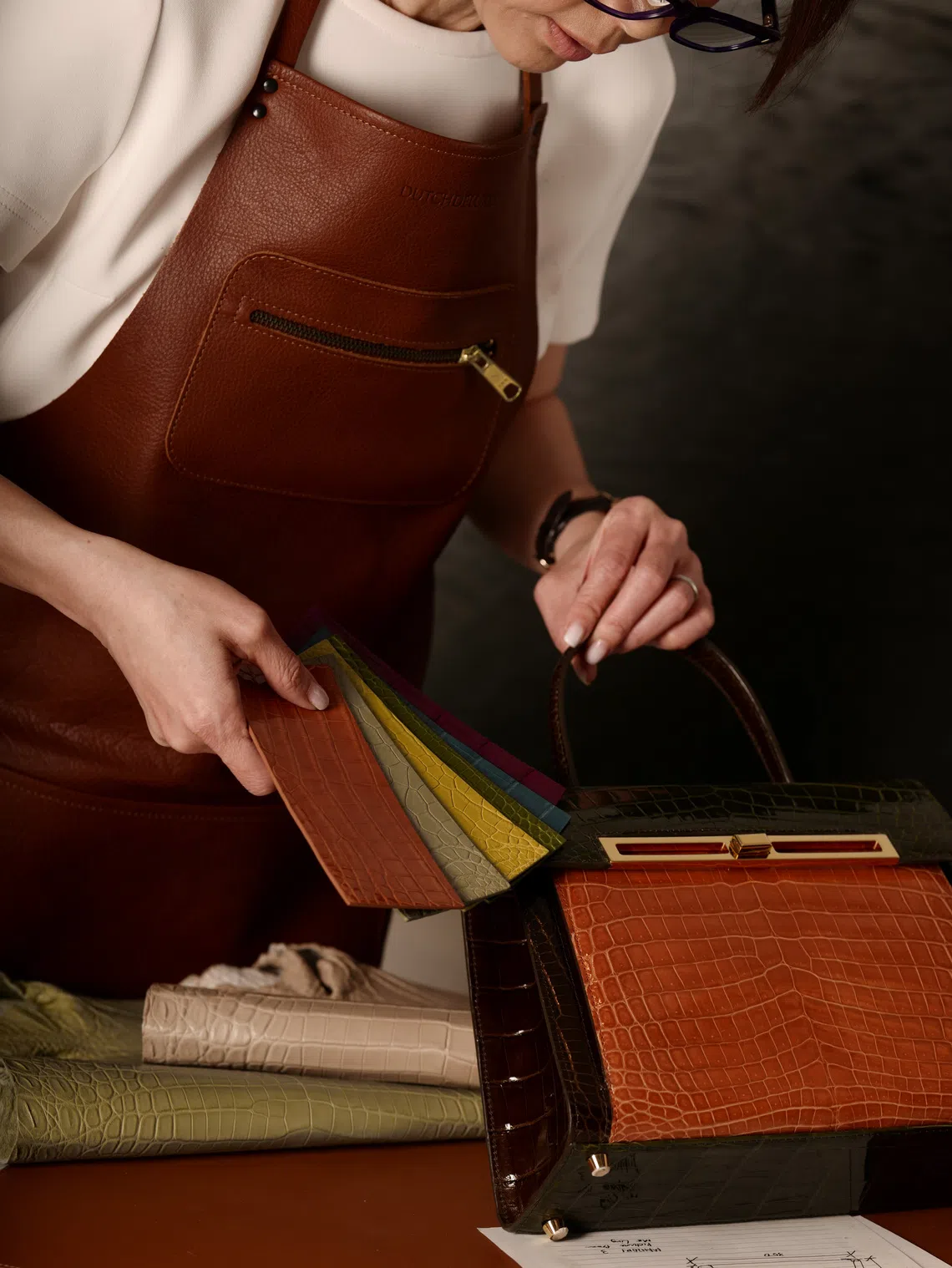
Although hers is not an easily recognisable brand, Fu says her clients “don’t need the brand to carry them, they carry the brand”. Another group who buys her bags are those “who have enough of everything and want things to complete their wardrobe for the season but don’t want to wait forever”.
“This is a very honest display,” she says of her boutique. “We don’t hide things, we don’t play that game.”
Decoding Asia newsletter: your guide to navigating Asia in a new global order. Sign up here to get Decoding Asia newsletter. Delivered to your inbox. Free.
Copyright SPH Media. All rights reserved.
TRENDING NOW

First Resources blames El Nino, outside fires for Kalimantan hotspots amid haze scrutiny

High Court rules against Julius Baer’s Singapore trust arm in US$50 million family trust dispute

Singapore key exports jump by higher-than-expected 68.4% in September, led by non-electronics

MSCI proposes downgrading Indonesia to standalone market status

