

Spending habits of the ultra-rich Chinese in Singapore
They are discerning customers of luxury and rely heavily on the recommendations of friends and trusted advisers
WHEN China announced a loosening of its tough Covid-19 restrictions in December, anticipation was high as to what the ultra-rich Chinese could be splurging on in Singapore. From retail therapy to property purchase, many were probably drooling as they worked Chinese spending into their numbers.
Of course, the big fish everyone wants to catch are the ultra-high-net-worth (UHNW) Chinese. But beyond the fact that they tend towards conspicuous consumption – as shown in a 2020 paper co-authored by Sing Tien Foo, provost’s chair professor of real estate at Business School, National University of Singapore – what else do we know about what they like, how they like it and what influences their choices?
An eye for style
For starters, these UHNW spenders – who sources say mostly come from the tech, hospitality, finance and construction industries – have very discerning and sophisticated tastes and know exactly what they want.
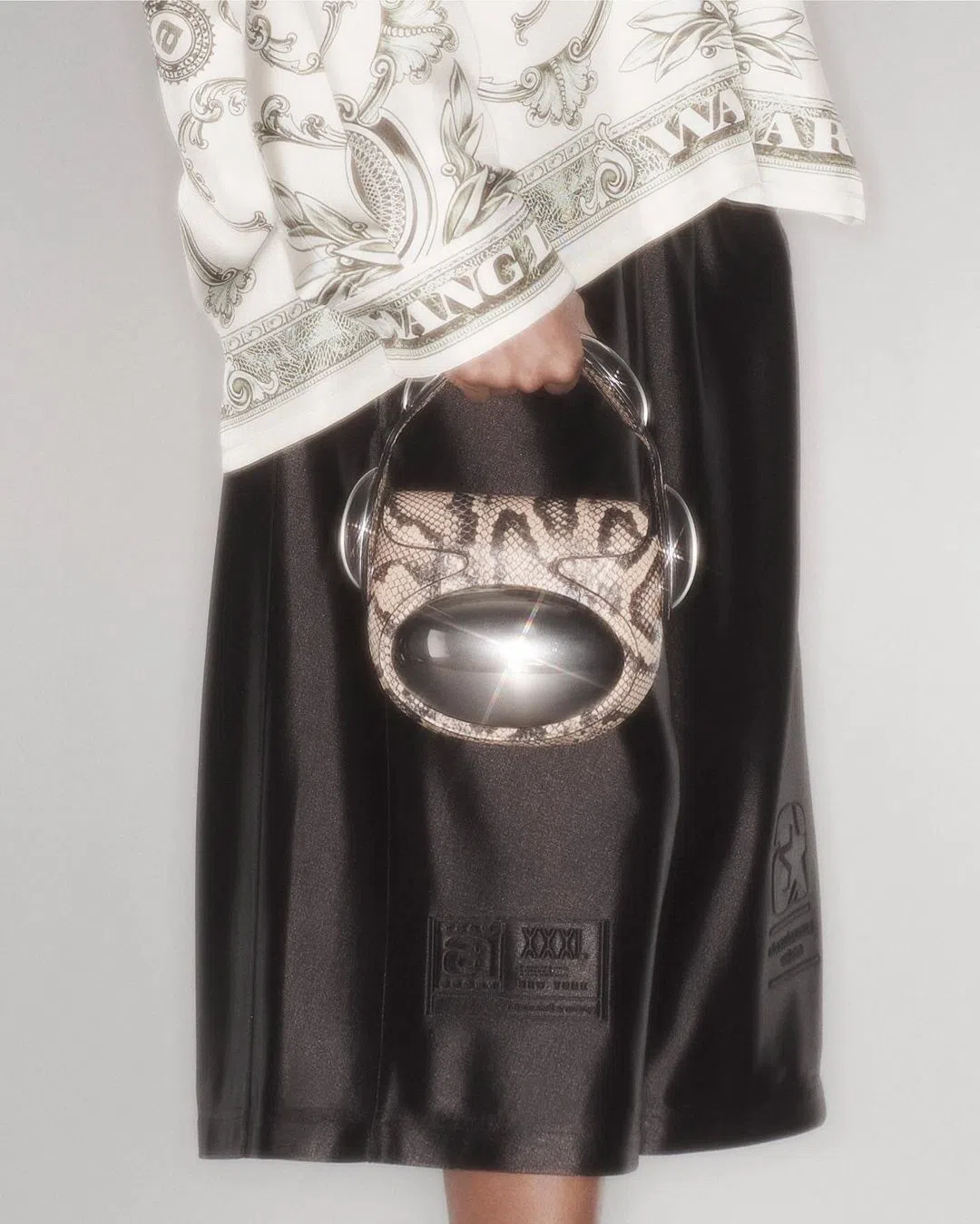
“They tend to buy pieces that are on-trend,” says a spokesperson for luxury retailer Club21, adding that fashion labels popular with them include Issey Miyake, Sacai, Alexander Wang, Shang Xia, The Row and Balmain.
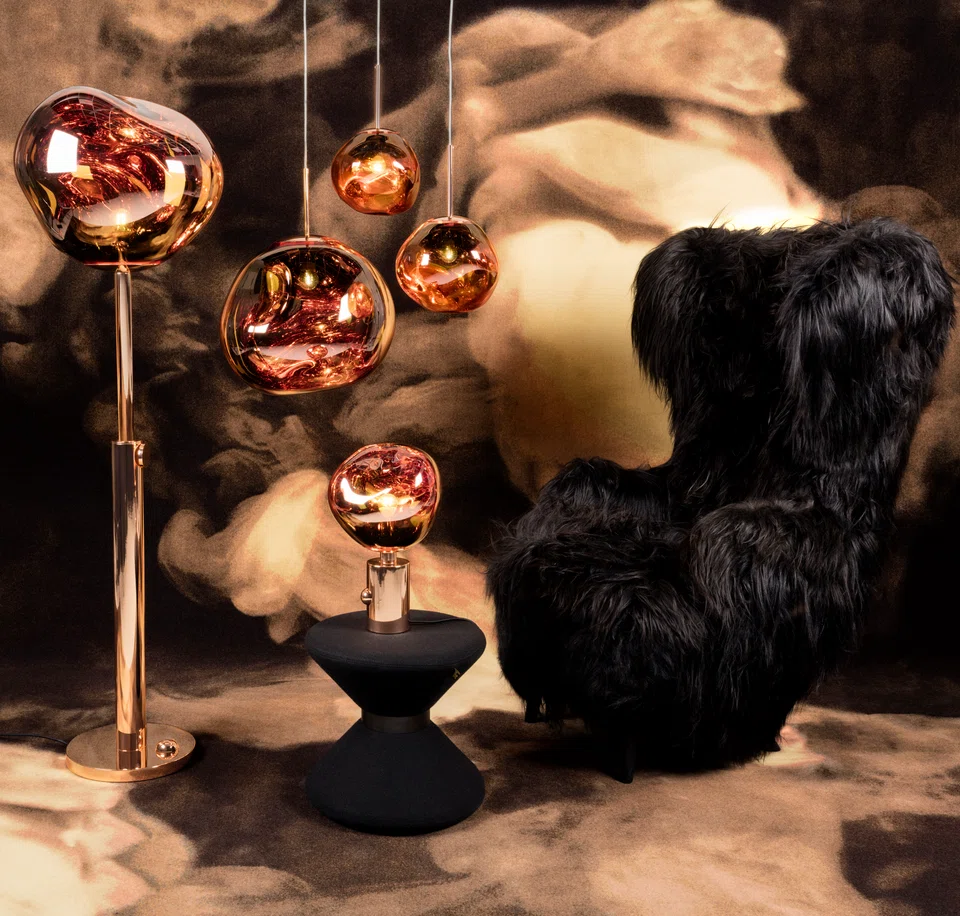
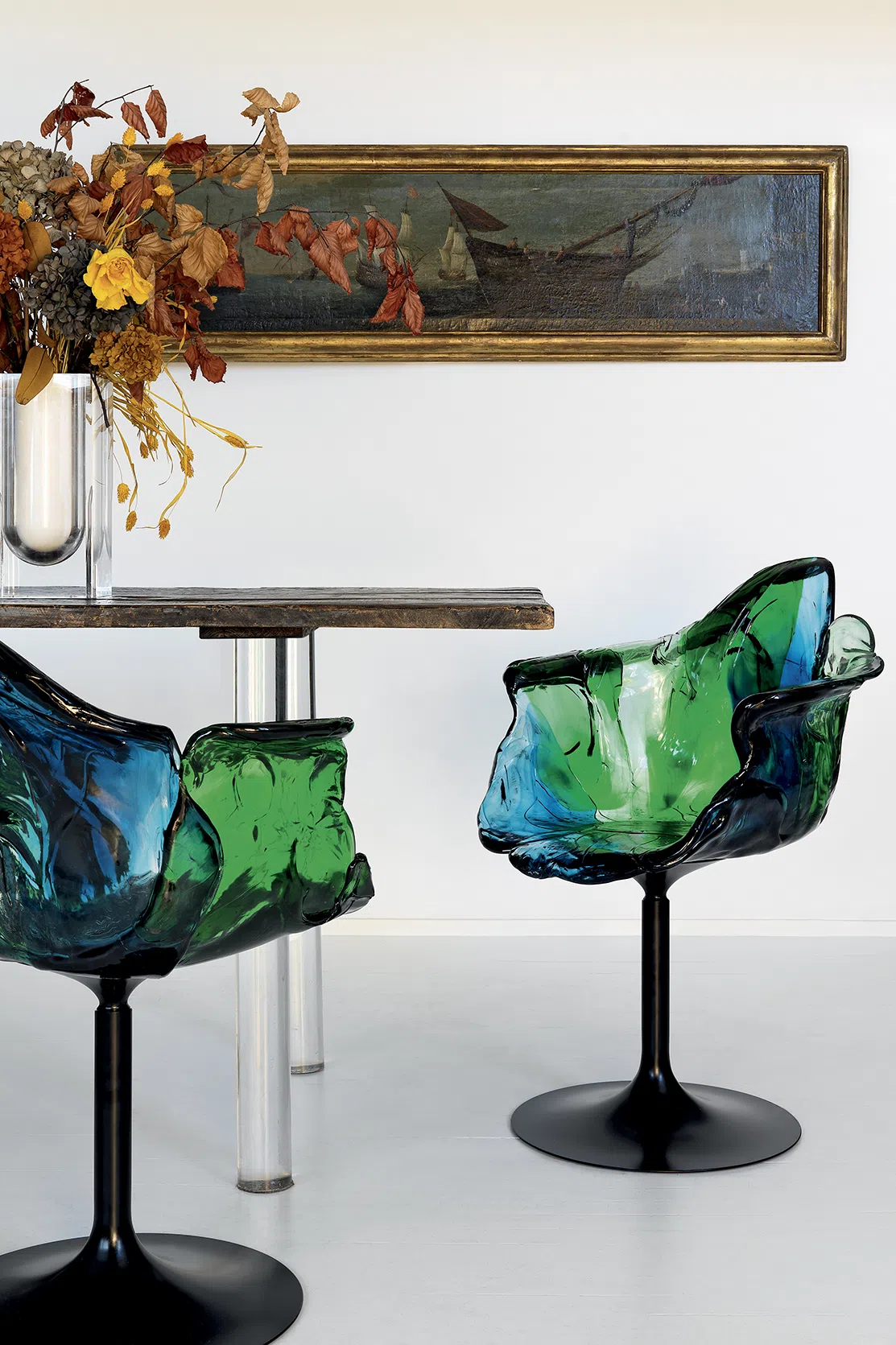
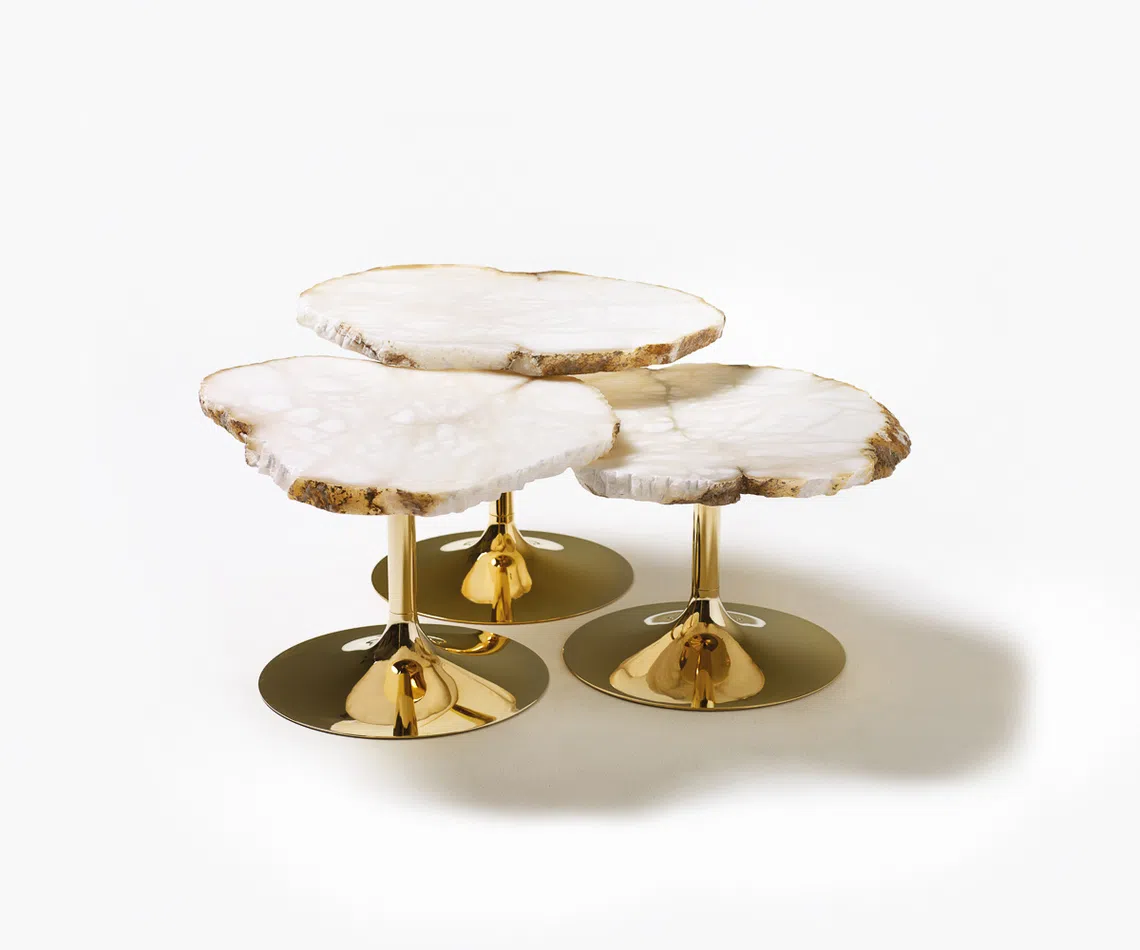
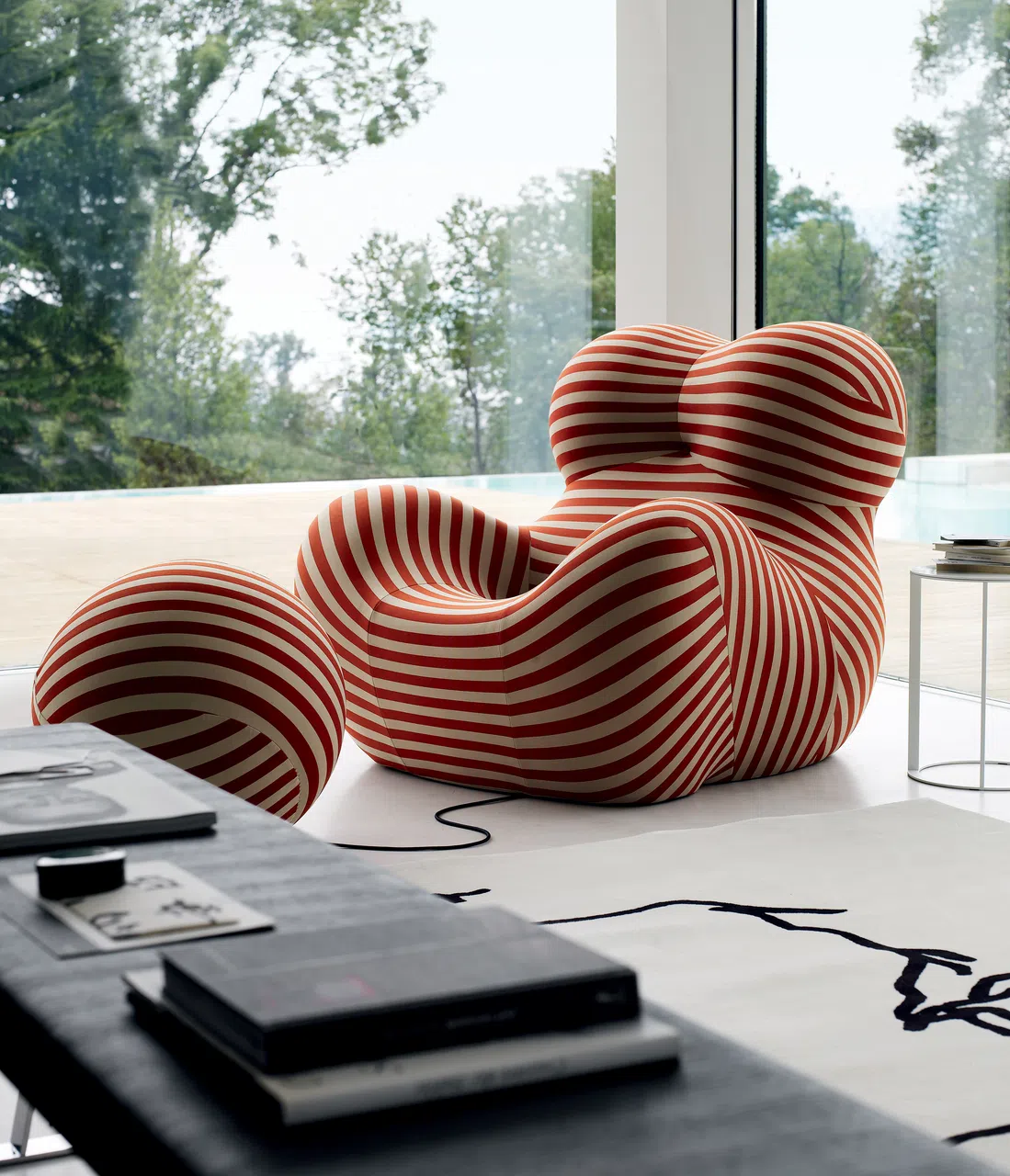
Not only that, they have “an impeccable taste for exclusive designs that are avant-garde and at times bordering on quirky and flamboyant, and are definitely not conventional nor conservative”, says Lim Choon Hong, managing director of Xtra, which sells designer furniture, lighting and accessories for the home and office.
This means contemporary designs with an experimental twist on colours, forms and materials – preferably with a high visual appeal. These must come from “recognised, global premium luxury brands”, with popular ones including Moroso, Dedon, Kettal, Tribu, Herman Miller, Tom Dixon and Louis Poulsen.
“They will buy without hesitation if they like what they see,” says Lim, who has had a S$100,000 order from a UHNW Chinese client. “Most of the time, they do not want to wait and would prefer to buy only if we have ready stock.”
Derek Lim, general manager (Asia) at Space Furniture, a retailer of luxury furniture and furnishings, says many UHNW Chinese enjoy hosting gatherings and parties with their business associates and friends. They are often adventurous in experimenting with combinations of product material, finishes and colours, and even creating a juxtaposed environment through contrasting pieces of furniture.
At Space, they gravitate towards brands such as B&B Italia, Poliform, Edra and Baxter.

Epicurean delights
When choosing eateries, they are “on a constant lookout for Michelin-recommended restaurants, seafood and speciality restaurants”, observes Lau Li Li, assistant vice-president of marketing and communications at the Tung Lok Group of restaurants.
“In general, they still prefer food that they are used to in their hometowns,” reveals Lau. They also enjoy having their meals with alcohol; usually going for Bordeaux wines from well-known wineries. “Hard liquor such as whisky and brandy are also popular; and of course, baijiu like Moutai as well.”
Lau says wealthy Chinese diners at TungLok Heen, helmed by celebrity chef Susur Lee, are largely open to the restaurant’s recommendations and “love our seafood”. They are receptive towards local specialities such as the chilli crab, Alaskan king crab and even empurau fish – native to South-east Asia and known as one of the region’s most expensive edible fish.
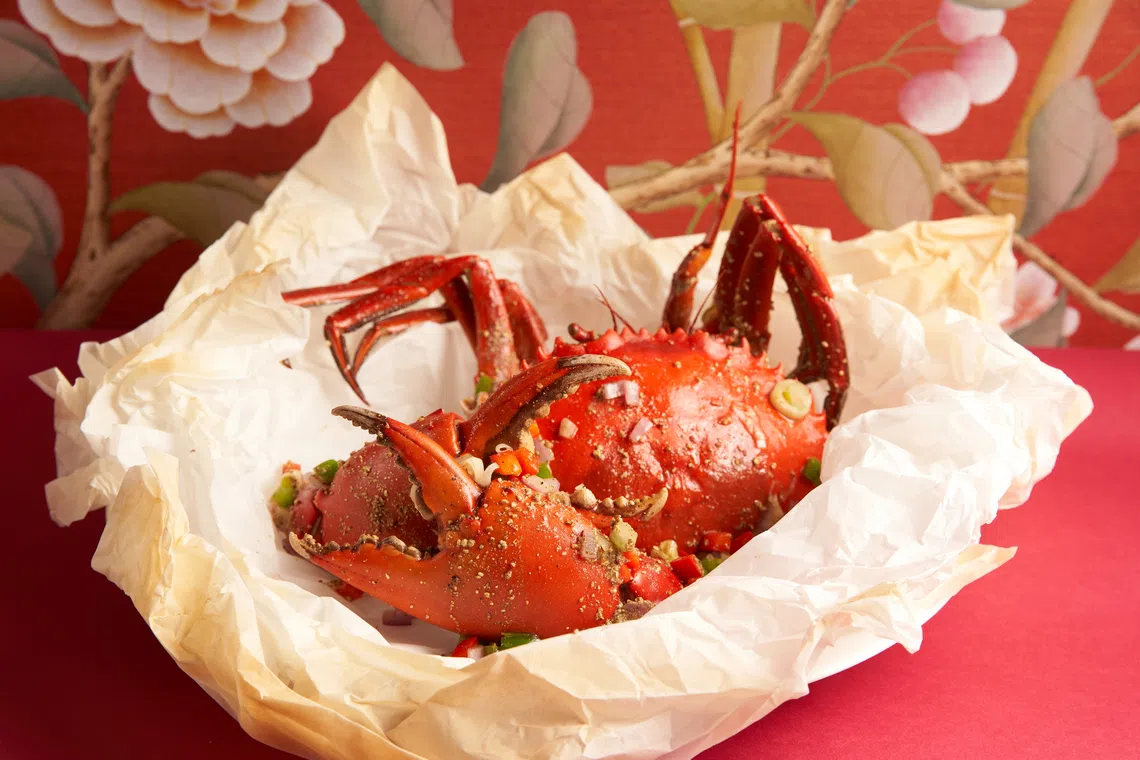
Most of the restaurant’s regulars have their menus specially created by its executive chef to include both their favourites as well as new dishes. Some of these decadent fare include Saga-gyu (Saga beef), bird’s nest served with avocado puree, as well as its signature steamed empurau with crunchy scales.
Luxe living
When it comes to property, luxury condominiums such as Klimt Cairnhill, Les Maisons Nassim and Dalvey Haus, and bungalows on Sentosa are favoured. They are agnostic with regard to freehold or leasehold properties, as they are accustomed to residential land in China typically being on 70-year leases.
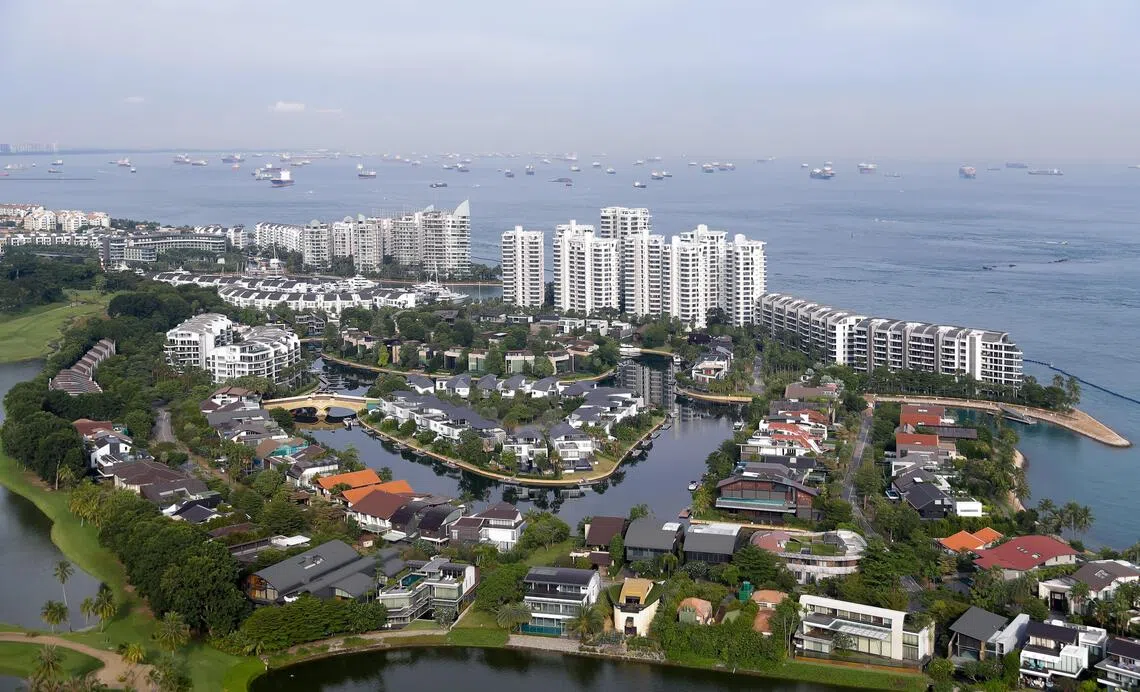
“The number one consideration for them is location, and second is space,” says Bruce Lye, co-founder and managing partner at real estate agency, SRI. “And of course, they like the project to be luxurious.”
So while older condos may have value and their units can be renovated, the fact that external elements such as lobbies and common areas are dated makes such projects less attractive to them.
UHNW Chinese are drawn to homes designed by award-winning names such as SCDA Architects, Guz Architects, Akta-Rchitects, RT+Q Architects and Wallflower Architects.
Social media and networks
Much of the information they get about luxury products is via their high consumption of social media, says Yuki Yang, a Hunan native, naturalised Singaporean and founder of local high-end handbag brand, Abara. “They also travel widely, so they can recognise quality and value when they see it.”
For them, apps such as Xiaohongshu, a social media and e-commerce platform, are especially popular as a source of inspiration, recommendations and reviews.
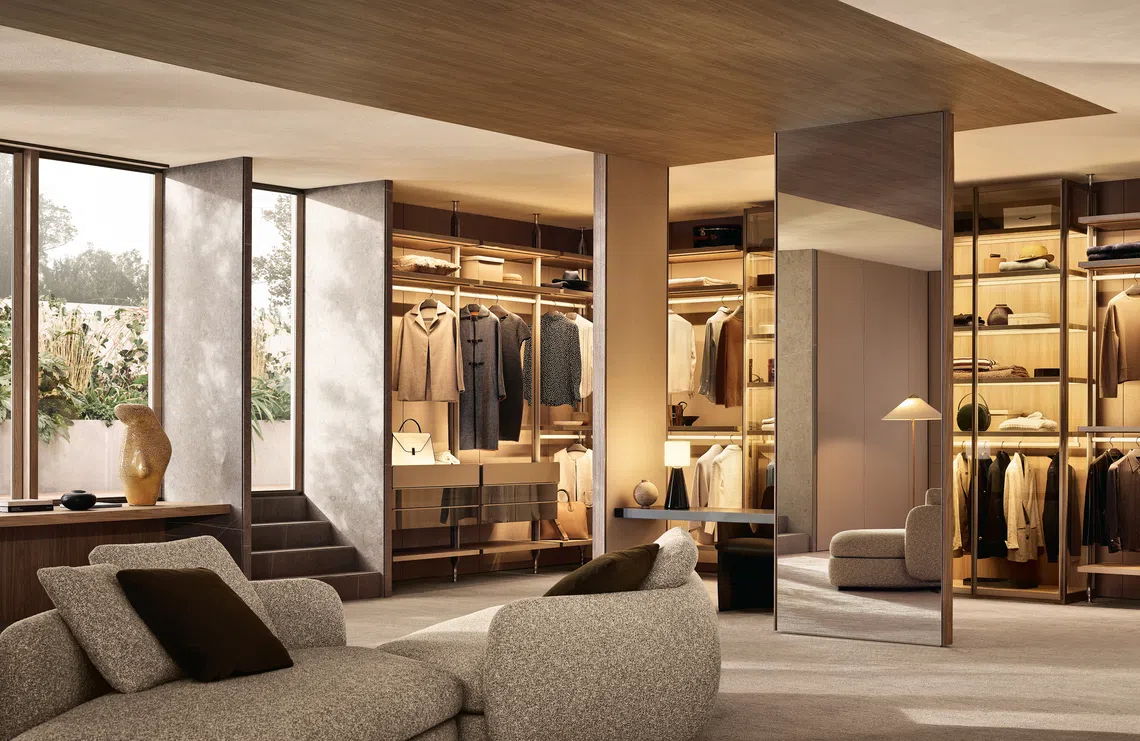
Apart from luxury brands that they can easily read about on the Internet, they also rely on the knowledge and expertise of their interior designers or architects, says Xtra’s Lim.
At Space, a UHNW Chinese client was so enamoured with both its products as well as service that he furnished his entire home – from kitchen and wardrobes to loose furniture – with its wares. He even left it to the retailer’s team to put the finishing touches to his home.
But perhaps the most important sources they rely on are referrals or recommendations from people they know.
“They are wary of new people, so they’d much rather rely on someone who’s already had dealings (with a business or agent), as it’s a lot easier for them to relate to each other and the trust level is there as well,” says SRI’s Lye.
Indeed, word-of-mouth referrals and recommendations through the strong and close-knit UHNW Chinese community here help support their purchasing decisions, says Space’s Lim.
“Once they are won over as loyal clients, word-of-mouth referrals usually lead to opportunities for us to serve their network of contacts,” he says.
Community is also a factor when they choose their home. “Some of them want to stay near where their friends are living or in the same project,” says SRI’s Lye, so that, for instance, “their kids can play together”.
All about service
The UHNW are obviously accustomed to a very luxurious lifestyle in China – having two to three live-in help, a nanny, two chefs and two drivers, is par for the course. Hence, they have “a certain level of expectations”, including when it comes to being treated with respect, says Lye.
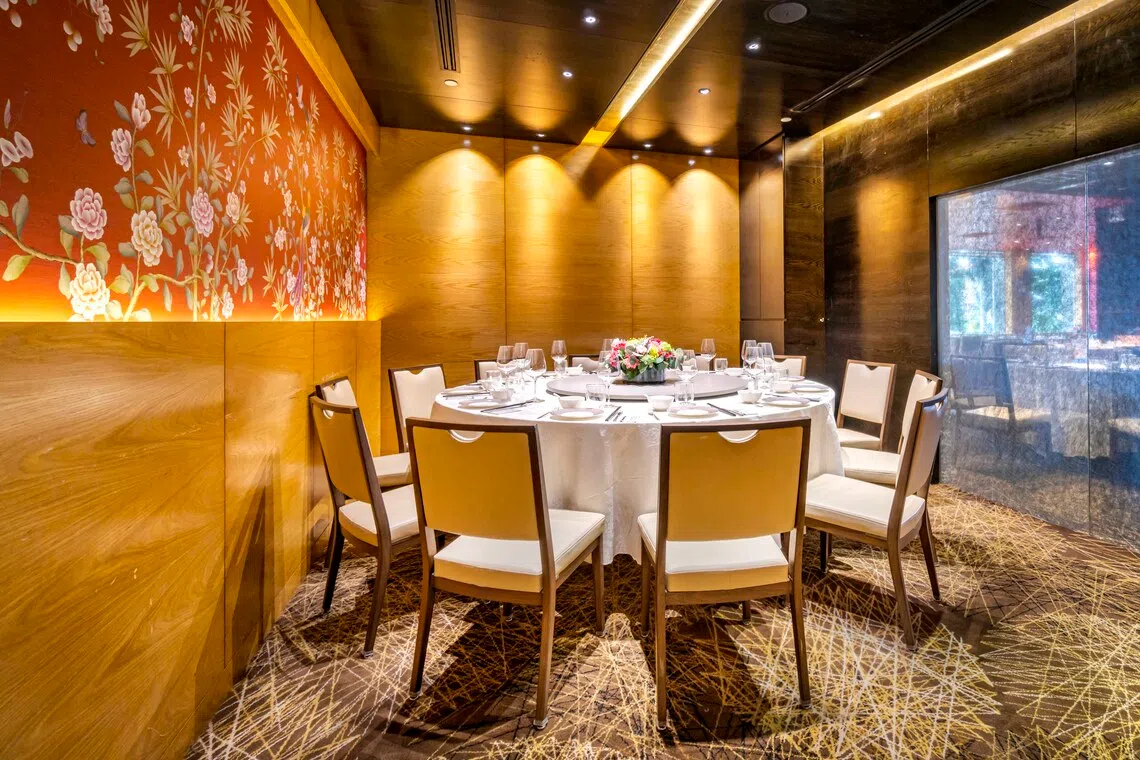
As they are particular about service, they are willing to pay for it and prefer private dining rooms with dedicated servers, says Tung Lok’s Lau.
Similarly, they like to shop in a luxurious and personalised environment with attentive service, such as a private showroom replete with wine, champagne and nibbles, says Abara’s Yang.
But while some wish to be treated as VIPs and accompanied as they browse, there are others who bring their personal assistant (PA) or designer along, then sit in a corner and let their PA or designer interact with retail staff, says Xtra’s Lim.
“Once a decision to purchase has been made, they simply get up and pay,” he says. “They can be demanding but are always very polite and pleasant with a few isolated exceptions who are loud.”
Importantly, Space’s Lim says one must be a good listener, as Chinese clients in particular, prefer service staff who are able to understand and be attentive to their needs.
Staff must also propose alternative solutions should their requirements not be met.
For Lye, rolling out the full exclusive VIP treatment for UHNW Chinese clients is the order of the day.
“We serve top-end alcohol and host Louis XIII Cognac dinners,” he reveals. Helping them snag luxury watches, sought-after handbags, concert tickets, supercars and a table in a hard-to-book restaurant – or treating them to meals that cost up to S$10,000, even before any deals are sealed – allows the agency to build a relationship very quickly.
But when these clients want something done, they also want it done very quickly, he says.
Indeed, Xtra’s Lim says their decision-making is fast and fuss-free, and once a purchase is made, they often ask for the items to be delivered on the same day.
Finally, there is one particular element that UHNW Chinese clients really like.
“It is very important that we speak in the language they know and in nuances that they can recognise instantly – in Chinese,” says Abara’s Yang.
Decoding Asia newsletter: your guide to navigating Asia in a new global order. Sign up here to get Decoding Asia newsletter. Delivered to your inbox. Free.
Copyright SPH Media. All rights reserved.






