‘Fast & Furious’ tourists flock to Japan for a taste of Tokyo drift
People from all over are coming for rare Toyota and Nissan models immortalised by the film franchise
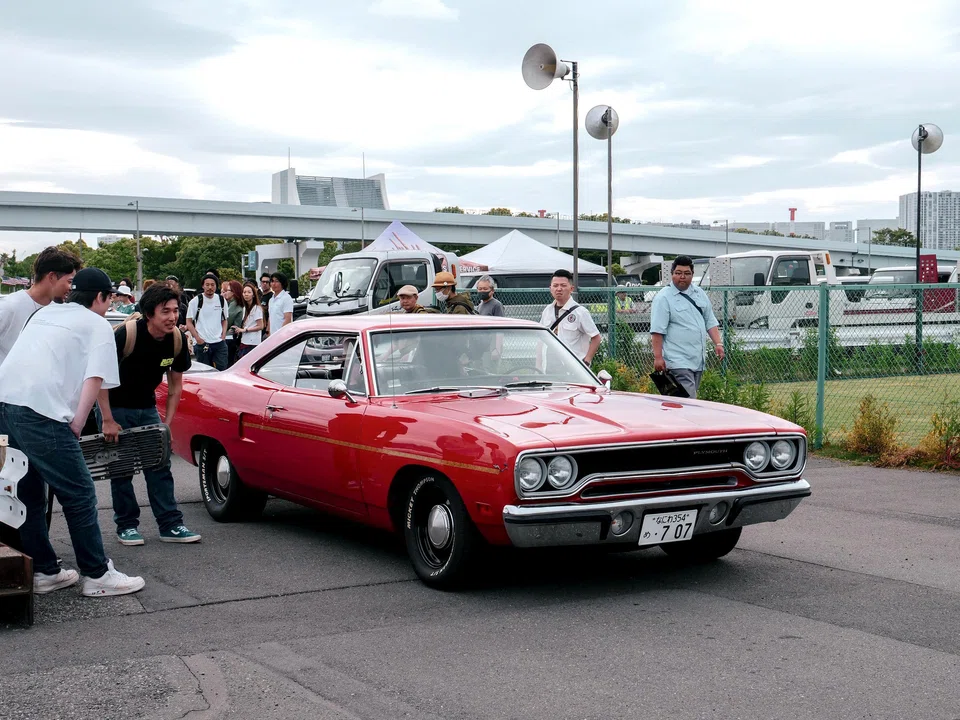
AS THE sun sets over Tokyo, dozens of Japanese muscle cars erupt into life, their engines growling as they head for the city’s neon-lit highways.
The vehicles belong to tour operators ferrying a new wave of tourists chasing the latest bucket-list Japanese attraction: the world of the Fast & Furious film franchise.
They flock to spots where enthusiasts show off their cars, often highly modified Toyota, Honda or Nissan models rarely seen abroad. Their owners speed them over elevated expressways or drift them, tyres screeching, at public events for eager spectators.
Fuelled by social media and a weak yen that makes visits affordable and attractive, the fans who come to soak in the country’s unique car culture are a subset of a broader global obsession with Japan – a boom that is making tourism a major part of the economy.
The Japanese domestic market (JDM), as the retro-racer movement is known, is on track to almost double to US$6.1 billion by 2033, going by one estimate.
At the A Pit Autobacs store in Shinonome, a vast tract of reclaimed land in the middle of Tokyo Bay, local JDM enthusiasts and tourists congregate to shop for parts and accessories and admire the rare models parked outside.

Spread across three floors, Autobacs is designed as a lifestyle hub for gearheads, featuring a tuning workshop, hundreds of shelves stocking anything from racing shoes to performance exhausts, and even an in-store Starbucks.
At the parking garage, Masahiko Seki is showing off his 1984 Toyota Soarer, which he bought some 25 years ago for just 50,000 yen (US$316). Since then, he has spent around seven million yen turning it into a gleaming white lowrider with a refurbished engine.
He is grateful for the attention from the tourists, and even managed to get a rare part for his car from a JDM fan in Australia, who brought it over on a trip after they connected on Instagram.



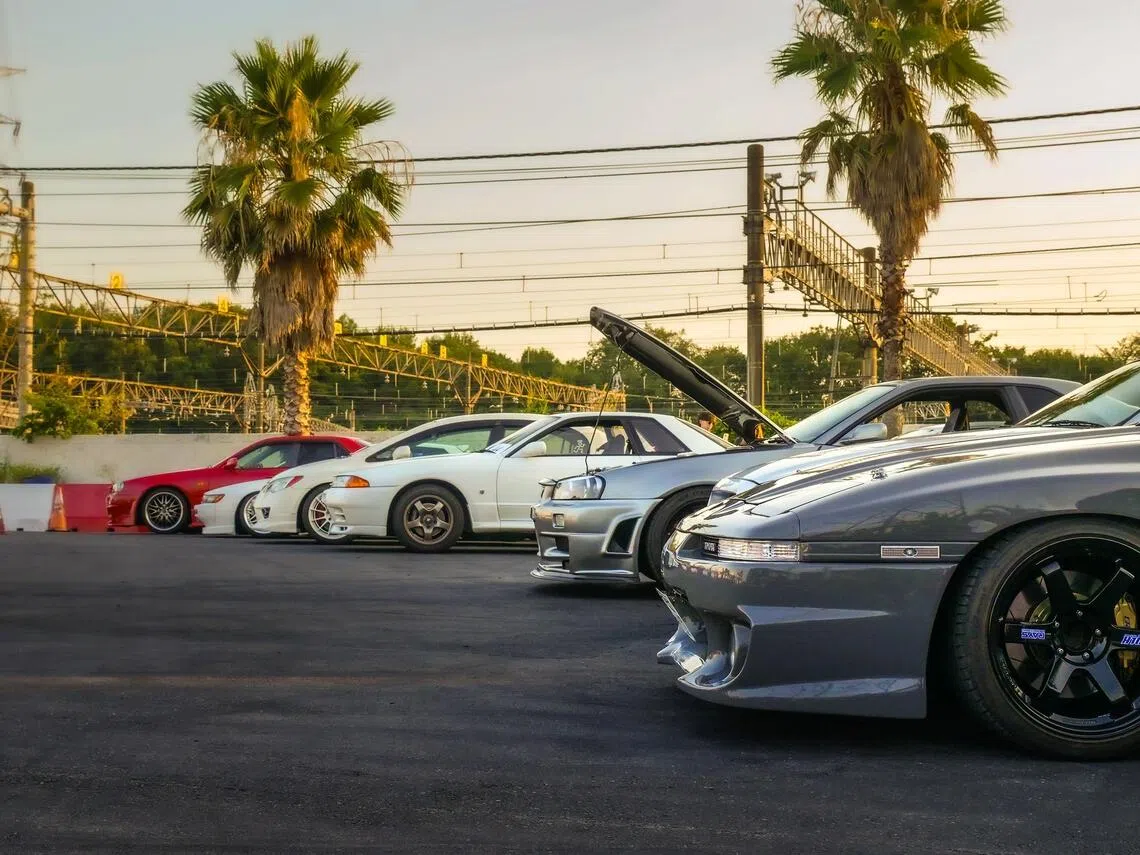
A straight shot from the Autobacs store is Daikoku, a highway rest stop in Yokohama known as the main pilgrimage site for JDM fans.
Andrei Zaev from Novosibirsk, Russia, joined a JDM tour in a souped-up Mitsubishi Motors Lancer. As he stepped out at Daikoku, his eyes widened as he pointed out vehicles he had only seen in movies or computer games.
There were several Nissan GT-Rs, Mazda RX-7s and a Nissan Fairlady Z33 – one of the models featured in Tokyo Drift, the third Fast & Furious movie that has achieved cult status with JDM fans.
“Going to Japan and not seeing this culture would be strange,” said Zaev.
Dozens of tourists walked between a sea of cars parked below a concrete canopy of winding elevated expressways – snapping pictures, posing in front of hotrods or chatting with owners in English, French, Spanish and Arabic.
Fabrizio Tettoni and Jacinda Owens were there with the latter’s teenage son, whose fascination with muscle cars made Daikoku a non-negotiable destination on their holiday to Japan. It was “the cherry on top”, said Tettoni. “I’ve never seen his eyes light up like that.”
JDM got its start in the 1960s, when Japan’s economic growth sparked mass automobile ownership and a fascination with tuning. In the 1980s, street-racing clubs formed that became so infamous they sparked manga and anime. The scene gained global recognition in the early 2000s through film and blockbuster video game franchises such as Gran Turismo.
These days, hundreds of JDM-related experiences are offered on platforms such as Airbnb, Klook and Trip.com. They range from around US$40 for a group tour in a van to roughly US$1,600 for a private drive in a Lamborghini Aventador. One site, SoftBank-backed GetYourGuide, said the number of JDM tours on its platform has more than trebled in the past two years, making them one of the fastest-growing traveller experiences in Japan.
And with the yen still trading near historic lows, travellers are willing to pay for unique experiences. Spending by foreign visitors to Japan rose to a record 7.1 trillion yen in the first nine months of this year, even as arrivals slow due to a slump in tourism from China.
But the hype has a cost. Like the overtourism plaguing Mount Fuji and Kyoto, Daikoku’s gatherings can get out of hand. Lacking public transit, tourists have been known to climb over security perimeters. While the meetings at Daikoku themselves are not illegal, the crowds often swell until authorities inevitably shut the place down because the space and surrounding roads get too congested.
Just 20 minutes into Zaev’s visit to Daikoku, wailing police cars arrived, blaring orders over loudspeakers to disperse and triggering a sudden, thunderous roar as dozens of engines fire up and file back onto the highway.
Zaev took it in stride. Seeing Daikoku, even if only for a short time, was “amazing, impressive, head-breaking and cool”, he said. “It’s all about cars; for me, that’s enough.” BLOOMBERG
Decoding Asia newsletter: your guide to navigating Asia in a new global order. Sign up here to get Decoding Asia newsletter. Delivered to your inbox. Free.
Share with us your feedback on BT's products and services