

Singapore’s niche perfume obsession – sales grow by double digits
In South-east Asia, fragrance is booming as collectors build scent wardrobes and local brands go global

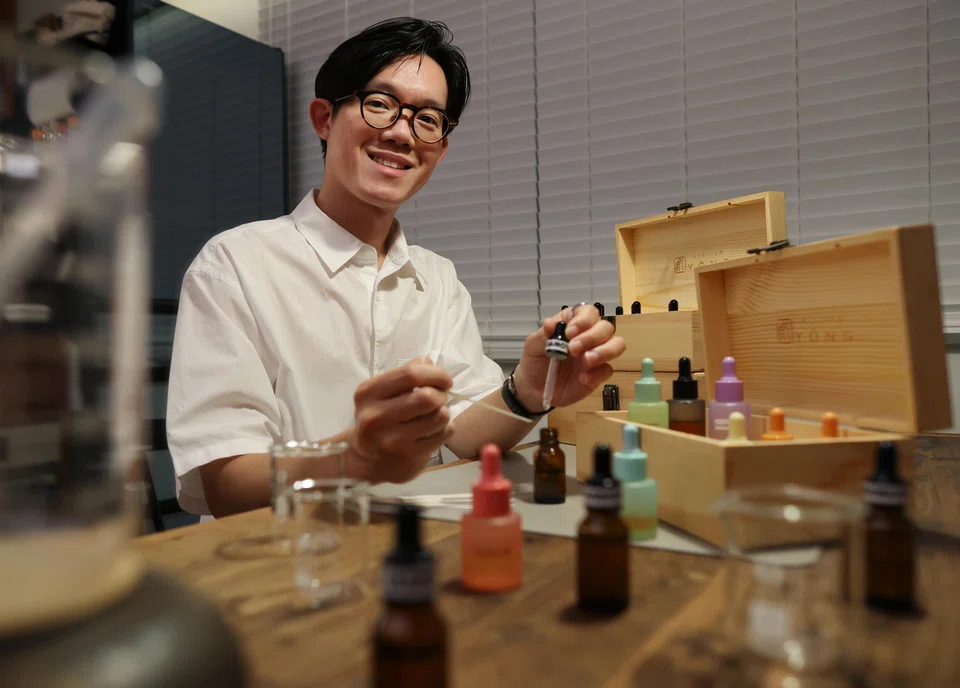
[SINGAPORE] Christopher Chong remembers his childhood days through smells.
There was his mother’s perfume, the rose-scented cream his grandmother used, and the musty cupboard in which his grandfather stored too many things, among other smells, both good and bad.
Long before the 42-year-old became a scent designer, memory had arranged itself as an olfactory archive.
Today, he experiments with bergamot, rose, jasmine, oakmoss, cedarwood and other materials, and conducts perfume-making sessions at art galleries and private gatherings.
“In my free time, I experiment with raw materials to create light, floaty, poetic expressions of heavier materials like wood,” he says. His ideal composition might open dark and smoky, before softening into an enveloping, second-skin musk.
In another era, people might label him an eccentric. But in 2026, Chong is simply one of many Singaporeans creating their own scents or layering store-bought perfumes into distinctive blends.
The numbers are striking. Before Covid-19, fragrance accounted for about 13 per cent of beauty consumption here; it now makes up roughly 25 per cent, going by Beaute Research data supplied by Singapore-based regional distributor Luxasia.
Luxasia’s Singapore fragrance business has nearly doubled in 10 years. Between 2025 and 2030, it expects niche fragrance to grow by 8 to 10 per cent a year, versus 4.5 to 6 per cent for designer fragrances in the same period.
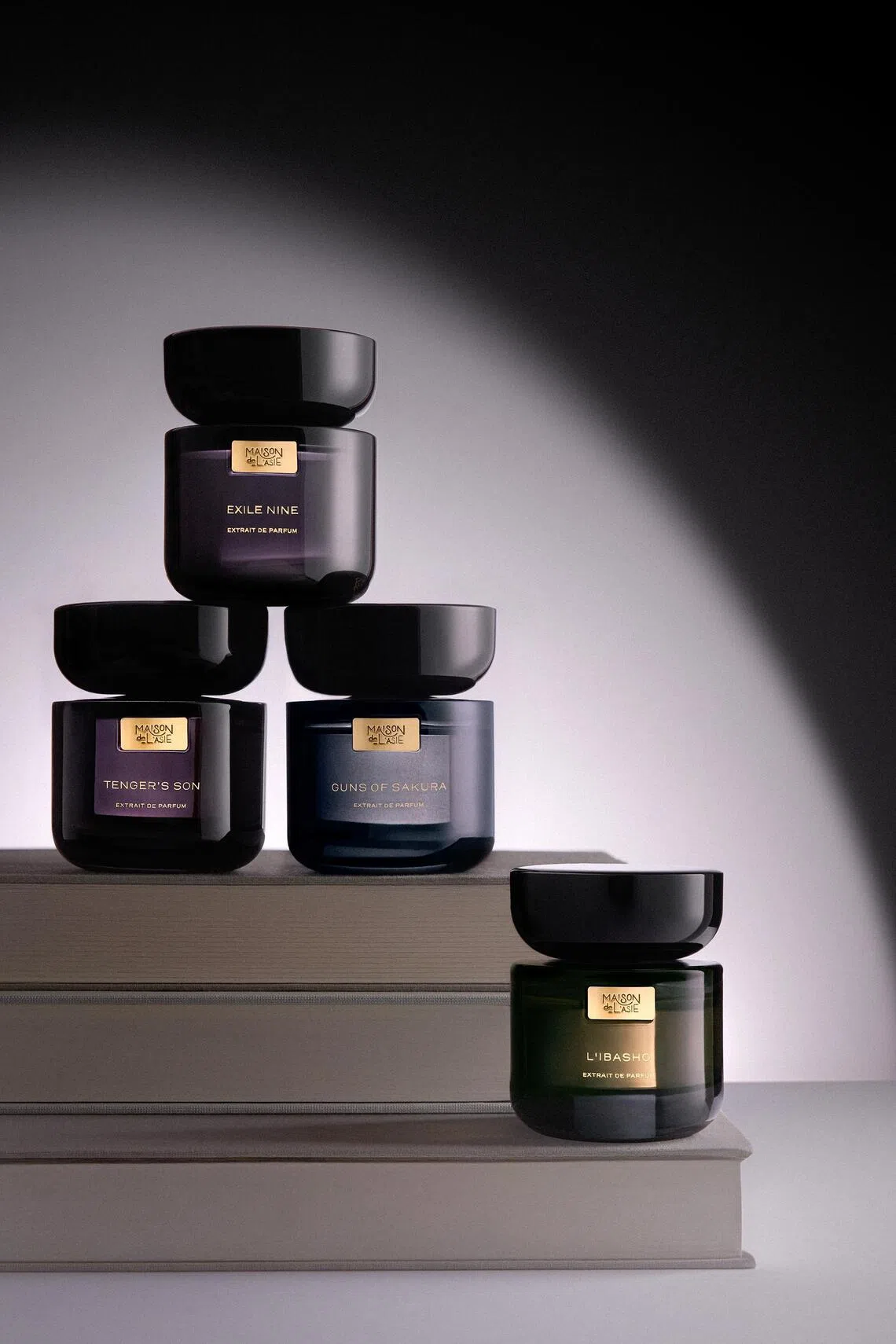
Home-grown niche perfume house Maison de L’Asie, founded by Elizabeth Liau in 2020, is now approaching 90 points of sale across different markets, with growth “ranging between 40 and 60 per cent year on year”, she says.



Omani niche perfume brand Amouage’s sales surged 74 per cent in the first half of 2026. Cult French sister brands Parfums de Marly and Initio Parfums Prives saw combined sales rising 39 per cent year on year.
In Singapore, Malaysia, Thailand, Vietnam, Indonesia and the Philippines, Luxasia estimates the combined luxury and niche fragrance market at more than US$1 billion.
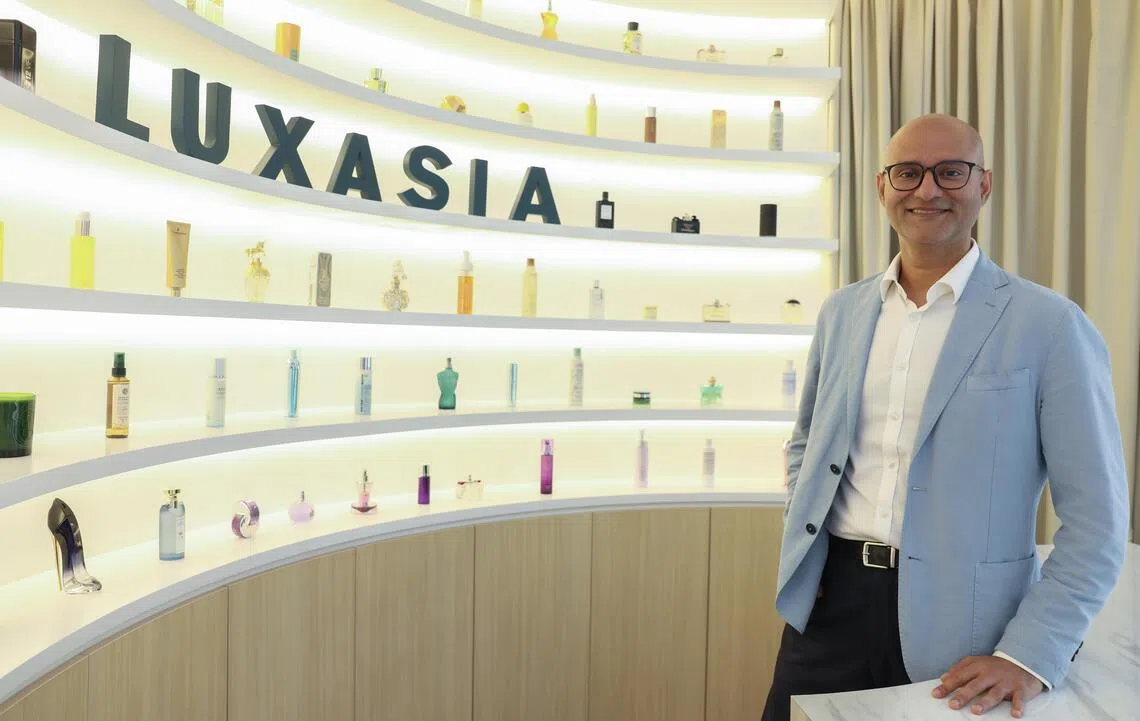
“Fragrances, especially niche fragrances, are in a golden era of growth across South-east Asia,” says Luxasia Group chief executive Satyaki Banerjee.
“A burgeoning middle class, rising affluence and greater consumer sophistication are lifting discretionary spending on luxury beauty and fragrance.”
Indonesia is Luxasia’s largest regional fragrance market, while Vietnam is growing the fastest from a smaller base. Singapore, Malaysia and Thailand, he adds, are maturing into “genuine connoisseur markets”.
In the UK, sales at Selfridges’ fragrance hall are up almost 20 per cent from a year ago.
As for the US, niche fragrance has expanded from roughly 5 per cent before the pandemic to nearly 20 per cent of the market today.
The end of signature scents
Perfume once relied on loyalty: one signature scent worn to weddings, anniversaries and celebrations. But the new market now runs on promiscuity.
Shan Chen, Luxasia’s regional director for Singapore and Taiwan, sees four structural changes occurring at once: “Fragrance has moved from special occasions to everyday use; from gifting to self-purchase; from one signature scent to a wardrobe of scents; and from brand-led to scent-led shopping, where consumers follow a note, composition or perfumer rather than a logo.”
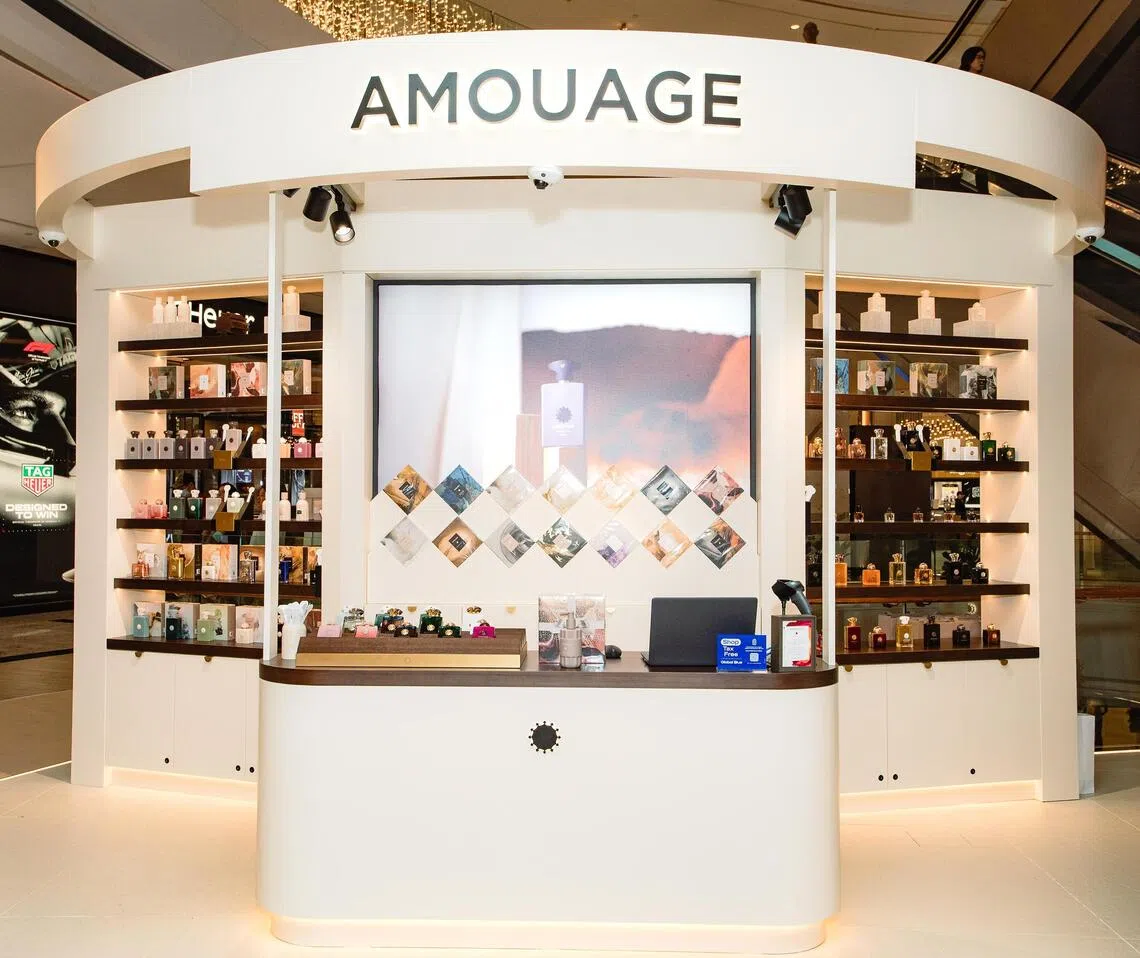
For many, perfume has become a tool for self-expression and mood management, rather than a finishing touch.
Designer Ernest Lim, 30, entered this world accidentally. His sister asked him to look for an Hermes perfume. He smelled Terre d’Hermes, liked it and eventually bought it for himself.
He then worked through alternatives and decants – small quantities transferred from full bottles – before moving into niche brands.
Today, he owns around 50 scents. His favourites include Byredo’s Inflorescence, the green floral profile of which recalls freshly cut flower stems, and Escentric Molecules’ pale, woody Molecule 01.
“I see fragrance as part of the outfit,” he says. “I choose a scent according to my mood. I’m not trying to impress anyone – it just makes me happy.”
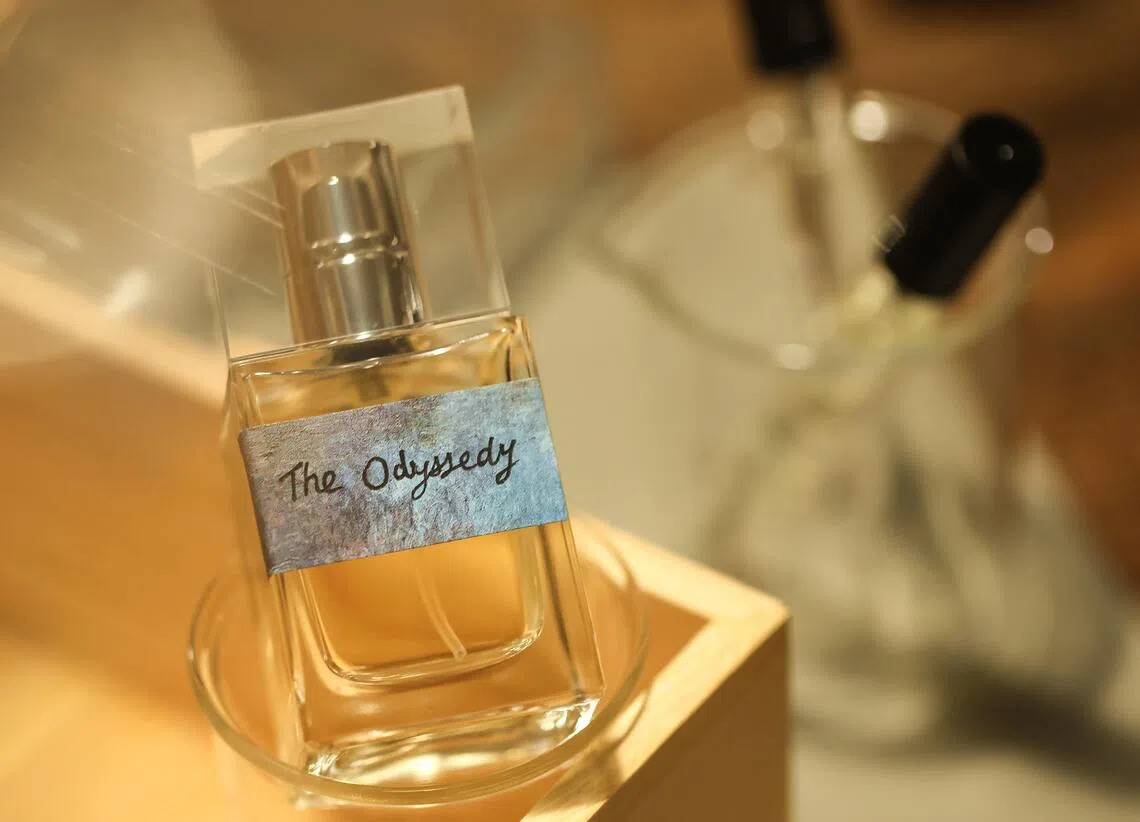
That private pleasure has become excellent business.
Discovery sets, travel sizes and decants let newcomers experiment without committing to a large bottle. The consumer base is also becoming younger and more interested in niche brands.
Kate Ang, Luxasia’s regional director of fragrances, says collectors buy five to 10 new fragrances a year, while brand fanatics acquire every release from a favoured house.
Some teenagers, heavily influenced by social media, even split the cost of a S$500 bottle, Ang says.
On social media, videos tagged #scentlayering have drawn more than 325 million TikTok views, while #perfumetok has 35.4 billion views. Local “fraghead” influencer Ann Nicole Ng has more than 500 perfume bottles and 300,000 followers.
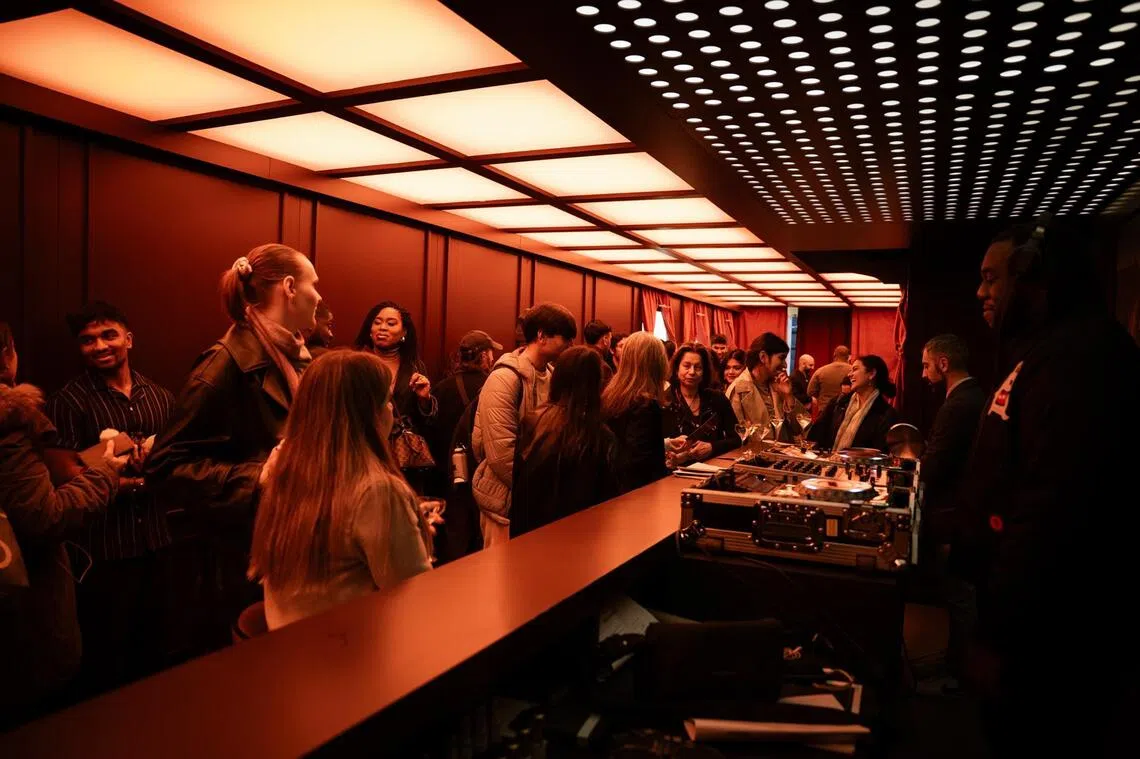
At Singapore counters, shoppers show staff TikTok videos of the fragrance they want; many already know its notes, concentration and perfumer.
As consumers become more literate, they are also becoming bolder. Citrus and fresh scents remain popular in Singapore’s heat and humidity, while tea fragrances are rising in the region.
Yet, houses known for intense scents such as Amouage and Maison Crivelli, along with extrait-strength perfumes, are also growing strongly. Buyers are paying not merely for force, but also for richness, longevity, ingredient expression and craftsmanship.
Fitting Asia in a bottle
For Singapore fragrance founders, the global boom has given them permission to stop selling somebody else’s fantasy of Asia.
Maison de L’Asie founder Elizabeth Liau began developing the brand after spotting a gap in luxury perfumery.
Asian ingredients appeared everywhere, and European brands frequently borrowed Asian imagery, but she saw no Asian house occupying the same conceptual and price territory as Kilian or Creed.
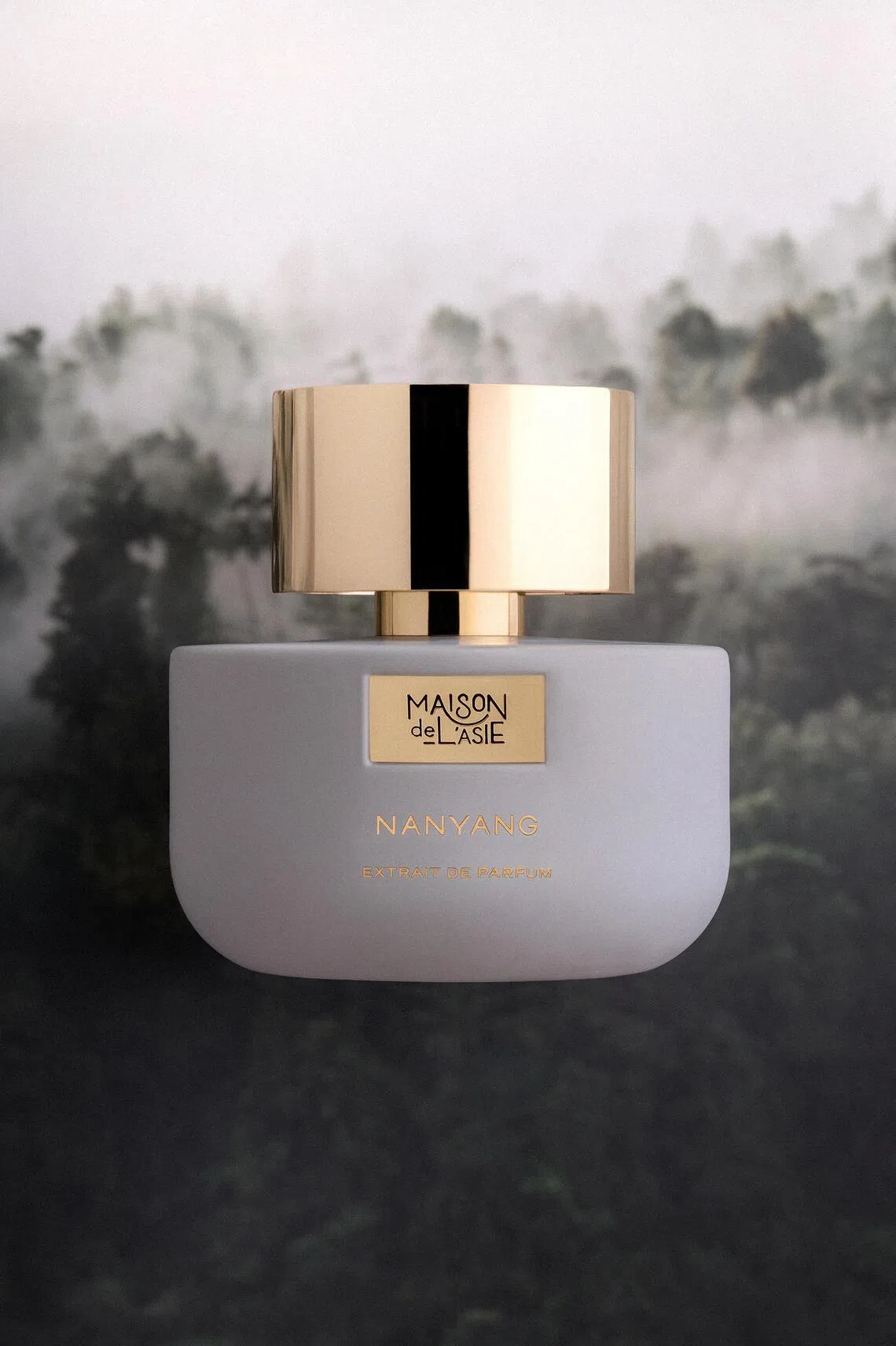
“So I said, why not?” she recalls. “I had access to the same labs as some of the top perfumers. I was just offering a different voice.”
Her proposition was to put French perfumery and an Asian sensibility in conversation with each other: Each Maison de L’Asie chapter draws on a place – such as Singapore, Bali or Bangkok – that is translated through memory, atmosphere and the techniques of perfumers in the south-eastern French town of Grasse.
In 2023, she took the brand to Milan to test its appeal among European consumers, retailers and distributors.
“The feedback was great. ‘This is interesting, this is different,’ they said... Everyone was looking for something unique, and was ahead of the curve in understanding niche fragrances.”
Maison de L’Asie subsequently expanded through Europe and the US, with about 30 stores in Italy. Recently, the International Perfume Museum in Grasse selected its Nanyang fragrance for its exhibition of iconic Asian perfumes.
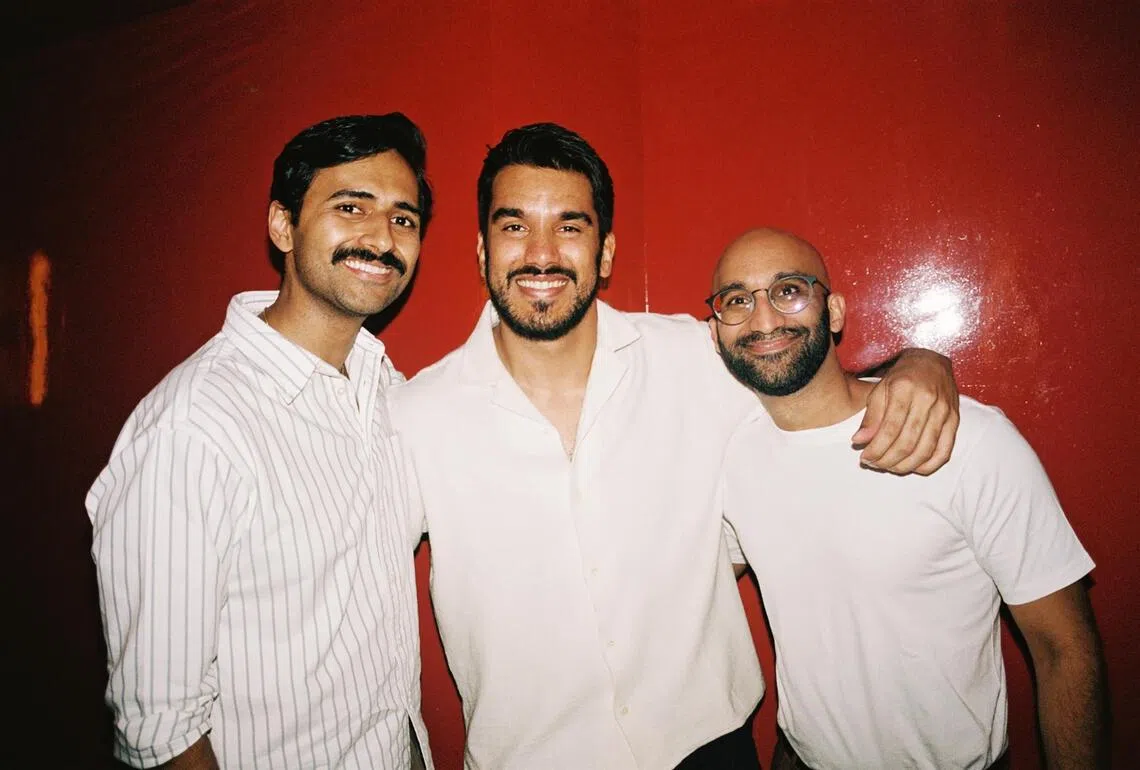
Another Singapore-founded house is Rahasya, an Indian niche-fragrance brand launched in November 2024 by childhood friends Sai Pogaru, Sachit Sood and Utkarsh Vijayvargiya. All three were born in India, but spent much of their lives in Singapore.
Their fragrances explore modern Indian identity through wistful memories of India’s monsoon rain, misty hill stations, spiced chai, ripe mangoes and rickshaw rides along the coast.
Eleven months after launching at Boutiques Singapore, the founders made an all-in push into London.
They transformed a rented art gallery into a railway carriage-inspired pop-up, complete with custom lighting, artwork, DJs and scent-inspired cocktails.
More than 1,000 people attended, including members of the Selfridges team.
Six months later, in April 2026, Rahasya became the first Singapore-founded fragrance brand stocked by Selfridges. It has since announced Nomadic Jasmine, a Selfridges-exclusive extrait de parfum.
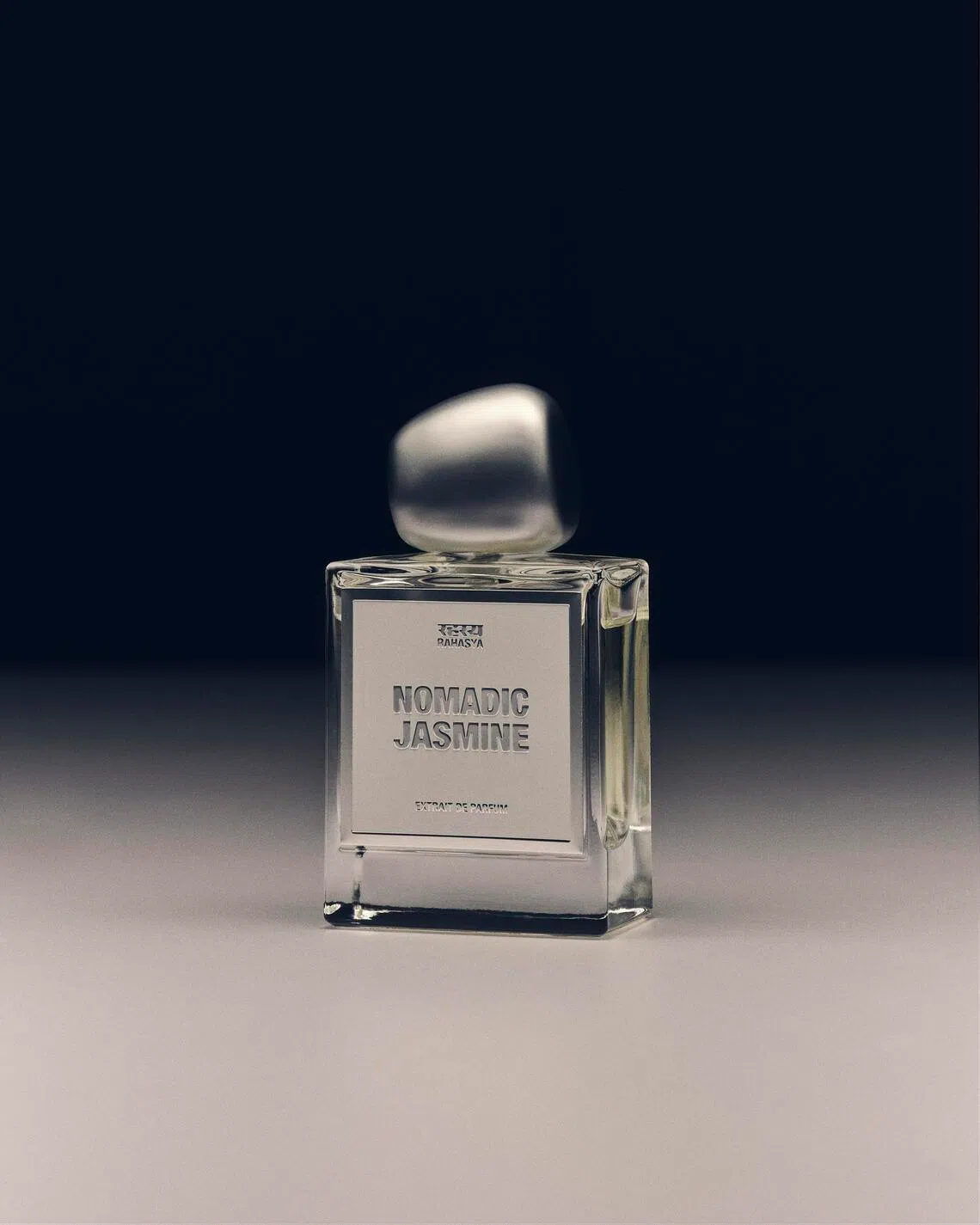
“The demand for unique fragrances was always there, but it was uncatered to,” says Pogaru. “Now, people are increasingly willing to get behind brands with a distinct point of view.”
The perfect perfume lab? This city
Singapore is not South-east Asia’s largest fragrance market. But its small, multicultural and affluent population makes it an ideal testing ground for global perfume brands.
Banerjee calls the city “a first port of call”. Singapore combines high per-capita luxury spending, tourism and sophisticated consumers within a few square kilometres of prime retail.
Its diverse population offers a compressed reading of regional tastes, while its digital infrastructure makes purchasing behaviour measurable.
Brands can test what consumers will pay for 50 ml versus 100 ml, whether they need smaller bottles or discovery sets, whether they belong in a multi-brand concept or standalone boutique, and how much consultation is needed to close a sale.
Many niche names now found in South-east Asia – including Diptyque, Byredo, Creed, Acqua di Parma and Penhaligon’s – were first incubated in Singapore at escentials, Luxasia’s multi-brand concept, before capturing the regional market.
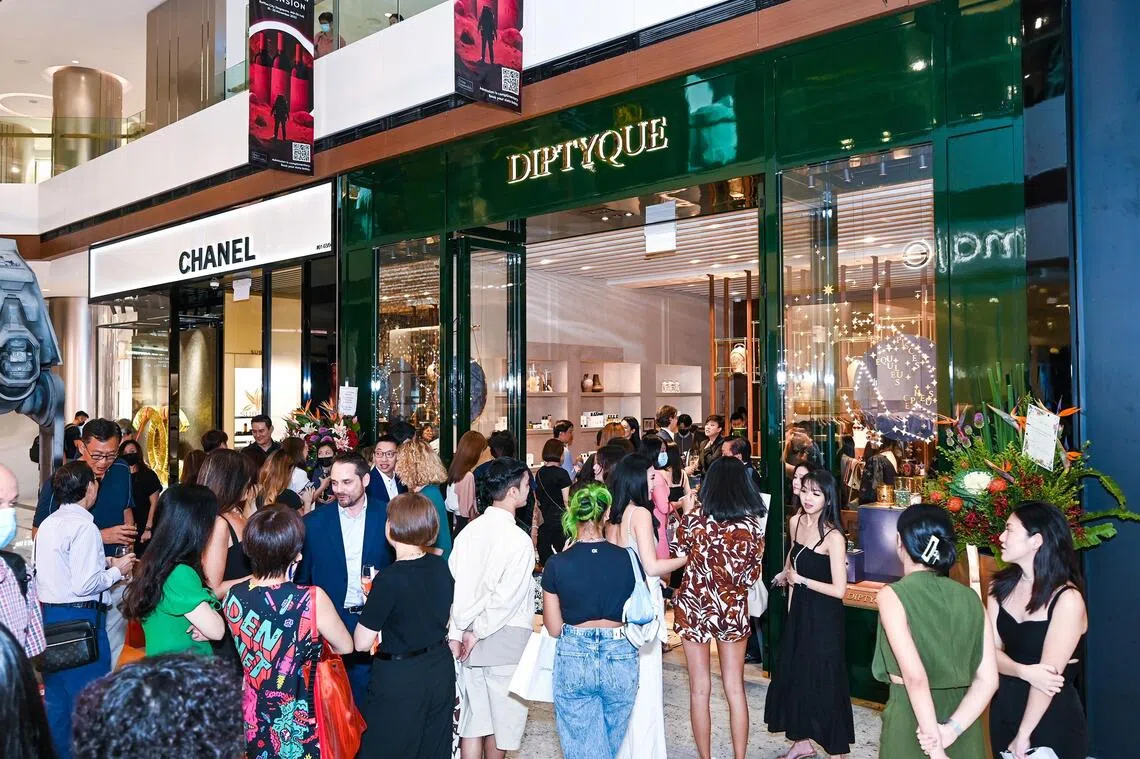
Diptyque began at escentials more than two decades ago; it now has four freestanding stores in Singapore.
Banerjee notes, though, that other cities such as Bangkok, Jakarta and Ho Chi Minh City are rising quickly on luxury brands’ maps.
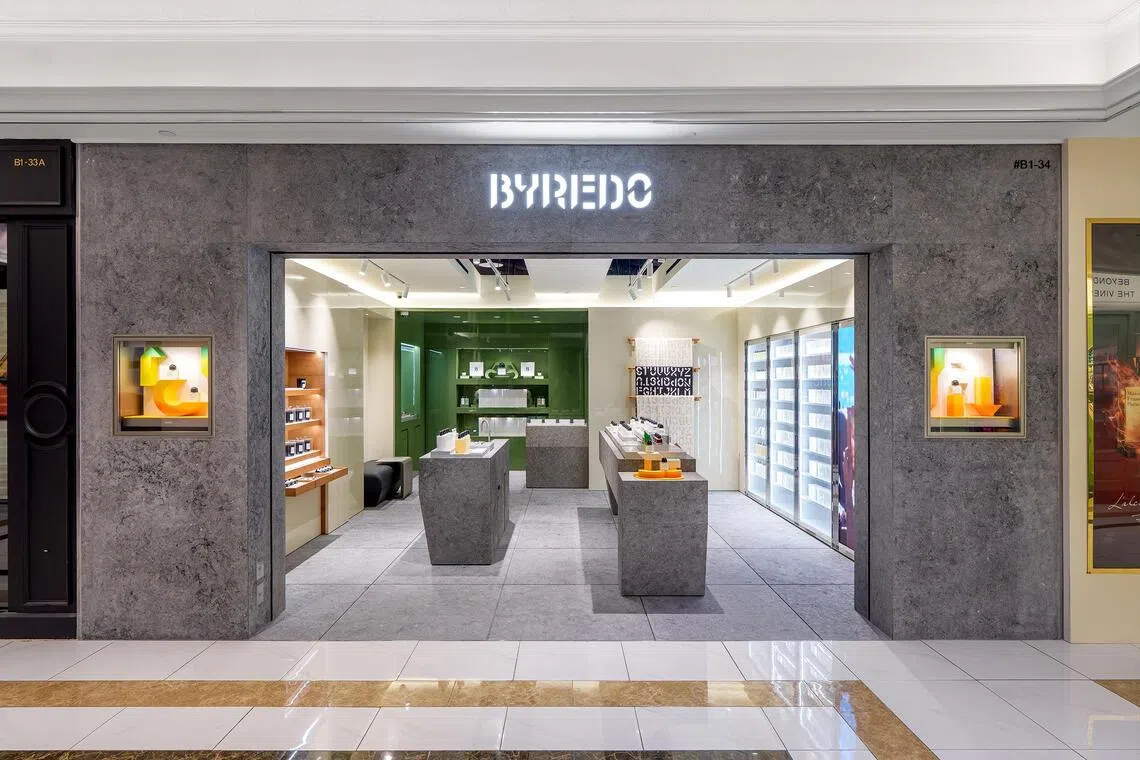
For perfume enthusiasts, Singapore’s reputation as a test bed is a gift.
Chong remembers the early 2020s, when Maison Francis Kurkdjian’s Baccarat Rouge 540 seemed to float through the streets, and Le Labo’s Santal 33 appeared on “just about everybody who cared about scent”.
Then came Singapore’s obsession with “beast mode” fragrances, engineered to project further, last longer and leave an emphatic trail – “announcing your arrival before you do”.
But when once-obscure scents become widely accessible, “you lose that uniqueness and individuality”.
The industry has responded with new levels of exclusivity: city-only editions, private collections, extraits, limited drops and ever more obscure houses.
Meanwhile, luxury fashion houses are expanding into “fine fragrance” collections that borrow the concentration, storytelling and boutique rituals of niche perfumery.
There is little evidence that Singapore or South-east Asia has exhausted its appetite. Liau says local consumers are only beginning to move beyond familiar designer names. Pogaru believes the niche landscape still has considerable room to grow.
“I don’t think it’s saturated just yet,” he says. “There are still so many stories to tell, so many scent profiles to explore, and so many more brands to get behind.”
Decoding Asia newsletter: your guide to navigating Asia in a new global order. Sign up here to get Decoding Asia newsletter. Delivered to your inbox. Free.
Copyright SPH Media. All rights reserved.
TRENDING NOW
GCash parent Mynt rises in market debut after South-east Asia’s top 2026 IPO
In the age of AI, what is a university education for?

Singapore to use ‘every legal and regulatory lever’ against companies linked to haze: Shanmugam
‘IPOs are not the only vehicle’: KKR heads for record exits even as firms stay private for longer

