Superheroes checked

Where it once made moviegoers believe “a man can fly!”, CGI no longer dazzles these days, especially if the film’s script and storyline don’t fly
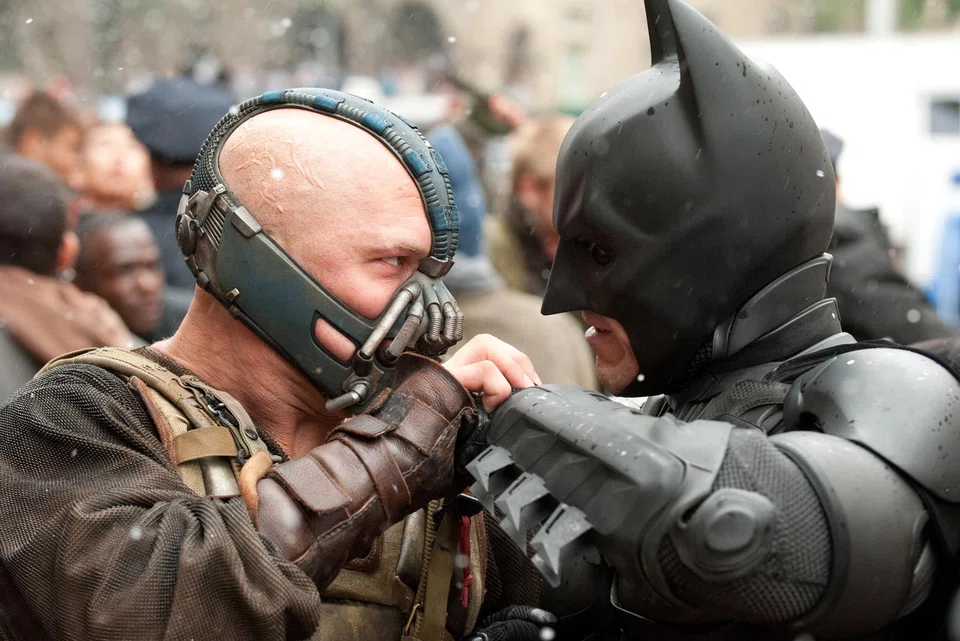
    • There is very likely a long-term, if more unpredictable, future for the superhero film, but if so, it will more likely be ensured by the old skills of quality writing, interesting storylines and well-acted, engaging heroes and villains.
    • There is very likely a long-term, if more unpredictable, future for the superhero film, but if so, it will more likely be ensured by the old skills of quality writing, interesting storylines and well-acted, engaging heroes and villains. IMAGE: WARNER BROS
    Published Sat, Dec 7, 2024 · 05:00 AM

    SOME film genres have enduring appeal, others come and go. The Western perhaps had its heyday in the 1950s, but since then has had limited appeal, despite the occasional film such as Silverado (1985) prompting speculation about a revival of the Western’s fortunes. The same might be said of “sword and sandal” epics, despite Gladiator.

    More recently, superhero films have ceased to be the almost surefire successes they once were, though it would be premature to say that the superhero film has had its day. Films based on Marvel characters have generally fared better than those featuring DC heroes, but they have also begun to flag – witness the lacklustre Thor: Love and Thunder (2022), a critical comedown from its predecessors, and The Marvels (2023), the first Marvel-comic-inspired film to make a loss at the box office.

    There are reasons why specific superhero films (such as 2019’s Avengers: Endgame, the highest-grossing superhero film to date) still do well at the box office and others do not, but there’s surely a problem embedded in the genre itself, particularly the weight it gives to special effects. These have come a long way with the increasing sophistication of computer-generated imagery (CGI).

    Individuals who have powers that other people don’t possess can do things that dazzle and impress, and once it became possible to represent this cinematically, it certainly brought audiences in. There had been superhero films before, but Superman (1978) marked a leap forward with effects that outclassed any that had featured in the genre before. The film signposted what would follow. It was publicised with the line “You’ll believe a man can fly!”, which inadvertently foreshadowed how central special effects would be to the superhero films that followed. Audiences knew that they were going to see a film that featured spectacular action.

    The effects have become more sophisticated and complex in the decades since Superman appeared. CGI made it possible to represent the exercise of extraordinary powers (sometimes in fantastic settings), but were also themselves enabled by their subject matter: heroes without extraordinary powers simply could not do the things that superheroes did, such as fly, lift huge weights, transform into other shapes or deliver punches that sent foes flying through walls.

    Yet the very superpower factor had embedded within it a fundamental flaw. Human beings have a marked tendency to admire underdogs who survive all that is thrown at them and emerge triumphant, against all the odds. Superheroes who caught the average thief or hoodlum simply would not have secured empathy or interest – superheroes needed to be confronted with super challenges, so that they could assume the status of underdogs who go on to win.

    Asean Intelligence

    Get insights into businesses across South-east Asia

    Get the free report

    Superman is vulnerable to an enemy armed with kryptonite, or to fellow Kryptonians who share his powers (as in Superman II). Spiderman faces villains such as Green Goblin, who have enhanced powers. This means that the superhero stories usually come down in broad outline to themes and tales similar in pattern to those of mortals who don’t possess extraordinary powers, but with greatly enhanced action sequences – and at a high production cost that can leave box office takings in excess of US$200 million still falling well short of the breakeven point.

    This might not have mattered so much when the viewing public was dazzled by CGI effects, but their original impact has diminished. What was once extraordinary has become normalised. Audiences have become accustomed to high-quality effects and these do not of themselves impress as they once did. A promise that a man would be made to look as if he really could fly won’t pull in the crowds today – particularly if the film’s script and storyline don’t fly.

    Clearly, there remains an appetite among the public for well-scripted superhero films featuring three-dimensional characters and with an engaging tale to tell. The first two Superman films had that, despite the publicity emphasis on their effects. So have films such as the earlier Thor, Spiderman and Batman (Batman does not formally have superpowers, but what he is enabled to do places him within the superhero genre) ones. There is very likely a long-term, if more unpredictable, future for the superhero film, but if so, it will more likely be ensured by the old skills of quality writing, interesting storylines and well-acted, engaging heroes and villains rather than by piling on the computer-enabled imagery and action.

    John Gee is a Singapore-based writer

    Decoding Asia newsletter: your guide to navigating Asia in a new global order. Sign up here to get Decoding Asia newsletter. Delivered to your inbox. Free.

    Share with us your feedback on BT's products and services