Chef David Thompson aims to revive traditional Thai customs
The Bangkok-based chef ties up with the former mayor of floating market town Amphawa to recreate the ancient wai khru ceremony
DAVID Thompson is a living legend in the world of Thai cuisine. Two decades ago, his restaurant Nahm in the Halkin in London became the first Thai restaurant ever to win a Michelin star, while the Bangkok iteration of Nahm reached No 1 on the list of Asia’s 50 Best Restaurants and also won a star that it still holds today.
While he left Nahm in 2018, he went on to other projects including the Long Chim restaurants, Aaharn in Hong Kong and Aksorn in Bangkok. He will soon open a new concept – in a goldsmith’s shop in Bangkok’s Chinatown.
Thompson and his partner Tanongsak Yordwai – once Nahm’s pastry chef – have always been fascinated by all facets of Thai culinary culture. At his restaurant Long Dtai in Koh Samui, where as a young Australian backpacker Thompson discovered his affinity for khwambenthai – a sentiment often translated as Thainess – he showcases the flavourful, fiery, funky cuisine of the South. At Aksorn, located in Bangkok’s artsy Charoen Krung district, he takes a look at the mid-20th-century food of an emerging, urban middle-class, with fervour akin to that of a Siamese Fanny Cradock.
His latest venture occupies a building that once housed a goldsmith’s shop in the heart of Yaowarat, Bangkok’s historic Chinatown. Chop Chop Cook House and Gold Smith Bar, currently in their soft opening phase, lean heavily on Bangkok’s Sino-Thai heritage, with creative takes on food and drink, where ingredients such as dried squid and hot chilli share the same plate. Also in the works are plans for a durian-based sweets shop.
Now Thompson and Tanongsak are highlighting another aspect of Thai food culture. They have reinvented an age-old ceremony that puts knowledge at the heart of a festival of culture and food. Their first public event was held in the market town of Amphawa 80 km south-west of Bangkok.
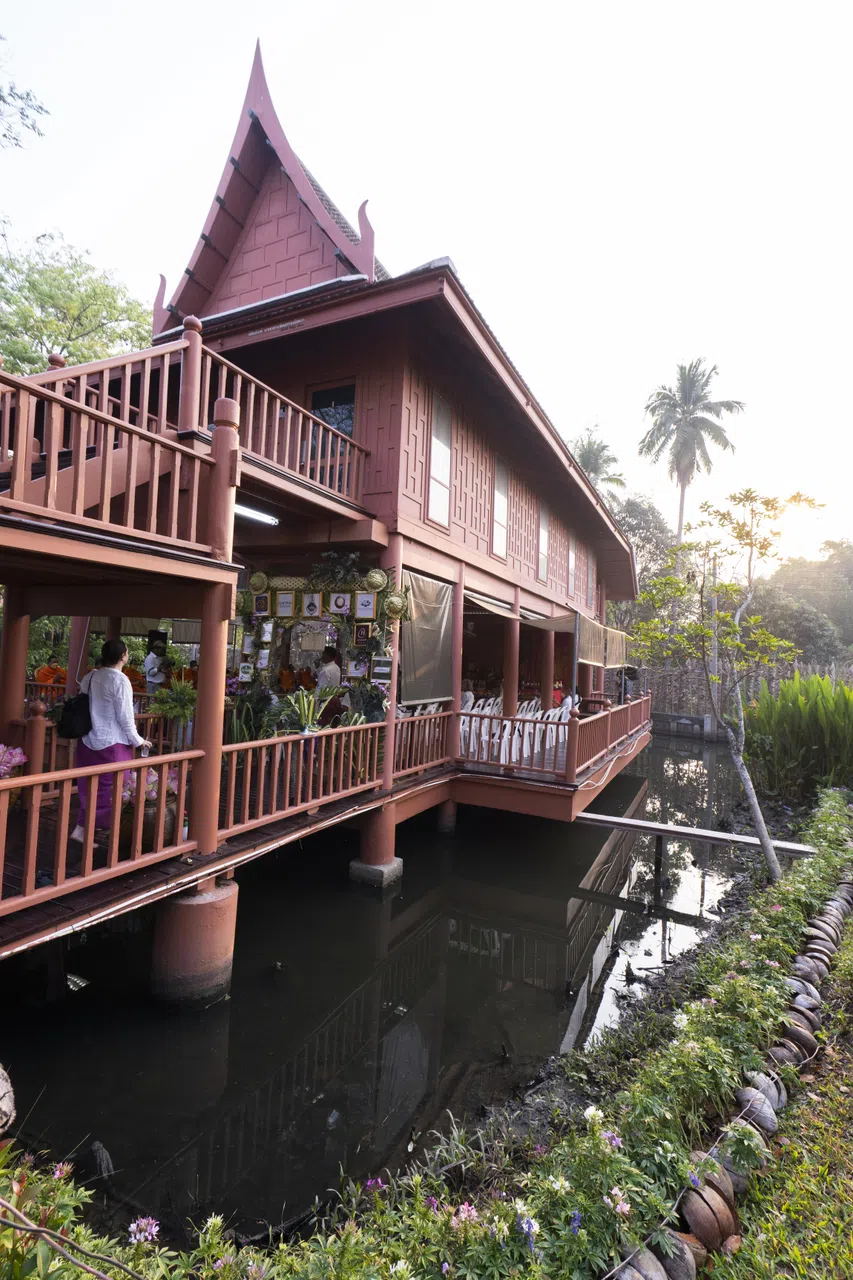
The ceremony is known as wai khru. A wai is the gesture of bringing your palms together in anything from a casual greeting to a sign of deep respect that is still an integral part of Thai life today. The etymology of khru is the same as the Hindu and Sanskrit guru, a teacher or elder.

Tanongsak feels that history and a solid background in Thai cooking are the foundations that young Thai chefs can overlook. But he doesn’t want to lecture. “What can I tell people?” he asks, underlining the importance of the unspoken word in Thai culture. “If I speak too much, it doesn’t work.” Instead, he wants to show them, and by extension us, what we are missing.
Wai khru was often practised by artisans and craftsmen such as musicians, dancers and muay thai boxers. It has also become a set piece in schools and universities. Critics however are quick to point out that institutional wai khru was revived in 1941 when authoritarianism and nationalism were riding high, to ensure that teachers and students were on the same page. “It stifles critical thinking,” Thompson sniffs, conscious that his comments clash with Tanongsak’s indirect discourse.
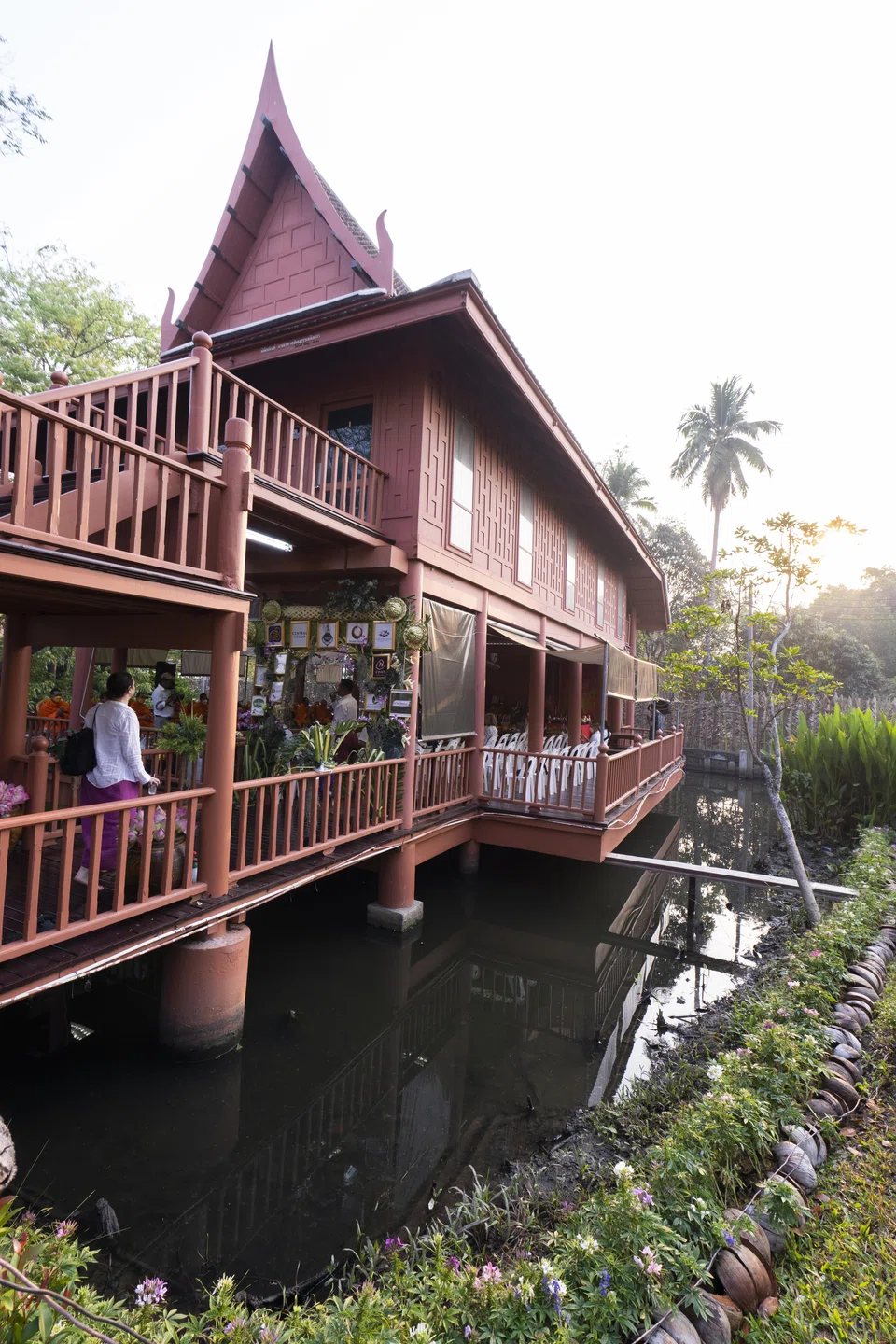
Their project to restore wai khru to its nobler intentions came together when Patcharodom “Chai” Unsuwan, a former mayor of the floating market town of Amphawa, introduced the pair to the King Rama II Memorial Foundation in his town. The site commemorates the birthplace of the second Chakri king, who ruled Siam from 1809 to 1824. Thailand’s current king is the 10th of the same line.
SEE ALSO
The foundation supports traditional Thai music and art; Rama II himself is remembered as a poet and patron of the arts. The foundation’s park is just a short walk from the Amphawa Floating Market, a weekend destination for Bangkok residents and other visitors out for a stroll and a meal of local delicacies.
Not so coincidentally, Amphawa and the province of Samut Songkram are known for their varied culinary riches. “Amphawa has been a town since the Ayutthaya era,” said Patcharodom. “Products such as pomelo, lychee, coconut and bangchang chilli travelled on the town’s 300 canals and largely influenced the food eaten in the court in Bangkok.”
Visitors to the popular weekend getaway take home souvenirs in the form of pla tu, the short-bodied mackerel that were traditionally sold in round bamboo baskets. The edible fish are a popular item, but they can also be purchased as key chains, fridge magnets or even plush toys.
This year’s festival attracted scholars, history buffs and curious food lovers. A panel discussion about seasonal and traditional foods took the example of kanom beung, a folded crispy crepe with fillings that change throughout the year, including a brief season when a savoury version with prawn tomalley is made.
Thompson harangued the speakers about the origins of the dish. Niphatchanok Najpinij, a professor at Suan Dusit University and an early supporter of the initiative, who moderated the panel, humoured him while defending her thesis that the roots of the dish were in India. The banter was both entertaining and insightful.
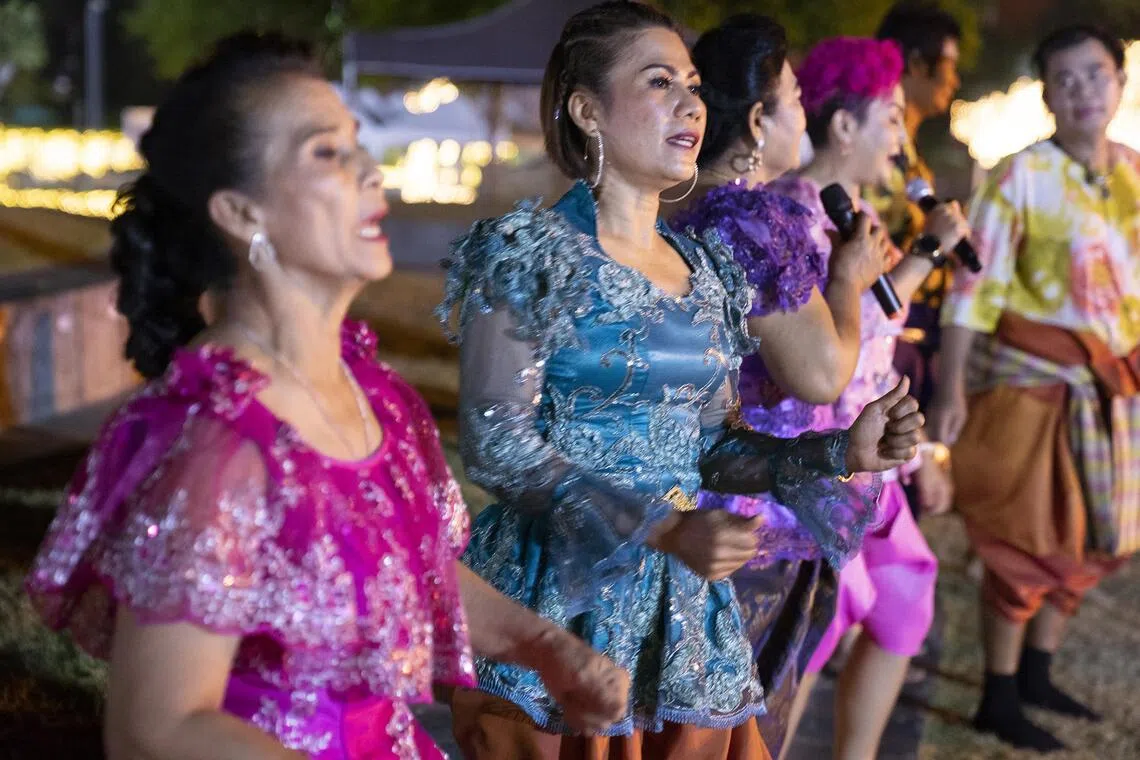
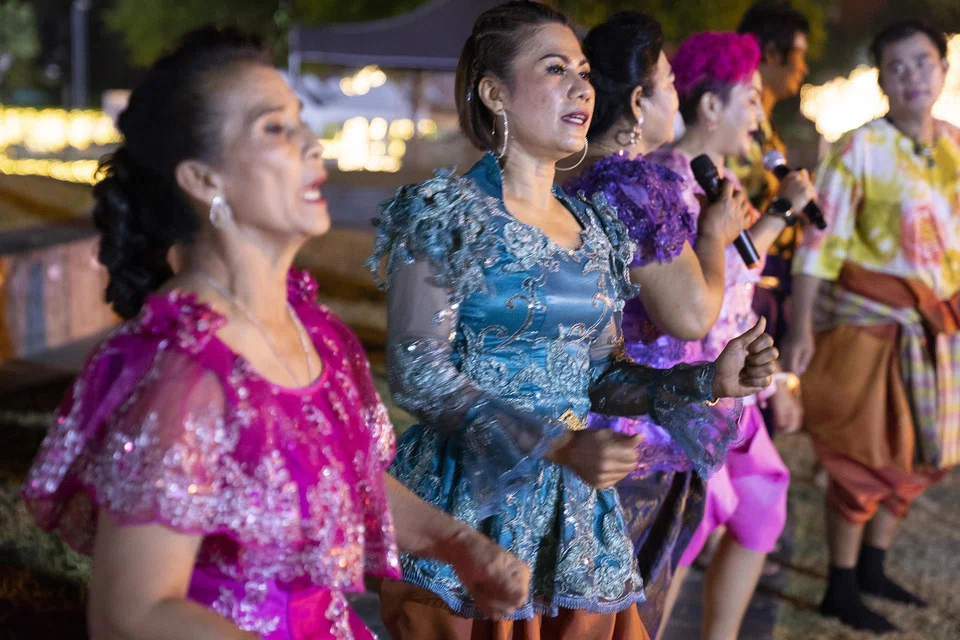
Another addition to the programme was a lakorn performance, a form of entertainment that is a mix of stand-up, improv, poetry slam and traditional musical instruments with more than a smattering of off-colour jokes. The performers did not spare Thompson from their taunting. “He’s come to teach us that his food is better than ours!” they intoned, though not in such polite terms.
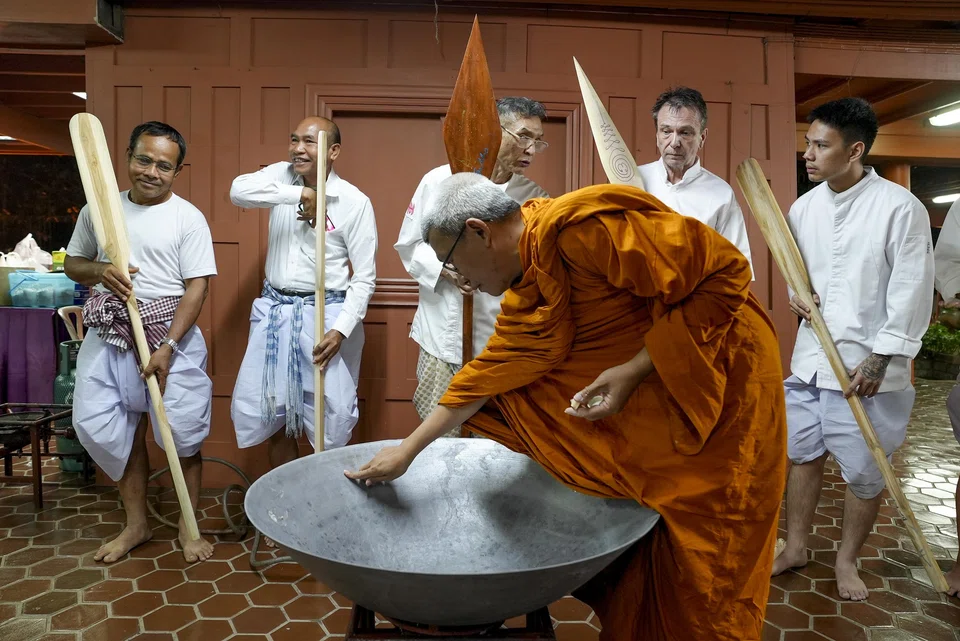
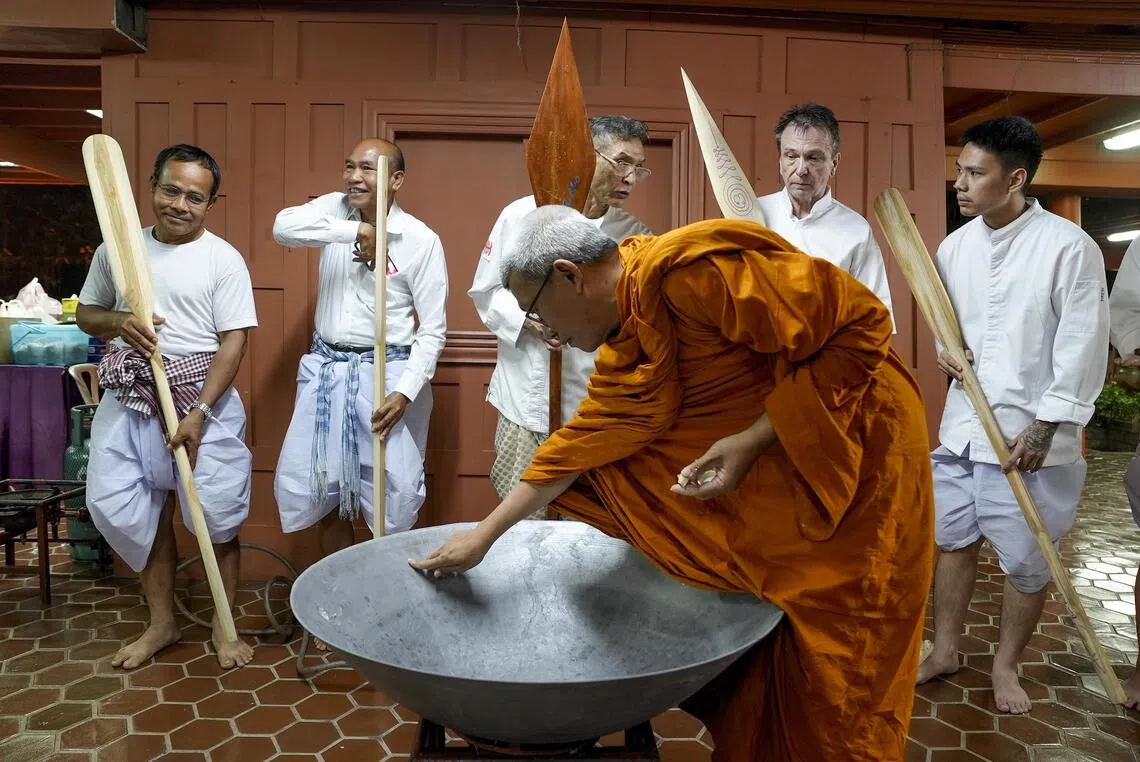
The ceremony proper was due to start at 2.30 am precisely, a time deemed auspicious by soothsayers. With a little Thai tardiness, it was past 3 am when chefs with anointed wooden paddles gathered around a heated wok to mix (guan) sugars, ghee and a variety of rices and nuts to make a rice offering (khao thip) to the gods.
“The protocol of this ceremony once (required) only virgin women in white,” explains Dr Niphatchanok. These days it is more flexible. “Now anyone who is willing to stand the heat, long hours and the very early morning hours” can attend to the pot.
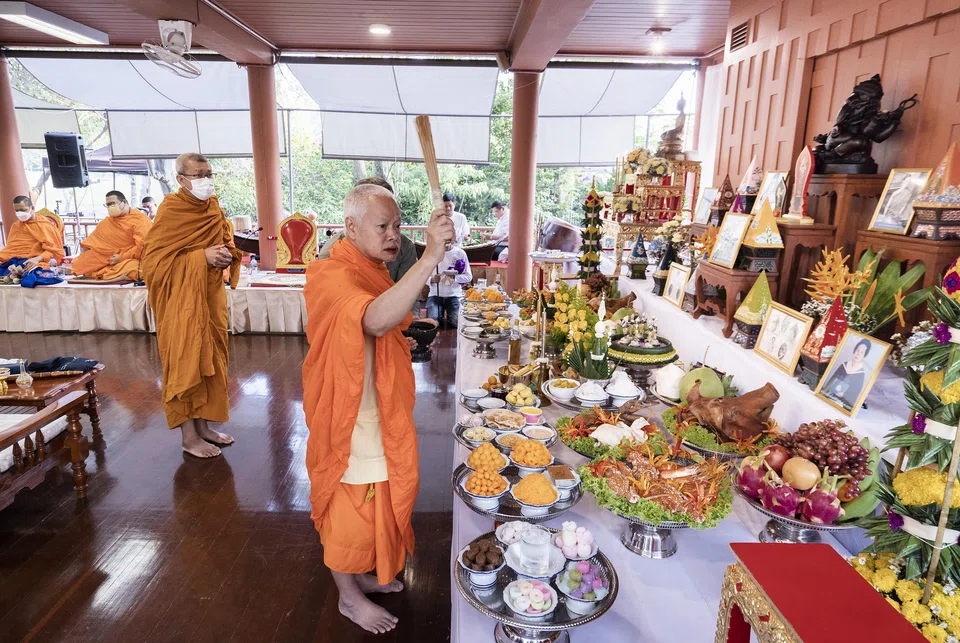
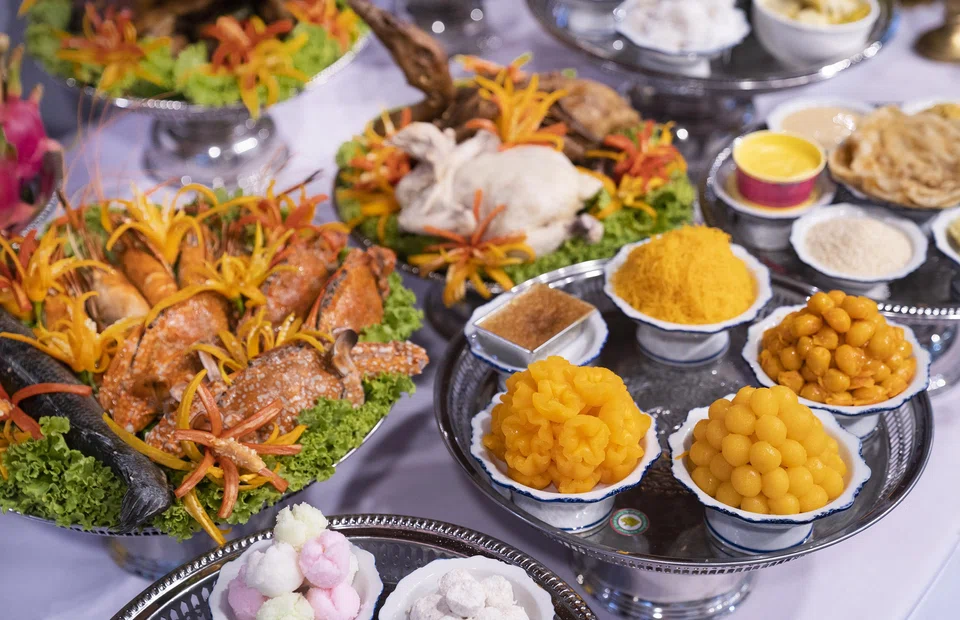
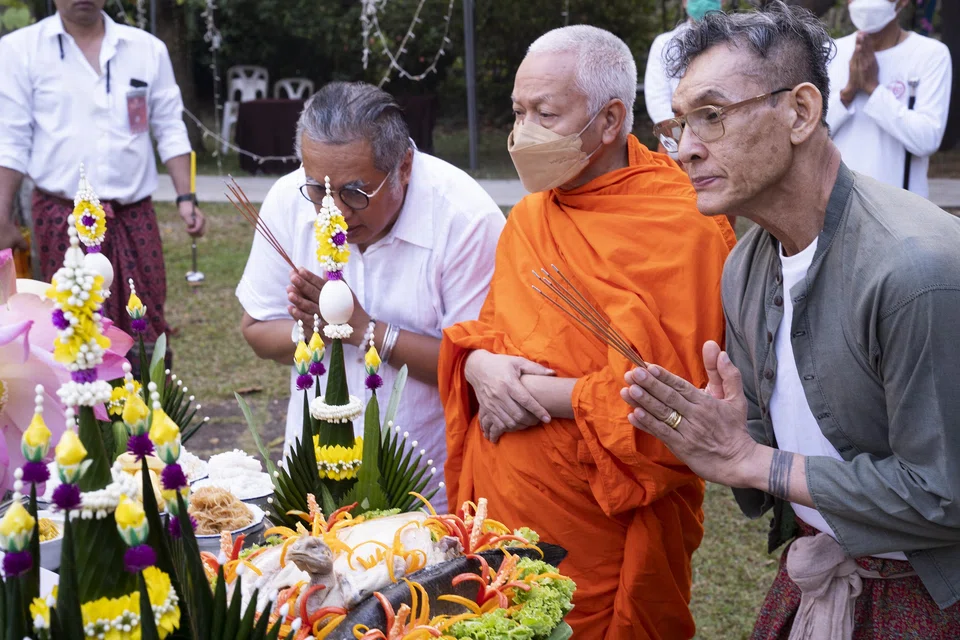
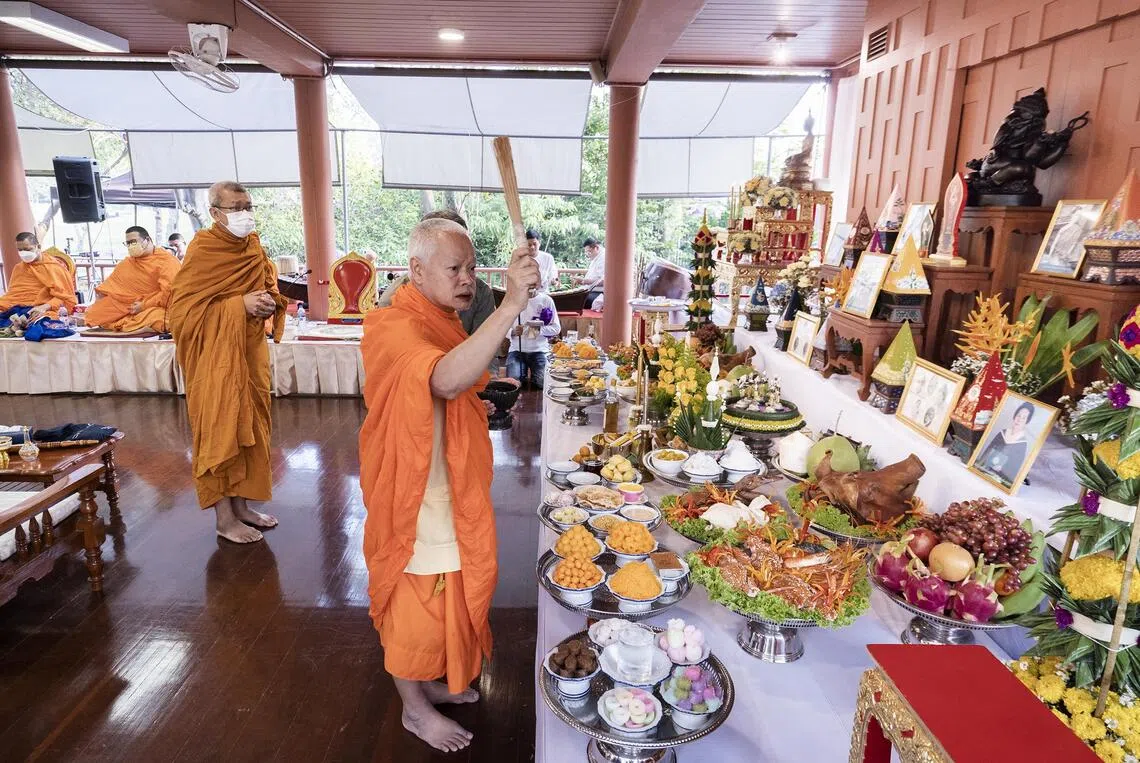
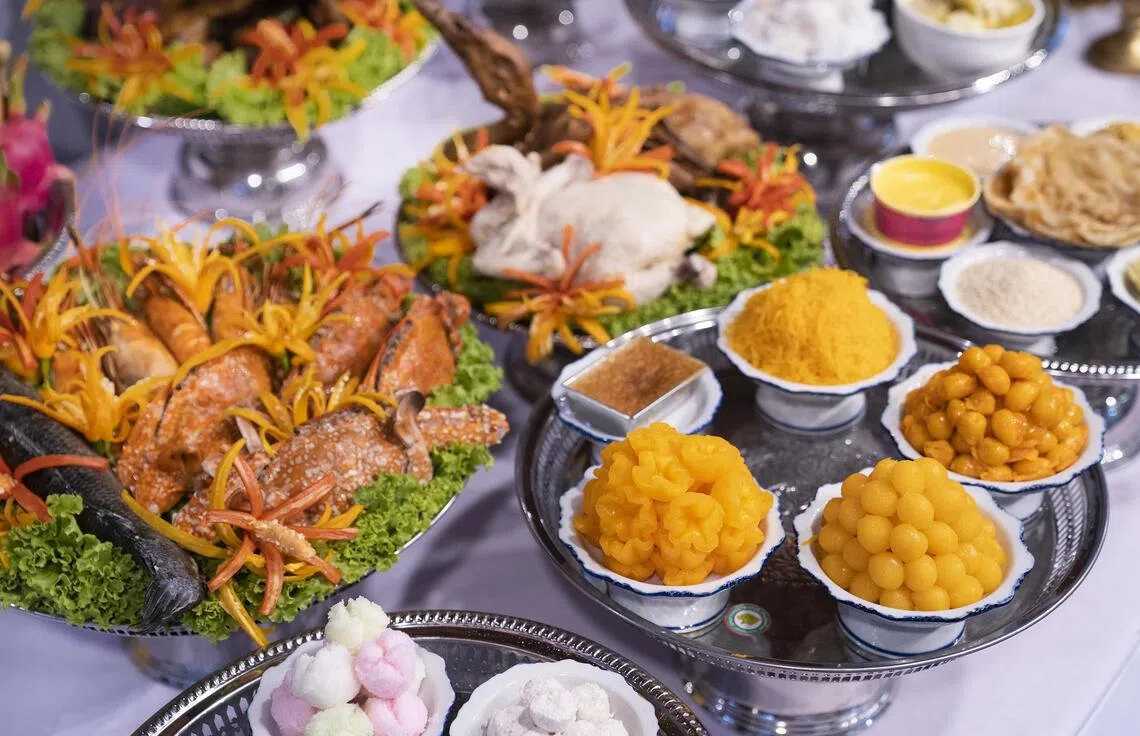
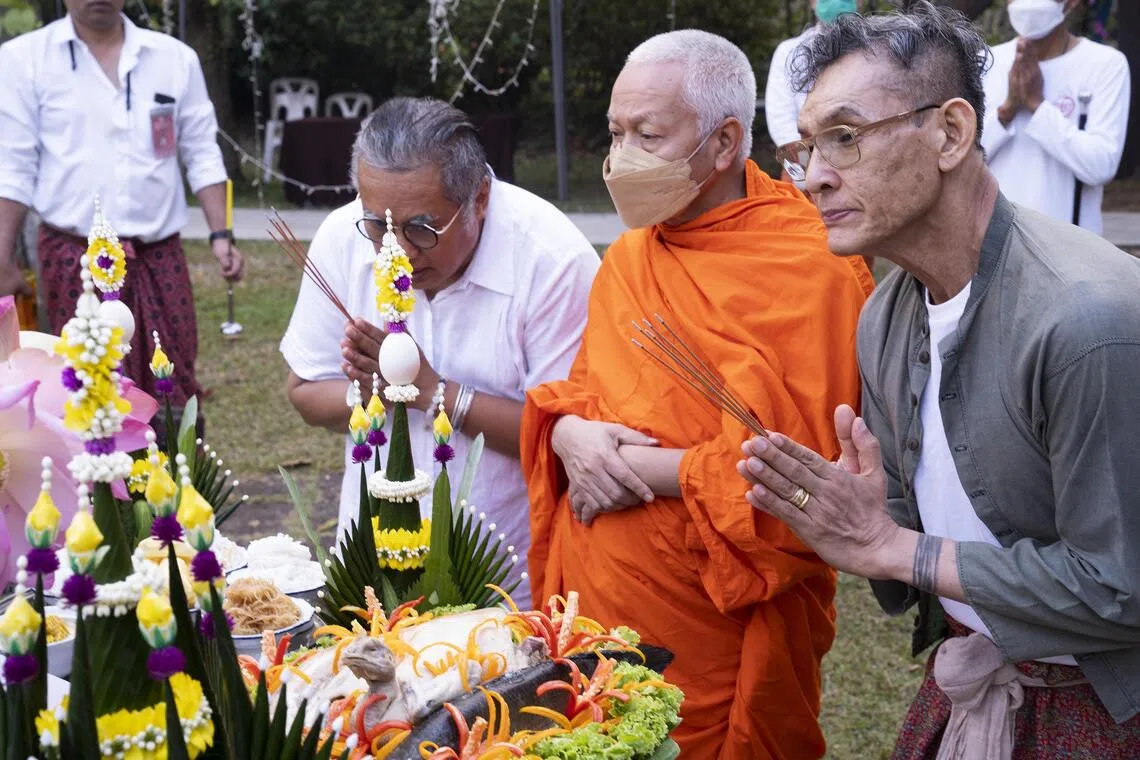
When the khao thip was reduced to a sticky paste, it was left to cool. More promptly at 9.09 am, a Brahmin priest began the wai khru ceremony in front of an elaborate altar laden with offerings. For two hours, tableaux of music were offered up, interspersed with incantations before the gurus offered blessing to the audience. Celebrity Chinese-food guru Fuchsia Dunlop made a cameo appearance as the representative of foreign culinary wisdom.
Though its practices are arcane, the festival is universal in appeal. Tanongsak hopes that people will understand that “we are all part of Mother Earth”.
Thompson, like a gently bickering spouse, put the symbolism of the weekend in different terms. “Thais are a broader-thinking people who see more than the rational and material in their lives.”
He pauses, then says: “Knowledge is so much more than just the facts.” And that is the absolute truth.
Decoding Asia newsletter: your guide to navigating Asia in a new global order. Sign up here to get Decoding Asia newsletter. Delivered to your inbox. Free.
Share with us your feedback on BT's products and services