

Fighting diabetes: An endocrinologist’s top concerns
Eight years since the government declared war on diabetes, the tools have improved, but it’s the motivation that counts
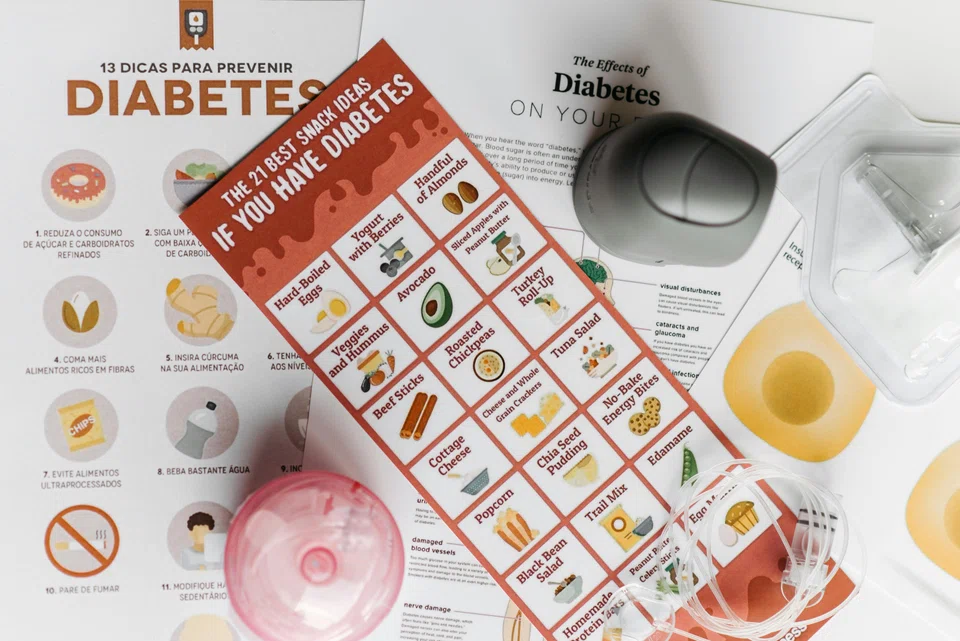
NOVEMBER is diabetes awareness month, and if there is one thing everyone should be aware of, it is that they should get screened for it.
“Diabetes is a condition that can be treated, but if you don’t screen for it, by the time you discover your blood sugar is too high, you may have already suffered damage,” says Adjunct Associate Professor Khoo Chin Meng, head and senior consultant endocrinologist at the Department of Medicine, National University Hospital.
A chronic disease caused by a combination of factors including genetics, diet and lifestyle, diabetes is characterised by high levels of blood sugar in the body. The two main types of diabetes are type 1, which is an autoimmune disorder where the body doesn’t make any insulin (a hormone that turns blood sugar into energy); and type 2, where the body isn’t making enough insulin or what it makes isn’t working properly.
Type 2 diabetes is more prevalent by far, accounting for around 90 per cent of all diabetes. It also tends to be linked to lifestyle factors such as diet, obesity and lack of physical activity.
Diabetes causes multiple harms, Assoc Prof Khoo points out. Prolonged high sugar levels (hyperglycaemia) can damage small blood vessels and tissues in the body, leading to complications including kidney failure, blindness, stroke and heart attack, as well as lower limb amputation.
Where are we now
Latest available figures from the National Population Health Survey (NPHS) 2023 show that one in 14 Singapore residents (7.3 per cent) aged 18 to 74 years reported that they had diabetes. The prevalence of diabetes increased with age.
The prevalence of diabetes showed a significant increasing trend between 2007 and 2023. But between 2019 and 2023, it remained stable at around 7 per cent.
Of course, the above are self-reported numbers. According to the Ministry of Health, about one in three Singaporeans are at risk of developing diabetes in their lifetime.
“In any population, 20 to 30 per cent of people are unaware that they have diabetes, so that’s a huge underestimation in terms of prevalence,” says Assoc Prof Khoo. “Adding to this, and making the situation more urgent, is that about 15 per cent of our population is at a very high risk of developing diabetes. In fact, 30 to 50 per cent of them will become diabetic in eight years if they don’t do anything about it.”
SEE ALSO





Hence, his key concern about screening. For instance, those found to have prediabetes – a higher than normal blood sugar level though not high enough to be considered diabetic – can take action to bring their readings down relatively easily.
“If you have diabetes at the age of 45, but we reverse it, then most likely, you won’t get its complications when you’re 60 or 65. So your quality of life will be good when you’re at the point of retiring.”
More younger patients diabetic
According to the International Diabetes Federation, it used to be mainly older adults who developed the condition. But with rising levels of obesity, sedentary lifestyles and poor diet, type 2 diabetes is increasing in children, adolescents and younger adults.
“Diabetes is rising in the younger age group below 40, and even in teenagers. It’s no longer a so-called middle age or older age disease,” says Assoc Prof Khoo.
“If you have diabetes at the age of 30, you will start to suffer from its complications when you’re around 40 and that is very, very young for such a burden to be imposed on the patient and society.”
He is also seeing more women with gestational diabetes – diabetes in pregnancy – which may continue after pregnancy. The disease can cause complications such as hypertension, with a higher risk of a C-section delivery. There is also a risk of early birth of the baby, who may suffer from diabetes later in life.
Taking action
While diabetes cannot be cured, it can be reversed through lifestyle modifications such as diet, weight loss and exercise.
Newer medications such as sodium-glucose co-transporter 2 (SGLT-2) inhibitors that help lower blood sugar also reduce the risk of complications such as kidney and heart disease, while glucagon-like peptide-1 (GLP-1) agonists such as Ozempic, manage blood sugar levels and help in weight loss.
One of the most difficult messages to deliver to diabetics, says Assoc Prof Khoo, is about food, as it is such a big part of our culture. But while doctors and dietitians can give general advice about diet, the exact type of food that helps or harms diabetics varies from person to person.
And this is where continuous glucose monitor (CGM) wearable devices can help. Instead of the traditional finger-prick test, these newer, unobtrusive tools worn on the belly or arm provide real-time information on how blood sugar levels are fluctuating, 24 hours a day.
“A dietitian can tell you to avoid carbohydrates, but not exactly which type,” he says. “With the CGM, you have something that can tell you if yellow noodles or bee hoon is better for you.”
By showing how different types of food, as well as daily habits, sleep patterns and other factors affect their blood sugar levels, CGMs help patients make more informed decisions about their diet, physical activities and the medicines they take.
Not letting up the fight
This leads us to Assoc Prof Khoo’s other key concern – losing the momentum built over the years in the fight against the disease.

With the government having laid the foundation, more people are aware of the need to maintain healthy body weight, he says. More are also exercising, with the NPHS showing a significant increase in total physical activity from 74.9 per cent in 2022 to 78.5 per cent in 2023.
Meanwhile, Nutri-Grade labels on drinks grading them based on their sugar and saturated fat levels, and food items carrying the Healthier Choice Symbols help consumers make better decisions. Restaurants are also offering healthier options, while diabetes screening costs are subsidised by the government.
“If you put it all together, there’s actually a lot that has happened over the past eight years. But if we lose that momentum, and go back to a complacent state, then we lose the war on diabetes. That’s my biggest worry.”
Ultimately, he says the fight cannot be a movement coming from the health ministry or doctors, but borne out of an individual’s desire.
“It has to be a people’s movement but I’ve yet to see that happening at this moment.”
What doctors at the National University Health System cluster of healthcare institutions have been doing is a patient-centred approach, to get them involved in their own care. Patients tell doctors what their goals are, such as bringing their blood sugar level down to normal or avoiding kidney failure, and they work together towards achieving them.
“So we’re in that process of getting patients activated, rather than the traditional way of doctors telling them what to do when they’re not ready, because that’s not going to work,” Assoc Prof Khoo says. “My job is to help them to navigate and offer the best medicines and options available, but the motivation to be healthy has to come from them.”
Decoding Asia newsletter: your guide to navigating Asia in a new global order. Sign up here to get Decoding Asia newsletter. Delivered to your inbox. Free.
Copyright SPH Media. All rights reserved.
TRENDING NOW

Once staunchly pro-China, Malaysian Chinese businesses are now distancing themselves from Beijing

Stocks to watch: HPL, Aims Apac Reit, Zico, Advanced Systems Automation, ComfortDelGro

‘How many will survive?’: Bubble fears arise as China’s humanoid robotics face reality check

Smaller board lots can’t fix a market run by three banks

