

Journey through champagne country
Discover the eponymous region of France, where the original bubbly was invented

IN THE words of Napoleon Bonaparte: “In victory, you deserve champagne; in defeat, you need it.”
If champagne appreciation to you is more than just pulling a bottle of bubbly out of the fridge, head to the eponymous region of France, where driving through its vineyards and exploring the various towns and cities expand your drinking horizons.
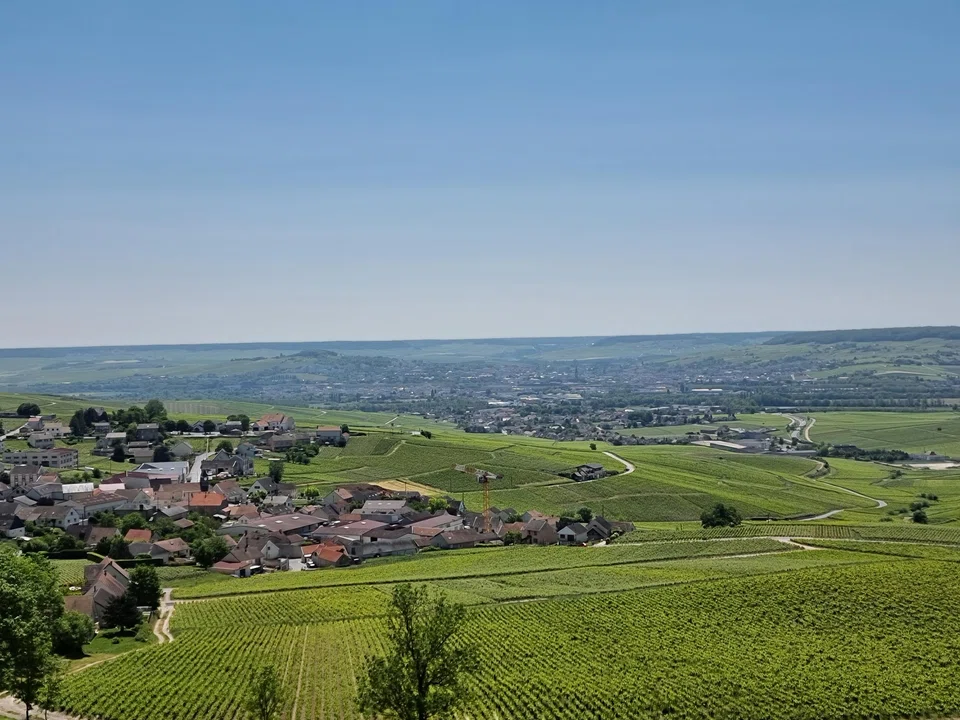
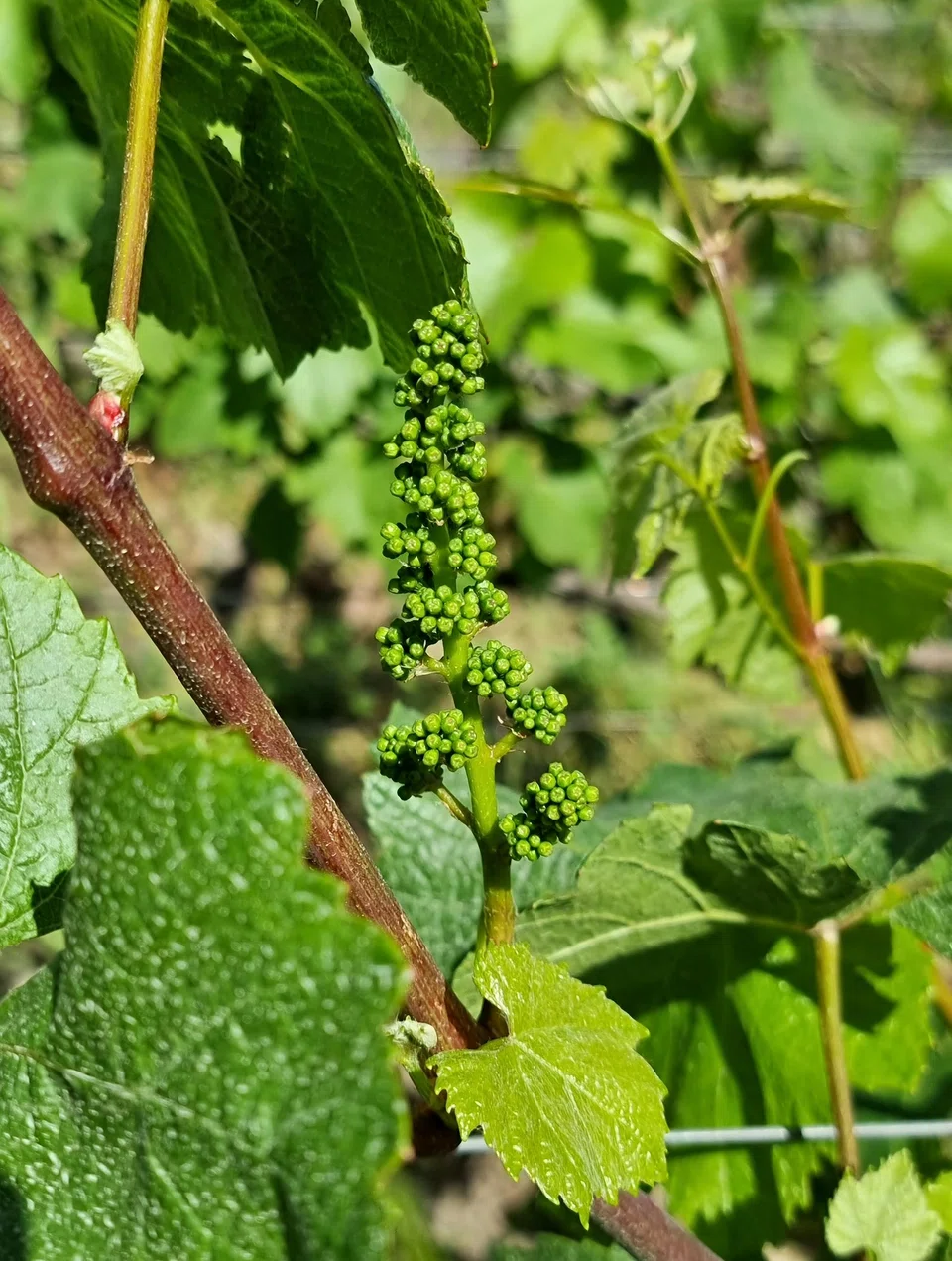
Champagne is a larger region than you may think. Vallee de la Marne, where you’ll find towns like Reims and Epernay, is the centre of champagne production. Cote des Blancs is known for high-quality Chardonnay grapes – one of champagne’s three main grape varieties; Montagne de Reims is home to Pinot Noir grapes. Completing the trio of varietals is Pinot Meunier, for which Vallee de la Marne is famous.

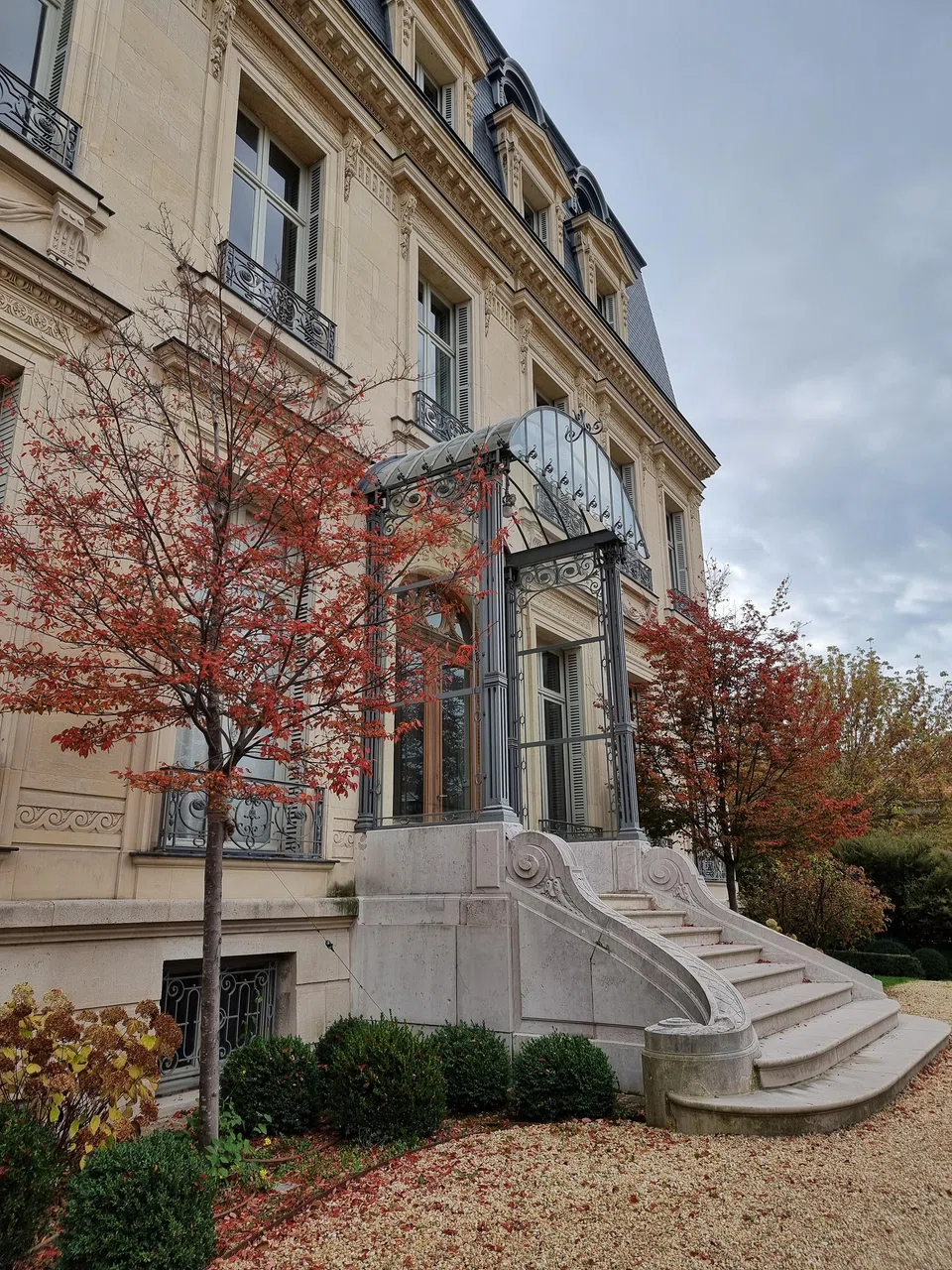
In spring, the verdant rolling hills of vineyards are a sight to behold. Autumn rewards you with a spectacular vista of rich gold and copper hues. But whichever season you find yourself in, there’s a wealth of sights and activities to look forward to. Don’t fuss too much about where you should go. Just pick a spot – a champagne house or two is a must – and enjoy the sights, sounds and, of course, the food and drink.
Reims: City of kings
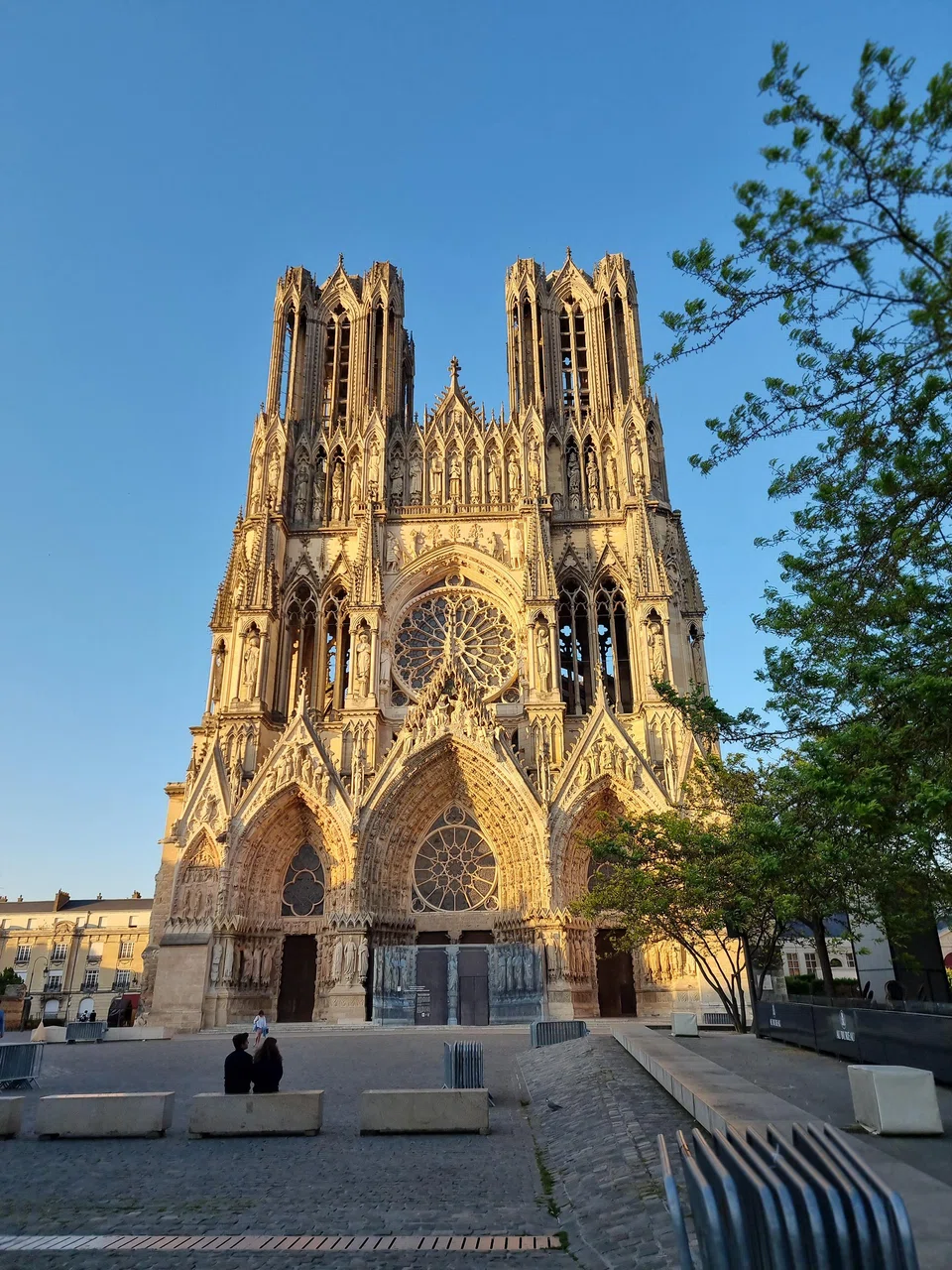
Famed for its gothic Cathedral of Notre Dame, Reims is a charming city with its own university and the magnificent Palais du Tau – the lavish residence of its former archbishop, but now a Unesco World Heritage Site that hosts cultural events. It’s currently under renovation, but on a previous visit, we could view meticulously detailed tapestries hanging from stone walls, and admire ancient artefacts dating back to the 12th century. Towering statues loom over you on the way to the chapel – the oldest part of the building.
Reims Cathedral holds equal, if not more, stature, for its imposing facade, guarded at the entrance by a 19th-century statue of Joan of Arc on her trusty steed. Within its hallowed halls are breathtaking stained-glass panels, created by the famed Russian-French artist Marc Chagall in the 1970s.

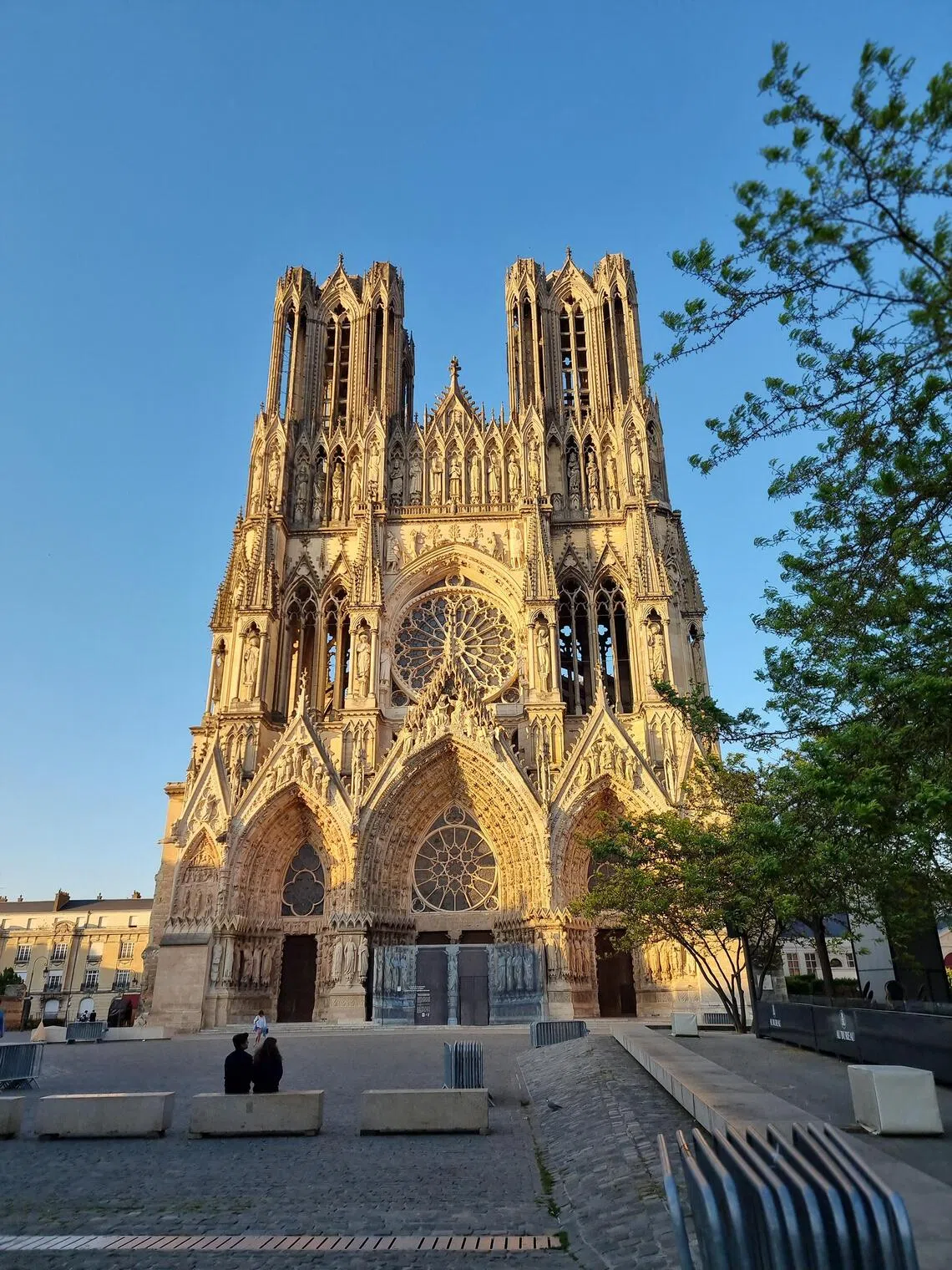
The cathedral has been the venue for the coronations of nearly all the kings of France; it earned its Unesco World Heritage Site status in 1991. If you can make it up the 250 steps to the cathedral tower, a panoramic view of the city and its surroundings is your prize.
If you’re visiting between May and August, check out the nightly Reve de Couleurs – a lovely spectacle of sound and light. Enjoy it from the comfort of the wine bar across from the cathedral square, or from the rooftop of Restaurant Gabrielle, which serves modern French cuisine.

In June, the city morphs into a medieval village as it relives the Middle Ages, in an annual tribute to the warrior Joan of Arc, who led the French army to victory against English troops during the 15th-century Hundred Years War. Complete with minstrels and jugglers, the Fetes Johanniques is literally old-school fun and games.
SEE ALSO
Champagne house tours
Be sure to include one or two champagne houses in your itinerary. Try to visit at least one maison and one grower – whatever the sub-region – because they show the different philosophies behind champagne-making and the diversity of producers.
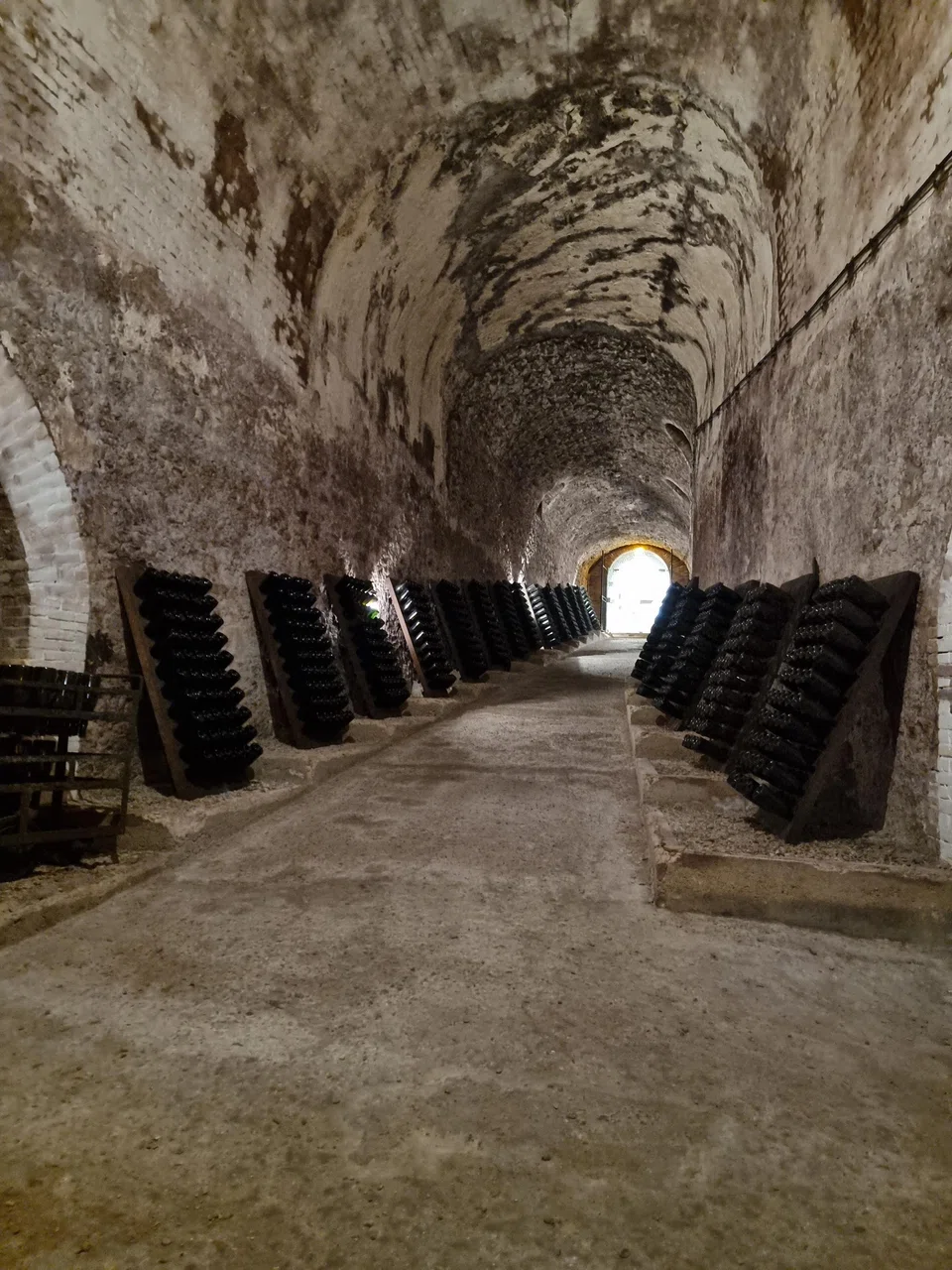
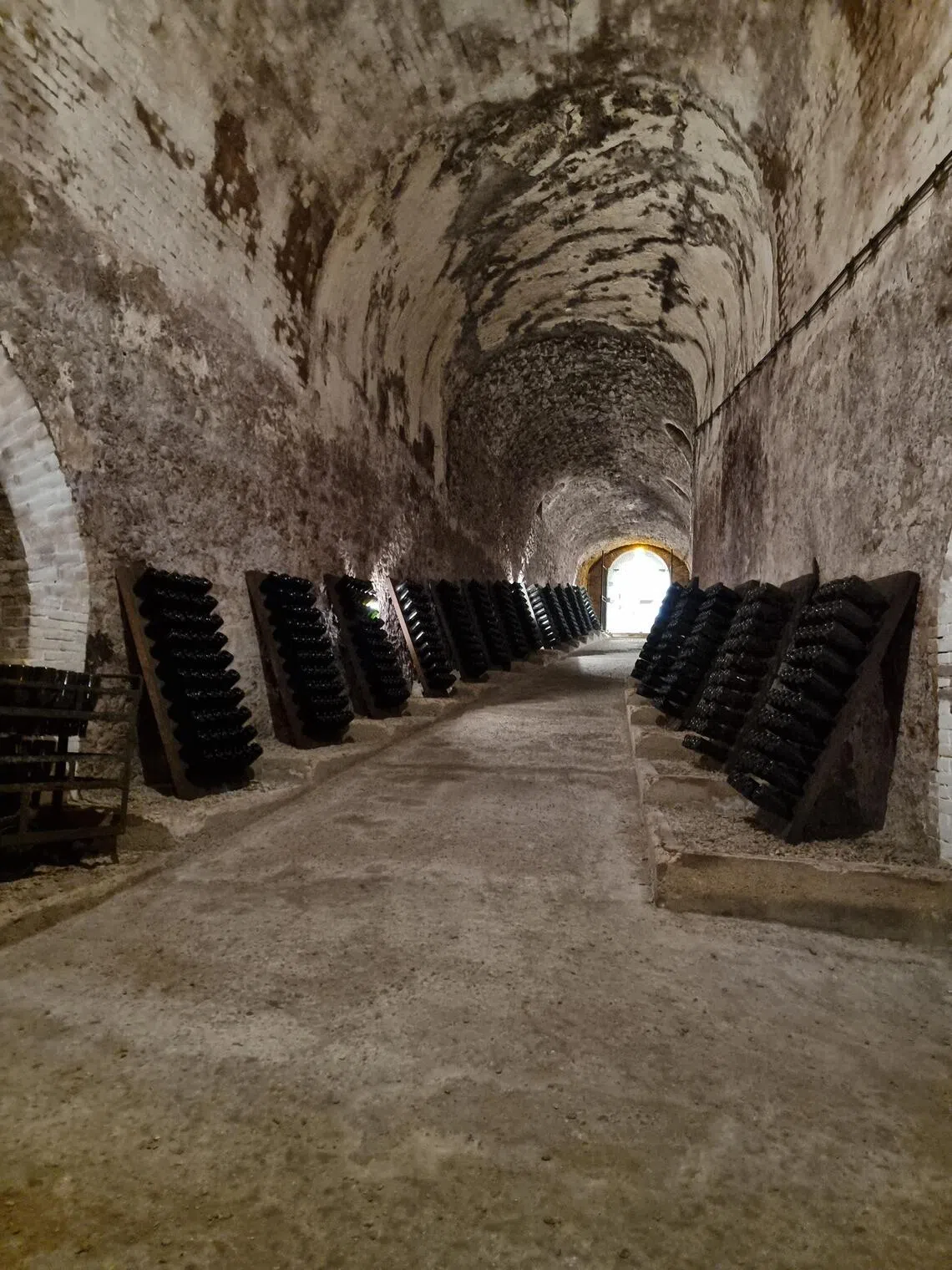
The house of Taittinger, for one, is home to some of the most beautiful cellars in Reims. A well-curated tour takes you through the old Roman chalk quarries and the remains of the medieval Saint Nicaise Abbey, which was built by Benedictine monks in the 13th century. Below the abbey are the caves where Taittinger’s prestige cuvees are left to mature.
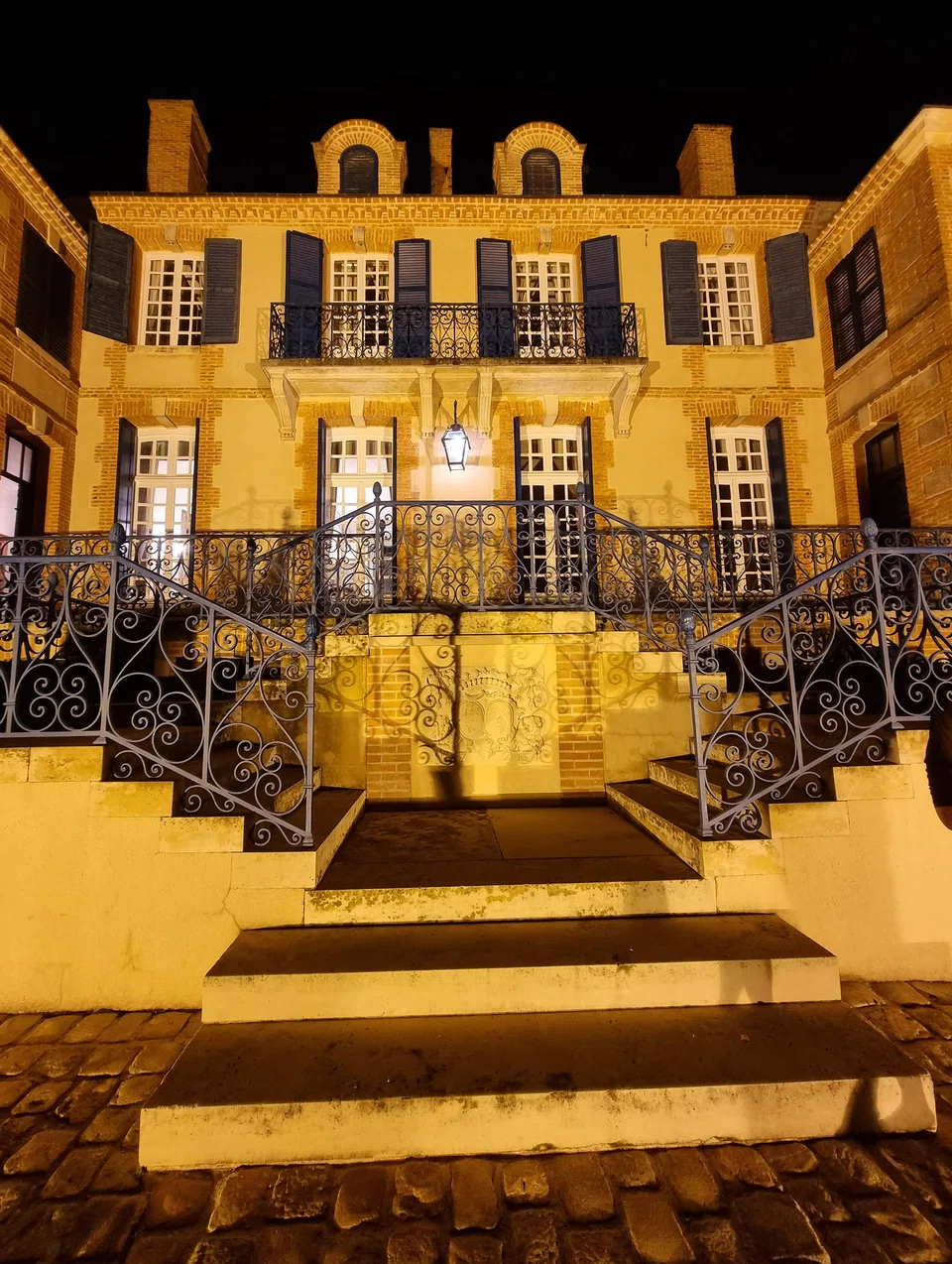
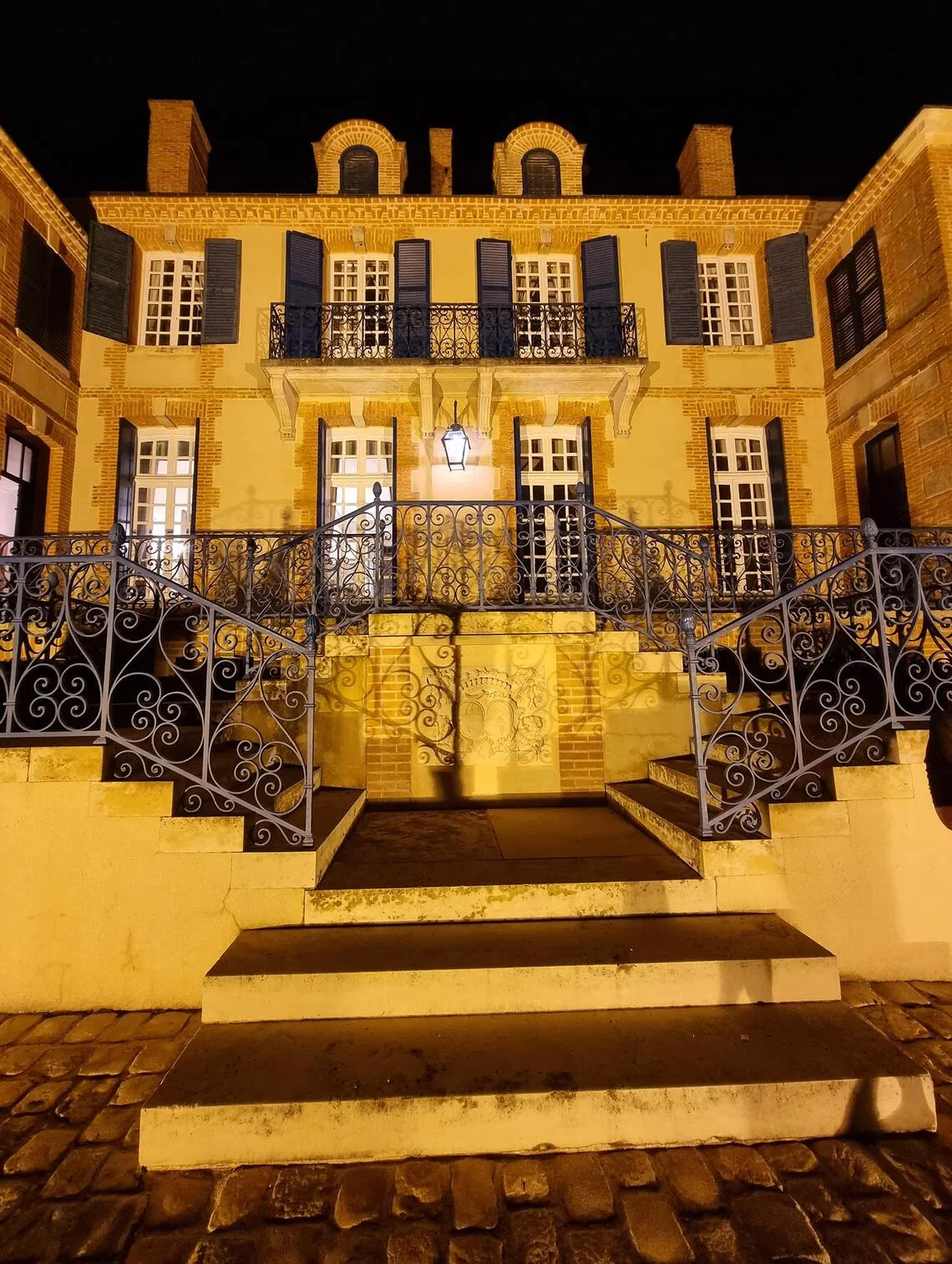
The Taittinger visitor centre is currently closed for renovations, and reopens next summer. In the meantime, visit the residence of the Comte de Champagne, which isn’t usually open to the public. The stately 13th-century home offers a unique opportunity to taste Taittinger’s finest champagne as part of a unique light-and-sound experience.
Further afield, in Ay, are the beautiful cellars of Champagne Philipponnat, which produces riveting Blanc de Noirs champagnes. One of the last few houses still run by a founding member of the family, it offers cellar tours by appointment. Other famous houses of Reims, such as Champagne Veuve Clicquot and Champagne Lanson, also offer the same. Reservations can be made online.
For Art Deco lovers
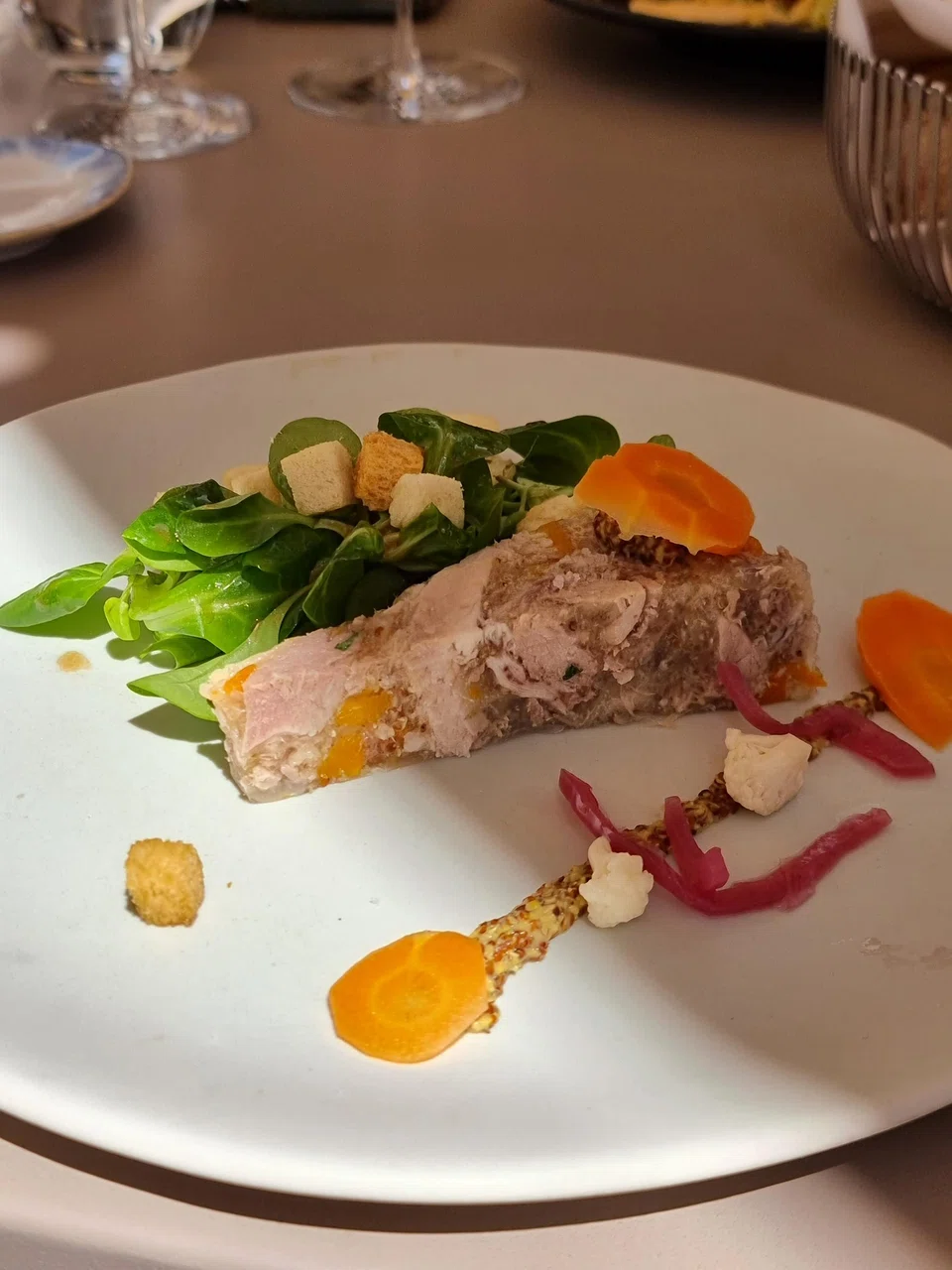
If you’re in Reims over the weekend, head to the listed monument Halles du Boulingrin for a taste of wonderfully fresh local produce at its Saturday market. Built in the 1920s, the building is a fine example of Art Deco architecture, which you can admire while sampling a myriad of local cheeses and delicacies. Mingle with the locals as they do their grocery shopping, and don’t miss the local jambon de Reims – a spiced ham you won’t find anywhere else.
The Carnegie Library, built in 1928 by the Scotsman Andrew Carnegie, is yet another fine example of Art Deco style. Be transported to the Roaring Twenties as you wander about and admire the exquisite and well-maintained stained glass and wooden parquetry. It also offers some quiet respite before you set out to explore the rest of Reims on foot.
Epernay’s Avenue of Champagne
If you prefer a quieter environment, head to the next champagne centre of Epernay, where you’ll find the famed L’Avenue de Champagne. It’s said to be the most expensive street in the world, thanks to the millions of bottles of champagne stored in the historic chalk cellars underground.
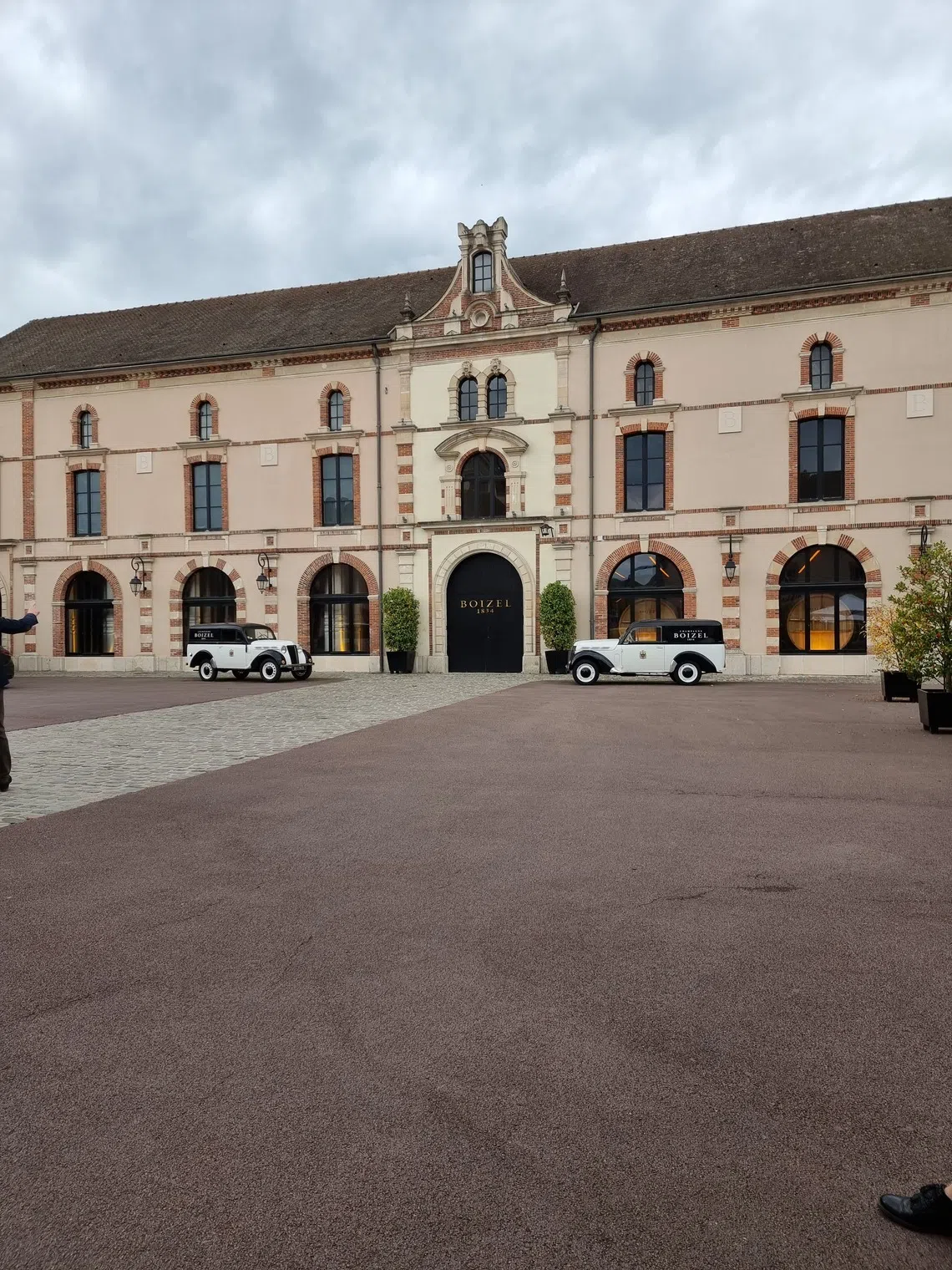
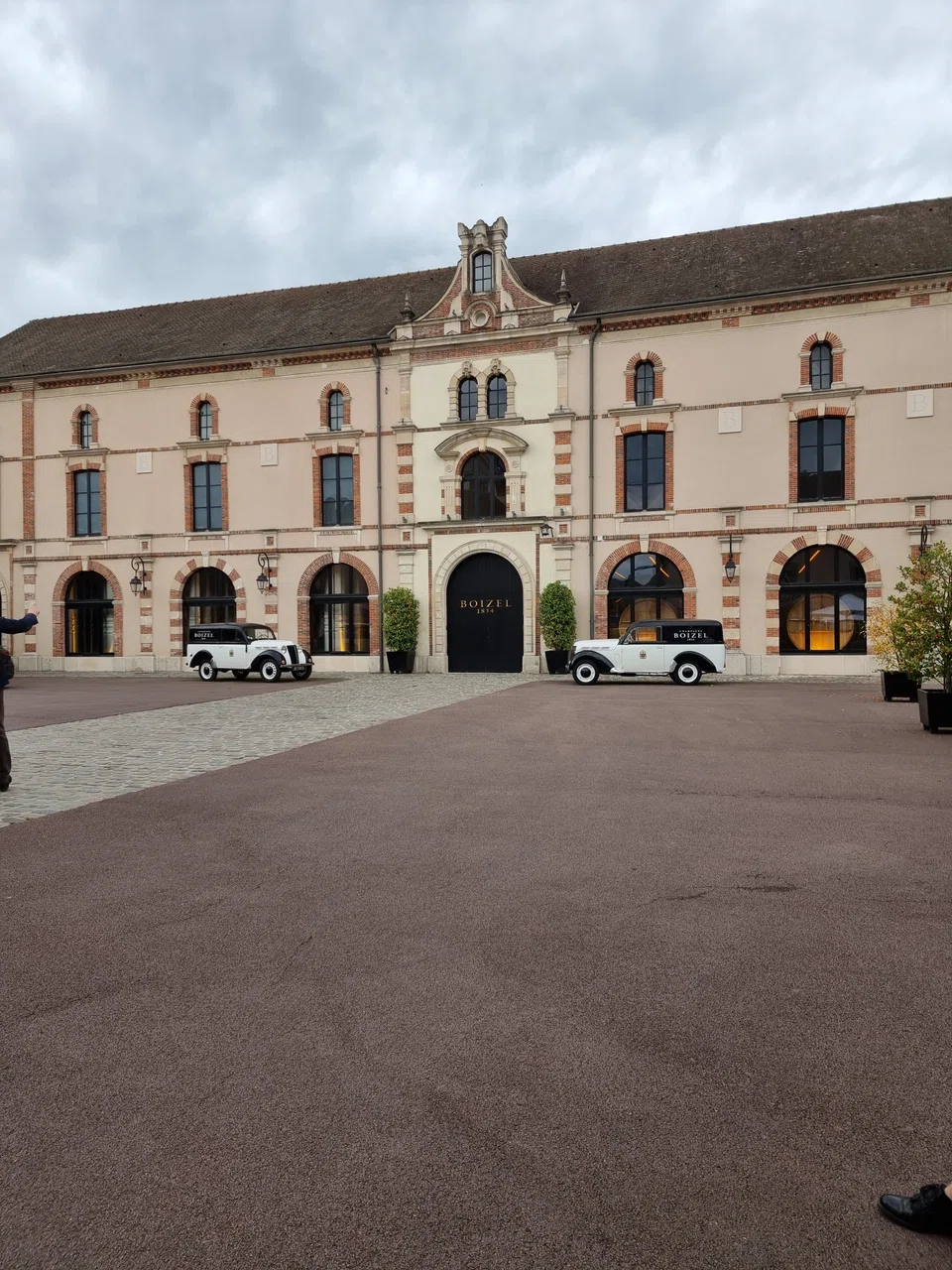
This one-kilometre stretch of road and the cellars are a Unesco World Heritage Site. Being there is like walking down a champagne hall of fame. You’ll find a string of big names here, including Moet et Chandon, Perrier Jouet, Boizel, de Venoge, Vranken and Pol Roger, as you stroll down Champagne’s version of Rue Saint Honore. It’s a lovely excursion as you admire the architecture and design of each house.
Not far from Epernay is the village of Hautvillers. Here, visit the final resting place of the famous monk who is said to have invented the second fermentation that gives champagne its bubbles – Dom Perignon. His tomb lies before the main altar of this charming village church that is still in use today. Behind the abbey is an amazing view of the vineyards. Pack a little picnic basket, sit, relax and enjoy.
Troyes and Colombey-les-Deux-Eglises
A hidden gem is the town of Troyes – an hour-and-a-half drive from Reims. In this quintessential medieval town with narrow cobblestone streets and houses from the 16th century, you’ll feel like you’ve set foot onto the film set of Shakespeare in Love. Sample the very traditional and tasty Troyes andouillette – a handmade sausage made from pig intestines (the French version of kway chap) which was enjoyed by King Louis XIV. Or you could just lounge in an outdoor cafe to enjoy the surrounding architecture.
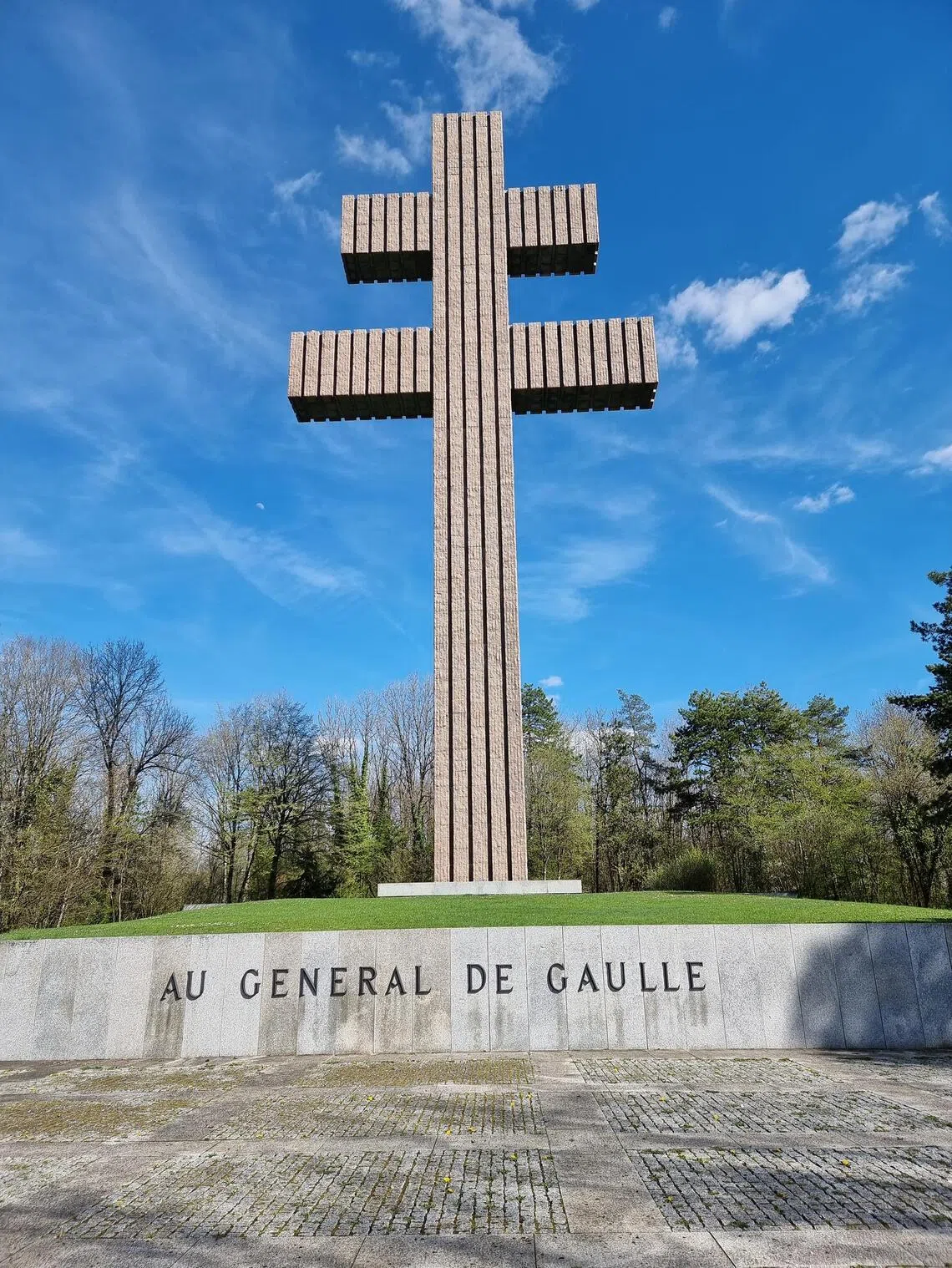
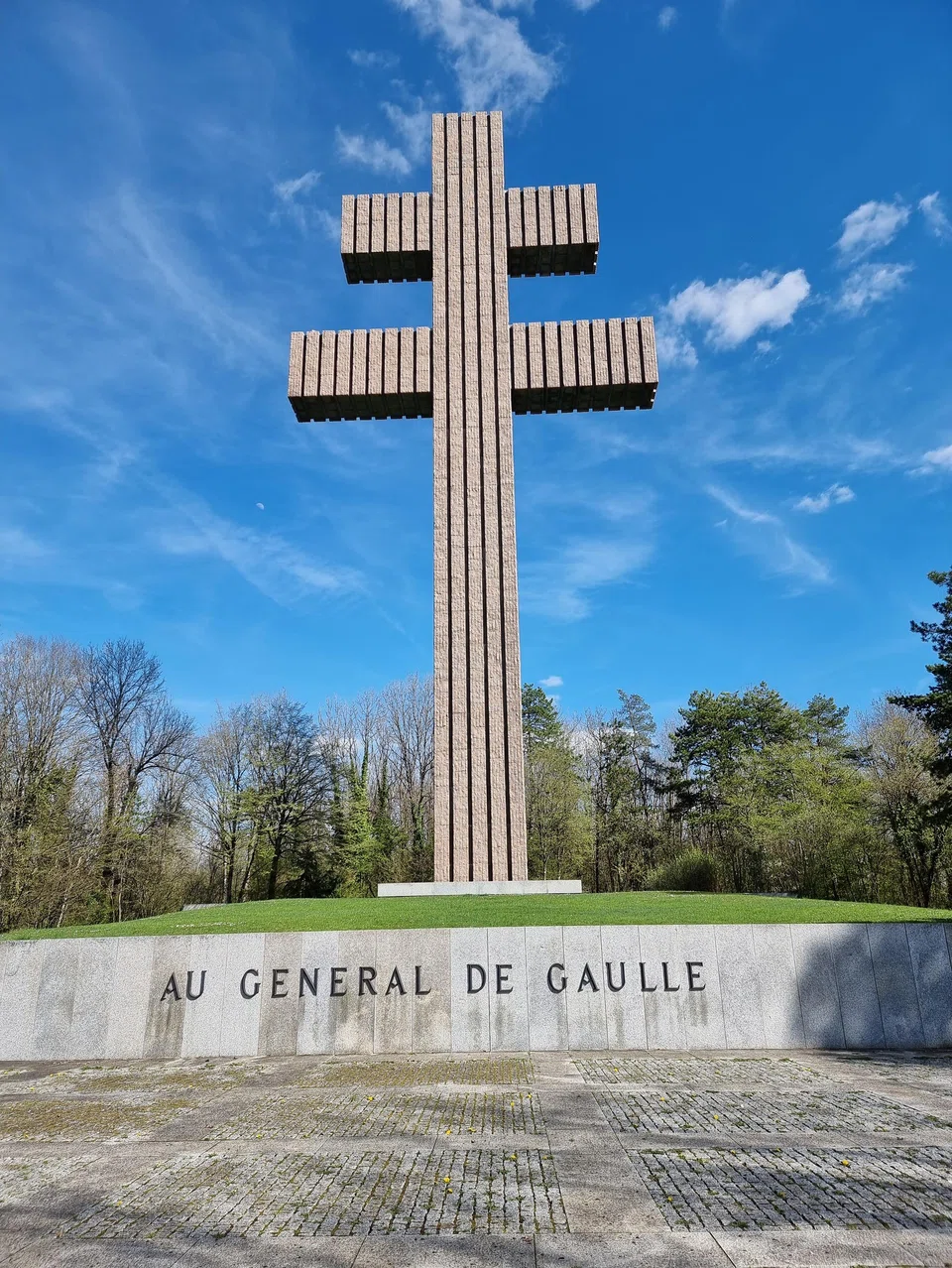
If you want to delve into France’s war history – or just want to know the person who lent his name to the Charles de Gaulle airport – visit the home of the great French general who lived in Champagne. Now a museum that’s open to the public, La Boisserie in Colombey-les-Deux-Eglises offers insight into his personal life. The beautiful garden is also worth a wander.
Wine and dine
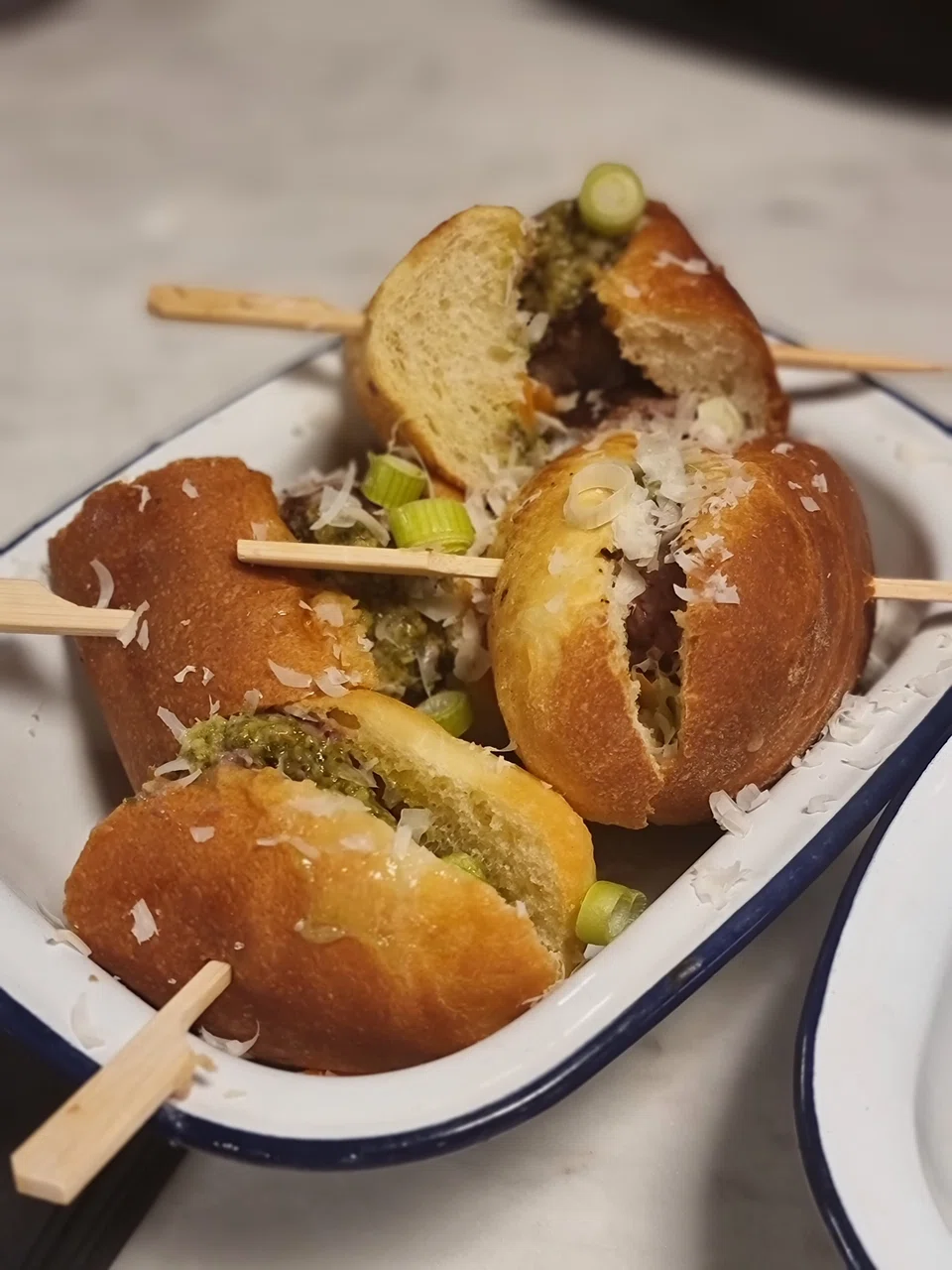
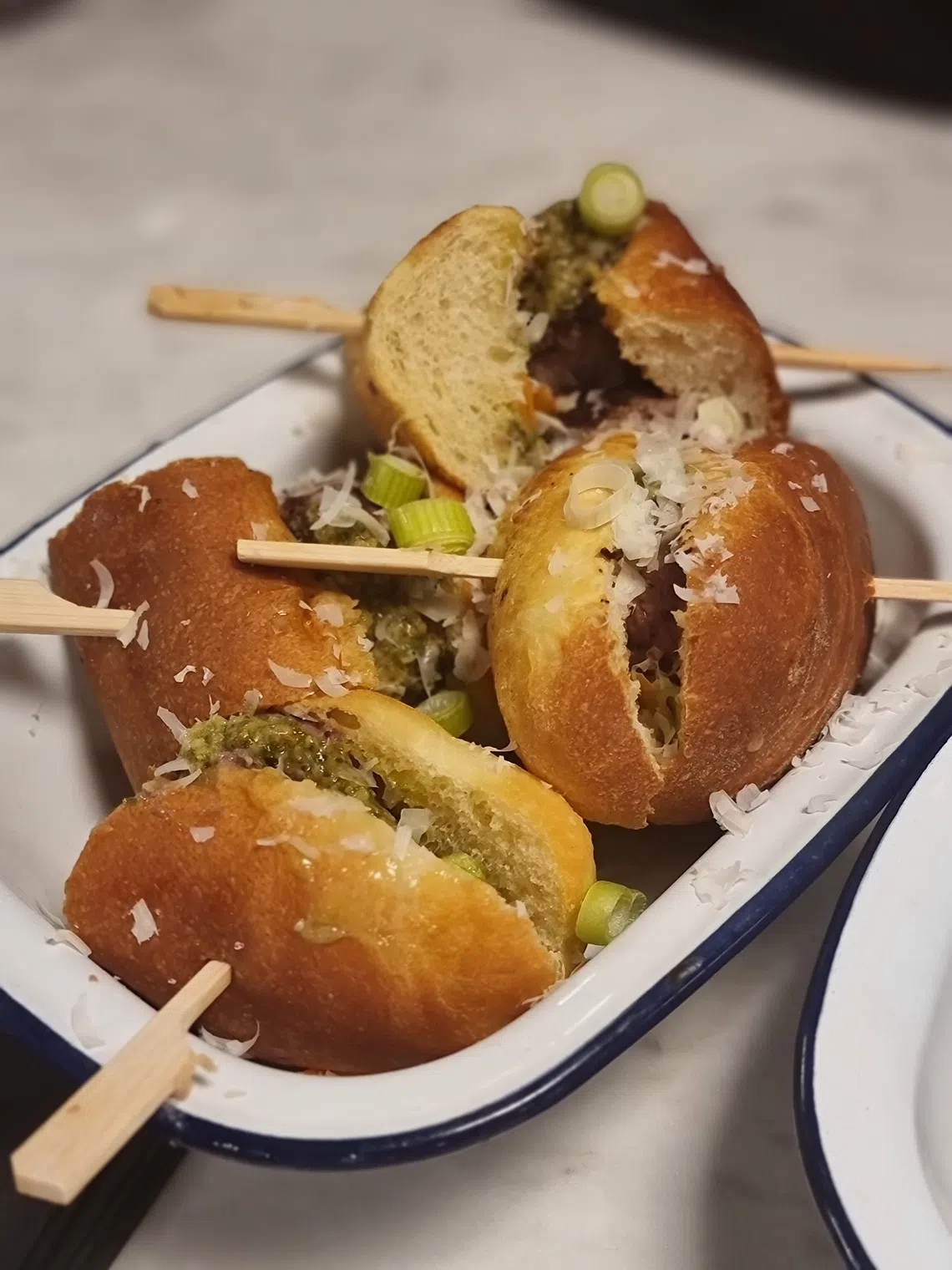
Michelin dining aside, try something off the beaten track. Sacre Burger in Reims is a hip burger joint with a serious champagne list. Look out for its special burger collaborations with various local chefs. Don’t be surprised if you see the likes of Olivier Krug, the sixth-generation scion from the house of Krug, dining next to you.
Depending on the time of year, the Perching Bar in Verzy lets you enjoy your champagne high among the treetops. Getting to this hidden gem entails crossing several suspended bridges, which take you to the bar nestled in a tree-house. Not something you do every day.
Planning a Barbie-themed party? Le Biscuit Rose de Reims from Maison Fossier makes the perfect party gift. Dusted with icing sugar, these pink cookies are made to be dipped lightly in champagne before being enjoyed. Legend has it that the kings of France had them on the eve of their coronations. Now, you can bring them home for your own celebrations.
Where to stay
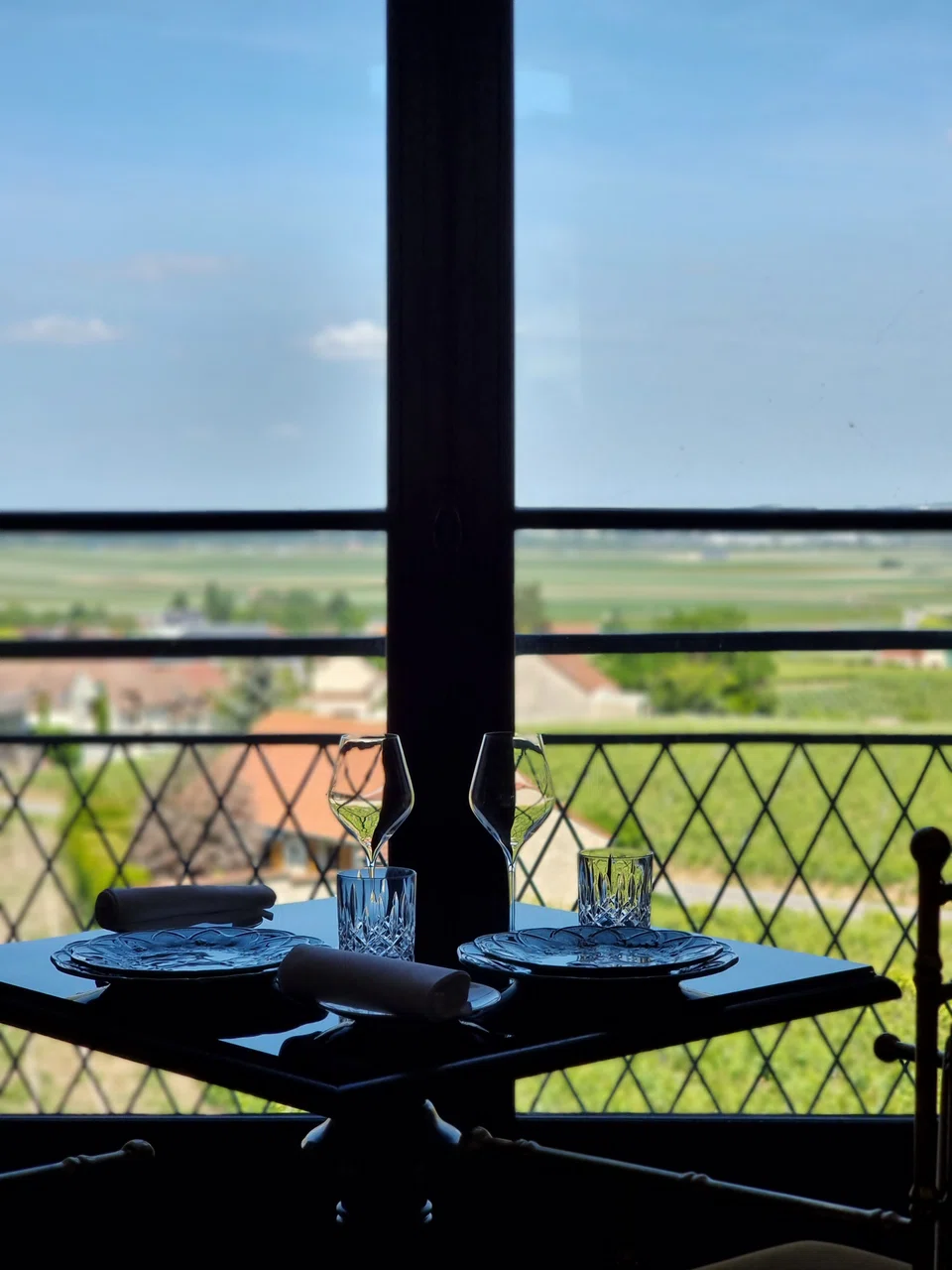
Hotels are dotted throughout the region. The luxurious Royal Champagne Hotel & Spa, set in Champillon, offers a commanding view of the champagne vineyards and the kind of service that makes you reluctant to leave. Its concierge staff are on hand to organise your activities or arrange cellar visits. And if you’d rather stay in, dine at the terrace of the Le Bellevue to soak in the view.
Domaine Les Crayeres, the grand dame of Reims with the two-Michelin-starred Le Parc and the chic Brasserie le Jardin, is another must-visit hotel. Set in majestic grounds, this hotel is the polar opposite of Royal Champagne, with lush, ornate interiors reminiscent of the royal courts of France. For a casual meal, Brasserie le Jardin offers a lovely view of the surrounding grounds through its full-length glass windows.
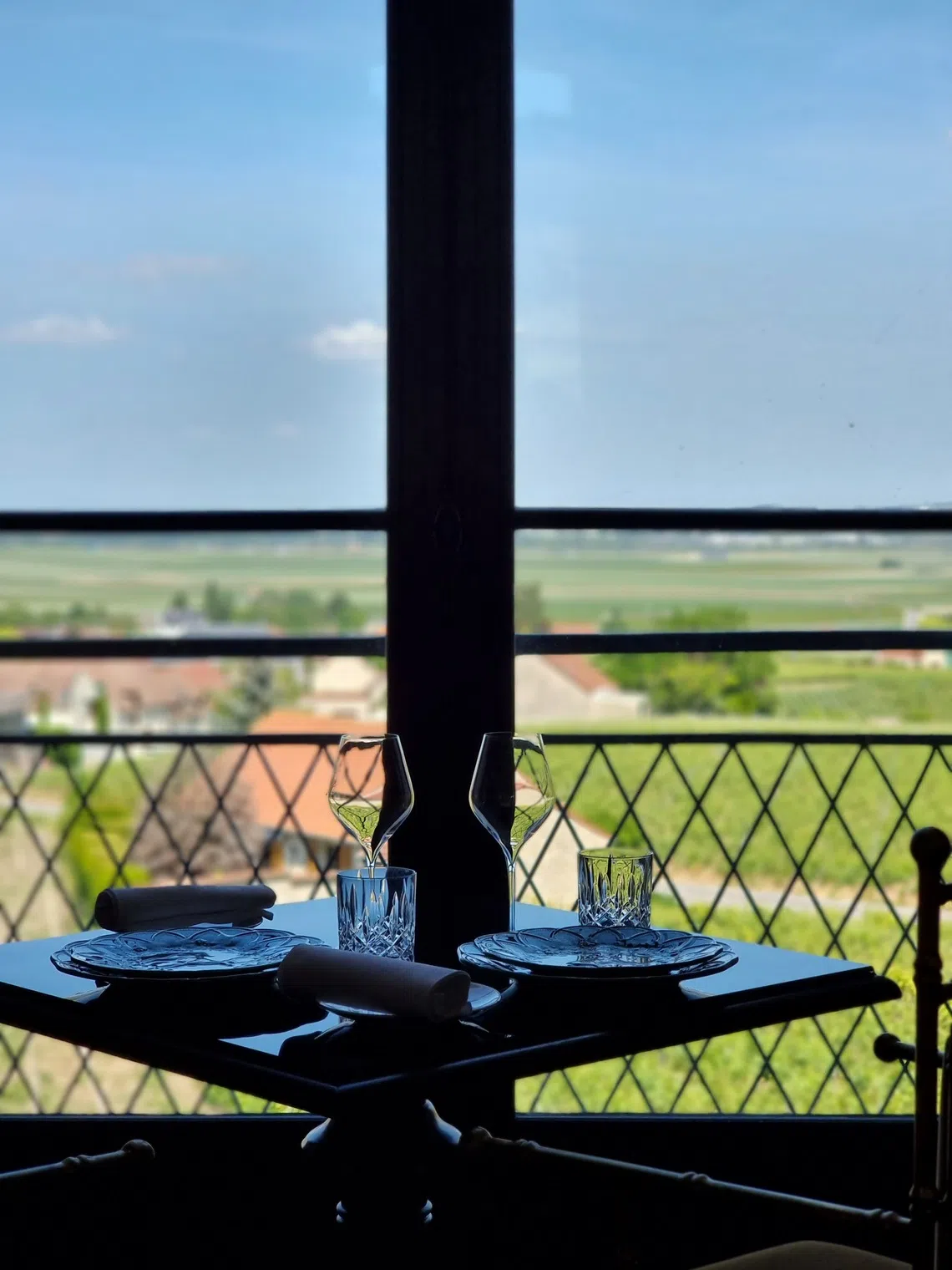
A little hidden gem is Chateau de Sacy, a 12-room hotel with a restaurant terrace extending into the vineyard. Sitting here on a cool spring day, contemplating the view before you, is one of life’s simple pleasures.
Finally, consider the whimsical bed-and-breakfast experience at Le Clos des Terres Soudees, located in Vrigny – 13 minutes from Reims – and run by the very hospitable Isabelle and Eric Coulon. With only five rooms, this hideaway boasts the personalised service of the couple, who also own Champagne Roger Coulon. Let them arrange a lovely picnic and cellar visit for a complete experience.
Decoding Asia newsletter: your guide to navigating Asia in a new global order. Sign up here to get Decoding Asia newsletter. Delivered to your inbox. Free.
Share with us your feedback on BT's products and services






