

Nine health and wellness trends to watch in 2024
Experts weigh in on what we’re likely to see this year

WE are well into the first month of the new year, but it would appear many of us are still coughing our way through it, thanks to acute respiratory infections picked up at the year-end.
Truth is, health and wellness are top-of-mind issues, whether or not we’re currently in the pink of health. But apart from the fact that Covid-19 is still hanging around, what else in the well-being space is expected to drive our behaviour in 2024?
We talk to those in the know to get their predictions.
1. Intermittent fasting entrenched, keto diet losing shine
Intermittent fasting is not new, but it is becoming entrenched because there is a lot of evidence that it works, says accredited dietician, Derrick Ong of Eat Right Nutrition Consultancy & Clinic. “In particular, the time-restricted version is the most well-known and easiest to adhere to.”
The 16:8 intermittent fasting plan, for instance, involves fasting for 16 hours and then consuming food during an eight-hour window each day.

Less popular now is the ketogenic diet, which requires eating very little carbohydrates but a high amount of fat. This puts the body into a metabolic state called ketosis, where it becomes very efficient at burning fat for energy.
“People are dialling back on it because there’s some evidence it’s not very good for their health in the long term,” Ong explains. “Those on keto diets consume a lot of butter, fatty pork and coconut oil. They don’t distinguish the fats even though not all fats are equal. By eating too much saturated fats, their cholesterol goes sky high and some end up ruining their health. It is also a very difficult diet to adhere to.”
2. Growth of flexitarianism and “real” plant-based foods
People will be incorporating more plant-based foods into their diets due to increasing awareness of their benefits. But rather than becoming vegan or vegetarian, we’re likely to see the growth of flexitarianism, says Vanessa San, well-being leader at Mercer Singapore.
Such a diet is anchored on plant foods with meat and other animal foods occasionally included.

Further, “real” plant-based foods that are less processed, are making a comeback, she says.

Eat Right’s Ong suspects this could possibly be due to a backlash against the rise of plant-based meat. Such food represents an easy way to transition to vegetarianism but they are seen as being extremely processed and high in saturated fat and sodium.
Other trends include a preference for zero or low alcohol beverages, as well as coffee alternatives – such as matcha, mushroom coffee and decaf coffee – to lower caffeine intake, says Mercer’s San.
Probiotics in the form of supplements and drinks such as kombucha will still be popular in the quest to improve or maintain gut health.
3. New functionalities in wearable health tech
Wearable devices have been growing in prevalence as people are increasingly keen to monitor their health and make informed decisions about their daily habits.
There’s also more trust in these gadgets, thanks to advancements in technology that have improved their accuracy and reliability, says Professor Lim Chwee Teck, director of the Institute for Health Innovation and Technology at the National University of Singapore.
These range from fitness trackers and smartwatches with health apps to monitoring devices that keep tabs on everything from blood pressure and glucose levels to the heart’s electrical activities. Still, brands such as Samsung and Apple are racing to put even more health features in their devices.
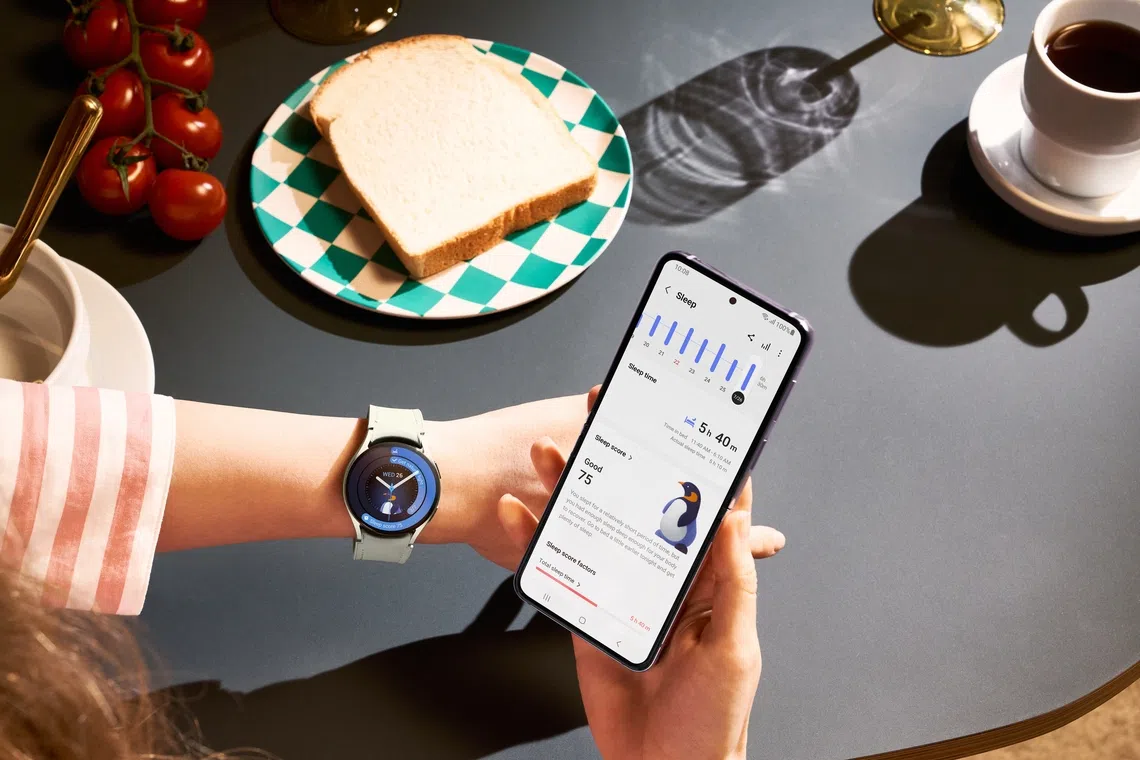
In the year ahead, Prof Lim reckons some new functionalities may be introduced. For one, there could be a greater focus on mental health metrics, including stress tracking, mood analysis and other indicators to help users manage and improve their mental well-being.
He also anticipates generative artificial intelligence (AI) being harnessed to provide more intelligent and context-relevant insights, coaching and recommendations based on user behaviour and their health data.
Finally, he believes wearables will be integrated with augmented reality and virtual reality (VR) devices to enhance user interfaces, immersive experiences and augmented health-related information display.
“I have recently experimented with several VR headsets and am seeing more VR-related fitness apps,” says Prof Lim. “I have no doubt that wearables will eventually be integrated with these headsets.”
4. Mood-boosting purchases
According to recent findings by audience research company GWI, consumers are making mood-boosting purchases to treat themselves.

Its data indicates that 35 per cent of consumers are spending on dining out experiences, with 28 per cent pampering themselves with order-in services. While 30 per cent treat themselves by splurging on the latest tech or electronic innovation, 23 per cent consider travel planning and expenditure a form of self-care. Interestingly, it notes that the prevailing preference for Singapore consumers to “treat themselves” revolves around clothing, with 37 per cent engaging in shopping sprees – making it the most favoured form of self-care.
5. Fitness and exercise
Functional fitness programmes which incorporate movements that mimic real-life activities will be a focus this year. Such exercises aim to achieve outcomes including strength, coordination, endurance and balance, while preventing injuries and increasing mobility. An example is strength training for seniors targeted at building critical muscle mass, says Mercer’s San.
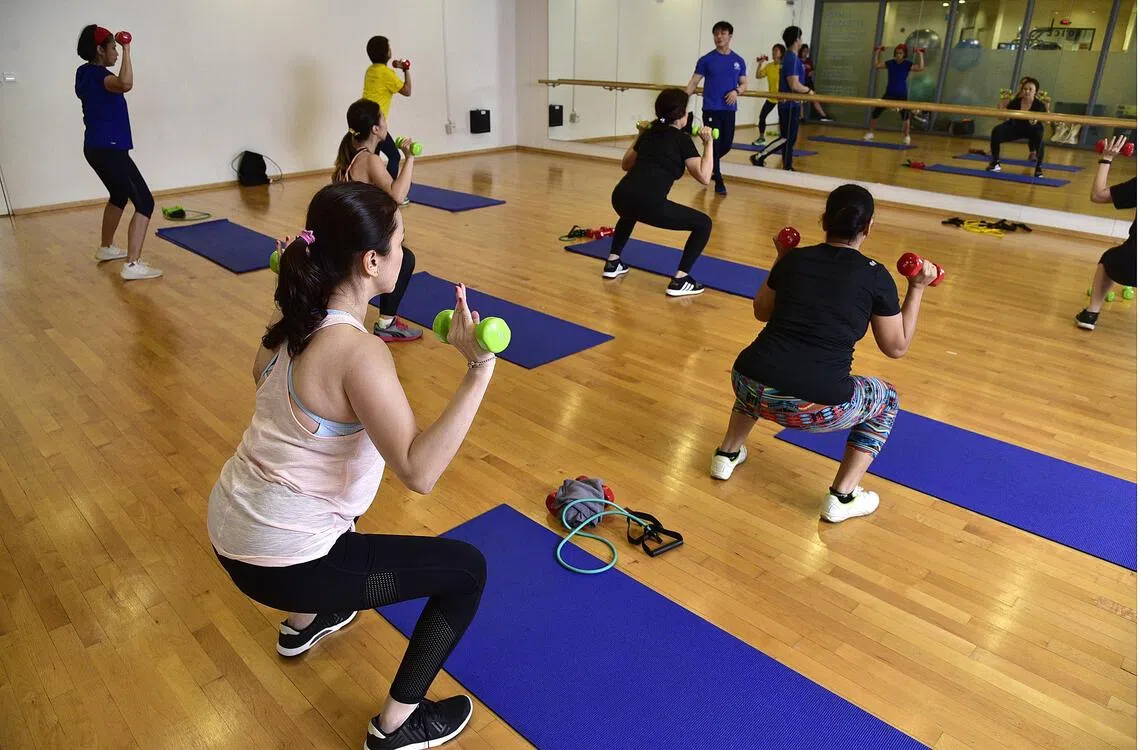
She notes that steady-state cardio activities such as walking and jogging continue to be popular. They are low intensity, gentle and restorative – ideal for those who want practical and sustainable workouts. So too are outdoor activities such as hiking, nature walks and cycling, where people can enjoy fresh air and connect with nature as well as with others.
Yoga and pilates for men are also trending because they help build core strength, flexibility and mindfulness. Meanwhile, VR and gamified workouts will be in demand because they transform exercise into entertainment and motivate users through challenge, achievement and community-building, says San.
6. Digital mental health tools
Digital mental health tools such as mobile apps and online therapy platforms will continue to gain popularity.
This is because there is still a stigma attached to seeing a mental health professional, and such tools allow users to remain anonymous, says Ooi Sze Jin, psychologist and founder of A Kind Place. Companies are now also providing free subscriptions to these digital resources.
And as mental health access becomes democratised, digital mental health tools will be utilised not just by tech-savvy younger adults but also older audiences. Hence, in the coming year, Theodoric Chew, chief executive officer and co-founder of mental health startup, Intellect, expects such resources to be found in more traditional touch points such as via Web apps and even platforms like Microsoft Teams.
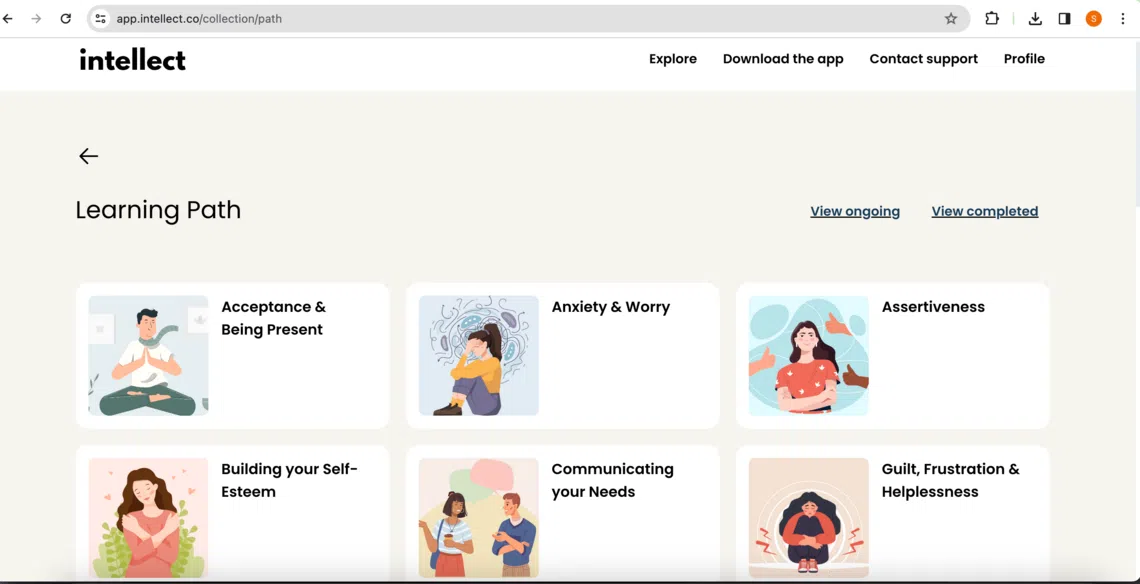
“As digital mental health tools continue to proliferate, we expect users and regulatory standards to look out for proven scientific efficacy claims, beyond mere bluster,” adds Chew.
Also, not all digital tools are the same. AI-powered chatbots, for instance, have not found favour with users as they lack the ability to respond in a human-like manner, says Ooi.
7. In-person psychotherapy
The popularity of digital mental health tools notwithstanding, Mercer’s San says there will be increasing demand for in-person psychotherapy.
This trend is also observed by Ooi and Chew. “There are more conversations especially among the Gen X and Gen Z where mental health is a common topic of discussion and seeing a therapist is seen as being strong instead of weak,” says Ooi.

More companies are also prioritising mental health and offering insurance coverage for it.
In fact, Intellect is responding to such growing demand from consumers and businesses with plans to grow its brick-and-mortar presence from one to four clinics in 2024.
“Research tells us that serious mental health conditions such as clinical depression are best treated in-person as opposed to via digital platforms,” says Chew.
8. Wellness travel
People will be spending on wellness travel, also known as “slow travel”. These involve calm, laidback breaks with flexible itineraries to combat burnout and to recharge, as well as itineraries centred on health, fitness and wellness, says Mercer’s San.
Indeed, wellness travel is evolving into what feels like a permanent shift towards “more wellness”, says Christine Galle-Luczak, founder and managing director of luxury hotel representation company, Heavens Portfolio. “Travellers are increasingly aware of the importance of holistic well-being, have a desire for experiences that promote health and recognise the benefits of taking breaks from the stresses of everyday life.”
She expects the wellness tourism market to reap the benefits of this boom, with exponential spending by wellness travellers. “Emerging trends include eco-friendly retreats, digital detox experiences and personalised wellness plans,” says Galle-Luczak. “Mindful travel, where individuals seek destinations that promote mental well-being, is gaining popularity.”
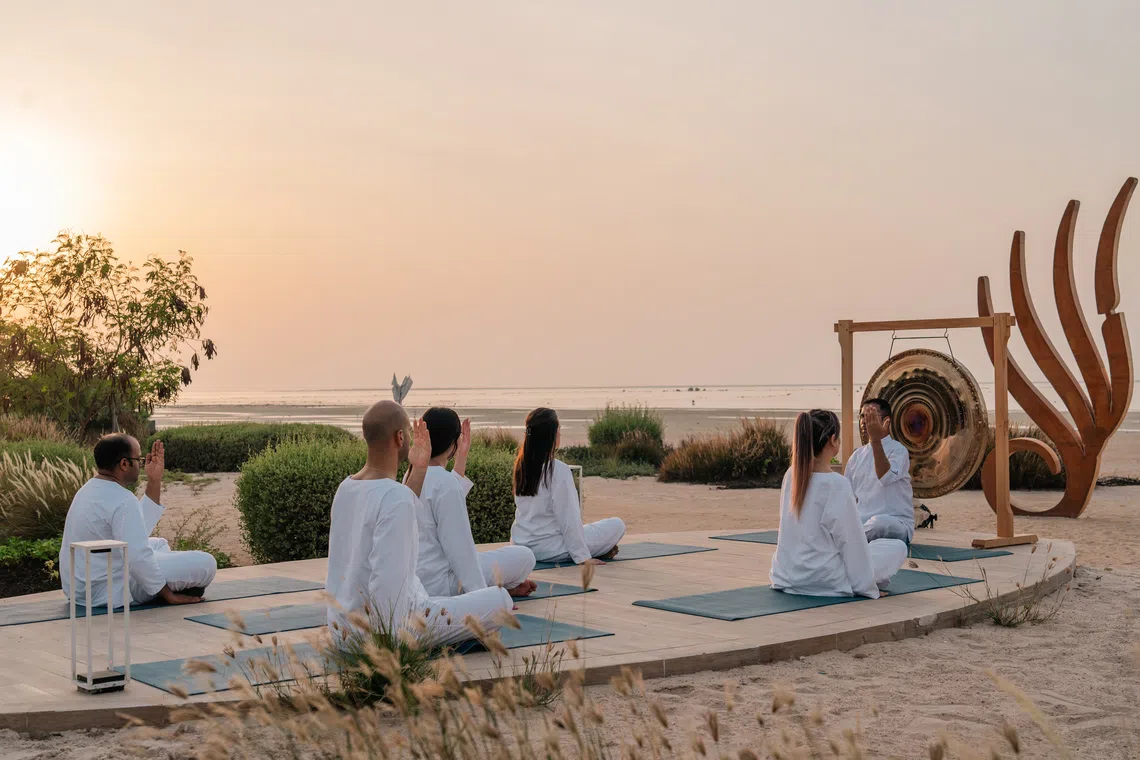
Additionally, there is a rise in wellness technology integration, offering travellers tools for fitness, mindfulness and nutrition. And while destinations such as Bali, Iceland and Costa Rica were popular, this year, emerging wellness hotspots include Portugal and Japan, with a focus on holistic experiences that blend culture, nature and health.
9. Longevity medicine
Alongside the government’s focus on preventive care, a rise in the popularity of longevity medicine is anticipated. “Singapore residents are a lot more aware of health spans, that is, quality of life till the end of our lifespan,” says Dr Joel Foo, medical director at ATA Medical. “We want to remain mobile, feel well and live disease-free for as long as possible.”

He is seeing a trend of younger patients going to ATA Medical’s health screening centres for wellness tests. These preventive moves involve mostly people in their 30s to 40s, as opposed to those in their 50s to 60s some five to 10 years ago.
There is also growing demand for higher accuracy tests, instead of just traditional blood tests.
“The younger generation has different health concerns,” says Dr Foo, citing examples such as those relating to fitness and men’s and women’s mental wellness. This is in contrast to the traditional approach of older people who often only visit doctors when they feel unwell, he adds.
Decoding Asia newsletter: your guide to navigating Asia in a new global order. Sign up here to get Decoding Asia newsletter. Delivered to your inbox. Free.
Copyright SPH Media. All rights reserved.
TRENDING NOW

Once staunchly pro-China, Malaysian Chinese businesses are now distancing themselves from Beijing

Stocks to watch: HPL, Aims Apac Reit, Zico, Advanced Systems Automation, ComfortDelGro

‘How many will survive?’: Bubble fears arise as China’s humanoid robotics face reality check

Smaller board lots can’t fix a market run by three banks

