Osaka calling
Regular visitors to Japan now skip Tokyo in favour of the city’s laidback vibe and friendly people
OSAKA, long seen as playing second fiddle to glitzy big sister Tokyo, now buzzes with an eclectic appeal that has earned it its own fan base.
After the frenetic energy of the capital city, Japan’s third-largest city (after Yokohama) is refreshingly laidback – its people are less in a hurry and friendlier, the mood is casual and, yes, the prices lower. Plus, where else can you get your fill of okonomiyaki and takoyaki than right where they were invented?
For history buffs, there’s the majestic 16th century Osaka Castle, its beautifully landscaped gardens and the tranquil sixth-century Shitennoji temple. For lovers of the not-so-distant past, the narrow lanes of Shinsekai reveal gritty, retro surprises at every turn. Thrill-seekers get their fix at the hugely entertaining Universal Studios Japan.
Food-wise, it’s not for nothing that Osaka is affectionately known as Tenka no Daidokoro or “the nation’s kitchen”. Its legacy as a port city and trade hub over the centuries has led to an incredible variety of produce and the resulting culinary creativity.
Kuromon Ichiba Market has fed the city for almost 400 years, and is still the place to go for street eats. But if you want your Michelin fix at today’s yen-friendly prices, the numerous Michelin-starred restaurants mean you’re spoilt for choice.
Harry Potter’s World of Magical Fun
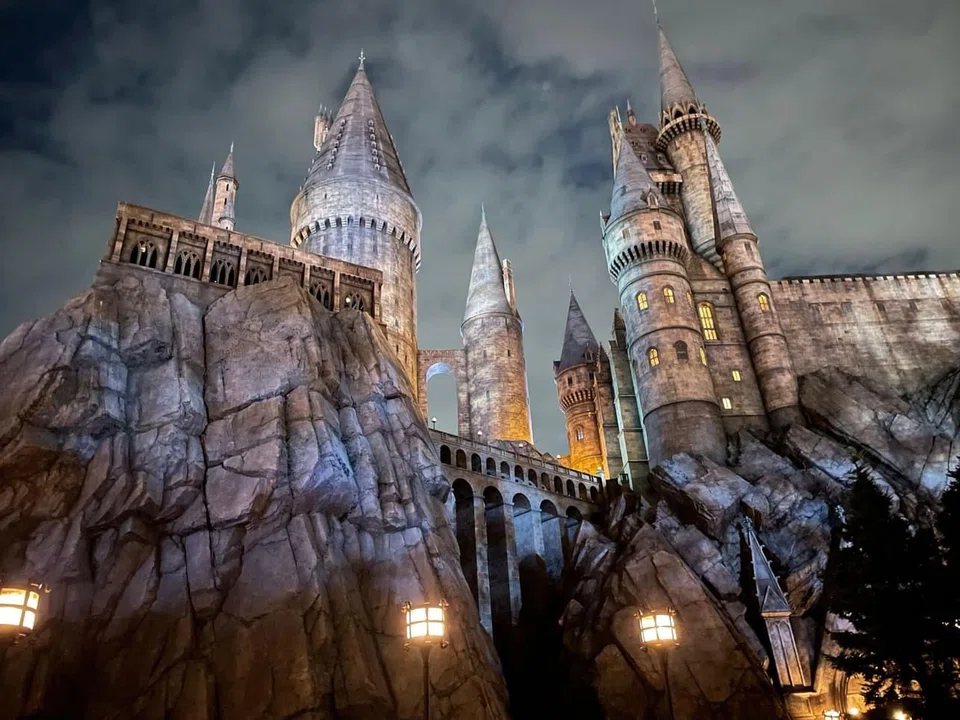
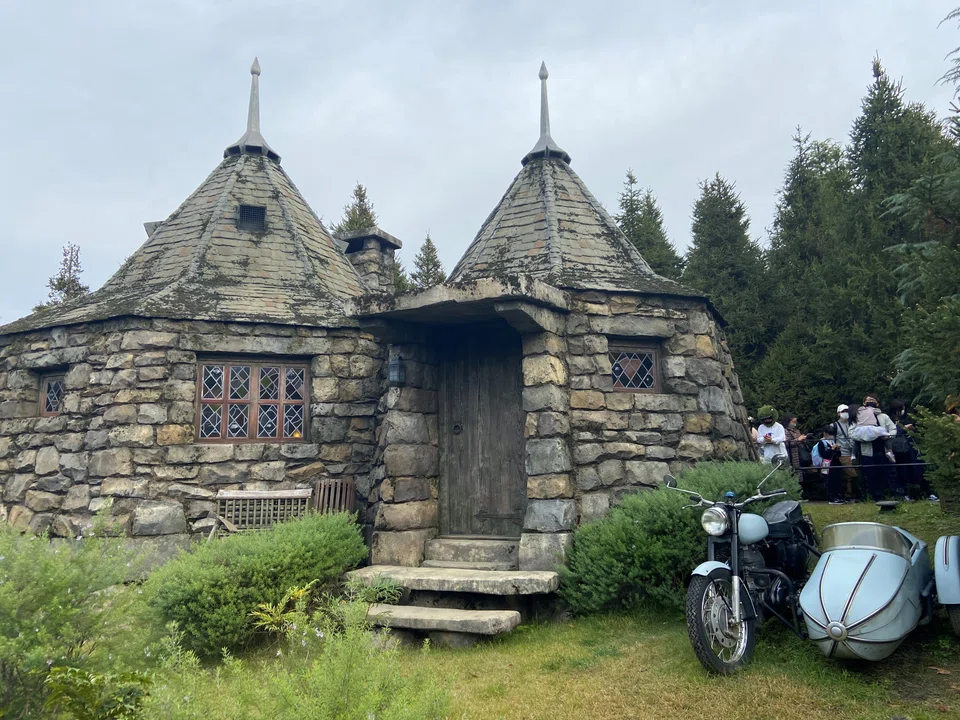
For fans of the boy wizard, The Wizarding World of Harry Potter is enchantment personified. Explore Hogwarts Castle, part of Universal Studios Japan (USJ), and have your taste of Butterbeer (a sickly sweet butterscotch drink topped with marshmallow foam that everyone seems to enjoy) at Hog’s Head pub. Modelled after Hogsmeade, gawk at the picture-perfect recreation of the shops and streets and let the excitement and magic surround you.
Snack on chocolate frogs and Bertie Bott’s Every Flavour Beans – it even comes in the exact same packaging as seen in the movies. Even if rides aren’t your thing, hop on the family friendly Flight of the Hippogriff and maybe, just maybe, you will see Harry and his friends swoop by you on the Nimbus 2001.
Don’t resist the temptation to snap up paraphernalia from the many characters in USJ. Just remember to remove that furry Snoopy headband before you head back to the city. Not that anyone will give you a second glance – Osaka folk have a great sense of humour.
One caveat – book your ticket in advance or risk being turned away (by a friendly but firm USJ staff) the moment you step out of the train station. Even with tickets in hand, expect an hour-long queue just to get into the amusement park. If you get hungry, there’s a Sushiro outside the park for a sushi meal that gives you bang for your buck.
SEE ALSO
A walk in the park
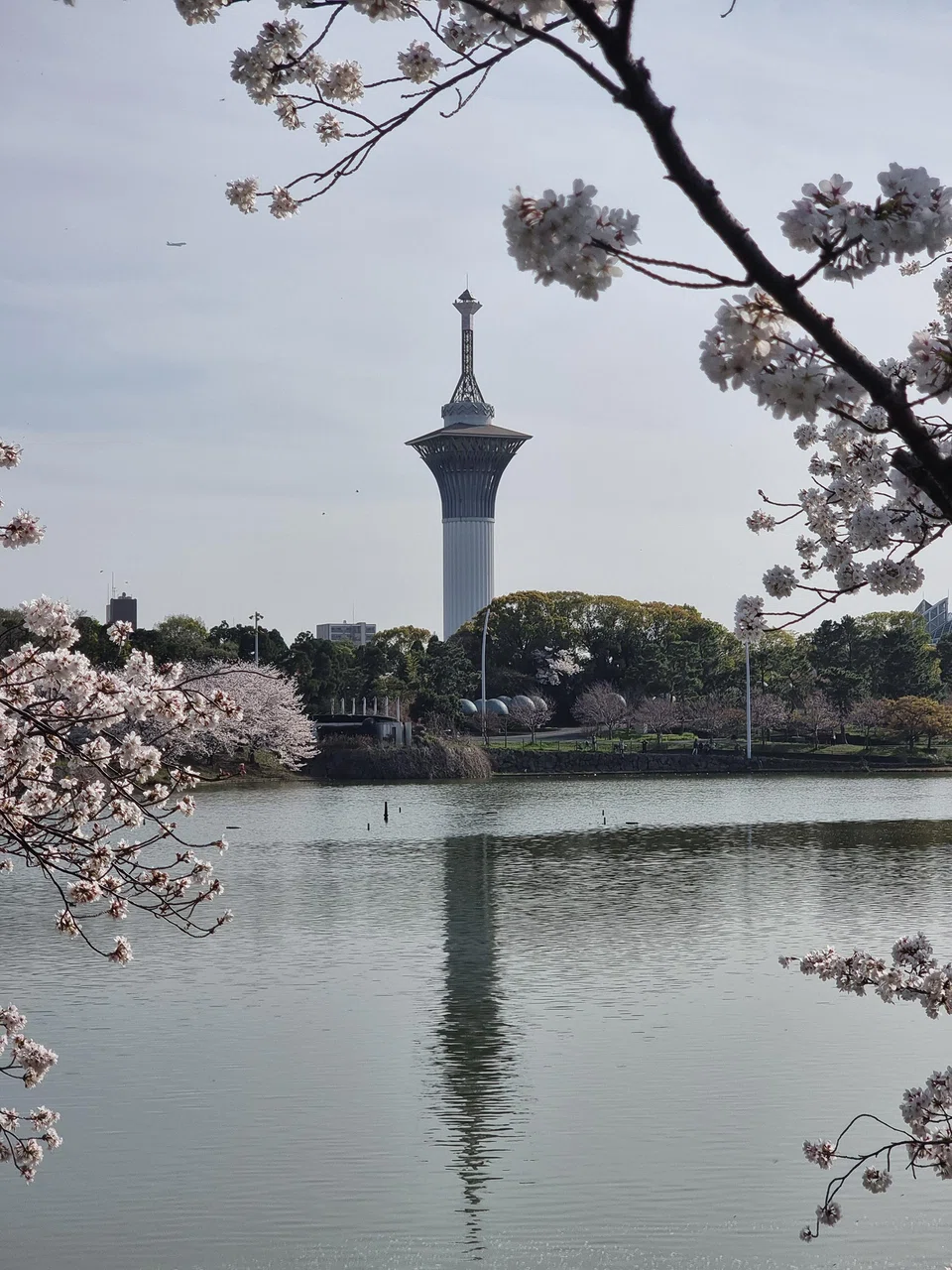
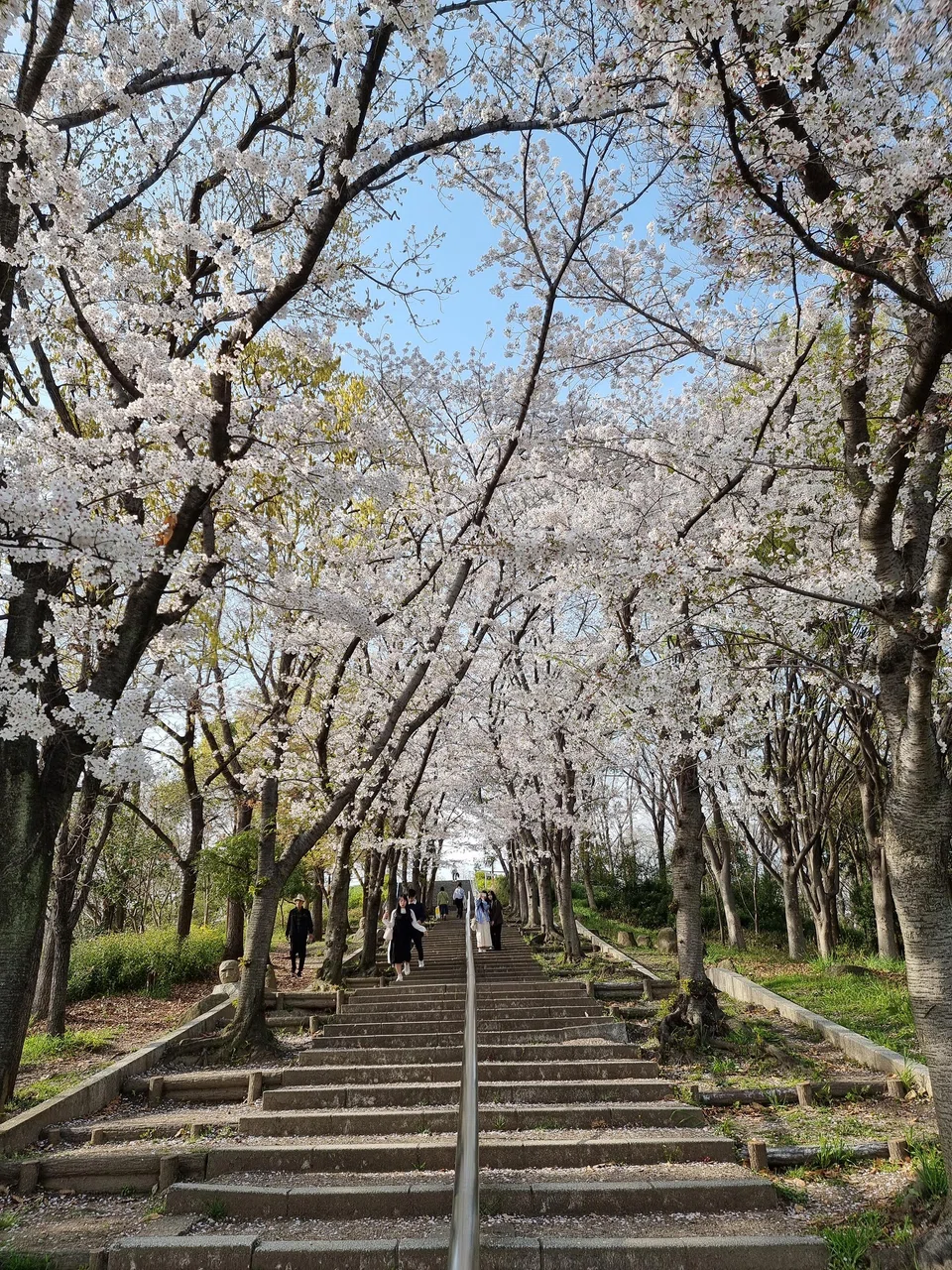
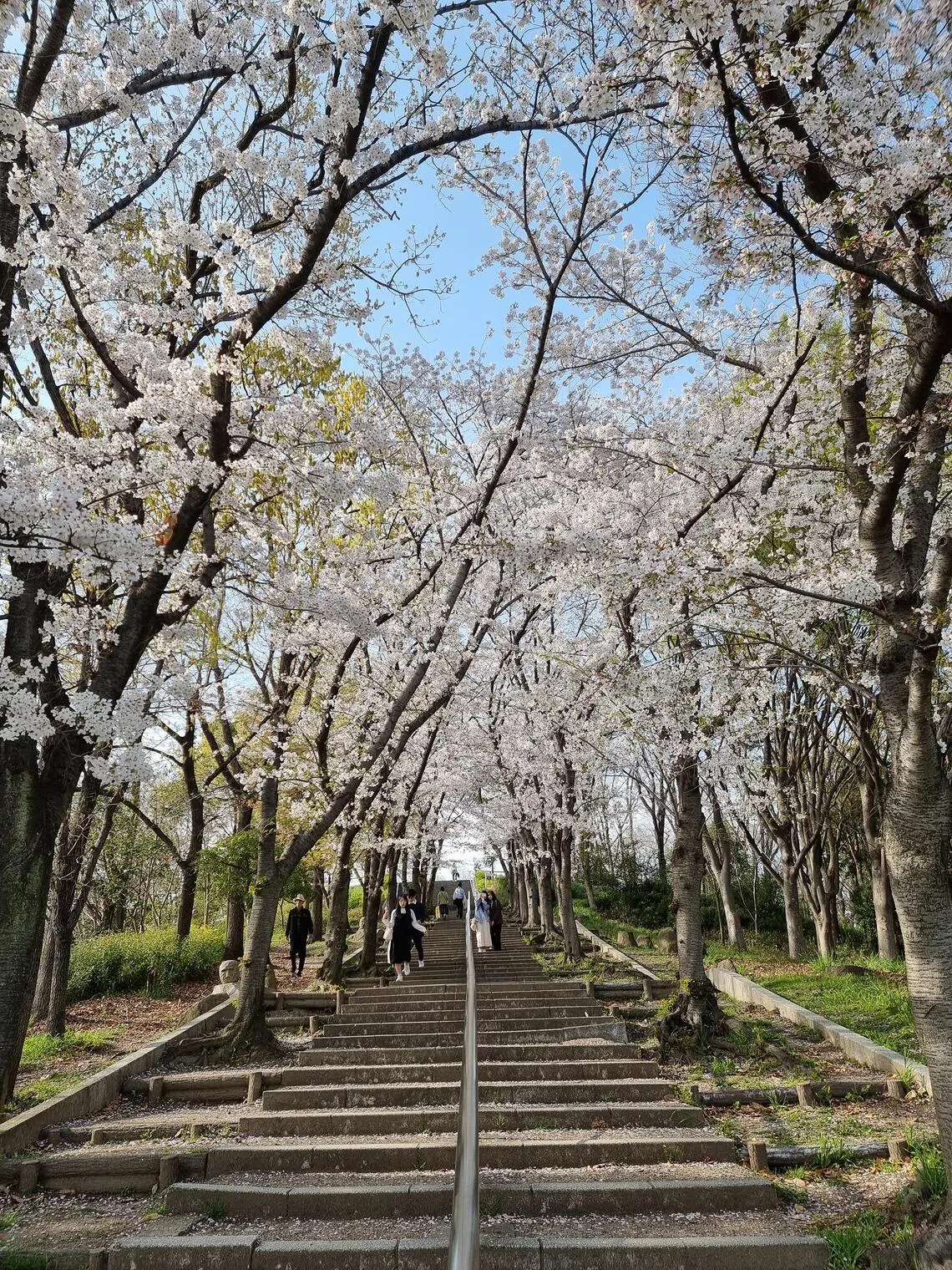
Also known as The Expo Gardens, the Tsurumi Ryokuchi Park spans 264 hectares (that’s over 500 football fields). If you time it right and arrive during the hanami season, strolling along rows of sakura trees is the most mesmerising and contemplative activity you can do. There’s also the riverside Kema Sakuranomiya Park – stretching over 4.2 km between Kema Araizeki and the Temmabashi bridge – where you can admire over 4,800 sakura trees that line the banks of the Okawa river. It’s an unforgettable sight.
River cruises run every 10 to 20 minutes and you can catch one from the Hachiken-yahama Pier, in front of Temmabashi Station.
Memory lane
Bright retro looking billboards greet you as you approach Shinsekai. Similar to Dotonbori in some ways, there are distinct differences in these two food and entertainment areas. Shinsekai is much more gritty and grungy with a strong retro feel. With the Tsutenkaku Tower (this is the second incarnation built in 1956 by architect Tachu Naito of Tokyo Tower fame) looming over the alleys, come here at night to enjoy the full atmosphere.
Created in 1912, Shinsekai translates to “New World” and was in its heyday the entertainment district of Osaka. Designed to be part Paris (the original Tsutenkaku Tower resembled the Eiffel Tower) and part New York, it’s hard to see the resemblance today.
Now, a sense of yesteryear hangs over the area. See elderly gentlemen playing at the numerous machines and wonder to yourself if they are reliving their childhood. Step back in time when you are in Shinsekai and the feel of the amusement parks of old like New World in Singapore come alive again.
Dining haven
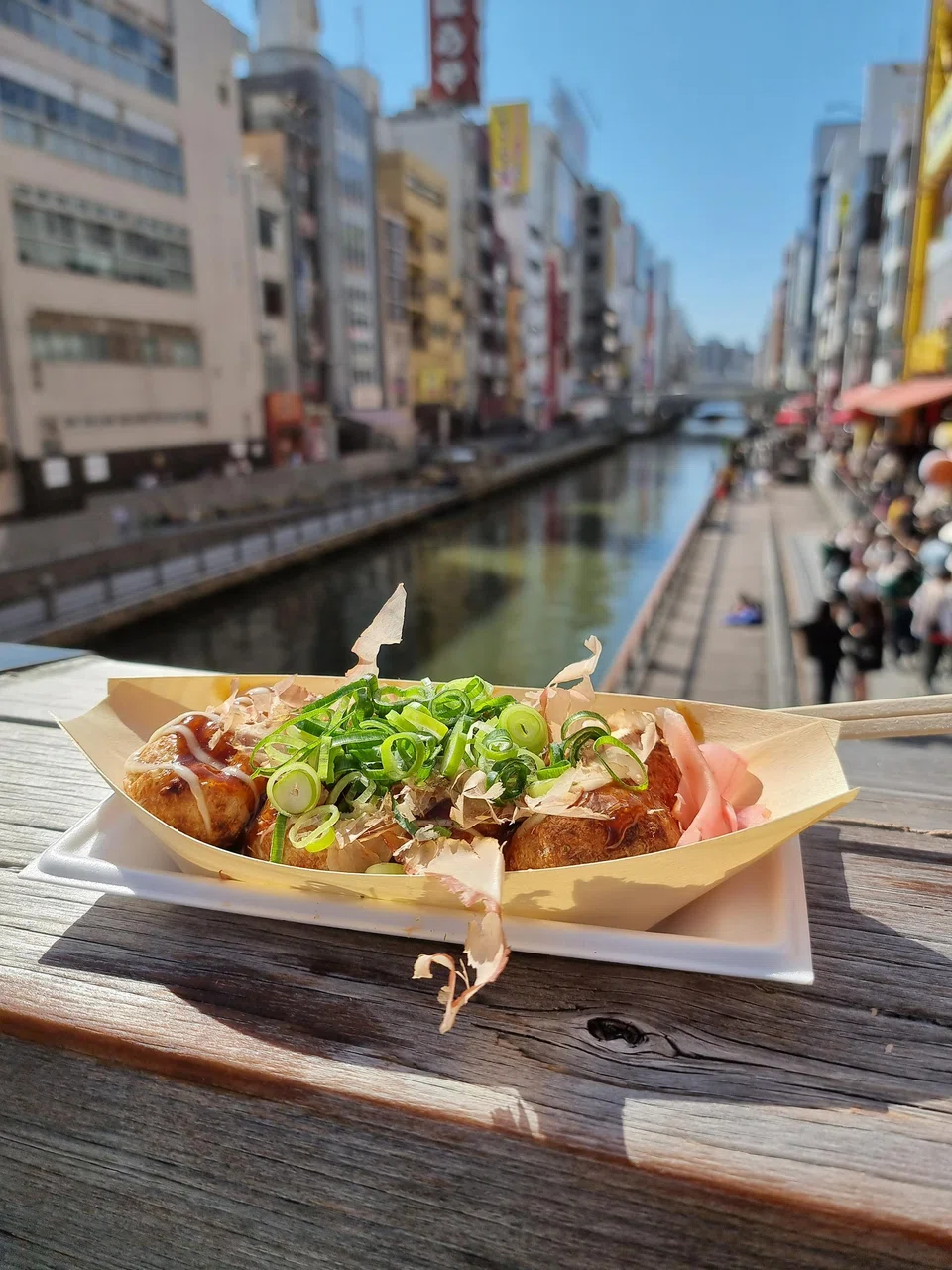
It may be touristy, but don’t miss the neon lights of Dotonbori to experience the pulsating vibes of this bustling food street crammed with both domestic and foreign tourists. Get in line for okonomiyaki pancake, kushikatsu (deep fried skewered meat and vegetables) or takoyaki (ginger and onion flavoured octopus).
Choose from the countless food stalls that line the streets and side alleys. Dotonbori is also home to the iconic neon-lit Glico Man that has stood there since 1935 – a perfect Instagram moment. The Dotonbori canal adds a nice feel to the area and makes for a nice stroll when it gets too crowded.
A famed spot for classic okonomiyaki since 1945, restaurant Mikuni sees a queue starting at least 30 minutes before opening time. The queue moves swiftly with typical Japanese efficiency. Your order is taken before you enter the restaurant and it can’t be changed, so choose carefully. Other popular okonomiyaki restaurants are Chibo and Ajinoya, also in Dotonbori.
For soba lovers, head to the Tennoji district to enjoy freshly made soba at Shitennoji Hayauchi. The buckwheat is hand selected by the chef himself and you can pick from finely ground seiro soba or coarsely ground inaka soba. After lunch, visit the Shitennoji temple or the Osaka Museum of Fine Arts, all of which are within walking distance.
Michelin fare
If you’re counting Michelin stars, head to restaurants such as La Cime and Tempura Hiraishi.
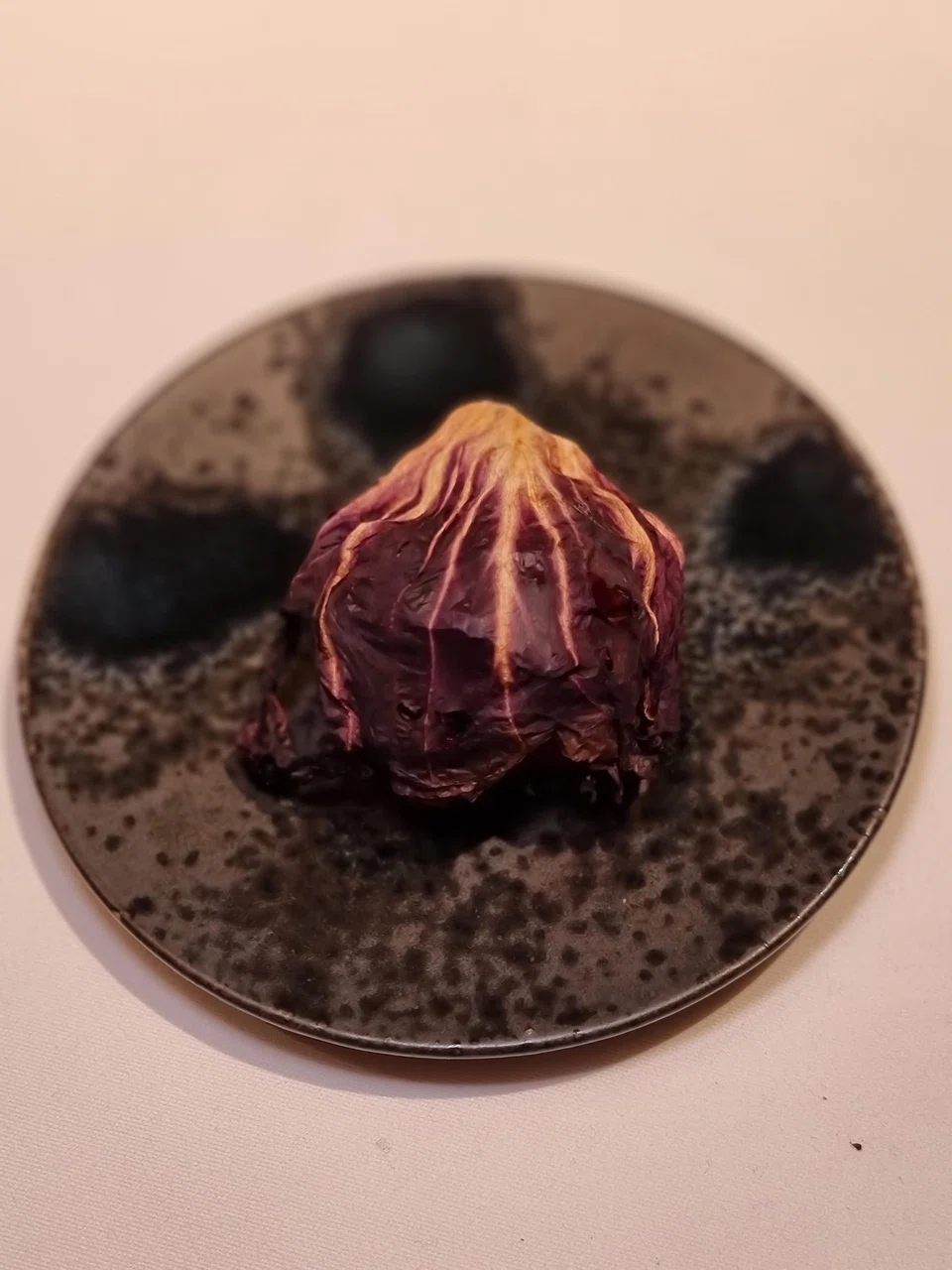
Chef Yusuke Takada, who is also behind the yakitori restaurant Hanazen in Singapore, headlines the two-starred La Cime. Enjoy an evening of French cuisine featuring a modern version of boudin noir (blood sausage) and delicate bites including a delicious Arrow Root and Golden Salmon Roe with baked potato. His ability to use simple ingredients such as the humble potato is a prime example of his attention to detail.
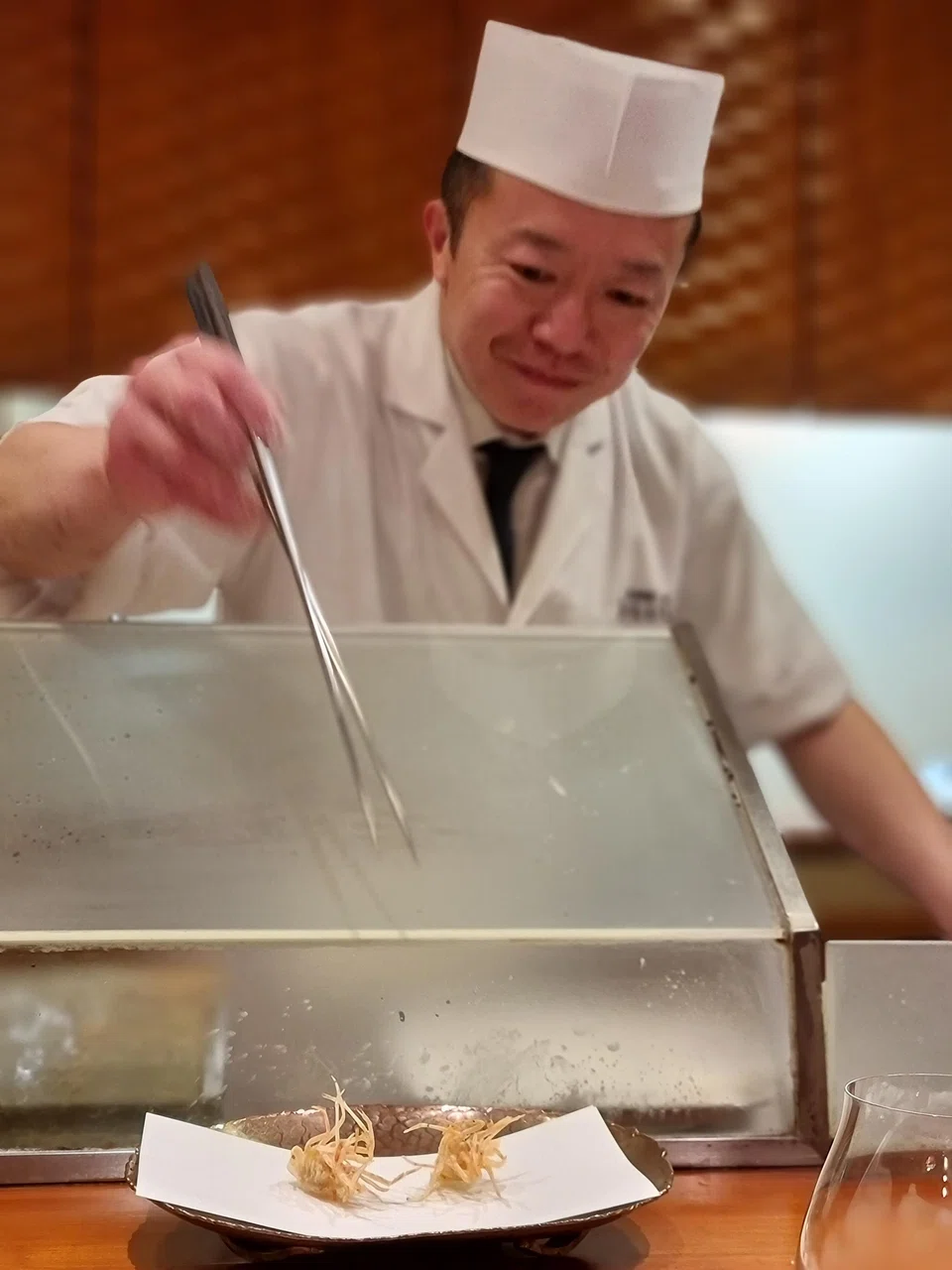
For your tempura fix, try to snag a table at Tempura Hiraishi. Helmed by the affable Takayuki Hiraishi, this eight-seater restaurant offers tempura with a delicate crunchy batter, making it tempura heaven for many. Prawn tempura is wrapped with shiso leaf as an alternative to the plain version.
In spring, enjoy Japanese mountain vegetables such as fukinoto and takenoko. The chef offers cold noodles in addition to the usual ten don and ten cha, perfect for summer months. A wine lover himself, let the chef pull out wines from his personally curated cellar for you to choose from.
Beyond Osaka
Kyoto is a mere 55 km away, but consider a side trip to Nara instead. Smaller in size and perhaps more intimate than its famed sister, Nara was the capital of Japan during the Nara period (710 to 794) and was the seat of the Emperor before the capital was moved to Kyoto. It boasts eight temples (including Japan’s largest – the Todai-ji), many shrines and ruins, and is a Unesco World Heritage Site. Given its small size, it’s also a very walkable city.
Instead of using Osaka just as a base, spend a few days to discover a city that some say is prettier during the autumn and sakura seasons and more friendly on the wallet. Who knows, you might be converted just like other regular visitors who already skip Tokyo in favour of the laidback vibes of Osaka and its friendly people.
Decoding Asia newsletter: your guide to navigating Asia in a new global order. Sign up here to get Decoding Asia newsletter. Delivered to your inbox. Free.
Share with us your feedback on BT's products and services