

Singapore businesses set up shop in Niseko
F&B and hospitality players are making their mark in Japan’s premier ski resort with amenities from coffee bars to resort properties

SINGAPOREANS love Japan. But apart from the usual suspects of Tokyo, Osaka or Kyoto, Niseko – one of the nation’s foremost ski resorts – stands out as a must-visit, especially during the winter holiday season.
Singapore is the Japanese city’s third-largest source of foreign visitors, accounting for 11 per cent in the winter of 2022/2023, said Niseko Tourism. Australia is tops at 18 per cent, followed by Hong Kong at 14 per cent.
Japan reopened its borders in October 2022.
Even then, there are no direct flights between Singapore and Sapporo, and Niseko’s remote location demands a two- to three-hour drive or bus ride from Sapporo’s New Chitose Airport. (Singapore Airlines will resume direct flights to Sapporo in December 2024).
High accommodation and ski-pass costs aside, “we have seen a significant increase in the number of Singaporeans staying with us, particularly in the month of December”, says Long Shiau Wee, chief executive of YTL Hotels Niseko Village. The Singaporean has been based in Niseko since 2011.
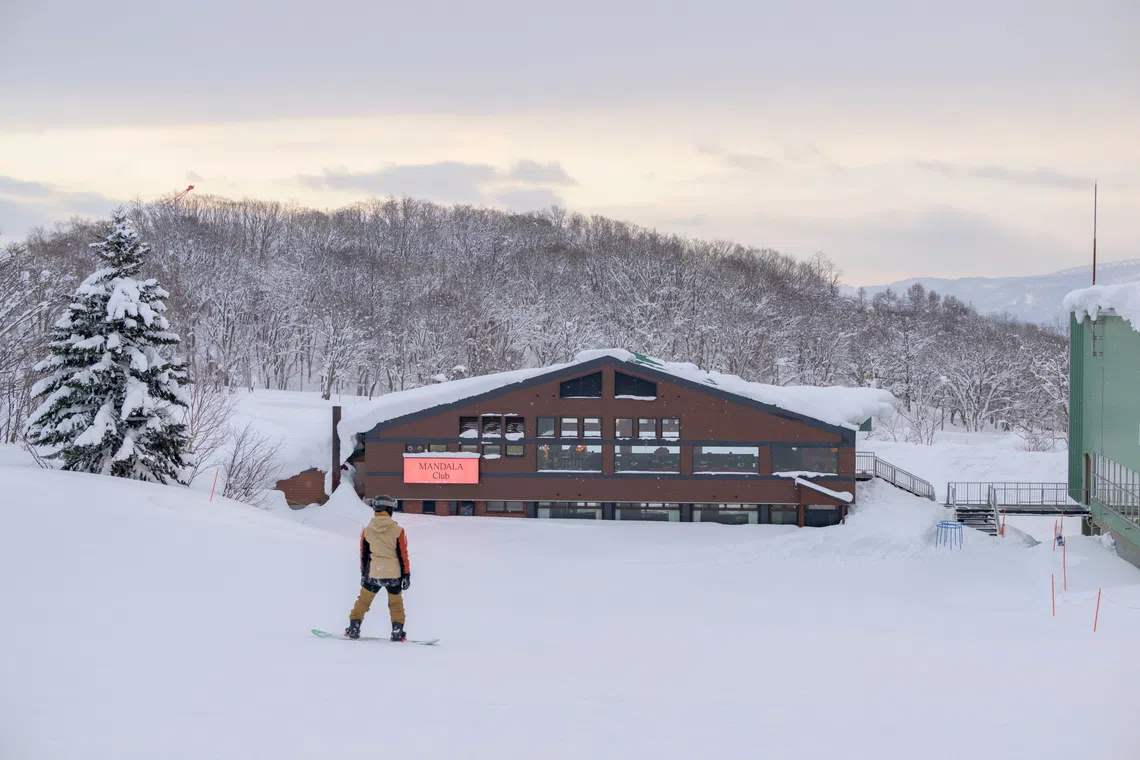
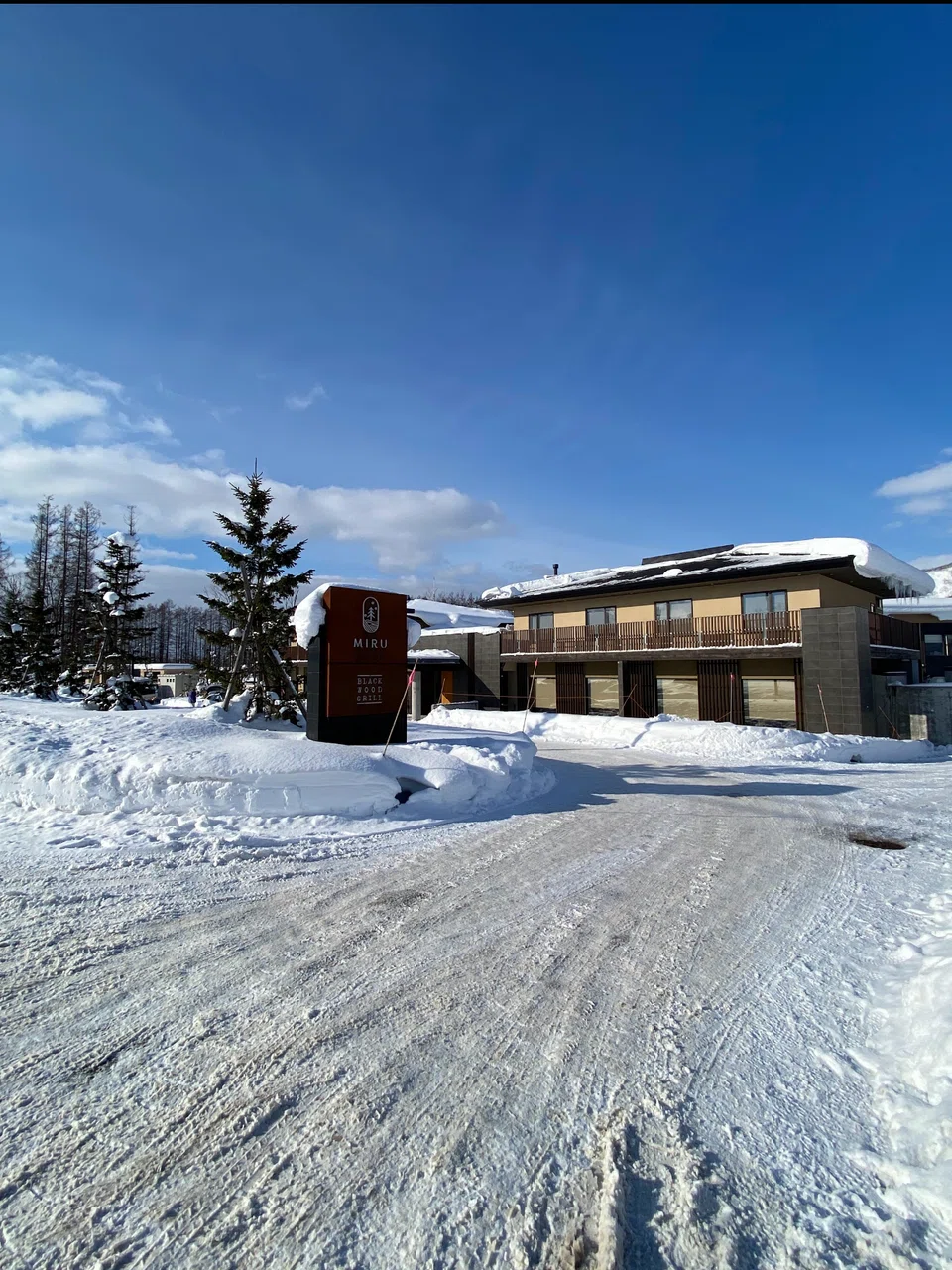
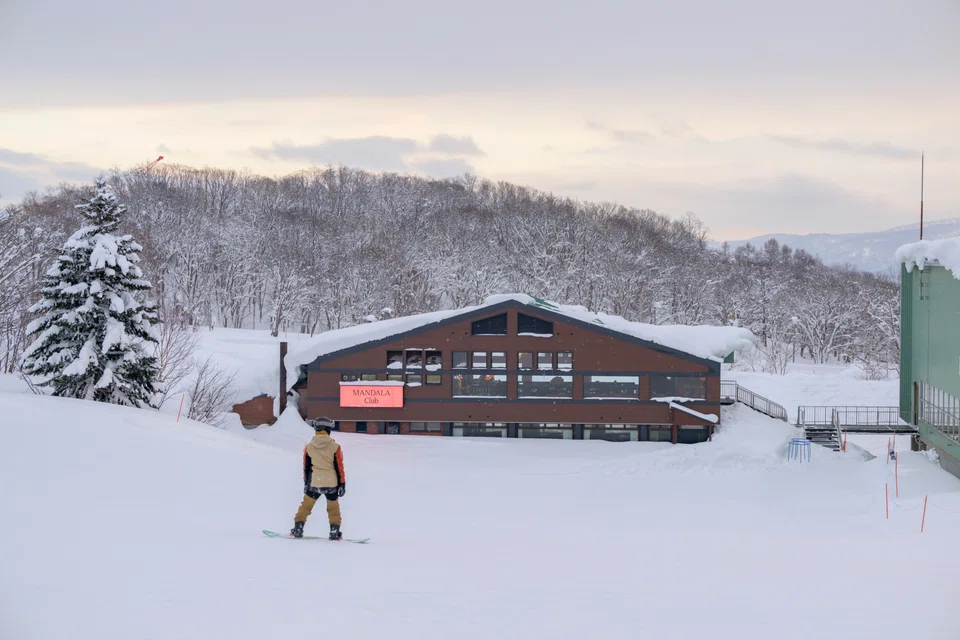
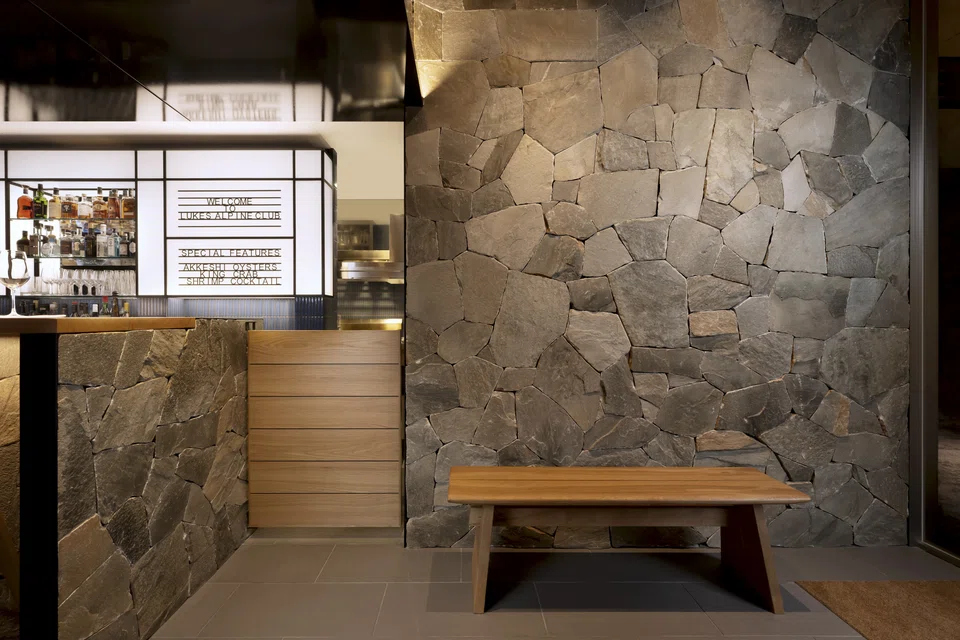
Singapore businesses have been quick to spot opportunities, with a rush of F&B and hospitality-related businesses popping up in just the last two months. Luke’s Alpine Club – an offshoot of Luke’s Oyster Bar & Chop House – opened in Setsu Niseko on Dec 5, 2023. Private club Mandala Club welcomed its first guests at YTL’s Niseko Village on Dec 15. On New Year’s Eve, Nylon Niseko began offering piping hot coffees and hot chocolate from its pop-up in Miru Niseko.
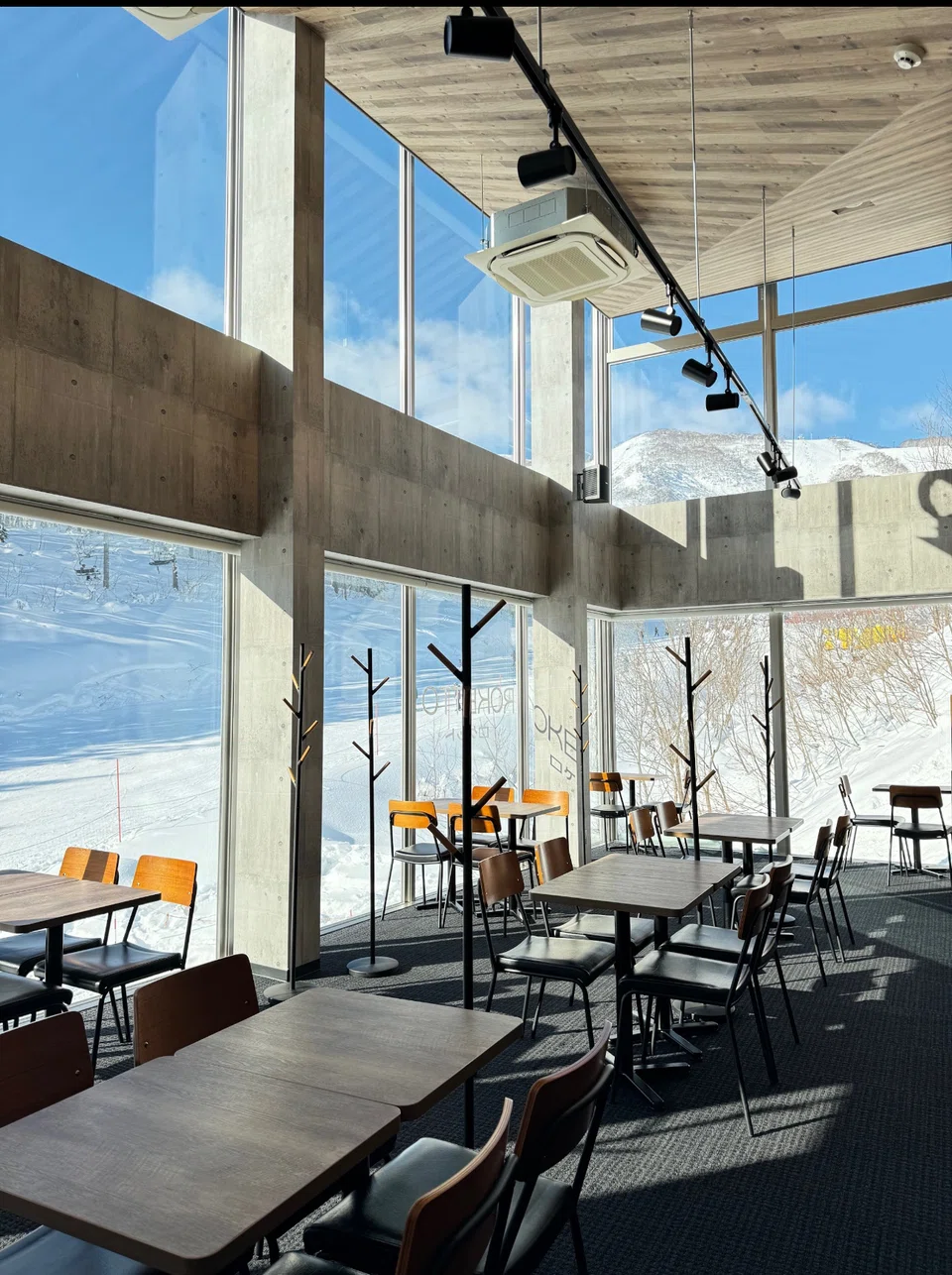
They follow the likes of pioneers such as chef-restaurateur Willin Low, who opened modern Singaporean restaurant Roketto in December 2018 in The Maples, a 73-room condotel developed by Keimin Investments, a privately owned subsidiary of Cathay Organisation.
Miru Niseko, a 45-key hotel developed and managed by the privately-owned SHC Group (formerly Sin Heng Chan), opened in 2017 as Nest at the Trees, but was rebranded in 2020. SC Global’s 190-suite Setsu Niseko held its grand opening in summer 2022, with wine lounge Park90 setting up shop in the property in August the same year The Ride Side, a social travel ski-trip operator, began offering excursions to Niseko in winter 2022.
If you build it, they will come
But are the swelling ranks of Singaporeans the only reason for local businesses to want to venture into Niseko? Yes and no.

“If you have an existing business in Singapore, knowing that your audience is congregating en masse in a foreign land spells opportunity,” says chef-restaurateur Low.

“You learn what your consumers’ patterns are. And then you follow them,” adds Ben Jones, co-founder and CEO of Mandala Club. “A significant number of our members have been to Niseko this season and spent time at the clubhouse.”
Unlike in Singapore, Mandala Club Niseko is open to the public. Tempting them are two ski-in, ski-out F&B outlets, and events such as sake tastings, guest bartenders and DJ nights.
For Nylon Coffee Roasters, it was happenstance. Owners and founders Dennis Tang and Lee Jia Min were already considering expanding their footprint into Japan. “For us to build a global presence, we feel that it might be easier to achieve something in Japan,” says Lee.
Originally, they had set their sights on Kanazawa, the “little Kyoto” of western Japan. But their friends, whose family is behind SHC Group, suggested they explore Niseko instead. And so they did.
Low suggests: “The early Singapore entrepreneurs tended to be visitors who fell in love with Niseko first and then thought: ‘Perhaps we should do something here since we love it’.” Roketto was born from this passion, as were Luke’s Alpine Club and Setsu Niseko.
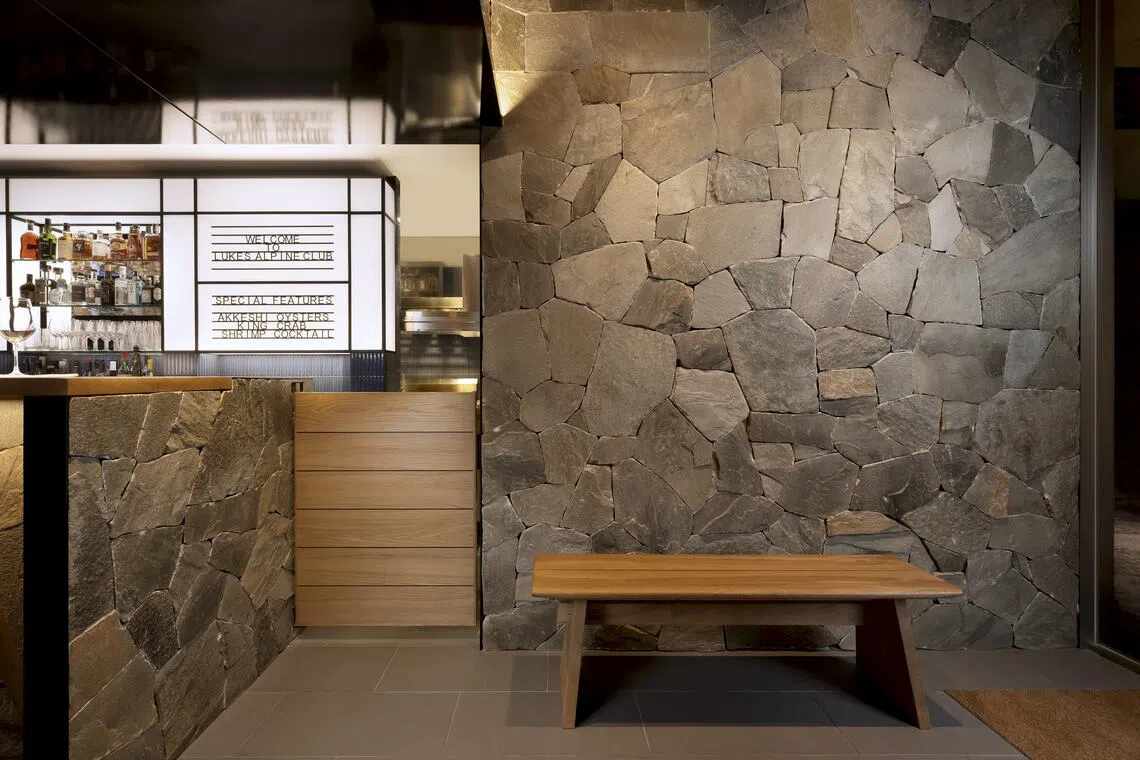
“I had been travelling to Niseko for many years and always felt there was room for a place like Luke’s,” says Travis Masiero, Luke’s founder and owner. “After the third or fourth day (in Niseko), I (would be) craving a steak and a nice bottle of wine. I figured that with the quality of Japanese produce and our simple, ingredient-led cooking, we could fill a small niche.”
For SC Global founder Simon Cheong, developing a property in Niseko was “very much a personal choice”. He says: “I used to visit Niseko regularly with my family for skiing holidays and soon realised that it had all the fundamental ingredients of a world-class ski resort.”
Setsu Niseko has picked up a slew of awards since it opened, including the latest – World’s Best New Ski Hotel, awarded by the World Ski Awards last November.
Taking up the gauntlet
Establishing a presence in Niseko is no walk in the park, though. Among the challenges that business owners cite most frequently are the language barrier, the difference in workplace culture, the labour crunch and high costs. For business owners who are hands-on, as was the case for Nylon, the biggest challenge was the distance.
“If something happens, it’s not like you can go over and fix it,” says founder-owner Tang.
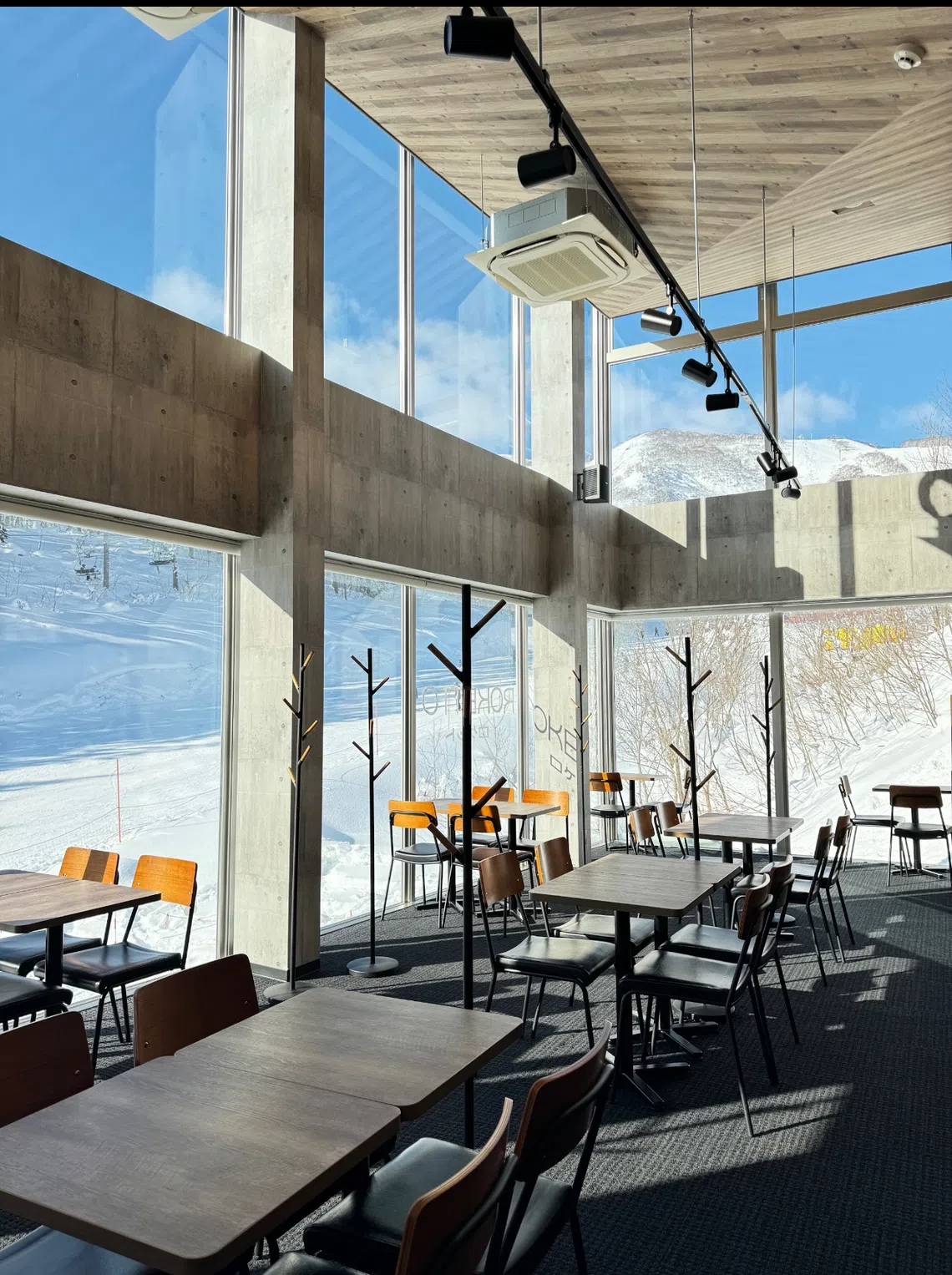
Seasonal demand is also something that businesses have to contend with. The authorities have been trying to position Niseko as a year-round destination, but international visitor numbers in the so-called “green season” are a far cry from the winter peak from December to March.
“Culturally, the style of working in Singapore and Japan are quite different, which has led to… occasional challenges along the way,” says SC Global’s Cheong.
“For example, during the development phase, our contractors would not say an outright ‘no’ to requests for changes. This contrasts to a typical Singaporean working culture, which is more direct and expressive.”
That Luke’s, Mandala Club, Nylon, Park90 and Roketto are all located within the premises of condotel or hotel properties is telling: Operating a standalone business is risky. “If you don’t have the support of big infrastructure, or a bigger strategic alignment, then driving profitability over a three-month season is really hard because of high fixed costs,” says Mandala’s Jones.
“A lot of the seasonal staff that you bring in are either on a gap year or working holiday from the university. Some of them have never actually worked in a hospitality environment, (let alone) a luxury hospitality environment. So you’d be training them from scratch,” Jones adds.
With so many hurdles to overcome, is Niseko a conducive place for Singapore companies to do business, then? Again, the answer is both yes and no.
“Like any other location, it depends on the nature of one’s business. If your business does well in a seasonal environment and isn’t skilled-labour-intensive, then Niseko is definitely worth considering,” says Roketto’s Low.
As to whether the town is at risk of being overdeveloped, all parties The Business Times spoke to said “no”.
In fact, they observe that there is room for growth. While the local authorities have been cautious about growth and expansion, they also cannot deny the growing popularity of the destination. Several high-end hotels, resorts and condotels are slated to open in the coming years, including Hoshinoya (2026) and Aman (2027).
Infrastructure will have to improve, or visitors will find holidays unpleasant, says Low.
The surge in visitors is very evident this winter. “The number of people that descend into Niseko is mad,” notes Nylon’s Tang. “I mean, I’ve never seen crowds as crazy as this, except in very big cities.”
There is light at the end of the proverbial tunnel. Cheong points to the arrival of the Shinkansen service in 2030, which will not only provides another means of transport in and out of the area, but also opens up the destination to the domestic market.
Decoding Asia newsletter: your guide to navigating Asia in a new global order. Sign up here to get Decoding Asia newsletter. Delivered to your inbox. Free.
Share with us your feedback on BT's products and services
TRENDING NOW

Government to bring forward raising of retirement age, give employers more financial support to create flexi-load jobs

If Europe goes to war, the fallout will be felt in East Asia
Former minister Maliki Osman, Revolut chairman join Asia Gulf Holdings advisory board

Small nuclear reactors could boost the Asean Power Grid: GE Vernova executive

