Will this work for me? A test that identifies drugs one’s cancer responds to
The Onco-PDO test improves the efficiency of chemotherapy regimes and reduces overall treatment cost and time
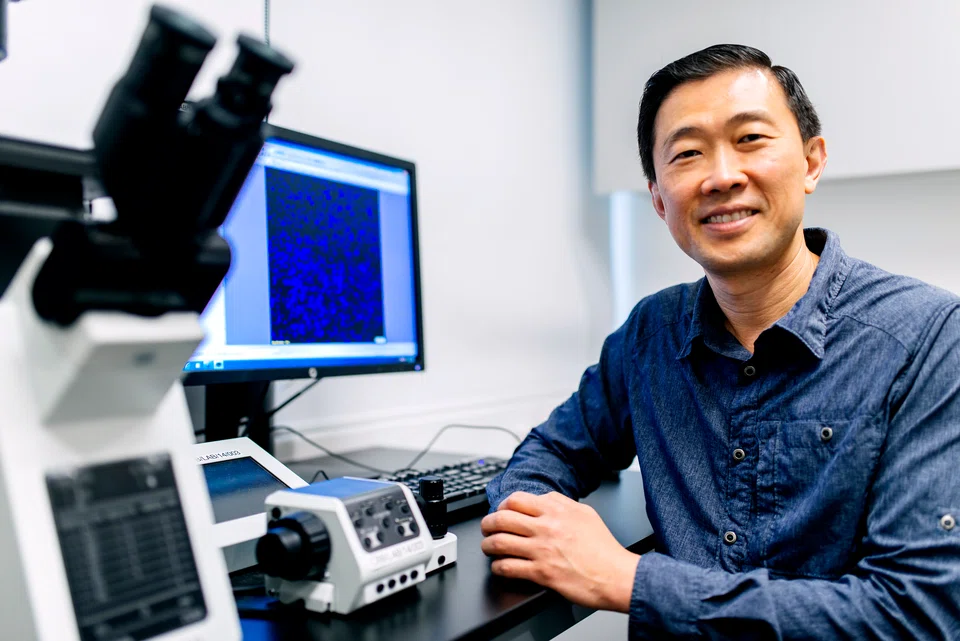
WITH cancer being the number one killer in Singapore, the need to receive appropriate treatment upon diagnosis is crucial. To that end, a test developed by local biotechnology and medical innovation company, Invitrocue, will help improve treatment response by quickly identifying how well a patient’s cancer will respond to various drugs.
The Onco-PDO is the first clinical cancer drug screening test in Singapore that personalises treatments by testing Patient Derived Organoids – which replicate the patient’s tumour behaviour – against chemotherapeutic drugs to see how well they respond. Within just 10 to 14 days, it identifies effective drugs for cancer patients, helping to improve their treatment response, reduce overall treatment cost, and save precious time.
In contrast, traditional laboratory procedures for testing patient-derived cancer cells against chemotherapy drugs can take months, and are typically used for research purposes rather than clinical applications.
The Onco-PDO test is backed by over eight years of cumulative validation data. It is built on Invitrocue’s proprietary 3D liver cancer organoid (artificially grown mass of cells that resembles an organ) tissue engineering technology, initially developed jointly with A*Star’s Institute of Bioengineering and Nanotechnology, the Massachusetts Institute of Technology and the Genome Institute of Singapore in 2012.
Instead of having patients endure multiple rounds of treatment before finding an effective regime, the test gives clinicians and oncologists critical data to prioritise drugs that work by targeting each patient’s cancer cells. Depending on cancer type, it has a 75 to 80 per cent positive predictive accuracy and an accuracy rate of 99 per cent in identifying drugs the patient’s tumour is resistant to.
Onco-PDO works by obtaining a patient’s tumour cells through surgery or biopsy, then subjecting them to cell scaffolding technology to simulate their responses to various drugs outside the body. While it can test 130 different cancer drugs, currently, each test can assess the cells against up to eight chemotherapy agents.
The Onco-PDO test can be used on all known types of solid tumours, with the only tumour type not covered being blood cancer. “Work is being done to address blood cancer,” Dr Steven Fang, founder and CEO of Invitrocue, tells The Business Times. “Future enhancements will include the ability for Onco-PDO to test immunotherapy drugs and selected forms of radiotherapy.”
Approved for use here since July 2023, the cost of the test varies depending on the number of drugs being tested and the specific cancer type and is priced between US$8,000 and US$10,000.
Decoding Asia newsletter: your guide to navigating Asia in a new global order. Sign up here to get Decoding Asia newsletter. Delivered to your inbox. Free.
Copyright SPH Media. All rights reserved.
TRENDING NOW
Grab CEO’s wife Chloe Tong on life with Anthony Tan and finding her purpose
Income Insurance appoints former Manulife Singapore top man as new CEO
Incidence of civil servants buying property near unannounced MRT stations ‘a concern’, but may not establish misconduct: PSD
Three ex-employees of Envy group join Ng Yu Zhi in bankruptcy