

What a feeling
The emotional takeaway may be the biggest gift a hotel can offer its guests. And this is where many fail in their pursuit of head-turning design at the expense of heartwarming service
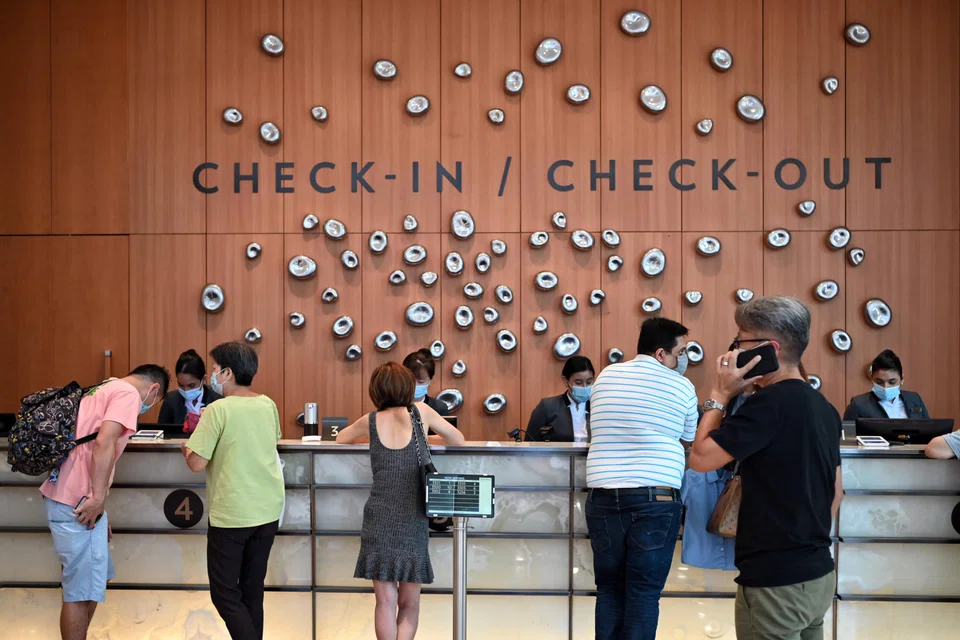
TRAVELLERS are finally cottoning on to a simple fact. A visit to a hotel is not just a ho-hum dollar transaction with padded receipts to be saved for the company accountant. At any price point, a stay at a hotel is a “relationship”. You step into a world of elevated comfort and pampering. And you embrace your new home, like some mysterious friend, with growing excitement.
It’s a process of discovery. If we may assume the hotel is a she, the lady may be enticing, moody, warm, aloof, charming or even annoying. But she will draw out all your emotions. If not, you’re probably at the bank, airbrushing selfies, pretending to have friends.
At hotels people smile, they address you by name, and they pour your favourite drinks. All this makes guests feel special.
Small wonder that people are drawing upon their “feelings” to judge hotel experiences, rather than carouses on 400-thread-count linen and clattering walks across perfectly veined Carrara marble. It’s as if pandemic-scarred travellers starved of human contact have suddenly made an elementary discovery. People matter. And the human welcome at your hotel is at the core of this relationship.
The emotional takeaway may be the biggest gift a hotel can offer its guests, yet this is where so many fail.
One of the reasons for this is that the tech that controls our lives – Google, Facebook, Instagram – is unable to measure emotion or intangible qualities (like how well a magazine may be written or designed, say, or the brilliance of a particular photograph) and therefore shrinks the “experience” into transactional clicks, the new measure of our quotidian lives.
Forgotten is brand personality and appeal. And herein lies the rub.
It is the brand that drives bookings and determines price. Why do people shell out insane sums for iPhones when a range of cheaper products can do much the same tricks? It’s the brand. Yet, all “smart marketing” is based on clicks and sales, driving hotels to lower prices and extend best-rate offers year round.
Lower prices are a boon for travellers no doubt, but this has killed the perception and allure of hotel brands – many once family-owned – that have been nurtured over generations. These are hotels where people first kissed, fell in love, proposed and brought their children. Memories and familiar faces connected the customer with the product.





Deal-surfing travellers fail to realise they are being drawn into low-rent one-night stands. They will never find a wife. This is bad news for travellers as well as the hotel industry. Click marketing has destroyed brand loyalty and encouraged hotel hopping, especially among younger travellers.
Relentlessly chased by cheap prices and steeped in a seemingly free online universe, consumers are understandably reluctant to pay more for quality.
The architecture of commercial communication has turned everything into a faceless barrel-scraping scramble. But if hotels are unable to sell rooms at the price their brands are worth, they will go out of business. This applies to other products, too.
Hoteliers all believe luxury and brand is about emotion. It is a feeling. Yet, many are inadvertently killing their own love story.
The truth is, children click, bankers don’t. It is wise to be aware of what one is counting. Nor can clicks infer intent.
This is the conclusion of studies by advertising agencies like the now-retired Xaxis (under GroupM). In one bit of research, it was found that a small 13 per cent of users were responsible for 50 per cent of the clicks. Interestingly, that click storm generated “only 9.8 per cent of all conversions while the light clickers accounted for more than 90 per cent of all conversions”.
More worrying is rampant click fraud. Many sites pay students and bored housewives a fee for clicking on ads. Other “click farms” may use bots.
Recognising the need for engagement, the tenor of hotel guest relations is changing.
“Hi, I’m with ‘experience’, and how may I help you?”, one young lady brightly enquired as I strolled into a vast chandeliered lobby. “Experience?” I raised my eyebrows. “We’re not robots, we deal with guests as humans,” she laughed.
It’s called guest experience now. At another contemporary lifestyle hotel, a companionable staffer revealed she was learning about “how to deal with gender diversity among staff and also hotel guests”. The range of self-assured conversation was surprising.
In Manila, the smiles said it all. But then, it is English speaking, with that reassuring purr and rolled R’s. In Singapore, a bright-eyed receptionist cheerfully explained: “EQ (emotional quotient) is one of our core pillars.” Staff everywhere are being sourced from bars, offices, airlines and luxe retail brands.
The Mondrian Singapore was brave enough to hire a “rehabilitated” tattooed ex-convict. It all makes for a merry mix and throws up fresh challenges. The final service blend still needs to emerge. The reluctance of youngsters to take on punishing hotel hours post-Covid is one of the reasons for this emerging staff diversity. After all, necessity is the mother of invention.
In Hong Kong, at one re-coiffed French-styled establishment, staff launched themselves at me as I entered, seeking to guide me all at once, while at another grand address a bored doorman grudgingly let me in sans eye contact. No smiling faces came up to assist or enquire about gender diversity.
Clearly, some hotels are busy honing people skills. Others will learn the hard way as the battle for that secret bottle of “feelings” the guest takes home, hots up.
The writer is a Hong Kong-based journalist, newspaper columnist and the editor of AsianConversations.com and SmartTravelAsia.com
Decoding Asia newsletter: your guide to navigating Asia in a new global order. Sign up here to get Decoding Asia newsletter. Delivered to your inbox. Free.
Share with us your feedback on BT's products and services






