Ahead of Fed’s final meeting of 2024, all eyes on the gifts that Powell might dole out
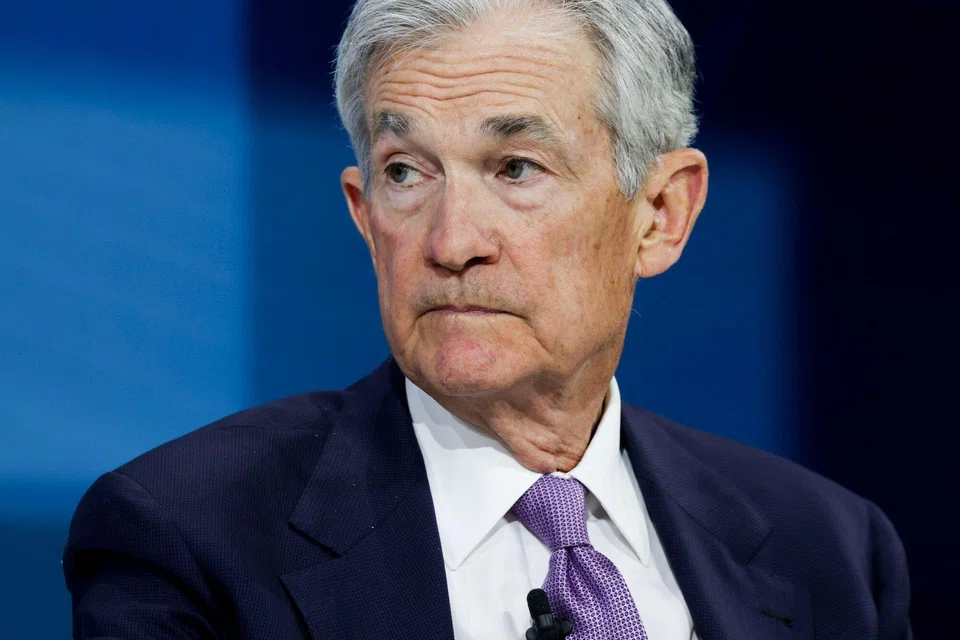
LAST Christmas, the US Federal Reserve gave the stock market a change of heart. This year, to save economists from tears, the central bank is going to do something special – it is going to pause.
After more than a year of ratcheting up interest rates at every meeting, the Fed finally pivoted from its war on inflation and paused rate hikes in December 2023.
Investors, however, had to wait nine months until September this year for a rate cut.
On Wednesday (Dec 18), the Fed is widely expected to cut rates for a third straight meeting, with a likely 25-basis point reduction in its benchmark Fed Funds rate to a range between 4.25 and 4.5 per cent. Fed chair Jerome Powell is also likely to signal a pause in rate cuts.
Most economists, including some at the Fed, are arguing that the risks to US prosperity have shifted back to inflation dangers from recession risk. That is because of a recent uptick in the prices of staples such as eggs and coffee.
Another emerging inflation risk for Powell is incoming US president Donald Trump’s policy plans after the latter takes office on Jan 20 next year.
“We view Fed officials as struggling to make (and discuss) monetary policy without being drawn into a debate about Trump’s potential economic policies,” said economists at brokerage BNP Paribas, in a note to clients.
They added: “We think Powell will continue to refrain from any direct comment here, but the Fed will make policy consistent with management of elevated inflation risks.”
Inflation in the US is already picking up, albeit modestly.
The consumer-price index tracked by the Labor Department rose to 2.7 per cent in November, the most in 18 months. It is still within shouting distance of the Fed’s 2 per cent target, but is heading in the wrong direction.
Trump and incoming Treasury Secretary Scott Bessent’s plans of tax cuts, tariffs and fiscal spending are likely to be inflationary.
After all, Trump has vowed to impose higher tariffs on imports from China, Canada and Mexico on his very first day in office.
The pain of tariffs
Canadian President Justin Trudeau is among many observers who have pointed out that the pain of tariffs are always passed on to the consumers in the importing countries.
For example, if a Chinese company such as BYD were exporting electric vehicles (EVs) to the US (BYD doesn’t currently sell in the US, so this is hypothetical) at US$12,500 and the Trump administration increased tariffs on that car to 100 per cent from the current 25 per cent level, BYD would almost certainly raise the price of its EV to US$20,000.
That would, in turn, motivate makers of other budget EVs to raise the prices of their products as BYD’s rivals would not have to worry about overseas competition undercutting their prices.
Making labour expensive
Similarly, economists are united in the belief that Trump’s goal of rounding up undocumented migrants would make labour in the sprawling farming, meatpacking and construction industries more expensive – another development that would rapidly translate to higher food and property prices for US consumers.
Anticipating an inflationary environment, the Fed is likely to reduce the amount of forecasted 2025 rate cuts in its “dot plot” – the chart developed based on a survey of rate expectations from Fed board members – and strongly hint at a January pause, said economists at brokerage Bank of America Global Research.
“Consistent with this, we think the macro forecasts will indicate slightly stronger inflation next year, and higher longer run growth,” they said in a recent note.
The stock market, where the Christmas spirit of hope is always strong, is likely to slide in the wake of the Fed statement – particularly if, as expected, Powell is cagey about the likely length of the pause.
“Powell will likely use the press conference to open up optionality for a pause in further easing of undefined length,” warned the strategists from BNP Paribas.