Altman ‘won’ the Musk trial but may have lost Wall Street

Investors know what they are getting with Musk; they are still figuring out Altman
Summarise
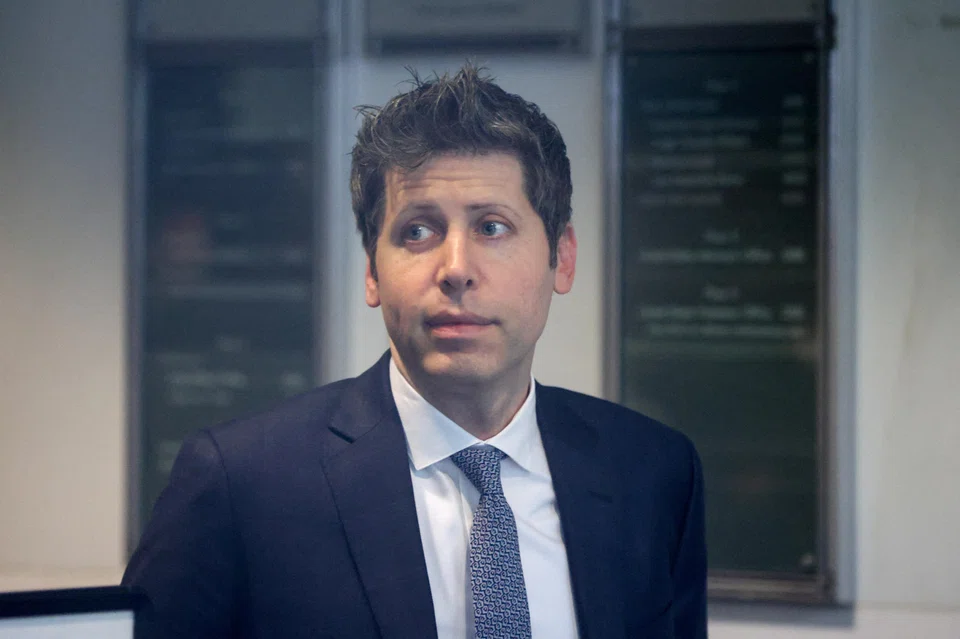
    • If there is one thing of any value to take from the trial, it is the ever-darkening cloud over Sam Altman’s suitability as a custodian of one of the most important companies in the world.
    • If there is one thing of any value to take from the trial, it is the ever-darkening cloud over Sam Altman’s suitability as a custodian of one of the most important companies in the world. PHOTO: REUTERS
    Published Tue, May 19, 2026 · 06:49 PM

    WE HAVE all been in meetings that “could have been an e-mail”, so why not have a jury trial that could have been an artificial intelligence prompt?

    “Is Elon Musk able to sue OpenAI for breach of contract?” we might have asked before the three-week circus at a federal court in downtown Oakland, California. “No,” should have been the answer. “He’s too late.”

    That was the jury’s anticlimactic verdict on Musk’s effort to sue Sam Altman, OpenAI and Microsoft over transforming OpenAI from a nonprofit into a for-profit concern – or “stealing a charity”, as Musk put it more than a dozen times while on the stand.


    The jury took about two hours to rule unanimously that the statute of limitations for Musk’s claims had expired. The judge agreed, and that was that. (Musk’s lawyers vowed an appeal but did not specify what they will argue.)

    At the start of the trial, I suggested that asking an Oakland jury to choose between Musk and Altman was like asking them to pick between a “slap in the face or a knee to the groin”.

    Shrewdly enough, the jurors opted to avoid both. Yet, while they passed on the opportunity to deliver a verdict on Altman’s integrity in creating OpenAI, Wall Street still might.

    If there is one thing of any value to take from the trial, it is the ever-darkening cloud over Altman’s suitability as a custodian of one of the most important companies in the world. Especially telling was, over the course of the three weeks, just how many of Altman’s earliest allies now seem to want little to do with him.

    Yes, Altman and OpenAI “won” the case. Potential for appeal aside, the decision seems to have staved off the immediate threat that OpenAI in its current form would be dismantled, scuttling what is expected to be one of the most lucrative initial public offerings ever.

    That is good news for Altman and good news for the markets, too. Who knows what kind of immediate ripple effect would have been created had one of the biggest planned spenders on AI computing power been faced with abolition.

    Yet as I noted when this trial was getting underway, Musk would be a partial victor even in loss, owing to the distraction and reputational damage caused to OpenAI as the AI labs – including Musk’s own company – head to the public markets.

    Was Musk portrayed in court as untrustworthy, hypocritical and bullying? Did he come across as brash and argumentative on the stand? Well, sure. Hold the front page. Investors know what they are getting with Musk. They are still figuring out Altman.

    Five witnesses took to the stand to question Altman’s honesty, Musk’s lawyer Steven Molo pointed out in his closing. “People who have worked with him called him a liar under oath; that’s a very powerful word.”

    The jury heard passages from a 52-page memo written by co-founder and former close friend Ilya Sutskever to OpenAI’s board in which he described Altman as exhibiting “a consistent pattern of lying, undermining his execs, and pitting his execs against one another”. Mira Murati, formerly OpenAI’s chief technology officer, told Altman in a memo that his leadership “generates chaos and churn”.

    OpenAI’s current president, Greg Brockman, did not come off much better – his personal diaries revealing an intense private focus on increasing his net worth when OpenAI was billing itself as the AI company that was building the tech for the good of humanity. “What will take me to US$1 billion?” Brockman wrote in 2017. (Today his stake in OpenAI is worth almost US$30 billion, the court heard.)

    OpenAI was further exposed as a bit of a hot mess of a company. “It was amateur city as far as I’m concerned,” said Satya Nadella, Microsoft’s chief executive officer, when recalling the days surrounding Altman’s dramatic ouster in 2023. Then, Microsoft was left scrambling to reassure its own investors that its AI strategy was not falling apart.

    Throughout the trial, Microsoft sought to distance itself from just about all of OpenAI’s origin story. Fast-forward to today, Microsoft is doing what it can to decouple its own fate from that of OpenAI, renegotiating a soured partnership between the companies.

    We will never know if the jury was convinced by Altman when he said: “I believe I am a truthful person.” But Wall Street might take that question into account if and when the company attempts to go public.

    Maybe investors might prefer calmer waters. While this trial played out, rival AI shop and IPO candidate Anthropic was busy closing a US$30 billion funding round that valued it at US$900 billion – leapfrogging OpenAI. BLOOMBERG