

Asean’s test in a fragmented global economy
South-east Asia’s resilience will depend on greater economic integration within the region and continued strategic engagement with external partners
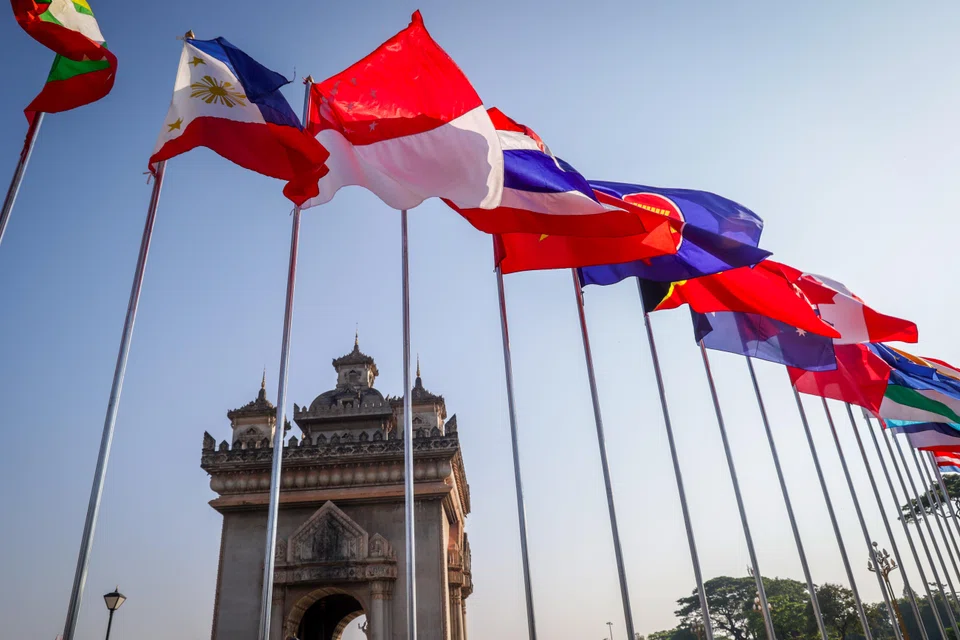
AS THE global economic environment becomes more unsettled, South-east Asia is having to navigate a more complex set of risks, from disruptions in the Middle East affecting shipping routes to broader geopolitical frictions.
For both large corporations and smaller firms, there is a greater need to manage volatility, cost pressures and shifting market conditions. Businesses depend not only on market access, but also on confidence that rules, international law and open trade will continue to provide a stable operating environment.
The United States, long seen as a key defender of the rules-based order, no longer appears to provide the same level of reassurance, found the State of Southeast Asia 2026 Survey by the Iseas-Yusof Ishak Institute, which polled 2,008 respondents from all Asean member states.
TRENDING NOW

LTA proposes combining car COE categories, adding rebate-surcharge system

StarHub to acquire MyRepublic’s mobile business amid ongoing telco consolidation

DBS, OCBC, UOB rout lops billions off STI as inflation, rate concerns spook investors

Grab CEO’s wife Chloe Tong on life with Anthony Tan and finding her purpose

