A better approach to de-risking trade
There are flaws in the European Union’s efforts to protect itself from supply disruptions
 Add BT as a preferred source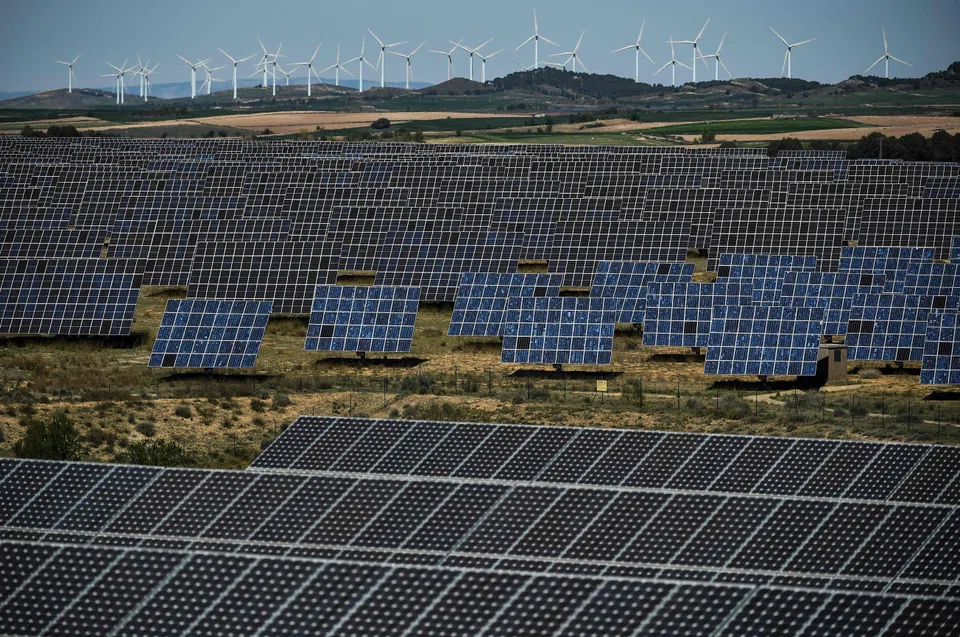
DeeperDive is a beta AI feature. Refer to full articles for the facts.
TRADE always implies mutual dependency: If both sides benefit from exchanging goods and services, both sides lose when transactions are suspended. Until relatively recently, policymakers focused on the benefits – the efficiencies and opportunities trade creates. But in an age of intensifying geopolitical conflict, the risks – particularly of supply disruptions – are increasingly taking centre stage. European Commission President Ursula von der Leyen’s recently proposed strategy to “de-risk” trade is a case in point.
The problem with the current discussion about de-risking trade is that it tends to address the issue in general terms, even though various types of trade pose very different risks. A more nuanced approach would begin by distinguishing between inputs that the economy needs to function (for example, raw materials like natural gas or minerals) and inputs that are needed to build up future production capacity (such as solar panels).
There is one relatively straightforward way to de-risk trade in minerals: strategic stockpiles. Because minerals are generally easy to store, maintaining a stockpile – say, the equivalent of one year’s supply – would cost only as much as the interest on the initial investment. For example, at current interest rates, the European Union (EU) could store a year’s worth of rare earth minerals for less than 5 million euros (S$7.3 million) annually, given that total imports in 2021 amounted to 120 million euros.
Decoding Asia newsletter: your guide to navigating Asia in a new global order. Sign up here to get Decoding Asia newsletter. Delivered to your inbox. Free.
Share with us your feedback on BT's products and services