

The black market for oil will continue to thrive
The business is so lucrative that everyone involved is motivated to find alternative routes, tricks and ploys to keep the wheels turning
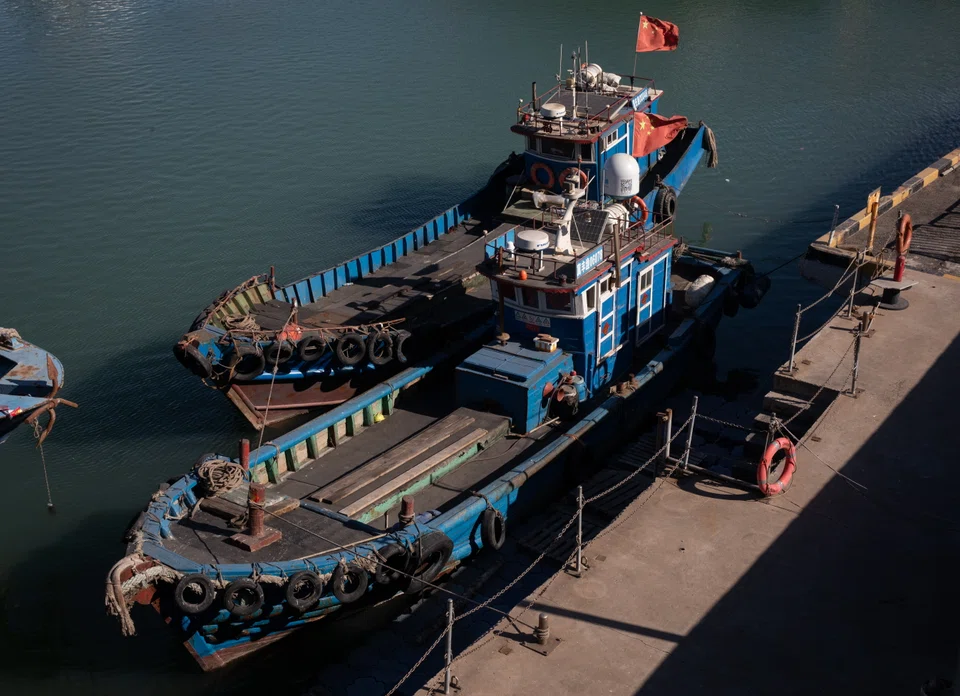
OIL smuggling isn’t easy, but it’s so enormously profitable that obstacles only slow it down. Sure, the authorities can make dealing illicit barrels a bit less financially rewarding; ultimately, however, the oil will flow.
And it’s flowing. Russia, Iran and Venezuela, the three major oil-producing countries under Western sanctions, are still pumping about 16 million barrels a day of crude and other oil liquids. Assume the trio is selling oil at a 20 per cent discount to market prices and do the math: that’s a cool US$1 billion worth of oil a day.
I’m sceptical about the ability of the most recent round of sanctions and the promises of stricter enforcement of older ones to halt illicit trading. The measures will create more friction and make smuggling more difficult and probably less profitable, forcing sellers to offer larger discounts. But they won’t meaningfully reduce the flows, let alone stop them.
TRENDING NOW

Once staunchly pro-China, Malaysian Chinese businesses are now distancing themselves from Beijing

Looking beyond looming CEO succession, should UOB potentially pursue a transformative merger?

Could stablecoins be the future of money?

Grab CEO’s wife Chloe Tong on life with Anthony Tan and finding her purpose

